The Meaning Behind Seeing Hummingbirds In Your Texas Yard In Late July
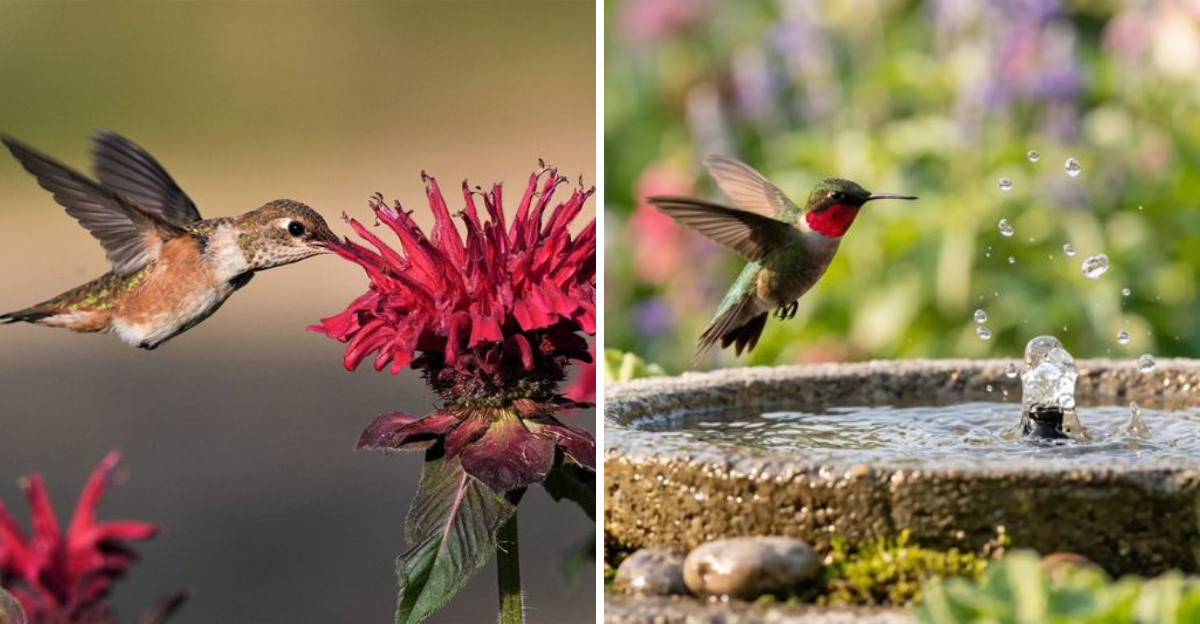
Seeing a hummingbird in your Texas yard in late July feels like a gift. That tiny, hovering flash of iridescent green or ruby red is one of those garden encounters that stops you mid-task and holds your attention until the bird is gone.
But if you’ve been noticing hummingbirds with more frequency lately, or seeing species you don’t usually recognize, there’s more happening than a routine backyard visit. Late July marks a significant moment in the Texas hummingbird calendar.
Migration is beginning to stir, and Texas sits in one of the most important hummingbird migration corridors in North America.
The birds appearing in your yard right now may be local breeders, early southbound migrants, or species passing through that you’ve never encountered before.
Each of these possibilities tells a different story about what’s happening in the broader hummingbird world beyond your garden fence.
Beyond the seasonal significance, hummingbirds carry rich symbolic meaning across many cultural traditions that call Texas home. Here’s what hummingbirds in your Texas yard in late July are really telling you.
1. Local Hummingbirds May Still Be Raising Young
Not every hummingbird in your late-July yard is passing through on a long trip. Some of them are still hard at work raising a family right in your neighborhood.
Black-chinned hummingbirds, one of the most common breeders in Texas, can have nestlings well into August. Ruby-throated hummingbirds also continue breeding activity deep into the summer months.
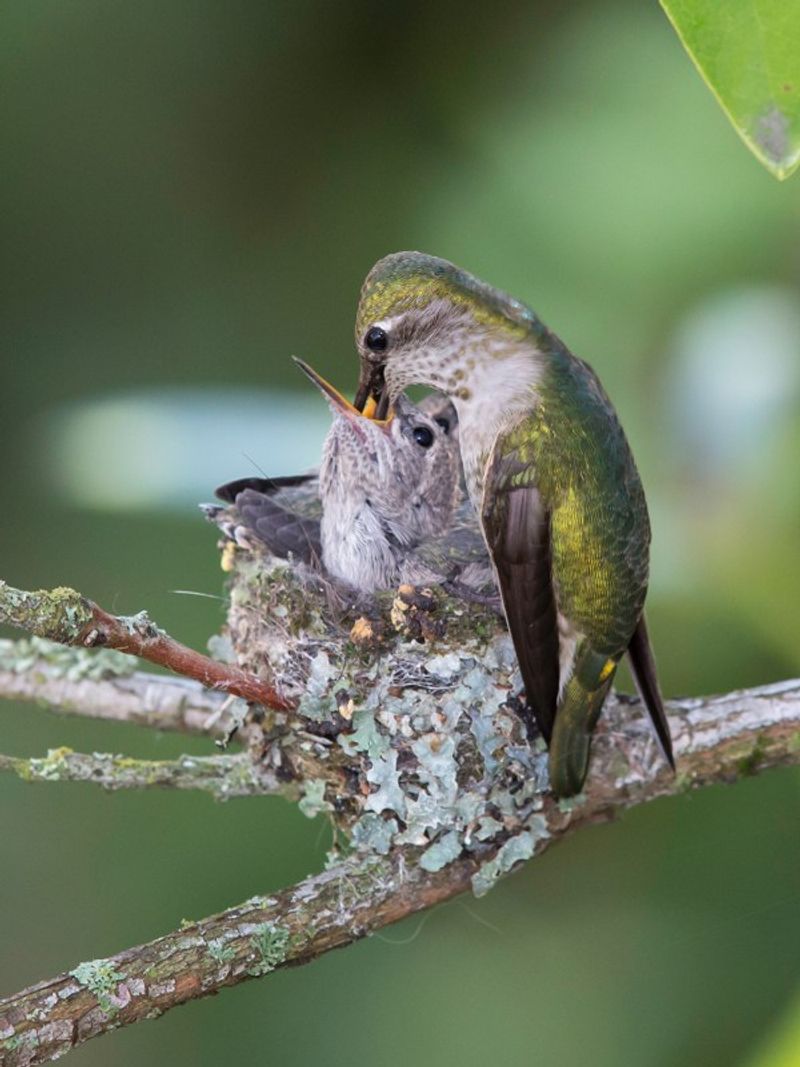
Female hummingbirds handle all the nesting duties on their own. They build the nest, sit on the eggs, and feed the young without any help from the male.
If you keep seeing a female dart back and forth from your flowers or feeders, she may be fueling up for herself and carrying food back to nearby nestlings. She needs a lot of energy to keep up with hungry babies.
Hummingbird nests are incredibly small and well hidden. They are about the size of a large thimble and are often covered with lichen and spider silk, making them blend perfectly into tree branches.
You might have a nest in your yard right now and never know it. The best thing you can do is keep your feeders clean and your nectar fresh.
A steady food supply close to the nest makes her job a little easier. Watching her routine can give you clues about where the nest might be, though it is best to admire from a distance and avoid disturbing her hard work.
2. Newly Fledged Juveniles May Be Discovering Your Garden
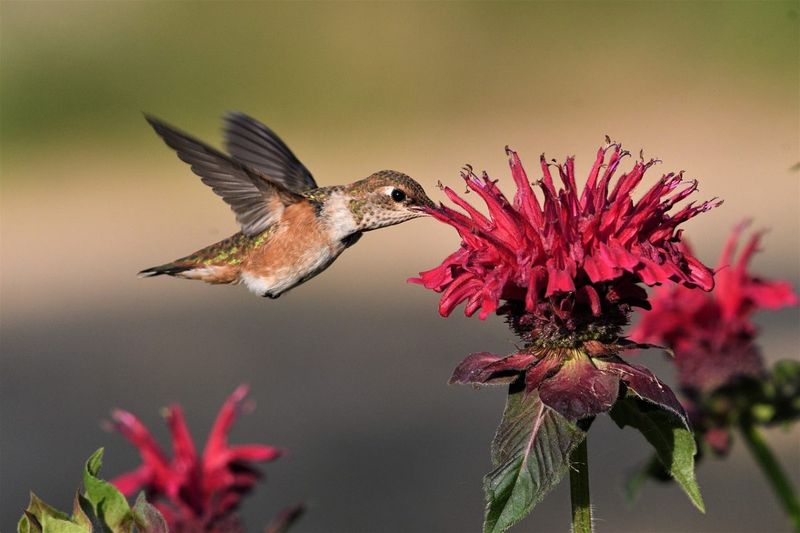
Imagine being a brand-new hummingbird, just days out of the nest, and suddenly the whole world is yours to explore. That is exactly what juvenile hummingbirds experience in late July.
After spending weeks tucked inside a tiny nest, young birds begin venturing out and learning how to find food on their own. Your garden could be one of the first places they visit.
Young hummingbirds look a lot like adult females at first glance. They lack the bright, iridescent throat patches that adult males are known for, so it can be tricky to tell them apart from mom.
Your Texas Garden Changes Every Week. Your Plan Should Too.
Gardening in Texas changes quickly throughout the season. Every Friday you’ll receive a simple weekly plan showing exactly what to plant, prune, fertilize, harvest, and protect so you never miss the right timing.
A sudden spike in hummingbird activity around your yard in late July could simply mean that a family of newly fledged birds has found your flowers or feeders. The mother may even guide them there herself, leading them to food sources she already trusts.
Juveniles are still learning the ropes. They may hover awkwardly, miss flowers on the first try, or seem less confident than experienced adults.
Watching them practice is genuinely fun. You can support young hummingbirds by keeping multiple feeders available and planting a variety of native tubular flowers.
Coral honeysuckle and Turk’s cap are excellent Texas choices that bloom reliably through the heat. Having more than one food source reduces competition and gives every young bird a fair chance to eat.
A garden that welcomes juveniles in late July often becomes a favorite stop for those same birds during future migrations as they grow and travel farther from home.
3. The Earliest Southbound Migration May Be Beginning
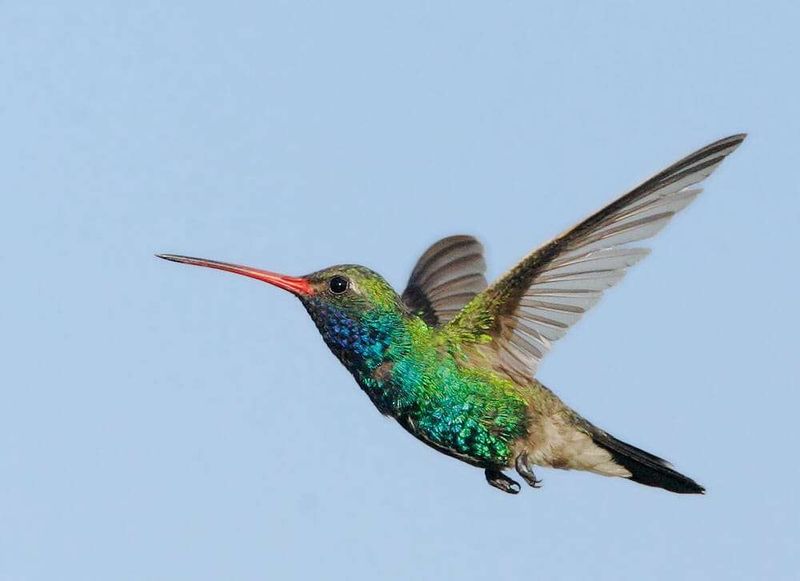
Most people think of fall migration as something that happens in October, but for hummingbirds, the journey south can start much earlier than that.
Adult male ruby-throated hummingbirds are often the first to leave Texas, sometimes beginning their southward movement as early as late July.
If you notice a change in your yard’s hummingbird activity around this time, early migration could be the reason.
The timing surprises a lot of people. Summer is still blazing hot, school has barely let out, and yet some hummingbirds are already on the move.
Males leave first because their breeding responsibilities end earlier. Once they have mated, there is no reason for them to stay.
Females and juveniles tend to follow a few weeks later, so the parade of visitors through your yard can actually stretch from late July all the way through September or even into October.
In western Texas, the migration picture gets even more interesting. Species like rufous hummingbirds begin passing through on their way south from breeding grounds farther north.
This means late July is a great time to pay close attention to every hummingbird that visits. You might spot a species you have never seen before.
Keeping your feeders clean and stocked during this window is one of the best things you can do. Southbound migrants are burning serious energy and need reliable fuel stops along the way.
Your yard could be exactly the rest stop a tired traveler needs before pushing on toward Mexico and Central America for the winter months ahead.
4. Your Flowers Or Feeders Have Become A Dependable Fuel Station
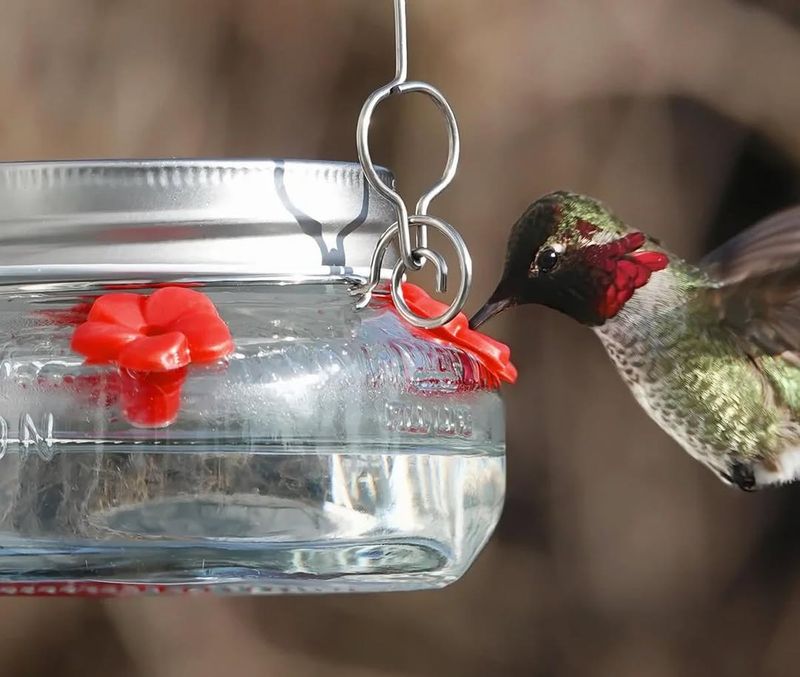
Hummingbirds burn through energy at an astonishing rate. Their hearts can beat more than 1,200 times per minute during flight, and their wings can flap up to 80 times per second.
To keep that tiny engine running, they need to eat constantly throughout the day. When a hummingbird finds a yard with a steady, reliable food supply, it comes back again and again.
If you are seeing regular hummingbird visits in late July, that is a strong sign your yard has earned a spot on their mental map of good feeding locations. Feeders filled with fresh, plain sugar water work beautifully.
A simple ratio of one part white sugar to four parts water is all you need. Skip the red dye because it is unnecessary and potentially harmful.
Native tubular flowers like coral honeysuckle, Turk’s cap, and native salvias are even better because they also attract the tiny insects hummingbirds need for protein.
Grouping flowers with overlapping bloom times is a smart strategy for Texas gardeners. When one plant finishes blooming, another takes over, keeping the buffet open all season long.
Late summer heat can stress plants and reduce flower production, so watering consistently makes a real difference. Replacing nectar in feeders every two to three days is especially important in Texas heat because sugar water ferments quickly and can make birds sick.
A yard that offers clean, fresh food day after day becomes a place hummingbirds trust completely. That trust is exactly why they keep returning to your space throughout the long, hot Texas summer and into the busy fall migration season.
5. Your Garden Supports The Tiny Insects Hummingbirds Need
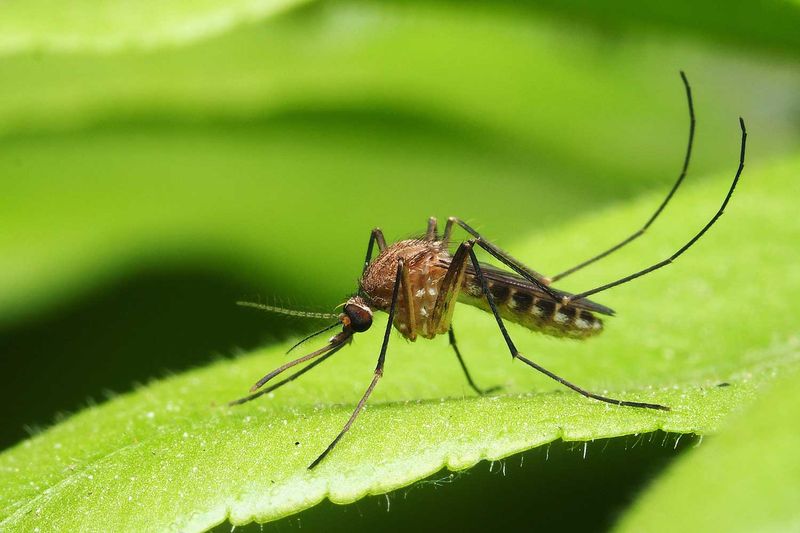
Nectar gets all the attention, but there is another reason hummingbirds love a well-planted garden. Protein matters just as much as sugar for these birds, and they get their protein from tiny insects.
Gnats, mosquitoes, small flies, spiders, and other little invertebrates make up a surprisingly large part of a hummingbird’s daily diet. Without enough insects, even the best nectar supply falls short.
Female hummingbirds and growing juveniles need the most protein. Nestlings are fed almost entirely on insects during their first weeks of life because protein is essential for building muscle and feathers.
A garden packed with native plants naturally supports a healthy insect population. Native plants have evolved alongside local insects over thousands of years, making them far more valuable to wildlife than exotic ornamentals.
When your garden is alive with small bugs, hummingbirds notice.
One of the most helpful things a Texas gardener can do is reduce or stop using broad-spectrum pesticide sprays. These products wipe out the small insects that hummingbirds depend on, leaving the yard looking clean but ecologically empty.
Spot treatments for specific pest problems are a smarter approach. Leaving some leaf litter, letting a few plants go to seed, and avoiding excessive tidying all help insects thrive.
A slightly wilder garden corner can become surprisingly productive for hummingbirds. You do not need a perfectly manicured space to attract them.
What they really want is a yard that feels alive, full of movement, buzzing with tiny creatures, and rich with flowers that offer both nectar and a side dish of protein they can catch on the wing.
6. Shade, Water, And Perches Make The Yard Safer During Texas Heat
Texas in late July is no joke. Temperatures regularly climb past 100 degrees Fahrenheit, and the heat can be brutal even for creatures as tough as hummingbirds.
A yard that offers more than just food becomes a true sanctuary during these scorching weeks. Shade, water, and safe perches are three things that can make your outdoor space stand out from the rest of the neighborhood.
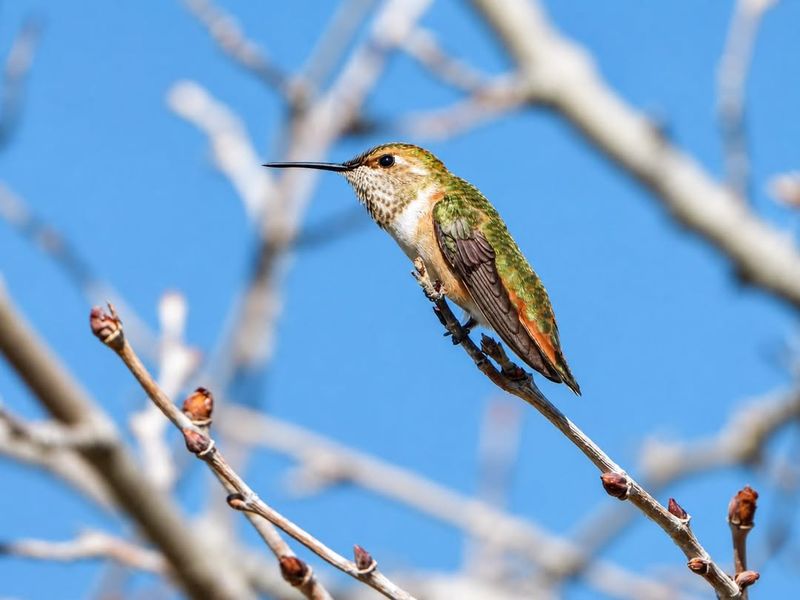
Hummingbirds rest more than most people realize. Between feeding bursts, they perch on thin, exposed twigs where they can keep a sharp eye on their territory.
These resting spots help them conserve energy, watch for rivals, and stay cool in the shade of nearby shrubs or small trees.
Planting layered vegetation that includes both tall trees and lower shrubs gives hummingbirds plenty of options for perching and sheltering throughout the hottest parts of the day.
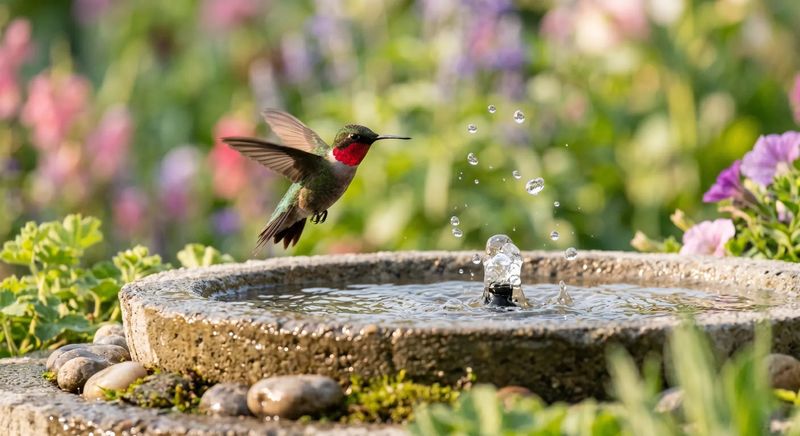
Water is often overlooked as a hummingbird attractant, but Texas Parks and Wildlife recognizes it as a critical backyard resource in the state’s hot, dry climate. Hummingbirds do not use traditional birdbaths the way larger birds do.
They prefer to fly through a fine mist or bathe in the gentle spray of a leaf dripping with water. A small misting attachment on a garden hose or a dripper placed over a shallow dish can work wonderfully.
Offering fresh, moving water alongside shade and reliable food transforms your yard into a complete habitat.
Hummingbirds that feel safe, cool, and well-fed in your space will linger longer and visit more frequently throughout the challenging weeks of deep Texas summer heat.
7. Repeated Sightings May Be One Territorial Bird, Not A Large Flock
Here is something that surprises almost every backyard birdwatcher. You glance out the window and see a hummingbird at the feeder. Ten minutes later, there is one again. Then again an hour after that.
It feels like dozens of birds must be cycling through, but the truth is often much simpler. One very determined bird may be running the whole operation all by itself.
Hummingbirds are famously territorial. A single bird will claim a feeder, a patch of flowers, or even an entire corner of your yard and spend a huge portion of its day defending that space.
It will perch nearby, launch aggressive chases at any newcomer, and return constantly to check that its food supply is still secure.
This behavior is so intense that one bird can make a yard feel busy with hummingbird activity when really it is just one feisty individual on repeat patrol.
The good news is that you can outsmart a territorial bully with a simple trick. Spreading several small feeders around the yard, ideally out of sight of one another, makes it impossible for a single bird to guard them all at once.
When the dominant bird is busy chasing an intruder away from one feeder, other birds sneak in and feed at the others. Planting clusters of flowers in different garden beds works the same way.
More feeding stations mean more hummingbirds actually get to eat, and your yard supports a larger number of birds overall. A little feeder strategy goes a long way during the busy late-July season in Texas.