The Best Fall-Blooming Perennials Oregon Gardeners Overlook
Summer does not have to be the end of the color show in your Oregon garden. Plenty of perennials can keep borders, beds, and containers looking lively as other flowers begin to fade, yet they often get overlooked when gardeners plan their planting schemes.
Fall-blooming perennials can bring more than late-season color. Many provide food for pollinators, add texture after summer plants lose their momentum, and return year after year once established.
You can also use them to fill gaps in a garden that starts looking a little tired toward the end of the growing season.
Choosing plants that suit your light, soil, and moisture conditions will give you a better display with less fuss.
If your garden tends to lose its personality once summer is over, a few well-chosen late bloomers can keep it looking interesting well into fall.
1. Japanese Anemone Keeps Shady Borders Colorful
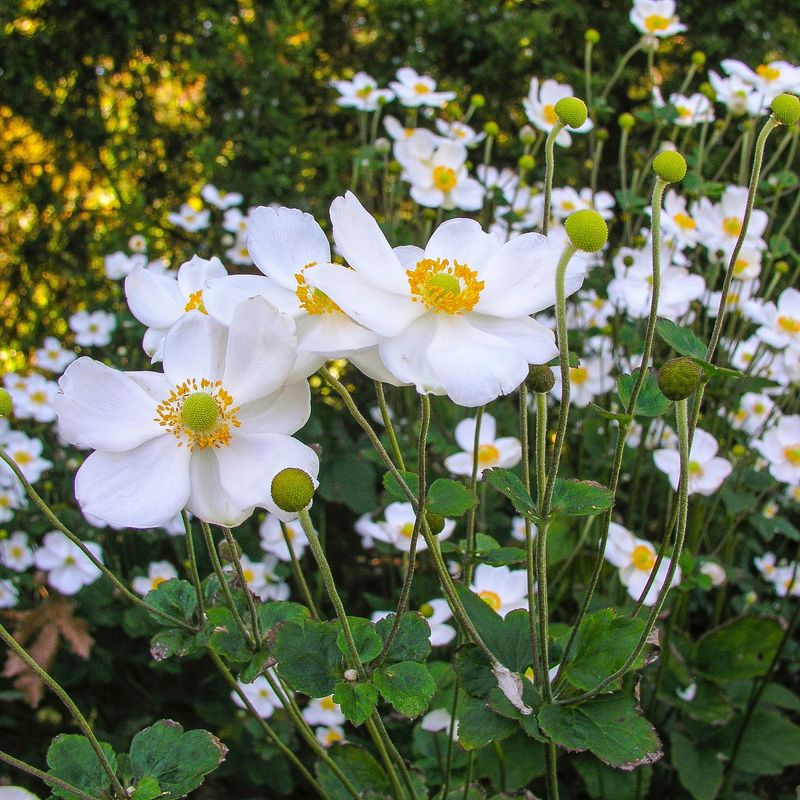
Few plants brighten a dim corner quite like this graceful beauty. Its soft pink or white flowers dance on tall, thin stems above neat green leaves. Even in shade, it puts on a lovely fall show.
Gardeners in Oregon love it because our cool, damp weather suits it perfectly. It spreads slowly over time, filling in bare spots under trees or along fences. You will not have to fuss over it much once it settles in.
Plant it in soil that stays a little moist but drains well. Morning sun with afternoon shade works great, though it also handles full shade. Water it during dry summer stretches so it stays happy.
The blooms open in late summer and keep going deep into fall. Butterflies and bees stop by often, adding gentle movement to your garden. Cut flowers also look charming in a small vase indoors.
Fun fact: despite the name, this plant has roots in China as well as Japan. It has been grown in gardens for hundreds of years.
Give it room to roam, since it can wander. If it spreads too far, just dig up extra clumps and share them with friends. That easygoing habit makes it a smart pick for busy gardeners who still want big color.
2. Asters Add Late-Season Color For Pollinators
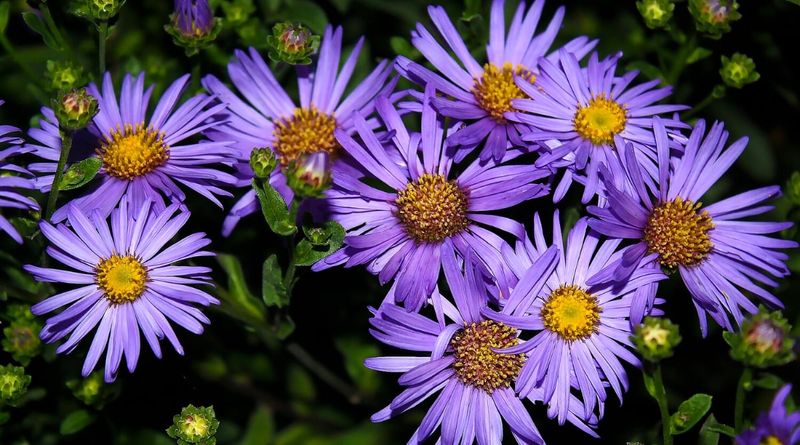
Picture a burst of purple, blue, and pink stars covering a bushy plant just as the days grow shorter. That is what asters bring to the autumn garden. They light up beds when most flowers have called it quits.
Bees and butterflies adore them, especially late in the season when food gets scarce. A single aster plant can buzz with visitors on a sunny afternoon. That makes them a true gift to backyard wildlife.
Oregon gardeners find asters easy to grow in full sun with average soil. They are tough and forgiving, handling both wet and dry spells fairly well. A little water during long dry periods keeps them looking fresh.
To get bushier plants with more flowers, pinch back the stems in early summer. This simple trick keeps them from getting floppy. Taller types may need a small stake for support.
Your Oregon Garden Changes Every Week. Your Plan Should Too.
Gardening in Oregon changes quickly throughout the season. Every Friday you’ll receive a simple weekly plan showing exactly what to plant, prune, fertilize, harvest, and protect so you never miss the right timing.
Colors range from deep violet to soft lavender and rosy pink. You can mix several kinds for a patchwork of shades. They pair beautifully with ornamental grasses and goldenrod.
Once flowering ends, leave some seed heads standing for the birds. Finches especially enjoy nibbling on them through fall. Divide crowded clumps every few years to keep plants strong and blooming their best year after year.
3. Goldenrod Brings Bright Flowers Into Fall
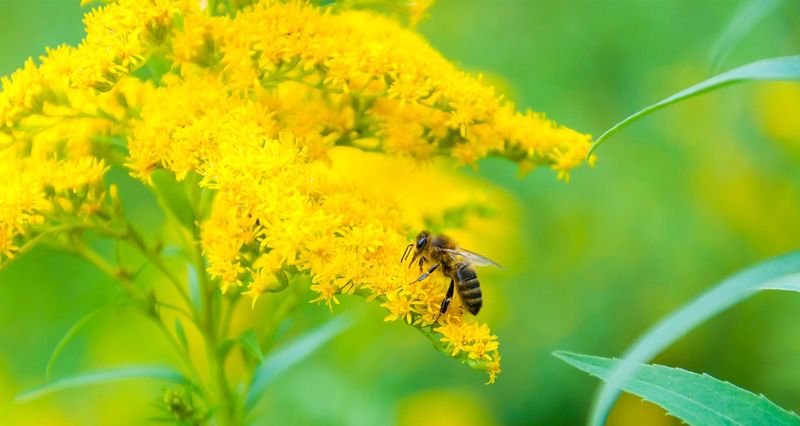
Bright, sunny plumes of gold seem to glow when goldenrod bursts into bloom. It brings warmth to the garden right as the weather turns cool. The cheerful color is hard to miss.
Many people wrongly blame goldenrod for fall allergies. The real troublemaker is ragweed, which blooms at the same time. Goldenrod pollen is heavy and sticky, so it rarely floats through the air.
This plant is a powerhouse for pollinators. Bees, butterflies, and even beneficial wasps flock to its golden flowers. Feeding them late in the season helps them prepare for winter.
Oregon gardeners appreciate how tough goldenrod is. It thrives in full sun and poor soil where fussier plants struggle. Once established, it barely needs any watering at all.
Some wild types spread fast, so pick a well-behaved garden variety if space is tight. Named kinds stay tidy and clump-forming. They fit nicely into borders and cottage-style beds.
Pair goldenrod with purple asters for a classic fall color combo. The gold and violet make each other pop. It also looks striking against ornamental grasses.
After blooming, you can leave the stems standing for winter interest. Birds may search them for seeds and insects. Cut everything back in early spring to make room for fresh new growth.
4. Toad Lilies Bloom When Many Gardens Are Fading
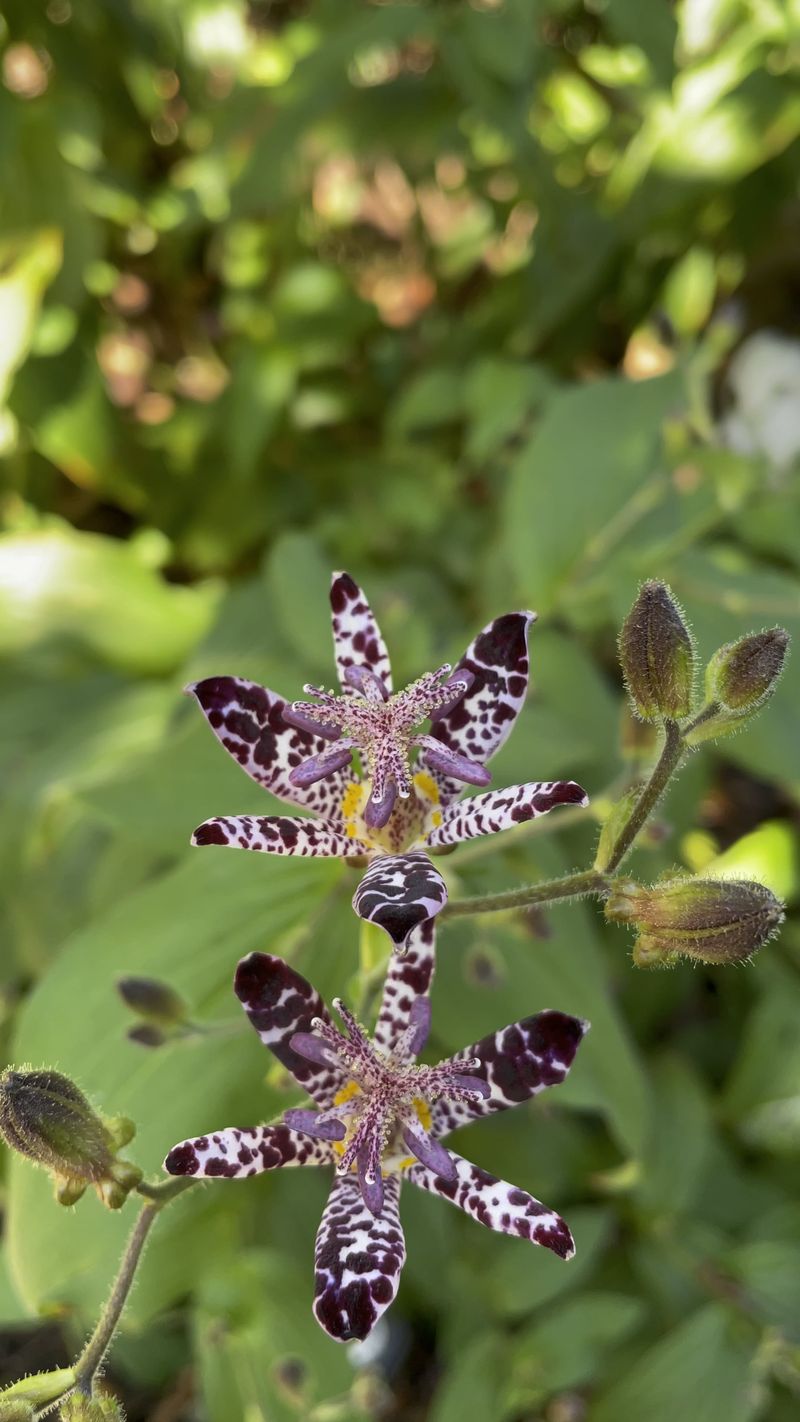
Just when the garden looks ready to rest, toad lilies steal the show. Their small flowers look like tiny orchids covered in purple spots. Up close, they are truly fascinating.
The odd name might make you giggle, but the plant is anything but ugly. Each bloom is a little work of art. You almost have to lean in to enjoy the fine details.
These shade lovers are perfect for Oregon’s woodland gardens. They thrive under trees and along shady paths where sun-loving plants fail. Moist, rich soil keeps them happiest.
Water them during dry summer weeks so the leaves stay lush. Adding compost or mulch helps hold moisture in the ground. They ask for very little once their needs are met.
Because the flowers are small, plant toad lilies where you will walk by often. A spot near a bench or path shows them off best. Grouping several together creates a bigger splash.
They bloom from late summer through fall, filling the shady gaps other plants leave behind. That timing makes them a clever choice for extending your garden’s color. Few plants brighten deep shade so late.
Slugs can be a bother in wet weather, so keep an eye out. A ring of crushed eggshells or bark can help protect the tender leaves.
5. Joe-Pye Weed Adds Height And Late Flowers
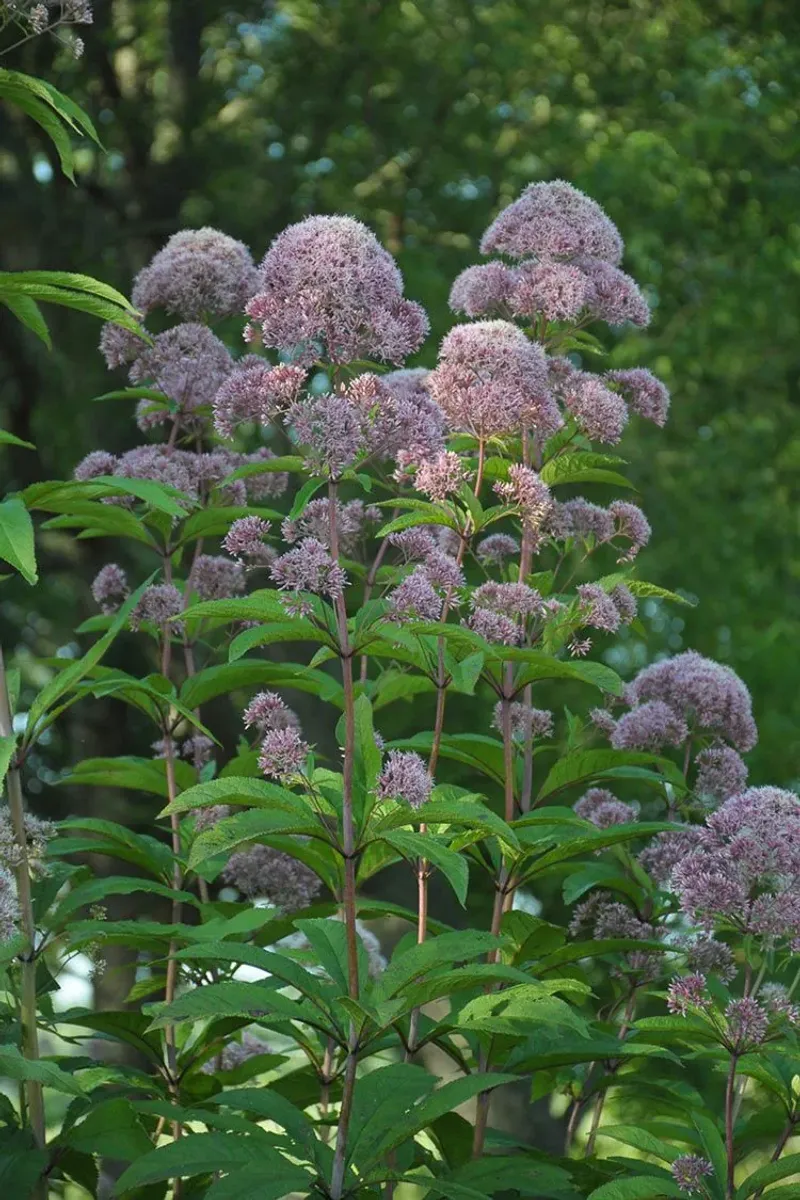
Standing tall and proud, Joe-Pye weed adds real drama to the back of a border. Its fluffy pink-purple flower clusters sit high on sturdy stems. Some plants reach well over six feet.
Butterflies simply cannot resist it. On a warm fall day, you might spot several fluttering around a single plant. It turns your garden into a busy pollinator cafe.
Do not let the word weed fool you. This is a well-behaved native perennial with real garden value. It stays in a neat clump rather than taking over.
Oregon gardeners with moist soil will find it easy to please. It loves damp spots near ponds, rain gardens, or low areas. Regular water keeps the flowers full and healthy.
Full sun brings the most blooms, though it tolerates a bit of shade. Give it plenty of room to reach its full size. Crowding can make it lean or flop.
The tall stems create a lovely backdrop for shorter flowers up front. Try pairing it with asters and grasses for a layered look. The mix of heights feels natural and relaxed.
In late fall, the seed heads add texture to the winter scene. Leave them standing for the birds if you like. Cut the plant back to the ground once spring arrives.
6. Autumn Joy Sedum Handles Dry Conditions Well
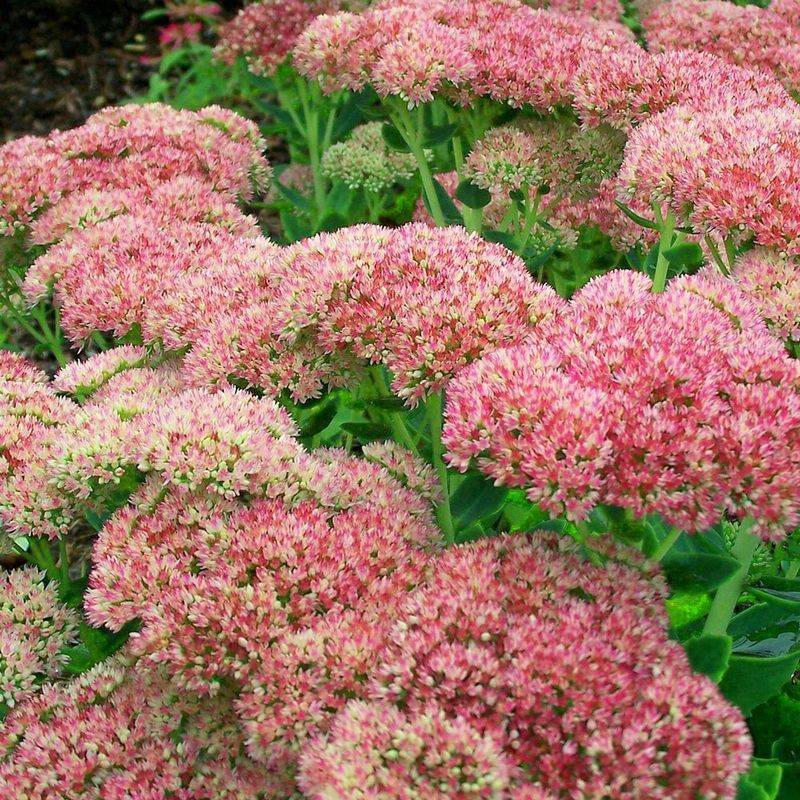
Tough as nails and pretty too, Autumn Joy sedum is a dream for lazy gardeners. Its thick, juicy leaves store water, so it laughs off dry spells. This makes it a smart pick for Oregon’s rainless summers.
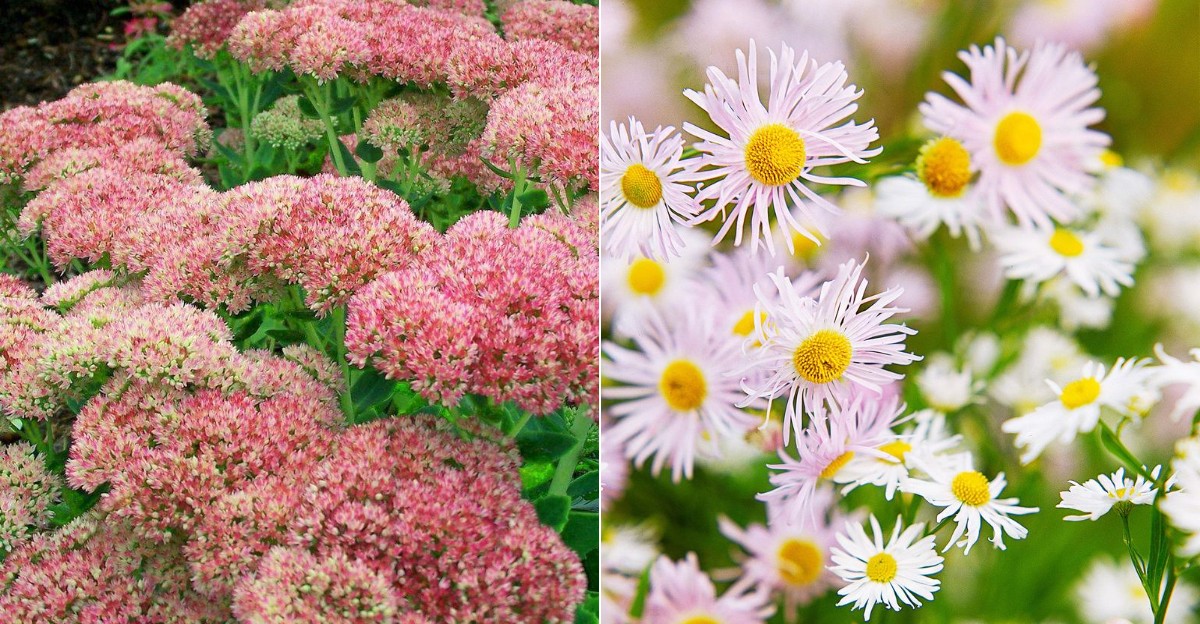
The flower heads change color as the season goes on. They start pale green, turn dusty pink, then deepen to rich rusty red. Watching them shift is half the fun.
Bees and butterflies swarm the broad flower clusters. The flat tops act like little landing pads for insects. Few plants feed pollinators so generously in fall.
Plant it in full sun and well-drained soil for best results. Too much shade or wet soil can make it flop over. Once settled, it barely needs any care.
You can skip the watering can most of the time. This plant actually prefers things on the dry side. That laid-back nature makes it perfect for busy folks.
Divide big clumps every few years to keep them strong. Extra pieces root easily, so you get free plants to share. Just stick a stem in soil and watch it grow.
Leave the dried flower heads up through winter for extra interest. They catch frost and look magical on cold mornings. Trim them back in early spring for a fresh start.
7. Boltonia Creates A Cloud Of Late Flowers
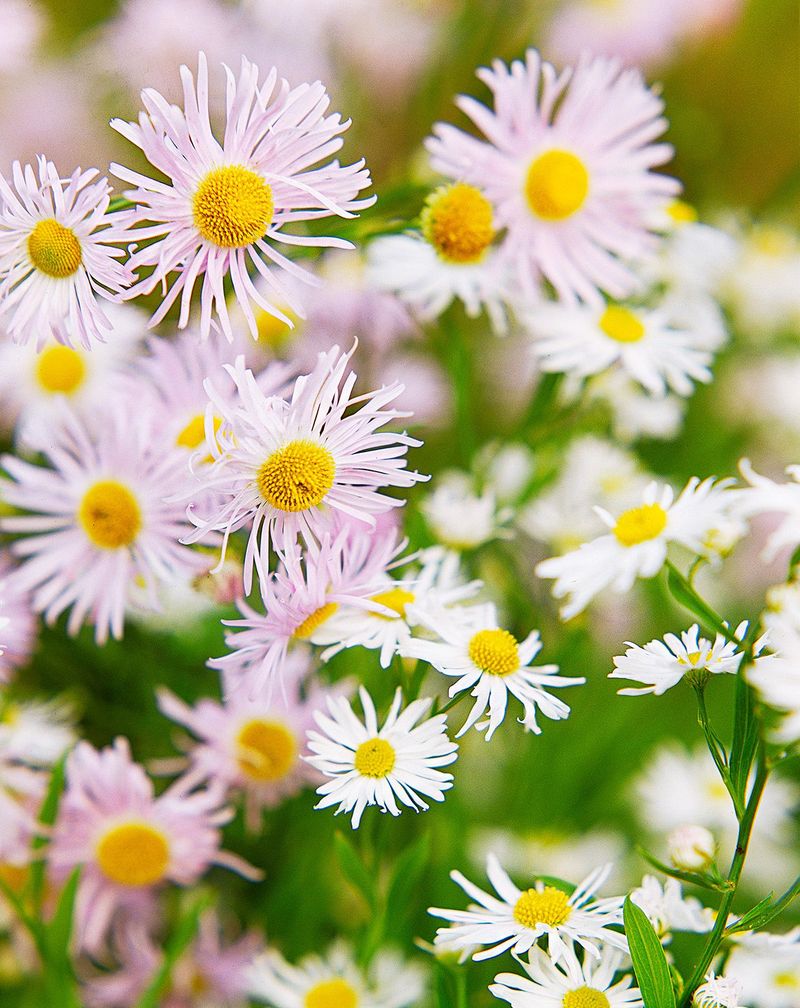
Few plants look as dreamy as boltonia in full bloom. It covers itself in hundreds of tiny daisy-like flowers. The effect is like a soft white cloud floating in your garden.
This underused perennial deserves way more attention. Many gardeners have never even heard of it. Once you grow it, you will wonder why it is not everywhere.
The dainty white or pale pink blooms arrive in late summer and last into fall. Bees and butterflies enjoy the endless flowers. The whole plant seems to hum with activity.
Oregon gardeners find boltonia easy and forgiving. It grows well in full sun with average soil. A little afternoon shade in hot spots is fine too.
It can get tall, so give it space or a light stake. Pinching it back in early summer keeps it fuller and shorter. That small effort pays off with sturdier plants.
Unlike some tall fall bloomers, boltonia rarely gets sick or buggy. It shrugs off most problems without complaint. That reliability makes it a stress-free choice.
Pair it with asters, sedum, or grasses for a soft, airy look. The fine flowers soften bolder plants nearby. It works beautifully in cottage gardens and wild-style beds.
Divide clumps every few years to keep them vigorous. The plant spreads slowly and stays polite in the border.
8. Chelone Brings Color To Moist Gardens
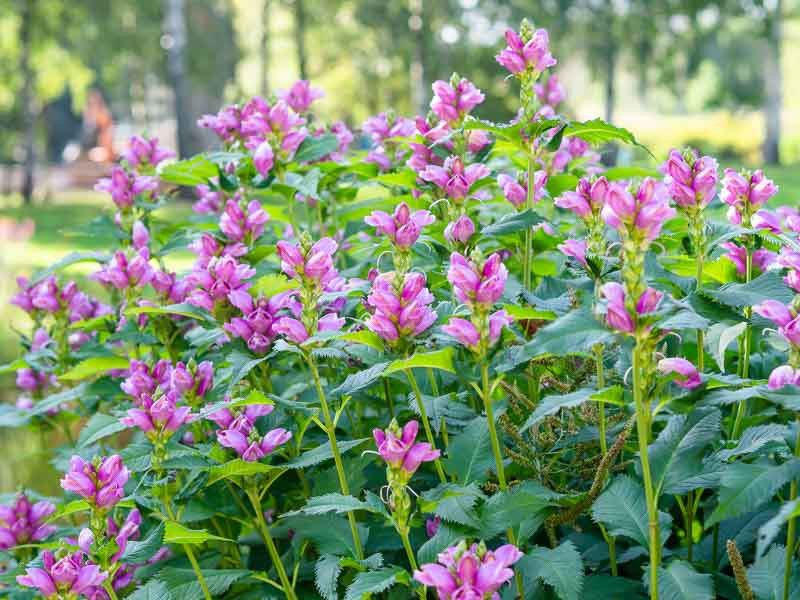
The nickname turtlehead comes from the shape of chelone’s odd, cute flowers. Each bloom looks a bit like a turtle poking its head out. Kids especially love spotting the little faces.
Rich pink or white blooms appear in late summer and carry on into fall. They cluster at the tops of tall, leafy stems. The color feels fresh when other flowers fade.
This native plant loves the damp. That makes it a natural fit for Oregon’s moist, shady corners. Rain gardens, stream edges, and low spots are ideal homes.
Bumblebees are the star visitors here. They actually push their way inside the snug flowers to reach the nectar. It is fun to watch them wiggle in and out.
Chelone is happy in part shade, though it takes full sun with enough water. Keep the soil moist and it will thrive with little fuss. Mulch helps lock in that moisture.
The upright shape works well in the middle of a border. It stands tall without getting floppy. Pinch it early for even bushier growth.
Slugs may nibble young shoots, so protect them in wet spring weather. Once the plant is bigger, it holds its own. Divide crowded clumps in spring to make more plants for shady spots.
9. Hardy Chrysanthemums Extend The Flowering Season
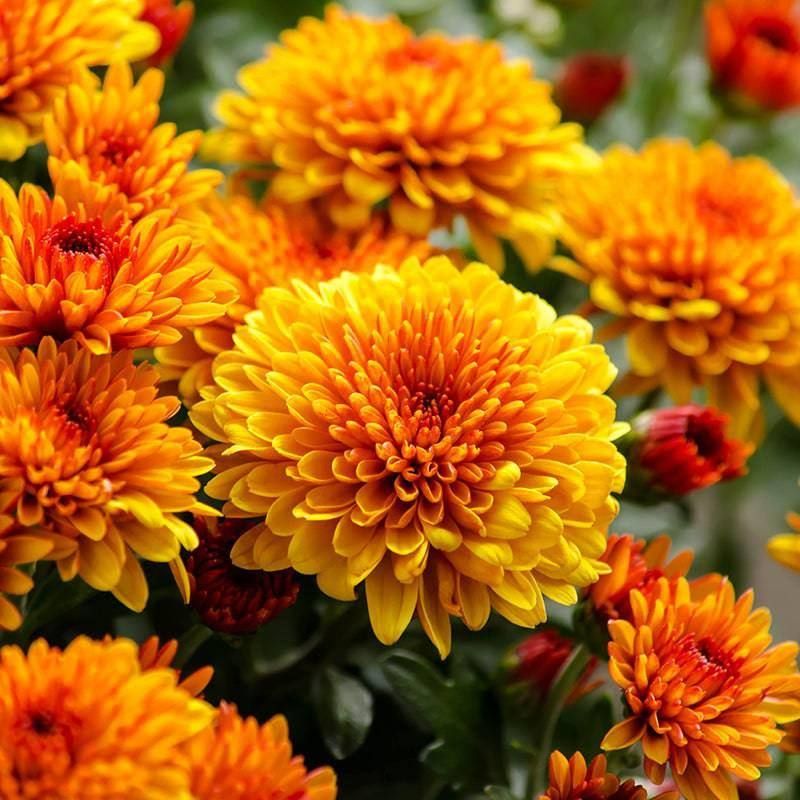
Nothing says fall quite like a mound of colorful mums. Hardy garden chrysanthemums pack a punch of yellow, red, orange, and purple. They keep the party going long after summer ends.
Many people buy mums as throwaway pots for the porch. But the hardy kinds can live for years in the ground. Plant them in spring and they come back stronger each fall.
Oregon’s mild winters help these tough mums survive. They need full sun and soil that drains well. Soggy roots in winter are their biggest challenge.
Pinch the plants back a few times in early summer for bushier growth. This keeps them compact and loaded with buds. Stop pinching by midsummer so flowers can form.
The huge range of colors means there is a mum for every taste. You can match them to your favorite fall decor. Group several together for a bold splash near the door.
Bees and butterflies visit the flowers on warm days. Feeding pollinators this late in the year is a real help. Choose single-flowered types for the most insect traffic.
Water regularly while they get established, then ease off. A layer of mulch protects the roots through winter. Divide clumps every couple of years to keep them full and blooming their best.