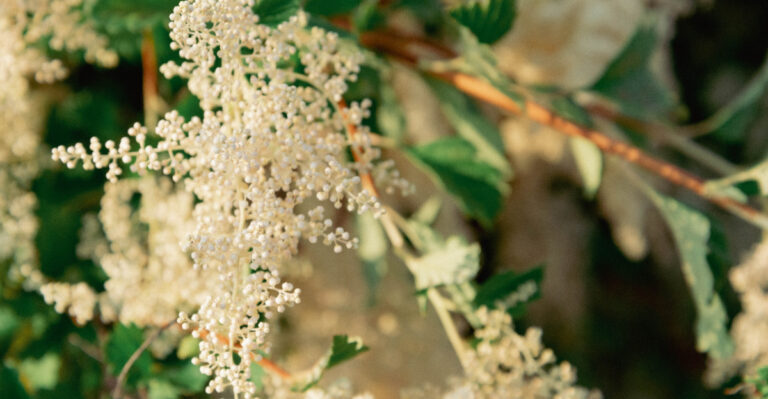
The Native Oregon Plants That Suppress Weeds In Wet Spots Better Than Any Mulch
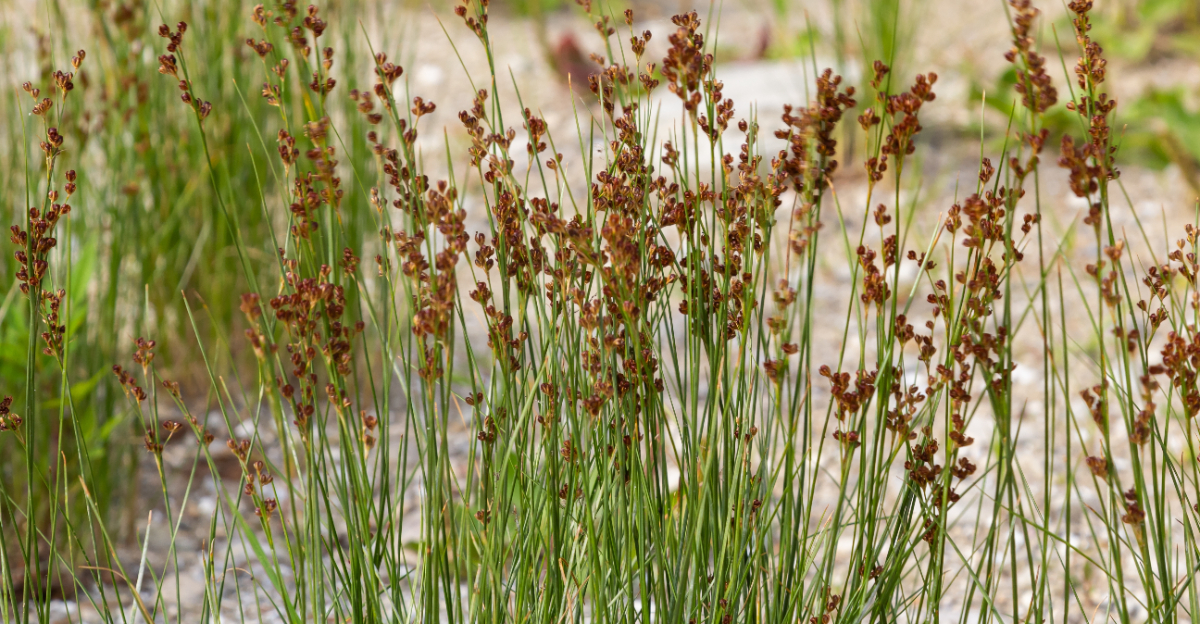
Wet spots can turn into weed magnets fast, especially in Oregon gardens where rain keeps the soil soft for much of the year. Mulch can help for a while, but soggy areas often need something more lasting.
That is where the right native plants can shine. They settle into damp ground and cover space in a way loose material cannot.
Once they fill in, weeds have less room to push through. These plants can also make problem areas look intentional instead of messy.
The best choices depend on how wet the spot stays and how much light reaches it. A shaded corner will need a different plant than a sunny swale.
Choose natives that like those conditions, and that tricky patch of ground can become one of the most useful parts of the garden.
1. Slough Sedge Forms A Thick Wet-Soil Mat
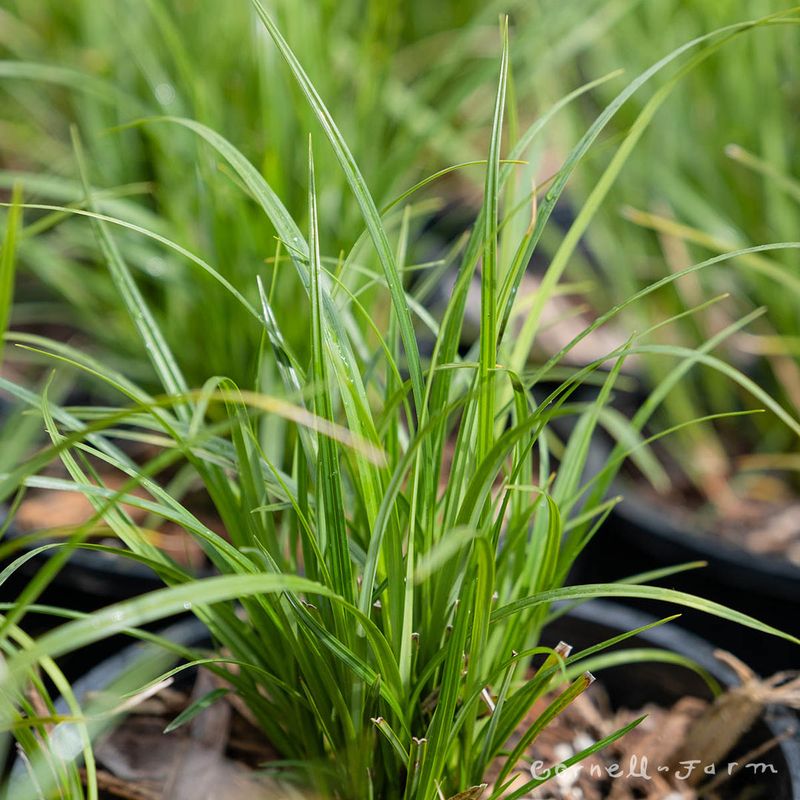
Few plants grip wet soil as stubbornly as slough sedge. Known scientifically as Carex obnupta, this native sedge grows in thick, low-spreading mats that leave almost no room for weeds to sneak in.
It is one of the most reliable ground covers you can choose for a perpetually soggy yard.
The leaves are long, narrow, and deep green, growing anywhere from two to four feet tall. They arch gracefully and overlap each other, forming a layered canopy right at ground level.
That canopy is the secret. It blocks sunlight from reaching the soil, which means weed seeds simply cannot sprout underneath it.
Slough sedge spreads through underground rhizomes, so it slowly fills in gaps over time without any help from you. Plant it once and it will quietly expand season after season.
It works especially well along stream edges, drainage swales, and any low spot that collects rainwater.
Birds and small animals also love it. The dense mat provides cover and nesting material.
Native bees visit the flowers in spring. So while it is busy suppressing weeds, it is also supporting the local ecosystem in real and meaningful ways.
For best results, plant divisions in fall or early spring when the soil is already wet. Space them about eighteen inches apart and water them in well.
Within two to three growing seasons, you will have a solid, weed-blocking mat that no bag of mulch can match.
2. Small-Fruited Bulrush Fills Soggy Garden Edges
There is something almost unstoppable about small-fruited bulrush once it finds a wet edge it likes.
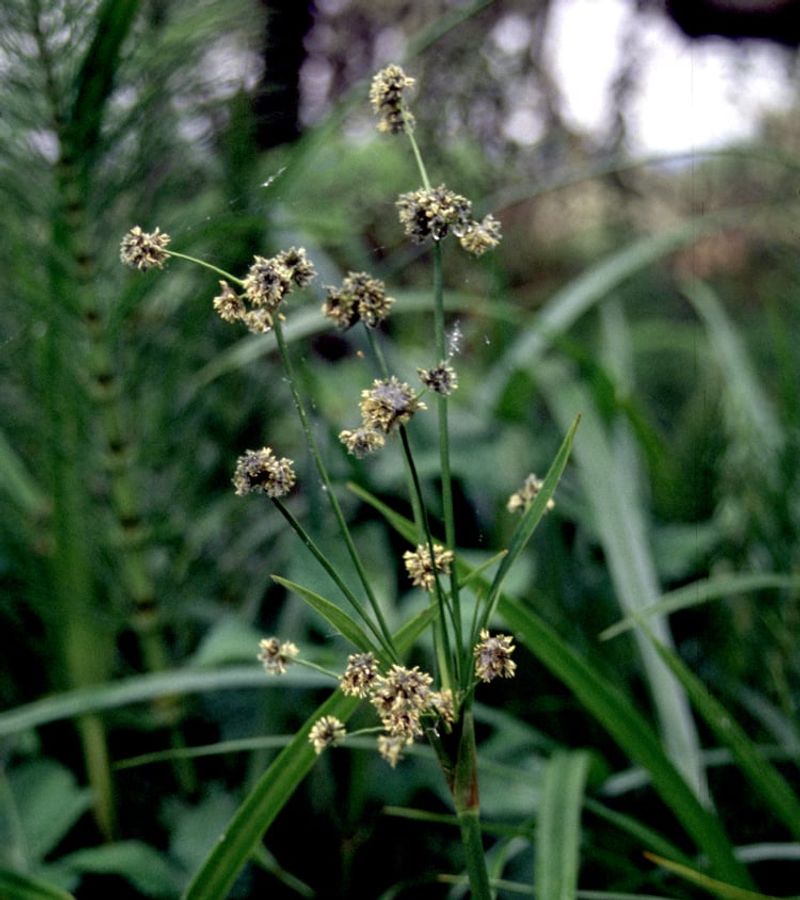
Scirpus microcarpus grows in thick, upright clusters that fill in soggy garden borders surprisingly fast.
If you have a muddy strip along a fence or path that weeds keep colonizing, this plant is your answer.
It grows three to five feet tall with round, bright green stems that stand close together. The stems are so densely packed that light barely reaches the soil beneath them.
Weed seeds that land in that area simply do not get the sunlight they need to germinate.
This bulrush naturally grows along stream banks, wet meadows, and marshy edges throughout our state. It handles standing water during the rainy season without skipping a beat.
Your Oregon Garden Changes Every Week. Your Plan Should Too.
Gardening in Oregon changes quickly throughout the season. Every Friday you’ll receive a simple weekly plan showing exactly what to plant, prune, fertilize, harvest, and protect so you never miss the right timing.
When summer arrives and things dry out a little, it keeps growing as long as the soil stays consistently moist.
Wildlife benefits are real here too. Ducks, songbirds, and marsh-nesting species use bulrush for food and shelter.
The tiny seeds are a favorite of many birds in late summer and fall. Planting it along a wet garden edge creates a natural buffer zone that pulls double duty.
Propagate by dividing clumps in early spring. Set divisions about twelve to eighteen inches apart in wet or saturated soil.
The plant spreads steadily each year through rhizomes, gradually filling the entire edge with a dense, weed-resistant wall of stems that looks natural and polished.
3. Daggerleaf Rush Handles Standing Water Better Than Mulch
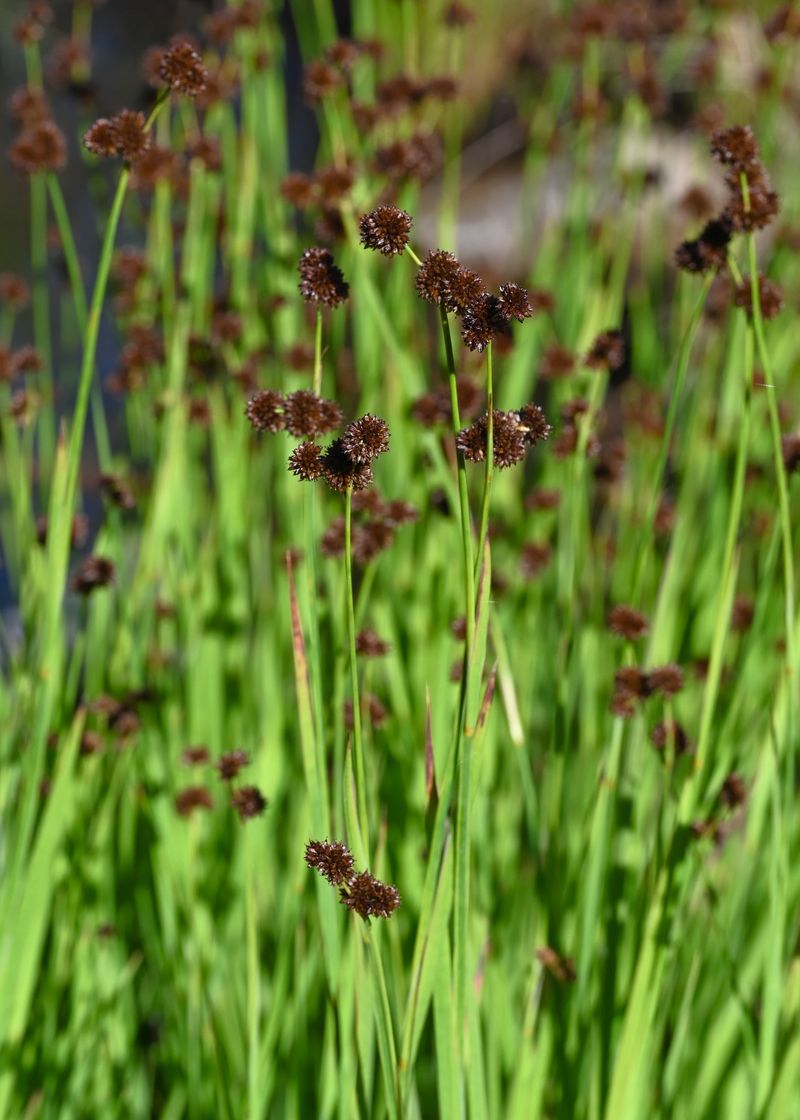
Standing water is not a problem for daggerleaf rush. Most plants struggle when their roots sit in water for weeks, but Juncus ensifolius actually prefers it.
This tough native rush grows right in the middle of puddles, wet depressions, and shallow pond margins where almost nothing else will survive.
The leaves are flat and blade-like, which is where the name comes from. They grow in dense tufts, reaching about one to two feet tall.
Each tuft spreads outward over time, connecting with neighboring plants to form a continuous mat.
That mat smothers weeds just as effectively as a thick layer of bark mulch, but it never needs to be replaced.
One of the best things about daggerleaf rush is how low-maintenance it truly is. Once established, it handles seasonal flooding without complaint.
It also tolerates brief dry spells between rains, making it flexible enough for yards that fluctuate between soggy and merely damp.
The dark, round seed heads that appear in summer add real visual interest. They look striking against the flat green leaves and attract birds that forage for seeds.
Some gardeners use the dried seed heads in floral arrangements, which is a nice bonus.
Plant it in full sun to partial shade in areas with consistent moisture or standing water. Space plants twelve to fifteen inches apart.
Within one full growing season, you should see strong spreading growth that begins to crowd out any weeds that dared to settle in before.
4. Common Rush Crowds Out Open Muddy Gaps
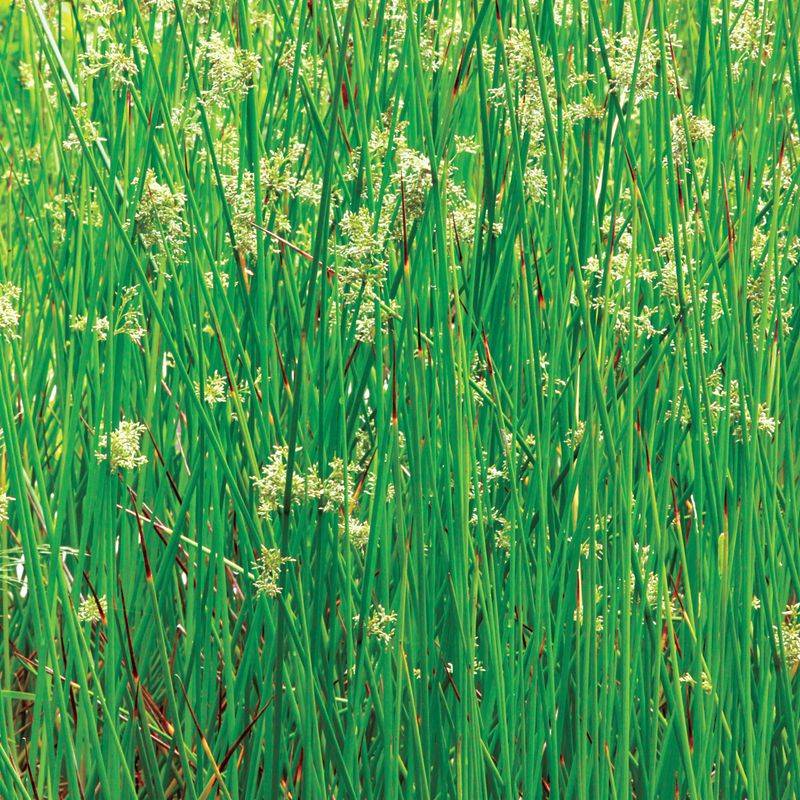
Open muddy gaps in the garden are basically an invitation for weeds. Common rush, Juncus effusus, accepts a different invitation entirely.
It moves in fast, grows tall, and closes those gaps with a wall of round, dark green stems that weeds cannot penetrate. Few native plants are as practical in a wet, problem-prone yard.
The stems grow two to four feet tall and are perfectly round, smooth, and a rich, glossy green.
They grow in dense rounded clumps that can reach two feet wide within just a couple of seasons.
Small brown flower clusters appear near the top of the stems in summer, adding subtle texture without looking weedy.
Common rush is incredibly adaptable. It grows in full sun or partial shade and handles everything from seasonally flooded soils to consistently wet ground.
You will find it naturally along roadsides, ditches, and stream banks throughout the state. That versatility makes it easy to use in a wide range of wet-spot situations.
Wildlife connections are strong with this plant. Sedge wrens and marsh wrens use the stems for nesting material.
Wetland birds forage around the base for insects and small invertebrates. Even dragonflies perch on the stems during warm afternoons.
For planting, divide existing clumps in early spring or plant nursery starts in fall. Space them eighteen inches apart in moist to wet soil.
They spread gradually each year and will fill muddy gaps completely within two to three seasons, leaving no room for weeds to return.
5. Pacific Ninebark Fills Larger Wet Spots
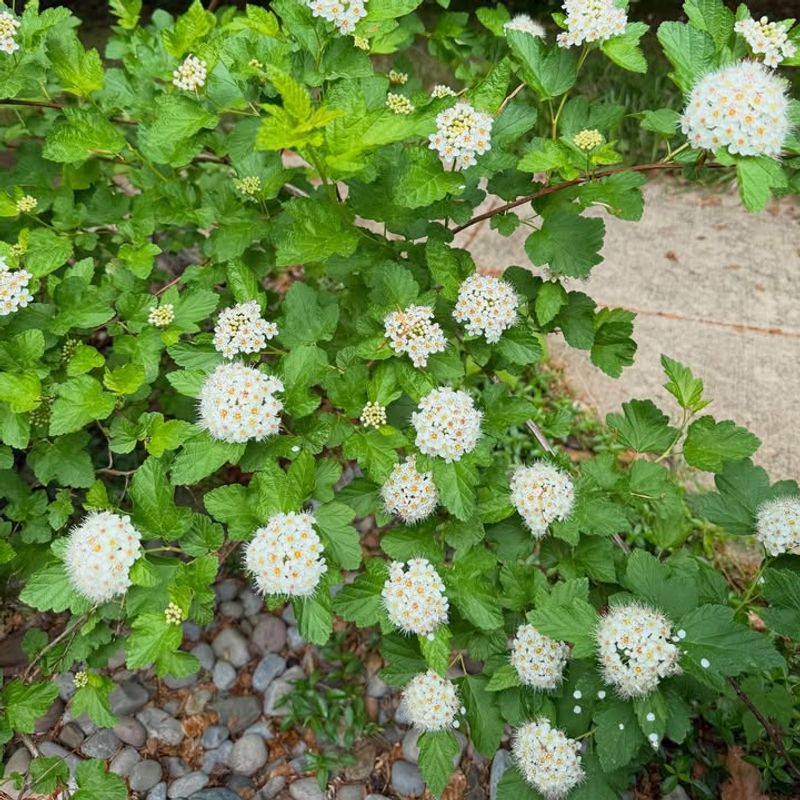
For larger wet spots that feel impossible to tame, Pacific ninebark brings serious muscle to the job.
Physocarpus capitatus is a big, vigorous native shrub that can grow eight to ten feet tall and spread just as wide.
Once it gets established in a wet area, it creates a canopy so dense that weeds beneath it simply run out of light and give up.
The peeling, layered bark is one of its most distinctive features, and it looks beautiful in winter when the leaves are gone.
In late spring, the branches are covered in rounded clusters of creamy white flowers that draw pollinators from a surprising distance.
By summer, reddish seed capsules replace the flowers and add color through fall.
Native ninebark naturally grows along stream banks, floodplains, and wet forested edges throughout our state. Its roots are strong and fibrous, which means it also helps hold wet, eroding soil in place.
Planting it along a wet bank or drainage area gives you weed suppression and erosion control at the same time.
Birds love the dense branching structure for nesting and cover. The seed capsules are eaten by several native bird species in fall.
Planting a grouping of ninebark creates a wildlife corridor that benefits the entire yard ecosystem.
Plant container-grown stock in fall or early spring. Space plants five to six feet apart in full sun to partial shade.
Water regularly during the first season. After that, established plants handle wet conditions on their own and grow quickly to fill the space you give them.
6. Pacific Waterleaf Spreads Through Damp Shade
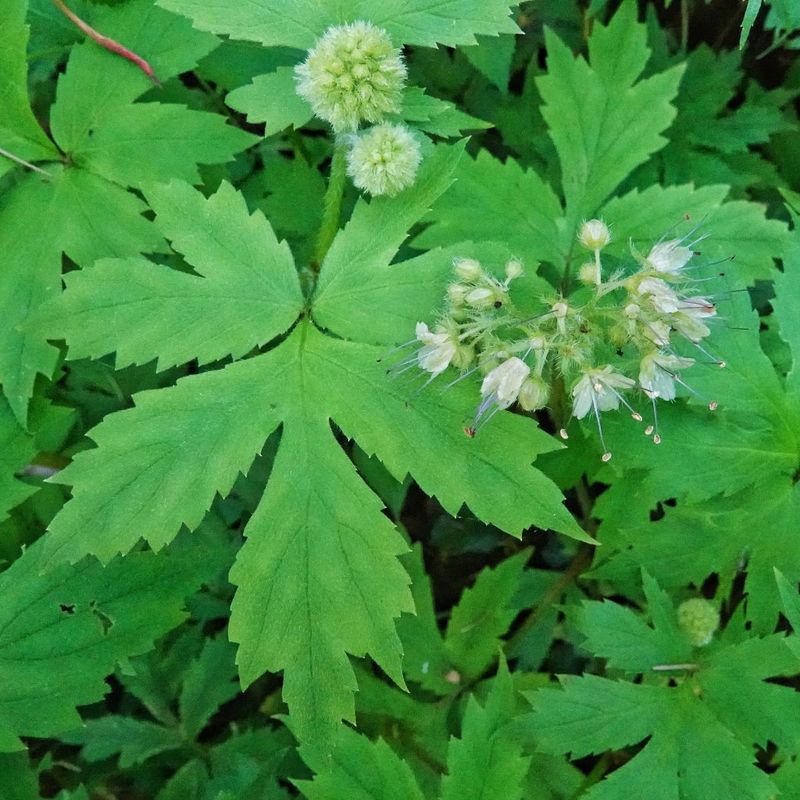
Shady wet spots are notoriously hard to manage. Mulch breaks down fast in shade, weeds still find their way in, and most ground covers give up when the light gets low.
Pacific waterleaf, Hydrophyllum tenuipes, was practically designed for exactly this situation.
It thrives in damp shade and spreads into a lush, leafy carpet that weeds struggle to push through.
The leaves are large, deeply lobed, and a soft, bright green. They overlap generously, covering the soil surface so completely that almost no light reaches the ground underneath.
That coverage is what makes this plant such a powerful weed suppressor in shaded areas where other options fail.
A fun detail: the leaves often have pale, water-like markings on them, which is how the plant got its common name.
Small clusters of white or pale purple flowers appear in spring, attracting native bees and other early pollinators before many other plants have even leafed out.
Pacific waterleaf is a perennial that goes dormant in summer, which is worth knowing before you plant it. The leaves fade back in dry months and return with vigor in fall and winter.
During dormancy, a light layer of wood chips can help hold the space until the plant returns.
Plant it in partial to full shade in moist, rich soil. Space plants about one foot apart. It spreads both by seed and by rhizome, filling in shaded wet areas steadily over time.
Within two seasons, bare shady patches will transform into a dense, low-maintenance green carpet.
7. Douglas Spirea Thickens Wet Borders Fast
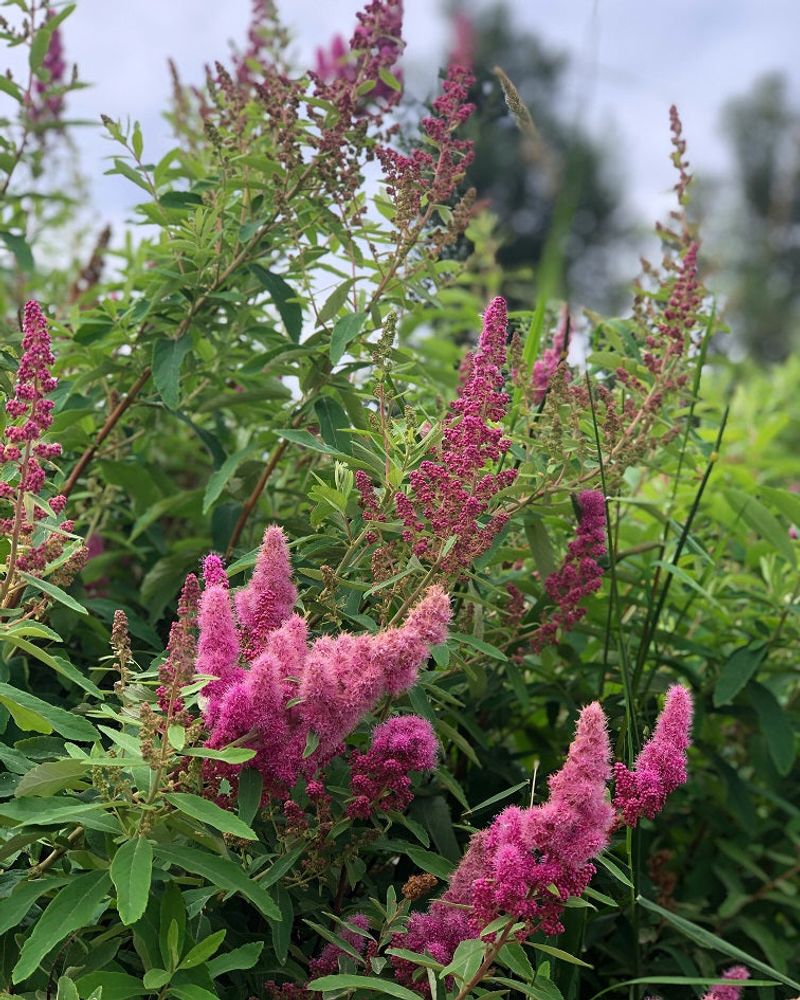
Walk past a wet meadow edge in summer and you might spot a burst of bright pink rising above the greenery. That is Douglas spirea doing what it does best.
Spiraea douglasii is a shrubby native plant that grows in dense thickets along wet borders, and it fills space so aggressively that weeds simply cannot compete.
It grows four to six feet tall and spreads outward through underground stems called stolons. New shoots pop up around the base of established plants each season, gradually widening the clump.
That spreading habit is exactly what you want when you are trying to shut down a weedy wet border for good.
The flowers are showstoppers. Deep pink, feathery plumes bloom from June through August and attract butterflies, native bees, and hummingbirds in impressive numbers.
After the flowers fade, the rusty seed heads persist through fall and winter, giving the plant year-round visual interest.
Douglas spirea handles wet feet with ease. It grows naturally along stream banks, wet prairies, and boggy meadow edges throughout our state.
In the right spot, it needs almost no care once established. No watering, no fertilizing, and certainly no weeding around it.
Plant bare-root or container stock in fall or early spring in full sun to partial shade. Give each plant three to four feet of space.
It will fill that space and then some within two to three years, creating a thick, flowering border that keeps weeds out season after season.
8. Red-Osier Dogwood Blocks Weeds With Dense Stems
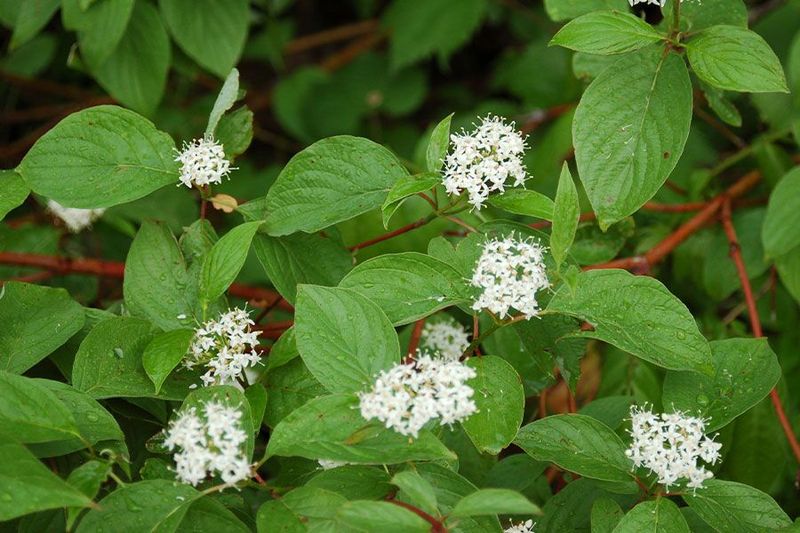
Bright red stems blazing against a gray winter sky make red-osier dogwood one of the most visually striking native shrubs in our state. But looks are just the beginning.
Cornus sericea is also one of the most effective weed-blocking plants you can put in a wet spot, and it earns that reputation honestly.
The shrub grows six to ten feet tall and spreads aggressively through root sprouts. Over time, a single plant becomes a dense thicket.
That thicket is so tightly woven that almost nothing grows underneath it. The leaf canopy shades out weeds in summer, and the thick stem structure keeps the space occupied year-round.
White flower clusters appear in late spring and attract a wide range of native bees and butterflies. By summer, small white berries ripen and are quickly eaten by birds.
More than forty species of birds have been recorded eating the berries, which makes this shrub a powerhouse for wildlife habitat.
Red-osier dogwood grows naturally along streams, wet meadows, and floodplain edges across our state. It handles seasonal flooding, standing water, and heavy clay soils without complaint.
Few native shrubs are as tough or as useful in a difficult wet spot.
For planting, use container stock or bare-root plants in fall or early spring. Space plants four to five feet apart in full sun to partial shade.
Keep them watered through the first dry season. After that, they spread on their own and build the dense, weed-blocking thicket that makes them worth every bit of effort to plant.