This Native Pennsylvania Tree Is Replacing Thirsty Lawns In Dry Yards
Some lawns ask for more than they give back.
They turn tired every July, need water again after the next hot spell, and still look thin by the time August arrives.
In dry Pennsylvania yards, that cycle can start to feel less like gardening and more like negotiating with grass that never planned to cooperate.
A better yard does not have to be all turf.
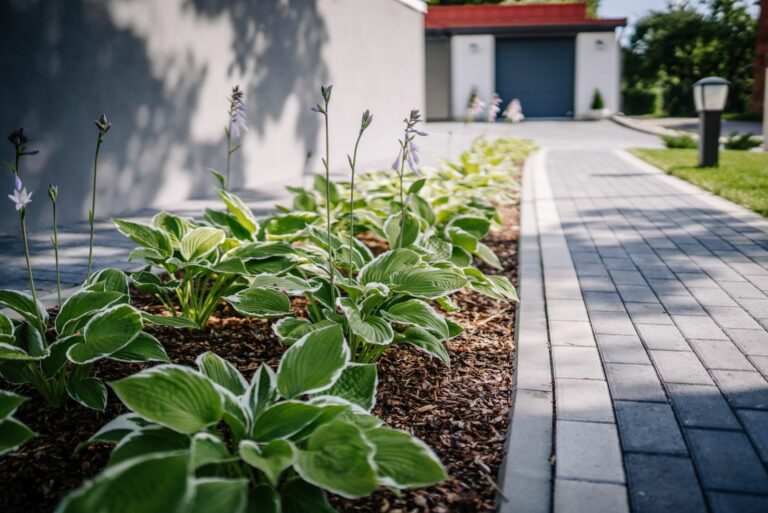
Replacing one water-hungry section with a mulched planting bed can change the whole feel of a property.
The right native tree anchors that change, bringing shade, wildlife value, stronger soil protection, and a lot less pressure to keep every square foot green.
This is not an instant makeover.
A young tree needs care while it settles in, and a full canopy takes time. But once it begins to mature, it can turn a difficult patch of lawn into a cooler, more useful space.
So which native Pennsylvania tree belongs in dry yards where grass keeps struggling?
Start with the tough shade tree that handles average to dry soil, feeds birds through winter, and grows into a long-term replacement for thirsty turf.
Northern Hackberry Is The Tree
Northern hackberry is the native tree behind the change. Its botanical name is Celtis occidentalis, and it is also called common hackberry in many places.
In Pennsylvania landscapes, it can serve as a strong shade tree for homeowners who want to replace part of a dry lawn with something more durable and more useful.
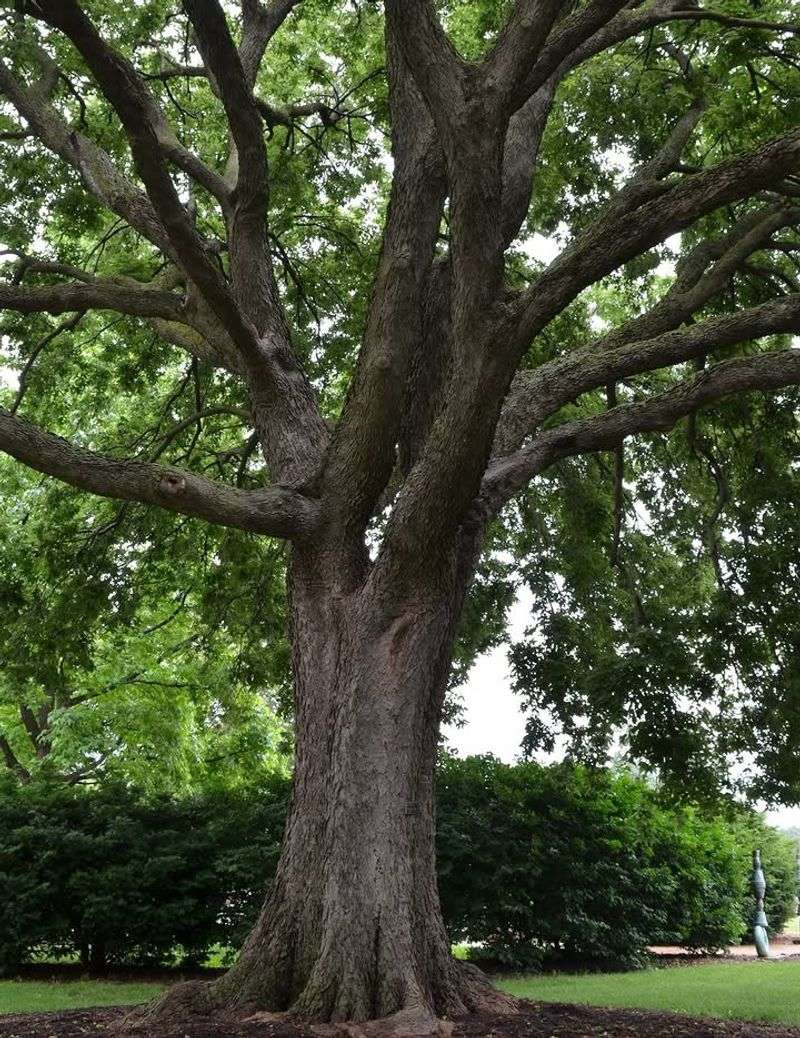
The bark stands out first. As the tree matures, the trunk develops corky ridges and warty texture that make it easy to recognize, even in winter.
The leaves are simple but distinctive. They are slightly rough to the touch and often uneven at the base, which gives the foliage a subtle character close up.
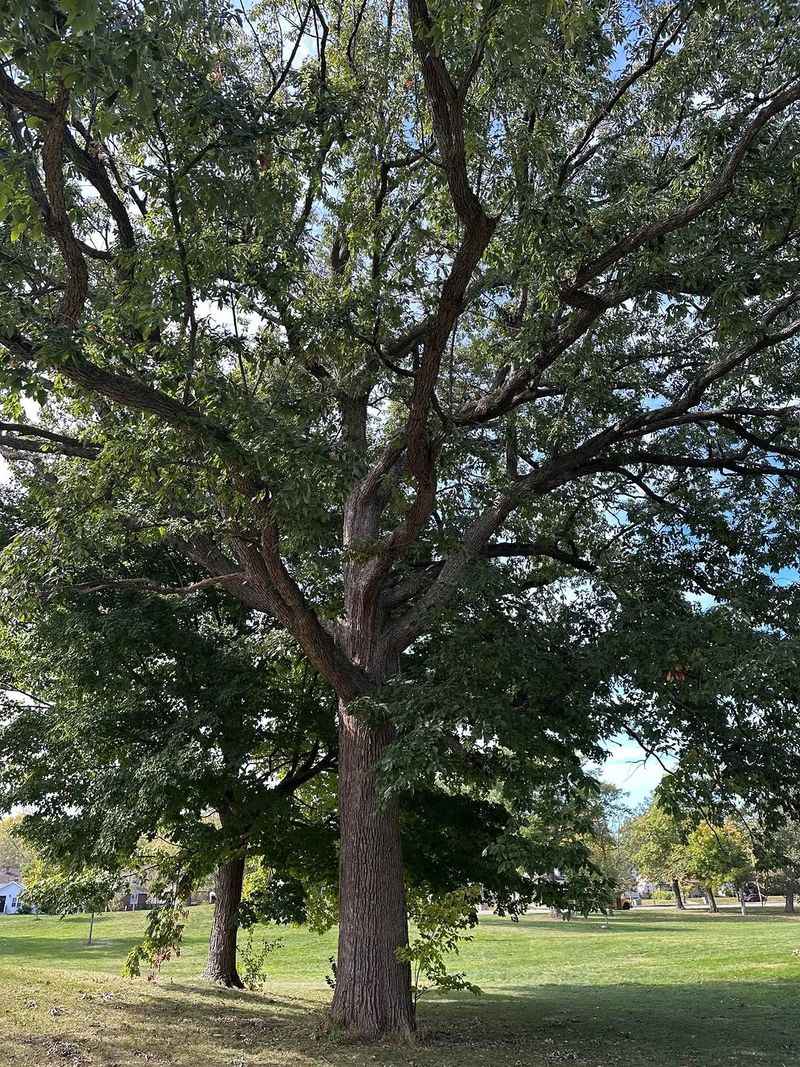
The size matters. Northern hackberry can become a true shade tree, often reaching 40 to 60 feet tall with a broad rounded crown.
That means it needs room. This is not a patio pot tree or a tiny ornamental tucked beside a doorway.
Spring flowers are modest. They do not make a flashy show, but they are part of the seasonal cycle that leads to small fruits later.
The fruits are more noticeable. Small round berries ripen from orange-red toward deeper purple tones and can remain on the tree into colder months.
Wildlife notices them quickly. Birds often feed from the branches when other food becomes less available.
Northern hackberry does not replace lawn by acting like grass.
It replaces lawn by making that dry patch more shaded, more layered, and far more alive.
Broad Shade Reduces Turf Demand
Shade is one of the best tools for a dry yard.
Open turf sits directly under the sun, loses moisture fast, and can fade badly when Pennsylvania summer heat builds. A growing tree canopy changes that pattern over time.
Young trees start small. A newly planted hackberry will not cast a wide shadow right away.
Plan for the mature canopy. The smartest placement is based on where shade will fall years from now, not where the small nursery tree stands today.
Your Pennsylvania Garden Changes Every Week. Your Plan Should Too.
Gardening in Pennsylvania changes quickly throughout the season. Every Friday you’ll receive a simple weekly plan showing exactly what to plant, prune, fertilize, harvest, and protect so you never miss the right timing.
A broad crown cools the ground. As branches spread, less direct sun reaches the soil beneath.
Cooler soil loses less moisture. That helps the planting bed stay steadier during dry stretches.
Grass often thins beneath shade. Instead of fighting that natural shift, use it as a reason to expand the mulched bed.
Convert in stages. Remove the most difficult turf first, then widen the bed as the tree grows.
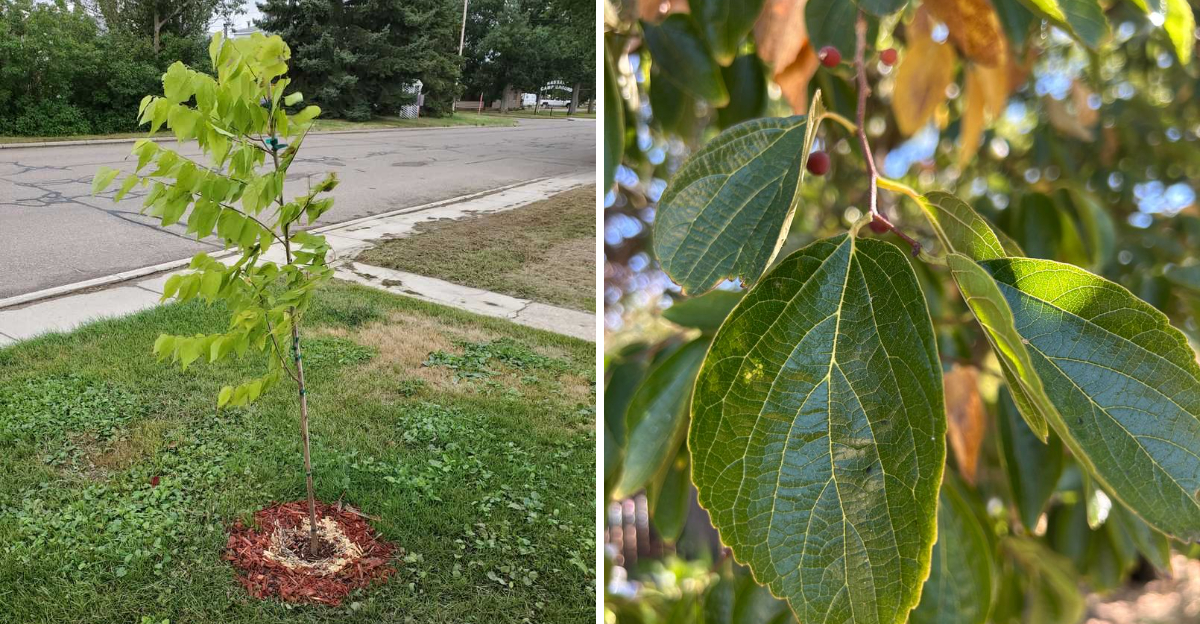
Use mulch from the beginning. A wide mulch ring protects young roots and reduces competition from grass.
Avoid tiny tree circles. A small donut of mulch around the trunk does little for the wider root zone.
Let the shade guide the design. Over time, the tree can create a cooler island in a yard that once needed constant watering.
The lawn does not have to disappear all at once.
A hackberry can slowly help turn the thirstiest part of the yard into a shaded, lower-maintenance planting area.
Tough Roots Handle Dry Ground
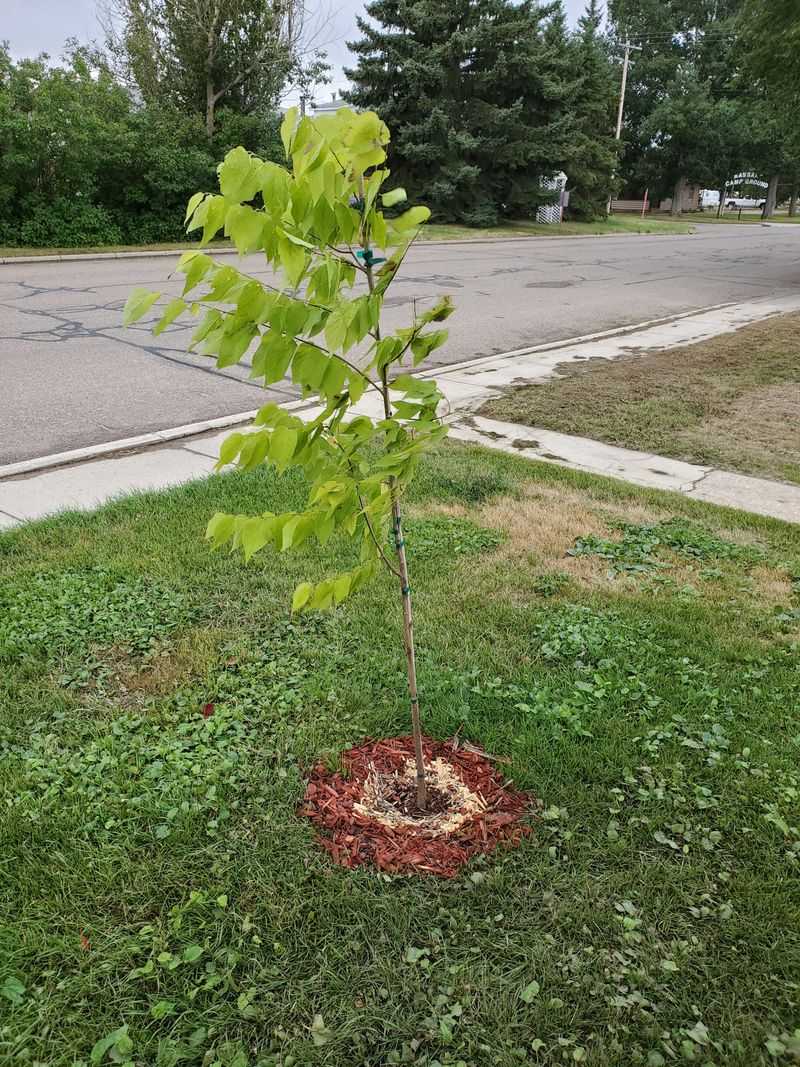
Dry soil is where this tree earns attention.
Once established, northern hackberry can handle average to moderately dry conditions better than many fussier landscape trees. That makes it a smart candidate for Pennsylvania yards where turf browns out during summer stress.
The roots need time first. Drought tolerance does not begin the day the tree is planted.
Establishment is the key phase. During the first few growing seasons, regular deep watering helps roots spread into surrounding soil.
Deep watering works better than quick sprinkling. Slow moisture encourages roots to grow down and outward.
Surface watering teaches the wrong lesson. Shallow moisture keeps roots near the hottest, driest layer of soil.
Hackberry handles several soil types. Clay, loam, rocky soil, and urban-influenced ground can all work when drainage is reasonable.
Compaction still causes trouble. Deeply compacted soil can limit root movement and water infiltration.
Drainage matters too. The tree is adaptable, but constantly soggy ground is not the right match.
Improve the planting site before installing the tree. Loosen compacted areas and remove grass competition around the future root zone.
Mulch supports root growth. Organic material keeps the soil cooler and helps moisture last longer between waterings.
Tough roots are built, not assumed.
Give the young tree a strong start, and it becomes much better prepared to handle the dry yard conditions that make turf so disappointing.
Berries Feed Winter Birds
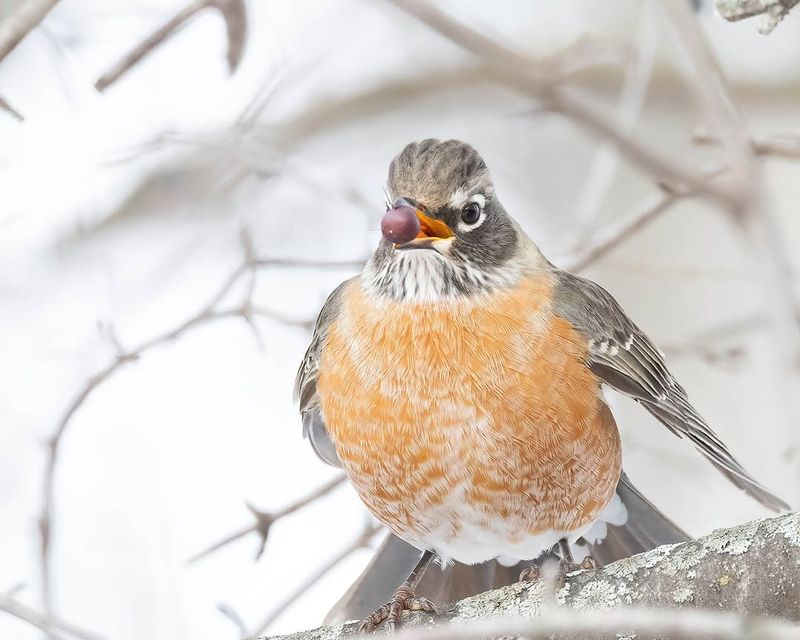
A lawn offers very little winter food.
Northern hackberry changes that by producing small fruits that can remain useful after many other backyard food sources have faded. Those berries are one of the tree’s strongest wildlife benefits.
The fruits are small and round. They ripen in late summer and fall, shifting from warm reddish tones toward darker purple.
Birds often visit through cold months. Robins, cedar waxwings, mockingbirds, and other species may feed from the tree when fruit remains.
The timing matters. Winter and early spring can be lean seasons for wildlife, especially in yards dominated by turf and clipped shrubs.
A fruiting native tree adds value without a feeder. It provides food right from the landscape.
Placement still needs thought. Falling fruit can be messy on light-colored patios, walkways, decks, and parked cars.
Mulched beds handle fruit better. Berries that drop into mulch or planting beds create far less cleanup stress than berries on concrete.
Birds help with cleanup. Many fruits are eaten before they ever collect heavily on the ground.
Do not expect a bird guarantee. Wildlife visits depend on the surrounding habitat, weather, food availability, and neighborhood conditions.
Planting more natives nearby increases the effect. Shrubs, flowers, grasses, and leaf litter create a richer habitat around the tree.
This is where lawn replacement feels rewarding.
A dry patch of turf becomes a winter food source that keeps the yard active long after summer grass has faded.
Leaves Support Native Butterflies
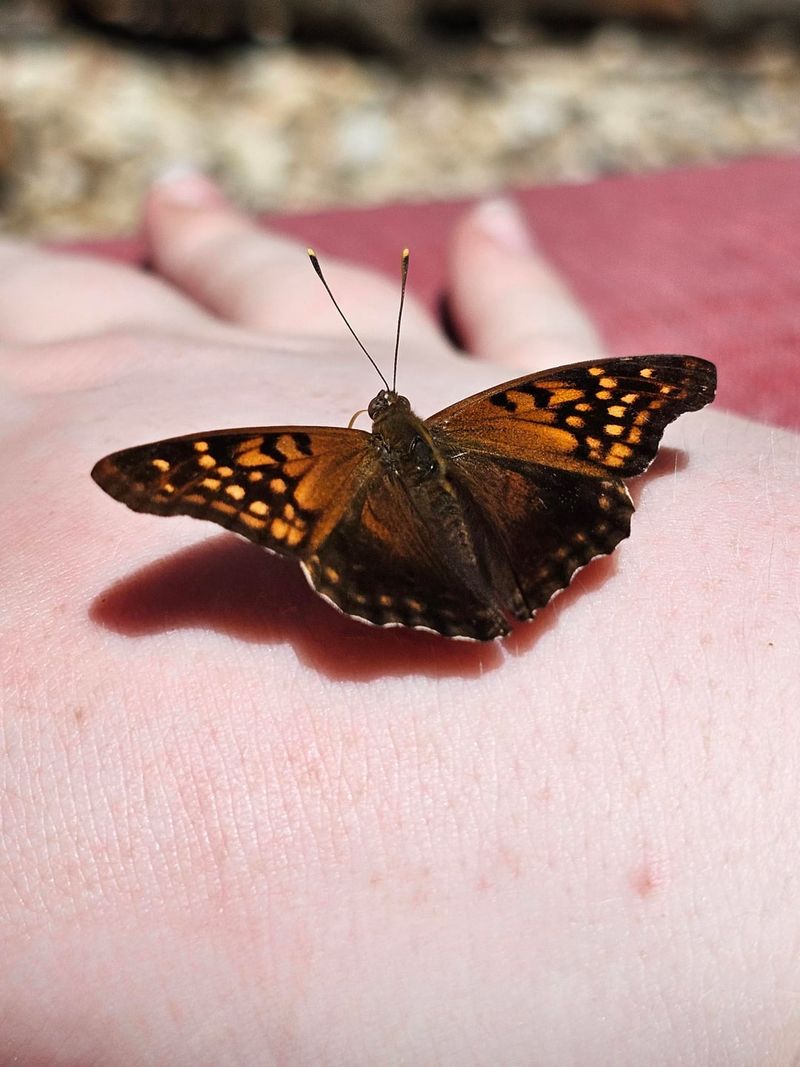
Some leaf chewing is a good sign.
Northern hackberry is a host plant for several native butterflies, including species that rely on hackberry foliage during their caterpillar stage. That connection gives the tree a role a lawn cannot come close to filling.
Butterfly host plants matter. Adult butterflies need nectar, but caterpillars need specific leaves to eat.
Hackberry leaves support that life cycle. Female butterflies can use the foliage for egg-laying, and the caterpillars feed on the leaves as they grow.
The damage is usually manageable. A healthy tree can handle some feeding without losing its strength.
Birds benefit too. Caterpillars and other insects become food for nesting birds and young birds.
That makes the tree part of a food web. It supports more than what people see from the patio.
Do not panic over imperfect leaves. Native trees rarely look untouched, and that is part of their ecological value.
Hackberry nipple galls may appear. These small bumps on leaves can look strange, but they are mostly cosmetic on a healthy tree.
Avoid unnecessary spraying. Treating every insect sign can remove the very wildlife value the tree brings.
Accept seasonal quirks. A native tree supporting insects will not always look like a showroom plant.
The leaves are doing real work.
They turn a former lawn space into habitat for insects, birds, and the natural relationships that make a yard feel less empty.
Give The Canopy Plenty Of Room
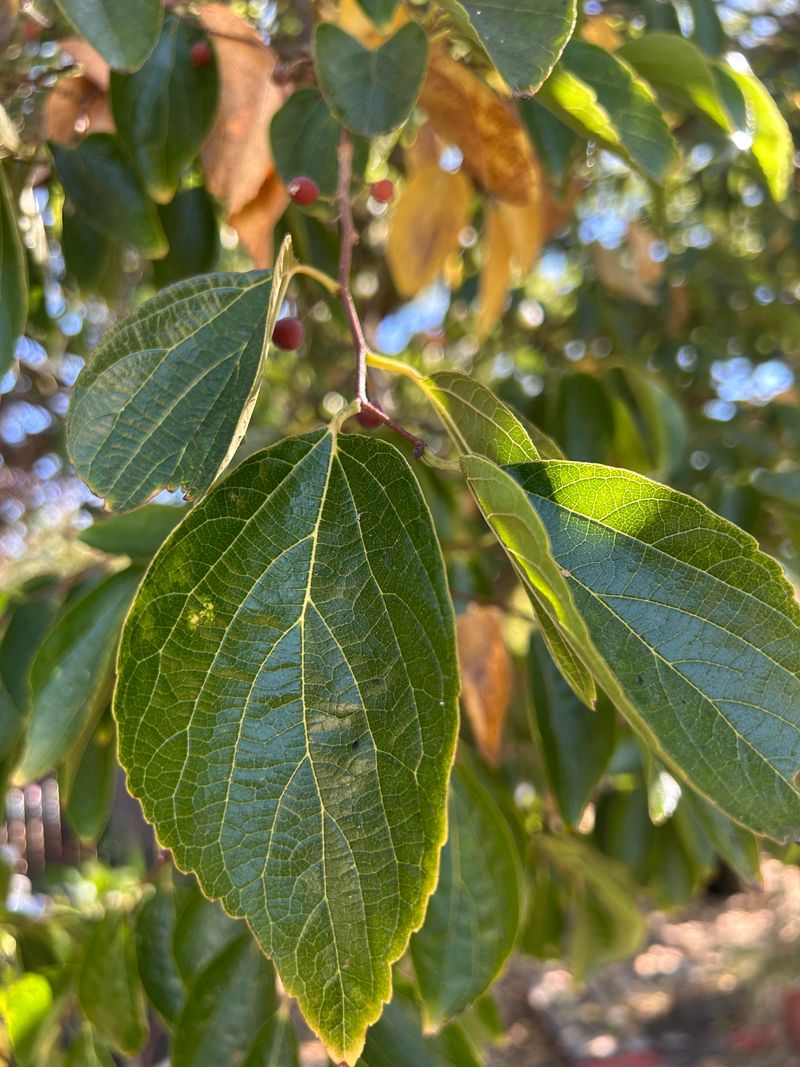
A large shade tree needs a large plan.
Northern hackberry can grow into a broad, mature tree, so placement should be chosen carefully before planting. The wrong spot creates years of pruning problems later.
Look up first. Overhead utility lines are one of the biggest concerns for any large tree.
Keep it away from wires. A mature canopy growing into lines will need repeated cutting that ruins the natural shape.
Check distance from buildings. The tree needs room for branches, roots, airflow, and future maintenance access.
Avoid tight foundation beds. Hackberry is not meant to be squeezed into a narrow strip against a house.
Think about driveways and sidewalks. Low branches, falling fruit, and shade patterns all matter as the tree matures.
Keep sight lines clear. A young tree near a driveway exit may eventually block visibility if placed carelessly.
Consider road salt. Areas close to heavily salted roads can create extra stress for many landscape plants.
Call before digging. Use Pennsylvania’s utility-marking service before planting so underground lines are not disturbed.
Plan the bed around the tree. Give the future canopy a mulched area that can expand rather than a tiny circle that looks undersized.
The best planting spot is the one that still makes sense in 30 years.
A hackberry can live beautifully in a yard, but only when the yard gives it room to become itself.