How To Grow Potatoes Fast In Georgia And Make The Most Of Small Spaces
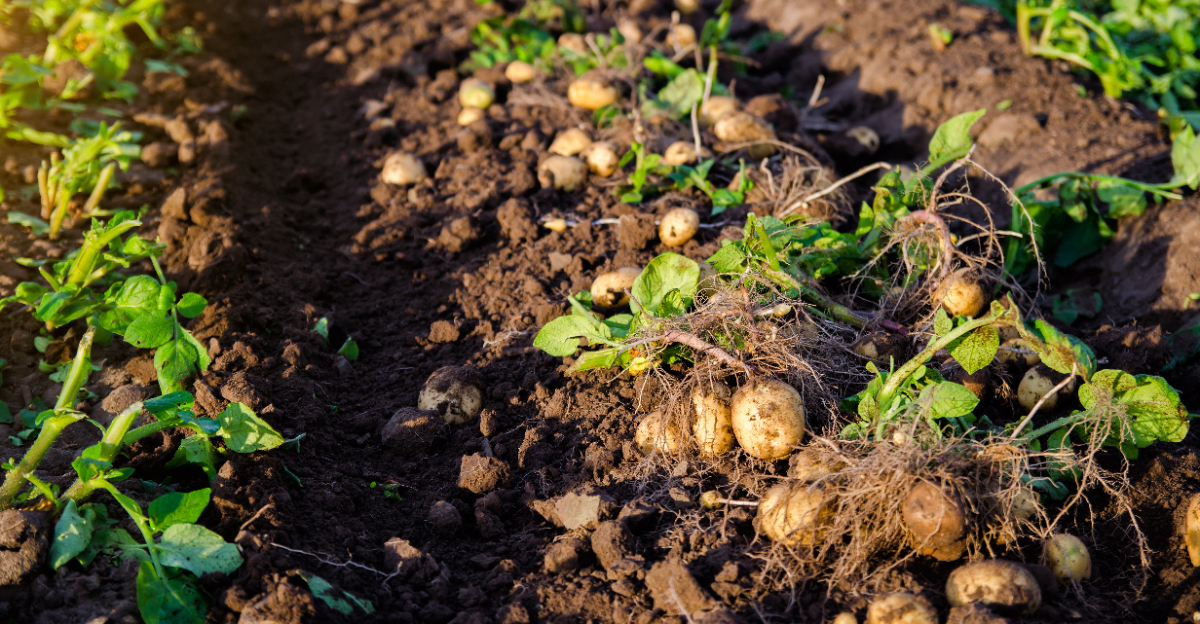
Growing potatoes in Georgia does not require a big yard or a complicated setup to get strong results. Plenty of gardeners are finding faster ways to grow them in tight spaces without sacrificing yield or quality.
The difference often comes down to how early everything is set up and how well the space is used from the start.
Small space growing works surprisingly well for potatoes when the right approach is used. Containers, grow bags, and raised beds give you more control over soil, moisture, and placement.
That control helps potatoes establish quicker and stay consistent as the season moves forward.
Once the basics are handled early, potatoes tend to grow fast and stay on track without constant adjustments.
It becomes less about doing more work and more about doing the right things at the right time, which is exactly what makes small space growing in Georgia so effective.
1. Pick Fast Growing Potato Types That Do Well In Warm Weather
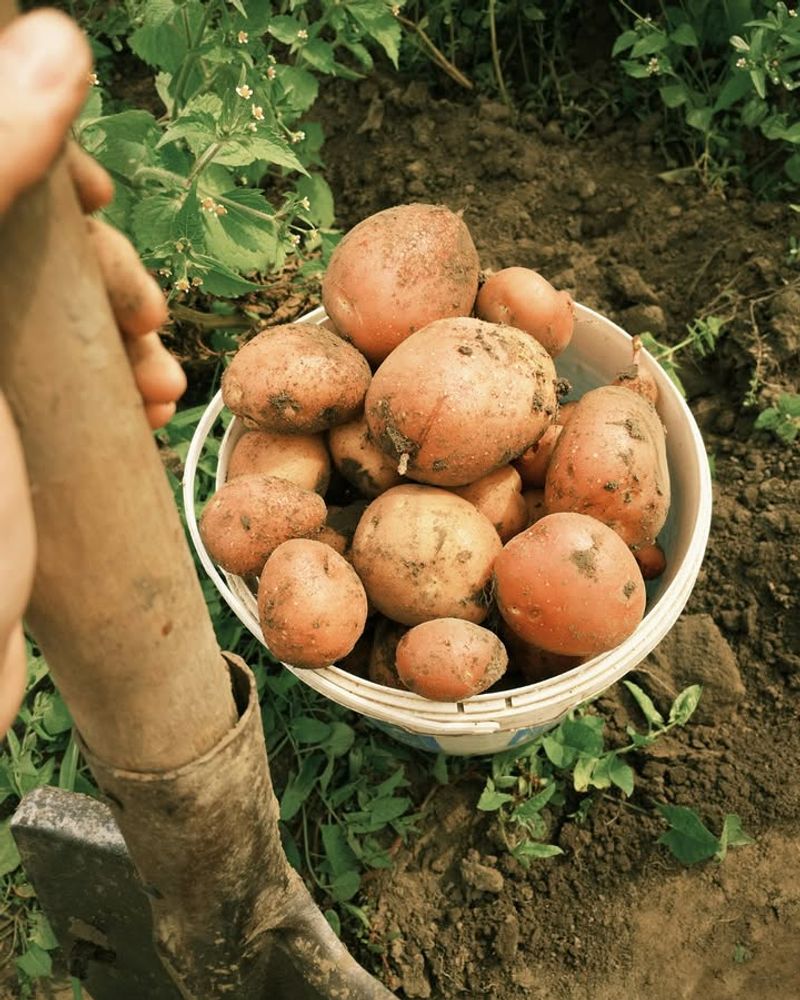
Not every potato is built for Georgia’s heat, and choosing the wrong type is one of the quickest ways to waste a season. Early-maturing varieties finish in 70 to 90 days, which gives them enough time to bulk up before the summer heat makes the soil too warm for tuber development.
Yukon Gold, Red Pontiac, and Kennebec are popular picks among Georgia gardeners for exactly that reason.
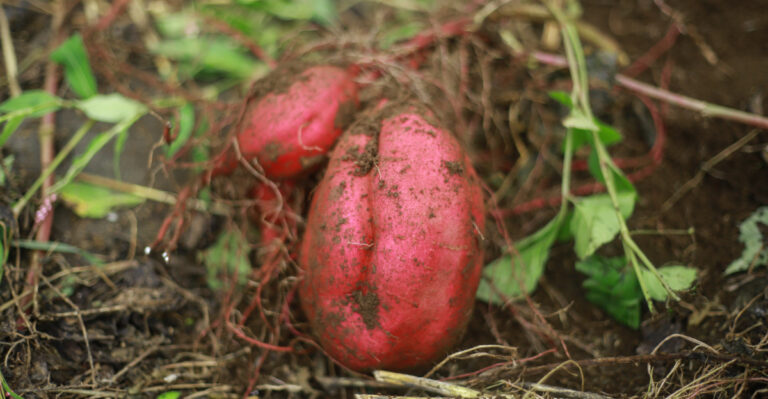
Yukon Gold is especially well-loved because it produces a solid yield in a short window and handles Georgia’s spring weather without much fuss. Red Pontiac grows fast, adapts well to the red clay soils common across the state, and stores reasonably well after harvest.
Kennebec is a white-fleshed variety that has strong disease resistance, which matters a lot in Georgia’s humid spring conditions.
Fingerling types and late-season varieties are generally not the best fit for Georgia. They need longer cool periods to fully develop, and Georgia just does not offer that kind of extended growing window in most years.
Stick with varieties labeled “early” or “mid-season” whenever possible.
2. Plant After The Last Frost When The Ground Feels Warm
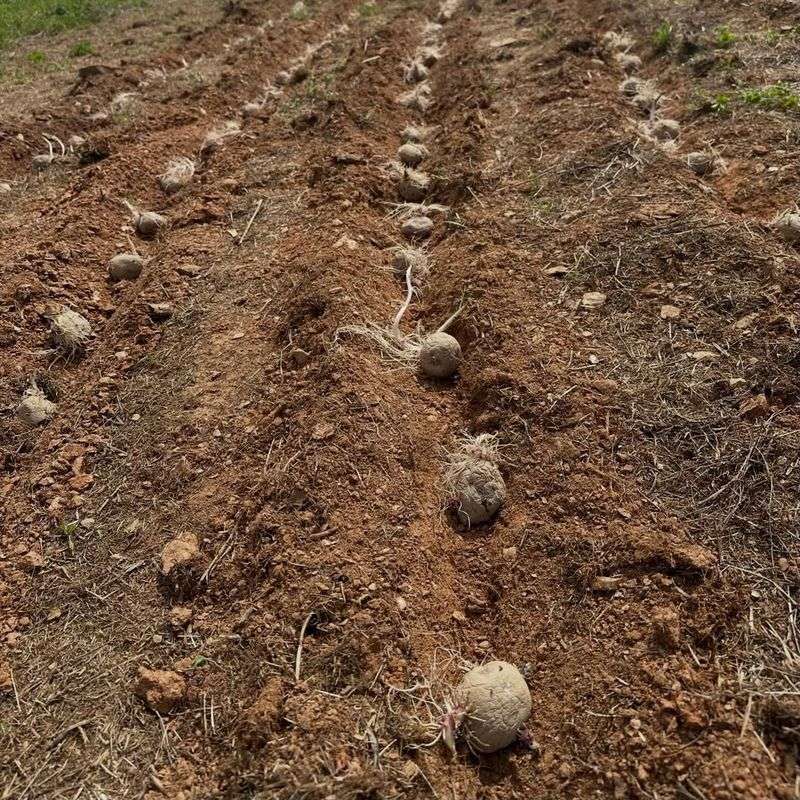
Planting too early in Georgia can backfire fast. A late frost can damage young shoots, and cold, wet soil slows root development instead of encouraging it.
Most parts of Georgia see their last frost somewhere between late January in the southern regions and mid-March in the northern mountains, so knowing your specific zone makes a real difference.
Soil temperature is the number you actually want to track. Potatoes prefer soil that sits between 45 and 55 degrees Fahrenheit at planting time.
Cooler than that and the seed pieces just sit there, sometimes rotting before they even sprout. A basic soil thermometer costs just a few dollars and takes the guesswork out of the decision entirely.
In central Georgia, many gardeners aim to plant in late February or early March. That window gives the plants enough cool growing time before the heat of May and June arrives.
In south Georgia, some growers push planting as early as late January with good results, especially in raised beds that drain and warm up faster than in-ground plots.
Your Georgia Garden Changes Every Week. Your Plan Should Too.
Gardening in Georgia changes quickly throughout the season. Every Friday you’ll receive a simple weekly plan showing exactly what to plant, prune, fertilize, harvest, and protect so you never miss the right timing.
3. Grow In Containers Or Raised Beds To Save Space
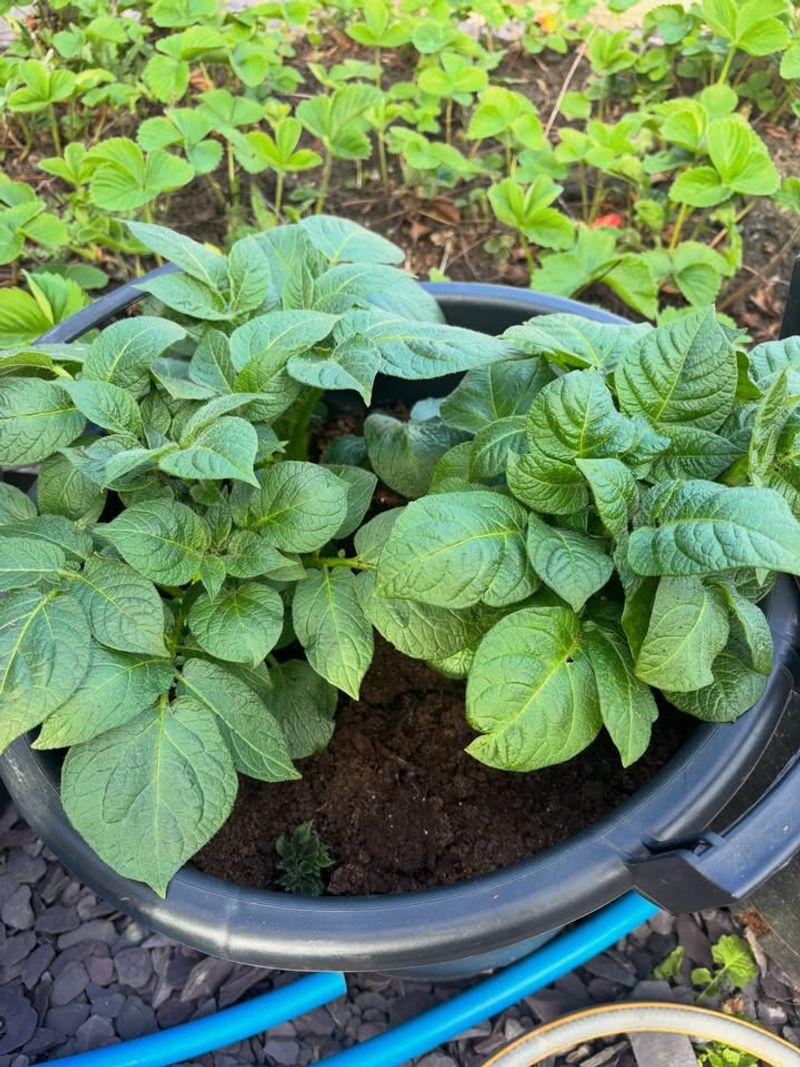
Backyard space in Georgia neighborhoods can be tight, but that does not mean you have to skip growing potatoes.
Containers and raised beds are genuinely practical solutions that work well for potatoes, and in many cases they actually outperform traditional in-ground rows when it comes to yield per square foot.
Fabric grow bags are a favorite among Georgia urban gardeners. A 10-gallon bag holds enough soil for two or three seed pieces, drains well to prevent waterlogging, and can be placed on a patio, driveway, or balcony.
The breathable fabric also prevents the roots from overheating as much as solid plastic pots do, which is a real advantage during Georgia’s warmer spring days.
Raised beds give you even more flexibility. You control the soil mix completely, which means you can avoid Georgia’s notoriously heavy red clay.
A blend of compost, topsoil, and a bit of coarse sand creates a loose, nutrient-rich environment where potato roots spread out without resistance. Raised beds also warm up faster in spring and drain more efficiently after heavy rains.
4. Cut And Plant Seed Pieces The Right Way For Better Growth
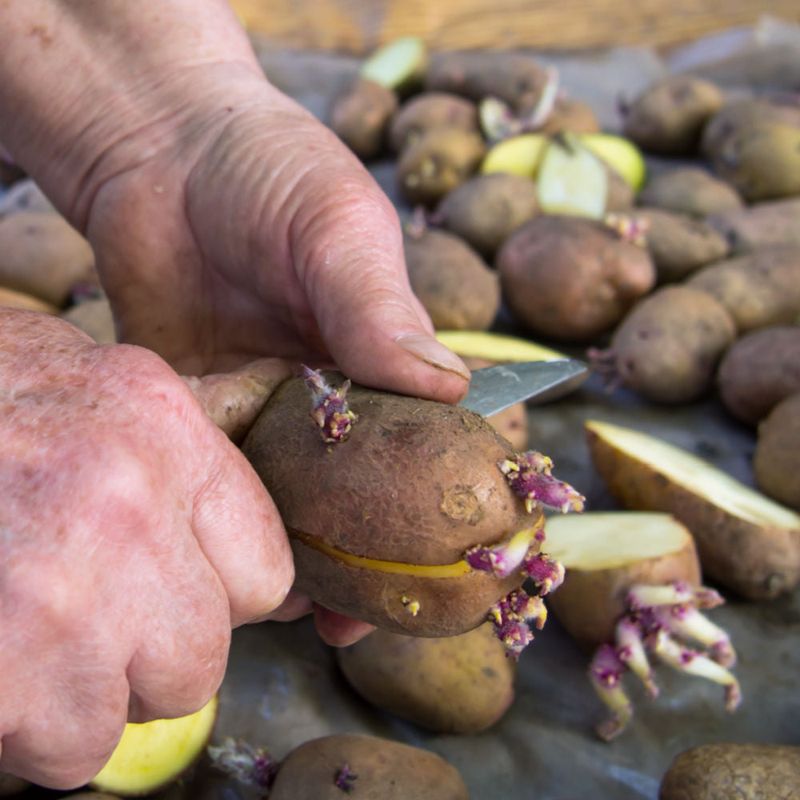
Seed potato preparation is one of those steps that casual gardeners sometimes rush through, but it genuinely affects how fast and strong your plants come up.
Buying certified disease-free seed potatoes is the right starting point, especially in Georgia where soil-borne diseases can spread quickly in warm, moist conditions during spring.
Each seed piece should weigh roughly 1.5 to 2 ounces and include at least one or two healthy eyes. Eyes are the small indentations on the potato surface where sprouts emerge.
Cutting a large seed potato into several pieces is completely fine as long as each piece has enough eyes and a reasonable amount of flesh to fuel early root growth.
After cutting, let the pieces sit out at room temperature for 24 to 48 hours before planting. This curing period allows the cut surfaces to dry out and form a protective layer, which reduces the chance of rot in the soil.
Some Georgia gardeners dust the cut sides with powdered sulfur or wood ash as an extra precaution against fungal issues.
Plant the pieces cut-side down with the eyes facing up. Burying them about 4 inches deep in loose, well-amended soil gives them a stable environment to begin sprouting.
5. Add More Soil As Plants Get Taller To Grow More Potatoes
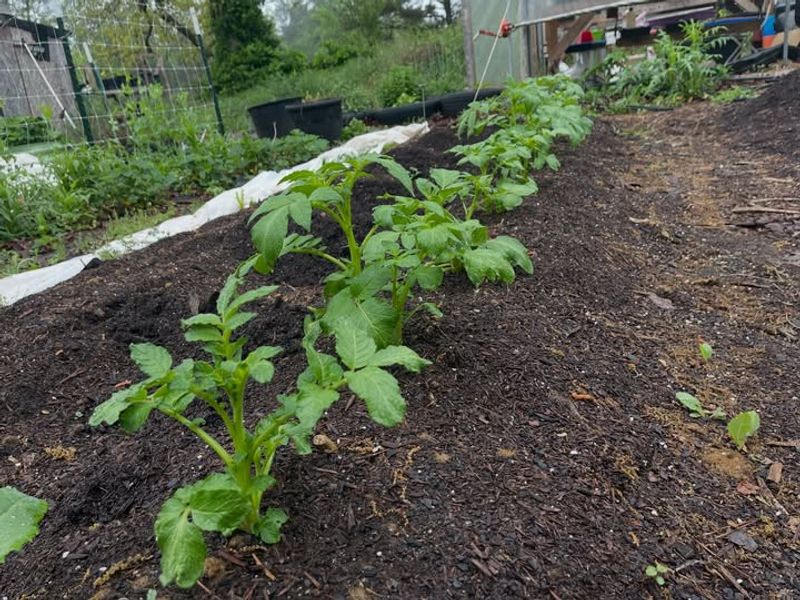
Hilling is one of the most effective techniques for getting a bigger potato harvest from the same amount of ground. Once your potato plants reach about 6 to 8 inches tall, you mound soil up around the base of the stems, covering roughly half the visible plant.
New tubers form along the buried stem, so more buried stem means more potatoes developing underground.
In Georgia, hilling also serves a second purpose. Covering exposed tubers prevents them from turning green when sunlight hits them.
Green potatoes contain solanine, a naturally occurring compound that makes them taste bitter and can cause stomach discomfort if eaten in larger amounts. Keeping soil well mounded around the plants throughout the season eliminates that problem entirely.
Plan to hill your plants two or three times as the season progresses. Each time the plants grow another 6 to 8 inches above the previous soil level, add another layer of soil or compost around the base.
Loose compost works especially well for this because it stays airy and does not compact tightly around the developing tubers.
Container and raised bed growers in Georgia can do a version of hilling by gradually adding soil mix as the plants grow taller. Starting with a partially filled container and topping it up over time achieves the same result as traditional hilling in a ground plot.
6. Water Regularly But Do Not Let The Soil Stay Wet
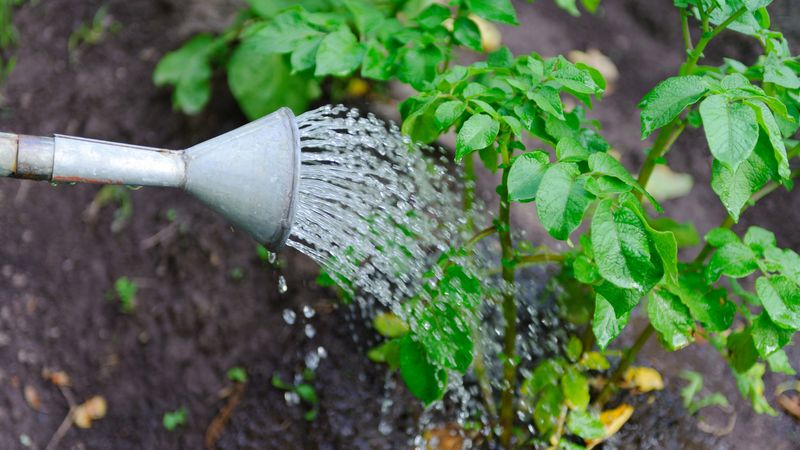
Watering potatoes in Georgia requires a bit of balance that is easy to get wrong in both directions. Too little water and the tubers stay small or crack when they finally do get moisture.
Too much water and the roots sit in soggy soil, which invites rot and fungal problems that spread fast in Georgia’s warm, humid spring environment.
A consistent watering schedule works better than irregular soaking. Aim to give your potato plants about 1 to 2 inches of water per week, adjusting based on rainfall.
Georgia spring weather can be unpredictable, with dry stretches followed by heavy downpours, so checking soil moisture before watering helps you avoid overdoing it after a rainy period.
Stick your finger about 2 inches into the soil near the base of a plant. If it feels dry at that depth, water thoroughly.
If it still feels damp, wait another day or two. Raised beds and containers dry out faster than in-ground plots, so container growers in Georgia generally need to water more frequently, sometimes every other day during warm, sunny stretches in April and May.
Drip irrigation is worth considering if you are growing more than a few containers.
7. Harvest Early Before The Summer Heat Slows Everything Down
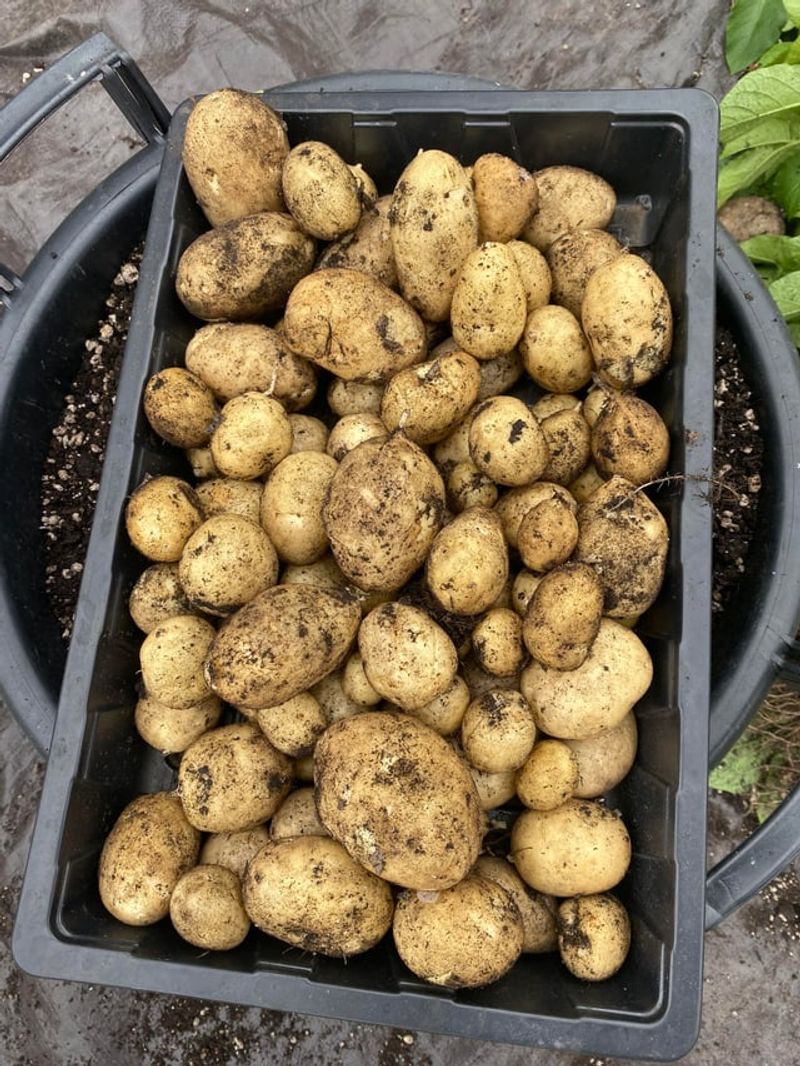
Georgia summers arrive fast and hit hard, and potatoes really do not enjoy soil temperatures above 80 degrees Fahrenheit. Once the soil gets that warm, tuber development slows significantly and the quality of what is already in the ground starts to decline.
Harvesting on the early side is not just acceptable in Georgia, it is often the smartest strategy available.
New potatoes, which are small immature tubers harvested before the plant fully matures, can be pulled as early as 10 weeks after planting. You can check without uprooting the whole plant by carefully reaching into the soil near the base and feeling around for marble-sized tubers.
If you find some, go ahead and take a few while leaving the plant to keep developing.
Full harvest timing depends on the variety you planted, but most early-season types grown in Georgia are ready somewhere between 70 and 90 days.
Watch for the foliage to start yellowing and falling over, which signals that the plant has finished most of its growing cycle.
At that point, stop watering for a week or so to let the skins toughen up slightly before you dig.