What North Carolina Blueberries Actually Need Before May Ends To Produce A Full Harvest
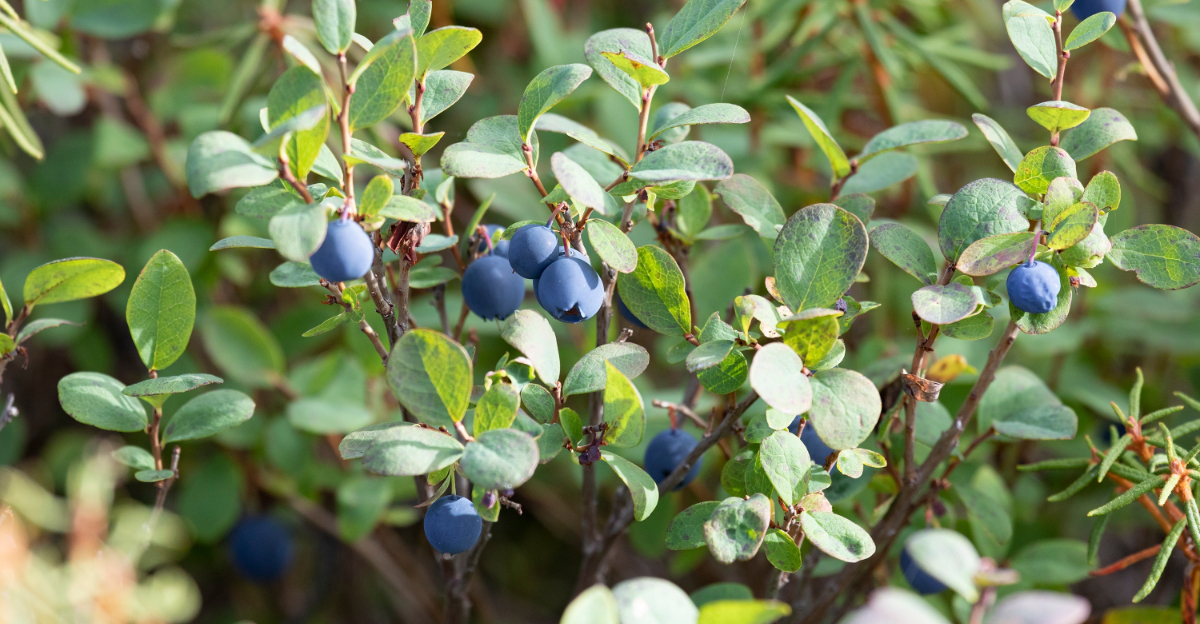
Blueberries in North Carolina are capable of producing a genuinely impressive harvest, but most plants never reach that potential because of a few overlooked needs that have to be addressed at the right time.
The window at the end of May is more important than most gardeners realize.
By the time June arrives and temperatures climb, the plant has already committed most of its energy in a direction that is difficult to redirect.
What the roots take up, what the soil provides, and how the plant is managed in these final weeks of spring directly determines how the fruit develops through summer.
A blueberry bush that gets what it actually needs before May ends produces differently than one that simply receives general care and is expected to figure out the rest on its own.
1. Ensure Full Sun Exposure
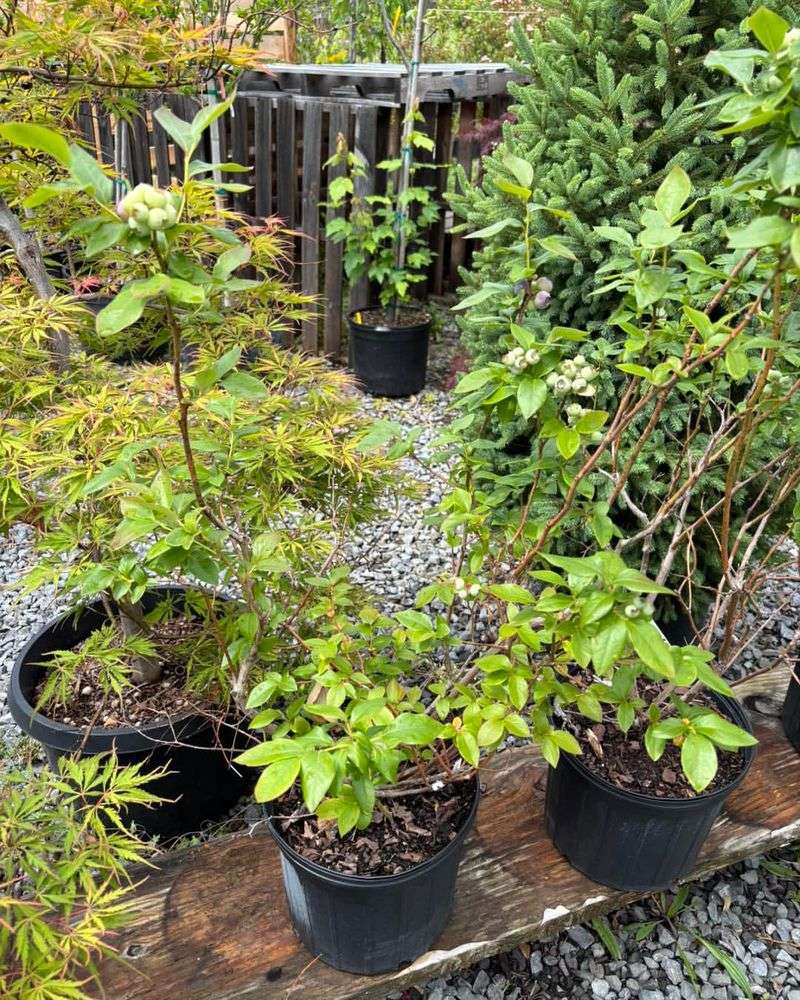
Sunlight is basically fuel for blueberry bushes. Without at least six to eight hours of direct sun each day, your plants simply cannot build the energy needed to push out strong flower buds or develop fruit the way they should.
Before May ends, take a good look at where your blueberries are planted and honestly assess how much sun they are actually getting.
Tall trees, fences, or overgrown shrubs nearby can quietly steal hours of sunlight without you even noticing. Walk your garden at different times of the day, from morning through late afternoon, and watch for shadows that creep across your plants.
If something is blocking the light, now is the right time to prune it back or trim it down.
Highbush varieties like O’Neal and Blueray, which are both popular in North Carolina, are especially sun-hungry during spring flowering. Rabbiteye varieties also need full sun for maximum fruit set.
Repositioning container-grown plants to sunnier spots is easy and worth doing immediately. Even moving a pot just a few feet can add an extra hour of sun exposure per day.
More sunlight before May ends means stronger blooms, better pollination, and a noticeably heavier berry crop when harvest season arrives in late June and July.
2. Test Soil pH And Amend If Necessary
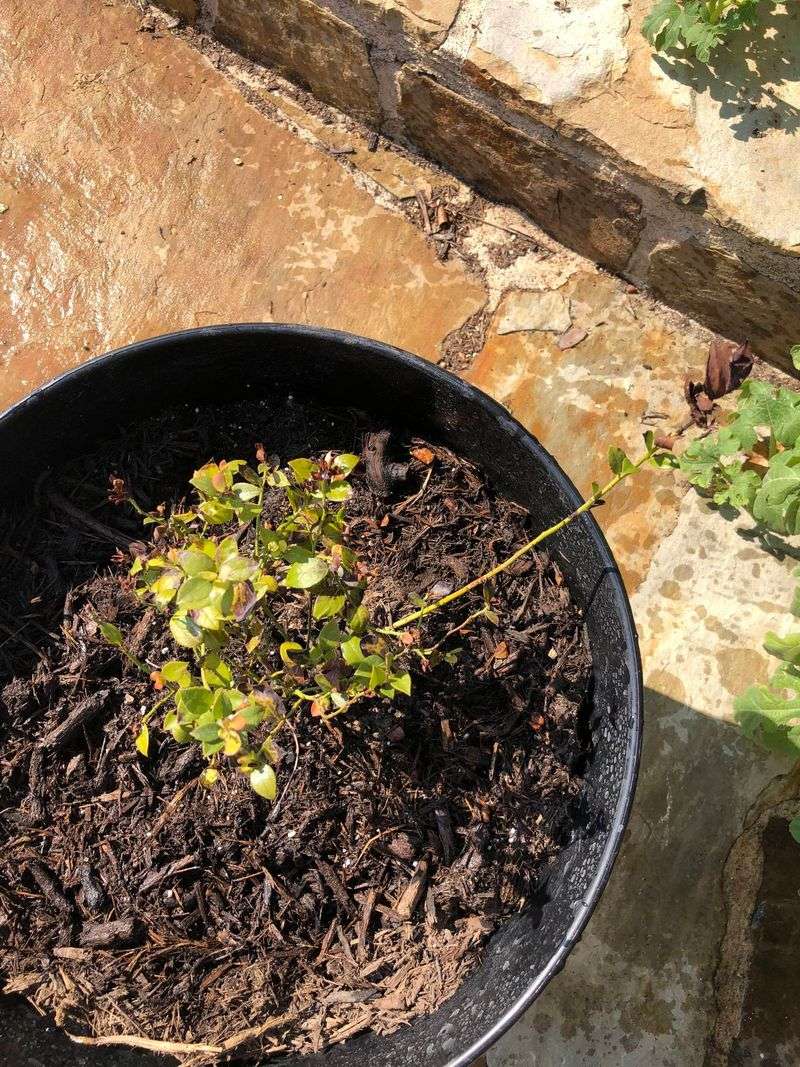
Blueberries are picky about one thing above almost everything else, and that is soil acidity. They need a soil pH between 4.5 and 5.5 to properly absorb nutrients like iron, manganese, and nitrogen.
Outside that range, even a perfectly fertilized plant will struggle to grow well or produce a good crop.
Grab an inexpensive soil pH test kit from your local garden center or cooperative extension office. Testing is quick and gives you real numbers to work with rather than guessing.
North Carolina soils vary widely by region, so do not assume your garden is already in the right range just because blueberries grow well nearby.
If your pH reads too high, elemental sulfur is the most reliable amendment to bring it down over time. Work it into the top few inches of soil well before May ends so it has time to react.
Pine bark fines mixed into the planting area also naturally lower pH while improving drainage. Avoid using aluminum sulfate in large amounts, as it can build up to harmful levels over time.
Your North Carolina Garden Changes Every Week. Your Plan Should Too.
Gardening in North Carolina changes quickly throughout the season. Every Friday you’ll receive a simple weekly plan showing exactly what to plant, prune, fertilize, harvest, and protect so you never miss the right timing.
For container plants, switching to an acidic potting mix designed for azaleas or blueberries makes a big difference fast.
Catching and correcting a pH problem now, before full fruit development kicks in, can genuinely be the difference between a disappointing harvest and a truly impressive one.
3. Mulch To Conserve Moisture And Suppress Weeds
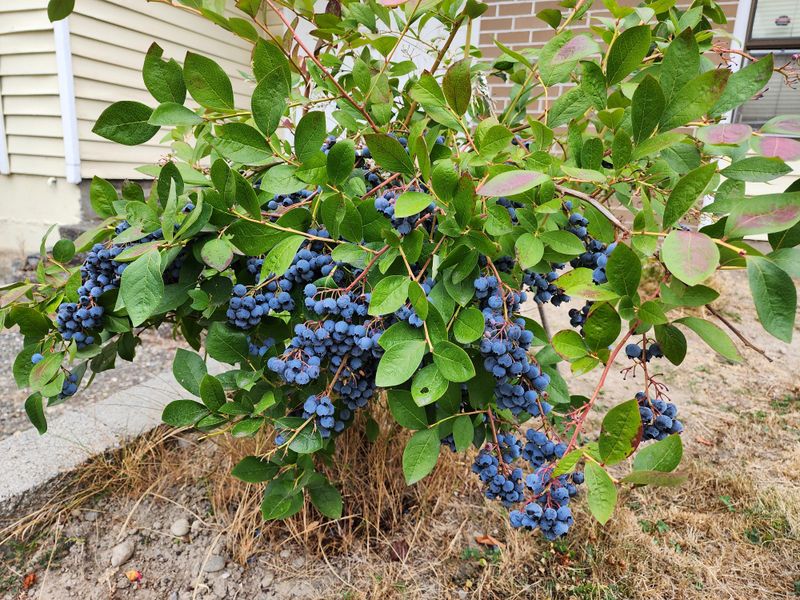
A fresh layer of mulch might seem like a small detail, but for blueberries in North Carolina it is genuinely one of the most powerful things you can do before May ends.
Blueberries have shallow root systems that sit very close to the surface, making them especially vulnerable to moisture loss and temperature swings during the warm spring months.
Pine bark nuggets, pine straw, or wood chips spread two to three inches deep around each plant act like a protective blanket for those roots. The mulch holds moisture in the soil so you are not constantly running out with the hose.
It also keeps soil temperatures cooler and more stable, which blueberry roots prefer during the critical period when flowers are transitioning into young fruit.
Weeds compete directly with blueberries for water and nutrients, and a thick mulch layer makes it much harder for them to establish. Pull any existing weeds before you lay your mulch down so they do not continue growing underneath it.
Keep the mulch a couple of inches away from the base of each stem to prevent moisture buildup right against the wood. Refresh your mulch layer every spring because it breaks down over time and loses its effectiveness.
This simple step costs very little but pays back generously in healthier plants and a much fuller berry harvest.
4. Prune Only What Is Necessary
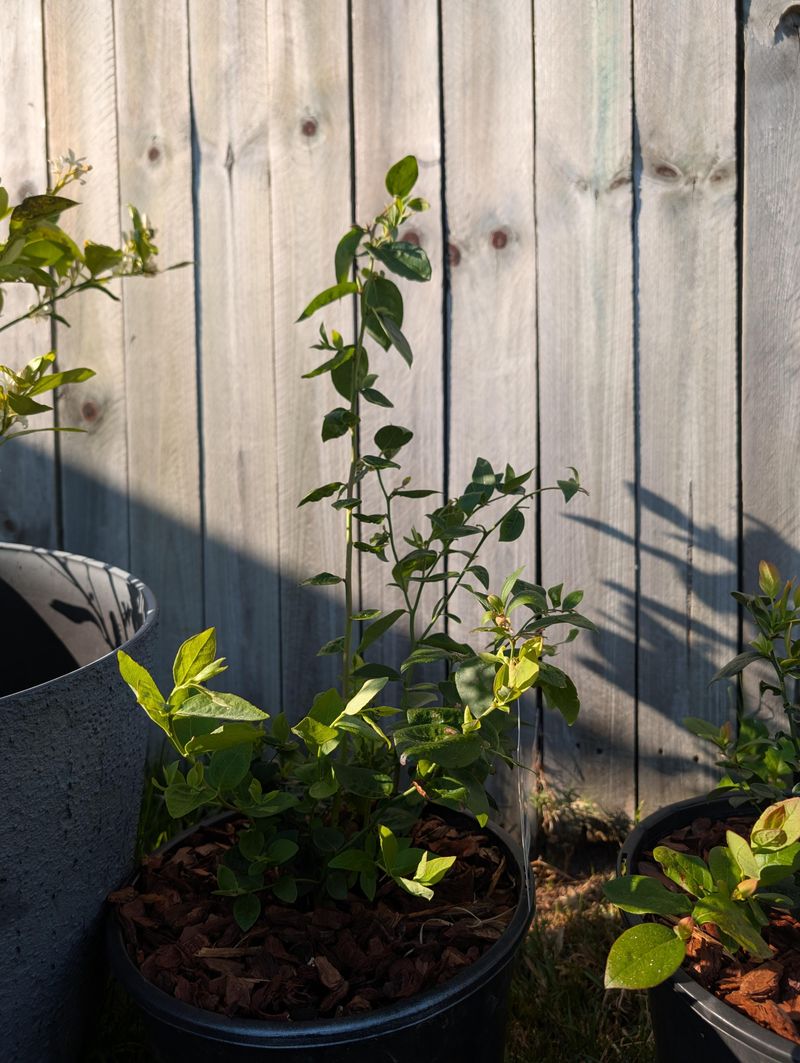
Pruning blueberries before May ends is a bit like editing a great essay. You only remove what is holding things back, and you leave the strong, productive parts alone.
Many gardeners make the mistake of cutting too aggressively in spring, which removes the very flower buds that were already set and ready to produce berries.
Focus your pruning on branches that look thin, spindly, or crowded against stronger canes. Any wood that looks pale, damaged, or unproductive should come out cleanly at the base.
Crossing branches that rub against each other are also worth removing because they create wounds that invite disease into the plant.
Use clean, sharp bypass pruners rather than anvil-style cutters, which can crush delicate cane tissue. Wipe your blades with rubbing alcohol between plants to avoid spreading any fungal or bacterial issues from bush to bush.
For young blueberry plants under three years old, pruning should be very minimal since you want them building structure and root strength right now. Mature bushes can handle a bit more selective thinning to open up airflow through the canopy.
Better airflow means flowers dry faster after rain, which reduces the risk of fungal problems during humid North Carolina springs.
Light, thoughtful pruning now sets up a stronger, more open plant that pollinators can access easily and that produces bigger, sweeter clusters of berries.
5. Provide Consistent Watering
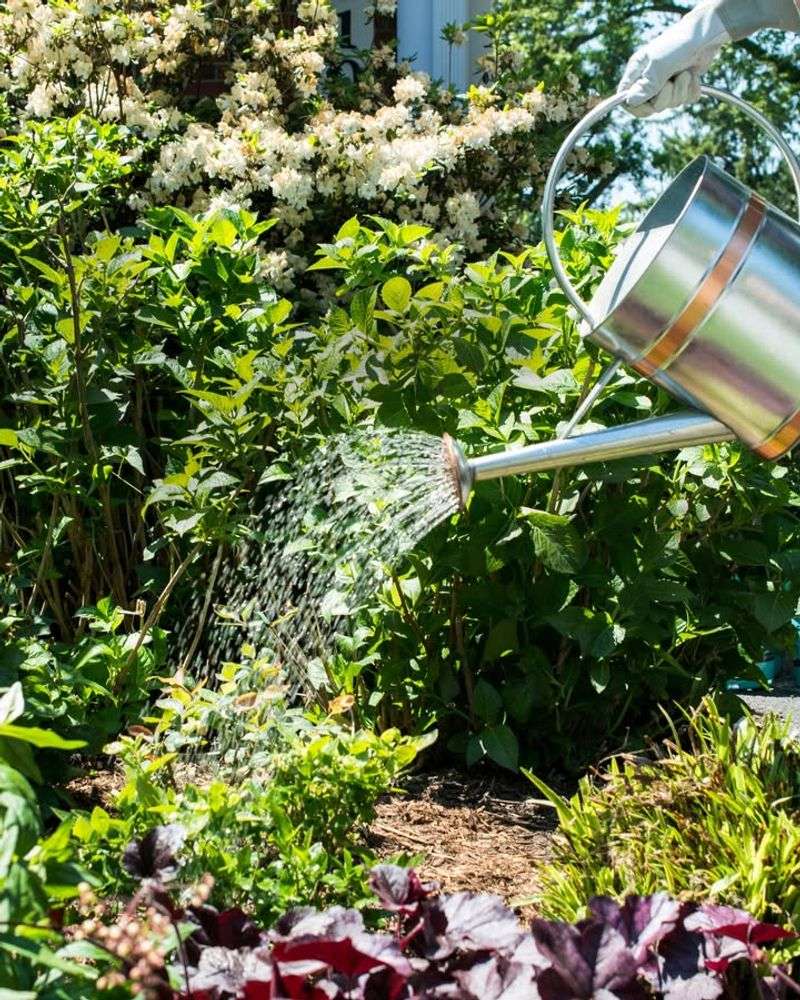
Water stress during spring is one of the sneakiest reasons blueberry harvests fall short. When the soil dries out too much right as flowers are opening and tiny fruit is beginning to form, plants respond by dropping blossoms before they ever have a chance to develop.
Keeping moisture levels steady before May ends is genuinely one of the most impactful things you can do.
Blueberries in North Carolina typically need about one to two inches of water per week during spring, either from rainfall or irrigation.
Sandy soils drain quickly and may need more frequent watering, while clay-heavy soils hold moisture longer but can become waterlogged if overwatered.
Check the top two inches of soil regularly by pressing your finger into the ground near the roots. If it feels dry, it is time to water.
Drip irrigation is by far the most efficient option for blueberries because it delivers water directly to the root zone without wetting the foliage, which can encourage fungal issues. Soaker hoses work well too, especially in raised beds.
Container-grown blueberries dry out faster than in-ground plants and may need watering every day or two during warm spells. Morning watering is best because it gives foliage time to dry before evening.
Building a consistent watering routine now, rather than reacting to wilting, is what separates a mediocre blueberry season from a truly abundant one.
6. Apply Balanced Fertilizer Carefully
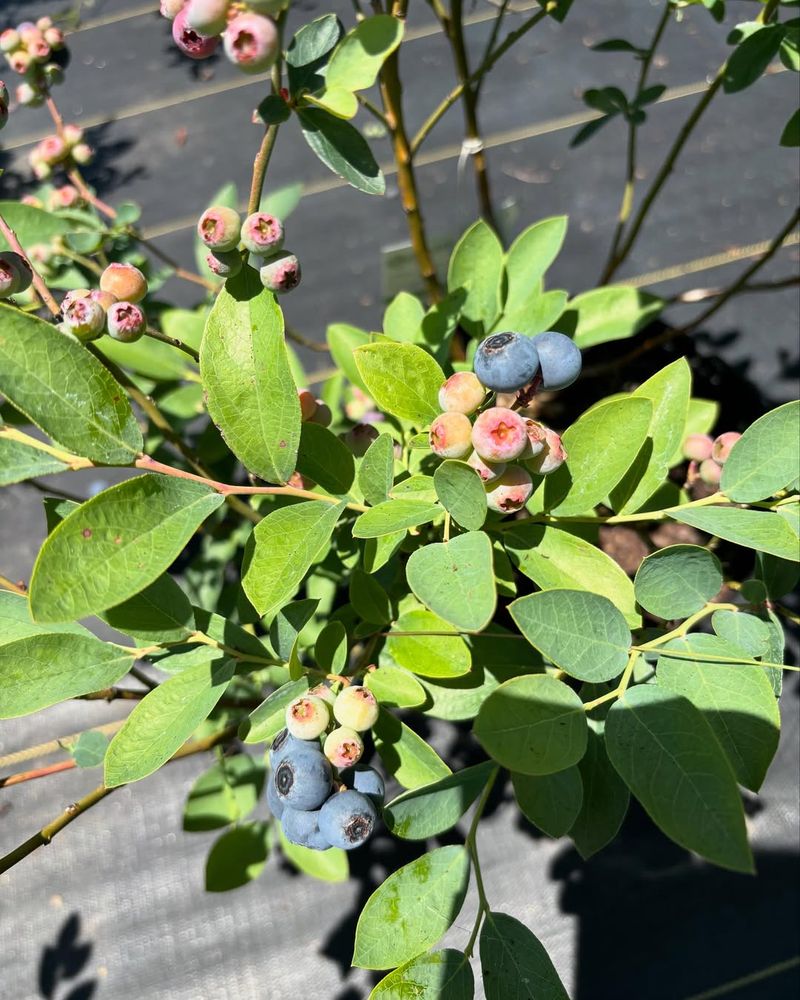
Fertilizing blueberries sounds straightforward, but getting it wrong can actually work against you during the critical spring window.
Too much nitrogen encourages lots of lush leafy growth at the exact moment when you want the plant focused on flowering and fruit development.
The goal is to feed the plant in a way that supports both healthy leaves and productive blooms at the same time.
Look for fertilizers labeled specifically for blueberries, azaleas, or acid-loving plants. These products are formulated with the right nutrient ratios and often include acidifying agents that help maintain the low soil pH blueberries need.
Ammonium sulfate is a popular choice among North Carolina blueberry growers because it feeds the plant while simultaneously helping to lower soil pH over time.
Apply fertilizer in early spring just as new growth begins, and then again about six weeks later if your plants need a boost. Always follow the package directions carefully, because more fertilizer does not mean more fruit.
Scatter granules evenly around the drip line of the plant rather than right up against the stem, and water it in well afterward. Avoid fertilizing late in the season when the plant is already deep into fruit development, as this can push vegetative growth at the wrong time.
A careful, well-timed feeding program before May ends gives your blueberries exactly what they need to finish strong and fill out a genuinely impressive harvest.
7. Encourage Pollinator Activity
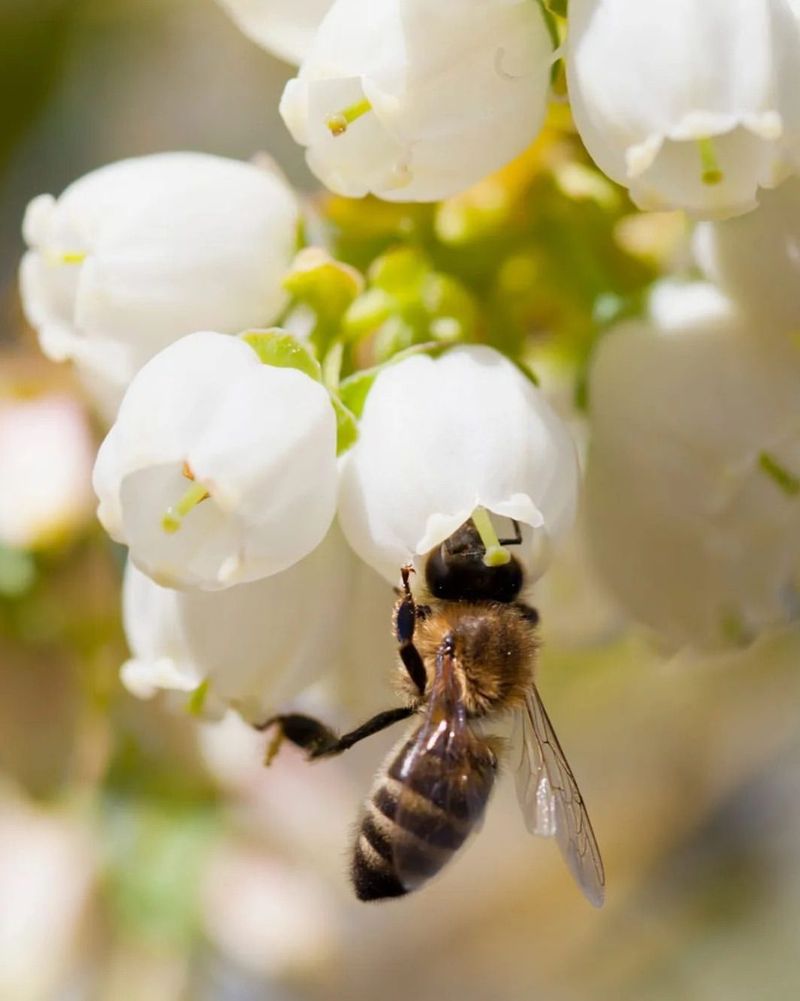
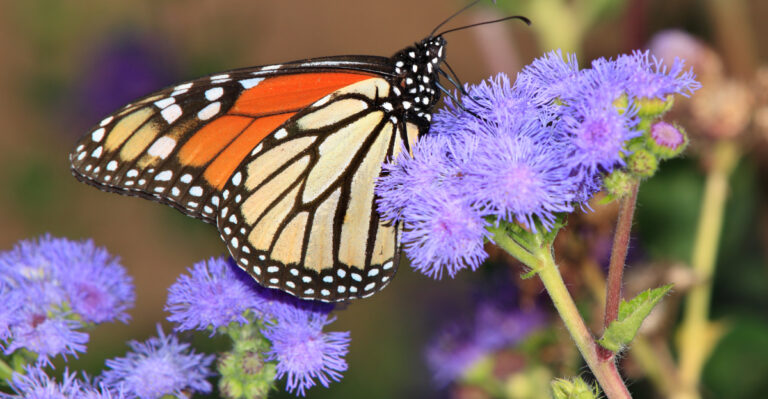
Blueberries cannot produce fruit on their own without help. They rely heavily on pollinators, especially native bumblebees and honeybees, to transfer pollen between flowers and trigger fruit set.
Without strong pollinator activity during the flowering window, you end up with far fewer berries, and the ones that do form tend to be smaller than they should be.
One of the best ways to attract more pollinators to your blueberry patch is to plant companion flowers nearby. Borage, lavender, phacelia, and native wildflowers all bloom around the same time as blueberries and draw bees in from a wider area.
Even a small cluster of these plants just a few feet away from your blueberry bushes can noticeably increase the number of pollinator visits your flowers receive each day.
Avoid applying any pesticides, even organic ones, during the morning hours when bees are most active. If you need to treat for pests, do it in the late evening after pollinators have gone back to their nests.
Leaving a shallow dish of water with pebbles near your garden also helps, since bees need water sources close to where they are foraging.
If you have the space and interest, placing a small beehive within a hundred feet of your blueberry planting is genuinely one of the most effective ways to maximize fruit set. More bee visits before May ends means more berries, plain and simple.
8. Check For Pests And Diseases Early
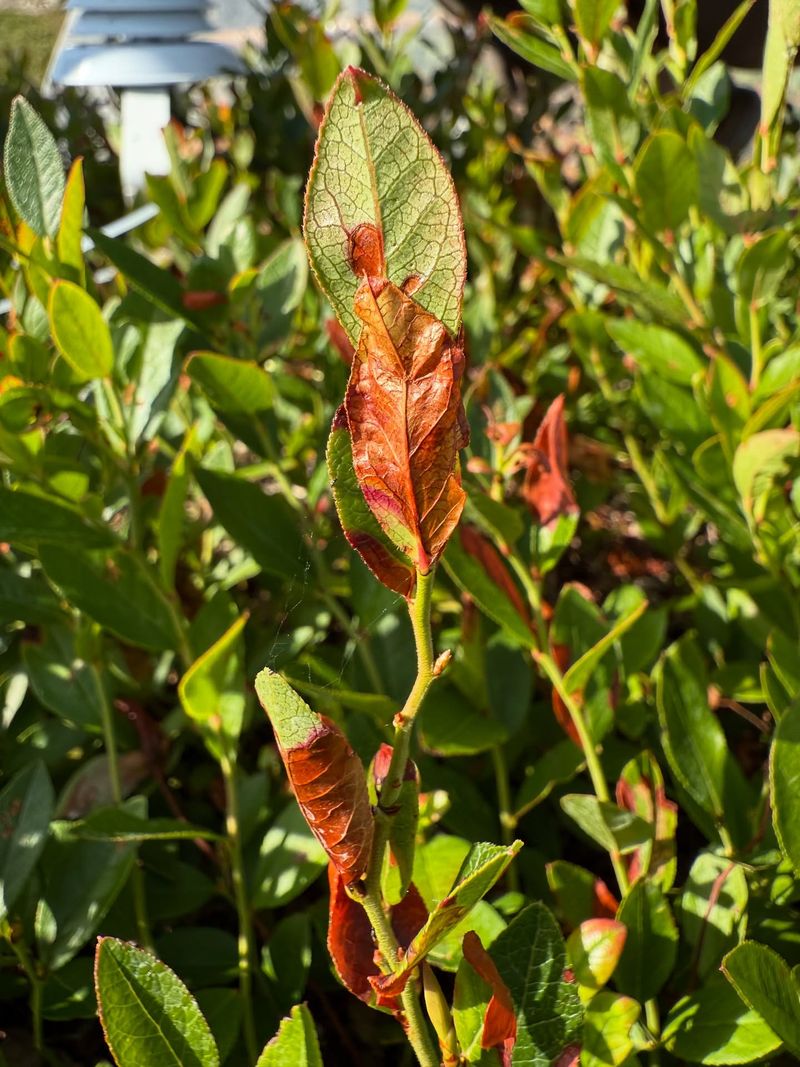
Spring is when problems start quietly, and blueberry pests and diseases are no different.
Aphids, thrips, blueberry tip borers, and various fungal issues can all show up during the weeks leading into May, and catching them early makes a huge difference in how much damage they actually do.
A quick weekly inspection of your plants takes only a few minutes but can save your entire crop.
Flip leaves over and look at the undersides where aphids and spider mites like to cluster. Check stem tips for signs of wilting or distorted growth, which can indicate borer activity.
Watch for powdery or grayish spots on leaves, which often signal fungal infections like mummy berry or Botrytis blight, both of which are common in North Carolina’s humid spring climate.
Integrated pest management is the smartest approach here. Start with the least aggressive options first, like blasting aphids off with a strong stream of water or introducing beneficial insects such as ladybugs, which feed on soft-bodied pests naturally.
Neem oil applied early in the season handles many fungal and insect issues without harming beneficial insects when used correctly.
Remove and bag any infected plant material rather than composting it, as fungal spores can spread easily through a compost pile.
Keeping records of what you find and when helps you spot patterns year after year. Early action before May ends protects your flowers and gives developing fruit the clean, healthy start it needs.