The Most Common Watering Mistakes North Carolina Gardeners Make With Tomatoes In Summer Heat
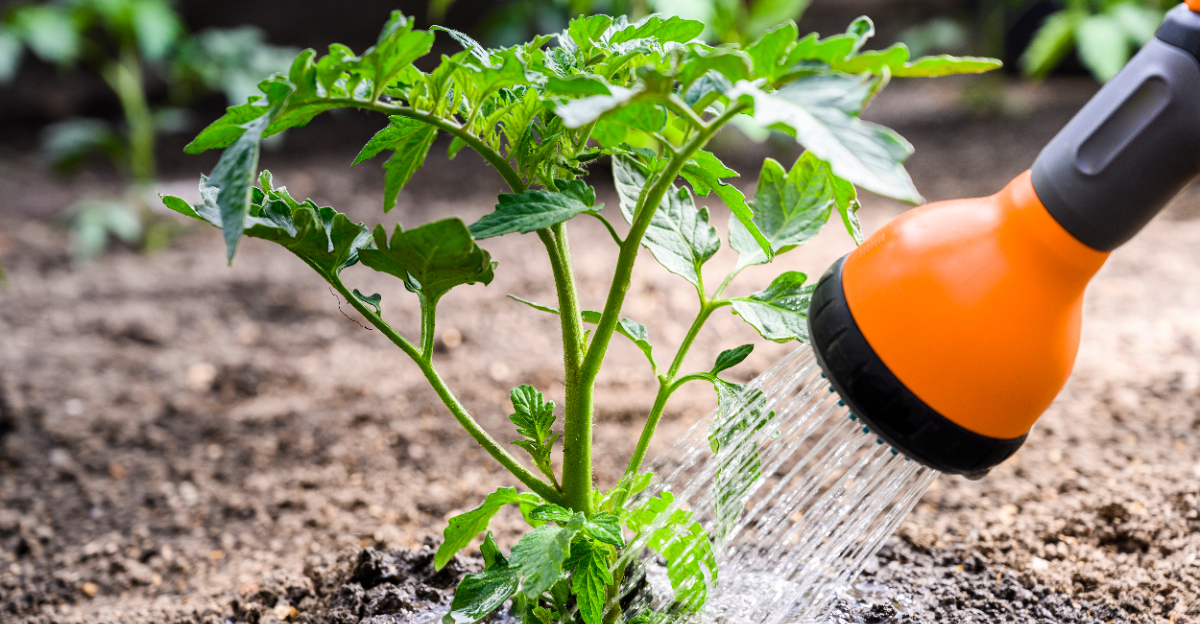
Watering tomatoes sounds like the most straightforward part of growing them, but it is quietly responsible for more summer crop failures in North Carolina than most gardeners ever connect back to the root cause.
The problems that show up as blossom end rot, cracked fruit, wilting despite wet soil, or stubborn plants that simply stop producing are almost always traced back to how and when water is being applied rather than the amount alone.
North Carolina summers add a layer of complexity that general tomato advice does not always account for.
Sustained heat above 90 degrees, high overnight humidity, and the unpredictable cycle of dry stretches followed by heavy rain create conditions where even experienced gardeners develop habits that work against their plants without realizing it.
The mistakes that show up most often are not dramatic oversights. They are small, repeated decisions about timing, method, and consistency that compound over weeks until the plants show the damage.
Knowing what those mistakes look like and why they matter in this specific climate is the first step toward a tomato crop that actually delivers through the heat of a North Carolina summer.
1. Watering Lightly And Too Often
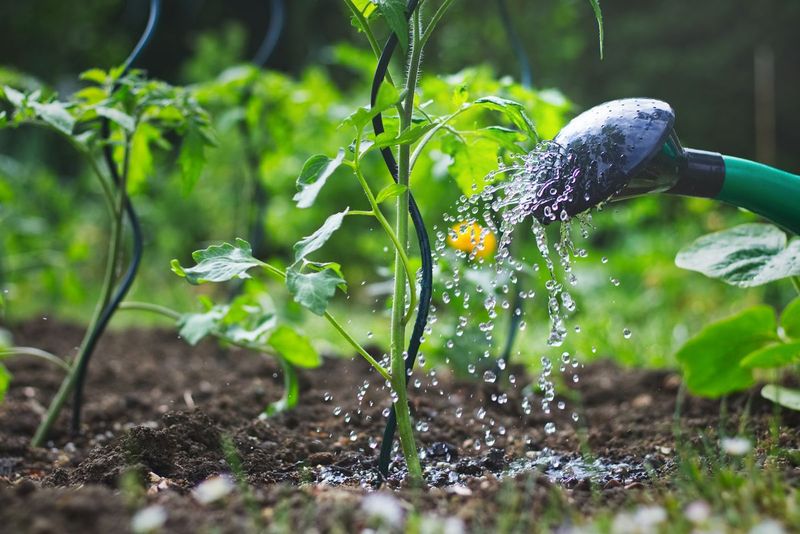
Grab a tomato plant by its roots and you will quickly understand why shallow watering is such a big problem. When you only wet the top inch or two of soil, the roots have no reason to grow deeper.
They stay close to the surface, where the North Carolina summer sun bakes the ground dry within hours.
Solanum lycopersicum, the common garden tomato, naturally wants to send roots deep into the earth. Deep roots tap into cooler, moister soil layers that stay wet long after the surface dries out.
That kind of root system builds a plant that handles heat waves with much less stress.
A good rule to follow is watering deeply two to three times per week rather than a little bit every single day. When you water, soak the soil slowly so moisture reaches at least six to eight inches down.
You can check depth by pushing a wooden skewer or your finger into the soil after watering.
Gardeners across the Piedmont and coastal plain regions of North Carolina often make this mistake without realizing it. A quick sprinkle feels like enough, but the plant tells a different story by midday.
Strong, healthy tomatoes start with strong, deep roots, and deep roots only grow when you give them a real reason to reach down.
2. Letting Soil Swing Between Bone Dry And Saturated
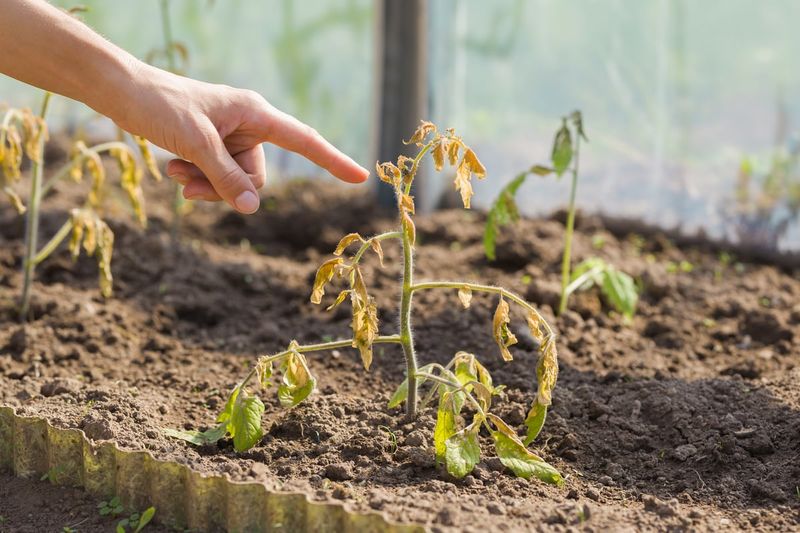
Picture your tomato plant riding a rollercoaster of thirst and flooding every single week. That is exactly what happens when gardeners water inconsistently, and the plant pays a real price for it.
Blossom end rot, cracked fruit, and stunted growth are all signs that moisture levels are swinging too wildly.
North Carolina summers bring sudden downpours followed by days of blazing dry heat. Without a consistent watering routine, soil moisture can go from soaked to bone dry in just a couple of days.
Your North Carolina Garden Changes Every Week. Your Plan Should Too.
Gardening in North Carolina changes quickly throughout the season. Every Friday you’ll receive a simple weekly plan showing exactly what to plant, prune, fertilize, harvest, and protect so you never miss the right timing.
Tomato plants under that kind of stress struggle to absorb calcium and other nutrients properly, which is what leads to blossom end rot on those beautiful fruits you have been waiting for.
Consistency matters far more than the exact amount of water you use each time. Aim for steady, even moisture throughout the growing season by checking your soil every day or two.
A simple moisture meter from any garden center makes this easy and takes the guesswork out completely.
Mulching around your plants also helps buffer those wild swings between wet and dry, which is especially helpful in the hot, humid climate of central North Carolina.
When the soil stays more even, your plant can focus its energy on producing fruit instead of recovering from stress. Steady wins the race every single time with tomatoes.
3. Watering Overhead During Humid Evenings
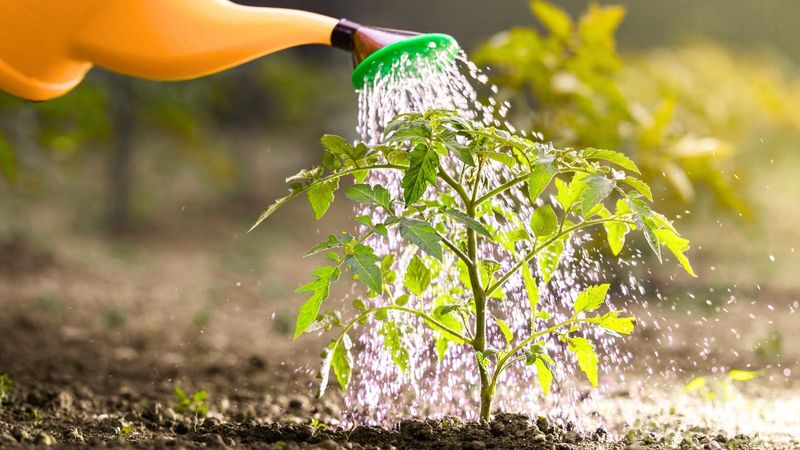
Wet leaves at night in North Carolina are basically an open invitation for fungal problems. The state’s summer humidity already creates the perfect environment for diseases like early blight and Septoria leaf spot, and adding wet foliage on top of that is like pouring fuel on a fire.
Many gardeners do not realize their evening watering habit is quietly causing so much trouble.
When water sits on tomato leaves overnight, fungal spores have all the time and moisture they need to get established. By morning, you might notice yellowing leaves, dark spots, or a general look of decline spreading through your garden.
In the warm, sticky summers of the North Carolina Piedmont and coastal regions, these diseases move fast once they get started.
Switching to drip irrigation or a soaker hose solves this problem almost immediately. Water goes directly to the soil and roots, keeping leaves completely dry no matter what time you water.
If you must use a hose or sprinkler, always do it early in the morning so leaves have the full day to dry out in the sun.
Morning watering also gives plants a fresh supply of moisture right before the hottest part of the day hits. Roots absorb water efficiently in the cooler morning hours, and the plant stays hydrated through the afternoon heat.
That simple timing shift makes a noticeable difference in how healthy and productive your tomatoes stay all season long.
4. Skipping Mulch In Summer
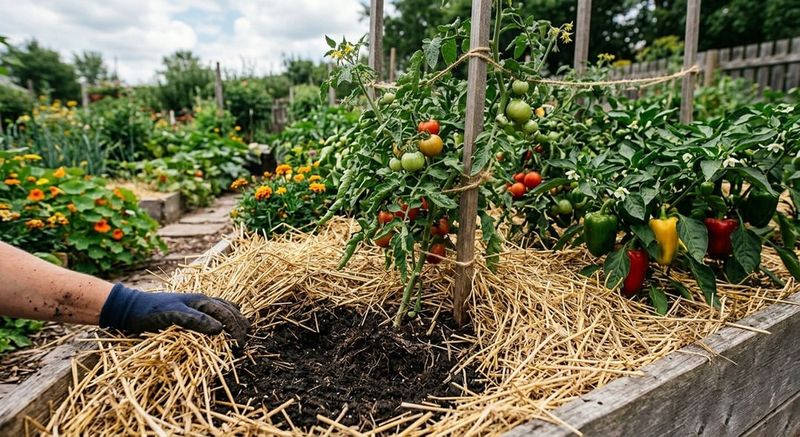
Bare soil in a North Carolina summer garden is working against you in more ways than one. Without mulch, the sun heats the ground surface to temperatures that can stress roots and speed up evaporation dramatically.
You could water twice a day and still struggle to keep up with how fast that bare soil dries out. Mulch acts like a protective blanket over your garden bed.
A three to four inch layer of straw, wood chips, or shredded leaves keeps the soil cooler, holds moisture in much longer, and even helps prevent soil-borne diseases from splashing up onto lower leaves during rain or watering.
For tomato gardeners in the hot Piedmont and eastern regions of North Carolina, mulch is not optional, it is essential.
Studies from university extension programs confirm that mulched tomato plants use significantly less water than unmulched ones while still producing better yields. That means less time dragging hoses around your yard and more time actually enjoying your garden.
Straw mulch is especially popular because it is affordable, easy to find, and breaks down slowly through the season.
Apply mulch right after transplanting your tomatoes in spring, before the serious summer heat arrives. Keep it a couple of inches away from the main stem to avoid moisture buildup directly against the plant base.
Once you try mulching, skipping it will never feel like an option again, especially during a North Carolina heat wave.
5. Watering At The Wrong Time Of Day
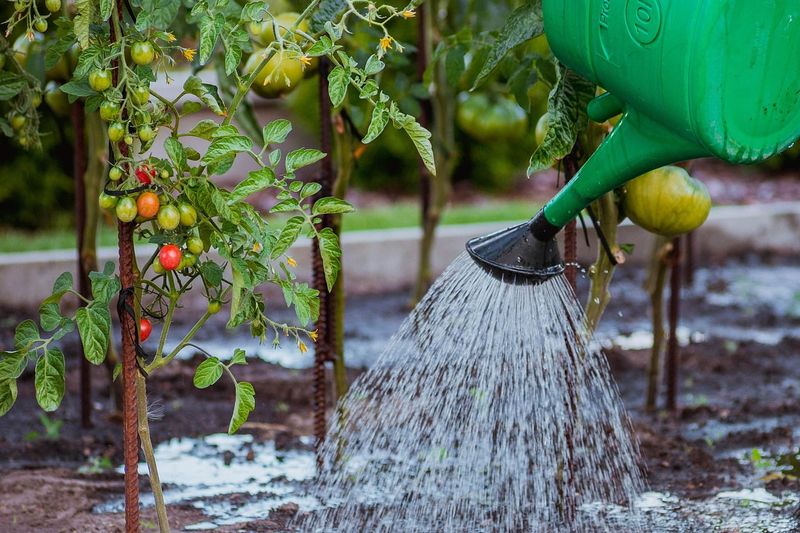
Noon might feel like a convenient time to grab the hose, but your tomatoes would strongly disagree. Watering in the middle of the day during a North Carolina summer means a large portion of that water evaporates before roots ever get a chance to absorb it.
The sun is at full strength, temperatures are at their peak, and the soil surface turns water into vapor almost instantly.
Early morning is the clear winner for watering time, and experienced gardeners across the state will back that up. Between six and nine in the morning, temperatures are cooler, wind is usually calm, and the soil is ready to soak up moisture efficiently.
Plants get hydrated before the heat of the afternoon hits, which helps them stay strong and upright even on the hottest days.
Evening watering comes with its own set of problems, as discussed earlier, mainly the risk of wet foliage overnight in North Carolina’s notoriously humid summers. Morning watering neatly avoids both the evaporation problem and the fungal disease risk at the same time.
It is a simple change that pays off in healthier plants and better fruit production.
If your schedule makes morning watering difficult, a basic drip irrigation timer is a smart investment. Set it once and let it handle the job automatically every morning without you needing to be there.
Your tomatoes will reward you with steady growth and a much more productive harvest through the long, hot North Carolina growing season.
6. Overwatering In Clay Soil
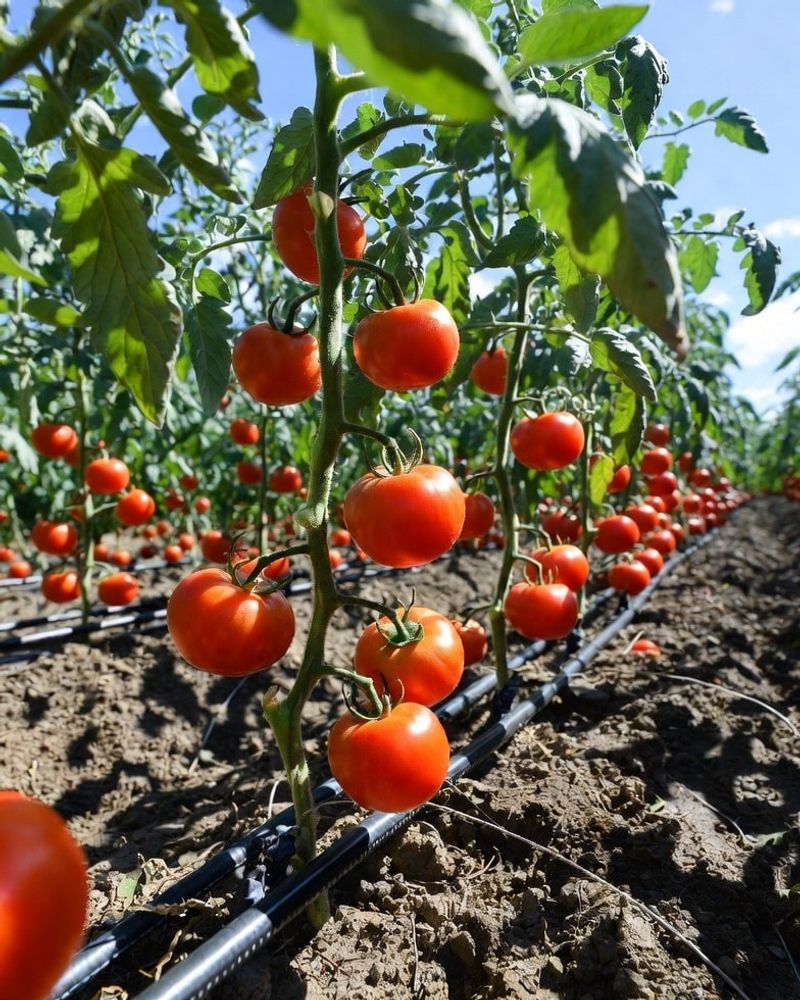
Clay soil has a sneaky reputation in the North Carolina Piedmont, and plenty of gardeners have learned its lessons the hard way. Unlike sandy or loamy soil, clay holds onto water for a surprisingly long time after rain or irrigation.
Watering on a fixed schedule without checking the actual soil moisture is one of the fastest ways to overwater your tomatoes without even realizing it.
Roots sitting in waterlogged clay soil cannot get the oxygen they need to function properly. Over time, this leads to yellowing leaves, wilting that looks like thirst but is actually the opposite, and a general decline in plant health.
Many North Carolina gardeners assume their plants need more water when the real problem is that the soil is already too wet.
Before you water, always push a finger or a moisture probe two to three inches into the soil. If it still feels damp, skip watering that day and check again tomorrow.
This simple habit saves plants from the slow damage that comes with consistently soggy clay soil.
Improving clay soil over time with compost and organic matter makes a huge difference in drainage and root health. Raised beds are another popular solution for Piedmont gardeners who want more control over soil conditions.
Working with your soil type instead of fighting it is the key to growing thriving, productive tomatoes season after season right here in North Carolina.
7. Ignoring Container Tomato Water Needs
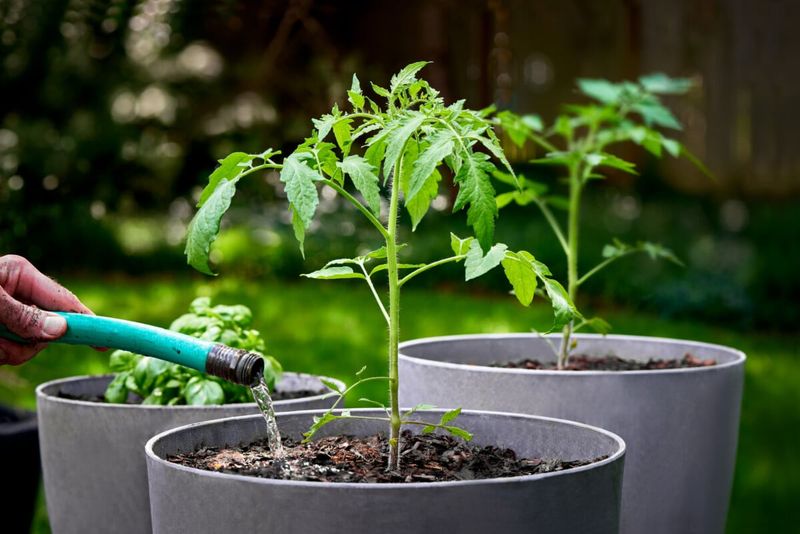
Container tomatoes live by a completely different set of rules compared to their in-ground cousins. The limited soil volume in a pot heats up fast, dries out quickly, and has nowhere near the moisture reserves of a garden bed.
In the blazing North Carolina summer heat, a container tomato can go from perfectly watered to severely stressed in less than a day.
Most container gardeners are surprised to learn that their potted tomatoes may need water once or even twice daily during peak summer heat. Large black containers sitting on a sunny patio or deck absorb heat aggressively, which speeds up evaporation dramatically.
Checking moisture levels every morning and again in the early evening becomes a non-negotiable habit for keeping container tomatoes thriving.
Choosing larger containers helps because more soil volume retains moisture longer between waterings. A five-gallon pot is the bare minimum for a tomato plant, but ten gallons or more gives roots much more room and keeps the soil from drying out as fast.
Self-watering containers with built-in reservoirs are also worth considering for busy North Carolina gardeners who cannot always check plants twice a day.
Adding water-retaining crystals or extra compost to your potting mix also improves moisture retention without causing waterlogging. Container tomatoes are wonderfully productive when their needs are met consistently.
Give them the daily attention they ask for during North Carolina’s hottest months and they will deliver a steady, impressive harvest all the way through the season.