The Best Harvesting Trick For Michigan Bell Peppers This September
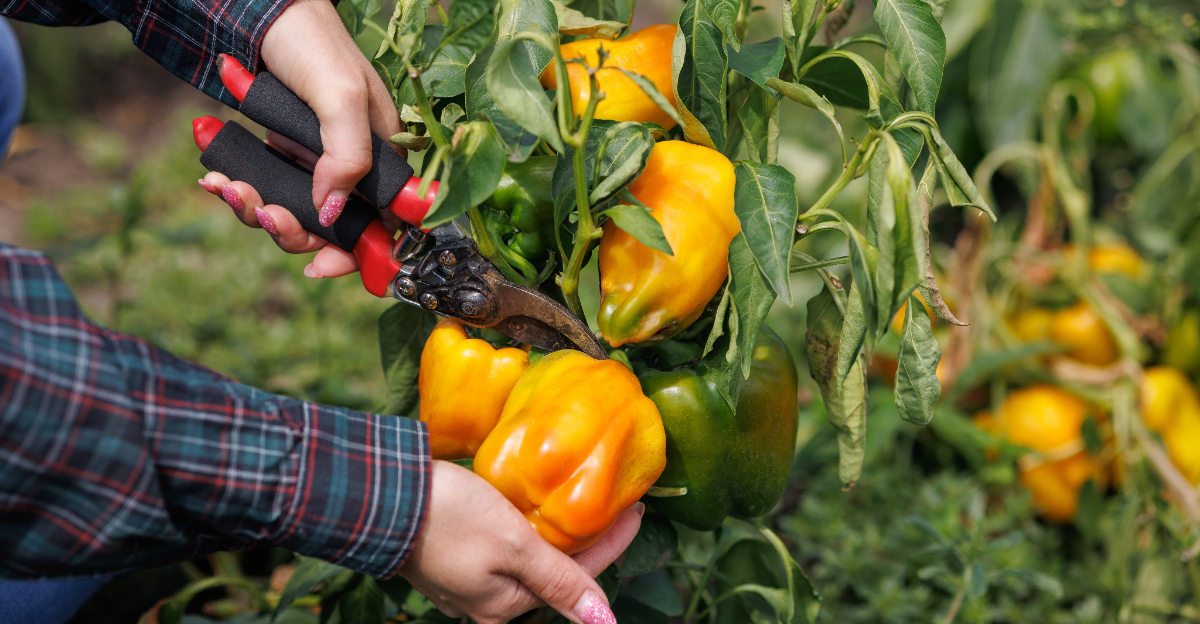
September bell peppers often get picked at exactly the wrong moment, leaving Michigan gardeners with fruit that never quite reaches its full potential in flavor or size.
Most people assume timing doesn’t matter much beyond simply waiting for peppers to turn the expected color.
But there’s a specific harvesting approach that actually makes a noticeable difference in both the current harvest and how much more the plant continues to produce afterward.
Understanding this trick changes how you should be approaching your pepper plants for the remainder of the season.
Many gardeners are surprised by how much more productive their plants become once they adjust this one simple habit. Once you start harvesting this way, you’ll likely notice the difference within just a week or two.
This small shift could significantly extend how much you’re able to harvest before frost finally arrives.
1. Cut Instead Of Pull
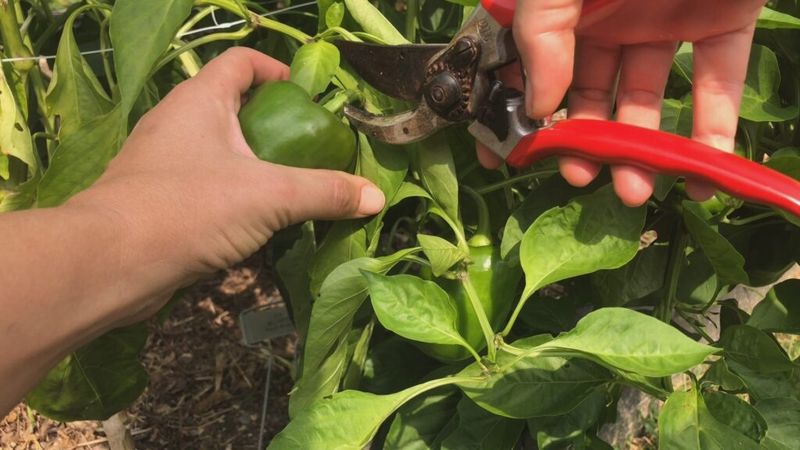
Tugging a pepper off the plant feels quick, but it can cause real trouble. Bell pepper branches are surprisingly brittle, and a hard pull often snaps a whole stem instead of releasing just one fruit.
Reach for a clean pair of pruners or garden scissors instead. A sharp, careful snip gives you a smooth cut that leaves the plant standing strong. You avoid ripping the branch and shaking loose peppers that are not ready yet.
Clean tools matter more than most gardeners realize. Dirty blades can spread plant problems from one pepper to the next, so wipe your pruners with a little rubbing alcohol before you start.
This simple step keeps your whole garden healthier. When you cut, hold the pepper gently in one hand so it does not drop and bruise. Support the fruit while your other hand does the snipping.
That way the pepper lands safely in your palm and heads straight to your basket. Pulling also stresses the roots, especially in September when plants are working hard to ripen their last fruit.
A wobbly, jerked plant recovers slowly, and you want yours producing right up until the cool nights arrive.
Think of cutting as the gentle, respectful way to say thanks to a plant that fed you all summer. It takes only a few extra seconds, yet it protects both the fruit in your hand and the peppers still growing.
Once you get into the habit, you will never want to yank a pepper again.
2. Leave A Short Stem
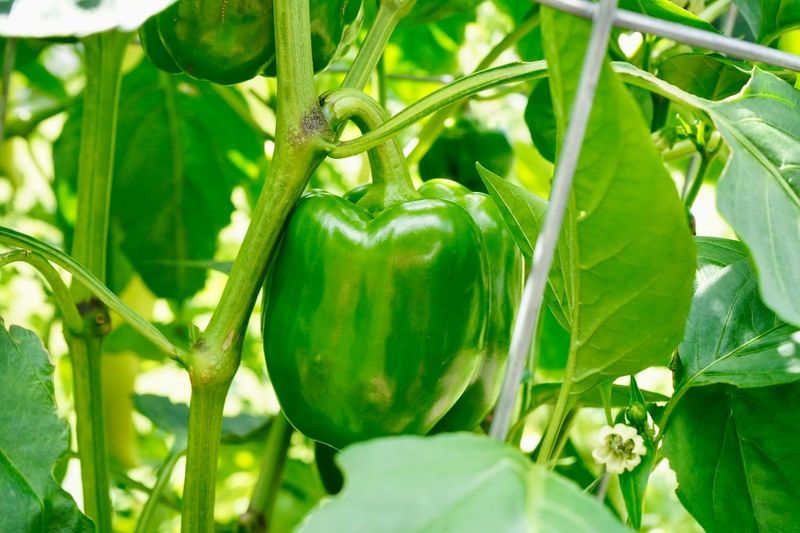
Ever notice that store peppers usually have a little stub of stem on top? There is a good reason for that, and you can copy the trick at home.
When you snip your pepper, aim to leave about half an inch of stem attached to the fruit. That short handle gives you something to grip, so you never have to squeeze the pepper itself. Squeezing leads to dents, and dents lead to soft spots.
The stem also acts like a natural cap over the top of the pepper. It helps seal the spot where the fruit connects, which slows down moisture loss.
Your Michigan Garden Changes Every Week. Your Plan Should Too.
Gardening in Michigan changes quickly throughout the season. Every Friday you’ll receive a simple weekly plan showing exactly what to plant, prune, fertilize, harvest, and protect so you never miss the right timing.
Peppers with their stems stay crisp and fresh much longer in your kitchen or fridge. Cutting with a stem is easier on the plant too. You can make a clean slice above the fruit without pressing into the branch or twisting anything loose.
The plant barely notices, and the nearby peppers stay undisturbed. Try to make your cut in one smooth motion rather than sawing back and forth. A single clean snip leaves a tidy stem and a happy fruit.
If your blades are sharp, this happens almost effortlessly. Long stems, on the other hand, can be risky. A stem that sticks out too far might poke and scratch other peppers in your basket.
Short and neat is the sweet spot. Once you build this habit, your harvested peppers will look market fresh and last plenty of days. A tiny stem really does make a big difference.
3. Protect The Remaining Peppers
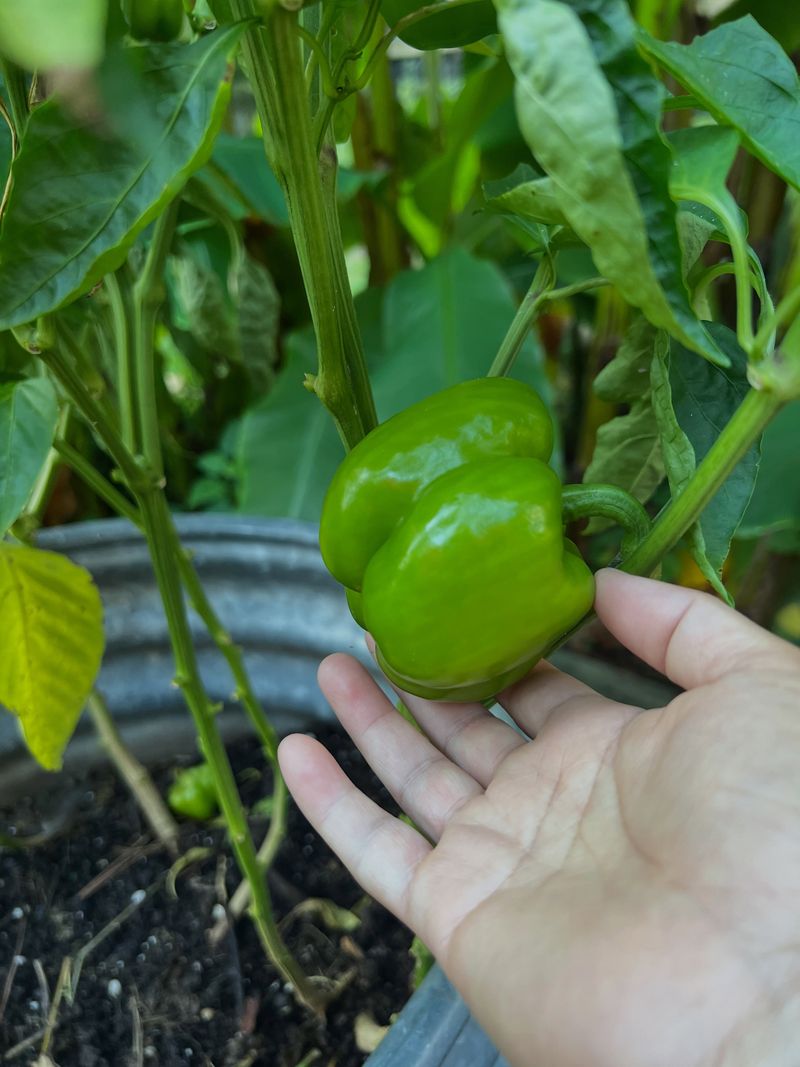
One rushed grab can cost you more than a single pepper. When a branch snaps by accident, it often carries smaller, still growing fruit with it, and those baby peppers never get their chance to finish.
Slow down and look before you cut. Notice which peppers share the same branch, then choose your snipping spot so the rest stay safely in place. A little planning saves a lot of fruit.
Hold the branch steady with your free hand while you cut. Supporting the stem keeps it from bending or bouncing, which protects the developing peppers hanging nearby. Think of it as bracing the branch so nothing gets jostled.
Sharp pruners help here again. Dull blades force you to press hard, and that pressure can crack or bend the whole branch. Clean, sharp cuts glide through without stress on the plant.
September plants are still packed with promise. Many peppers are just days away from being full sized, so every branch you keep healthy means more harvest ahead. Treating the plant kindly now pays you back later.
If a branch does happen to break, do not panic. Bring any usable peppers inside and let firm green ones sit on the counter, since some will slowly ripen indoors.
The main goal stays simple. Harvest the peppers you want while leaving the plant sturdy enough to feed you again next week. Careful cutting keeps your pepper factory running strong through the whole month.
4. Pick Green Peppers When Full Sized
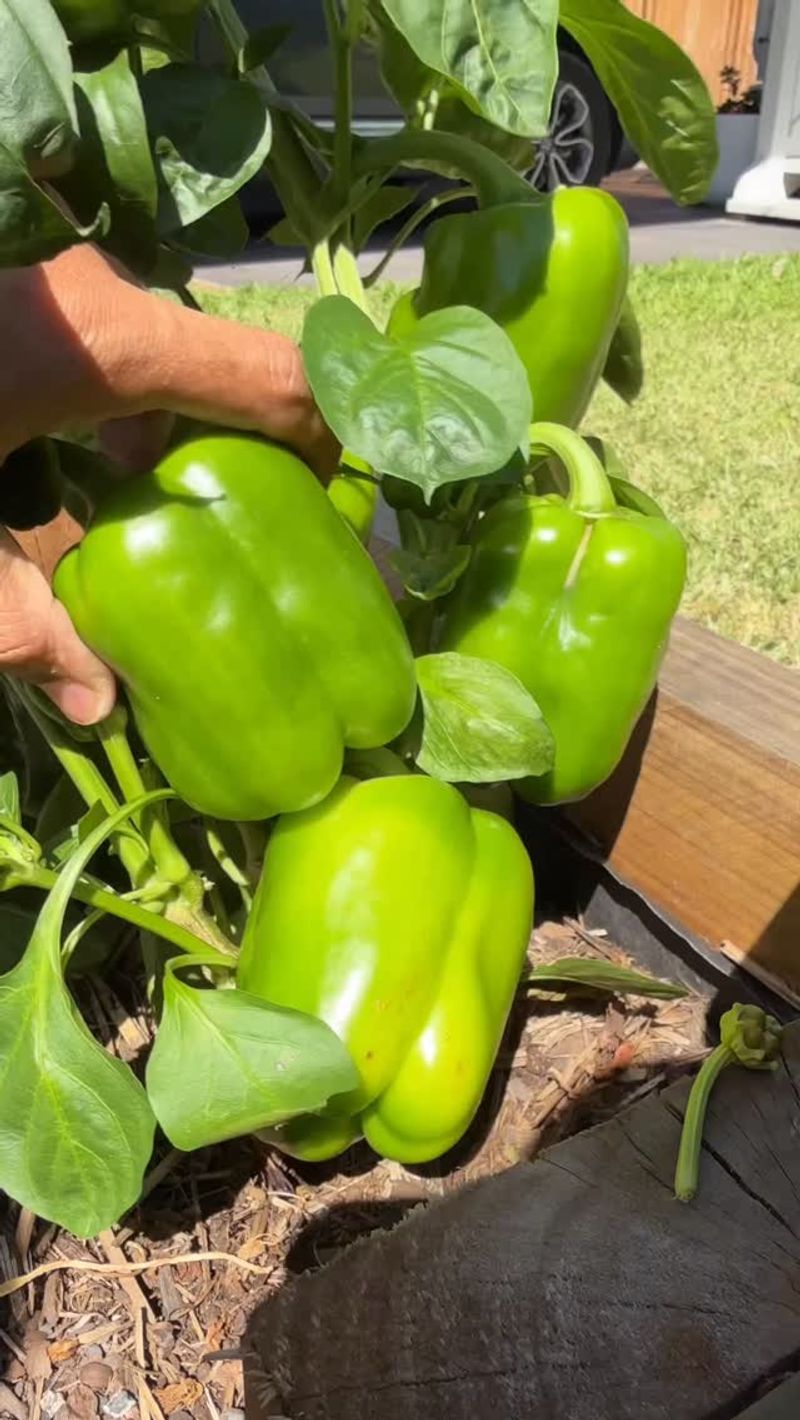
Green peppers are not unripe mistakes. They are simply peppers picked at an earlier, tangier stage, and plenty of gardeners love them exactly that way.
The trick is waiting until the pepper reaches its full size before you cut. A mature green pepper feels firm, heavy for its size, and has thick, glossy walls. When you gently squeeze, it should feel solid rather than thin or hollow.
Size gives you the biggest clue. Check the seed packet or plant tag to learn how large your variety should grow, then let each pepper fill out to that shape. A full sized green pepper gives you crunchy, satisfying bites.
Harvesting green also helps your whole plant. Once you remove a pepper, the plant puts its energy into making new fruit and finishing the ones still growing. Regular green picking can boost your total harvest for the season.
Green peppers cook up wonderfully in stir fries, fajitas, and stuffed pepper recipes. Their slightly sharp flavor holds up well to heat, and they stay firm on the plate.
They also store nicely. A firm green pepper keeps in the fridge for a week or more, giving you time to plan tasty meals.
If you are not sure whether a pepper is ready, a quick touch test settles it. Firm and glossy means go, while soft and shiny with wrinkles means it needs a little longer or should be used right away.
Picking green is a smart, reliable choice, especially as September nights start cooling down.
5. Let Some Peppers Color Up
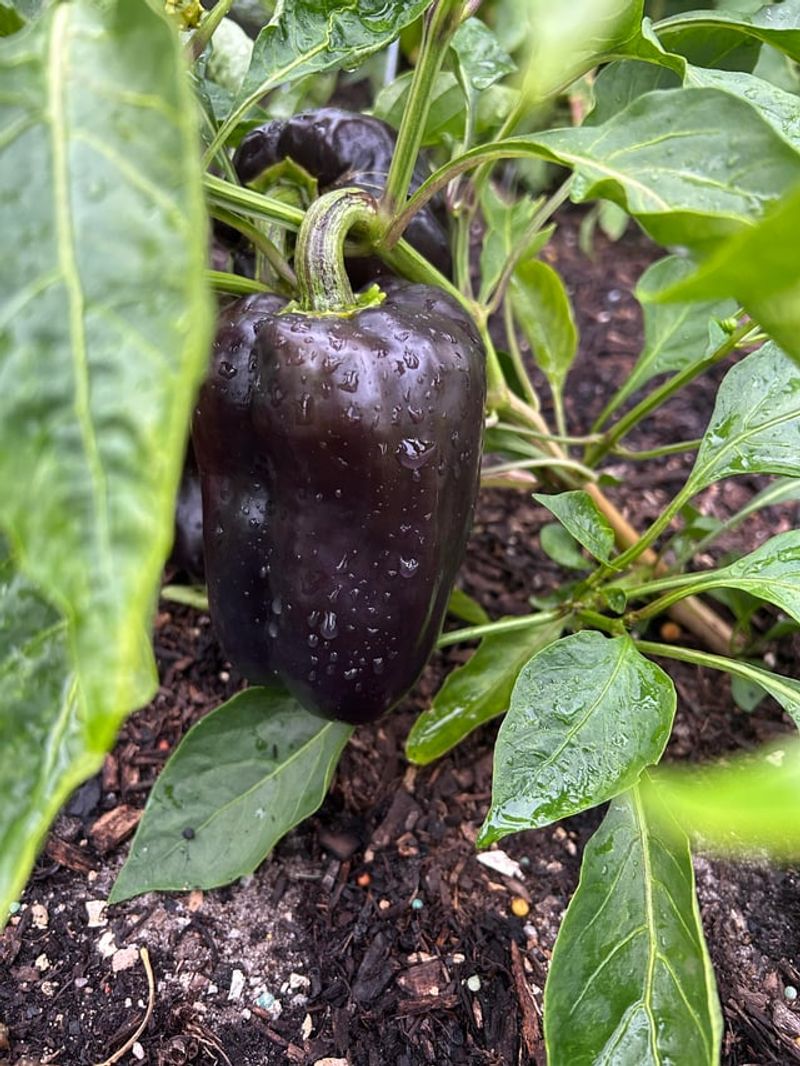
Patience has a delicious reward when it comes to peppers. Those bright red, yellow, and orange beauties all start out green, then slowly change color as they ripen right on the plant.
If you crave sweeter fruit, leave a few healthy peppers on the vine a little longer. As they ripen, their sugar levels rise and their flavor turns mild and fruity. The color shift is your signal that sweetness is building inside.
Different varieties turn different shades. Some go from green to red, while others move through yellow or orange first. Watching them slowly transform is one of the fun parts of growing peppers.
Keep in mind that colored peppers take more time and more of the plant’s energy. Because the plant focuses on ripening those fruits, it may produce fewer new ones. That trade is worth it if you love that candy sweet crunch.
Choose your strongest, most flawless peppers for coloring up. Healthy fruit handles the extra waiting time best, while any pepper with a blemish is better picked early.
Colored peppers shine in fresh dishes. Slice them raw for salads, roast them for sandwiches, or blend them into a bright, sweet sauce. Their flavor really stands out.
With September moving along, watch the calendar as your peppers color. You want them to finish before chilly nights settle in, so start ripening earlier in the month for the best results. A little planning gives you both beauty and sweetness.
6. Check Plants Often
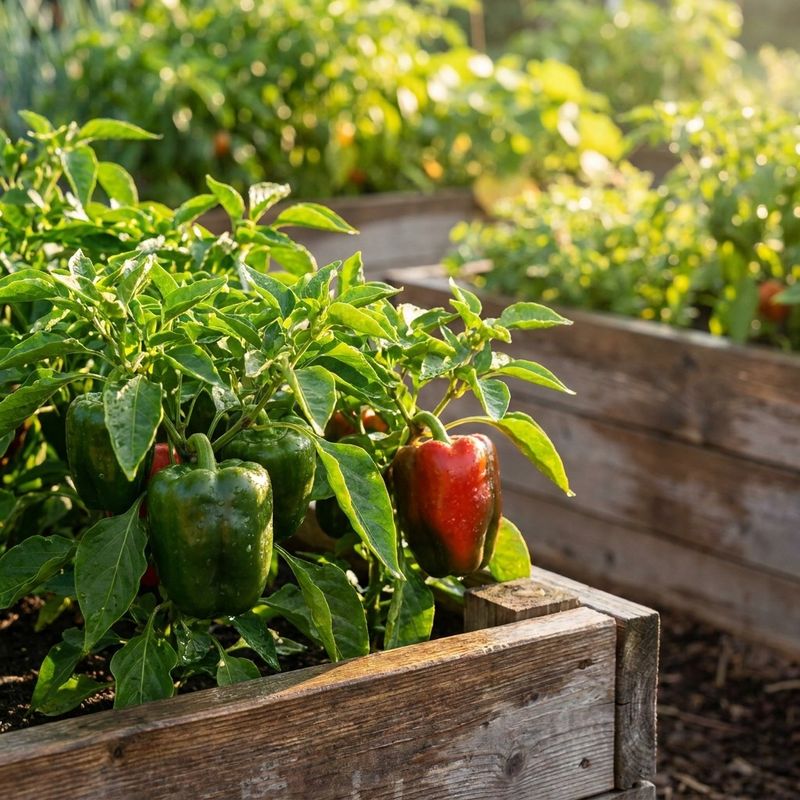
Peppers do not wait around for you, so a quick daily walk through your garden pays off big. Fruit that looked small yesterday can be ready to pick today.
Frequent checking lets you catch each pepper at the exact stage you like. Want firm green ones? Grab them the moment they reach full size. Prefer sweet red ones? You will spot the color change right as it begins and can decide whether to wait.
Regular visits also keep your plants producing. When ripe peppers stay on the branch too long, the plant slows down and makes fewer new fruits. Picking often tells the plant to keep the harvest coming.
Set a simple routine so you never forget. A morning stroll with your coffee or an evening stretch after dinner works great, and it only takes a few minutes to scan your plants.
While you look, keep an eye out for anything unusual. Spotting insects, soft spots, or leaf trouble early gives you time to fix small problems before they grow.
Bring a basket along on every trip. You never know how many peppers will be ready, and having a container handy means you can pick right then instead of juggling armfuls back to the kitchen.
September moves fast, and the growing days are numbered. Checking often makes sure you gather every pepper at its peak instead of finding overripe ones later.
Think of it as visiting friends who reward you with fresh vegetables. The more you show up, the more you take home.
7. Pick Damaged Fruit First
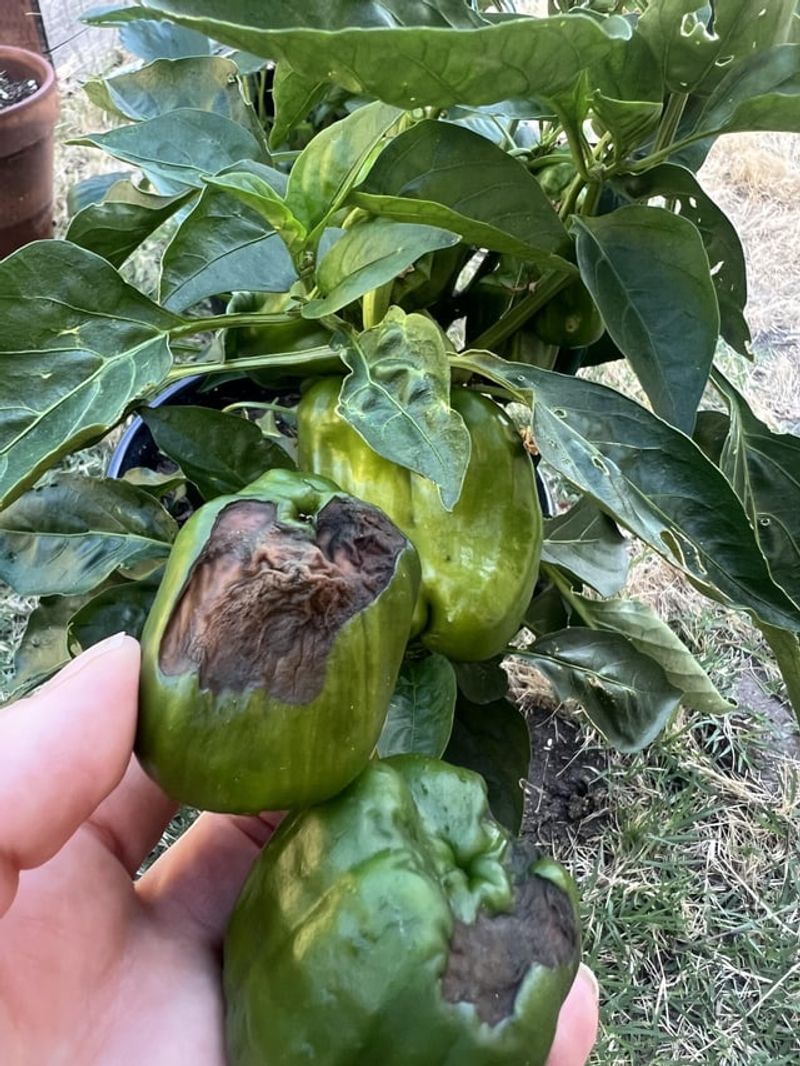
Not every pepper grows picture perfect, and that is completely normal. Some develop cracks, soft spots, or little scrapes from bugs, sun, or bumping into branches.
Grab those imperfect peppers first whenever you harvest. A cracked or soft pepper will not improve by staying on the plant, and leaving it there can attract insects or spread trouble to nearby fruit.
Removing damaged peppers also frees up the plant’s energy. Instead of pouring resources into fruit that is already struggling, the plant can focus on the healthy peppers still filling out. Everybody wins.
Many damaged peppers are still perfectly good to eat. Just cut away the cracked or soft part, and the rest is usually fresh and tasty. A quick trim turns an imperfect pepper into a delicious ingredient.
Use these early picks right away in cooking. Toss them into soups, sauces, omelets, or a stir fry that same day.
Since they will not store as long as flawless peppers, fresh dishes are the perfect home for them.
Look closely as you harvest so nothing slips past you. Peek at the bottom of each pepper and around the stem, since soft spots love to hide in those places.
Clearing out damaged fruit keeps your plant tidy and your harvest clean. It is a small habit that protects the peppers you really want to save.
By picking the troubled ones first, you make room, save flavor, and help your plant stay productive through the rest of September.
8. Watch The September Weather
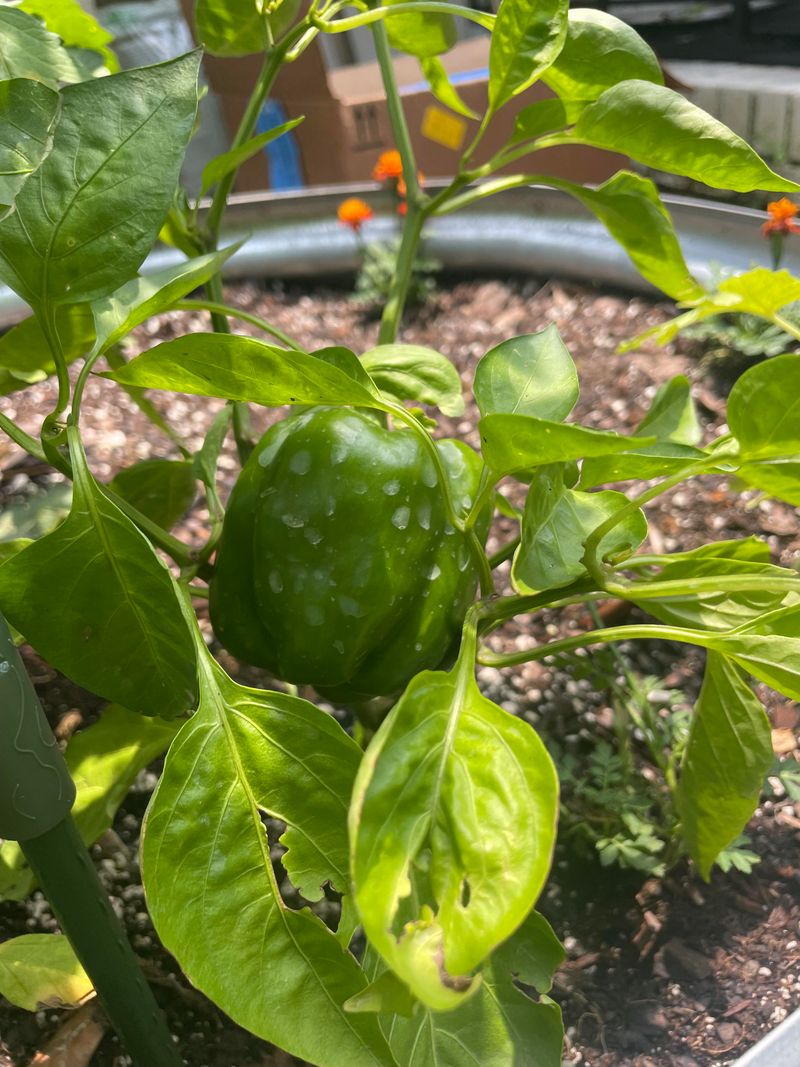
Michigan weather can turn chilly fast once September rolls in, and peppers are true warm season plants. Cold nights can harm your fruit, so keeping an eye on the forecast is one of the smartest moves you can make.
Peppers dislike temperatures near freezing. When a cold snap threatens, gather all your full sized peppers before that chilly night arrives. It is far better to pick a little early than to lose your crop to frost.
Watch the nightly low temperatures on your weather app. Once the numbers start dipping toward the mid thirties, treat that as your signal to harvest heavily. A surprise frost can undo weeks of hard work in a single evening.
Firm green peppers handle this rescue harvest well. Bring them indoors, and many will slowly ripen or color up on your counter over the following days. You get to enjoy them even if the plant runs out of warm time.
If a light chill is coming but you want peppers to color a bit more, try covering plants with an old sheet or row cover overnight. That simple layer can trap enough warmth to buy you extra ripening days.
Keep track of your area’s average first frost date too. Knowing roughly when cold weather usually shows up helps you plan your final big harvest with confidence.
September is your last stretch, so stay alert and act quickly when the air cools. A watchful gardener brings in a full basket while others scramble too late.