Frost Advisory Or Freeze Warning And What Michigan Gardeners Should Actually Do Before Friday Night
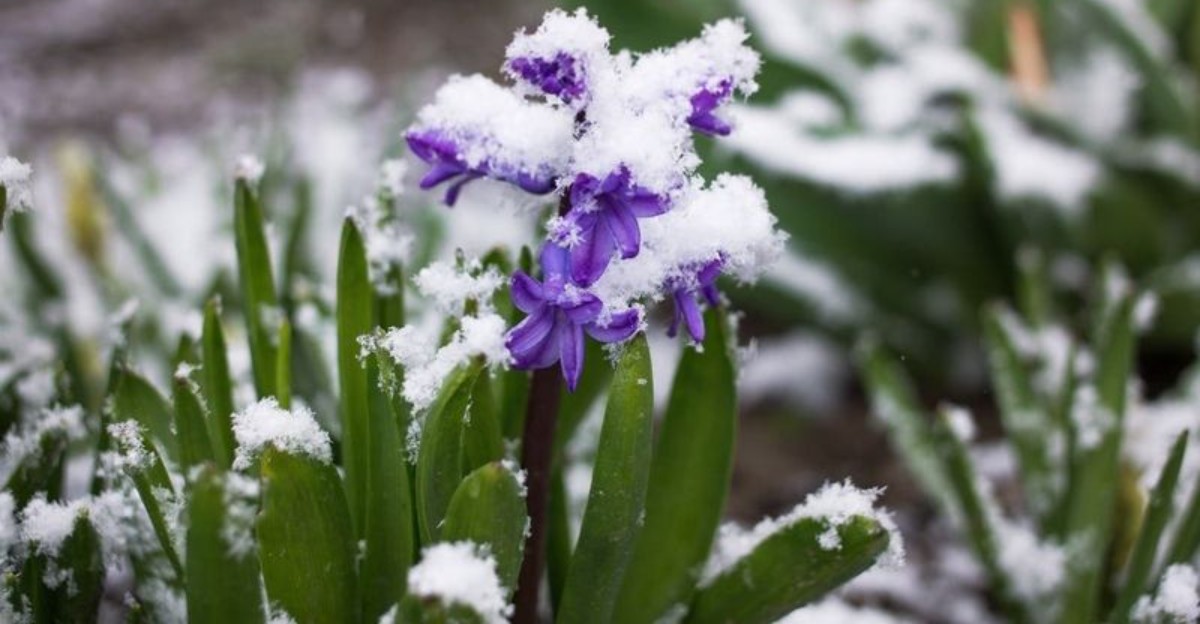
Two weather alerts sound alike, but they ask different things from you. A frost advisory means temperatures near freezing, usually in the mid-30s, with clear, calm skies. A freeze warning means readings of 32 degrees or lower.
This week, Michigan went from unusual October warmth to a strong cold front, and forecasts show chilly mornings in the mid-30s this weekend.
Depending on where you live, you could see either alert. That matters, because tender plants handle them differently.
Frost often damages only exposed leaves and blooms, while a freeze reaches deeper. Many gardeners cover everything or nothing, and both choices waste effort.
A short checklist helps you decide what needs protection, what can stay, and what to do before the first cold night.
1. Know What Each Alert Really Means
Two weather alerts can sound almost the same, yet they tell you very different things about the night ahead. The National Weather Service uses a frost advisory and a freeze warning, and each one asks gardeners to pay attention in its own way.
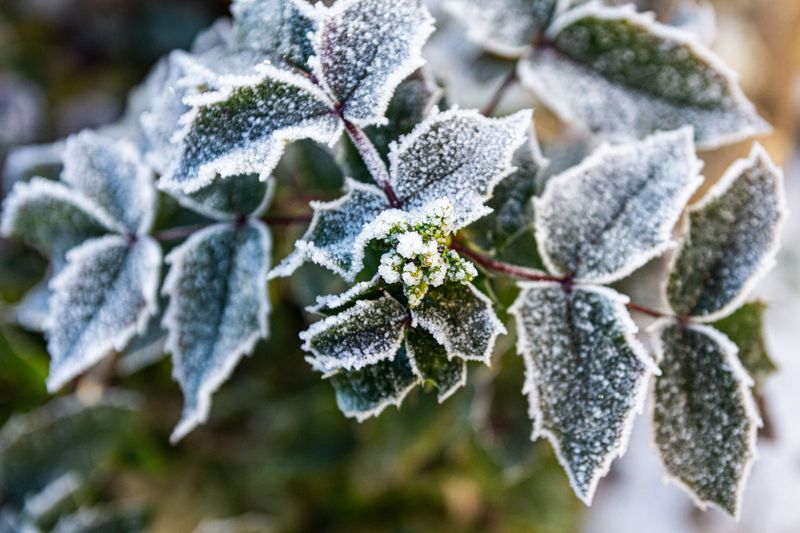
A frost advisory means temperatures will likely drop into the low to mid 30s. On clear, calm nights, that is cold enough for frost to form on plant surfaces, even when the air stays a bit above 32°F.
Frost can damage tender leaves and flowers, leaving them limp, dark, or spotted by morning.
A freeze warning is more serious. It means the air itself is expected to fall to 32°F or below. At that point, the cold reaches deeper into tender plants, harming stems and fruit, not just the outer leaves.
A freeze can also cause trouble for outdoor plumbing, like hoses and spigots that still hold water. Here is a helpful update to know.
The National Weather Service simplified its cold weather alerts, so the harshest cold nights now fall under a freeze warning instead of a separate hard freeze warning. If you remember the older system, you can stop looking for that extra label.
Either alert is your signal to protect tender plants. You do not need to panic over which one shows up, but a freeze warning should push you to act a little more thoroughly. Think of the frost advisory as a yellow light and the freeze warning as a red one.
Michigan gardeners see both alerts often in October. Learning what they mean now will help you respond with confidence every fall, not just this Friday.
2. Check Your Local Alert Before Friday Evening
Michigan is a big state, and the weather on Friday night will not look the same everywhere. One county might get a frost advisory while a neighboring county lands under a freeze warning. Lake breezes, hills, and open farmland all play a part in how cold your yard gets.
That is why your own local alert matters most. A statewide headline gives you the general idea, but your local National Weather Service office will tell you what to expect where you actually live.
Your Michigan Garden Changes Every Week. Your Plan Should Too.
Gardening in Michigan changes quickly throughout the season. Every Friday you’ll receive a simple weekly plan showing exactly what to plant, prune, fertilize, harvest, and protect so you never miss the right timing.
Offices serving Michigan include Detroit, Grand Rapids, Gaylord, and Marquette, and each one posts detailed forecasts and alerts.
There is also a sneaky detail many gardeners miss. Once an area has had its first widespread freeze, the National Weather Service often stops issuing frost and freeze alerts there for the rest of the season.
So if you see no alert, it does not always mean no cold is coming. Make a simple plan for Friday afternoon.
Check the forecast, read any alerts, and jot down the expected low for your town. If that low lands in the mid 30s or colder, plan to protect your tender plants before dark.
Timing makes this week extra tricky. Earlier in the week brought unusual warmth, and many people may feel like summer is hanging on. Forecasters, though, expect a strong cold front Friday, with temperatures that could drop near freezing over the weekend.
A quick five-minute check can save you hours of disappointment. Set a phone reminder for Friday around lunchtime, and you will have plenty of daylight left to get ready.
3. Harvest Tender Crops Before Dark
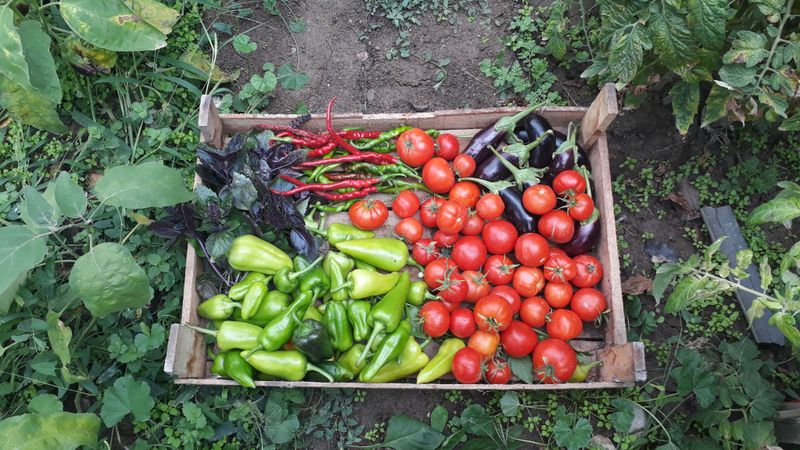
Nothing stings quite like walking outside on a frosty morning to find your tomatoes soft and watery on the vine. Tender crops cannot handle frost or freezing air, and the fruit can turn mushy in a single night. Friday afternoon is your chance to beat the cold.
Start with the warm-season favorites. Tomatoes, peppers, beans, squash, cucumbers, and eggplant all suffer when temperatures dip. Pick anything ripe or close to ripe, and do not feel bad about grabbing a big haul.
Green tomatoes deserve a second look. Mature green tomatoes, the ones that are full-sized and slightly glossy, can ripen indoors. Place them in a single layer in a box or on a counter at room temperature, and check them every few days.
Tiny, hard green ones usually will not ripen well, so focus on the larger fruit. Basil needs special attention.
It is so sensitive that it can get damaged even when temperatures stay above freezing, turning black and slimy. Harvest all of it Friday, then make pesto, dry the leaves, or freeze them in ice cube trays with a little olive oil.
Leave your tough crops right where they are. Kale, spinach, carrots, and cabbage can handle a frosty night just fine. In fact, many gardeners say kale and carrots taste sweeter after a touch of cold, because the plants turn some starches into sugars.
Many Michigan gardens were still producing heavily during this week’s warm spell, so you may have more to pick than expected. Grab a basket, invite a helper, and enjoy one last summer-style harvest.
4. Move Potted Tender Plants Under Cover
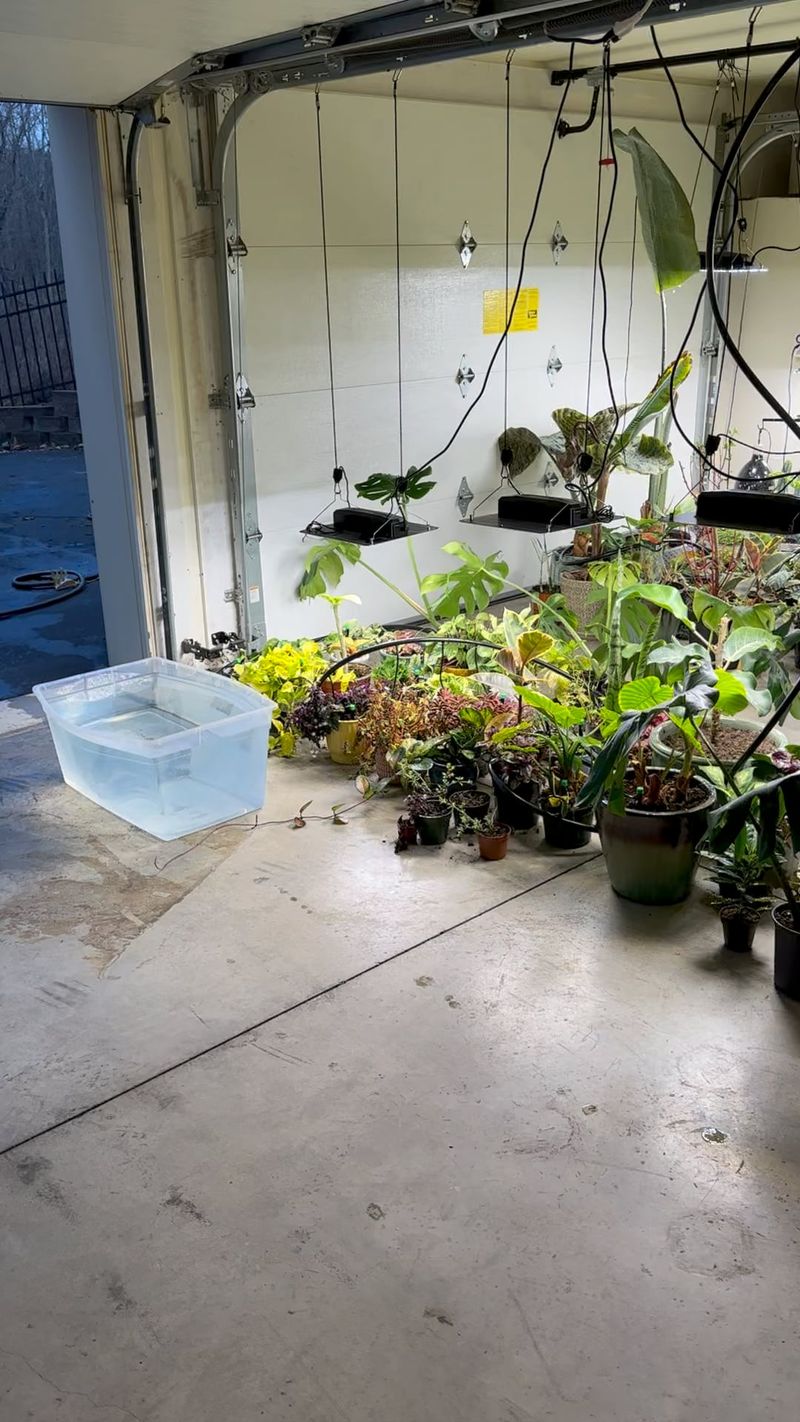
Your container plants are living a little more dangerously than the ones in your garden beds. Soil in the ground acts like a warm blanket for roots, holding heat deep below the surface. A pot, on the other hand, lets cold air hit the roots from every side.
That exposure means tender plants in containers can get damaged fast. Tropical hibiscus, mandevilla, geraniums, begonias, and potted herbs all fall into this group. Even one chilly night can leave leaves droopy, brown, or dropping by Saturday.
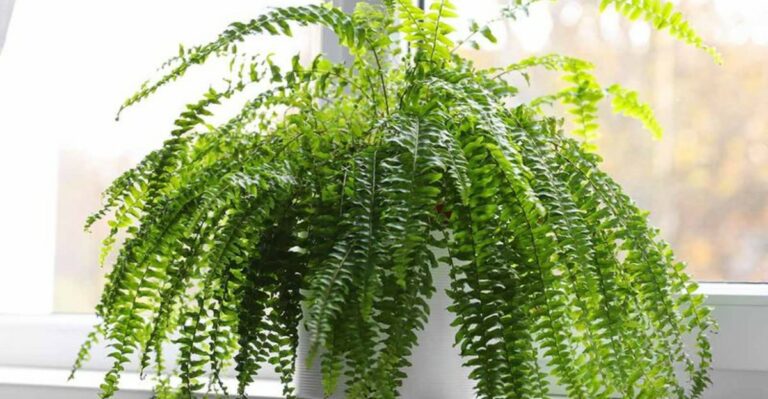
The easiest fix is simply moving them. Before evening arrives, carry or roll your pots into a garage, shed, covered porch, or right into your house. A plant dolly or a garden wagon can save your back if you have heavy containers.
Some pots are simply too big to move. For those, and for hardier containers, group them tightly together against a sheltered wall of your house.
Walls soak up heat during the day and give a bit of it back at night, and plants clustered together help shield each other from wind.
You do not have to commit to winter storage right away. If you are not ready to bring plants indoors for the season, roll them back outside once the cold snap passes. Mild days often return after an early frost, and your plants can keep enjoying the sunshine.
Michigan gardeners often keep containers outdoors well into October, which makes sense with all the color they bring. Just keep an eye on the forecast, because those pots will need a quick rescue whenever cold nights show up again.
5. Water Dry Beds Friday Afternoon
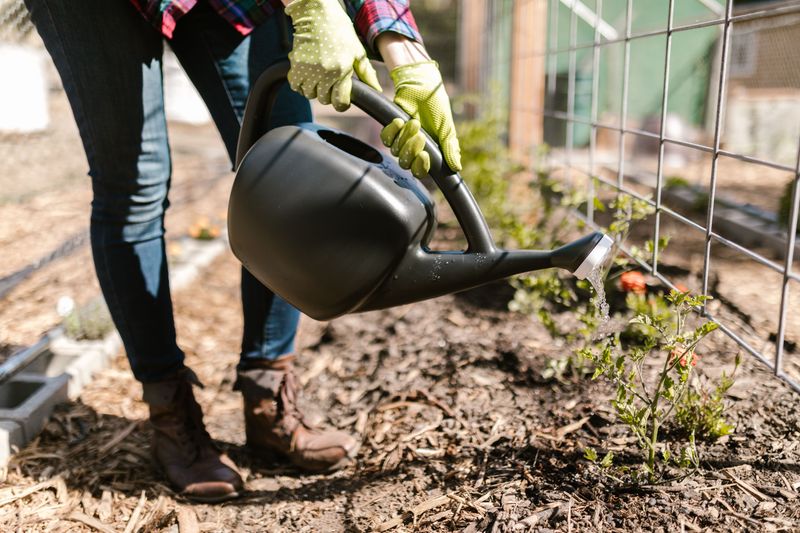
Watering before a cold night might sound backward, but there is real science behind it. Moist soil holds more heat than dry soil and releases it slowly overnight. That gentle warmth can keep the air right around low plants a few degrees warmer.
Healthy plants also handle stress better. A plant that is already thirsty has fewer resources to cope with cold, so a good drink can give it a better shot at making it through a chilly night. Think of it like eating breakfast before a long hike.
Timing matters here. Water dry beds and containers by early afternoon, not right before sunset. That gives the soil a few hours to soak up warmth from the sun before the temperature starts dropping.
Aim your water at the soil instead of the leaves. Wet leaves can actually make frost damage worse, since water on the surface can freeze. A watering can, soaker hose, or hose wand set to a gentle stream works great for getting moisture down to the roots.
Of course, skip this step if your beds are already wet. Push a finger about two inches into the soil. If it feels damp, you are all set, and adding more water could leave roots soggy and cold.
In Michigan this week, rain is expected in the days before the cold front arrives. Many gardens may already have plenty of moisture, so check before you reach for the hose.
Spots under trees, near the house, or in raised beds and pots often dry out faster, so give those areas extra attention.
6. Cover Plants The Right Way In The Evening
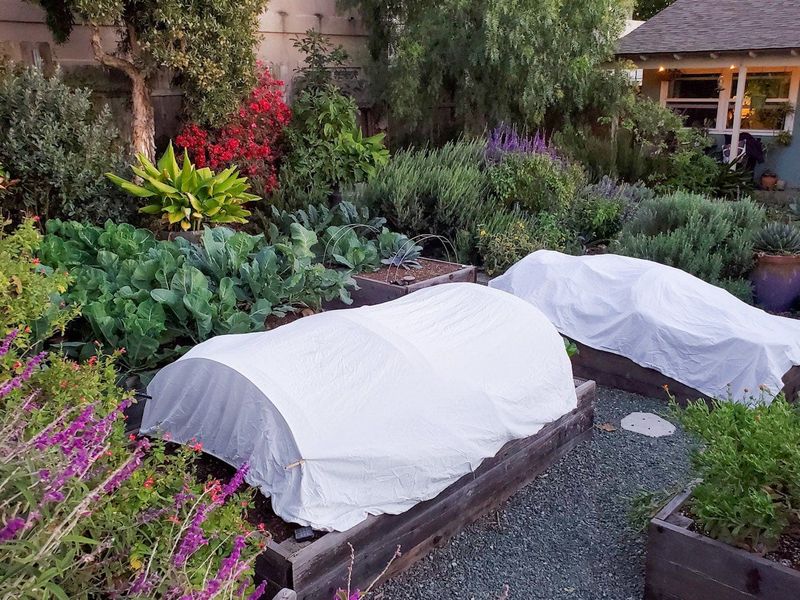
Tossing a sheet over a plant seems simple, yet small details decide whether that cover helps or not. Covers work by trapping heat rising from the soil overnight. If the fabric does not reach the ground, that warmth slips right out the sides.
Grab whatever you have on hand. Frost cloth is great, but old bedsheets, light blankets, and even beach towels can do the job. Try to drape them over tender plants before sunset, while the ground still holds the day’s warmth.
Let each cover reach the ground on all sides. Then weigh down the edges with rocks, bricks, or boards so the wind cannot lift them during the night. A loose cover flapping in the breeze lets cold air rush in.
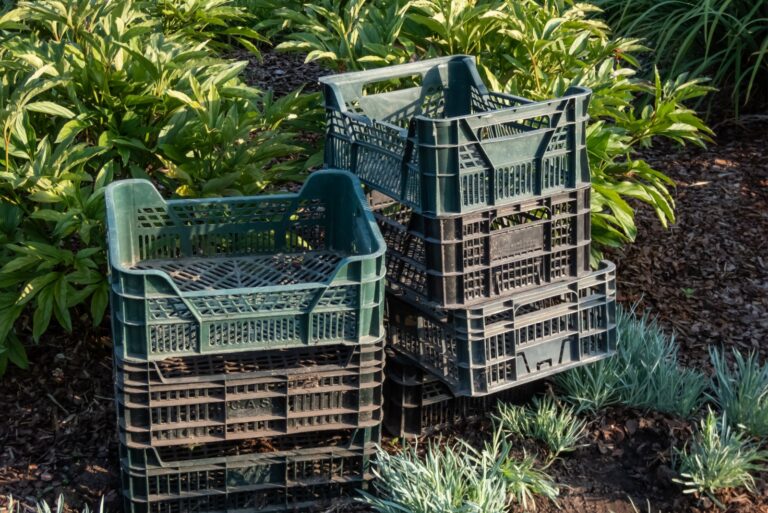
Keep fabric from resting on leaves whenever you can. Stakes, upside-down buckets, or tomato cages work well as simple frames to hold covers up.
A little air space between the cover and the plant gives better protection and keeps heavy fabric from bending stems.
Plastic needs extra care. When plastic touches foliage, it can pass cold straight into the leaves and cause damage. If plastic is all you have, set it over a frame so it never rests on the plant, or layer a sheet underneath first.
Small plants have easy options too. An upside-down bucket, flowerpot, or cardboard box can protect a single pepper or a row of lettuce seedlings in seconds.
Michigan often treats gardeners to mild days right after a light frost. A good cover can carry your plants through Friday night and into those warm afternoons, giving you extra weeks of harvest.
7. Protect Hoses, Faucets, And Irrigation Lines
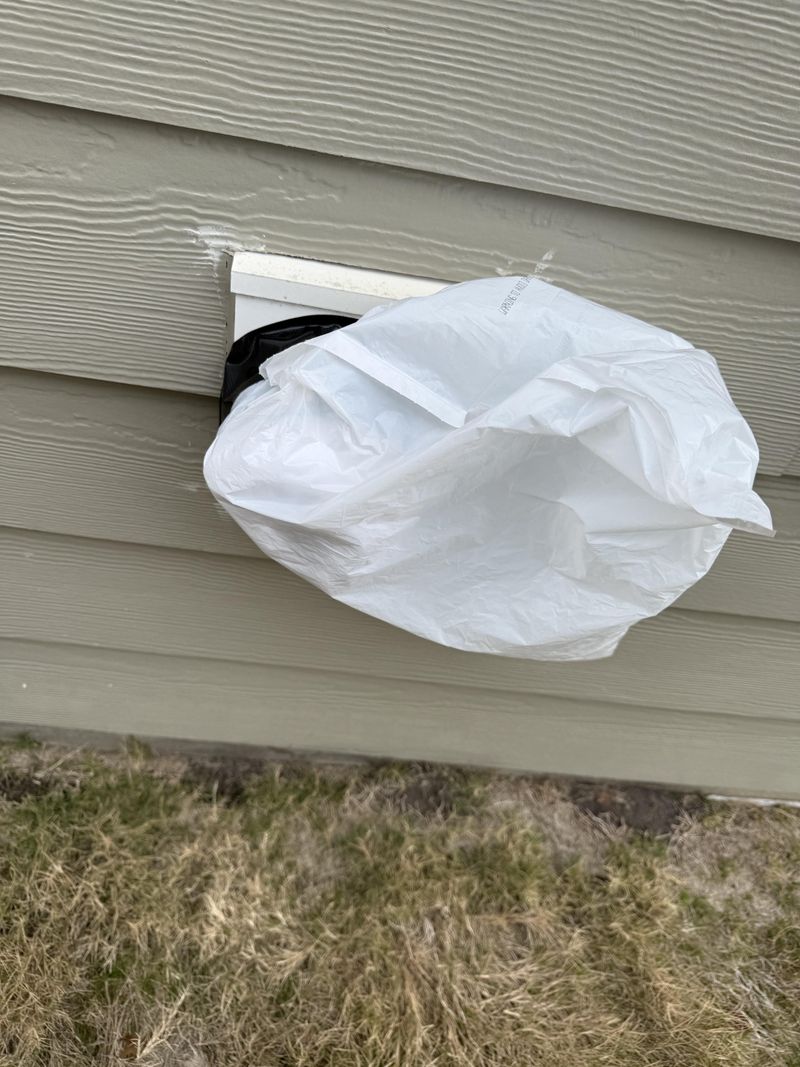
Plants are not the only things at risk when a freeze warning pops up. Your garden hose, outdoor faucet, and irrigation lines can take a beating too. Water expands when it freezes, and that extra pressure has nowhere to go.
The result can be a split hose, a cracked pipe, or a broken valve. Sometimes you will not notice the damage until spring, when you turn on the water and find a leak or a puddle in your basement. A few minutes of work now can save a costly repair later.
Start with your hoses. Disconnect them from the spigot, stretch them out, and let the water drain completely. Coil them up and store them in a garage or shed if you are done using them for the year.
Next, look at your outdoor faucets. Many Michigan homes have an indoor shutoff valve for each outside spigot, often in the basement. Close that valve, then open the outdoor faucet to drain the leftover water.
Leaving a hose attached can trap water in the faucet and lead to cracks, even on frost-free models.
Irrigation systems need attention as well. If your watering season is ending, drain the lines or hire a pro to blow them out with compressed air. Cover any above-ground parts, like backflow preventers, with insulated covers or old towels.
In Michigan, an early hard freeze can catch systems still set up for summer, especially after a warm week like this one. Tackling this chore Friday means one less thing to worry about all winter long.
8. Uncover And Check Plants Saturday Morning
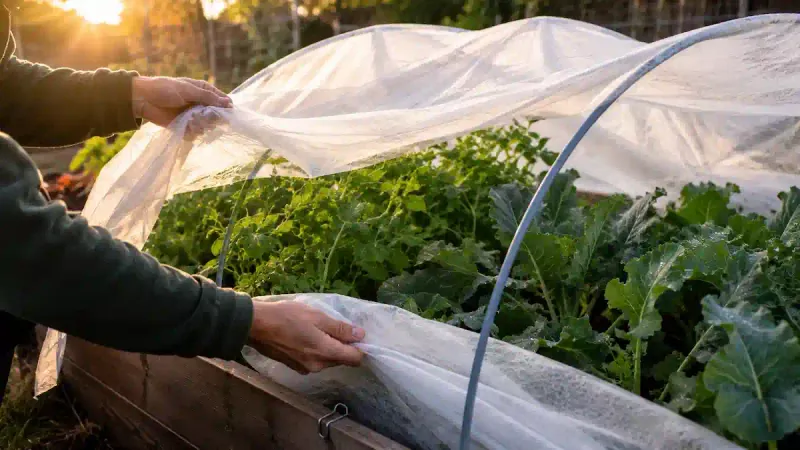
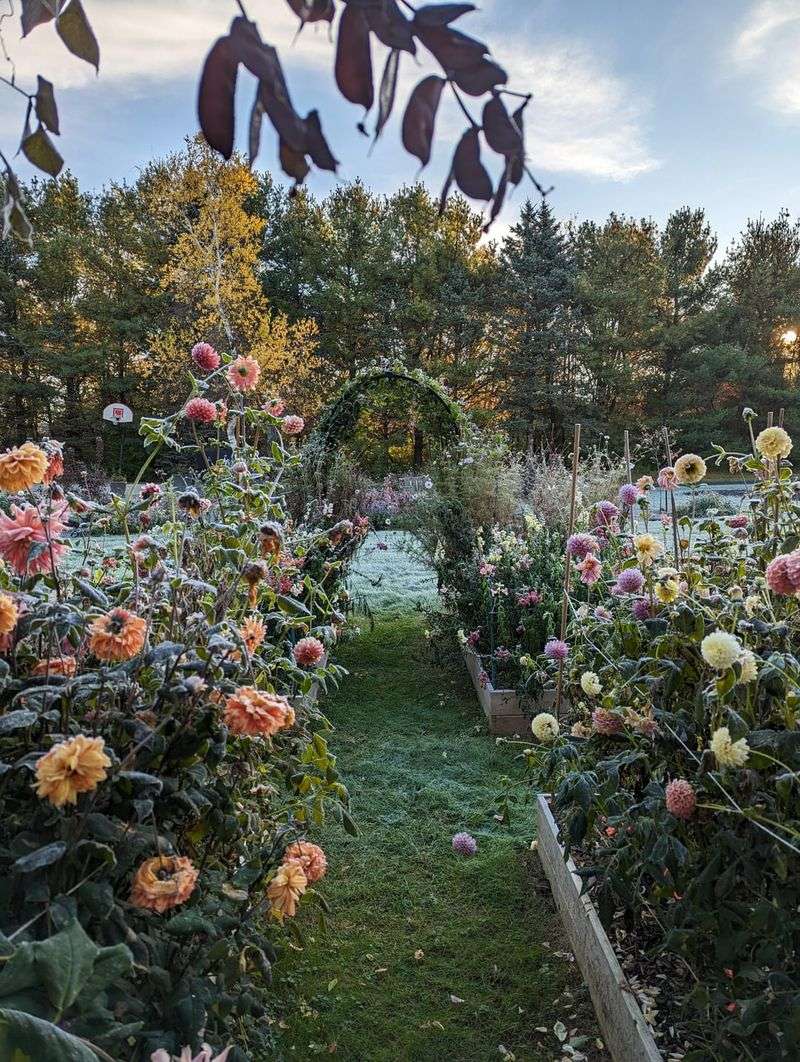
Saturday morning might greet you with sparkling frost on the lawn and a garden still tucked under sheets. Resist the urge to rush out and pull everything off at sunrise. The air is usually coldest right around dawn.
Wait until temperatures climb above freezing before removing covers. Once they warm up, take the fabric off so plants can soak up sunlight. Leaving covers on during a sunny day can trap too much heat and stress the very plants you worked to protect.
Hands off frozen leaves for now. Touching, brushing, or harvesting leaves while they are still frozen can break the plant cells and cause extra damage. Let the frost melt naturally, and the leaves often bounce back better than you expect.
Give your plants a day or two before judging them. Some leaves may look wilted at first and then perk up by Sunday.
Others will turn dark or mushy, and those are the ones you can trim away once the damage is clear. Shrubs are a different story. Skip pruning them now, even if a few tips look rough.
Cutting shrubs in fall can encourage new growth that cold weather will harm, and damage is much easier to judge in spring when new buds open. Here is the good news for Michigan gardeners.
Frosty nights are often followed by several more weeks of growing weather, especially for cold-hardy crops like kale, spinach, carrots, and cabbage. Fold your covers, keep them handy, and enjoy the rest of a crisp, colorful season in the garden.