The 9 Best Heat-Loving Flowers For Eastern Oregon Gardens
Eastern Oregon does not exactly hand out easy growing conditions, especially once the heat kicks in and the sun starts acting relentless. That is when weak performers fade fast and the real tough flowers start to show what they can do.
The good ones do not just survive hot days and dry spells. They keep blooming through them, bringing color and energy to a garden when softer plants are already waving the white flag.
That is what makes heat-loving flowers such a smart choice for this part of the state. They can handle strong sun, lean soil, and those long summer stretches that push other plants past their comfort zone.
Better yet, many of them do it while looking bright, cheerful, and completely unfazed. A few can turn a hot, exposed bed into one of the liveliest parts of the yard.
Once you see which flowers actually enjoy the heat, planning a summer garden in Eastern Oregon starts to feel a whole lot more exciting.
1. Zinnia
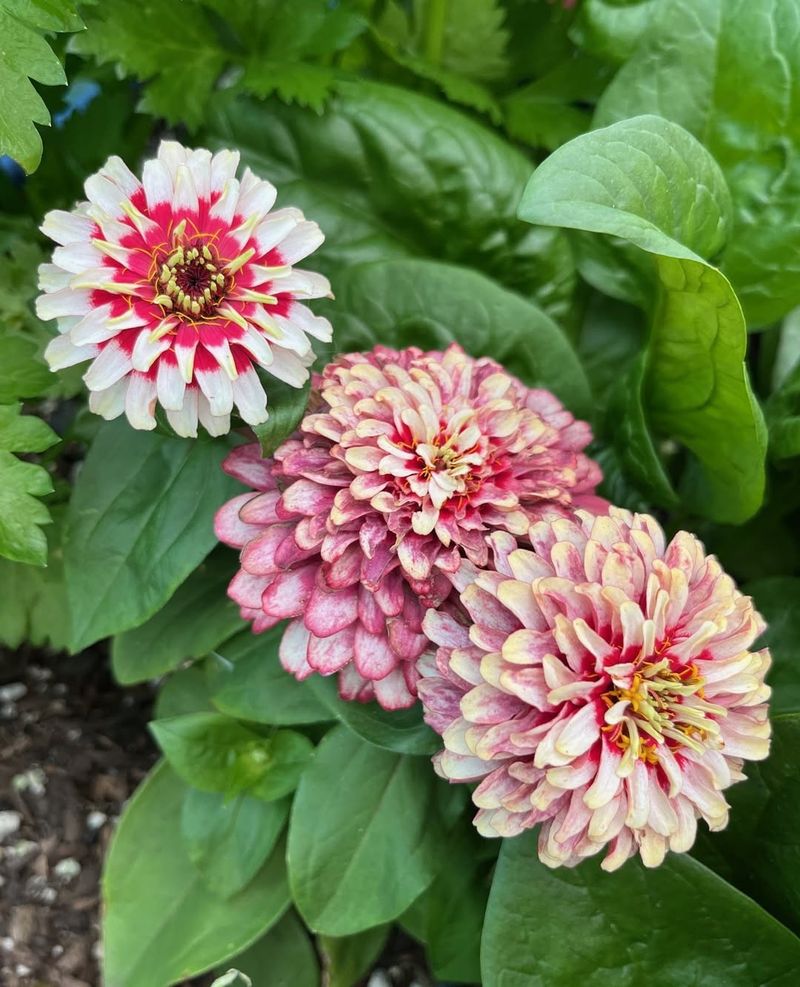
Few flowers put on a show quite like zinnias. These bold, cheerful blooms come in almost every color you can imagine, from deep red and orange to soft pink and white.
They love hot weather, which makes them a perfect fit for Eastern Oregon summers.
Zinnias grow fast and bloom all season long. Plant them in a spot that gets full sun, and they will reward you with nonstop color from early summer right through the first frost.
They are not picky about soil either, as long as it drains well.
One of the best things about zinnias is that they attract butterflies and pollinators. This makes your garden feel alive and buzzing with activity.
They also make excellent cut flowers, so you can bring some of that color indoors. Start seeds directly in the ground after the last frost, water them in, and then step back and watch them take off.
In Eastern Oregon’s dry heat, zinnias truly shine.
2. Marigold
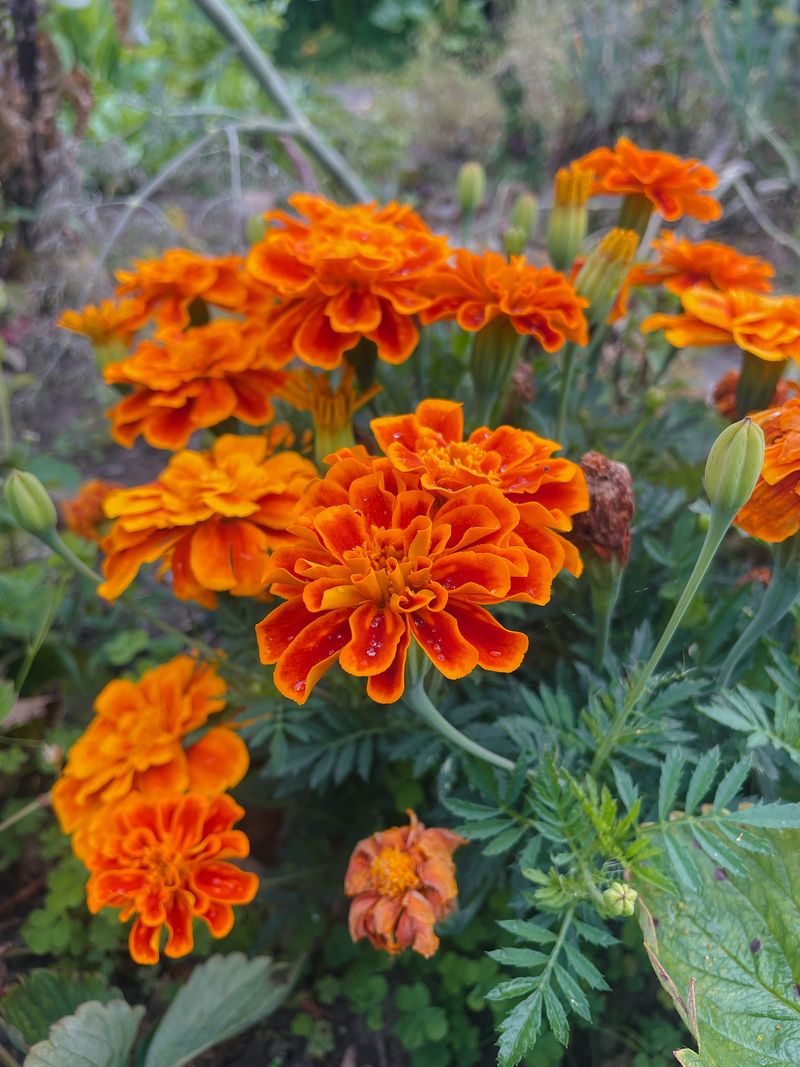
Marigolds have been a garden favorite for hundreds of years, and it is easy to see why. Their bold golden and orange blooms light up any garden space, and they are incredibly tough.
In Eastern Oregon, where the summer sun beats down hard, marigolds just keep going strong.
These flowers love full sun and well-drained soil. They handle heat and dry spells better than most plants.
Once established, they need very little extra watering, which is a big win for gardeners in this arid region.
Marigolds also have a natural ability to repel certain garden pests. Many gardeners plant them near vegetables to help protect their crops.
The strong scent of the leaves keeps some insects away. Deadhead the spent blooms regularly to encourage new flowers to open.
They bloom from late spring all the way into fall, giving Eastern Oregon gardens months of rich, warm color. If you want a low-maintenance flower that delivers big results, marigolds belong in your garden plan.
3. Blanket Flower
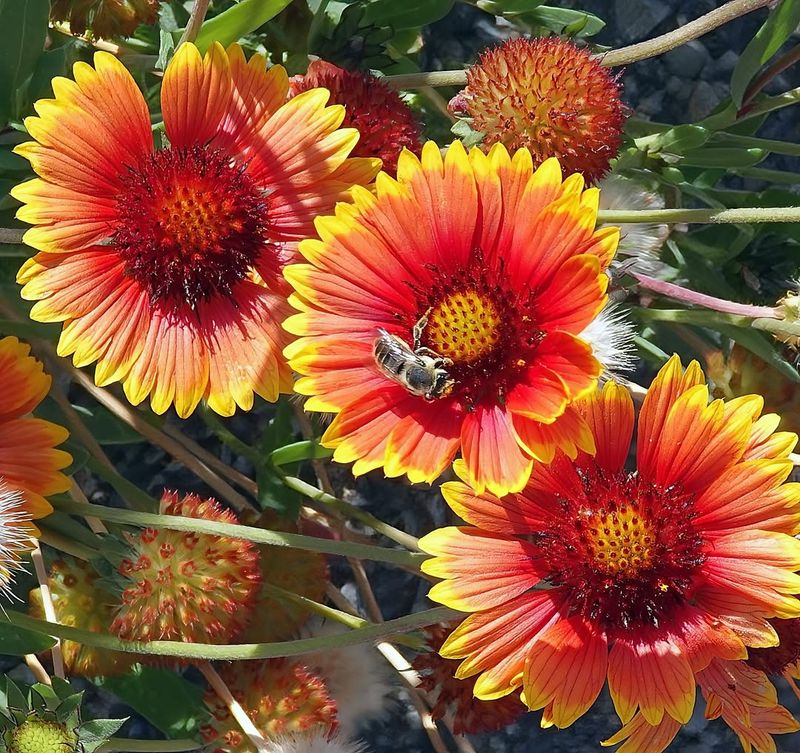
Named for their bold, patterned petals that look like a woven Native American blanket, these flowers are as tough as they are beautiful. Blanket flowers burst open in fiery shades of red, orange, and yellow, often with bright tips that make each bloom look like a tiny sunset.
Your Oregon Garden Changes Every Week. Your Plan Should Too.
Gardening in Oregon changes quickly throughout the season. Every Friday you’ll receive a simple weekly plan showing exactly what to plant, prune, fertilize, harvest, and protect so you never miss the right timing.
Eastern Oregon’s dry, hot climate is basically their dream home. They thrive in full sun and well-drained or even sandy soil.
Once established, blanket flowers are extremely drought-tolerant and rarely need extra watering. They bloom from early summer well into fall, giving your garden long-lasting color.
Pollinators go absolutely wild for blanket flowers. Bees and butterflies visit them constantly throughout the warm months.
These plants spread gradually over time and can fill in bare spots in your yard without much effort. Cut them back lightly after the first big flush of blooms to encourage a second round of flowering.
For Eastern Oregon gardeners who want reliable color with minimal fuss, blanket flowers are a top-tier choice that rarely disappoints.
4. Yarrow
Yarrow has been growing wild across the American West for centuries, and Eastern Oregon is no exception. You can spot it along roadsides and open fields, holding its own in baking sun and rocky soil.
That wild toughness is exactly what makes it such a great garden plant.
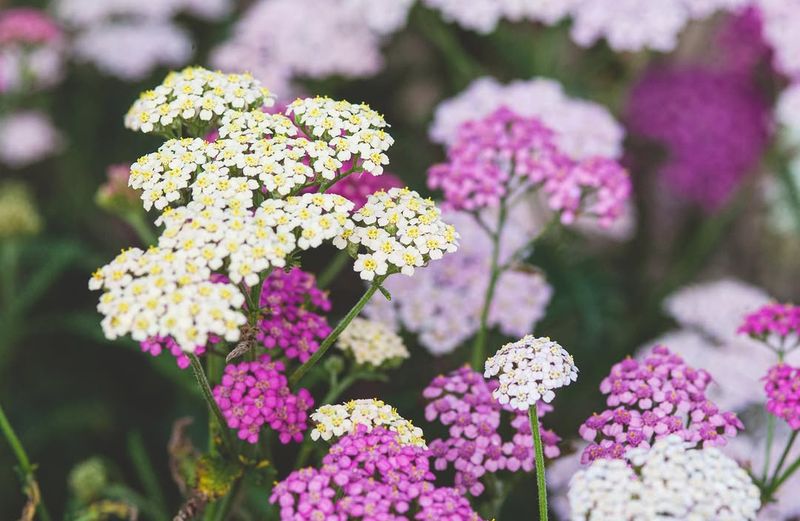
The flowers grow in flat-topped clusters and come in white, yellow, pink, and red. The feathery, fern-like foliage stays attractive even when the plant is not in bloom.
Yarrow thrives in full sun and actually prefers soil that is not too rich or moist. Too much water or fertilizer can make it flop over.
One fun fact about yarrow is that it has been used in herbal medicine for thousands of years. Ancient soldiers reportedly used it to help treat wounds on the battlefield.
Today, gardeners love it for attracting beneficial insects like ladybugs and lacewings that help control pests naturally. Yarrow spreads over time and can be divided every few years to keep it tidy.
For Eastern Oregon gardens, it is a reliable, beautiful, and low-maintenance perennial that earns its place year after year.
5. Russian Sage
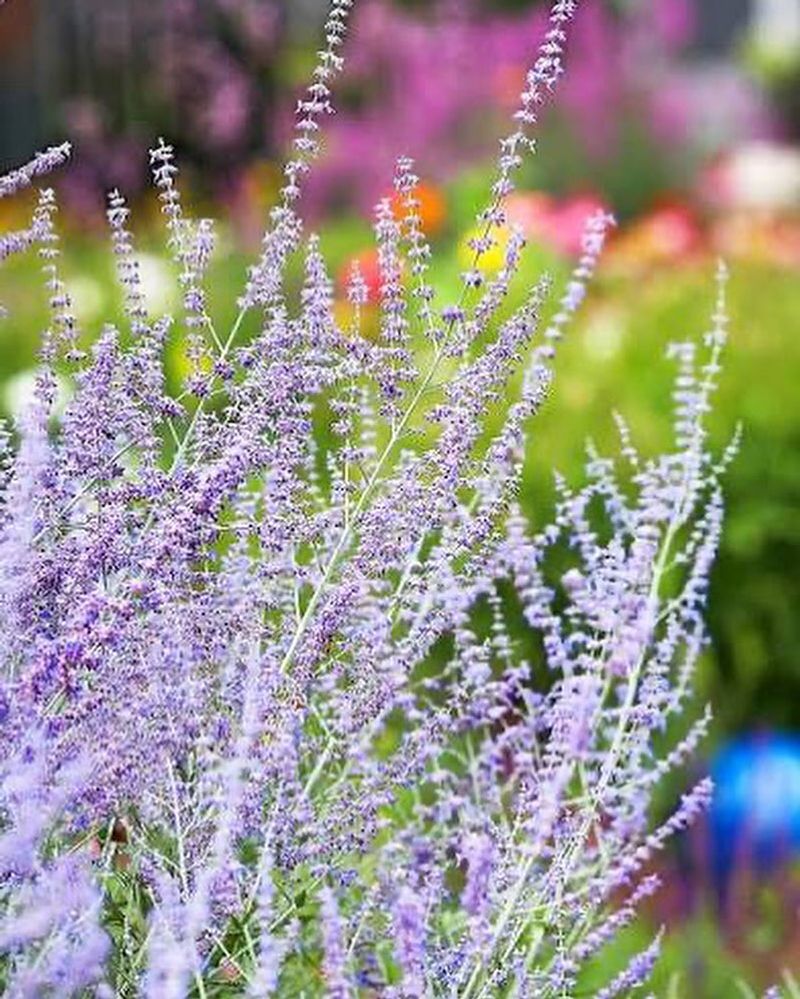
Walk past Russian sage on a warm afternoon and you will catch a soft, herbal scent that feels almost magical. The tall, airy stems are covered in tiny lavender-blue flowers that create a hazy, dreamy cloud of color.
It is one of the most eye-catching plants you can grow in Eastern Oregon.
Russian sage loves heat and full sun. It handles drought like a champion once it gets established, making it ideal for the dry conditions found across Eastern Oregon.
The silvery-white stems look great even in winter, adding structure to the garden long after the blooms have faded.
This plant pairs beautifully with other heat-lovers like yarrow and blanket flower. The cool blue tones balance out warmer yellows and oranges perfectly.
Plant it in well-drained soil and give it room to spread, as it can get quite large. Pruning it back hard in early spring helps keep it bushy and full.
Hummingbirds and bees visit it regularly throughout the blooming season. Russian sage is a stunning, low-care perennial that brings elegance and color to any Eastern Oregon garden space.
6. Globe Mallow
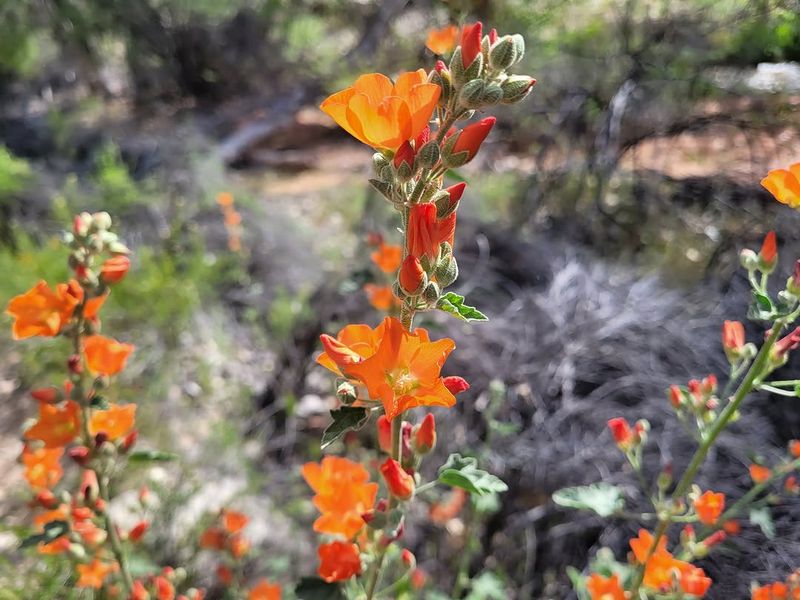
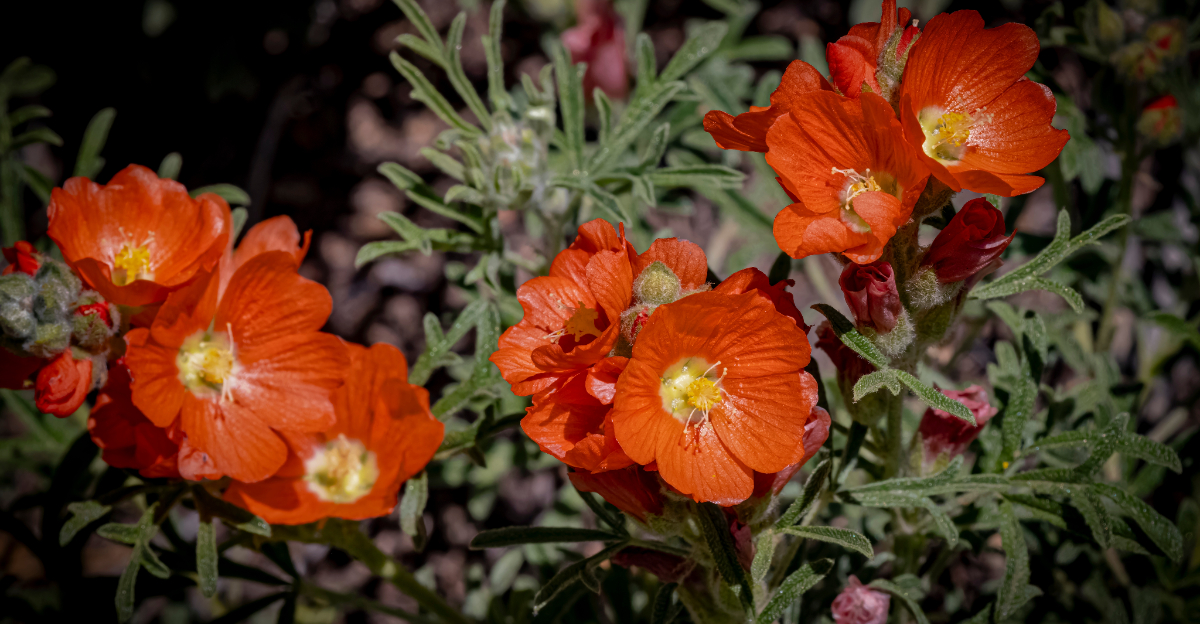
If you have ever driven through the high desert of Eastern Oregon and spotted clusters of vivid orange blooms growing along rocky slopes, you have probably seen globe mallow. This tough native wildflower is built for exactly the kind of hot, dry conditions that Eastern Oregon serves up every summer.
Globe mallow produces cup-shaped flowers in shades of orange, red, pink, and lavender. The blooms appear on tall, upright stems and keep opening from late spring through summer.
It grows well in poor, rocky, or sandy soil and actually struggles if the ground stays too wet. Full sun is a must for this plant.
Native bees absolutely love globe mallow, and it plays an important role in supporting local pollinator populations. It is also a host plant for several native butterfly species, making it a smart choice for wildlife-friendly gardens.
Globe mallow is drought-tolerant once established and rarely needs extra care. It can reseed itself and spread naturally over time.
For Eastern Oregon gardeners who want a plant with deep roots in the local landscape, globe mallow is as authentic as it gets.
7. Penstemon
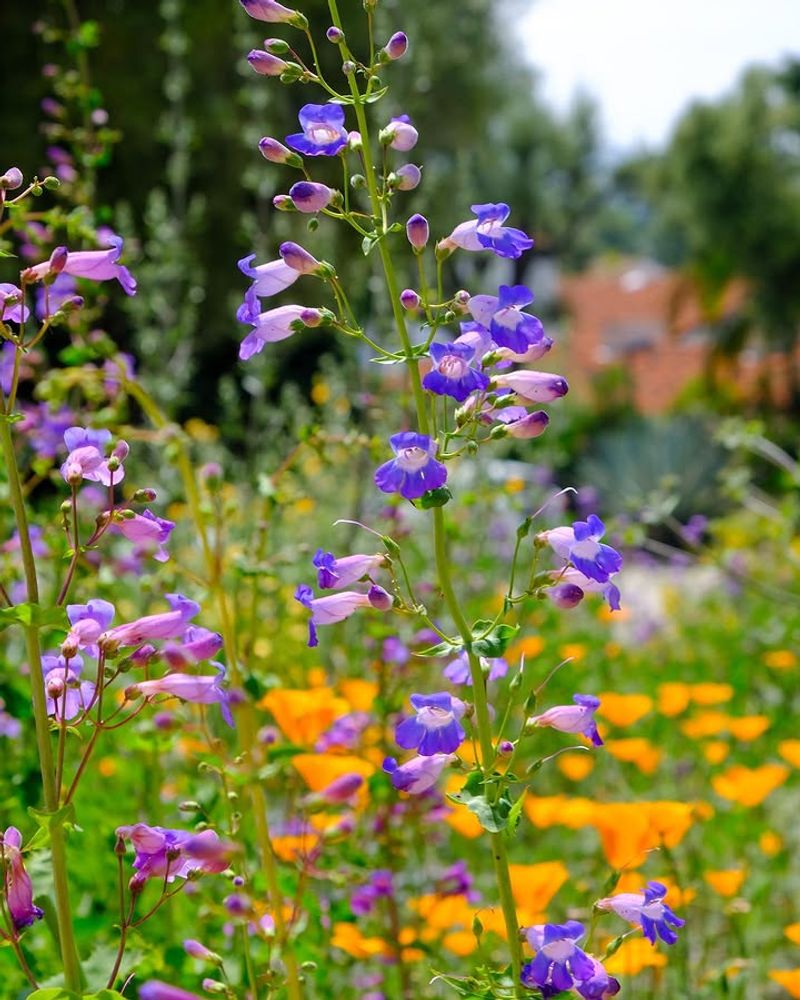
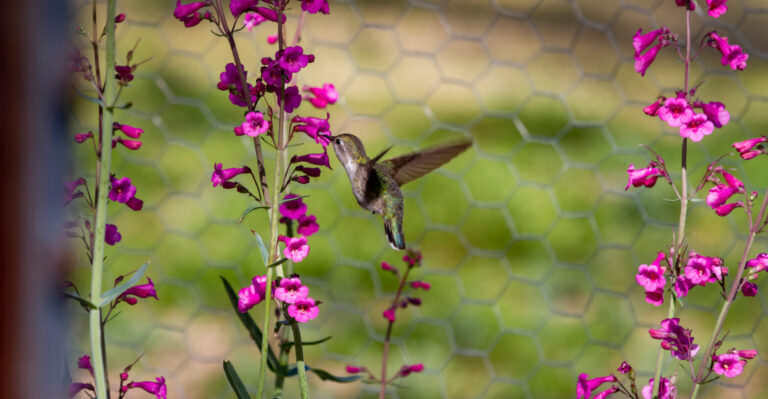
Hummingbirds will find your garden the moment you plant penstemon. The tubular flowers are perfectly shaped for hummingbird beaks, and these tiny birds hover around them all summer long.
Watching the action around a blooming penstemon is one of the real joys of gardening in Eastern Oregon.
Penstemon comes in a wide range of colors, including purple, red, pink, blue, and white. Many species are native to the Pacific Northwest and the Great Basin, meaning they are perfectly adapted to Eastern Oregon’s climate.
They prefer full sun and well-drained soil, and they handle dry spells with ease once established.
There are dozens of penstemon species to choose from, so you can pick colors and heights that suit your garden design. Some stay low and compact while others grow tall and dramatic.
Avoid heavy clay soils and overwatering, as both can cause problems. Cutting the flower stems back after blooming can encourage a second flush of growth later in the season.
Penstemon is one of the most ecologically valuable flowers you can plant in Eastern Oregon, supporting both hummingbirds and native bees throughout the growing season.
8. California Poppy
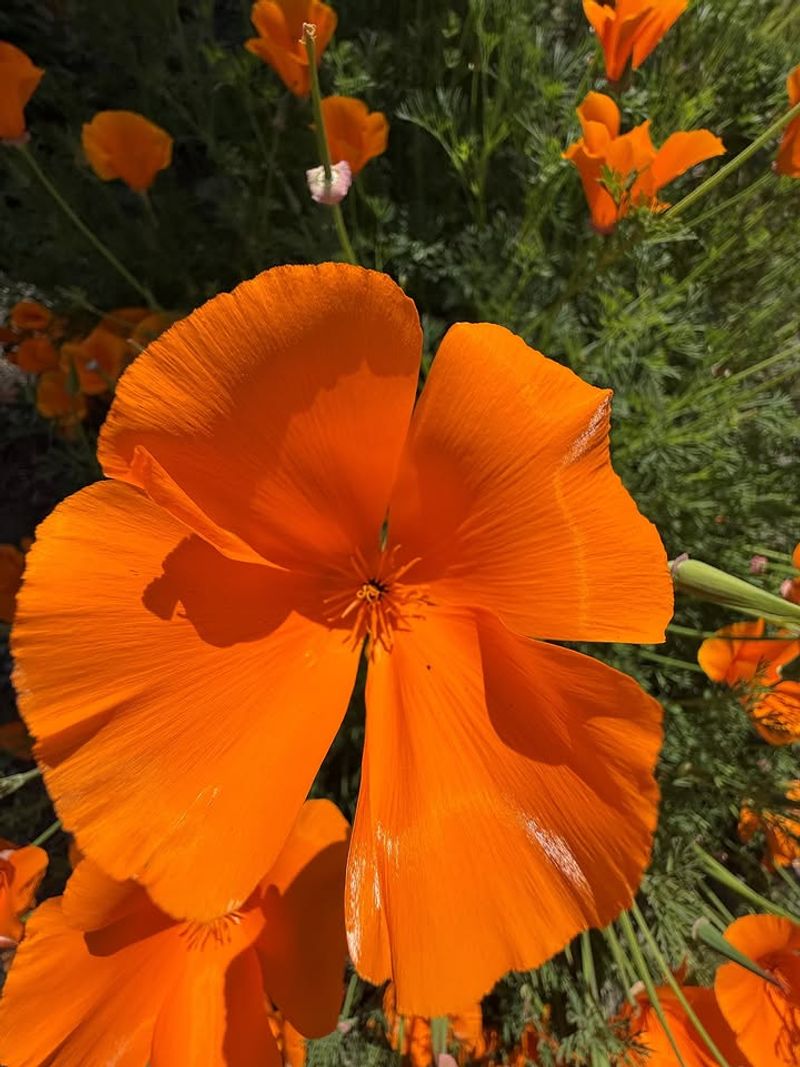
Bright as a flame and just as striking, California poppies bring an almost electric energy to the garden. Their silky orange petals seem to glow in the sunlight, and they open and close each day with the movement of the sun.
Few flowers are more cheerful or carefree.
Despite the name, California poppies grow just as happily in Eastern Oregon. They love dry, sandy, or rocky soil and full sun.
In fact, rich or moist soil actually makes them less vigorous. They are true desert survivors that thrive on neglect, which makes them perfect for low-maintenance gardens in this region.
Scatter seeds directly on the ground in early spring or even in late fall before the ground freezes. They will sprout and bloom with very little help from you.
Once they go to seed, they often reseed themselves and come back year after year. California poppies also attract native bees and other beneficial insects.
They are not just beautiful but also play a real role in supporting Eastern Oregon’s ecosystem. For a pop of warm color with almost zero effort, these cheerful little poppies deliver every single time.
9. Sun Rose
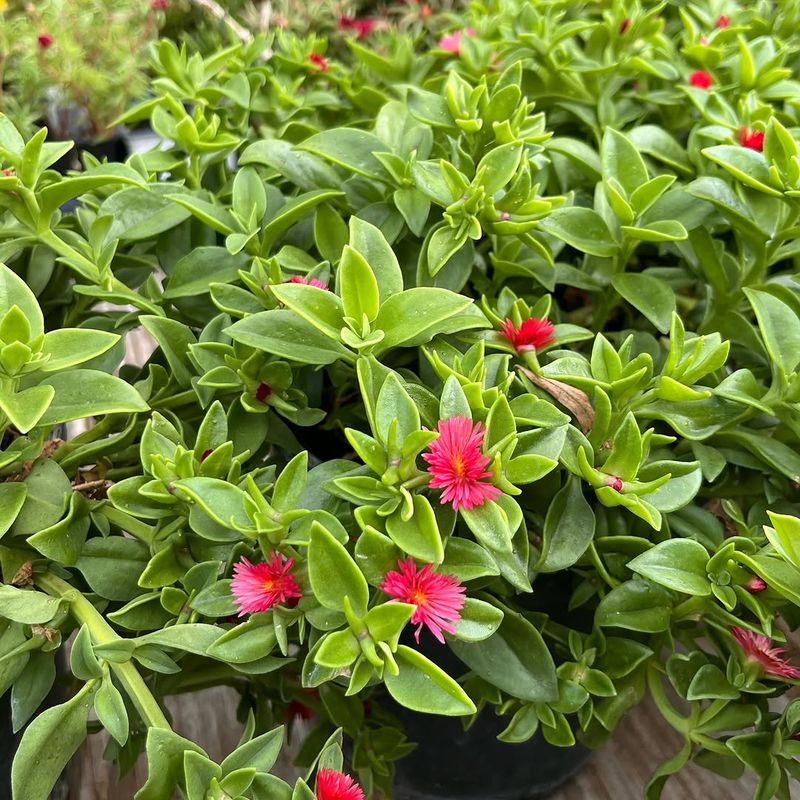
Tucked low to the ground but packed with personality, sun rose is one of those plants that surprises people every time it blooms. The small but vivid flowers open wide in full sunlight and close at night, almost like they are soaking up every bit of warmth Eastern Oregon has to offer.
Sun rose, also known by its botanical name Helianthemum, produces masses of small flowers in shades of yellow, orange, red, and pink. It forms a low, spreading mat of evergreen or semi-evergreen foliage that looks tidy even when not in bloom.
It thrives in full sun and well-drained soil, making it an excellent fit for the rocky and dry conditions common in Eastern Oregon.
This plant works beautifully along garden borders, in rock gardens, or spilling over the edges of raised beds. It handles heat and drought with ease and rarely needs much attention once it settles in.
Trim it back lightly after the first big bloom to encourage fresh growth and more flowers. Sun rose is a charming, underrated gem that deserves a much bigger spot in Eastern Oregon gardens.
Once you grow it, you will wonder why you waited so long.