The Best Living Mulches For California Gardens That Dry Out Too Fast
Water a California garden in the morning, and by afternoon the soil can already feel dry again. That quick moisture loss is something many gardeners deal with, especially through long, hot summers and in fast-draining soils.
Even with traditional mulch in place, it can be tough to keep the ground consistently hydrated. This is where living mulches start to stand out.
These low-growing plants cover bare soil, helping to shade it, slow evaporation, and create a more stable growing environment.
With the right choices, California gardens can hold moisture longer and stay healthier with less effort.
1. California Frogfruit Forms A Dense Groundcover
Bare soil in a California garden during July can feel like a baking sheet left in the oven. That exposed ground loses moisture rapidly, and weeds move in fast.
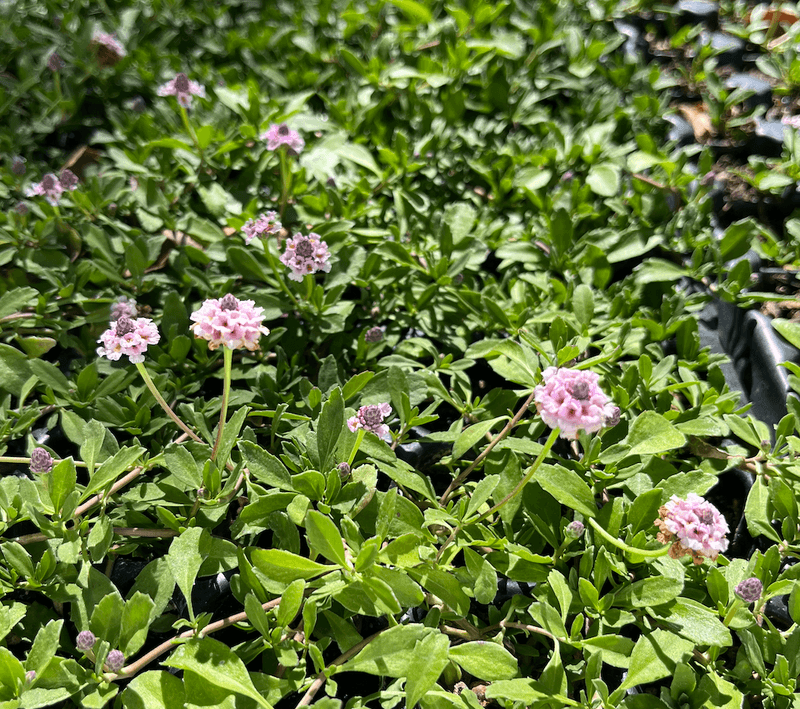
Frogfruit, known botanically as Phyla nodiflora, is a California-native groundcover that solves both problems by spreading low and tight across the soil surface.
Frogfruit grows only a few inches tall but spreads outward several feet, forming a dense mat that shades soil effectively and reduces evaporation.
Once established, it handles drought conditions surprisingly well, making it a reliable choice for California gardeners dealing with fast-draining sandy or loamy soils.
It tolerates full sun and moderate foot traffic, which gives it added versatility.
Small white and lavender flowers bloom throughout the growing season, attracting native bees and butterflies while the plant does its quiet work of keeping soil covered. Space plants about 12 to 18 inches apart for quicker coverage.
Frogfruit needs minimal irrigation once roots are settled, and it works well in both coastal and inland California gardens.
For low-water landscapes that still need something green and functional underfoot, this native groundcover earns its place easily.
2. Dymondia Creates A Tight Silver Carpet
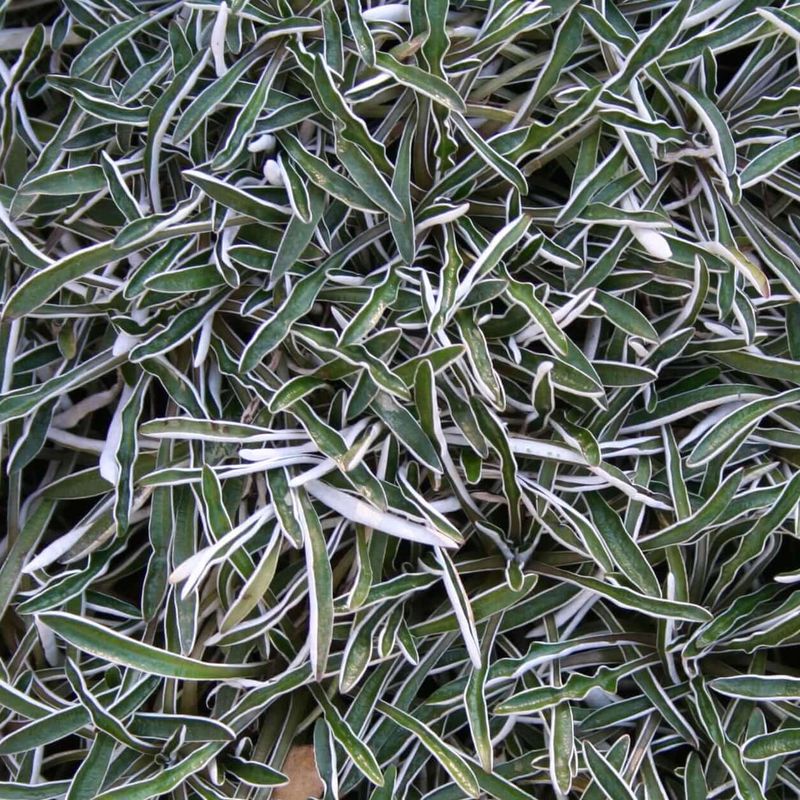
Some plants just look like they belong in a California garden, and Dymondia margaretae is one of them.
Its narrow silver-green leaves hug the ground so tightly that weeds struggle to push through, and the mat it forms is dense enough to noticeably reduce soil moisture loss in warm, dry conditions.
Originally from South Africa, Dymondia has adapted beautifully to California’s Mediterranean-style climate.
It thrives in full sun and handles dry summers with ease, needing only occasional deep watering once established.
The plant grows just one to two inches tall and spreads slowly but steadily, eventually covering an area several feet wide from a single plant.
Gardeners across coastal and inland California use Dymondia between stepping stones, along borders, and as a lawn substitute in water-conscious landscapes.
Its small yellow daisy-like flowers add a quiet seasonal charm without requiring much attention.
Space plants around 12 inches apart for solid coverage within a season or two. Because it stays so low and compact, it rarely competes aggressively with neighboring plants for water or nutrients.
For California gardens where soil dries out within hours of watering, Dymondia offers a low-maintenance, moisture-conserving solution with a refined, polished look.
3. Emerald Carpet Manzanita Spreads With Evergreen Coverage
Rocky slopes and fast-draining hillside soils in California can be some of the most frustrating spots to keep moist. Roots dry out quickly, and traditional mulch slides or blows away.
Your California Garden Changes Every Week. Your Plan Should Too.
Gardening in California changes quickly throughout the season. Every Friday you’ll receive a simple weekly plan showing exactly what to plant, prune, fertilize, harvest, and protect so you never miss the right timing.
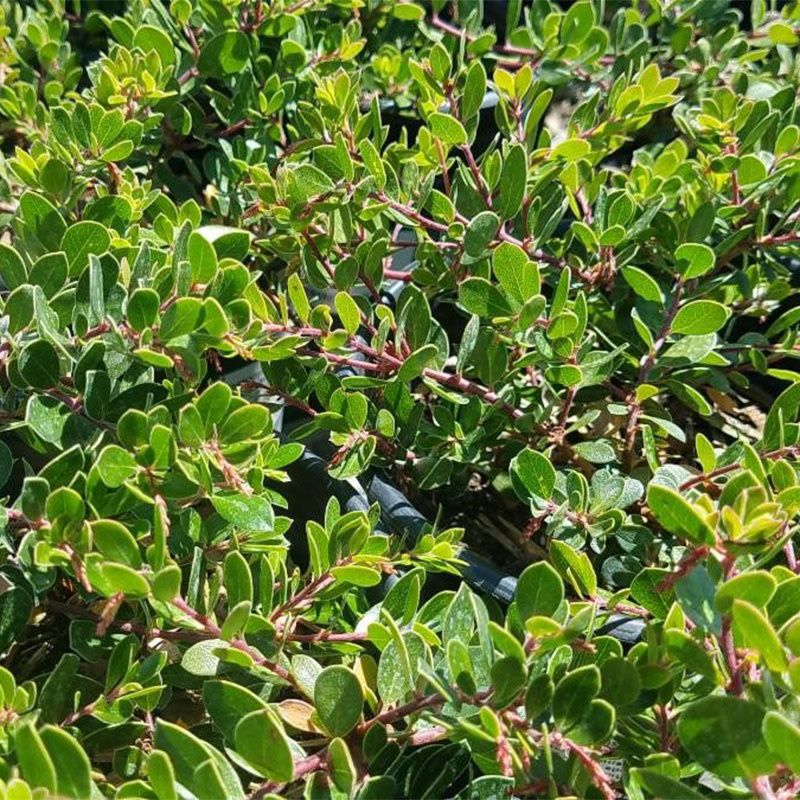
Emerald Carpet Manzanita, a cultivar of Arctostaphylos uva-ursi, handles exactly these kinds of difficult spots with a steady, spreading presence.
This low-growing shrub reaches only about six to twelve inches in height but spreads outward up to six feet or more, creating a thick evergreen mat that shields soil from direct sun and wind.
The glossy dark green leaves stay attractive year-round, and small white or pink flowers appear in late winter, providing early-season interest and a food source for native pollinators.
Emerald Carpet Manzanita is deeply drought tolerant once established, which typically takes one to two California growing seasons with moderate supplemental water.
It performs well in full sun to partial shade and adapts to a range of well-drained soils, including the gravelly and sandy types common across much of California.
Space plants three to four feet apart for solid coverage. Because its canopy stays dense and close to the ground, it shades soil effectively, slowing moisture evaporation even during the hottest California summers.
4. Coyote Brush Fills Space With Native Growth
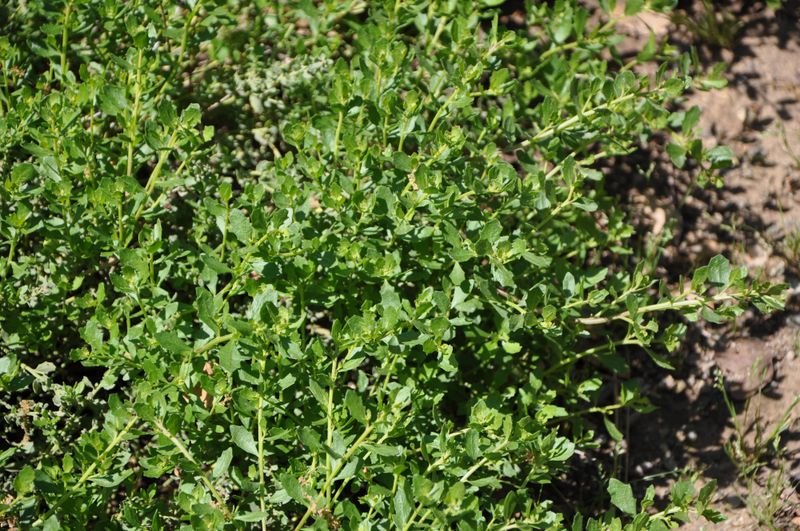
Few plants are as deeply connected to California’s native landscape as Coyote Brush. The prostrate form, Baccharis pilularis, has been growing across California’s coastal bluffs, hillsides, and open fields long before anyone thought to put it in a garden.
That long history in California’s climate means it understands drought in a way that non-native plants simply cannot replicate.
As a living mulch, the low-growing cultivars of Coyote Brush spread broadly and quickly, forming a mounding, shrubby mat that can reach two feet tall and spread eight feet or more across.
That canopy does an impressive job of shading soil, reducing surface temperatures, and slowing the evaporation that plagues California gardens during dry months.
Coyote Brush thrives in full sun and tolerates poor, fast-draining soils – exactly the kind of conditions that leave other plants struggling.
It needs little to no supplemental irrigation once established and works well on slopes where erosion and moisture loss are ongoing concerns.
Space plants four to five feet apart to allow for natural spreading. Female plants produce fluffy white seed clusters in fall that attract native birds.
For California gardeners who want a rugged, ecologically valuable living mulch that asks for very little in return, Coyote Brush is a strong candidate.
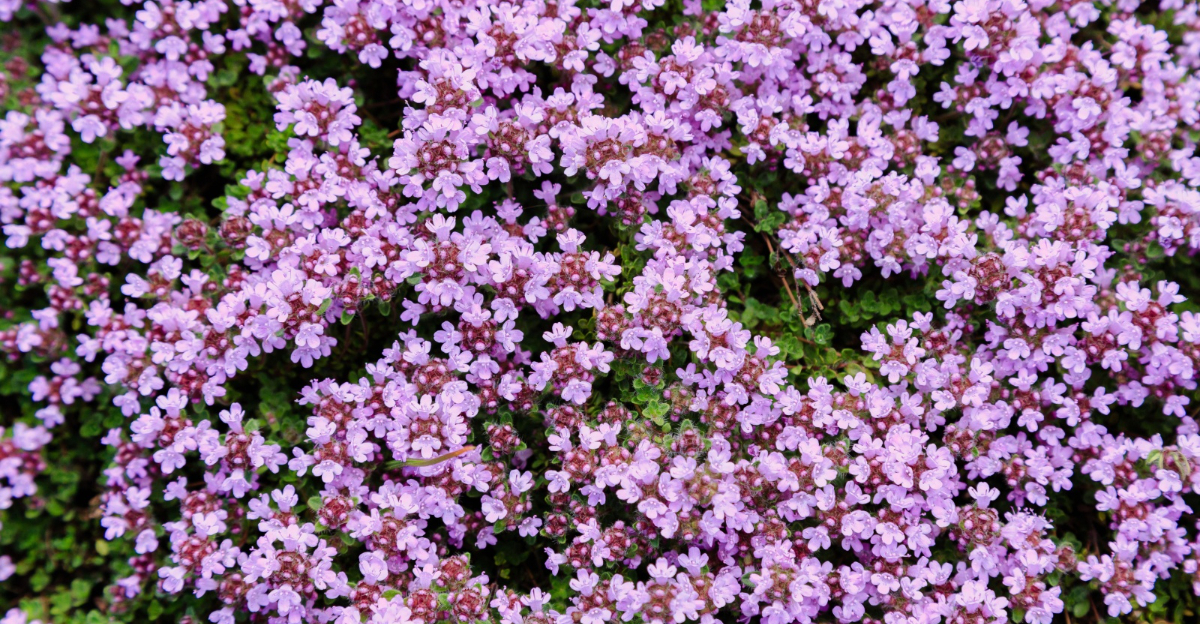
5. Creeping Thyme Covers Soil In Dry Conditions
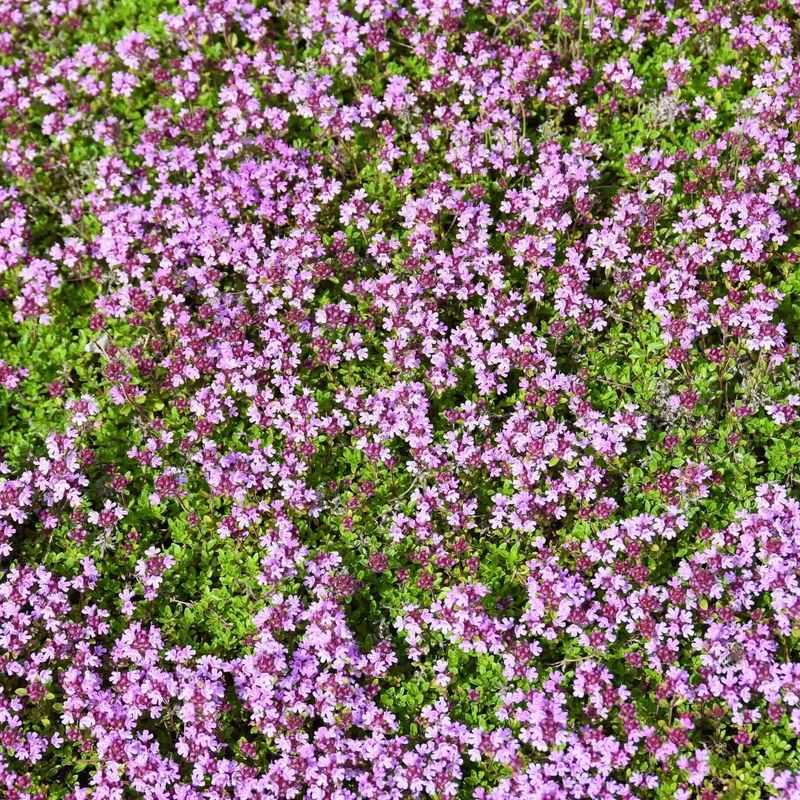
Walking past a patch of Creeping Thyme on a warm afternoon releases a wave of herbal fragrance that is hard to forget.
Beyond that sensory appeal, Thymus serpyllum is a genuinely hardworking living mulch that covers soil efficiently and holds up well under California’s dry conditions.
Creeping Thyme grows only two to four inches tall but spreads outward in a dense, woven mat that blocks sunlight from reaching bare soil.
That shading effect directly reduces evaporation, which is one of the biggest water-loss problems in California gardens with sandy or rocky ground.
The plant is drought tolerant once established and handles full sun with ease, making it well suited for the hot, exposed spots that dry out fastest.
Small pink to purple flowers bloom in late spring and summer, drawing bees and other pollinators in noticeable numbers.
Creeping Thyme also tolerates light foot traffic, so it works well between stepping stones and along garden paths.
Space plants about 12 inches apart for coverage within one season. Inland California gardeners dealing with extreme summer heat may want to give plants an occasional deep watering during the hottest months.
Coastal gardens often find that Creeping Thyme needs almost no supplemental water after the first year.
6. Beach Strawberry Spreads And Holds Moisture
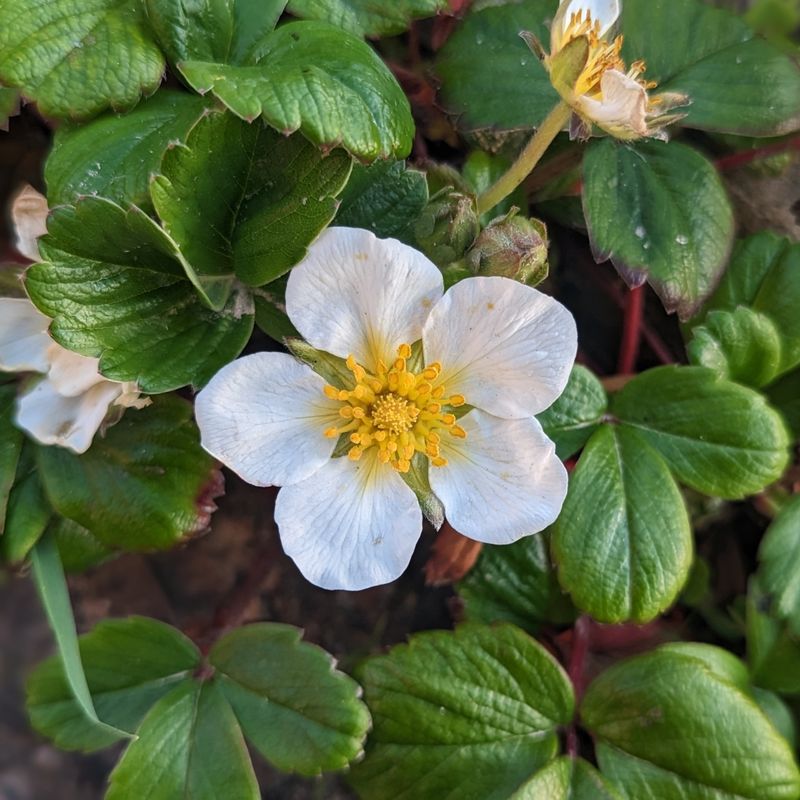
California’s coastline has its own native ground cover that has been stabilizing sandy soils and holding moisture for centuries.
Beach Strawberry, Fragaria chiloensis, is the wild ancestor of many modern strawberry varieties and a surprisingly capable living mulch for California gardens that struggle to retain water.
The plant spreads through runners that root as they travel, forming a dense, leafy mat that covers soil quickly and effectively.
That coverage reduces direct sun exposure on the soil surface, which noticeably slows evaporation in both coastal and mild inland California gardens.
The glossy, dark green leaves stay attractive through most of the year, and white flowers in spring give way to small, edible red fruit that wildlife appreciates.
Beach Strawberry grows best in full sun to partial shade and prefers well-drained soils, though it adapts to a range of California garden conditions.
It is moderately drought tolerant once established, though occasional deep watering during dry summer months helps it maintain its dense coverage.
Space plants about 12 to 18 inches apart, and runners will fill in the gaps within a single growing season.
For California gardeners looking for a living mulch with both ecological and aesthetic value, Beach Strawberry brings a lot to the table without demanding much care in return.
7. Prostrate Rosemary Trails And Shades Soil
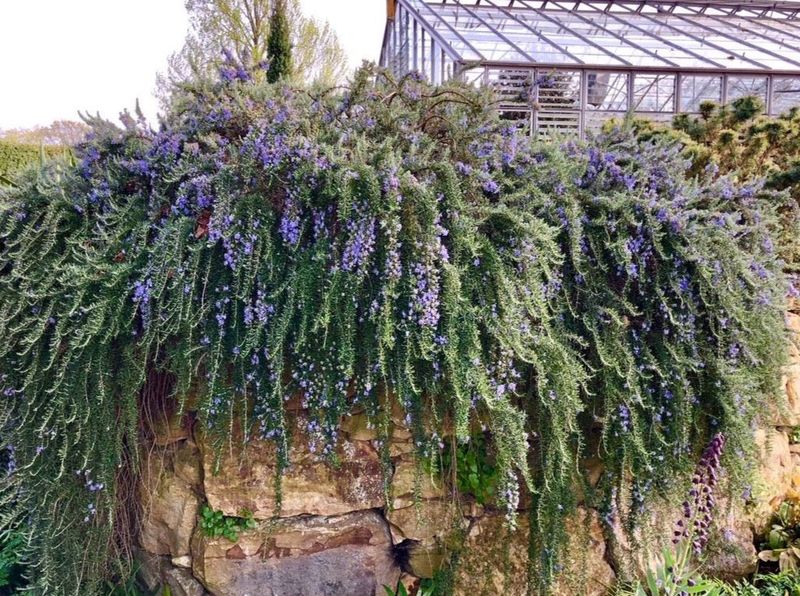
Rosemary has been growing in California gardens for generations, but the upright varieties most people know are just one side of the story.
Prostrate Rosemary, often labeled Rosmarinus officinalis Prostratus, takes a completely different form – trailing along the ground, spilling over walls, and spreading across soil in a way that makes it genuinely useful as a living mulch.
The trailing stems reach two feet or less in height but spread three to eight feet outward, creating a fragrant, evergreen canopy that shades soil and reduces moisture loss.
That coverage is especially valuable in California gardens with rocky or sandy soils where water drains away before roots can absorb it.
Prostrate Rosemary handles full sun and reflected heat well, making it one of the more reliable options for hot, south-facing slopes and exposed garden beds.
Blue to violet flowers appear through winter and spring, attracting hummingbirds and bees when few other plants are blooming.
Once established, Prostrate Rosemary needs very little supplemental irrigation, especially in coastal California.
Inland gardens may benefit from deep watering every two to three weeks during summer. Space plants three to four feet apart.
Beyond its moisture-conserving function, it adds culinary utility, fragrance, and year-round visual interest to dry California landscapes.
8. Yerba Buena Spreads In Cooler Shaded Spaces
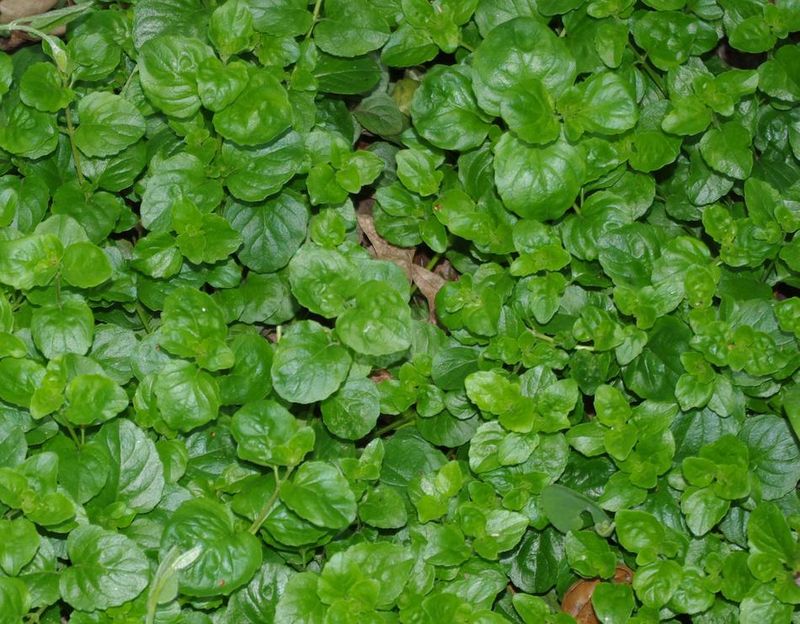
Shaded garden spots in California come with their own moisture challenges. Soil under trees can dry out surprisingly fast as tree roots pull moisture upward, leaving the surface dry and bare.
Yerba Buena, Clinopodium douglasii, is a California native that thrives in exactly these conditions, spreading quietly across shaded ground where many other plants struggle.
Historically, Yerba Buena held deep cultural significance for California’s indigenous communities, who used it as an herbal tea and medicinal plant.
Today, gardeners value it as a low-growing, aromatic ground cover that forms a soft mat of small, rounded leaves no more than two inches tall.
Its spreading habit helps cover soil in shaded areas, reducing evaporation and suppressing weeds without competing aggressively with surrounding plants.
Yerba Buena grows best in partial to full shade and prefers well-drained soils with some organic matter. Along California’s coast and in the Bay Area, it naturalizes readily in woodland gardens and shaded borders.
It needs moderate water during the dry season, particularly in warmer inland areas, but is generally low-maintenance once established. Space plants 12 to 18 inches apart.
Tiny white flowers appear in summer, adding subtle seasonal interest. For shaded California garden spaces that dry out faster than expected, Yerba Buena is a thoughtful, native-friendly choice.
9. Kurapia Forms A Dense Drought Tolerant Mat
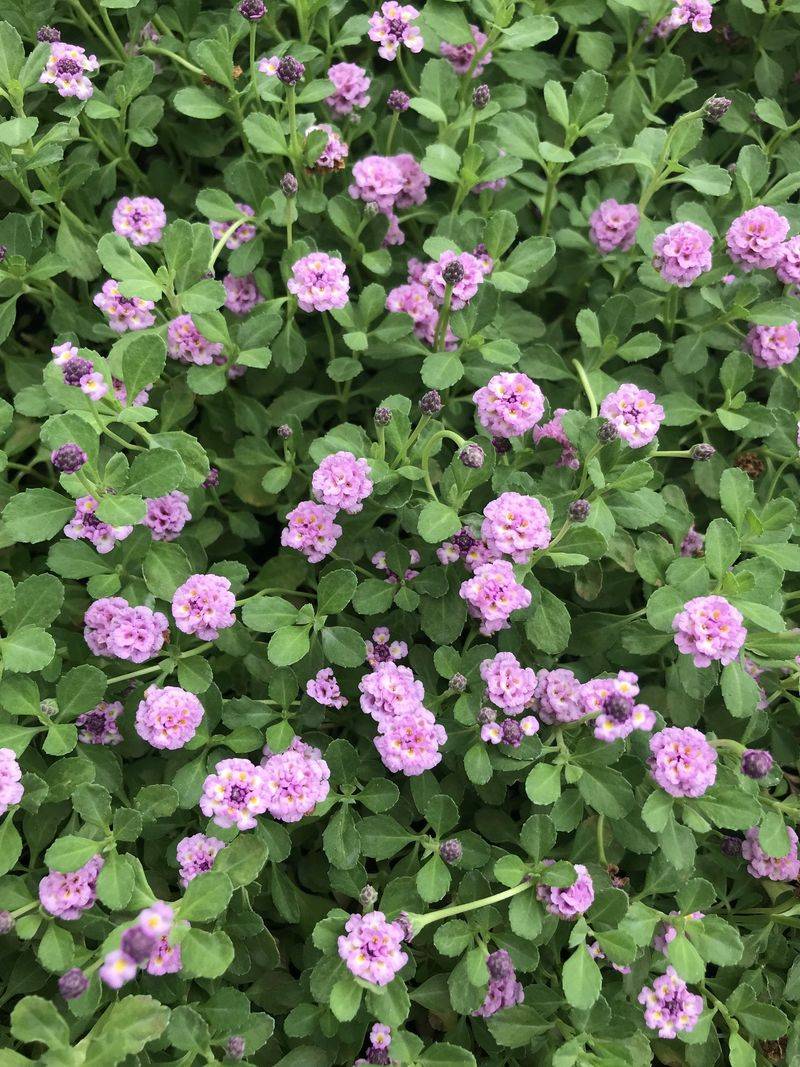
Lawn replacement has become one of the most talked-about topics in California gardening, especially as water costs rise and drought restrictions tighten.
Kurapia, a sterile hybrid of Phyla nodiflora, has emerged as one of the more promising low-water ground covers for California homeowners looking for a lawn alternative that actually works in dry conditions.
Kurapia spreads quickly through above-ground runners, forming a dense, carpet-like mat that reaches only one to two inches tall.
That low canopy keeps soil shaded throughout the day, significantly reducing surface evaporation in California’s warm, sunny climate.
Research conducted in California has shown that Kurapia uses considerably less water than traditional turf grass while still providing a green, walkable surface that handles moderate foot traffic well.
The plant produces small white flowers that attract native bees, adding pollinator value to its practical function. Kurapia grows best in full sun and performs well across a range of California climates, from coastal areas to warmer inland valleys.
Space plugs about 12 to 18 inches apart, and the plant typically achieves full coverage within one growing season with regular irrigation that can taper off significantly once established.
For California gardens where soil dries out fast and water budgets are tight, Kurapia offers a functional, low-maintenance living mulch solution.