9 Beautiful Flowering Shrubs To Plant In Georgia Instead Of Azaleas
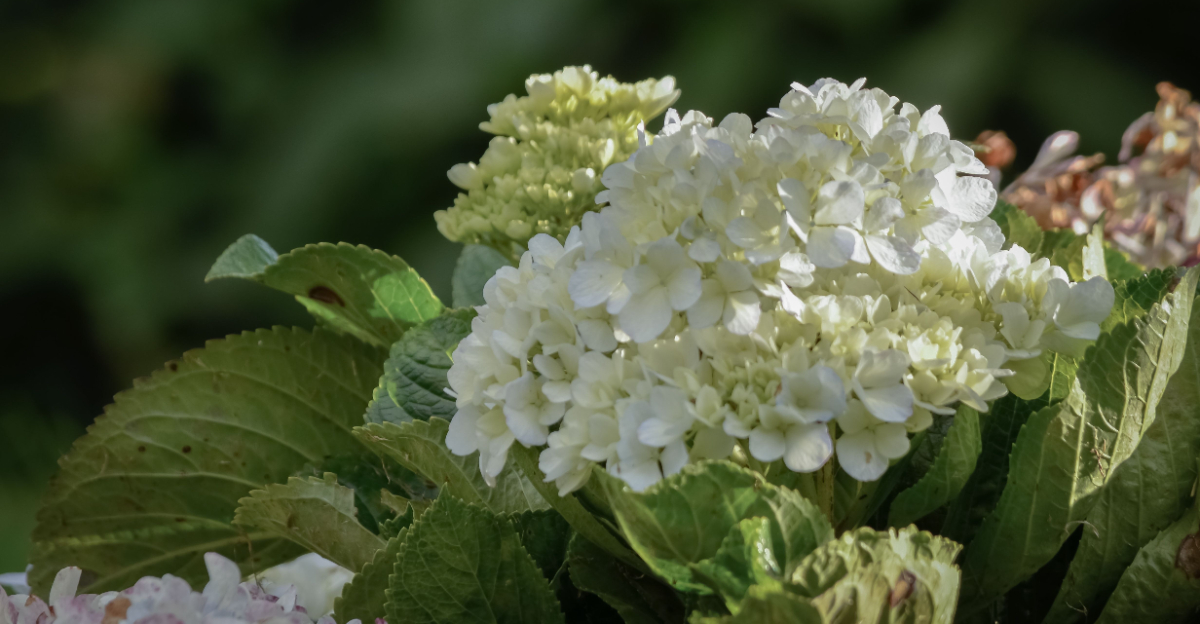
Azaleas show up in Georgia yards everywhere, which is exactly why some landscapes start to feel a bit too familiar after a while.
Color comes and goes quickly, and once that short bloom period passes, the space can lose its impact faster than expected.
Many homeowners start to look for something different, not just for variety, but for shrubs that hold attention longer and bring a fresh look to the garden. The goal stays the same, strong color and structure, but the approach shifts.
Other flowering shrubs can deliver a more lasting presence and a style that feels less predictable. Shape, bloom timing, and overall appearance can change how the entire yard comes together through the season.
Trying something beyond the usual can bring a noticeable shift, and the results often stand out in a way that feels both new and more rewarding.
1. Oakleaf Hydrangea Brings Big Native Blooms
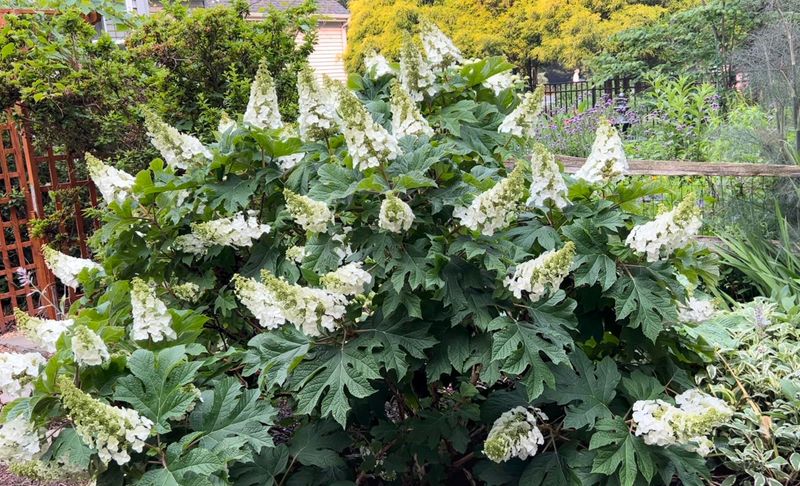
Huge white flower clusters that look almost architectural — that’s what Oakleaf Hydrangea brings to a Georgia yard.
Blooming in early summer, the flowers start white and slowly age to a parchment-tan color that holds through fall, giving you months of visual interest from a single plant.
Native to the southeastern United States, this shrub handles Georgia’s heat and humidity without much complaint. It does best in partial shade, which makes it a solid choice under tall pines or along the shaded edge of a tree line.
Soil doesn’t need to be perfect — average, well-drained ground works fine, though it appreciates consistent moisture during dry stretches in summer.
Beyond the flowers, the bark peels in cinnamon-brown strips as the plant matures, adding winter interest when everything else looks bare. Fall foliage turns burgundy and bronze, which honestly rivals the blooms for showiness.
Sizes range from compact four-foot varieties to sprawling eight-foot specimens, so there’s a form that fits most spaces.
If you want a native shrub that works across multiple seasons in Georgia without demanding constant attention, Oakleaf Hydrangea delivers consistently and looks genuinely beautiful doing it.
2. Summersweet Fills The Garden With Fragrance
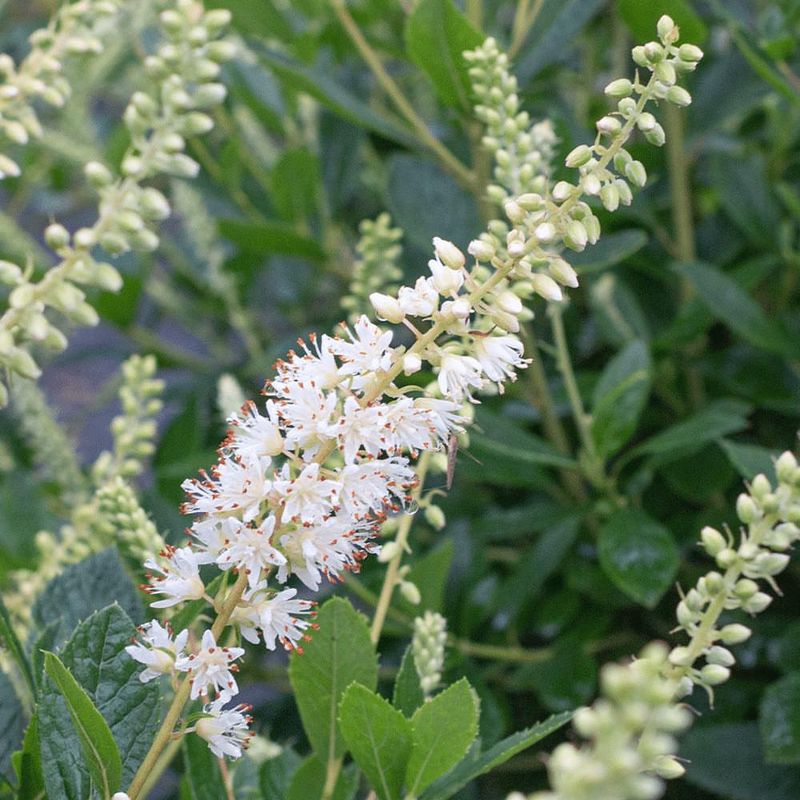
Walk past a Summersweet in bloom and you’ll stop in your tracks — the scent is that good.
Flowering in mid to late summer, right when most other shrubs have finished their show, it fills a corner of the garden with a clean, sweet fragrance that carries surprisingly far on a warm Georgia evening.
Clethra alnifolia, as it’s botanically known, handles wet soil better than most flowering shrubs. If you have a low spot in your yard that stays soggy after rain, this plant will actually appreciate it rather than struggle.
Partial shade suits it well, though it can manage in fuller sun if the soil stays reasonably moist through the hotter months.
Flower spikes are typically white or pale pink, rising above the foliage in a way that reads clean and uncluttered. Bees and butterflies show up reliably when it blooms, which is a bonus for anyone trying to support pollinators in their Georgia landscape.
Your Georgia Garden Changes Every Week. Your Plan Should Too.
Gardening in Georgia changes quickly throughout the season. Every Friday you’ll receive a simple weekly plan showing exactly what to plant, prune, fertilize, harvest, and protect so you never miss the right timing.
Fall color runs yellow to orange, giving the plant one last moment of interest before winter. Compact cultivars like ‘Hummingbird’ stay around three feet, making them easy to fit into smaller spaces without crowding.
3. Virginia Sweetspire Adds Color Through The Seasons
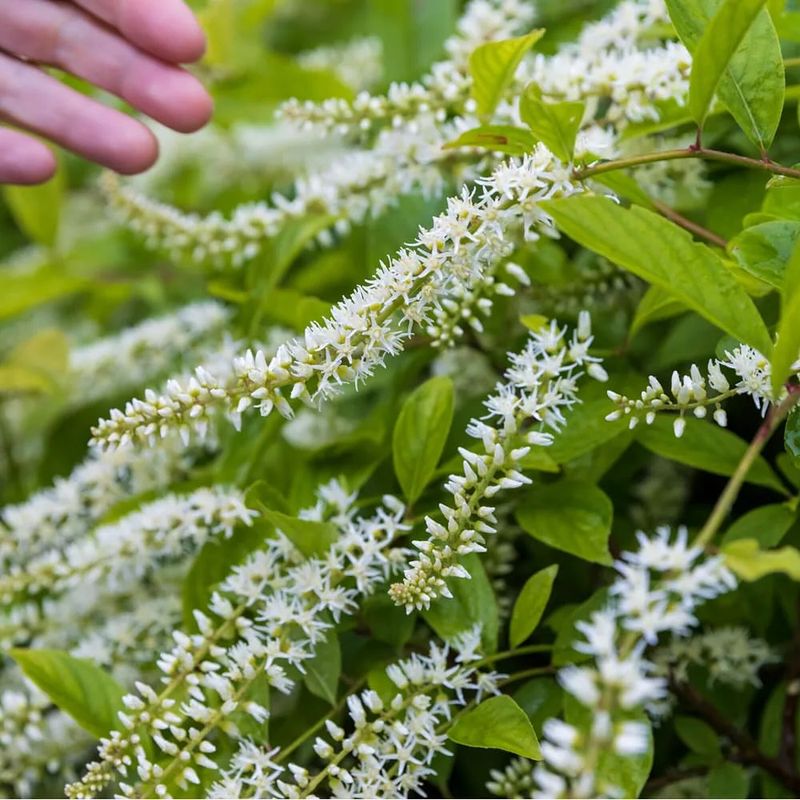
Not many shrubs pull double duty as well as Virginia Sweetspire. In early summer, arching white flower racemes droop gracefully from the branch tips, attracting bees and lending the plant a relaxed, natural look.
Come fall, the foliage shifts into deep reds, oranges, and purples — sometimes all three colors at once on the same plant.
Itea virginica grows wild across much of the eastern United States, including Georgia, which means it’s already adapted to local soil and weather patterns.
It handles both wet and dry conditions reasonably well, though it performs best with some consistent moisture.
Partial shade is ideal, but it tolerates full sun in Georgia as long as it isn’t baking in reflected heat off a wall or pavement.
Spreading slowly by suckers, it can form a nice informal mass planting over time, which works well along a fence line or at the edge of a woodland garden.
Sizes typically land between three and five feet tall, and most cultivars stay tidy without heavy pruning. ‘Henry’s Garnet’ is one of the most widely planted varieties in the Southeast and is easy to find at local Georgia nurseries.
It’s a solid, dependable shrub that earns its space every single season.
4. Buttonbush Thrives In Wet And Tough Areas
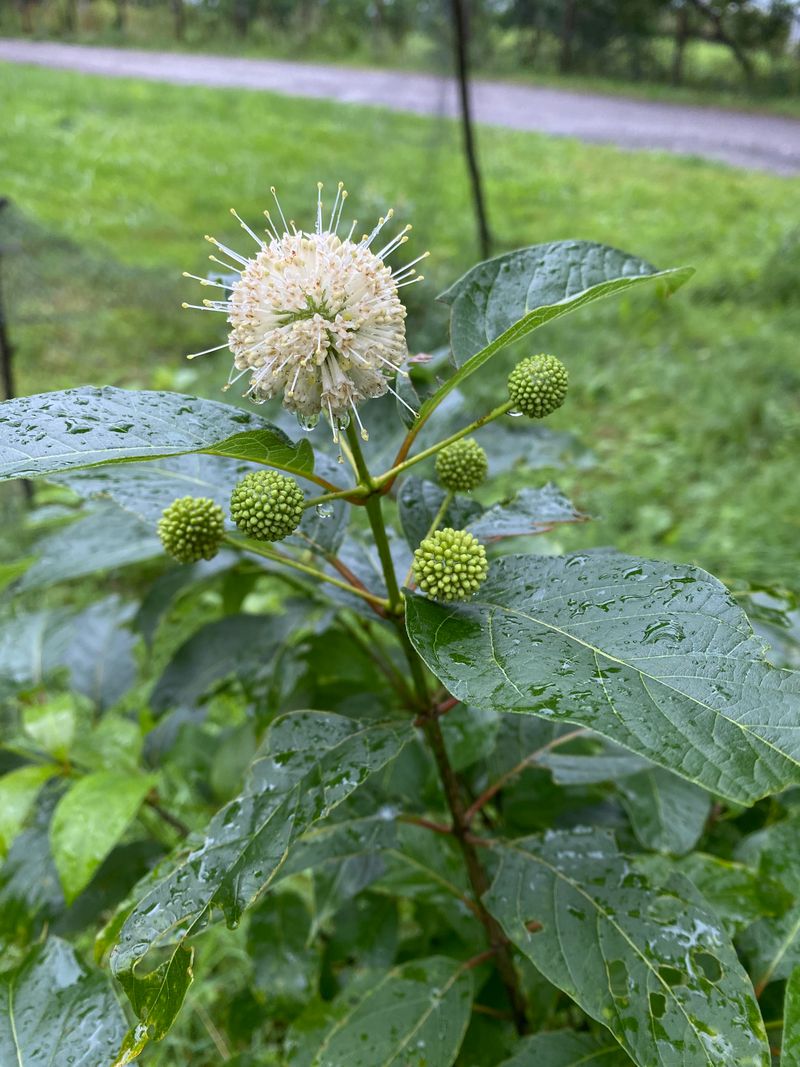
Got a spot that stays wet most of the year and nothing seems to survive there? Buttonbush was practically made for that problem.
Growing naturally along stream banks and pond edges across Georgia, it handles standing water and compacted, waterlogged soil that would rot out most other shrubs.
Cephalanthus occidentalis blooms in midsummer with round, creamy-white flower heads that look like small pincushions. They’re unusual and eye-catching up close, and pollinators — especially bees and butterflies — are drawn to them heavily.
Hummingbirds have been spotted visiting the flowers in Georgia gardens too, which adds another layer of wildlife value to an already useful plant.
It grows vigorously in the right spot, reaching anywhere from six to twelve feet depending on conditions, so give it room. In drier garden settings it will still grow, just more slowly and with less overall vigor.
Full sun to partial shade both work well. Fall brings small reddish-brown seed clusters that persist into winter and attract songbirds, extending the plant’s usefulness well past the bloom season.
For rain gardens, pond edges, or any consistently soggy corner of a Georgia yard, Buttonbush is one of the most reliable choices available and rarely disappoints.
5. Sweetshrub Offers Unique Spring Flowers
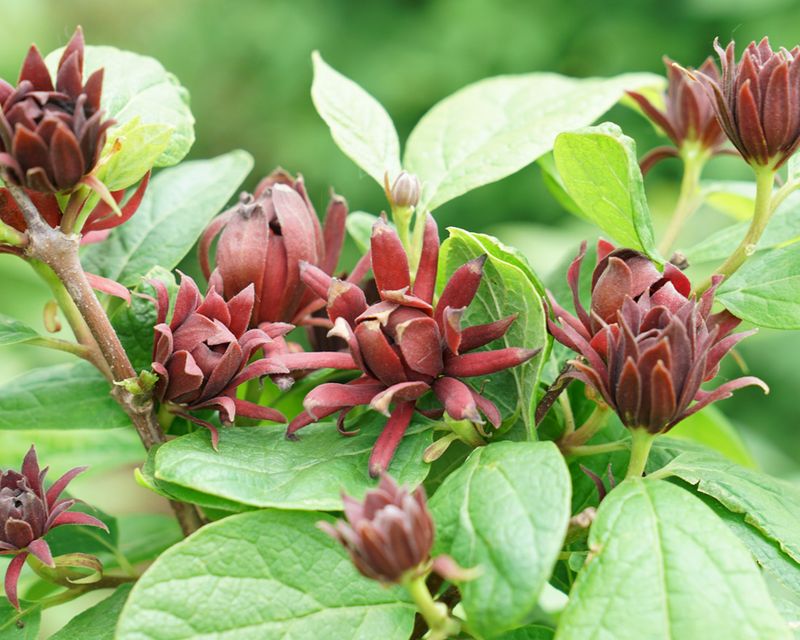
Sweetshrub is one of those plants that people either know and love deeply or walk right past without noticing. Up close, the flowers are genuinely fascinating — deep burgundy-red, with overlapping ribbon-like petals that look almost tropical.
They appear in mid-spring and carry a spicy, fruity scent that varies from plant to plant, sometimes strongly fragrant and occasionally mild.
Calycanthus floridus grows naturally in woodland areas across Georgia and much of the Southeast. It prefers partial shade and moisture-retentive soil, doing especially well under the canopy of larger trees where azaleas often struggle.
If you have a shaded border that needs something interesting at eye level, this shrub fills that role without asking for much in return.
Plants typically reach six to nine feet tall and wide, so give them space to spread naturally. Pruning after bloom keeps the size in check if needed.
The foliage turns clear yellow in fall, which provides a pleasant seasonal shift before the leaves drop. Sweetshrub has been grown in American gardens for centuries — early colonists reportedly used the bark for its scent.
Finding it at Georgia nurseries that carry natives is straightforward, and it transplants without too much difficulty in the right conditions.
6. Smooth Hydrangea Delivers Reliable Summer Blooms
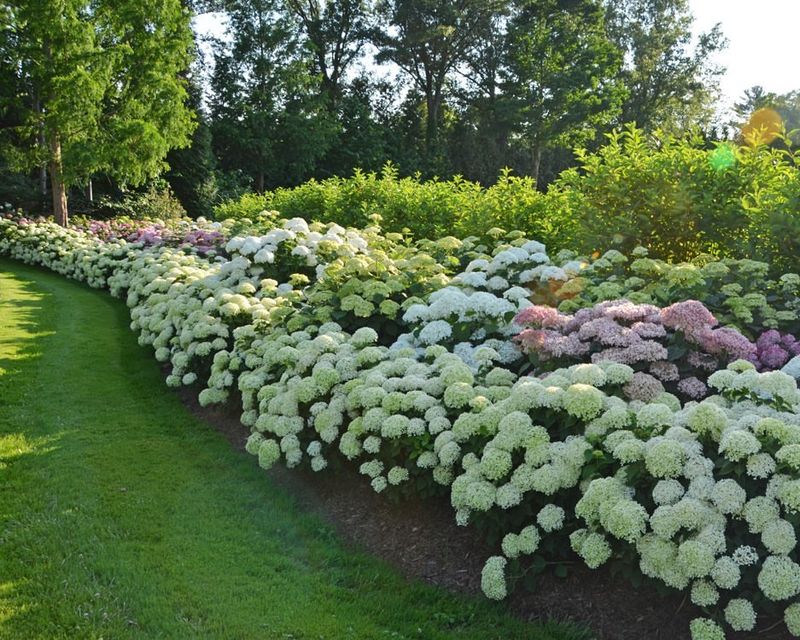
Few shrubs put on a summer display quite like Smooth Hydrangea.
Varieties like ‘Annabelle’ produce enormous white flower heads — sometimes the size of a volleyball — that weigh the branches down slightly and create a lush, full look from early summer into fall.
It’s hard to walk by without noticing them.
Hydrangea arborescens is native to North America, and it adapts well to Georgia’s conditions. Partial shade works best in the warmer parts of the state, where afternoon sun can scorch the large leaves.
Morning sun with afternoon shade is a practical arrangement for most Georgia gardens, giving the plant enough light without cooking it during July and August.
Cutting stems back hard in late winter — down to about twelve inches — encourages strong new growth and the largest flower heads the following season. Skipping the pruning results in smaller blooms on taller, floppier stems.
Soil should be reasonably fertile and drain well, though the plant tolerates a range of conditions. ‘Incrediball’ is a popular newer selection with stronger stems that hold the large blooms more upright than older varieties.
If you want big summer impact without a complicated care routine, Smooth Hydrangea is one of the most straightforward choices for Georgia landscapes.
7. Dwarf Fothergilla Brightens Early Spring
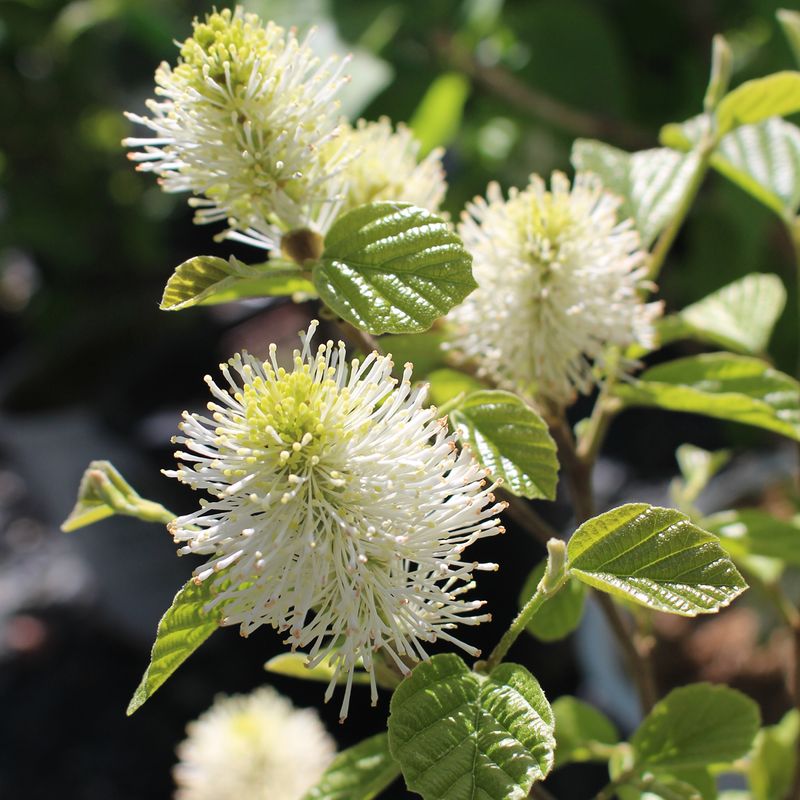
Spring in Georgia tends to rush by fast, but Dwarf Fothergilla manages to make an impression even in that short window.
Flowering before the leaves fully emerge, the white bottlebrush-like blooms appear in early spring with a honey-like scent that’s subtle but pleasant on a warm morning.
It’s one of the earliest native shrubs to bloom in Georgia each year.
Fothergilla gardenii stays compact, usually topping out around three feet tall and wide, which makes it practical for smaller yards or front border plantings where scale matters.
It grows naturally in the Southeast and handles Georgia’s acidic soils well — the same soil conditions that suit azaleas and blueberries.
Partial shade to full sun both work, though fall color tends to be richer with more sun exposure.
Speaking of fall color, that’s arguably the plant’s second act. Foliage shifts into a mix of yellow, orange, and red that’s genuinely striking for a shrub this size.
Some plants display all three colors simultaneously, creating a confetti-like effect.
It’s not a flashy plant in the way some tropical-looking shrubs are, but it earns consistent admiration from people who value plants that contribute something meaningful across multiple seasons in the Georgia landscape.
8. Spicebush Produces Soft Yellow Spring Flowers
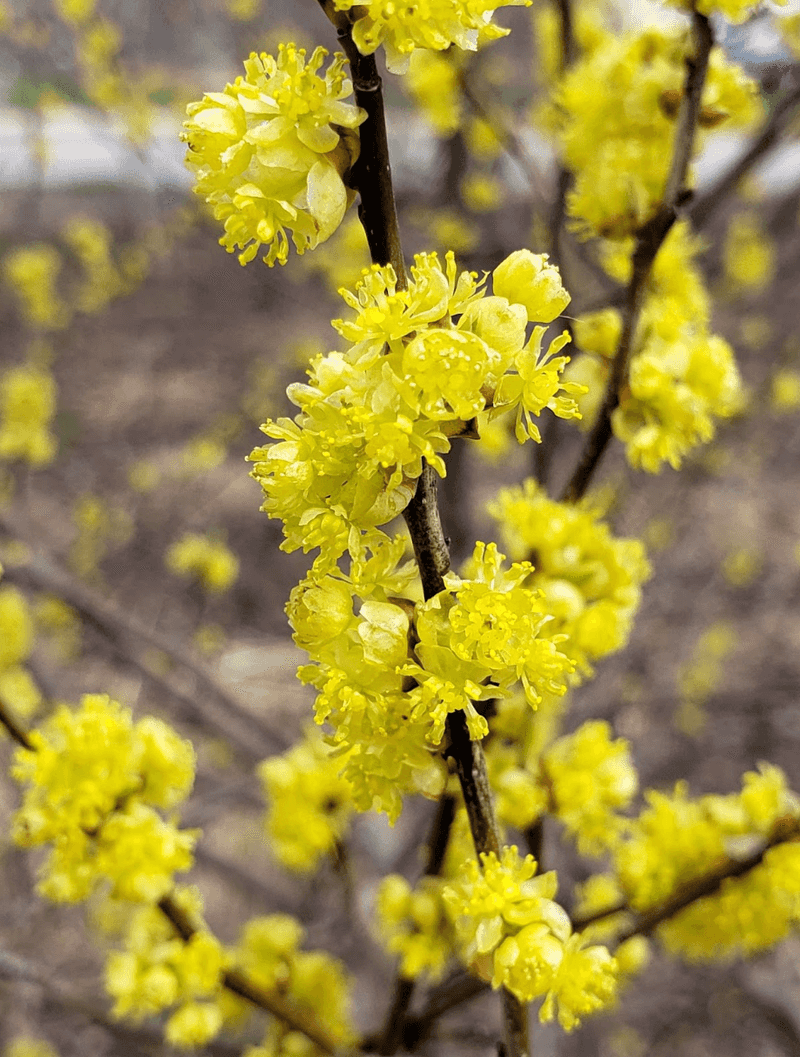
Before most trees have even thought about leafing out, Spicebush is already covered in tiny clusters of soft yellow flowers.
Blooming in late winter to early spring, it’s one of the first plants to signal that the season is shifting, and in a Georgia woodland garden it looks genuinely cheerful against the bare branches of surrounding trees.
Lindera benzoin is a native understory shrub that grows naturally across much of Georgia, particularly in moist woodland areas and along stream corridors. It does best in partial to full shade with consistently moist, rich soil.
If you have a wooded corner of your yard that stays relatively cool and damp, Spicebush will settle in without much fuss.
Crush a leaf and you’ll immediately understand the name — the foliage has a spicy, aromatic scent that’s hard to describe but unmistakable. Female plants produce small red berries in fall that birds, especially thrushes and other migrating species, consume quickly.
Male and female plants are separate, so planting at least one of each improves berry production. Fall color is a clean, clear yellow that brightens shaded spots nicely.
For anyone in Georgia trying to support native wildlife while adding seasonal interest, Spicebush is a quietly excellent choice that often goes underappreciated.
9. American Beautyberry Adds Colorful Berries And Growth
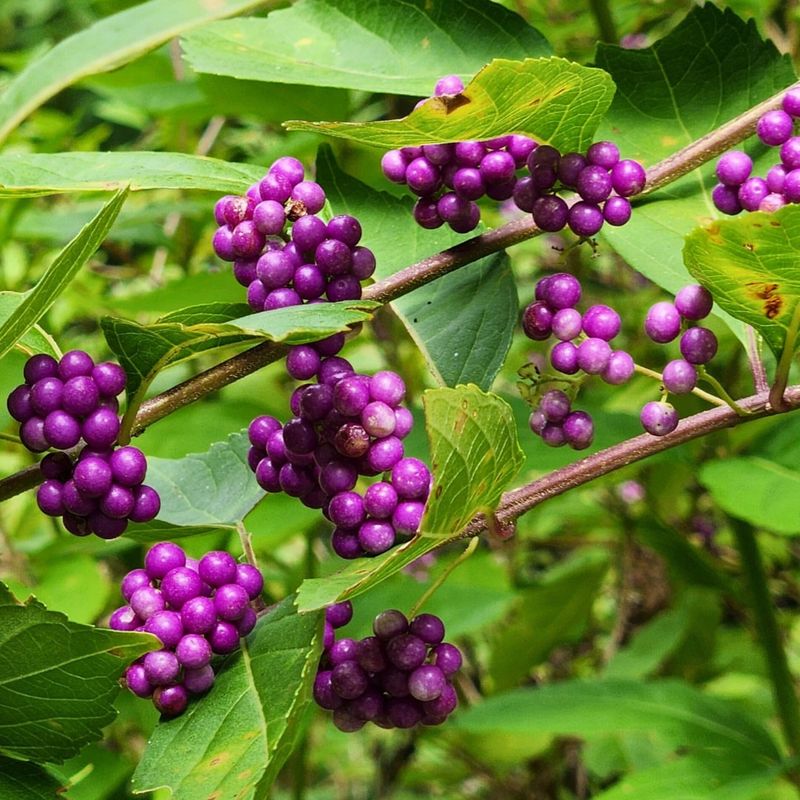
No other shrub in the Georgia landscape produces berries quite like American Beautyberry. In late summer and fall, the branches become lined with tight clusters of electric purple berries that look almost artificial — the color is that vivid.
Birds descend on them quickly, so the display can be short-lived, but while it lasts it’s one of the most visually striking things in the fall garden.
Callicarpa americana grows wild across Georgia and tolerates a wide range of soil types, from average garden soil to dry, rocky spots where other plants struggle. Full sun produces the heaviest berry set, though partial shade works too.
It grows vigorously, reaching six to eight feet in a season if conditions are favorable, which can surprise first-time growers.
Cutting it back hard in late winter — down to about twelve inches from the ground — keeps the size manageable and encourages the strong new growth that carries the best berry clusters.
Skipping that pruning for a year or two results in a large, arching shrub that still produces berries but can sprawl beyond its space.
White-berried varieties exist for gardeners who want something a little different. Either way, American Beautyberry earns its place in any Georgia garden that values seasonal wildlife activity and bold fall color.