The Best Native Michigan Spring Bulbs To Plant In October Instead Of Standard Tulips
Every October, Michigan gardeners head to the garden center and buy the same tulip bulbs they bought last year, and the year before that, and probably the year before that too. The squirrels are thrilled.
The bees, less so. There is a whole world of native spring bulbs that bloomed across the state long before anyone was planting tulips, and October is exactly the right moment to get them in the ground.
These plants already know how to handle winter, a soggy April, and every surprise the season throws at them, because they have been doing it for centuries without anyone’s help. They come back reliably, spread over time, and bring the kind of wild, genuine spring beauty that a bag of imported tulips simply cannot replicate.
The squirrels can find their own dinner.
1. Trout Lily Brings Woodland Charm
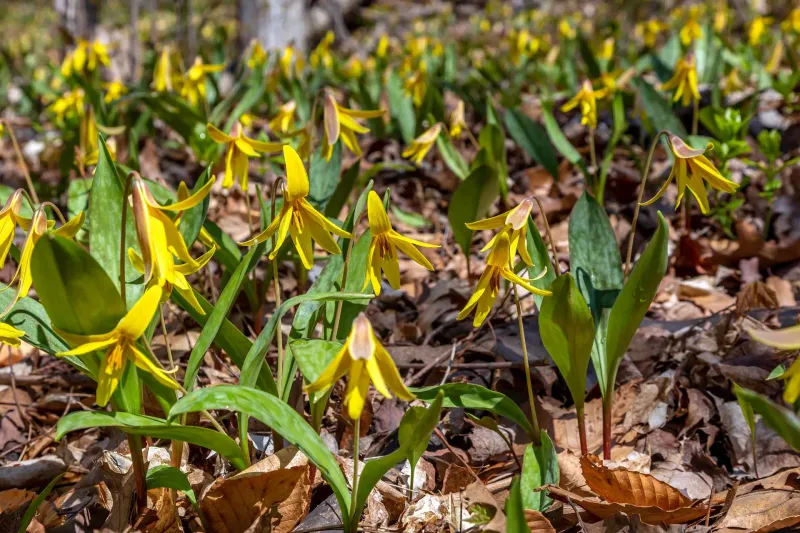
Picture a carpet of nodding yellow stars rising from leaves spotted like a brook trout. That is the trout lily, one of the first wildflowers to wake up in Michigan woods.
Its small bulbs, called corms, belong in the ground in October while the soil is still soft. Plant them about three to five inches deep in rich, leafy soil under trees like maples or oaks.
Patience matters with this one. A young trout lily may only grow a single leaf for a few years before it blooms.
Once it settles in, though, it spreads into lovely colonies that can live for decades. Some old patches in forests are thought to be hundreds of years old.
Shade is its happy place, especially spots that get spring sun before the trees leaf out. By early summer the leaves fade away, so mark the area to avoid digging there later.
Early bees and other pollinators adore the blooms because few flowers are open that early. You are basically setting up the first snack bar of the season.
Look for nursery-grown corms from a native plant seller instead of digging from the wild. Wild patches grow slowly and need to stay put.
Toss a layer of shredded leaves on top after planting. That natural blanket keeps moisture in and copies the forest floor these plants love.
2. Wild Leeks Add Flavor To Shade Gardens
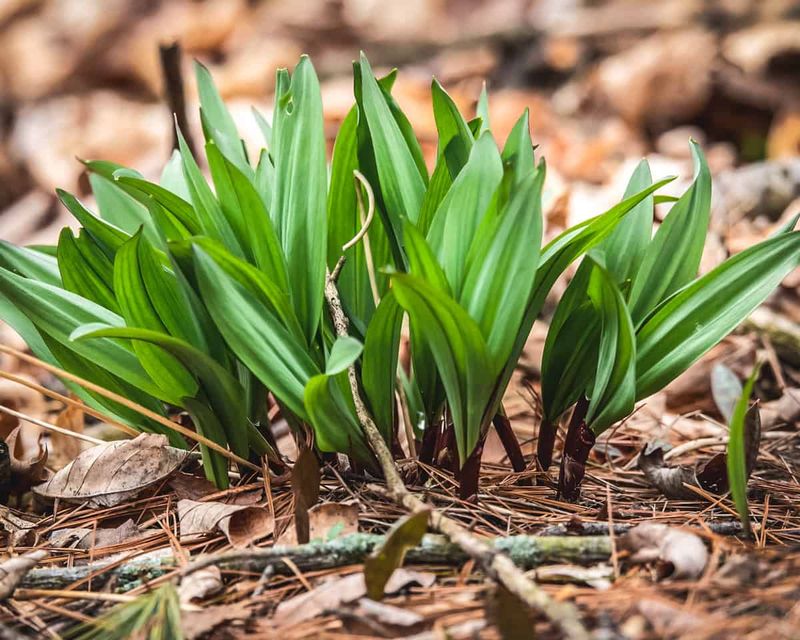
Ever smelled a forest that seems to be cooking dinner? Walk through a Michigan woodland in April and you might catch the garlicky scent of wild leeks, also called ramps.
These broad green leaves pop up early and vanish by summer. Later, a little white flower ball appears on a bare stalk, which surprises plenty of gardeners.
October is a fine time to plant ramp bulbs. Set them two to three inches deep in moist, shady soil full of leaf litter.
Here is the honest truth. Ramps grow slowly, sometimes taking several years to form a solid clump.
Overharvesting has made them scarce in some areas, so growing your own is a kind act for local forests. Once your patch fills in, snip just one leaf per plant and leave the bulb alone.
Your Michigan Garden Changes Every Week. Your Plan Should Too.
Gardening in Michigan changes quickly throughout the season. Every Friday you’ll receive a simple weekly plan showing exactly what to plant, prune, fertilize, harvest, and protect so you never miss the right timing.
Good partners include ferns, mayapples, and trilliums. They all enjoy the same cool, damp spots under tall trees.
Skip sunny lawns or dry slopes. Ramps sulk in heat and pout when the ground dries out.
Fun fact: the city name Chicago is often linked to a Native word for a wild onion plant. Ramps have fed people across the Great Lakes region for a very long time.
Buy from a trusted native nursery and water the bed well after planting. Next spring, your nose will thank you.
3. Michigan Lily Lights Up Wet Spots
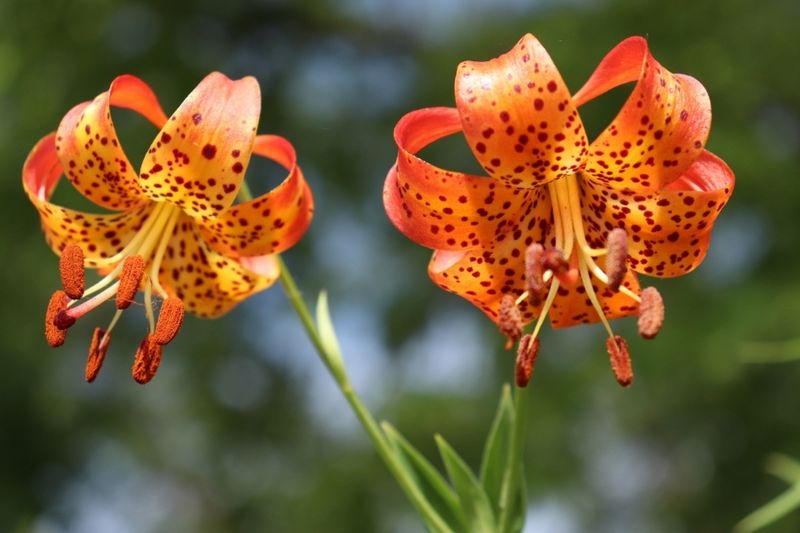
With a name like that, how could it not make the list? The Michigan lily is a fiery orange beauty with spotted petals that curl backward like a little lantern.
Okay, it blooms in summer rather than early spring. Still, the bulb goes in during fall, and October planting gives it a strong head start.
Dig a hole about five to six inches deep and set the scaly bulb in with the pointy side up. Moist soil works best, so think rain gardens, pond edges, or low spots that stay damp.
Sun to part shade keeps it cheerful. In a great spot, a single stem can reach five feet tall with several flowers dangling at once.
Hummingbirds and big swallowtail butterflies visit the blooms often. Kids love spotting the dusty orange pollen on the long stamens too.
Many folks mix this lily up with the tiger lily from Asia. The native one has no little black bulbils on its stem, and its leaves grow in whorls rather than alternating up the stem, both of which make it easy to tell them apart once you know what to look for.
Deer find lilies tasty, so a fence or spray may be needed. Planting among taller grasses can also help hide the buds.
Give it a few years and it may form a small colony. That is a homegrown fireworks show you plant just once.
4. Nodding Wild Onion Thrives In Michigan Sun
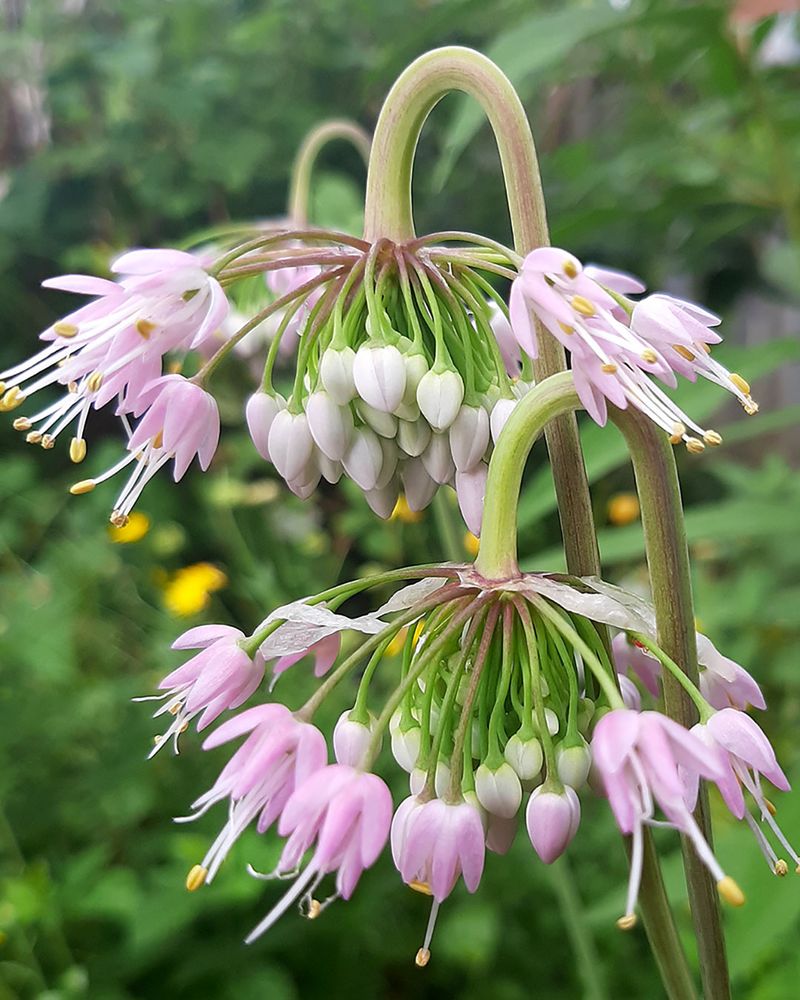
Think of fireworks frozen mid-burst, then tipped gently toward the ground. That playful look belongs to nodding wild onion, a tough little native that shows up in Michigan prairies and rocky spots.
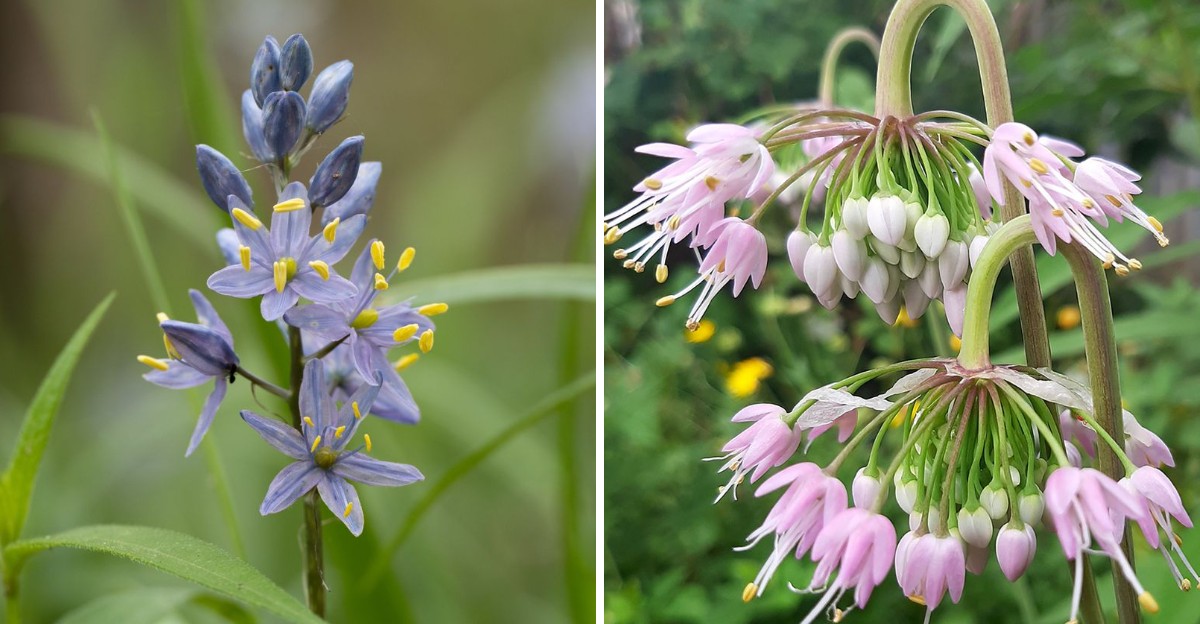
Small pink or lilac flower clusters droop from slender stems in midsummer. The grassy leaves smell mildly of onion when you brush them.
October planting is simple. Tuck the bulbs about two inches deep in well-drained soil with plenty of sun.
Sandy or rocky ground suits it nicely. Heavy, soggy clay is the one thing it truly dislikes.
Here is a bonus for busy gardeners. Rabbits and deer usually leave it alone because of that oniony smell.
Bees go wild for the blossoms. You might count a dozen different kinds visiting on a warm afternoon.
Plant several bulbs in a cluster rather than one lonely line. Groups of seven or more make a much bolder show.
It also reseeds politely, filling gaps without taking over. Snip some seed heads if you want to keep it in one area.
Pair it with black-eyed Susans, little bluestem grass, or purple coneflowers for a mini prairie. It fits right into pollinator gardens and even container plantings on a sunny porch.
Small bulb, big personality. That is a pretty good deal for a few minutes of digging.
5. Spring Beauty Dots Lawns With Pink
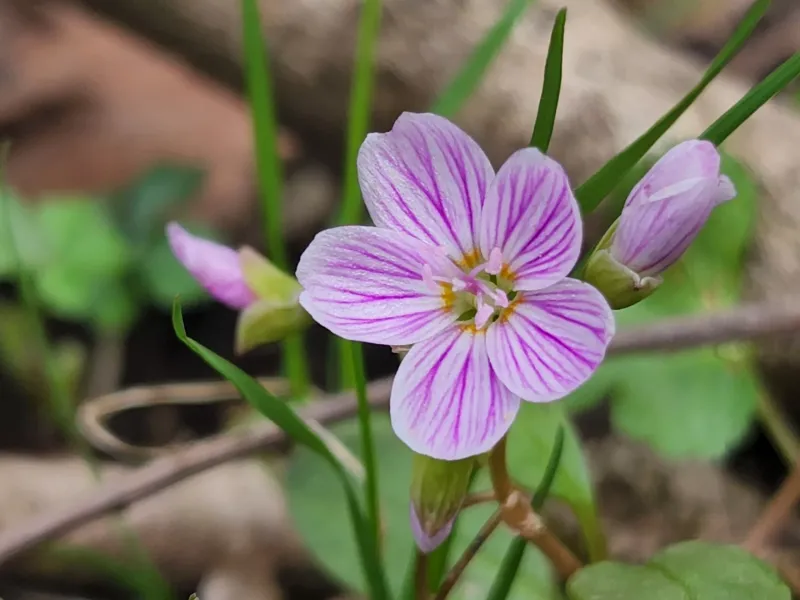
My neighbor once refused to mow his lawn for two weeks every April. His reason was a sea of tiny pink-striped flowers called spring beauty, and honestly, he had a point.
Spring beauty is a small native that grows from a round underground tuber. In Michigan, it often pops up in old lawns, parks, and woodland edges.
Each flower is pale pink or white with darker pink stripes. Those stripes act like runway lights guiding bees to the nectar.
Plant the tubers in October about two to three inches deep. Partial shade and soil rich in leaves suit them best.
The whole plant is small, only a few inches tall. That makes it a sweet choice for lining paths or filling space under shrubs.
Want a lawn that blooms? Scatter tubers in the grass and wait to mow until the leaves fade in late spring.
Native bees, especially one called the spring beauty bee, depend on these flowers. Some bees gather pollen almost only from this plant.
Early settlers and Native peoples ate the tubers, which taste a bit like chestnuts. Many call them fairy spuds for that reason.
Growing spring beauty takes little effort. Mostly, you just need to let it be and enjoy the pink polka dots each year.
6. Dutchman’s Breeches Bring Whimsy To Michigan Woods
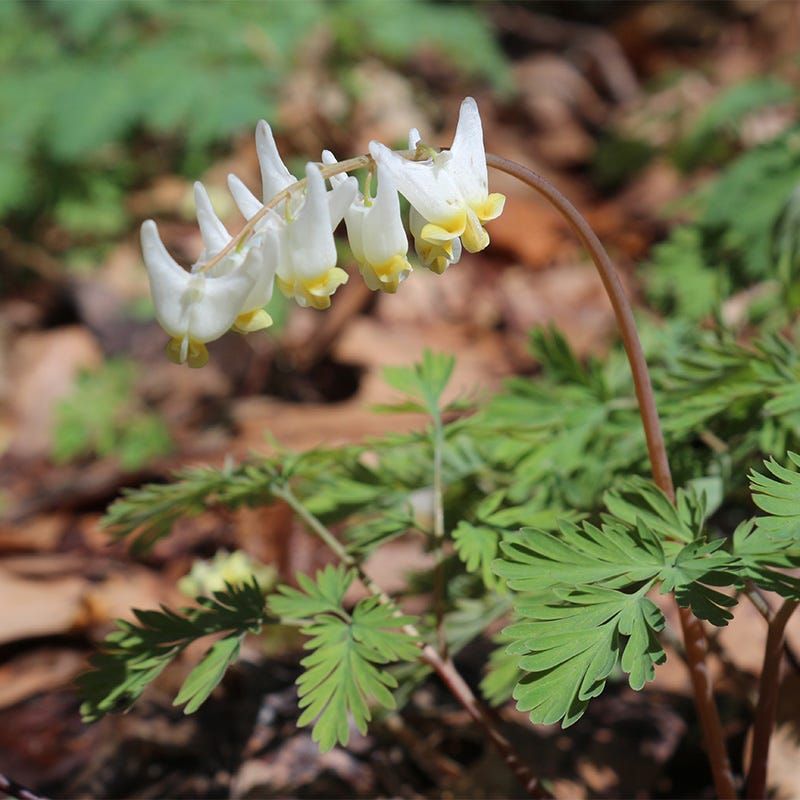
Somebody in the woods hung their laundry out to dry. At least that is how Dutchman’s breeches look, with tiny white flowers shaped like puffy pants dangling upside down.
Kids usually giggle the first time they see one. Adults tend to grin too, even if they try to hide it.
The plant grows from small pinkish bulblets clustered together like grains of rice. Plant them in October about one to two inches deep in loose, rich soil under trees.
Lacy, fern-like leaves appear first, often in March or April. Then the funny little flowers line up along arching stems.
Bumblebee queens are the main visitors. They have long tongues and strong bodies that can pry open the pants-shaped blooms.
Like other early woodland plants, it goes quiet by summer. The leaves fade and the plant rests underground until next spring.
Because of that disappearing act, plant it near hostas or ferns. Those later plants will cover the bare spot nicely.
A close cousin called squirrel corn looks almost the same but has heart-shaped flowers. Both grow wild in many forests.
Handle the plant with gloves since it can bother sensitive skin. Keep pets from chewing on it too.
Once settled, a small patch slowly widens each year. It adds a dose of pure, silly charm to shady corners.
7. Wild Hyacinth Brings Rare Blue Color
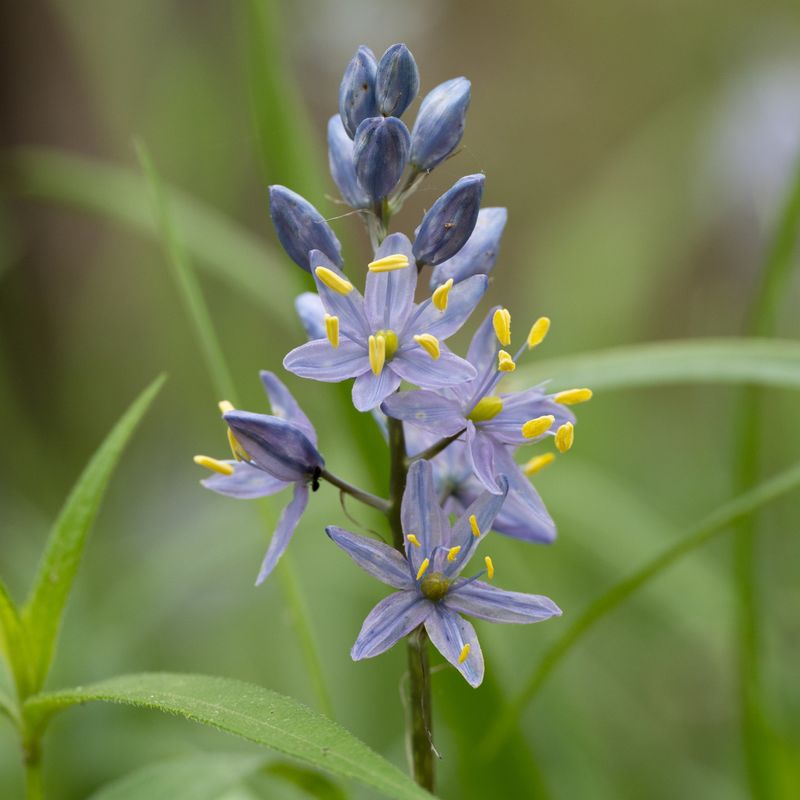
Blue flowers are surprisingly rare in nature, which makes wild hyacinth a real treasure. Its tall spikes of pale blue to lavender stars can stop you in your tracks.
Wild hyacinth, also known as eastern camas, grows natively in parts of southern Michigan. It is quite uncommon in the wild here, so planting nursery bulbs helps keep it around.
October is ideal for getting bulbs in the ground. Set them four inches deep in moist, rich soil with sun or light shade.
Blooms open in late spring, filling the gap between early woodland flowers and summer bloomers. Each spike carries dozens of small, starry flowers.
Plant them in groups of ten or more for the best effect. A single bulb looks a bit lonely, but a drift looks like a soft blue cloud.
Bees, especially mason bees and bumblebees, crowd the flowers. Butterflies stop by too on sunny days.
Native peoples across North America roasted camas bulbs as an important food. Western camas fed many communities for generations.
After blooming, let the leaves turn yellow before you trim them. Those leaves feed the bulb for next year.
Wild hyacinth handles clay soil better than many bulbs. If your yard has heavy ground, this one could be a happy match.
Calm, cool, and quietly pretty, it brings a peaceful touch to any garden bed.
8. Great White Trillium Is A Michigan Classic
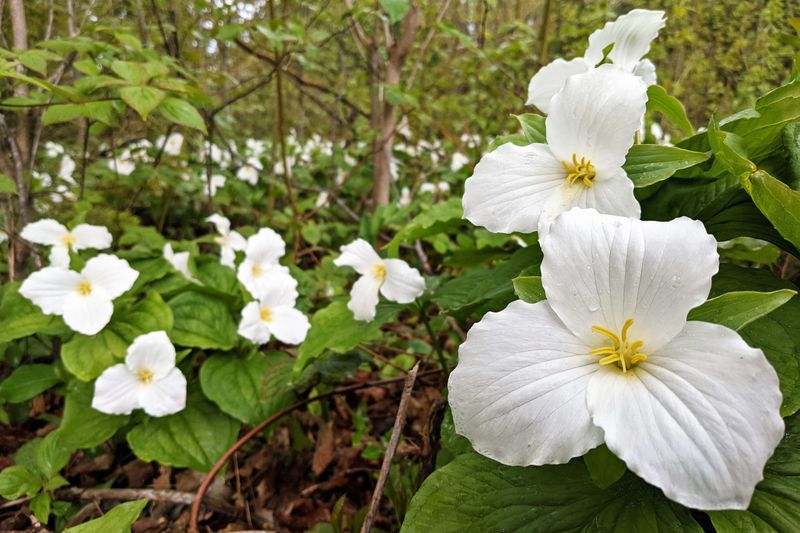
Few sights in spring forest feel as magical as a hillside covered in great white trilliums. Everything about the plant comes in threes: three leaves, three petals, three sepals.
Flowers open bright white and slowly blush pink as they age. That color shift makes a patch look different from week to week.
Trilliums grow from a thick underground rhizome rather than a true bulb. Still, they are sold and planted much like bulbs in fall.
Plant in October about three inches deep in rich, moist, well-drained soil under deciduous trees. Mix in some compost or leaf mold to copy the forest floor.
Patience is the main ingredient here. Trilliums grown from seed can take seven years to bloom, so buying blooming-size plants saves a lot of waiting.
Never pick the flower and leaves together, because the plant needs those leaves to feed itself. Picking can set it back for years.
Ants help spread trillium seeds. They carry them off for a tasty attached snack and leave the seeds in new spots.
Only purchase plants labeled nursery propagated. Some sellers dig trilliums from the wild, which harms native colonies.
Deer love to nibble trilliums. Protect young plants with fencing or repellent during spring.
Give it time and a shady home, and you will have a woodland showpiece that lasts a lifetime.
9. Mayapple Forms Umbrella Colonies
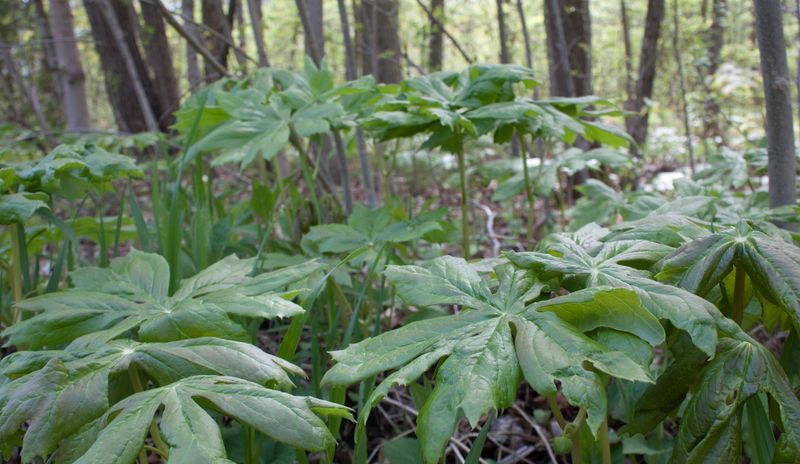
Tiny green umbrellas popping up overnight sound like something from a fairy tale. In Michigan woods, mayapples create exactly that scene each spring.
Each plant unfolds one or two big, lobed leaves that open like a parasol. Plants with two leaves hide a single waxy white flower right underneath.
Mayapples spread from underground rhizomes, so they form wide colonies over time. Plant pieces in October about one to two inches deep in shady, moist, leafy soil.
They are terrific for filling empty ground under trees where grass struggles. A colony can cover a large patch within a few seasons.
Bumblebees pollinate the flowers. Later, a small yellowish fruit forms, which box turtles are known to eat.
Here is a safety note. Leaves, roots, and unripe fruit are toxic, so keep curious kids and pets from snacking.
The plant usually fades back in midsummer, especially during dry spells. Ferns and wild ginger make good neighbors to fill in afterward.
Mayapple plays a part in medicine history too. Scientists used compounds from it to help develop certain modern medicines.
Because it spreads, give it room or edge the bed with a barrier. In the right spot, though, its eager growth is a gift.
Low effort and high drama, it turns a plain shady corner into a lush green hideaway.