The Best Ornamental Grasses To Pair With Perennials In Oregon Borders
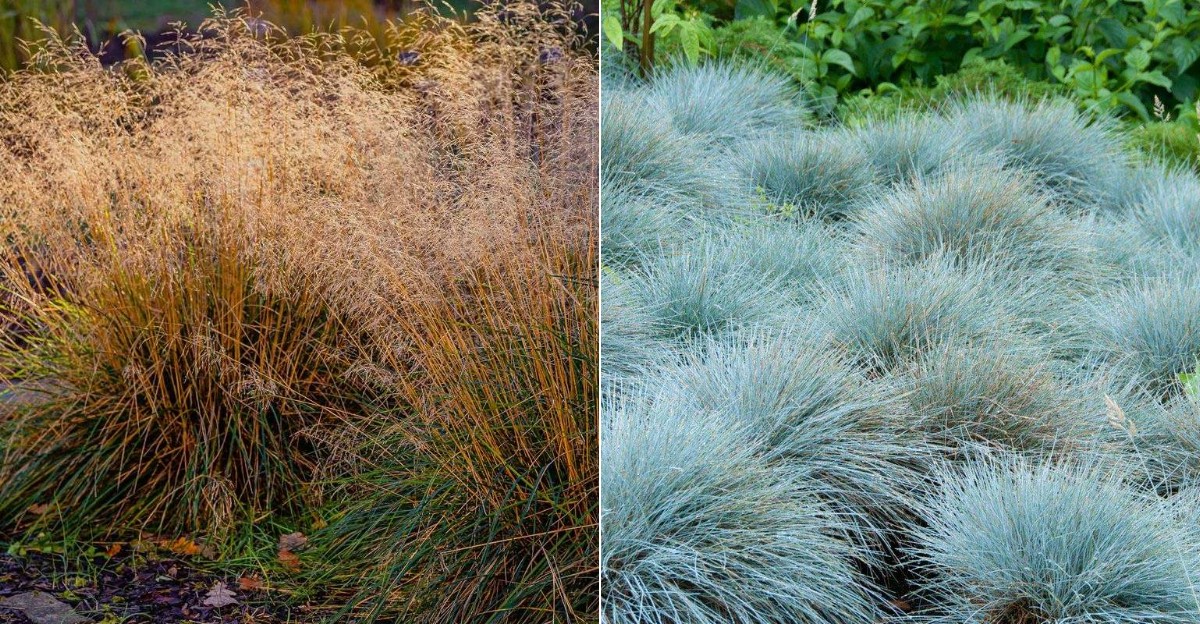
A perennial border can look beautiful in full bloom, but it can lose some of its structure once flowers fade.
Ornamental grasses can fill that gap, adding movement, height, and texture while giving the planting a fuller look through the seasons. Their fine foliage also creates a useful contrast against broad leaves and bold flowers.
Not every grass will work equally well in an Oregon border. Some prefer consistently moist soil, others handle drier conditions, and their mature size can vary dramatically.
Pairing the right grass with the right perennial helps prevent overcrowding and creates a more balanced planting.
You can use grasses as a soft backdrop, weave them between flowering plants, or let a few standout clumps anchor the edges of a bed. With thoughtful combinations, your border can have plenty of interest even after the biggest blooms have passed.
1. Blue Fescue Adds A Neat Low Edge
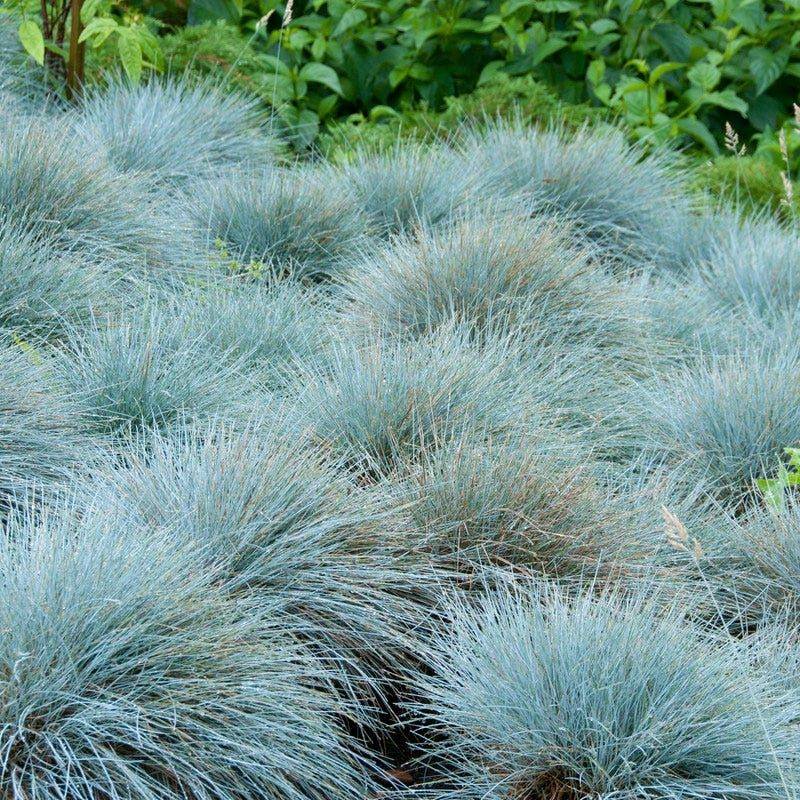
Looking for a grass that keeps borders looking sharp? Blue fescue forms neat little mounds of silvery-blue blades. It is small, tidy, and perfect for lining the front of a bed.
The cool blue color stands out against green leaves and bright flowers. Plant it in a row for a clean edge, or space clumps for a dotted look. It loves the sun and drains well in sandy soil.
Oregon gardeners enjoy how easy this grass is. It rarely needs trimming and stays under a foot tall. Just cut back old growth in early spring to keep it fresh.
Pair blue fescue with low perennials like coreopsis, sedum, or lavender. The blue tone makes yellow and purple blooms glow even brighter. It also works well in rock gardens.
One thing to watch is drainage. Soggy roots make this grass unhappy, so avoid wet spots. Raised beds or slopes suit it best in our rainy climate.
Fun fact: the blue color comes from a waxy coating that helps the plant hold in water. That is why it handles dry summers so well.
Every few years, dig up older clumps and divide them. This keeps them looking full and healthy. With little effort, blue fescue gives your border a crisp, polished frame all year.
2. Switchgrass Brings Height Behind Flowering Perennials
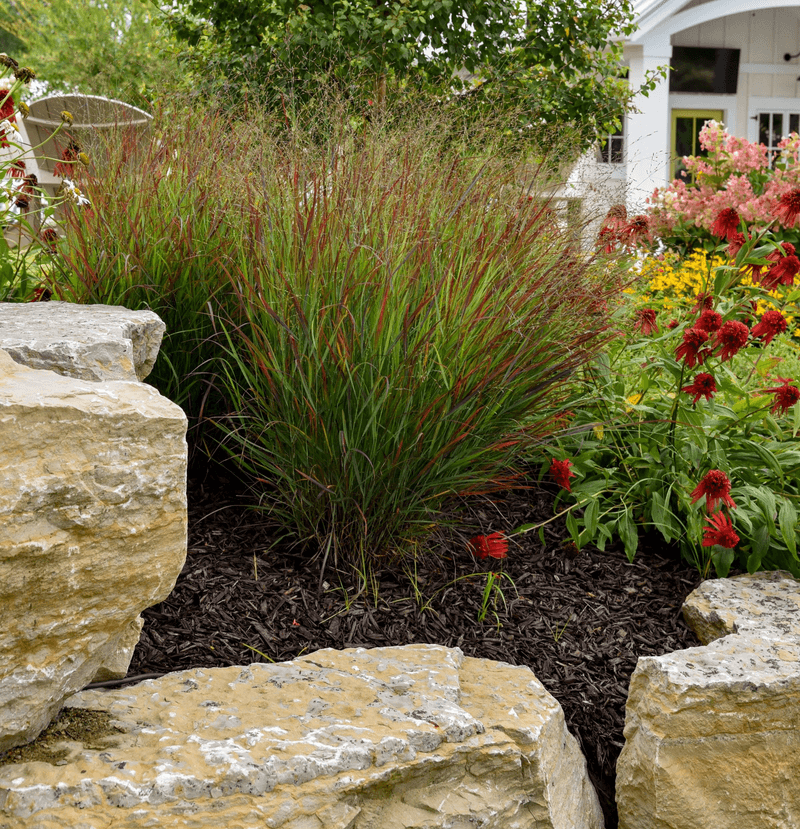
Some borders need a tall backdrop, and switchgrass fills that role with ease. It shoots up in graceful, upright stems topped with airy, cloud-like seed heads.
This native grass gives your garden real structure. Standing four to six feet tall, it makes a soft wall behind shorter flowers. The blades turn golden and reddish in fall.
Oregon summers suit switchgrass just fine. It handles heat, wind, and even poor soil without fuss. Once settled, it needs little water, making it a smart pick for busy weeks.
Place it behind coneflowers, black-eyed Susans, or tall phlox. The fine seed heads catch light and add sparkle above your blooms. Birds also love the seeds in winter.
The stems stay standing through cold months, giving the garden shape when flowers are gone. Wait until early spring to cut it back to a few inches.
Your Oregon Garden Changes Every Week. Your Plan Should Too.
Gardening in Oregon changes quickly throughout the season. Every Friday you’ll receive a simple weekly plan showing exactly what to plant, prune, fertilize, harvest, and protect so you never miss the right timing.
Look for varieties like Heavy Metal, which has steel-blue leaves, or Shenandoah, which turns deep burgundy. Both add strong color to any bed.
Wind makes this grass come alive. On breezy Oregon afternoons, the whole clump ripples and dances. That gentle motion brings your border to life.
Give it full sun and room to spread. Divide clumps every few years to keep them tidy. Switchgrass rewards you with height, texture, and lasting seasonal charm.
3. Tufted Hair Grass Softens Shady Borders
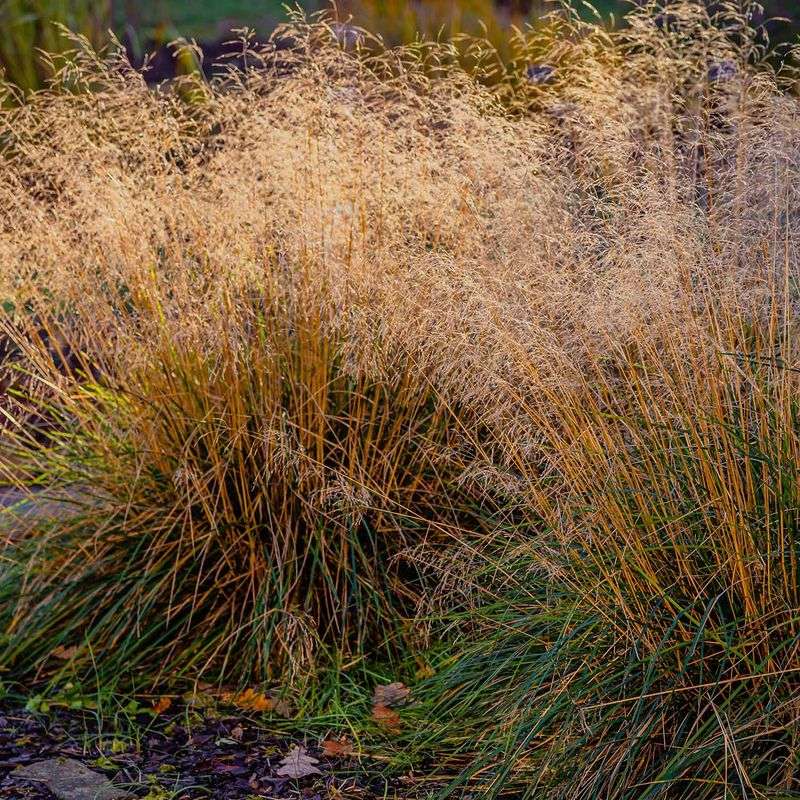
Shady spots can feel tricky, but tufted hair grass handles them beautifully. It forms neat green clumps topped with a misty haze of tiny flowers.
The seed heads look like a golden cloud floating above the leaves. This soft, airy effect brightens dim corners where many grasses struggle. It is one of the few that loves part shade.
Oregon woodlands and tree-shaded beds are a perfect home. The plant enjoys our moist soil and cooler light. Unlike sun-lovers, it stays fresh even in damp, shady ground.
Pair it with hostas, ferns, or astilbe for a lush layered look. The fine texture contrasts nicely with broad hosta leaves. Together they create a calm, natural feel.
This grass keeps its green color through much of the year here. In our mild winters, it often stays semi-evergreen, giving steady interest.
Grooming is simple. Comb out old blades with your fingers in spring, or trim lightly. It rarely needs dividing and grows slowly.
The flower haze also glows when backlit by morning sun peeking through trees. That soft shimmer makes it a garden favorite.
Give it steady moisture and rich soil for best results. Mulch helps hold water during dry spells. With little care, tufted hair grass turns shady borders into soft, glowing spaces full of gentle movement.
4. Prairie Dropseed Adds Fine Texture To Sunny Beds
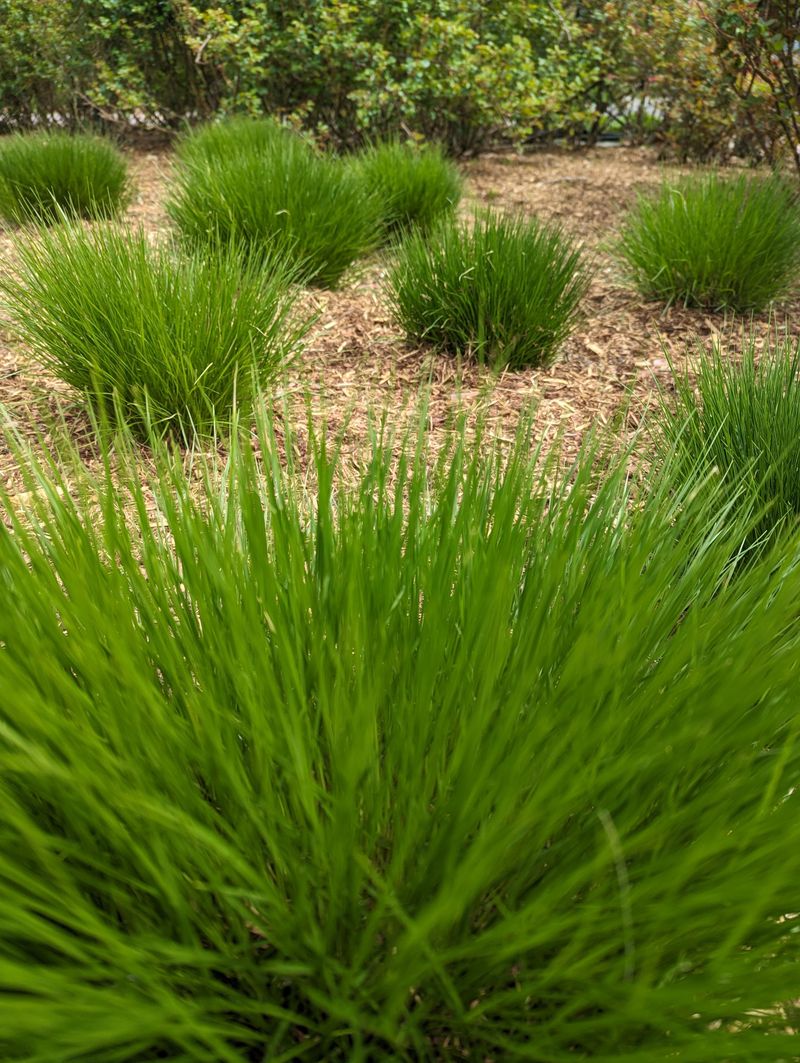
For a grass that feels soft and flowing, prairie dropseed is hard to beat. Its thin, thread-like blades arch out into a graceful, fountain-shaped mound.
The fine texture adds a gentle, feathery look to sunny beds. In late summer, delicate seed heads rise up and give off a light, sweet smell. Some say it hints of popcorn or coriander.
This tough native handles Oregon heat and dry soil without complaint. Once its roots dig deep, it barely needs watering. That makes it great for low-care gardens.
Fall brings a golden and orange glow that lasts into winter. The whole clump turns warm and coppery, adding color when blooms fade.
Try pairing it with butterfly weed, salvia, or aster. The soft grass balances out bold, upright flowers. It also looks lovely spilling over path edges.
Patience helps with this one. It grows slowly at first, taking a couple of years to fill in. The wait is worth it for the lush, flowing shape.
Give it full sun and well-drained soil. It dislikes soggy ground, so avoid wet corners. Once established, it thrives on neglect.
Cut it back in early spring before new growth starts. With its fine leaves and sweet scent, prairie dropseed brings quiet beauty and texture to any sunny border.
5. Japanese Forest Grass Works In Shadier Borders
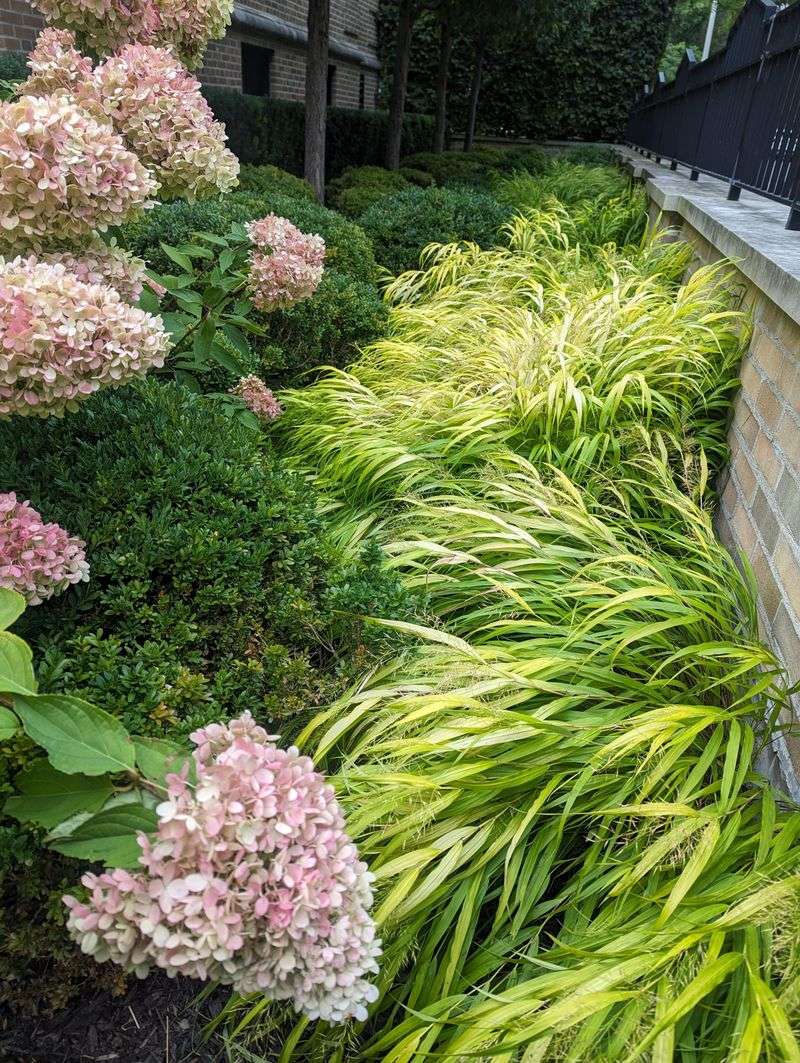
Few grasses bring color to shade like Japanese forest grass. Its bright golden or green blades cascade like a small waterfall over the ground.
The leaves flow in one direction, giving a soft, ripped-silk look. This gentle spilling shape softens edges and lights up dark corners. It is a true shade star.
The cool, moist climate we have here suits it well. Too much hot sun can scorch the leaves, so part shade is best. Under trees or along a north-facing wall works great.
Golden types like Aureola glow in dim light and pair beautifully with dark hostas or purple heuchera. The bright leaves make shady beds feel cheerful and alive.
Come autumn, the foliage takes on pink and copper tints. This late color adds a nice surprise before winter sets in.
It grows slowly and stays tidy, rarely spreading out of bounds. That makes it easy to place in small spots. Just keep the soil rich and damp.
Mulch around the base to hold moisture during dry weeks. Trim old growth in early spring for a fresh start.
Fun fact: this grass comes from mountain woodlands in Japan, where it grows on shady, rocky slopes. That is why it loves our similar cool shade. It brings elegant flow and warm glow to any shady border.
6. Feather Reed Grass Creates A Strong Vertical Accent
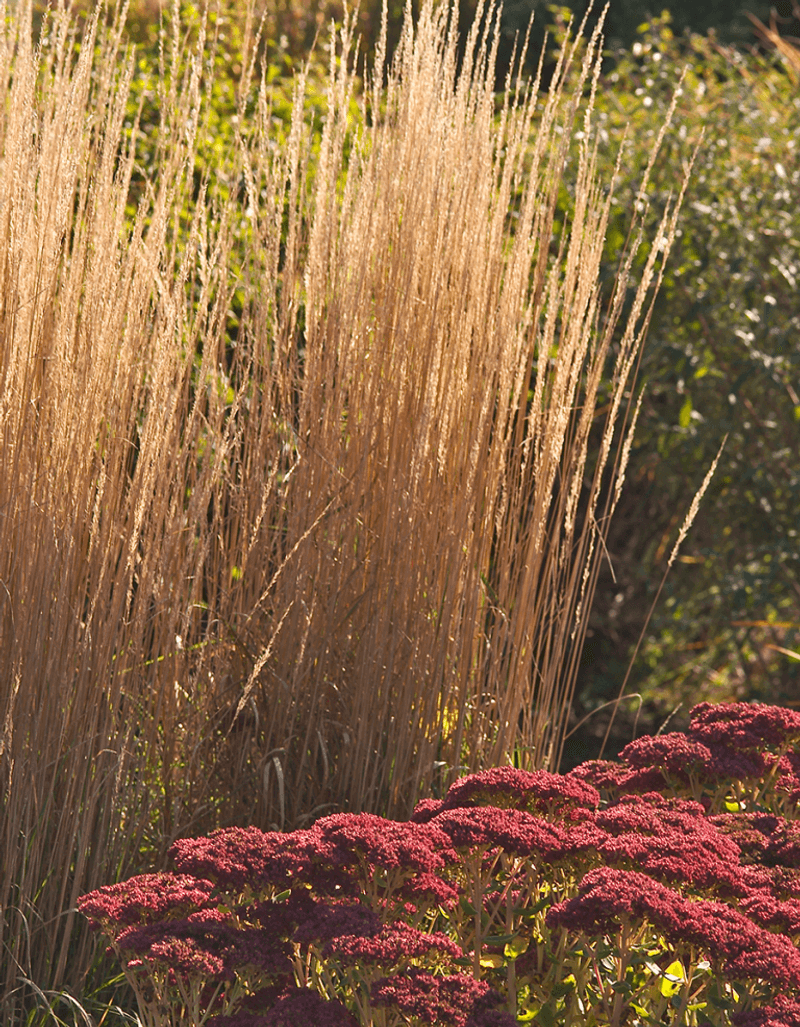
When a border needs bold structure, feather reed grass stands tall and proud. Its stiff, upright stems shoot straight up like slender columns.
Narrow feathery plumes rise above the leaves in early summer. They start pinkish, then fade to soft wheat-gold. Unlike floppy grasses, this one stays neat and vertical all season.
The variety Karl Foerster is the most popular choice. It is loved for its clean shape and reliable growth. Gardeners plant it for that crisp, formal look.
Use it to add rhythm along a fence or path. Spaced in a row, the tall spikes guide the eye and give order to busy beds. It pairs well with daylilies, salvia, and coneflowers.
This grass blooms earlier than most, adding interest by June. The plumes stay standing through fall and winter, giving lasting shape.
It handles heavy clay and damp soil better than many grasses, which is handy in our wet season. Full sun keeps it strongest and most upright.
Since it sets little seed, it will not spread and take over. That makes it easy to control in tight spaces.
Cut the old stems down in late winter before new shoots appear. With its tall, tidy form, feather reed grass brings a strong vertical accent that anchors any perennial border with style.
7. Purple Moor Grass Adds Late-Season Interest
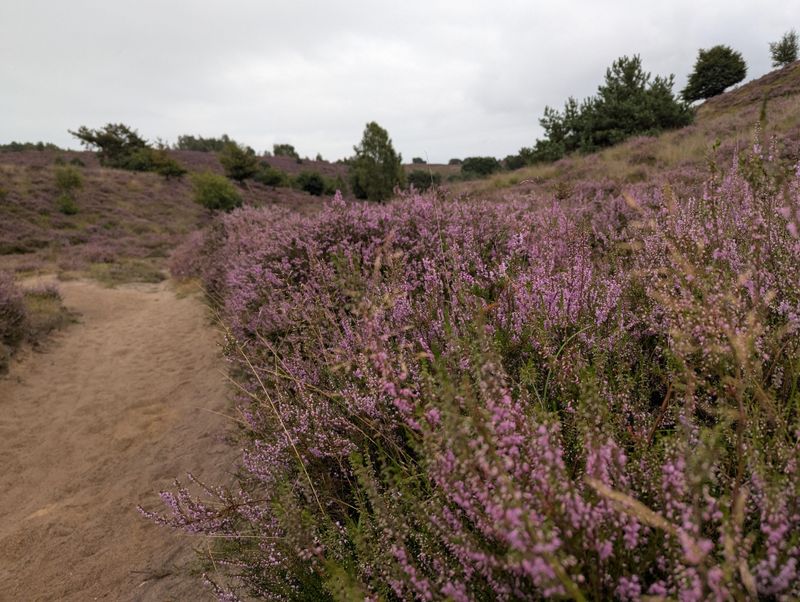
As summer winds down, purple moor grass steps into the spotlight. It sends up tall, see-through stems topped with purple-tinted flower spikes.
The airy plumes seem to float, letting you see right through them to the plants behind. This gauzy effect adds depth and softness to any border. Fall turns the whole clump bright gold.
Oregon’s damp, cool ground is exactly what this grass loves. It comes from wet moorlands, so our rainy climate feels like home. Steady moisture keeps it happy.
The green mound stays low most of the year, then the flower stems shoot up in late summer. That surprise burst of height keeps the garden exciting when blooms fade.
Pair it with late bloomers like sedum, Japanese anemone, or aster. The see-through plumes let their colors show through for a layered look. It also glows beautifully in low autumn sun.
Unlike many grasses, it drops its leaves cleanly in winter, so cleanup is simple. Just rake away the fallen blades.
Give it full sun or light shade and rich, moist soil. It grows slowly but lives a long time once settled.
Some types, like Skyracer, reach seven feet in bloom, while others stay shorter. Pick the size that fits your space. Purple moor grass brings graceful, glowing late-season charm to Oregon borders.
8. Sedge Gives Woodland Perennials A Softer Base
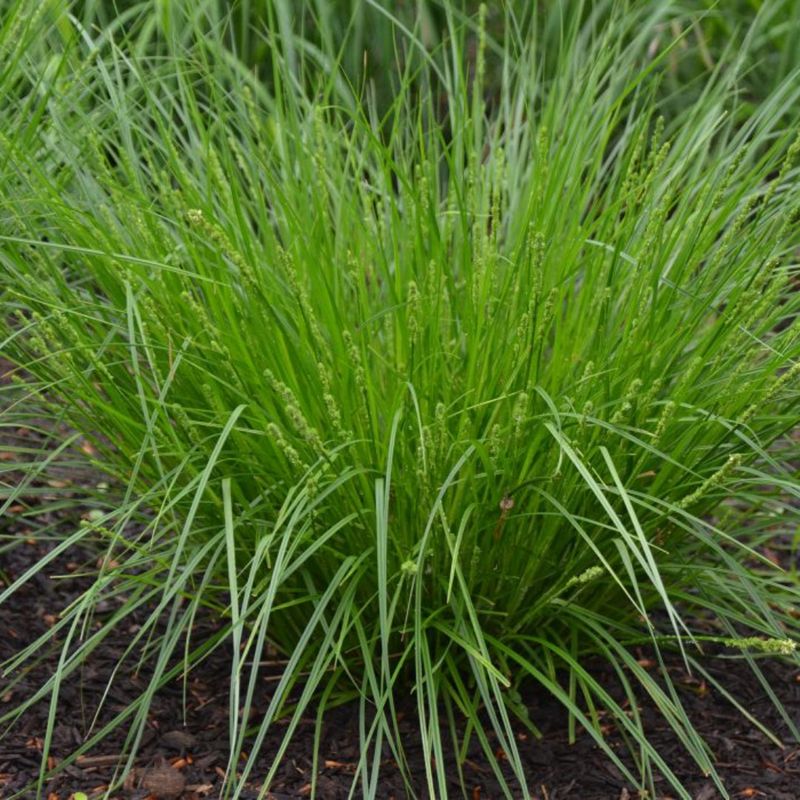
Not quite a grass but just as useful, sedge fills the ground with soft, grassy tufts. It grows low and spreads gently, forming a green carpet.
These plants love shade and damp soil, making them perfect under trees. They tuck neatly around larger perennials, hiding bare stems and soil. The result is a lush, finished look.
Moist woodlands are ideal for sedges. Many kinds stay green all year here, giving steady color even in winter. They ask for very little care.
Some sedges have bright gold stripes, while others show deep bronze or cool blue-green. This range lets you match or contrast with nearby plants. Try them with ferns, hostas, and bleeding heart.
Because they grow low, sedges make a soft base layer beneath taller flowers. They tie the whole border together and reduce weeds by covering open ground.
Watering matters most in dry summer weeks, especially for shade-loving types. A layer of mulch helps keep roots cool and moist.
Grooming is easy. Just comb out old leaves in spring or give a light trim. Divide crowded clumps every few years to keep them fresh.
Fun fact: an old saying goes, sedges have edges, meaning their stems are triangular, unlike round grass stems. With their gentle texture, sedges give woodland perennials a soft, welcoming home.