Minnesota Homeowners Are Racing To Native Plant Sales As The Yard Rewilding Trend Keeps Growing
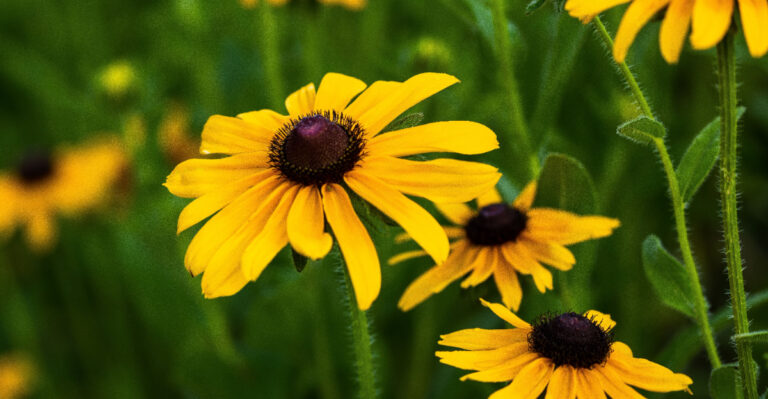
Lawns across Minnesota are being replaced by tall prairie plants this fall. Neighbors who once despised weeding now guard milkweed like treasure. Coneflowers and black-eyed susans now crowd boulevards near you.
Boulevard strips once mowed weekly now brim with color. Bees hover over purple blooms while goldfinches pull seed heads apart. Monarchs pause mid-migration for milkweed patches you can plant.
Weekend plant sales sell out within hours, sometimes minutes. Talk of pollinator corridors spreads faster than seed catalogs can print. Volunteers report lines forming before sunrise, wagons already loaded.
Wagons roll out full while latecomers stand empty-handed at the curb. Gardeners who once ignored soil now track bloom times closely. You do not need decades of experience to start this.
Minnesota’s short growing season makes fall planting oddly urgent. Roots need cool soil weeks before frost locks the ground. Here is why your next move decides this whole fall.
Fall Plant Sales Have Turned Into Weekend Events
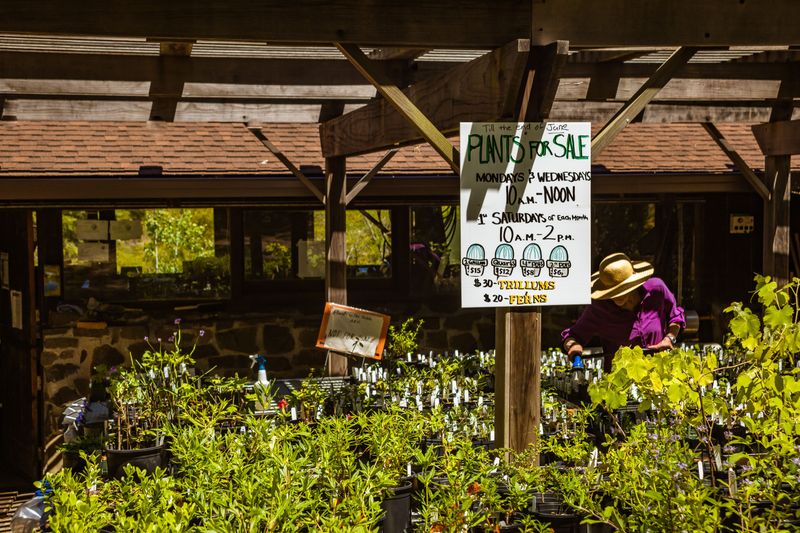
Picture a church parking lot in St. Paul at 8:45 on a Saturday morning, with a line already curling around the fence. Inside the gate sit hundreds of pots labeled with names like little bluestem and wild bergamot.
Soil and Water Conservation District sales, Master Gardener groups, and nonprofit nurseries all host these fall events across the state. Many post plant lists online weeks ahead, and savvy shoppers pre-order so they are not left staring at empty tables.
September works in your favor here. Cooler air means less stress on young roots, and autumn rain does a good share of the watering for you.
Prices tend to surprise newcomers. A quart-sized native perennial often runs a few dollars, far less than a flat of annuals that fade by October.
Bring a wagon, a box with dividers, and a rough sketch of your yard. Knowing whether your spot is sunny, shady, soggy, or sandy will save you from guessing while a crowd shuffles behind you.
Volunteers at these sales are a resource worth more than the plants. Many have grown the same species in similar Minnesota soil and will tell you honestly which ones spread with enthusiasm.
Fun bit of history: several of these sales started decades ago as small seed swaps among prairie enthusiasts.
Now they draw thousands, and some sell out within two hours of opening the gates. Arrive early, chat with strangers, and expect to leave with more than you planned.
Pollinators Show Up Faster Than Anyone Expects
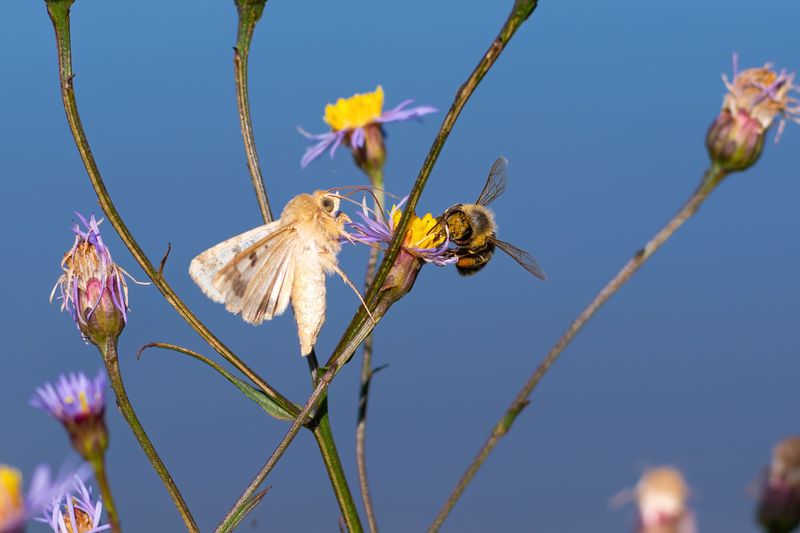
Ask anyone who swapped a strip of lawn for coneflower and blazing star, and you will hear the same happy shock.
Within weeks, insects arrived that they had forgotten existed. Minnesota is home to several hundred native bee species, plus moths, beetles, and butterflies that depend on specific plants.
The state’s official bee, the rusty patched bumble bee, is federally endangered and responds well to backyard plantings of milkweed, wild lupine, and prairie clover.
Monarchs get the spotlight, but they are only one story. Swamp milkweed and common milkweed feed their caterpillars, while fall-blooming asters and goldenrod fuel the long flight south that starts around this month.
Your Minnesota Garden Changes Every Week. Your Plan Should Too.
Gardening in Minnesota changes quickly throughout the season. Every Friday you’ll receive a simple weekly plan showing exactly what to plant, prune, fertilize, harvest, and protect so you never miss the right timing.
Timing your plant choices matters. Aim for something in bloom from April through October so there is food across the whole season rather than one showy burst in July.
Skip the tidy instinct in autumn. Hollow stems shelter small bees over winter, and leaf litter protects moth cocoons, so leaving stalks standing until late spring gives those creatures a fighting chance.
Homeowners often report fewer mosquito complaints too, partly because dragonflies and birds move in once there is cover and food.
One practical note on shopping: ask whether plants were grown without systemic insecticides. Some big-box nursery stock carries treatments that linger in the flowers, which defeats the purpose.
Small patches count. Even a four-by-eight bed near a sidewalk becomes a stepping stone in a larger pollinator highway.
Lawn To Legumes Money Is Pulling People In

Cash helps. Minnesota’s Lawn to Legumes program has handed out reimbursement grants to homeowners planting pollinator habitat, with amounts varying by funding round (check current program guidelines for exact figures).
The Lawn to Legumes program has received more applications than available funding in most rounds since it launched. Even folks who do not win a grant can use the free planting guides and coaching workshops that come with it.
Beyond the state level, plenty of cities and watershed districts offer their own cost-share deals. Minneapolis, Bloomington, and various metro watershed groups have funded rain gardens, shoreline buffers, and turf conversions, sometimes covering a large slice of the bill.
Worth checking before you buy anything: many programs require approval before purchase, so a receipt from last weekend might not qualify.
Applications often open in late winter or spring, which makes September a smart planning month. You can measure your space, photograph it, and sketch a design while the yard still shows you where water pools and where sun lingers.
Documentation is simple but specific. Keep receipts, take before-and-after photos, and note the species you planted since those details usually appear on the reimbursement form.
Some neighbors go in together and convert adjoining boulevards, which creates a bigger habitat patch and splits delivery costs on mulch or compost.
The grant is a nudge, not the whole reason. Still, having part of the cost covered makes that first leap off turf far less intimidating.
Prairie Grasses Are Becoming A Landscaping Favorite
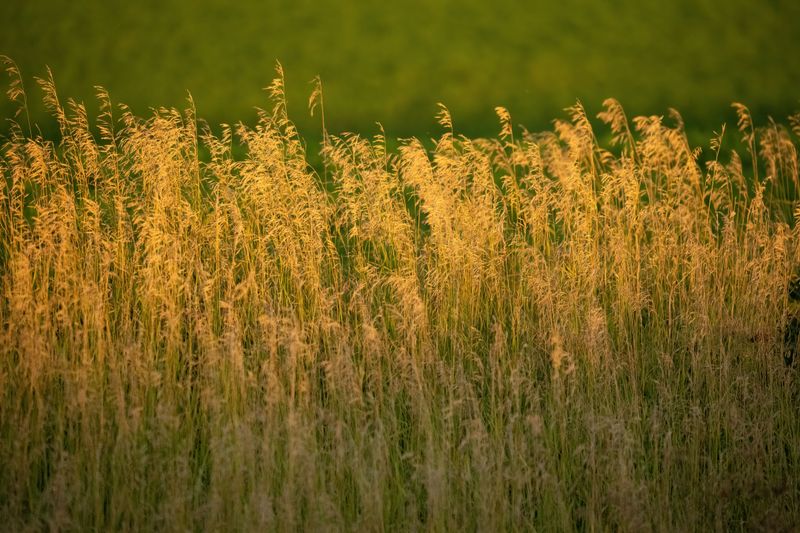
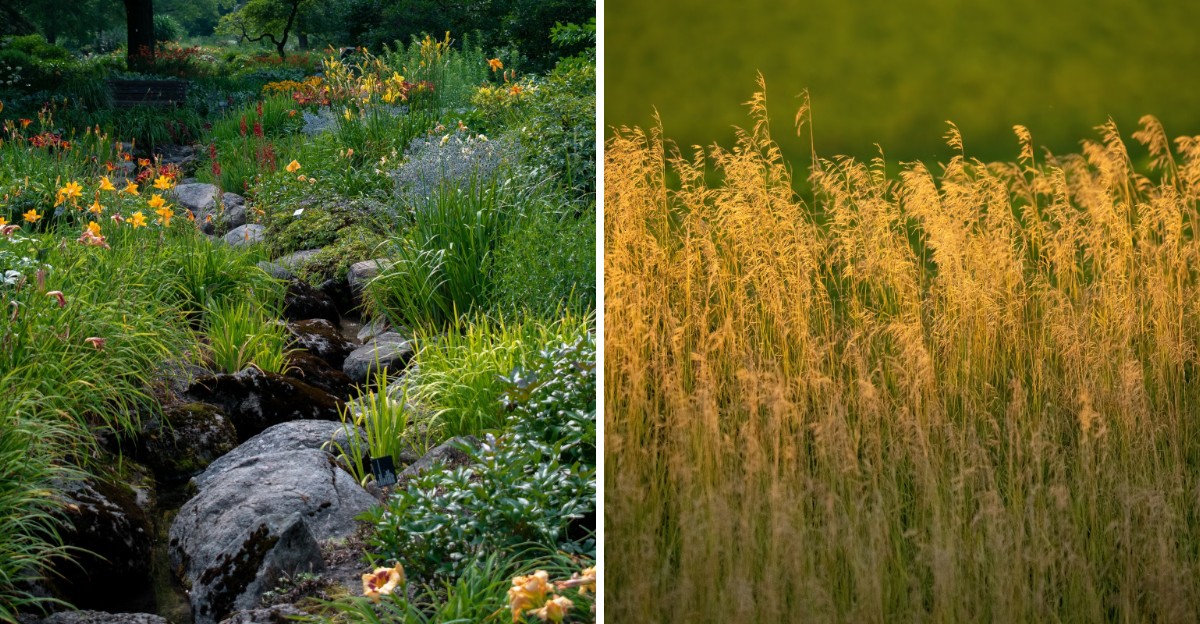
Flowers get the credit, but the grasses are what make a rewilded yard look intentional rather than accidental. Little bluestem turns a coppery rust in autumn that catches low sunlight like stained glass.
Prairie dropseed forms neat green fountains and releases a scent some describe as buttered popcorn or cilantro when it flowers. Landscape designers love it for edging paths because it stays tidy and predictable.
Root systems are the real magic underground. Big bluestem and Indiangrass send roots several feet deep, which loosens compacted Minnesota clay and soaks up stormwater that would otherwise rush to the storm drain.
That depth also explains the drought performance. Once established after a season or two, these grasses handle August heat with little to no watering.
Mixing grasses with flowers solves a common complaint about prairie plantings looking messy. Grasses knit everything together, hold up floppy stems, and give the bed structure through winter snow.
Birds treat the seed heads as a buffet. Juncos, sparrows, and goldfinches work the stalks from October into March, which turns a boring dormant season into decent window entertainment.
A caution for small spaces: big bluestem and switchgrass can reach five to seven feet. Save those for back borders and pick side-oats grama or prairie dropseed for tight front beds.
Plant them now, water for a few weeks, and let frost tuck them in. Next September they will look like they belonged there the whole time.
Rain Gardens Solve Soggy Corners And Look Good Doing It
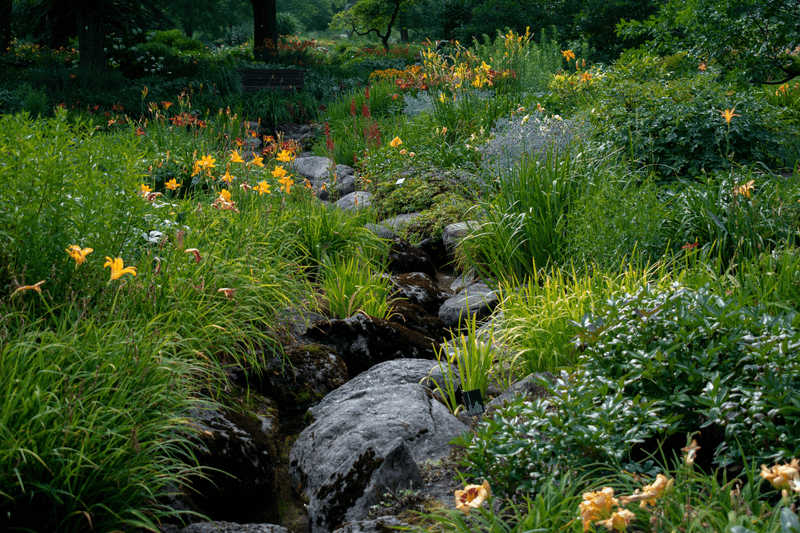
That mushy patch beside your downspout has been a nuisance for years. Native plants treat it as prime real estate.
Rain gardens are shallow basins planted with species that tolerate both flooding and dry spells. Blue flag iris, swamp milkweed, cardinal flower, and tussock sedge handle the swing beautifully.
Minnesota gets serious downpours, and a single inch of rain on a typical roof sends hundreds of gallons across the yard. Capturing that water on site keeps phosphorus and lawn chemicals out of nearby lakes, which matters in a state with thousands of lakes.
Placement rules are straightforward. Keep the basin at least ten feet from your foundation, avoid septic areas, and steer clear of utility lines by calling Gopher State One Call first.
Sizing does not need to be exact. A basin roughly six to eight inches deep, covering about a tenth of the roof area it drains, handles typical storms well.
Test your soil drainage with a simple hole and a bucket of water. If it empties within a day, you are in good shape; heavy clay may need amended soil or a slightly wider, shallower shape.
Mulch with shredded hardwood rather than wood chips that float away. River rock at the inlet slows incoming water and prevents washouts.
Within two summers, the corner that used to squelch under your shoes becomes the spot neighbors stop to photograph. Frogs sometimes move in, which children find far more exciting than grass.
Keeping Peace With Neighbors And City Code
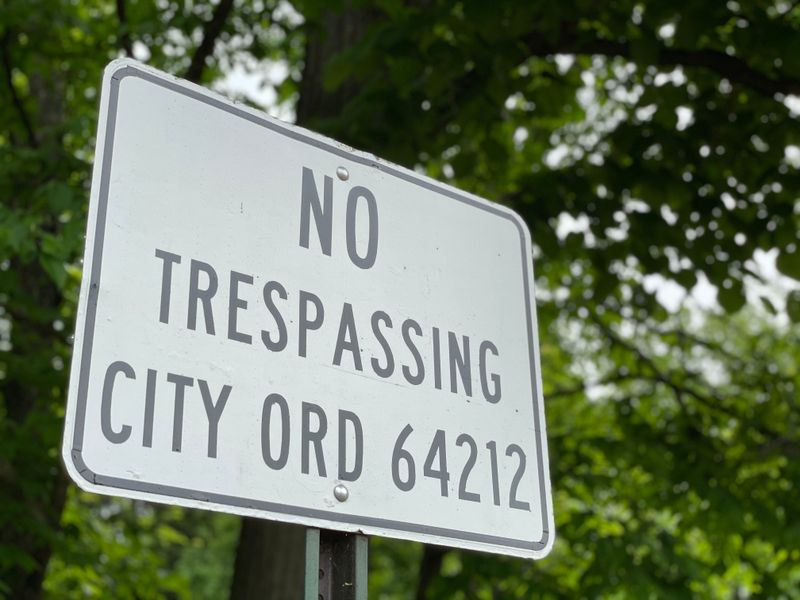
A prairie garden can draw quick reactions from neighbors. A little strategy keeps things friendly.
Minnesota has taken steps at the state level to limit how cities restrict natural landscaping, and many municipalities have updated their weed ordinances to allow managed native plantings.
Checking your city’s code and any HOA rules before digging saves headaches later. Visual cues do heavy lifting. A mowed grass strip a couple feet wide around the bed, plus a low fence, boulder, or metal edging, signals care rather than neglect.
Signs help enormously. Free or low-cost pollinator habitat markers from conservation groups tell passersby the tall stems are intentional.
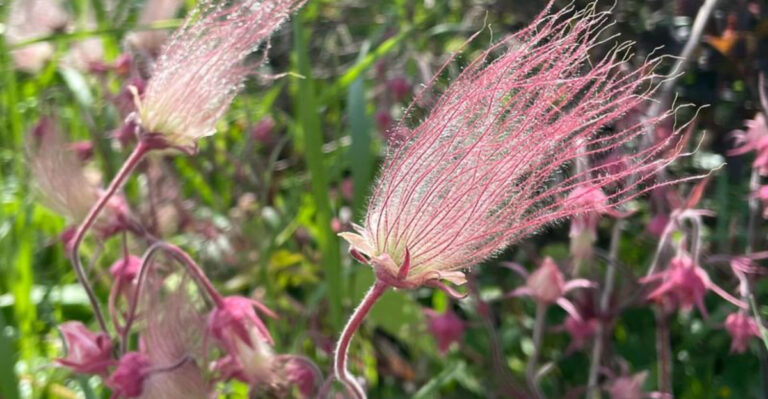
Height placement matters too. Put shorter species like pussytoes, prairie smoke, and harebell along the sidewalk, then step up to taller joe-pye weed and bergamot toward the house.
Talk to the folks next door before you start. Explaining that you are planting for butterflies, not letting things go, turns potential complaints into curiosity, and sometimes into their own project the following spring.
Maintenance still exists, just different. Spring cutback, spot-pulling aggressive weeds like creeping charlie and garlic mustard, and occasional thinning keep the planting looking cared for.
Watch for spreaders. Canada goldenrod and common milkweed can wander, so tucking them into wilder back areas works better than featuring them out front.
Give it three seasons. The old saying among prairie gardeners is sleep, creep, then leap, and year three is usually when skeptical neighbors start asking where you bought your plants.