After the harvest, clean out these 8 hiding spots where Wisconsin garden pests overwinter
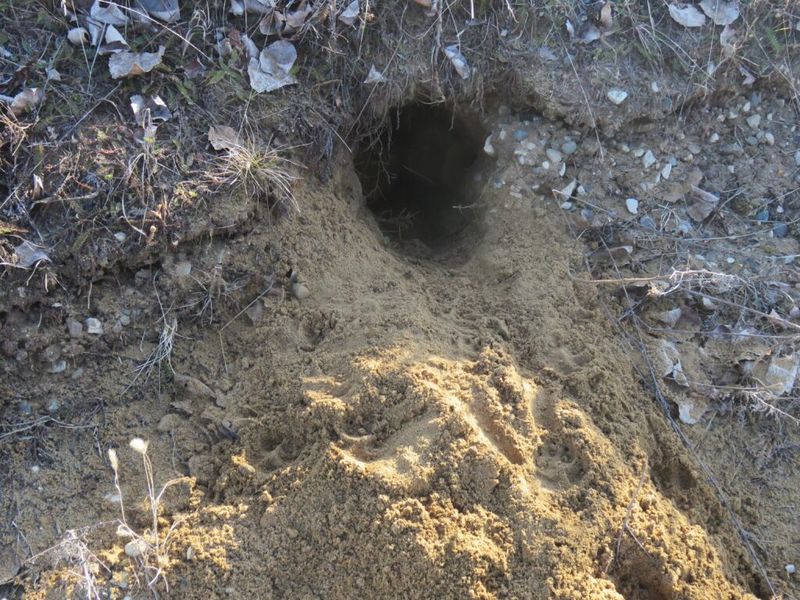
As September brings cooler air and shorter days across the state, gardeners are busy pulling the last of their tomatoes, squash, and beans. What many people forget is that the mess left behind after harvest becomes a cozy winter hideout for insects.
Cleaning up now means fewer pests attacking your plants next spring. Here are eight spots to check before the ground freezes.
1. Plant Debris and Crop Residue
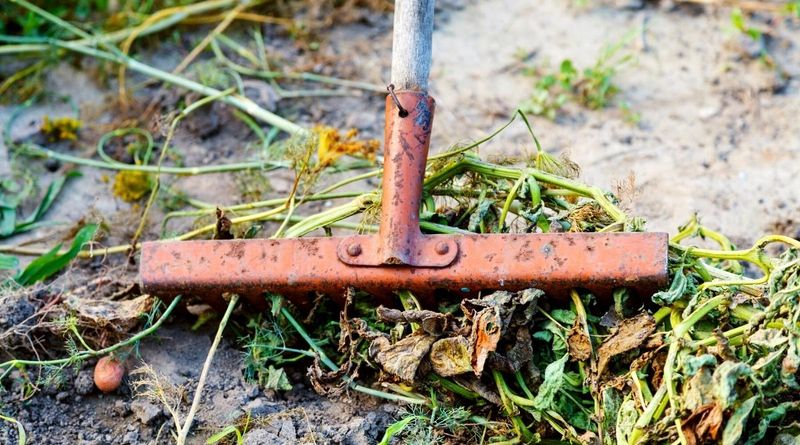
Leftover vines, stems, and rotting fruit might look harmless once the growing season ends, but they are basically a five-star hotel for bugs. Squash bugs tuck themselves into this material as adults, waiting out the cold Wisconsin winter in comfort.
Asparagus beetles hide in crop residue and mulch, while aphids can survive as eggs or adults clinging to old leaves. Thrips shelter inside decaying plant matter, and cutworm moths love to lay eggs in weedy, messy patches near the soil.
Raking up and removing this debris cuts off their shelter before winter sets in. Toss diseased or pest-heavy material in the trash rather than the compost.
A clean bed in fall gives Wisconsin gardeners a real head start against next year’s outbreaks.
2. Garden Soil Burrowed Deep
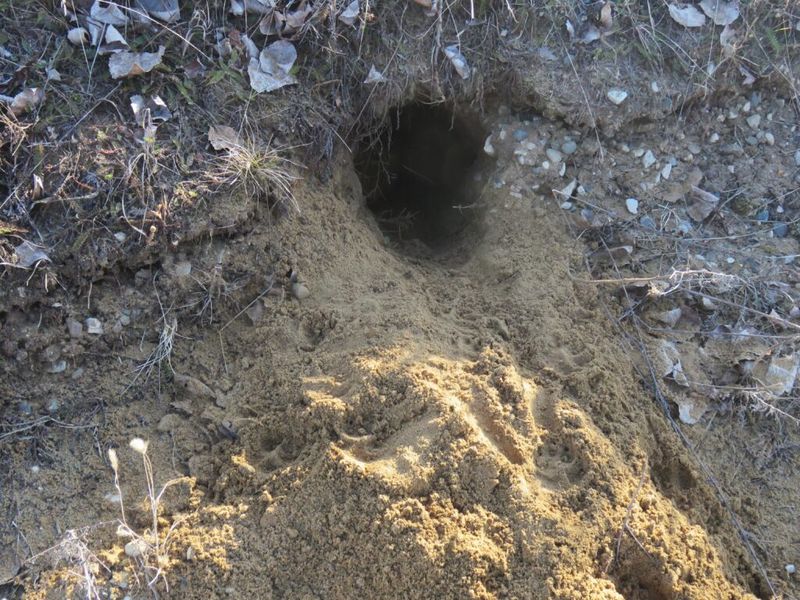
Some of the toughest pests skip the surface entirely and dig straight down. Colorado potato beetles burrow roughly 10 to 30 centimeters into the earth as adults, sleeping soundly until warm weather returns.
Western bean cutworms go deeper still, overwintering as pre-pupae about 12 to 25 centimeters down. Slugs also lay their eggs in protected pockets of soil, and in milder Wisconsin winters, adults and juveniles can survive too.
A light fall tilling exposes some of these buried pests to freezing temperatures and hungry birds. It will not catch every insect, but it disrupts their comfort and knocks back populations.
Turning the soil is one simple job that pays off big for Wisconsin vegetable growers.
3. Leaf Litter
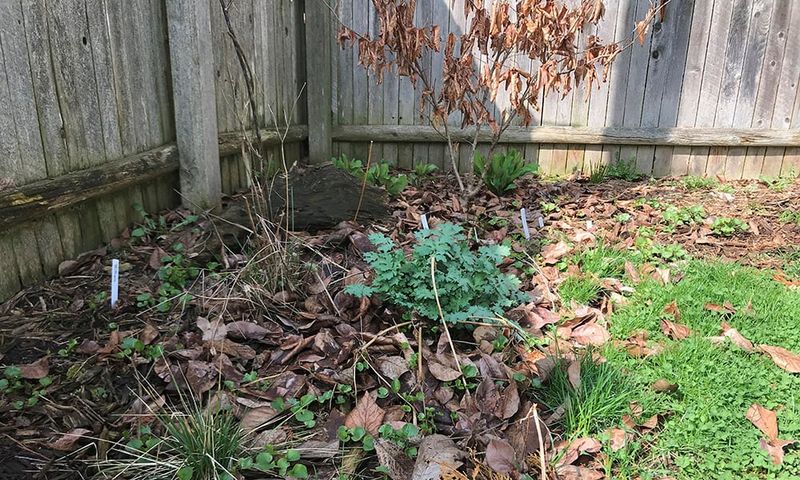
Fallen leaves feel like a warm blanket, and pests agree. That crunchy carpet piling up along garden edges gives squash bugs, asparagus beetles, and thrips a snug place to ride out the freeze.
Cabbage worm pupae are especially fond of hiding under dead plants and leaf piles right in the vegetable patch. Once spring arrives, they emerge hungry and ready to chew through your brassicas.
You do not have to strip the whole yard bare, since leaves can help native pollinators elsewhere. Just clear the litter directly around your beds and edibles.
Keeping the growing area tidy helps Wisconsin gardeners avoid a surprise pest army come May.
4. Hollow Stems of Old Plants
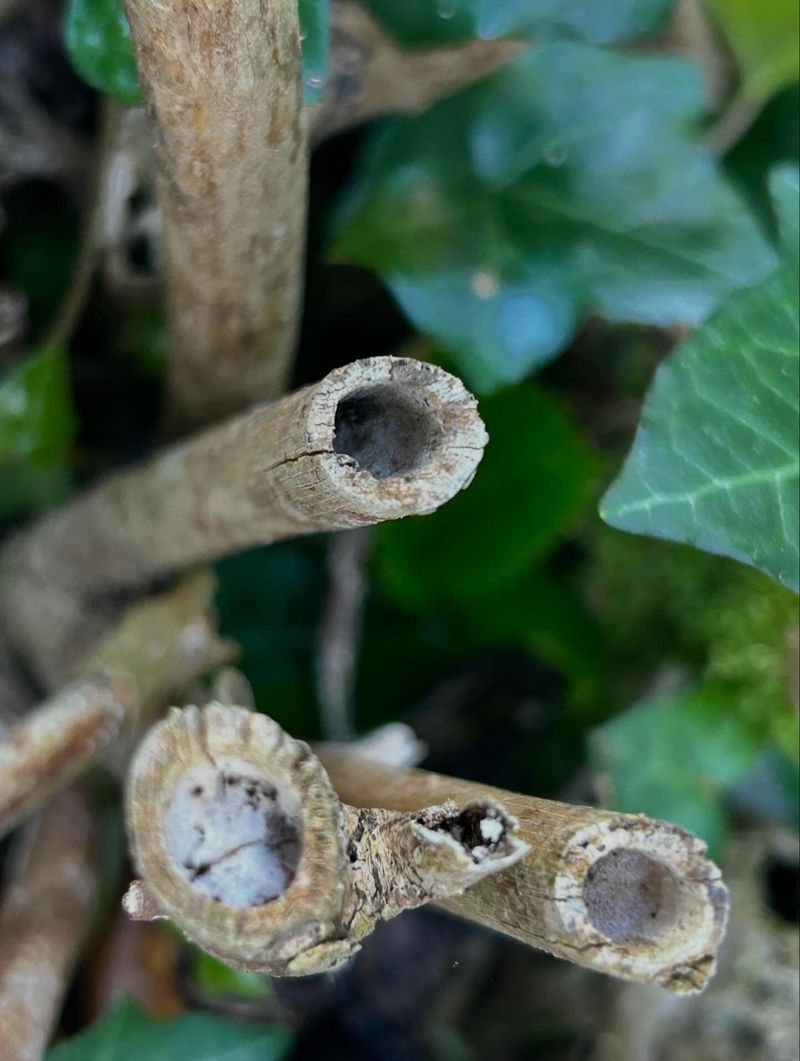
Ever notice how some old plant stalks are hollow inside? Asparagus beetles certainly have.
These adults crawl right into the empty tubes of spent asparagus stems and settle in for the season.
Other pests take advantage of hollow or pithy stalks too, treating them like tiny insulated cabins. The plant that fed you all summer becomes a winter bunker for the very bugs that damage it.
Cutting down and disposing of old hollow stems removes that shelter completely. For asparagus growers in Wisconsin, this step is especially worthwhile since beetle numbers can build year after year.
Your Wisconsin Garden Changes Every Week. Your Plan Should Too.
Gardening in Wisconsin changes quickly throughout the season. Every Friday you’ll receive a simple weekly plan showing exactly what to plant, prune, fertilize, harvest, and protect so you never miss the right timing.
A quick trim now saves headaches later.
5. Under Rocks, Logs, and Boards
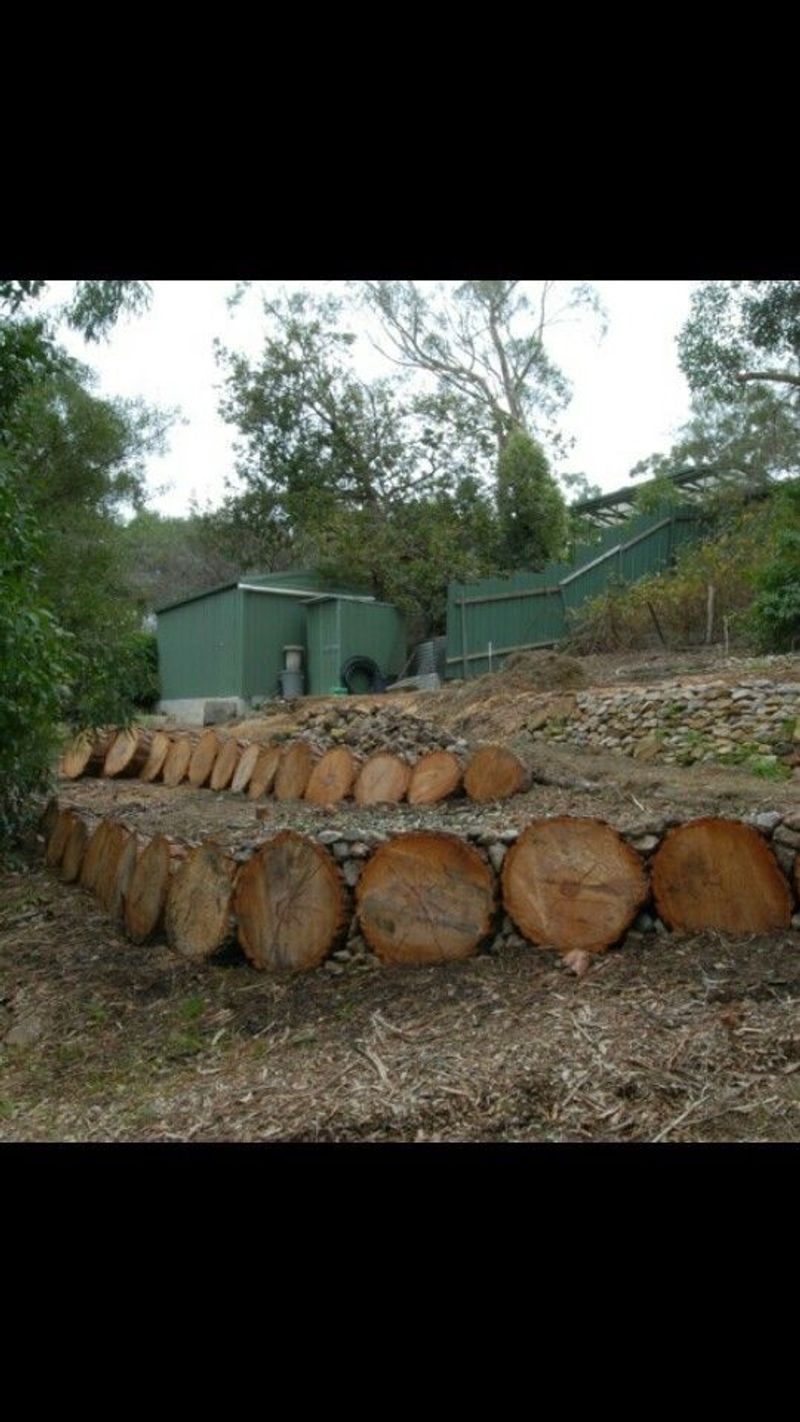
Flip over a board that has been sitting in your garden all summer, and you might be surprised at the crowd underneath. Adult squash bugs love wedging themselves beneath rocks and logs where the wind never reaches.
Slugs also gather in these dark, moist hideaways, munching contentedly through the cooler months. Some gardeners actually place boards on purpose as traps, checking them each morning to collect the pests hiding below.
Whether you use them as traps or simply clear them away, dealing with these objects matters. Removing stray lumber, stones, and clutter takes away the shady refuge pests crave.
Wisconsin gardeners who tidy these spots find fewer squash bugs waiting in spring.
6. Weedy Areas and Overgrown Grass
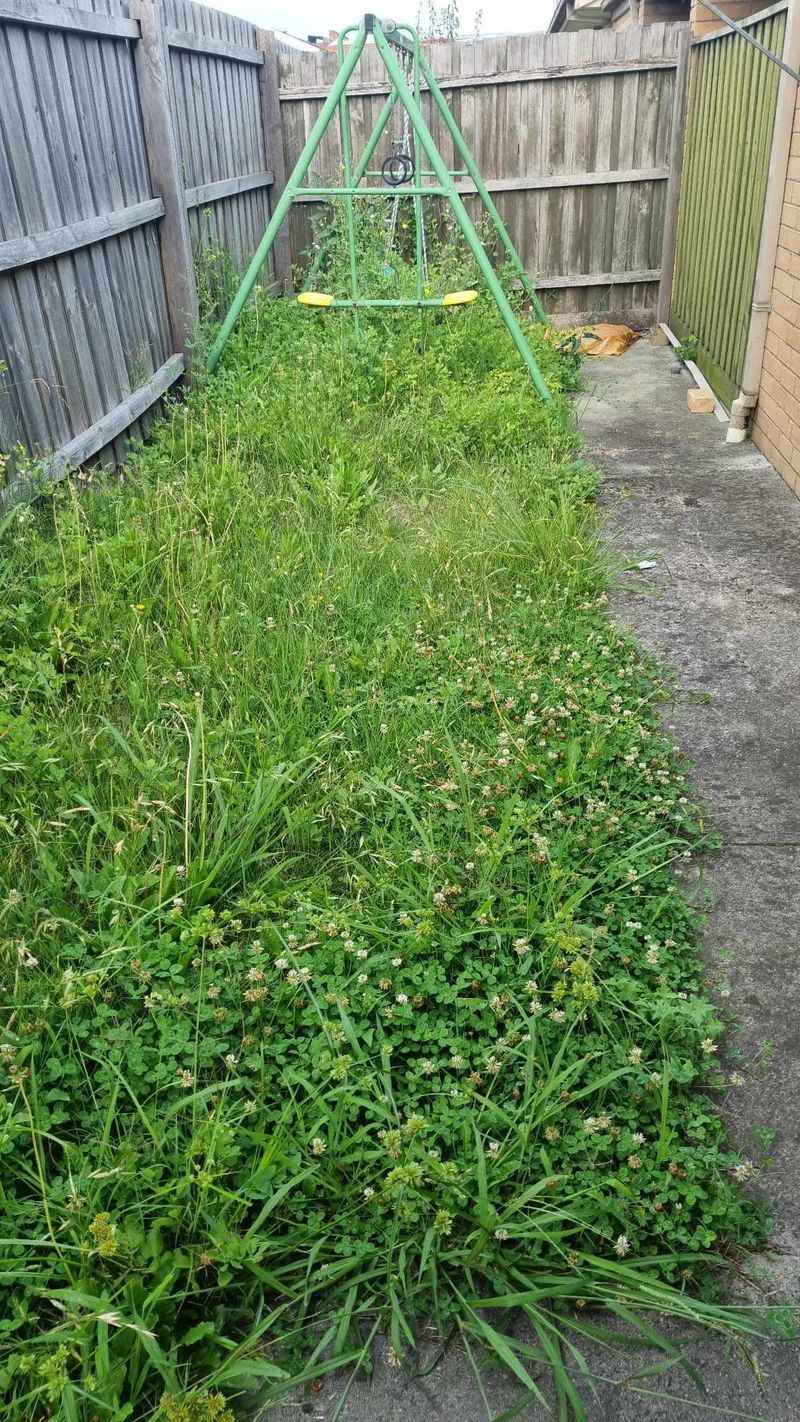
That scruffy corner of tall weeds you have been meaning to deal with? Pests noticed it long before you did.
Cutworm moths seek out weedy, overgrown patches to lay their eggs, giving next season’s larvae a running start.
Winter cutworms hide beneath lawn weeds and shaggy grass, staying protected until temperatures climb again. Overgrown ground cover traps warmth and moisture, exactly what many insects need to survive.
Mowing down tall grass and pulling weeds around your beds strips away that protection. It also makes the whole area less inviting for pests searching for shelter.
A neat garden perimeter is one of the easiest defenses Wisconsin gardeners can put in place.
7. Firewood Piles, Wooded Areas, and Field Edges
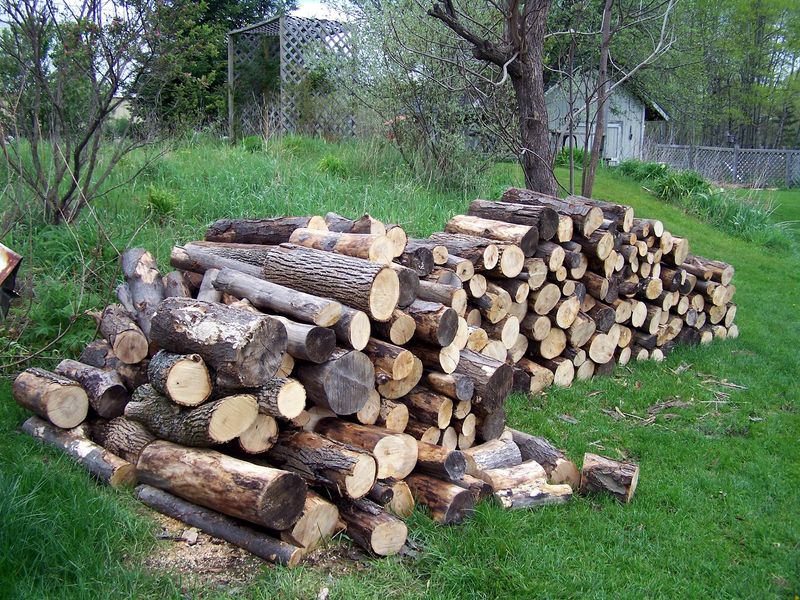
When pests want serious shelter, they head for the woods, sometimes literally. Squash bugs migrate into firewood piles, wooded areas, and along fence rows to escape the harshest cold.
Colorado potato beetles often choose protected ground near trees or in grassy edges surrounding gardens and fields, and they will settle into nearby wood lots. Asparagus beetles also overwinter in adjacent woods, sometimes tucking beneath loose tree bark.
You cannot clear an entire forest, but you can move firewood away from garden beds and keep field edges trimmed. Reducing that easy travel path between wild cover and your crops makes a difference.
Rural Wisconsin gardeners benefit most from keeping these buffer zones clean.