The Best Pennsylvania Native Ferns For Smothering Weeds In Deep Shade
Deep shade is one of the most challenging growing situations in any Pennsylvania yard. The spots under dense tree canopies, along north facing walls, or in the shadowy corners where sunlight barely reaches for more than a few minutes a day.
Most plants struggle or refuse entirely in these conditions, and the result is often bare soil that weeds seem to find perfectly hospitable despite the low light. Native Pennsylvania ferns are the solution most gardeners overlook.
The right native fern planted in deep shade doesn’t just survive. It spreads, fills in, and eventually creates a dense enough canopy of foliage at ground level that weeds simply can’t compete.
No constant pulling, no barrier fabric that eventually fails, no ongoing battle with invasive ground covers. Just ferns doing what they evolved to do in exactly these conditions.
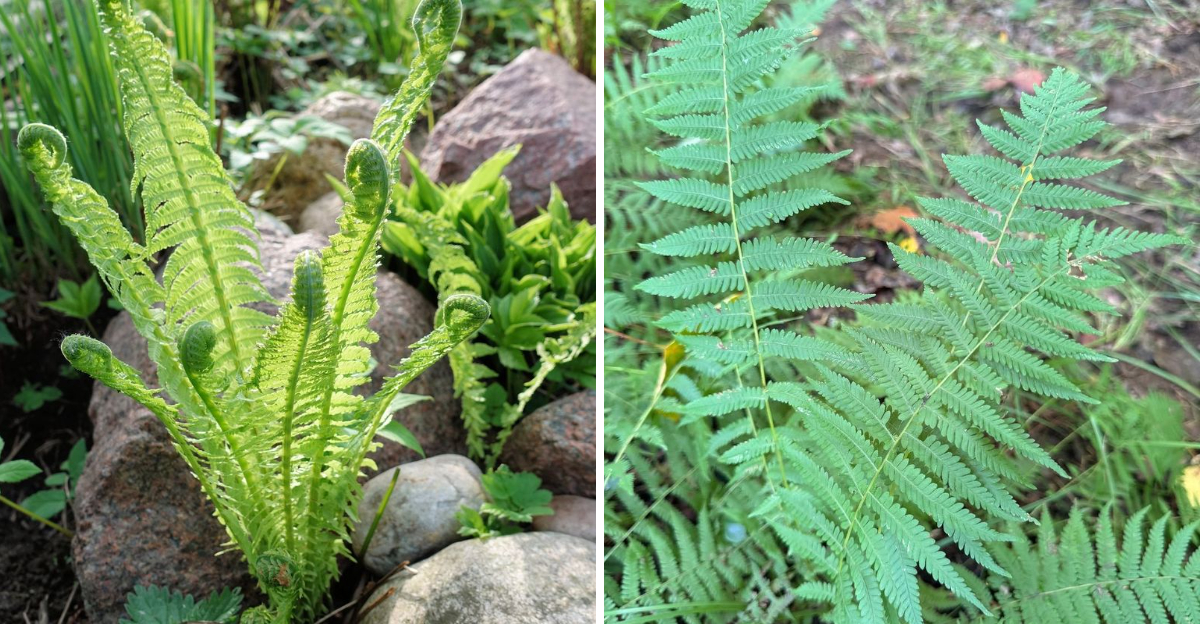
Pennsylvania has several native fern species that excel at this specific role, each suited to slightly different deep shade conditions and each capable of transforming a problem area into something genuinely beautiful.
1. Broad Beech Fern (Phegopteris Hexagonoptera)
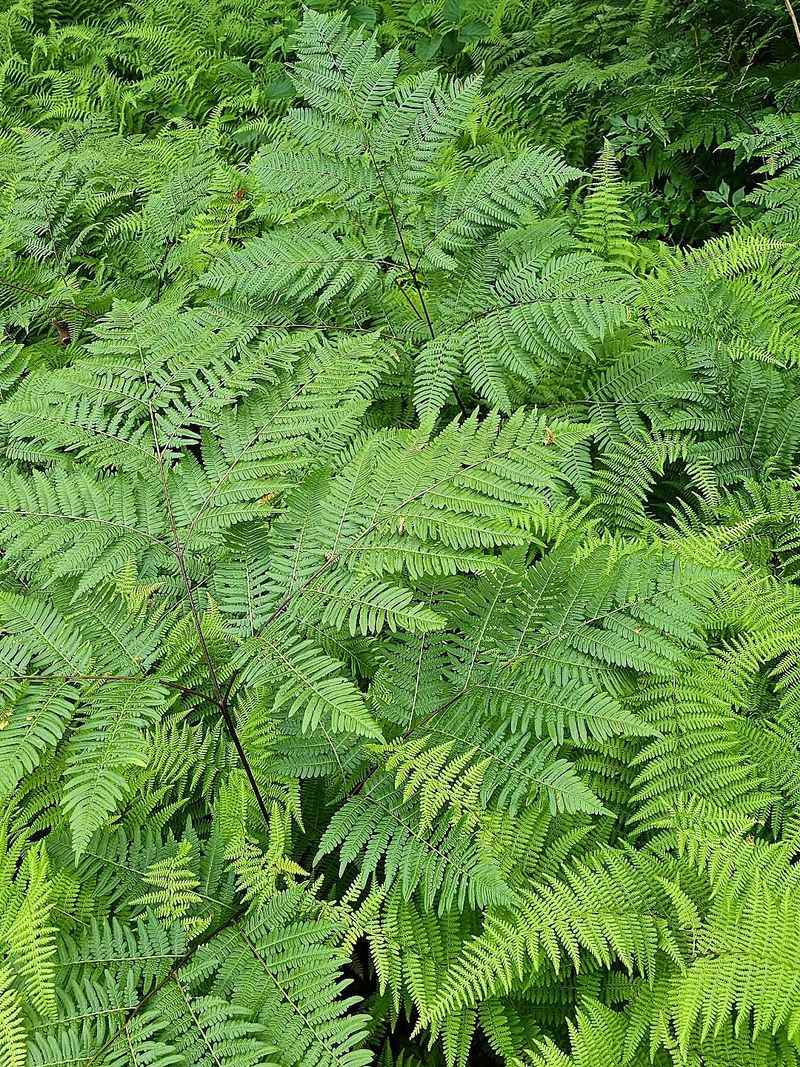
Few ferns can spread as eagerly or cover ground as thoroughly as the broad beech fern. Its wide, triangular fronds sit low to the ground and overlap each other, creating a tight, leafy carpet that blocks sunlight from reaching the soil below.
Weeds simply cannot compete once this fern gets going. Broad beech fern spreads through creeping underground stems called rhizomes. These rhizomes move steadily through moist, humus-rich, acidic soil, pushing new fronds up as they go.
Plant it in deep shade beneath large trees where grass refuses to grow, and watch it fill in over two to three seasons.
One thing to keep in mind is that this fern does not stay put. An established colony can spread beyond its original planting area, so give it space where you want full coverage. It is not a good choice for tight, formal borders where you need clean edges.
Soil preparation makes a big difference with broad beech fern. Mix in compost or leaf mold before planting to boost organic content and help retain moisture.
It struggles in dry or compacted ground, so avoid planting it near driveways or under trees with very shallow, dense root systems that dry out the topsoil quickly.
Water newly planted specimens regularly during the first growing season to help them establish strong rhizome networks. Once settled in, broad beech fern is remarkably self-sufficient.
It does not need fertilizer, and fallen leaves from surrounding trees actually serve as a natural mulch that keeps the soil cool and moist.
For a large, shaded area with weed problems, this fern is one of the most rewarding choices available to Pennsylvania gardeners.
2. Sensitive Fern (Onoclea Sensibilis)
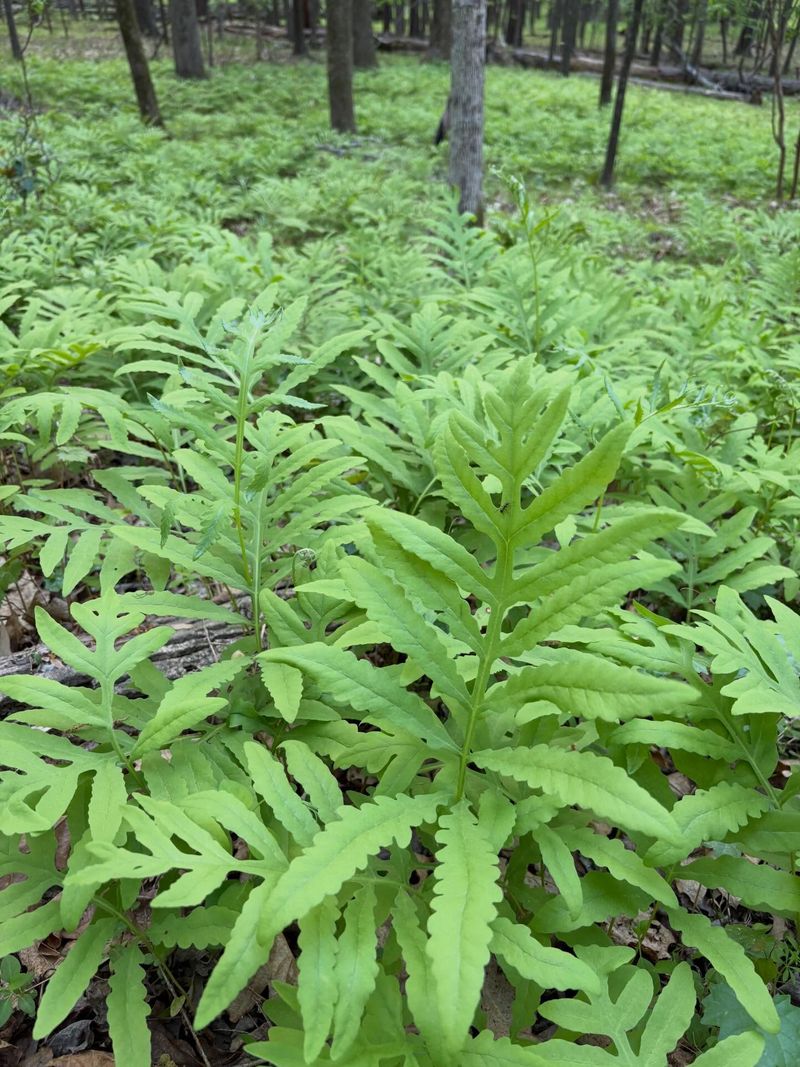
Bold, architectural, and surprisingly tough for something with such a delicate-sounding name, the sensitive fern is a powerhouse in damp, shaded spots.
Its broad, lobed fronds have a distinctive look that stands out from other ferns, making it both a practical and attractive ground cover for woodland gardens.
Your Pennsylvania Garden Changes Every Week. Your Plan Should Too.
Gardening in Pennsylvania changes quickly throughout the season. Every Friday you’ll receive a simple weekly plan showing exactly what to plant, prune, fertilize, harvest, and protect so you never miss the right timing.
Sensitive fern spreads through shallow, creeping rhizomes that move quickly through consistently moist soil. It works especially well in low-lying areas, rain gardens, and woodland beds where water tends to collect after rain.
If your yard has a soggy spot under trees that nothing else wants to grow in, this fern is worth trying.
One fun fact: the name “sensitive” comes from how quickly the fronds collapse at the first hint of frost in autumn.
The fronds are frost-sensitive, but the plant itself is incredibly hardy and returns reliably each spring. It is rated for USDA zones 4 through 9, covering all of Pennsylvania with room to spare.
Be aware that sensitive fern can spread enthusiastically when conditions suit it. In ideal moisture and shade, it may push beyond its intended planting area within a few seasons.
Planting it where natural barriers like paths or dry soil exist can help keep it contained without much effort.
In addition to its leafy green fronds, sensitive fern produces interesting upright fertile fronds with bead-like spore cases that persist through winter. These add visual interest to the garden during the colder months when everything else has faded.
For wet, shaded problem spots where weeds keep returning, sensitive fern offers reliable, dense coverage that most other plants cannot match.
3. New York Fern (Amauropelta Noveboracensis)
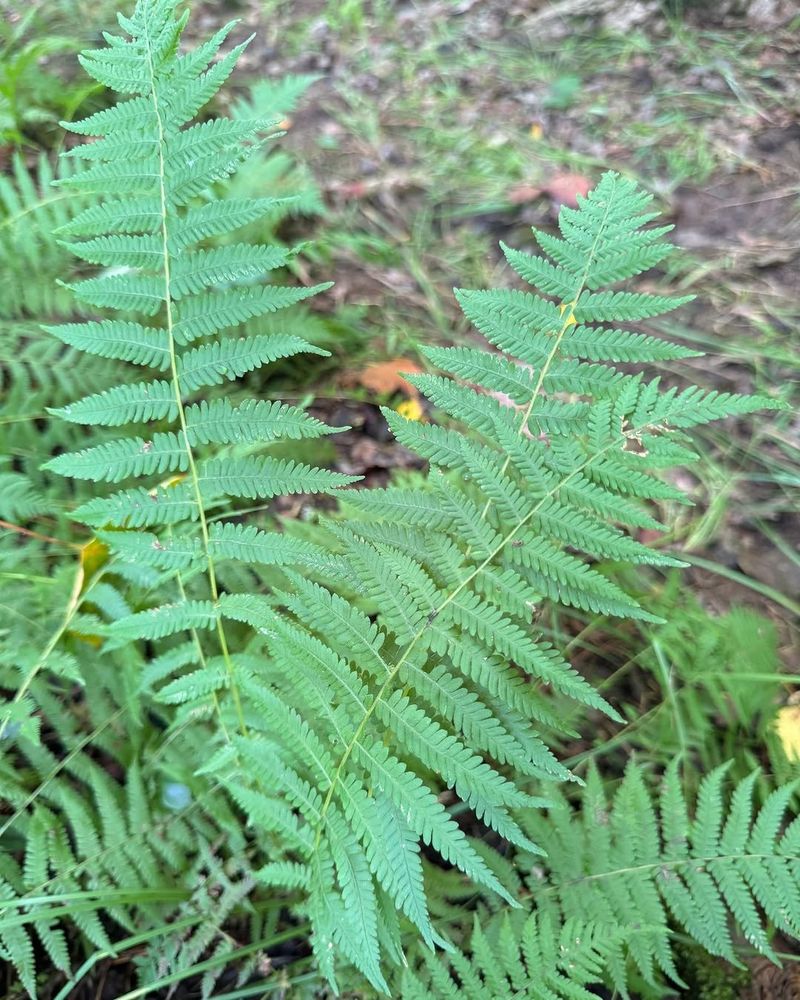
Named after the state where it was first formally described, the New York fern is a quiet overachiever in the woodland garden.
Its soft, light-green fronds taper noticeably at both the top and bottom, giving it a graceful, feathery look that adds a gentle texture to shaded beds.
Gardeners often overlook it in favor of showier species, but its ability to spread and cover ground makes it a smart pick.
New York fern spreads through rhizomes and gradually forms broad, low colonies that can cover exposed soil beneath trees over several seasons. It tolerates deep shade well, though it tends to fill in a bit faster where it receives some filtered light through a tree canopy.
Consistent moisture helps it establish quickly, so water it during dry spells in its first season.
What makes this fern especially useful is how densely its fronds overlap at ground level. That dense layering shades out weed seedlings before they can get established.
Once a colony is mature, hand-weeding in that area becomes a rare chore rather than a weekly task, which is a welcome change for busy gardeners.
New York fern prefers acidic, well-drained to moderately moist soil rich in organic matter. Adding a layer of shredded leaf mulch around new plantings helps hold moisture and mimics the natural forest floor conditions this fern loves.
Avoid planting it in heavy clay without amending the soil first, as poor drainage can slow its establishment considerably.
Because it is not as aggressive as some other colony-forming ferns, New York fern works well in medium-sized beds where you want coverage without constant management.
It is a reliable, low-fuss option for anyone trying to reclaim shaded ground from persistent weeds.
4. Netted Chain Fern (Woodwardia Areolata)
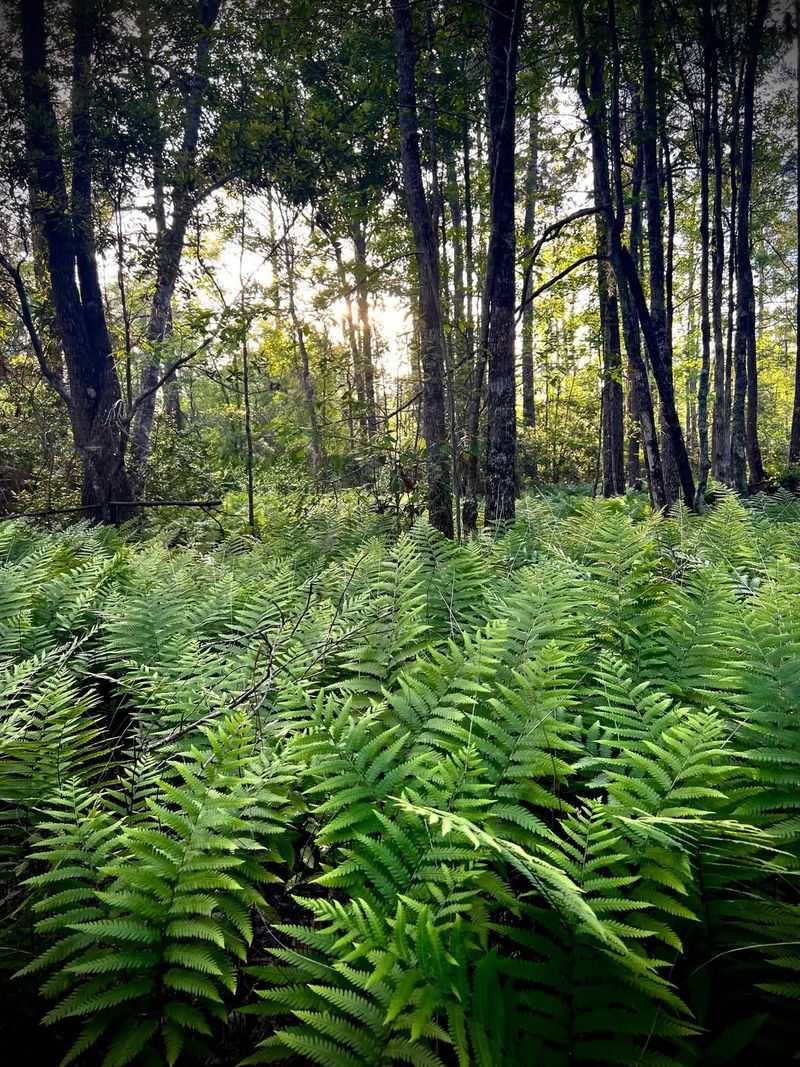
If you have a wet, boggy corner of the yard that seems impossible to plant, the netted chain fern might be exactly what you need.
This Pennsylvania native grows naturally in shaded swamps, wet woods, and along stream banks where soil stays saturated for long periods. Most plants struggle in those conditions, but netted chain fern thrives.
Its broad, glossy fronds have a bold, tropical-looking quality that adds visual drama to wet, shaded areas. The fronds grow upright and can reach about two feet tall, creating a canopy dense enough to block light from reaching weed seedlings below.
In favorable conditions, it forms tight, impenetrable stands that leave very little room for unwanted plants to take hold.
The name “chain fern” comes from the chain-like pattern of spore cases visible on the undersides of fertile fronds. It is a small but interesting detail that makes this fern a conversation starter for garden visitors who look closely.
The spore pattern is quite distinct from most other common ferns, making it easy to identify once you know what to look for.
One firm limitation of this fern is its absolute need for moisture. It will not survive in dry or even average garden soil.
Trying to grow it in a well-drained bed will result in disappointment, so reserve it specifically for wet, shaded locations where other plants consistently struggle. Paired with the right conditions, though, it performs exceptionally well.
Soil should be acidic, which aligns naturally with Pennsylvania’s many woodland areas. If your soil tends toward neutral, mixing in peat moss or pine bark can help lower the pH before planting.
Netted chain fern rewards patient gardeners who match it to the right spot.
5. Ostrich Fern (Matteuccia Struthiopteris)
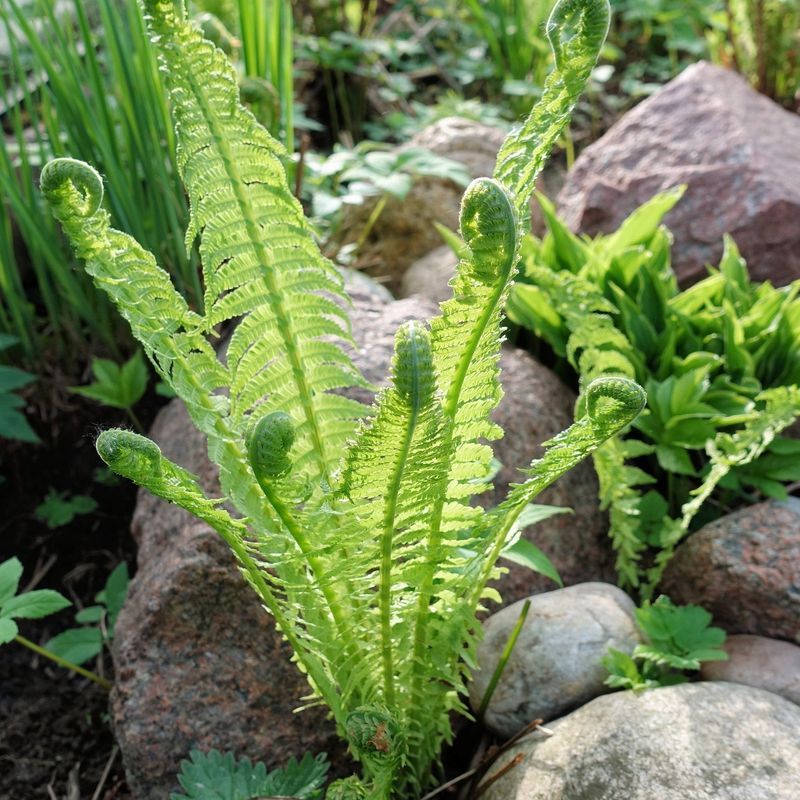
There is something almost prehistoric about a mature ostrich fern. Its fronds can reach four to five feet tall, fanning outward in a graceful vase shape that resembles the tail plumes of an ostrich.
Standing in a shaded garden bed, a healthy colony of ostrich ferns looks like something straight out of a nature documentary, and it is just as impressive in person.
Ostrich fern spreads through long underground runners that can travel several feet from the parent plant in a single season. This aggressive spreading habit makes it one of the fastest ferns for covering large, moist, shaded areas.
A few plants set out in spring can expand into a sizable colony within two or three growing seasons, smothering weeds along the way.
Because of its vigor, ostrich fern is best suited to large woodland areas, naturalized spaces, or expansive shaded beds where size and spread are welcome.
Planting it in a small border or near delicate perennials can lead to it crowding out neighboring plants. Give it room, and it rewards you with lush, dramatic coverage.
Moist to wet, fertile soil with good organic content produces the tallest, most impressive fronds. Ostrich fern naturally grows along stream banks and in floodplain forests, so it handles seasonal flooding without complaint.
Regular watering during dry periods keeps the fronds from browning at the tips, which can happen in drought conditions.
One bonus for edible plant enthusiasts: the young, tightly coiled fronds, called fiddleheads, are edible and considered a spring delicacy in many regions.
Harvest only a few from each plant to avoid weakening it, and cook them thoroughly before eating. It is a practical and delicious bonus from an already outstanding garden plant.
6. Christmas Fern (Polystichum Acrostichoides)
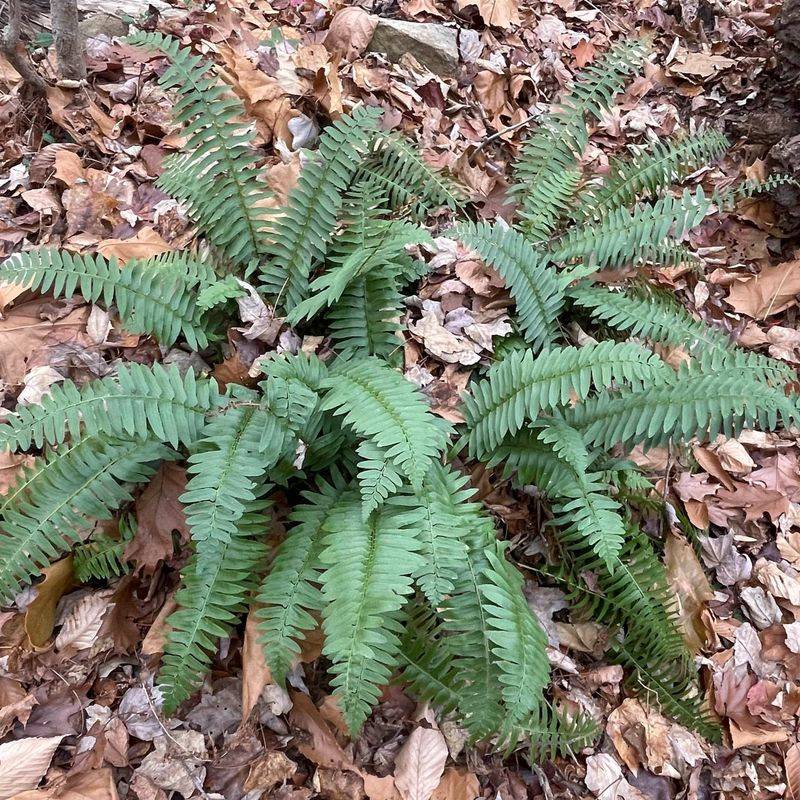
Walk through a Pennsylvania woodland in January and you will likely spot Christmas fern, its dark green fronds staying fresh and glossy even under a light dusting of snow. That evergreen quality is exactly what makes it so valuable in the garden.
While most other plants disappear for winter, Christmas fern keeps the garden looking alive and cared for through the coldest months.
Unlike the colony-forming ferns on this list, Christmas fern grows in tidy, slowly expanding clumps rather than spreading aggressively through rhizomes. Each clump gradually widens over several years, but it stays polite and predictable.
This makes it an excellent choice for gardeners who want weed suppression without worrying about a fern takeover in nearby beds.
To use Christmas fern effectively as a weed suppressor, plant individual clumps close enough together that their mature sizes will overlap. Spacing plants about eighteen inches apart generally allows them to meet and close the gaps within three to four years.
Until they fill in, a layer of shredded bark or leaf mulch between plants will handle any weeds in the open spaces.
Christmas fern handles a wide range of conditions better than most native ferns. It tolerates dry to medium soil, slopes, and even rocky ground where other ferns would struggle.
Deep shade is no problem at all. This adaptability makes it one of the most versatile native ground covers available to Pennsylvania gardeners working with difficult spots.
Planting on slopes is a particularly smart use of this fern. Its root system holds soil in place, reducing erosion on shaded hillsides where grass refuses to grow.
Pair it with native wildflowers like wild ginger or trillium for a layered, naturalistic look that requires almost no maintenance once established.