Why Painted Buntings Are Missing From Your South Carolina Yard, And What Finally Brings Them In
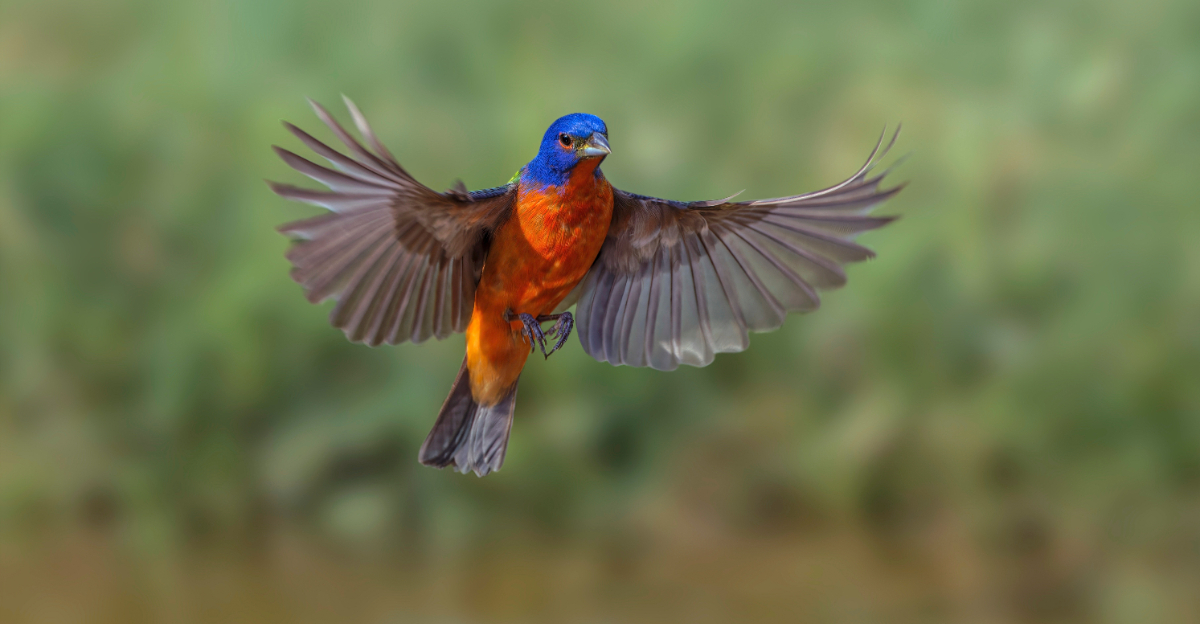
Your feeder is full, your seed is fresh, yet one showstopping visitor keeps skipping your yard entirely. Painted buntings look like a paint palette exploded onto a sparrow-sized frame.
Birders across the Southeast pour years into luring these birds closer, then quietly wonder why their setup keeps falling flat.
They’re not snubbing your South Carolina yard on purpose. Their habits and comfort zones just work differently than what most feeders are built for.
Crack that code, and everything changes. Here’s exactly why painted buntings avoid typical setups and what finally pulls them in.
Missing Habitat And Food Sources Keep Painted Buntings Away
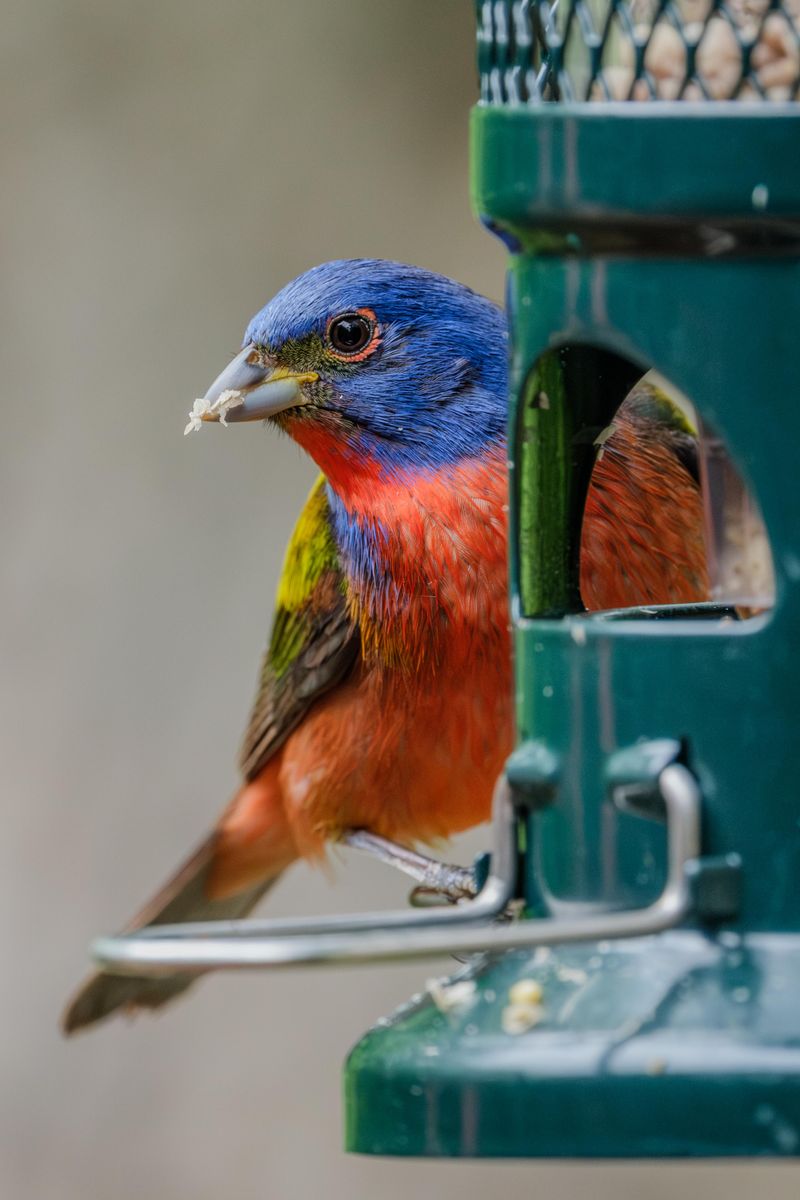
Most South Carolina yards are simply not built for painted buntings. These birds need more than a hanging feeder to feel safe enough to visit.
Painted buntings are seed specialists, and white millet is their top food. If your feeder is packed with sunflower seeds or mixed blends, buntings will fly right past it.
Open, manicured lawns offer almost nothing to a bunting. They prefer areas with low, weedy vegetation where fallen seeds collect naturally on the ground.
Buntings are also incredibly shy birds. A yard that feels exposed or busy may send them looking elsewhere before they even land.
Tall fences, close neighbors, and heavy foot traffic all raise the stress level for these cautious visitors. A yard that feels chaotic to a human feels dangerous to a bunting.
Lack of native grasses is another major gap. Buntings feed heavily on grass seeds in the wild, so a yard without any native ground cover removes a key part of their natural diet.
Brushy edges and overgrown borders mimic the habitat buntings actually evolved in. Without that kind of structure, your yard is far less likely to register as a safe landing zone.
Fixing the food and habitat gap is the first step toward making your space bunting-friendly. Once the basics are right, everything else starts to fall into place.
Native Range And Migration Timing Across South Carolina
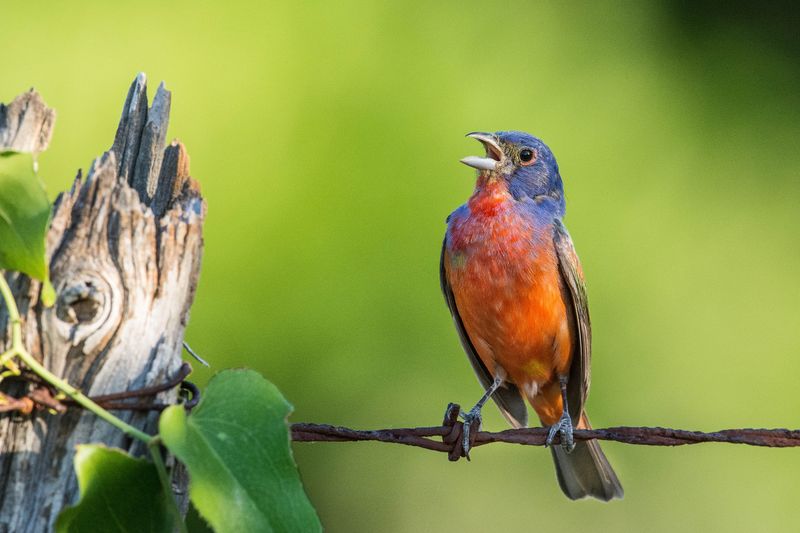
Painted buntings do not visit every part of the state equally. Knowing your region changes everything about how and when you set up for them.
Two distinct populations exist across the species’ range in the United States. The one that passes through and breeds in South Carolina is the eastern population, which winters in Florida and the Caribbean.
Spring migrants begin arriving in the coastal plain and Lowcountry as early as late April. The peak window for spotting them in most yards runs from May through early June.
Some buntings stick around to breed in brushy coastal areas. If you live near the coast, you may have a real shot at hosting a nesting pair through summer.
Inland areas of the state see fewer birds, but fall migration brings another opportunity. Buntings move south again from August through October, and a well-stocked feeder can catch their attention during that window.
Winter sightings are rare but not impossible, especially in warmer years near the coast. A consistent feeder setup year-round keeps your yard on their radar throughout the year.
Your South Carolina Garden Changes Every Week. Your Plan Should Too.
Gardening in South Carolina changes quickly throughout the season. Every Friday you’ll receive a simple weekly plan showing exactly what to plant, prune, fertilize, harvest, and protect so you never miss the right timing.
Timing your feeder setup matters more than most people realize. Having white millet available before peak migration means early arrivals find your South Carolina yard first and often return.
Paying attention to local birding reports helps you know exactly when to expect movement in your specific area. Being ready early is one of the smartest moves you can make.
White Millet Feeders That Finally Draw Buntings In
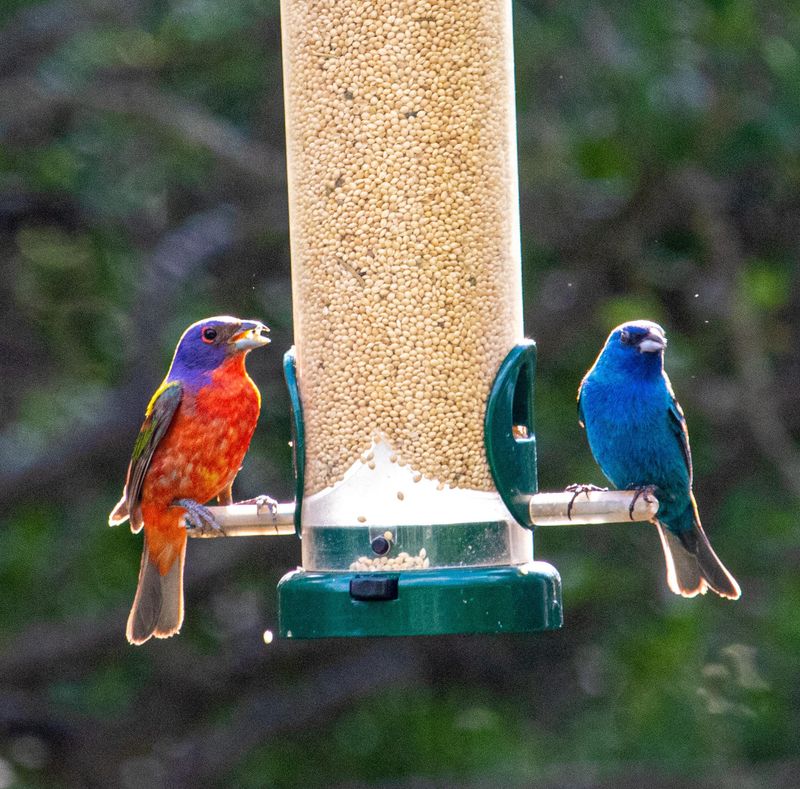
White millet is the single most powerful tool for attracting painted buntings to your South Carolina yard. Get this one thing right, and your chances go up dramatically.
Tube feeders with small ports work best because they limit access for larger, aggressive birds. Buntings are small and need a feeder that fits their body comfortably.
Platform feeders placed low to the ground also work well. Buntings naturally forage close to the earth, so a low tray feeder can feel more familiar and safe to them.
Keep the millet fresh and dry. Wet or moldy seed is not just unappealing, it can actually drive birds away and contaminate the feeding area.
Avoid mixed seed blends that include corn, safflower, or peanuts. Those fillers attract competitors like grackles and doves that will push timid buntings off the feeder.
Offer millet consistently for at least two to three weeks before expecting results. Buntings are creatures of habit, and they need time to discover and trust a new food source.
Placing a small amount of millet directly on the ground near the feeder can help. Ground feeding feels natural to buntings and may encourage that first crucial visit.
Once a painted bunting finds your millet feeder, it will often return daily at the same time. Consistency on your end creates loyalty on theirs.
Dense Shrubs And Native Plants For Cover And Nesting
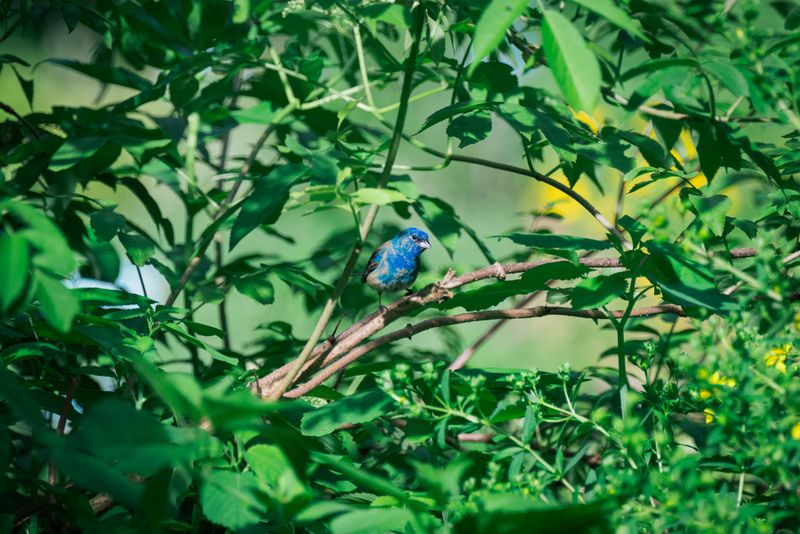
Buntings are not bold birds. They need thick cover nearby before they will ever feel comfortable enough to feed in the open.
Wax myrtle is one of the native shrubs for South Carolina yards you can plant for this purpose. It grows quickly, provides dense year-round cover, and produces berries that attract other wildlife too.
American beautyberry is another excellent choice. Its bright purple berry clusters ripen in late summer, right when buntings are moving through on fall migration.
Native grasses like little bluestem and switchgrass add structure at ground level. Buntings forage through the base of these grasses and use the stems as perches between feeder visits.
Dense plantings along a fence line or property edge create a sheltered corridor. That kind of layered habitat gives buntings a safe path from cover to feeder and back.
Avoid trimming shrubs too aggressively in spring and early summer. Nesting females choose thick, tangled vegetation close to the ground, and a tidy yard removes exactly what they need.
Native wildflowers like coneflower and black-eyed Susan add seed-bearing plants to the mix. As the flowers go to seed in late summer, they become an additional natural food source buntings appreciate.
Building habitat takes a season or two to mature, but the payoff is lasting. A yard with real structure becomes a place buntings return to year after year without any extra effort.
Water Features That Make Yards More Inviting

Fresh water is one of the most underrated tools for attracting painted buntings. Most birders focus entirely on food and forget that water is just as powerful.
A shallow birdbath works well, but the key word is shallow. Buntings will not use deep basins, so keep water depth at one inch or less near the edge.
Moving water is even more effective than a still bath. The sound of dripping or trickling water carries through the yard and pulls birds in from a surprising distance.
A simple dripper or water wiggler costs very little and makes a huge difference. Attach one to any standard birdbath and watch how quickly birds start investigating.
Place the water feature in a shaded spot during hot months. Cool, shaded water stays fresher longer and is far more appealing to birds during the heat of a South Carolina summer.
Keep the bath clean by scrubbing it every two to three days. Algae and debris build up fast in warm weather, and a dirty bath will be ignored even if the placement seems ideal.
Position the bath near shrubs but not directly under them. Birds need a clear escape route, and a bath that feels like a trap is unlikely to be used regularly.
Adding water to your setup can turn a yard that gets no bunting visits into one that gets daily ones. Sometimes the missing piece is simpler than you think.
Feeder Placement Tips For Safety And Visibility
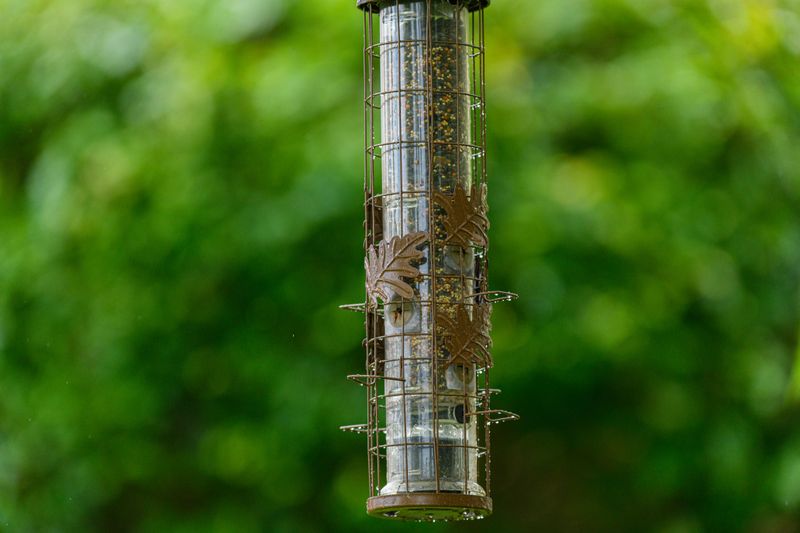
Even the perfect feeder fails if it is in the wrong spot. Placement is the detail most people overlook, and it often costs them results.
Buntings need a clear line of sight from the feeder to nearby cover. If a cat or hawk appears, they need to see it coming and bolt fast.
Place feeders no closer than ten feet from dense shrubs. Close enough to retreat quickly, but far enough to spot danger before it arrives.
Avoid placing feeders near windows that reflect trees or sky. Window strikes are a real threat, and buntings are no more immune to collisions than any other bird.
Mount feeders on a pole with a baffle rather than hanging them from a tree branch. Squirrels and raccoons take over hanging feeders constantly, and their presence spooks shy birds like painted buntings.
Keep the feeding area quiet and low-traffic. A feeder next to a busy back door or a loud HVAC unit will sit empty regardless of seed quality.
Feeders placed at eye level or slightly below tend to attract more ground-foraging species like buntings. Height matters more than most people assume when setting up a new station.
Getting placement right turns a rarely-visited feeder into a reliable stop for painted buntings all season long. Once they trust the spot, they’ll often return on their own schedule for the rest of the season.