The Best Pennsylvania Native Plants For Creating A Natural Mosquito Barrier
Mosquitoes are a warm weather constant in Pennsylvania, and most homeowners fight them the same way every season. Sprays, candles, plug in devices, foggers, products that work for a few hours and then require starting over.
It’s an ongoing battle that never quite feels finished, and the chemical load that comes with it is something a lot of people would rather reduce if there was a real alternative. There is one. And it starts with what you plant.
Certain native Pennsylvania plants produce natural compounds that mosquitoes find genuinely intolerable.
Planted strategically around your outdoor living spaces, along borders, and near entry points to the yard, they create a natural barrier that makes your property significantly less attractive to mosquitoes without sprays, chemicals, or constant upkeep.
These plants are also beautiful, ecologically valuable, and perfectly suited to Pennsylvania’s climate. They support native pollinators while discouraging the one insect most homeowners would be happy to never see again.
Here are the best native Pennsylvania plants for building a natural mosquito barrier around your yard.
1. Bee Balm
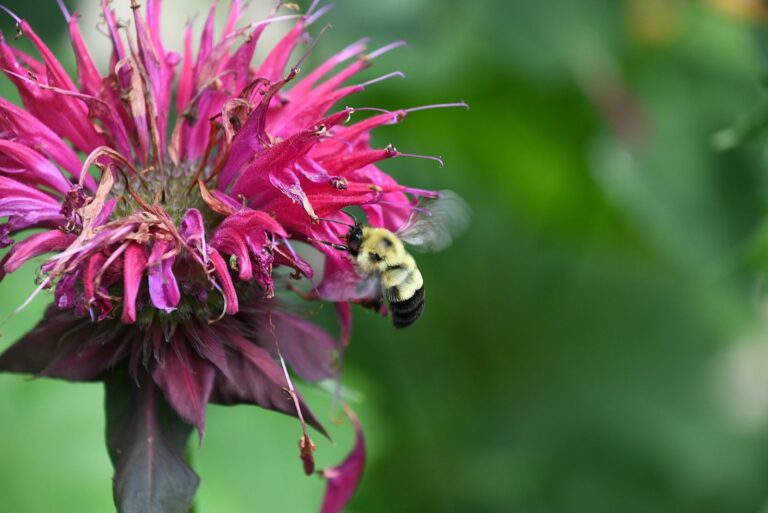
Few plants pack as much sensory punch as Bee Balm. Walk past it on a warm afternoon and you will instantly notice a strong, medicinal fragrance that is hard to ignore.
That scent comes from a compound called thymol, the same active ingredient found in many antiseptic mouthwashes and natural insect deterrents.
Bee Balm belongs to the mint family, and like most of its relatives, it pushes out oils that many insects find unpleasant. Planting it near a patio or along a garden border puts that aromatic defense right where you need it most.
The scent becomes especially strong when leaves are brushed or lightly crushed, so placing it along a walkway makes a lot of sense.
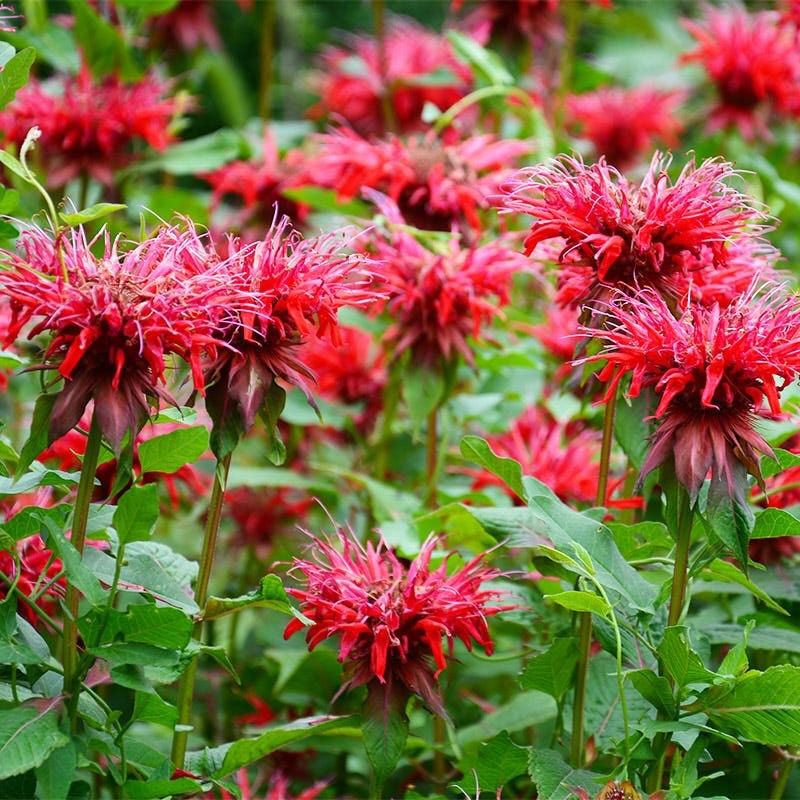
Beyond its mosquito-deterrent reputation, Bee Balm is genuinely stunning in bloom. Its shaggy, bright red flowers attract hummingbirds and native bees all summer long.
It grows well in Pennsylvania’s climate, thriving in full sun to partial shade and moist, well-drained soil.
Starting it is simple. You can plant it from nursery transplants in spring or divide an existing clump from a neighbor’s garden.
Give it room to spread, because it will, and divide clumps every few years to keep it healthy and vigorous.
One practical tip: avoid overhead watering to reduce the chance of powdery mildew, which Bee Balm can be prone to in humid summers. Look for mildew-resistant varieties like ‘Jacob Cline’ or ‘Raspberry Wine’ for even better results.
With the right care, Bee Balm rewards you with color, fragrance, and a more comfortable backyard all season long.
2. Wild Bergamot
There is something almost old-fashioned and charming about Wild Bergamot. It has been growing across Pennsylvania’s meadows and woodland edges for centuries, long before anyone thought to put it in a garden bed.
Related closely to Bee Balm, it shares that same mint-family heritage but brings its own distinct personality to the landscape.
Crush a leaf between your fingers and you get a strong citrusy, almost lemony aroma that is genuinely pleasant to most people but reportedly off-putting to mosquitoes.
Your Pennsylvania Garden Changes Every Week. Your Plan Should Too.
Gardening in Pennsylvania changes quickly throughout the season. Every Friday you’ll receive a simple weekly plan showing exactly what to plant, prune, fertilize, harvest, and protect so you never miss the right timing.
This is the same scent-based logic behind lemon balm and lemongrass plantings, except Wild Bergamot is a true Pennsylvania native that belongs here.
Some nurseries sell it under the name horsemint, which gives you a clue about how tough and adaptable it really is.
Unlike its cousin Bee Balm, Wild Bergamot actually prefers drier, well-drained soils. That makes it a great choice for sunny spots where other plants might struggle. It handles drought with ease once established and rarely needs much fussing over.
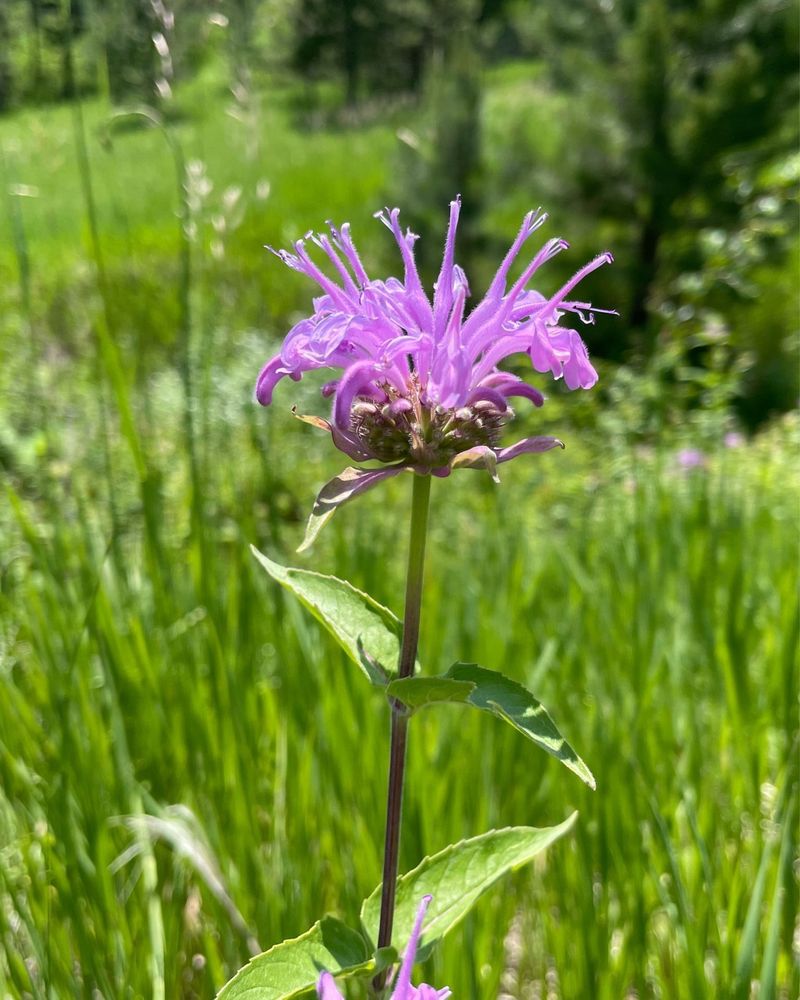
The flowers are a soft lavender-pink and appear from midsummer into early fall. They are magnets for native bees, butterflies, and even hummingbirds.
Planting it in clusters along a fence line or patio edge gives you both a visual statement and a fragrant buffer zone.
If you want a low-effort plant that earns its keep in multiple ways, Wild Bergamot is a strong pick.
It self-seeds gently, spreads slowly, and fits beautifully into both formal garden beds and casual naturalized plantings. For a mosquito-conscious Pennsylvania garden, it checks nearly every box.
3. Clustered Mountain Mint
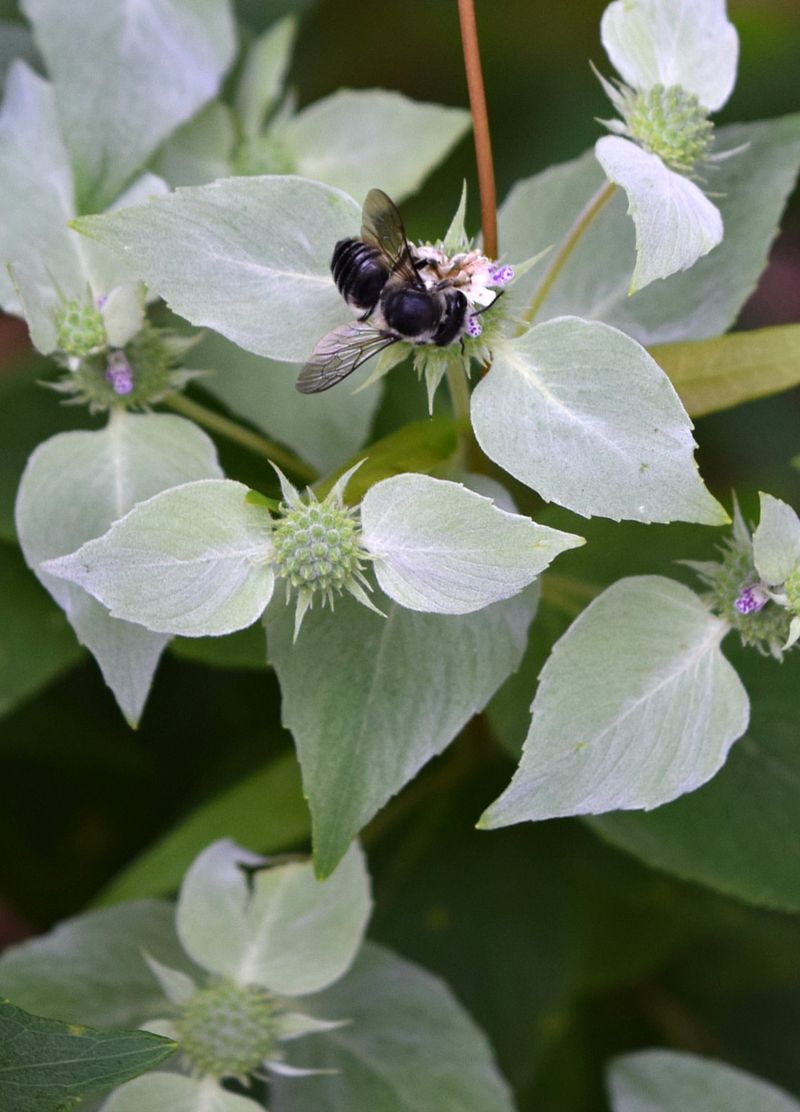
If you have ever brushed against Mountain Mint on a hike and suddenly smelled something intensely fresh and minty, you already know what makes this plant so memorable.
Clustered Mountain Mint is one of the most strongly scented native plants in the eastern United States, and Pennsylvania is well within its natural range.
The silvery-white bracts that surround its small summer flowers are almost as eye-catching as the blooms themselves. Once those flowers open, the plant becomes an absolute pollinator magnet.
Bees, wasps, and butterflies show up in impressive numbers, making it one of the most ecologically valuable plants you can add to a yard.
Honest gardeners will tell you that Mountain Mint has not been proven to repel mosquitoes in any scientific study. But it earns its place in a mosquito-conscious garden through a combination of strong fragrance and smart design.
Planted near a seating area, its minty aroma fills the air and creates a sensory environment that feels fresh and clean.
Growing it is easy. It tolerates a wide range of soil types, handles both sun and partial shade, and spreads steadily once established.
That spreading habit is worth planning for: give it a defined border or use it to fill a larger area intentionally.
Mountain Mint also works beautifully as a cut flower and dries well for herbal use. Whether you are planting it for the pollinators, the fragrance, or just the sheer visual appeal of its silvery summer display, Clustered Mountain Mint brings real, lasting value to any Pennsylvania garden.
4. Yarrow
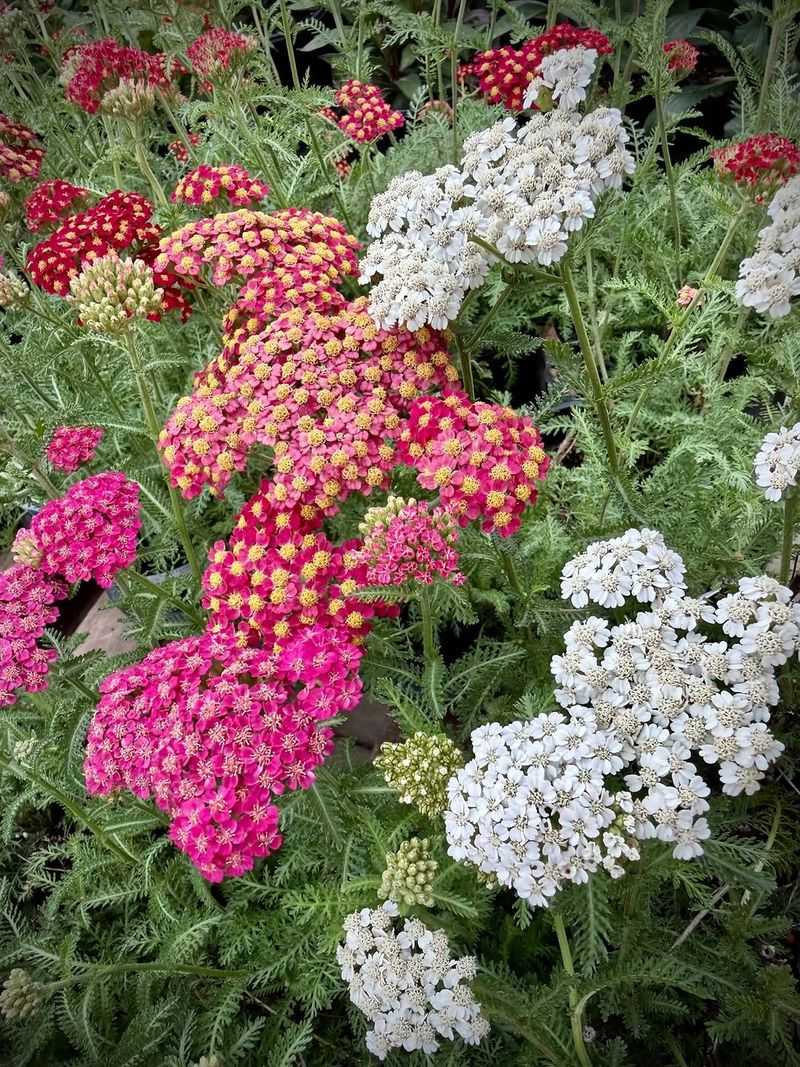
Yarrow has a long history, and we mean really long. Ancient soldiers reportedly used it to slow bleeding from wounds, which is actually where its Latin name Achillea comes from, referencing the Greek hero Achilles.
Today, most gardeners know it for something a little more practical: its ability to thrive almost anywhere and ask very little in return.
Native across Pennsylvania, Yarrow produces finely divided, feathery foliage that releases a sharp, medicinal aroma when touched. That scent puts it in the same conversation as other fragrant plants that mosquitoes are said to avoid.
Whether or not it works as a proven repellent, the aromatic oils in its leaves are real and noticeable.
What makes Yarrow especially appealing is its toughness. Once established, it handles drought, poor soil, and full sun without complaint.
It is one of the easiest native plants to grow in Pennsylvania, making it a great starting point for beginner gardeners who want low-maintenance results.
The flat-topped flower clusters bloom from late spring through midsummer in shades of white, yellow, and pink depending on the variety.
Native white-flowered Achillea millefolium is the truest Pennsylvania native, and it blends beautifully into meadow gardens and sunny borders alike.
Plant Yarrow in drifts rather than single plants to get the most visual impact and fragrance output. It also attracts beneficial insects like parasitic wasps that naturally reduce garden pest populations.
For a plant that works hard, looks good, and barely needs any help from you, Yarrow is genuinely hard to beat in a Pennsylvania landscape.
5. Sweet Fern
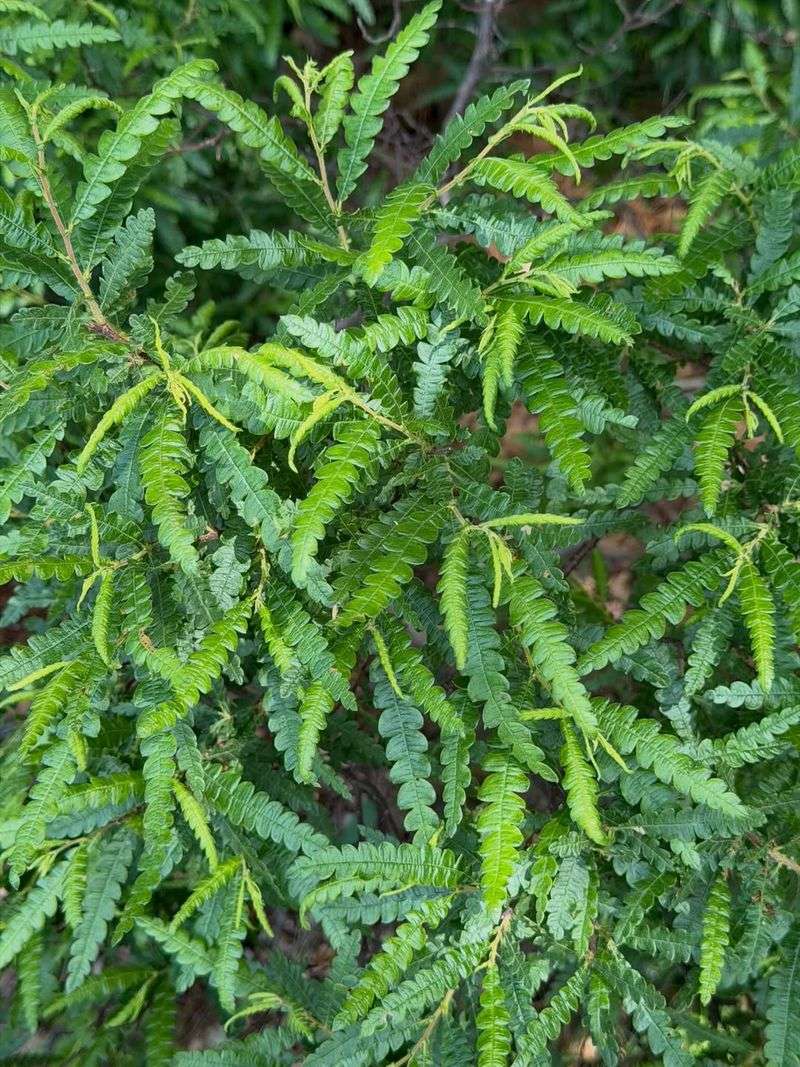
Sweet Fern has one of the most distinctive scents of any plant native to Pennsylvania. Run your hand along its long, deeply lobed leaves on a warm day and the air fills with a rich, resinous, almost balsamic fragrance that is unlike anything else in the garden.
People who grow up near it often describe the smell as instantly nostalgic, like something out of a camping trip in the Pennsylvania woods.
Despite its name, Sweet Fern is not actually a fern at all. It is a low-growing shrub in the Myricaceae family, related to bayberry.
It grows naturally in dry, sandy, or rocky soils across Pennsylvania, often colonizing disturbed areas and hillsides where other plants struggle to get started.
That aromatic, resinous quality in its leaves is exactly what gives Sweet Fern its reputation as a natural scent barrier.
It works on the same basic principle as citronella or lemongrass: the strong fragrance released by the foliage is believed to mask the carbon dioxide signals that mosquitoes use to locate people. And unlike those non-native options, Sweet Fern genuinely belongs here.
Planting it along a property edge, around a fire pit, or near a patio creates a living buffer with real regional character. It spreads slowly by underground runners, forming a dense, knee-high colony over time that doubles as erosion control on slopes.
Sweet Fern is also nearly maintenance-free once established. It fixes nitrogen in the soil, meaning it actually improves the ground it grows in. For a tough, fragrant, and ecologically smart native shrub, Sweet Fern is a standout choice.
6. Fragrant Sumac
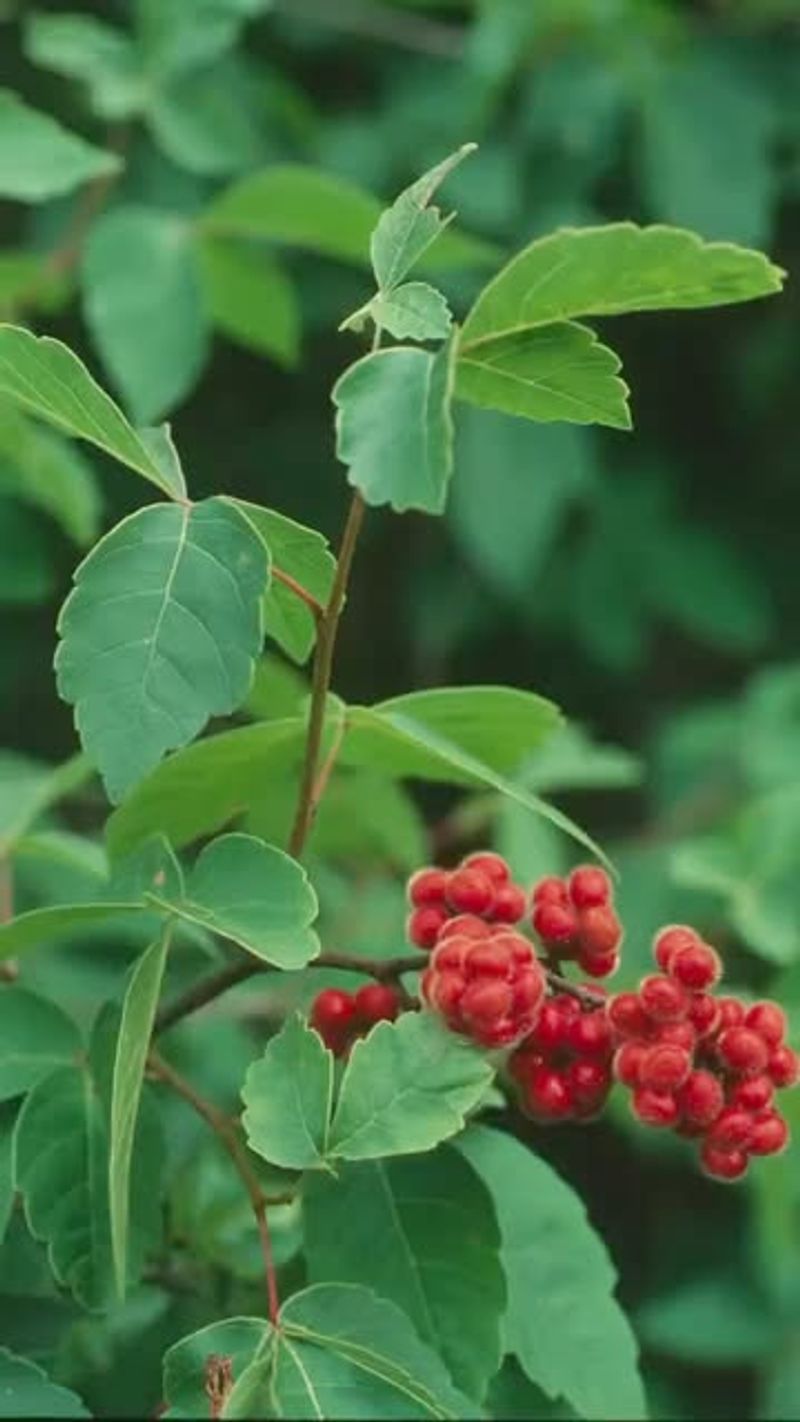
Most people hear the word sumac and picture something they want to avoid, but Fragrant Sumac is a completely different story.
This low-growing native shrub is one of Pennsylvania’s most underused landscape plants, and it deserves a lot more attention than it gets from home gardeners.
Crush one of its three-lobed leaves and you get a bright, citrusy scent that is genuinely pleasant to people but reportedly unpleasant to mosquitoes.
That aromatic quality puts Fragrant Sumac in the same category as lemon balm or marigolds in terms of scent-based mosquito deterrence, but with the added benefit of being a true regional native that supports local wildlife.
In spring, it produces small yellow flower clusters before the leaves even open. By late summer, it develops fuzzy red berry clusters that birds love.
Come fall, the foliage turns brilliant shades of orange, red, and purple, making it one of the most colorful native shrubs in the Pennsylvania landscape.
Fragrant Sumac is also incredibly adaptable. It grows in poor, dry soils, handles slopes and erosion-prone areas with ease, and tolerates both full sun and partial shade.
Once it gets established, it spreads slowly into a low, dense thicket that provides excellent ground cover.
Use it along a fence line, at the edge of a patio, or as a border planting between your yard and a wooded area. Its spreading habit makes it a natural screen, and its fragrant foliage adds a layer of aromatic deterrence right where outdoor activities happen.
For a four-season native shrub that earns its place, Fragrant Sumac is a genuinely smart pick for Pennsylvania gardens.
7. Blue Mistflower
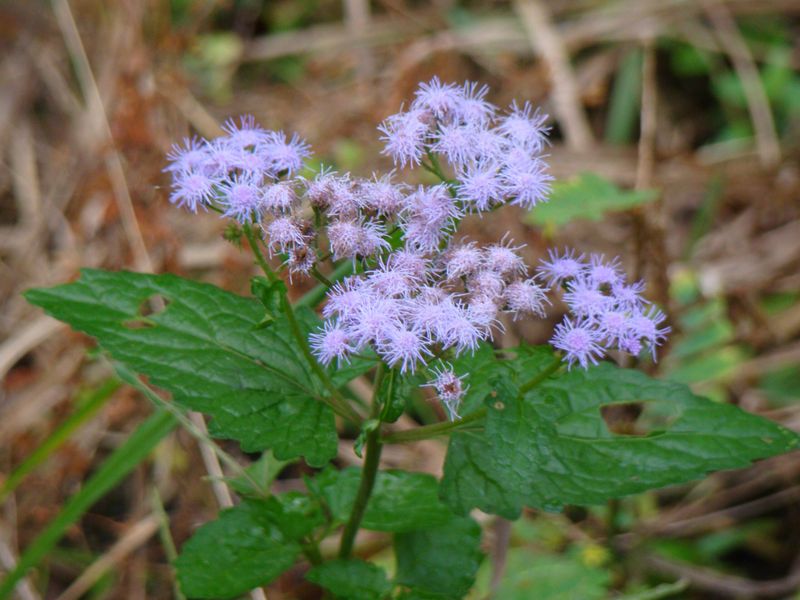
Late summer can be a tough time in the garden. Many spring and early summer bloomers have faded, and the yard starts to look a little tired.
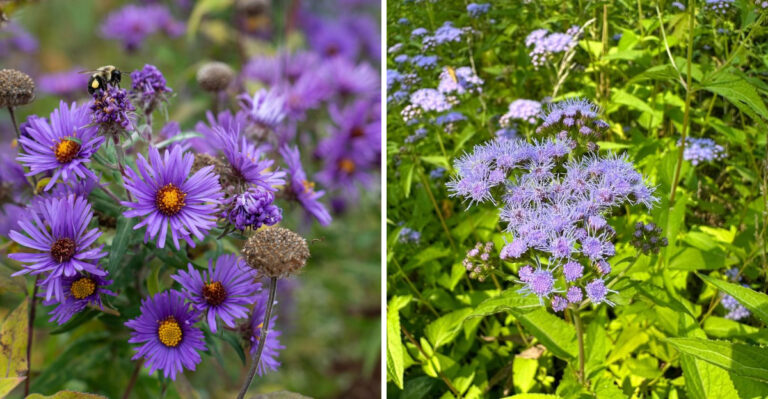
Blue Mistflower shows up right on cue, bursting into soft, powder-blue clouds of bloom just when everything else is winding down. For a mosquito-conscious garden, that timing is actually perfect.
Blue Mistflower is a native perennial that grows naturally in moist areas across Pennsylvania, often along stream banks and woodland edges. It spreads steadily to form low, dense colonies that work beautifully as a border planting around patios or garden seating areas.
Its fuzzy, ageratum-like flowers bloom from late August through October, giving you weeks of color during prime outdoor season.
Unlike some of the other plants on this list, Blue Mistflower is not strongly scented. Its role in a mosquito-barrier garden is less about fragrance and more about smart design.
Planting it as a low front border alongside more aromatic plants like Mountain Mint or Bee Balm creates a layered planting that fills visual gaps while the stronger-smelling species do the heavy lifting.
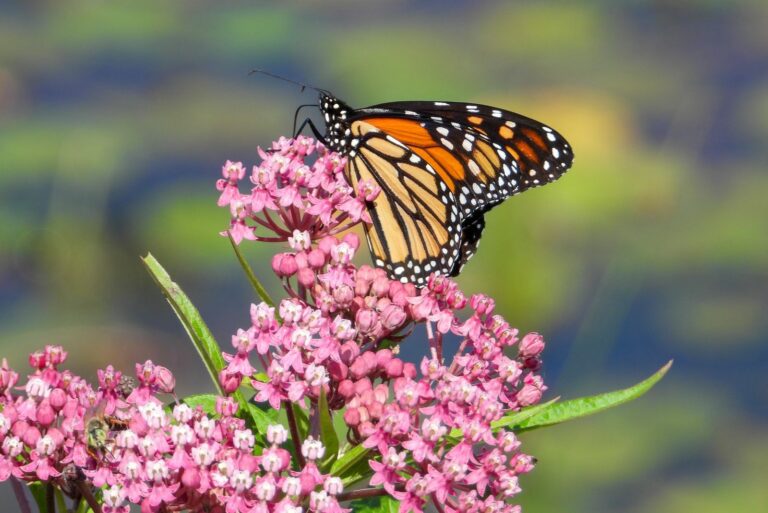
Pollinators absolutely love it. Monarch butterflies, native bees, and skippers flock to the blooms in fall, which matters because a garden full of beneficial insects is a healthier, more balanced ecosystem overall.
Blue Mistflower grows best in moist to average soil with partial to full sun. It spreads by underground runners, so give it space to do its thing or use edging to keep it contained.
For a finishing touch that adds color, wildlife value, and late-season charm, Blue Mistflower rounds out a Pennsylvania mosquito-barrier garden beautifully.