The Pennsylvania Garden Plants Most Vulnerable To August Heat, And How To Protect Each One Before It Is Too Late
Pennsylvania summers don’t ease into August, they slam into it. Thick air sits over every yard, and the sun stays relentless from morning until dusk.
Somewhere between the tomato patch and the flower beds, certain plants start sending distress signals most gardeners miss until it’s too late. Not every plant reacts the same way to this kind of pressure.
Some droop dramatically by midafternoon, looking like they’ve simply given up. Others turn brittle at the edges or shrink back into the ground, retreating from heat they were never built to handle.
Here’s the part that matters: these plants can bounce back, and fast, once you know what they actually need.
1. Hydrangeas
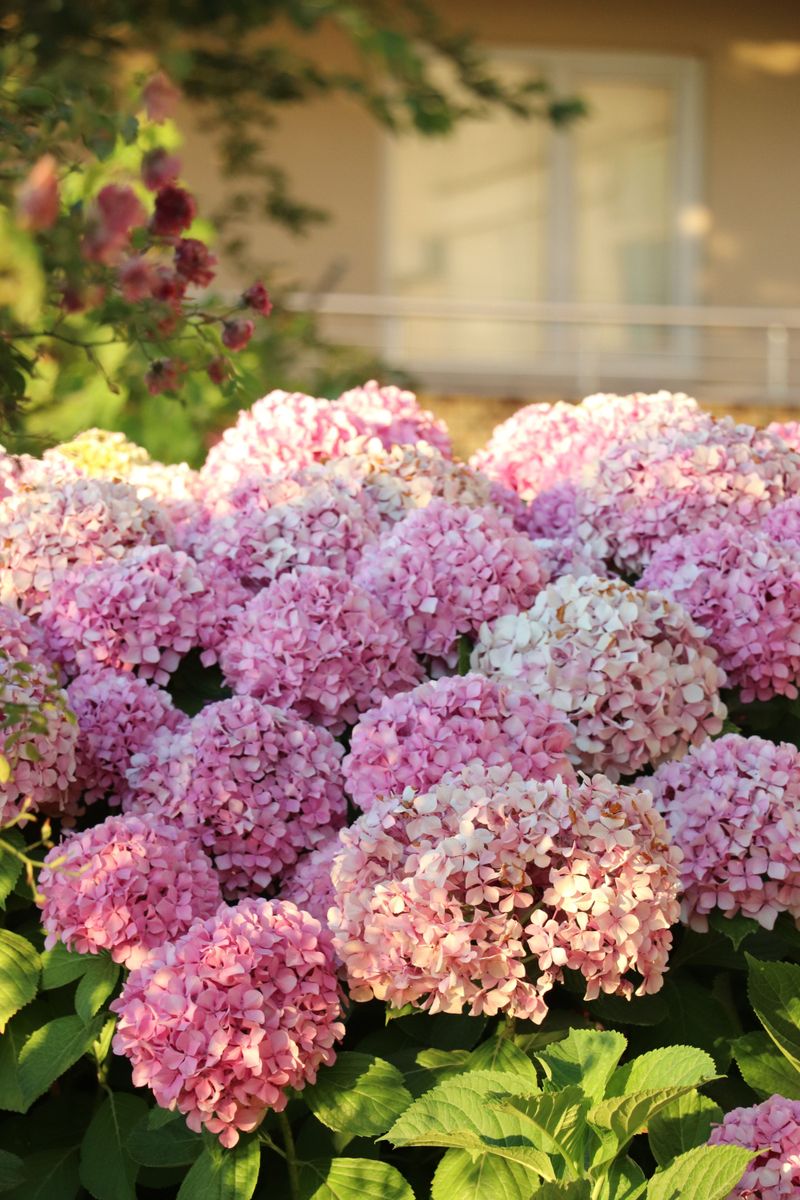
Your hydrangeas looked stunning in June. Now they slump by noon like they ran a marathon they never signed up for.
Hydrangeas are dramatic about heat stress, and honestly, they have every right to be. These shrubs evolved in cooler, shadier environments, and Pennsylvania’s August sun hits them hard.
You might notice wilting leaves, browning petal edges, and blooms that fade almost overnight. The plant is not broken, but it is clearly struggling.
Deep watering is the first step here. Give hydrangeas a slow, thorough soak at the base every two to three days. Avoid wetting the leaves, since wet foliage in heat invites disease fast.
Add a generous layer of mulch around the base, at least three inches deep. Mulch holds soil moisture like a sponge and keeps roots from baking in the afternoon heat.
If your hydrangea sits in full sun, consider temporary shade cloth during peak afternoon hours. A simple garden shade cloth hung from stakes can drop the temperature around the plant by several degrees.
That small buffer makes a measurable difference in how well blooms hold up. Afternoon shade from a nearby fence or tree is ideal if you can position future plantings that way.
Right now, focus on watering deeply, mulching heavily, and blocking that brutal late-day sun. Your hydrangeas will reward that effort with stronger blooms well into September, making the effort well worth it.
2. Ferns
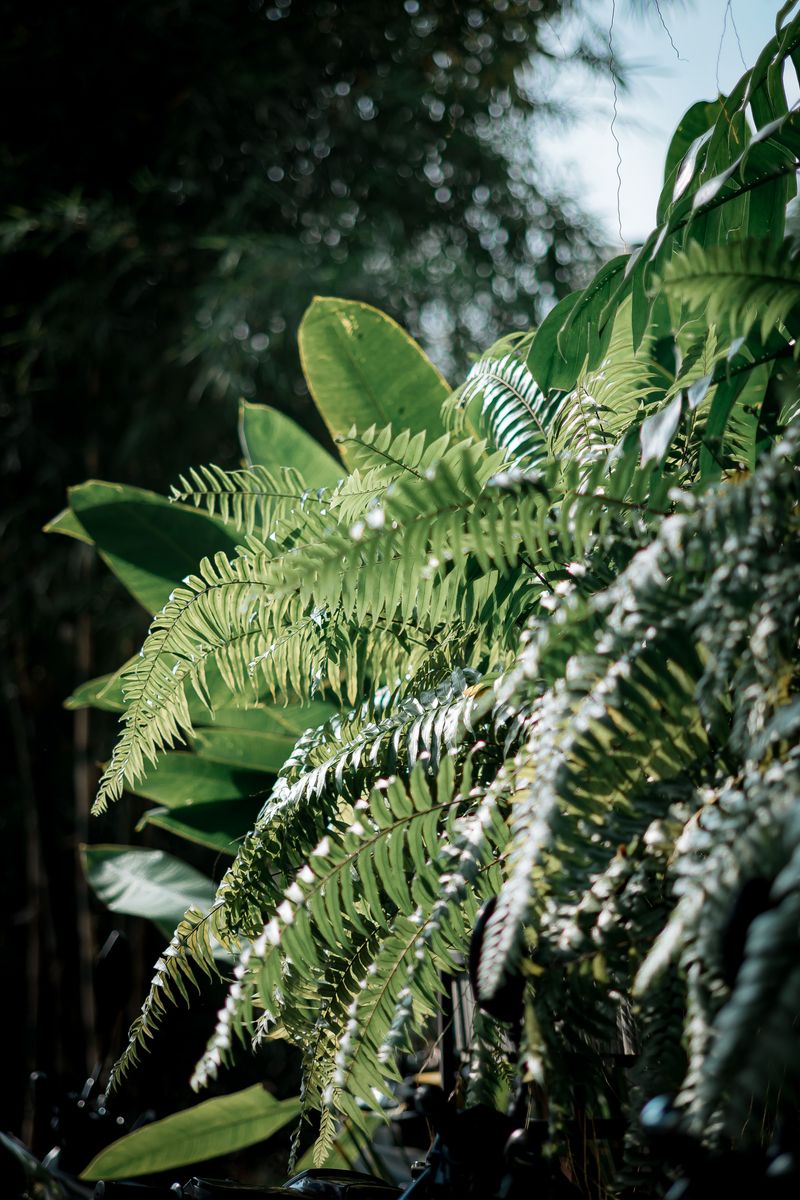
Ferns are ancient plants, survivors of prehistoric eras, yet August in Pennsylvania can bring even the toughest frond to its knees. These lush, feathery plants thrive in cool, moist woodland conditions.
When summer heat spikes above ninety degrees for days at a stretch, ferns respond by curling their fronds inward and turning crispy brown at the tips. It looks alarming, but early action can reverse the damage before it spreads to the whole plant.
Consistent moisture is non-negotiable for ferns in August. Check the soil daily, and water whenever the top inch feels dry to the touch. Ferns in containers dry out even faster, so check those twice a day during heat waves.
Relocating potted ferns to a shadier spot is one of the simplest fixes available to you. A north-facing porch or a shaded garden bed can drop the heat stress dramatically within just a few hours of moving them.
Your Pennsylvania Garden Changes Every Week. Your Plan Should Too.
Gardening in Pennsylvania changes quickly throughout the season. Every Friday you’ll receive a simple weekly plan showing exactly what to plant, prune, fertilize, harvest, and protect so you never miss the right timing.
For ferns planted directly in the ground, a thick layer of organic mulch makes the biggest difference. Shredded leaves or bark mulch keeps the root zone cool and moist far longer than bare soil ever could.
Misting the fronds in the early morning adds a little humidity around the plant, mimicking the forest floor conditions ferns genuinely prefer. Avoid misting in the afternoon, since wet fronds in direct sun can scorch. Treat your ferns right this month, and they will bounce back beautifully once September’s cooler air arrives.
3. Astilbe
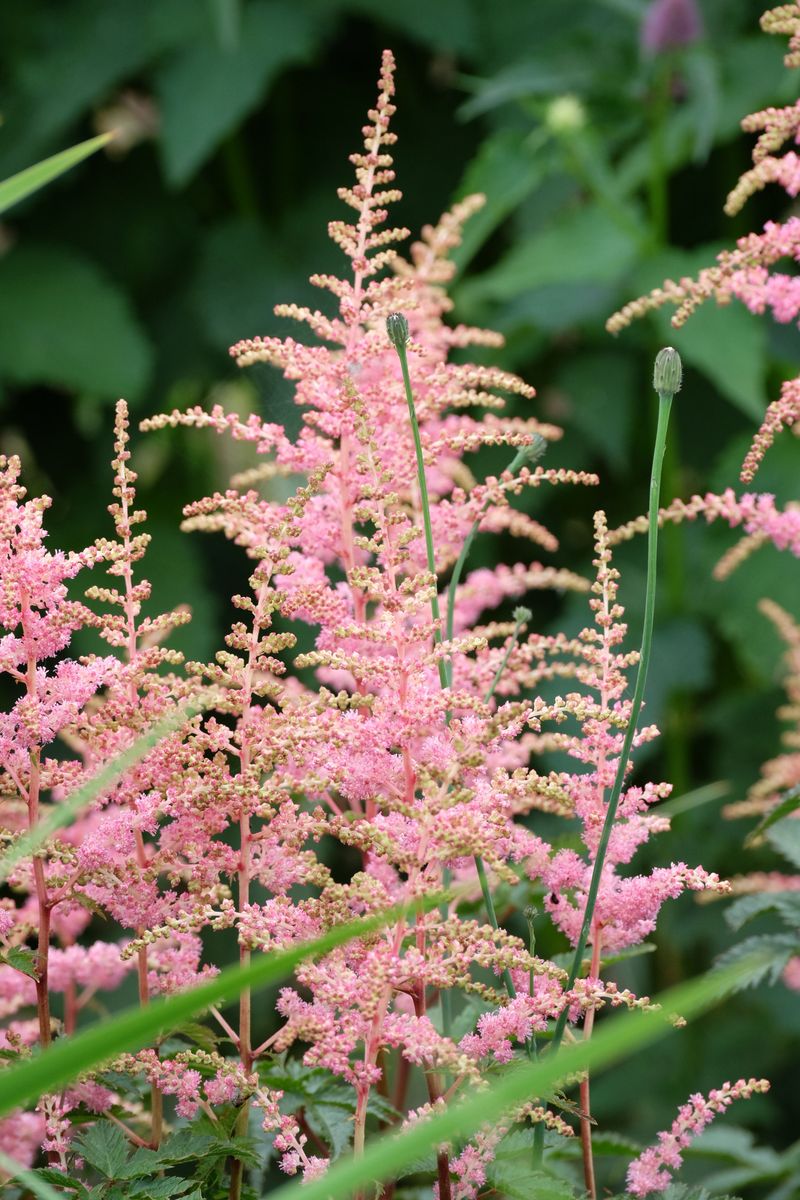
Astilbe puts on a gorgeous show in early summer, with feathery plumes of pink, red, and white rising above lacy foliage. By August, though, those same plants can look exhausted and spent if you are not paying attention.
Heat and drought are astilbe’s two biggest enemies. The plant’s roots are shallow and sensitive, which means they feel soil temperature changes almost immediately.
When the ground heats up in August, astilbe stops pulling water efficiently and begins to wilt fast. Watering deeply and consistently is the most important thing you can do right now.
Aim for one to two inches of water per week, delivered slowly at the base of the plant. A soaker hose works beautifully for astilbe because it delivers moisture directly to the roots without wasting water on foliage.
Remove spent flower plumes to redirect the plant’s energy toward root health rather than seed production. Removing faded blooms also keeps the garden looking tidy during what can otherwise be a rough-looking month.
Mulch generously around astilbe clumps to insulate roots from heat. Two to three inches of bark mulch or shredded wood chips makes a noticeable difference in soil temperature and moisture retention.
Astilbe genuinely prefers partial shade, and too much direct sun can push it past its limit. If your plant sits in a spot that gets more than six hours of direct sun, consider adding temporary shade during the hottest part of the day.
That relief now can prevent leaf scorch that weakens the plant heading into fall. Protect it now, and next summer’s display will be even more spectacular.
4. Hostas
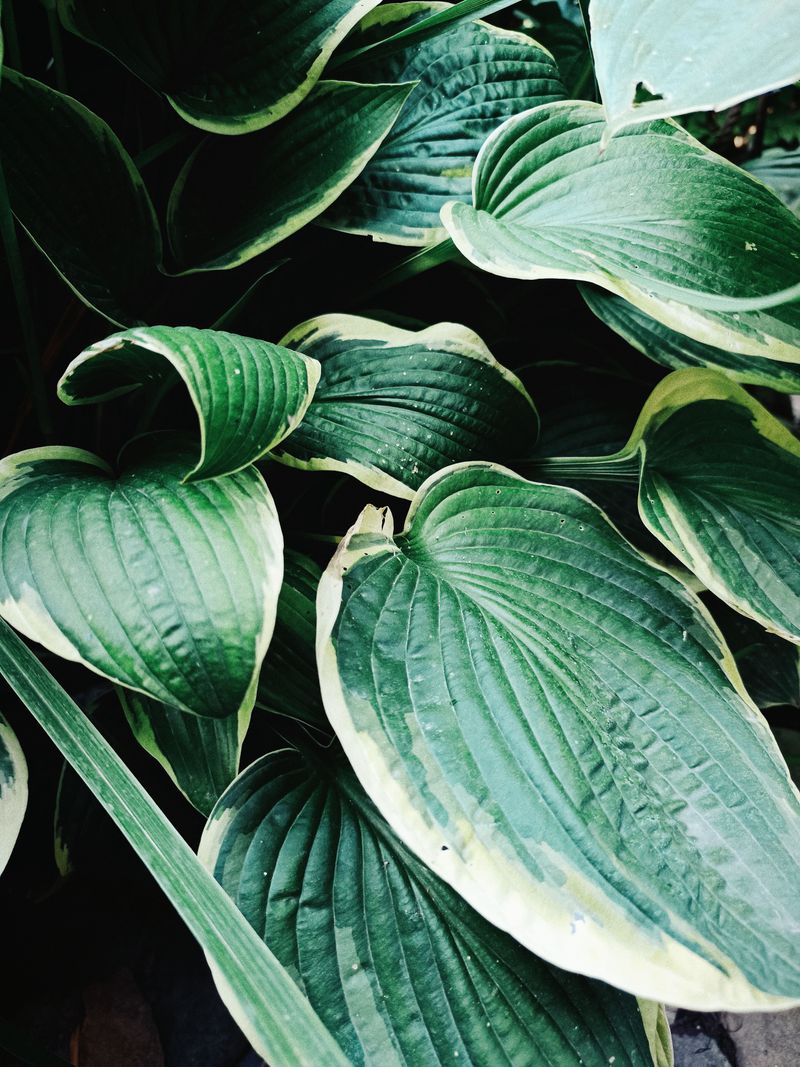
Hostas are supposed to be the tough, reliable workhorses of the Pennsylvania shade garden. August has a way of humbling even the most confident gardener who plants them in the wrong spot.
These bold, leafy plants can handle moderate heat when they have consistent shade and moisture. But when temperatures push past eighty-five degrees for extended stretches, hostas in too much sun start showing ugly brown scorch marks across their leaves.
The damage is permanent on affected leaves, but the plant itself can recover with the right help. Watering is critical for hostas in August.
Give them a deep soak two to three times per week, focusing water at the base rather than overhead. Wet leaves in strong sun can actually magnify heat damage, so keep water low and targeted.
Check your hosta’s sun exposure honestly. If it is getting more than three to four hours of direct sun, especially in the afternoon, it is in the wrong spot for summer.
Temporary shade cloth can bridge the gap until cooler weather arrives. Trim off any severely scorched or yellowed leaves with clean scissors.
Removing damaged foliage helps the plant focus energy on healthy growth rather than struggling to maintain decaying tissue.
Mulch around the base keeps roots cool and cuts down on watering frequency. Hostas with mulched roots handle heat spikes noticeably better than those in bare soil.
5. Impatiens
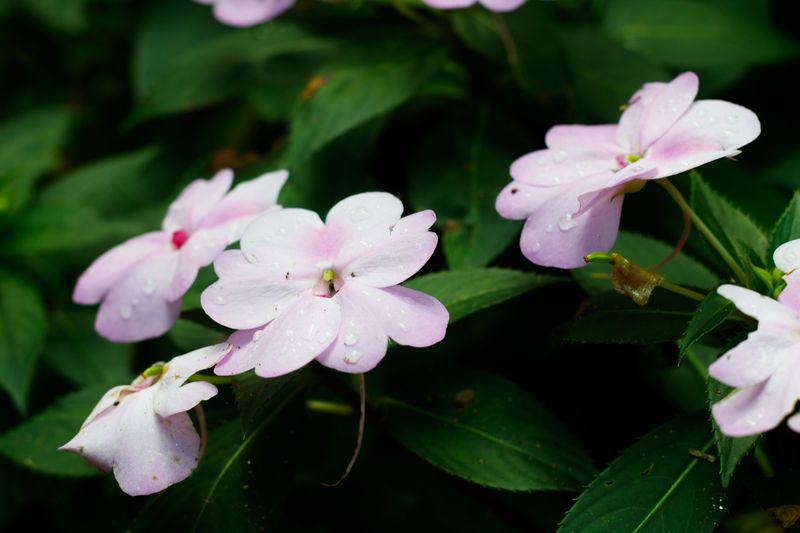
Walk past a planter of impatiens on a hot August afternoon and you might think the flowers are done for the season. Wilted stems, collapsed blooms, and limp leaves paint a grim picture fast.
Impatiens are heat-sensitive annuals that love moisture and moderate temperatures. They thrive beautifully in spring and early fall, but August pushes them to their absolute limit.
Impatiens are also incredibly resilient when given proper care during the toughest weeks of summer. Watering is the single biggest factor in keeping impatiens alive and blooming through August.
These plants need consistent moisture, and they will tell you loudly when they are thirsty by wilting dramatically within hours of drying out. Water deeply every morning before the heat peaks.
Containers with impatiens need even more attention than in-ground plantings. Pots heat up fast in direct sun, which accelerates moisture loss from both the soil and the plant.
Move containers to a shaded area during peak afternoon hours, or place them somewhere that gets morning sun and afternoon shade. Removing spent blooms encourages the plant to keep producing new flowers rather than setting seed.
Regularly removing spent blooms also reduces stress on the plant during extreme heat periods. A light liquid fertilizer every two weeks gives impatiens the nutrients they need to push through summer fatigue.
Look for a balanced, water-soluble formula and apply it in the morning when soil is already moist. Keep up this routine and your impatiens will reward you with color straight through October.
6. Bleeding Heart
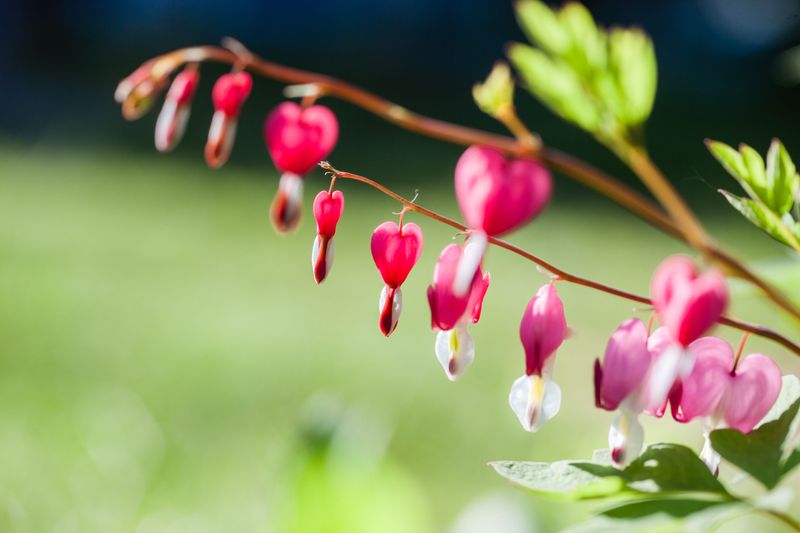
Bleeding heart is one of the most romantic-looking plants in any spring garden, with its arching stems and heart-shaped blooms dangling like tiny pink pendants. By August, though, that romance fades fast.
This plant is a true cool-season lover. When summer temperatures rise, bleeding heart naturally goes dormant, which means the foliage yellows and fades back to the ground.
This is not a crisis, it is the plant’s built-in survival strategy. Knowing this helps you manage the situation calmly instead of panicking. Do not rip out a dormant bleeding heart thinking it has failed.
The roots are alive underground, resting and storing energy for a glorious return next spring. Mark the spot clearly so you do not accidentally dig into it while planting fall bulbs.
Cut back any yellowed or completely brown stems at the base to keep the garden looking tidy. Removing faded foliage also reduces the risk of fungal issues that can develop in damp plant debris during humid August weather.
Water the dormant root zone lightly but consistently throughout the summer. Even though the plant is not actively growing above ground, the roots still need some moisture to stay healthy through the heat.
Mulch the area generously to keep soil temperatures stable and prevent the roots from drying out completely. Planting heat-tolerant annuals like zinnias nearby can fill the visual gap left by the dormant plant.
Bleeding heart will surprise you again in April, rising fresh from the same spot with its signature charm fully restored.
7. Coral Bells
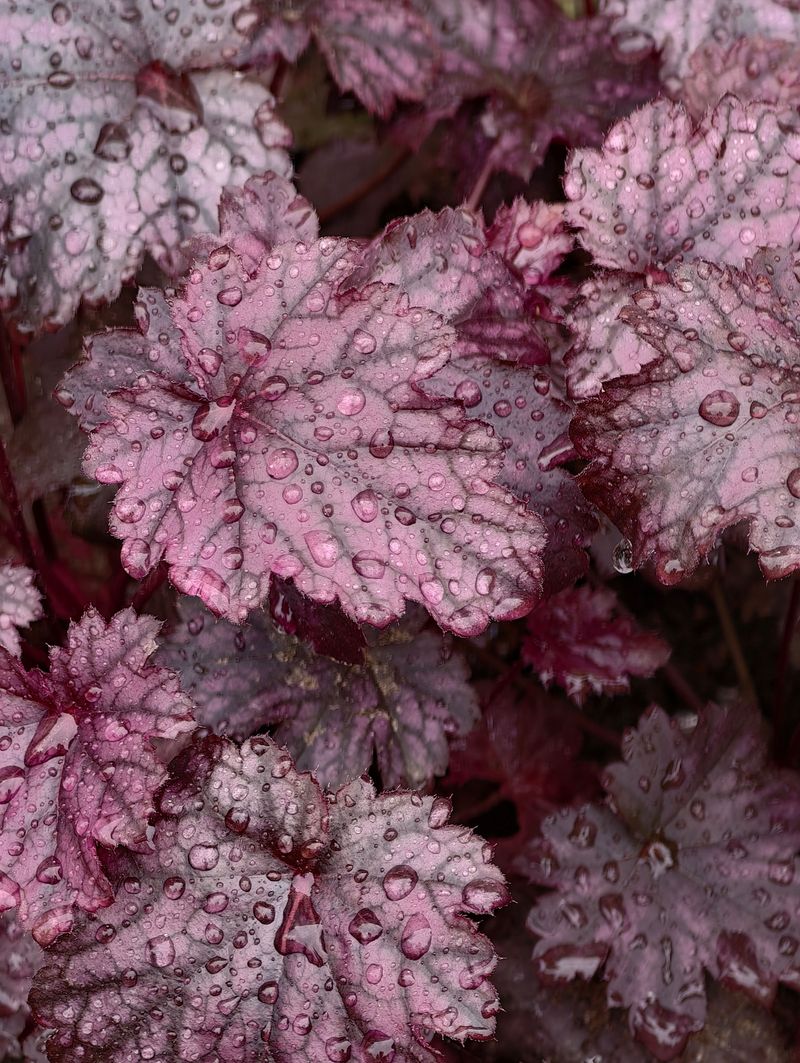
Coral bells look like they were designed by someone who wanted maximum drama from minimum effort. Ruffled leaves in shades of burgundy, caramel, and chartreuse make them standout plants in any garden bed.
August heat can turn that drama into distress quickly. Coral bells prefer cooler conditions and can suffer from leaf scorch, root stress, and wilting when temperatures stay high for extended periods.
The crown of the plant is especially vulnerable, since it sits right at soil level where heat radiates upward from baked ground. Watering deeply but infrequently works best for coral bells.
They do not like soggy roots, but they do need consistent moisture during heat waves. Aim for a thorough soak twice per week rather than light daily sprinkles that barely reach the root zone.
Mulching around coral bells is particularly important in August. Keep mulch away from the crown itself to prevent rot, but layer it generously in a ring around the plant to keep surrounding soil cool and moist.
Shade during the hottest part of the day makes a real difference for coral bells, especially varieties with darker-colored leaves that absorb more heat.
If your plants are in a sunny spot, temporary shade cloth or strategic placement of taller plants nearby can provide meaningful relief. Trim any scorched or faded leaves cleanly to encourage fresh growth.
Coral bells often push out new foliage once temperatures drop in September, so protecting the root system now sets up a strong fall recovery. This plant is worth every bit of extra effort this month.
8. Primrose
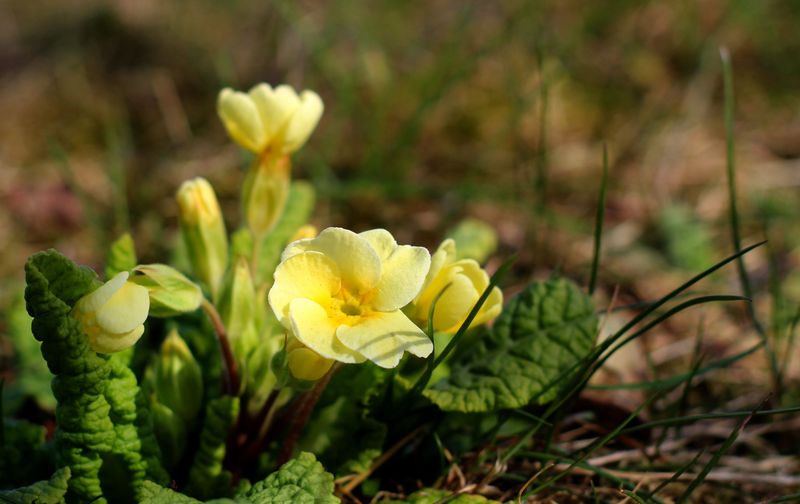
Primrose is practically synonymous with spring. Those cheerful clusters of yellow, pink, and purple blooms are among the first signs of life after a long winter, which makes them beloved by Pennsylvania gardeners.
The problem is that primrose has very little tolerance for August heat. These plants evolved in cool, moist climates, and sustained summer temperatures above eighty degrees can push them into serious decline.
If your primrose is looking rough right now, you are not alone, and you still have time to act. Move any potted primrose plants immediately to the coolest, shadiest spot available to you.
A north-facing porch, a shaded corner of the yard, or even a spot indoors near a bright window can buy the plant precious time during the worst heat weeks.
For in-ground primrose, create shade using garden cloth or strategically placed potted plants nearby. Even a few hours of afternoon shade protection can dramatically reduce heat stress and leaf scorch.
Water primrose consistently, keeping the soil evenly moist but never waterlogged. These plants are prone to root rot in standing water, so good drainage matters as much as consistent moisture.
Water in the morning to allow any surface moisture to evaporate before nighttime. Hold off on fertilizing stressed primrose until temperatures drop in September.
Focus on keeping the roots cool, moist, and shaded, and your primrose will likely bounce back strong once Pennsylvania garden plants get their first taste of fall air.