More Bats In Your Michigan Garden Means Less Mosquitoes, Here’s How To Attract Them
Bats have a reputation problem that has nothing to do with how useful they actually are in a Michigan garden.
A single bat can consume hundreds of mosquitoes in one evening, and a small colony working a yard through summer makes a measurable difference in pest pressure without any chemicals, traps, or ongoing effort from the gardener.
Most Michigan yards already have the conditions to support bats. What they lack is somewhere for bats to roost during the day. That is a simpler fix than most people expect.
The right placement of the right structure, combined with a few small adjustments to the yard itself, can bring bats in reliably and keep them coming back season after season for reasons that benefit the garden in ways that go well beyond mosquito control.
1. Install Bat Houses In Sunny, Elevated Locations
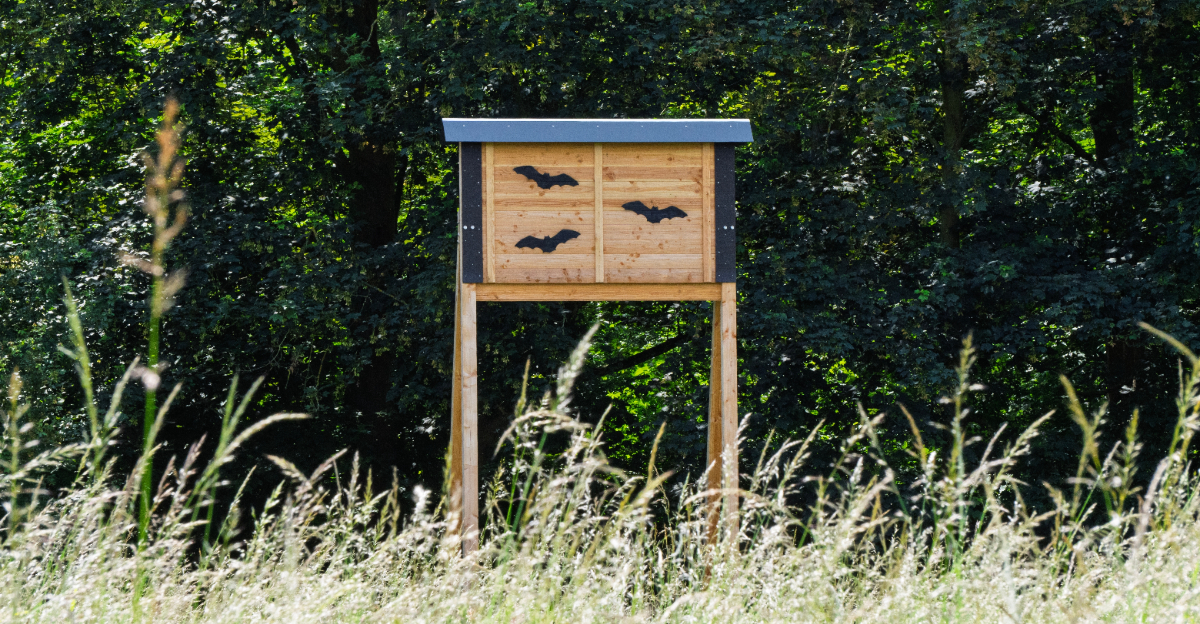
Bat houses are one of the most effective tools you can use to bring bats into your Michigan garden. Think of them as tiny apartments that bats absolutely love to move into, especially when placed correctly.
The key is giving them exactly what they prefer: warmth, height, and a good view of open space.
Bats love warmth because it helps them conserve energy and raise their young. South or southeast-facing spots that receive at least six to eight hours of direct sunlight each day work best.
Michigan summers can be unpredictable, so maximizing solar exposure really matters for keeping the interior temperature comfortable for roosting bats.
Height plays a huge role in bat house success. Mounting your bat house between 12 and 20 feet above the ground gives bats a clear flight path and protects them from ground-based predators.
A sturdy wooden post or the side of a building works great for installation. Avoid placing the house near dense tree branches that could block sunlight or give predators easy access.
Position the bat house within a quarter mile of a water source like a pond, stream, or birdbath. Bats need to drink regularly, so nearby water dramatically increases the chance of occupancy.
Give it one full season before expecting results, and stay patient because once bats discover your house, they tend to return year after year.
2. Provide Nearby Water Sources
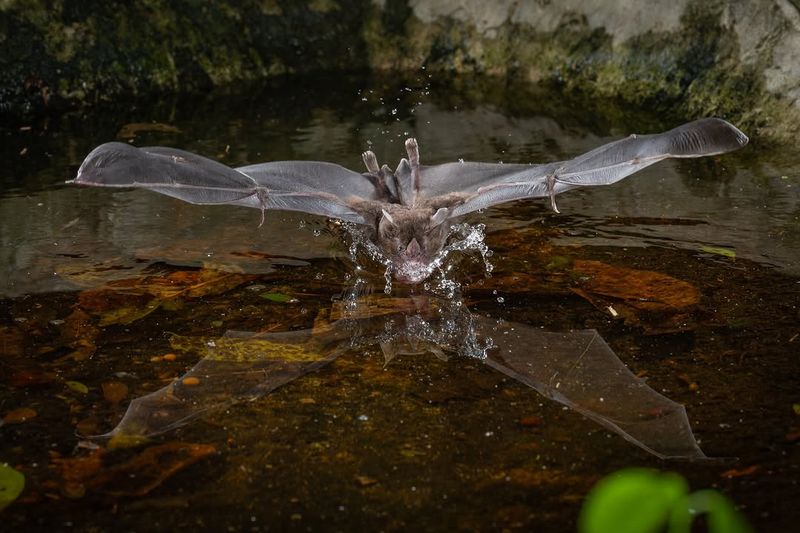
Water is something bats simply cannot do without, especially during Michigan’s hot summer months. They drink on the wing, swooping low over open water and scooping up a mouthful mid-flight.
Without a reliable water source nearby, even the best bat house setup might go unoccupied all season long.
Adding a birdbath, small pond, or shallow water feature to your garden can make a noticeable difference. The water surface needs to be open and accessible, meaning bats can fly over it without obstacles blocking their path.
A pond or bath that is at least two feet wide gives them enough room to drink comfortably during their nightly flights.
Placement matters just as much as size. Situating your water feature within 100 to 300 feet of your bat house creates a natural circuit that bats will follow each evening.
Your Michigan Garden Changes Every Week. Your Plan Should Too.
Gardening in Michigan changes quickly throughout the season. Every Friday you’ll receive a simple weekly plan showing exactly what to plant, prune, fertilize, harvest, and protect so you never miss the right timing.
They roost, they hunt, they drink, and they return. Keeping that loop short and convenient encourages more frequent visits and longer foraging sessions in your yard.
Maintaining clean water is equally important. Algae buildup, stagnant conditions, or debris can make a water source unappealing and even unhealthy for local wildlife.
Change birdbath water every few days and use a small pump or fountain feature in ponds to keep water moving. Fresh, clean water signals a healthy habitat and keeps bats returning throughout the entire warm season.
3. Reduce Pesticide Use
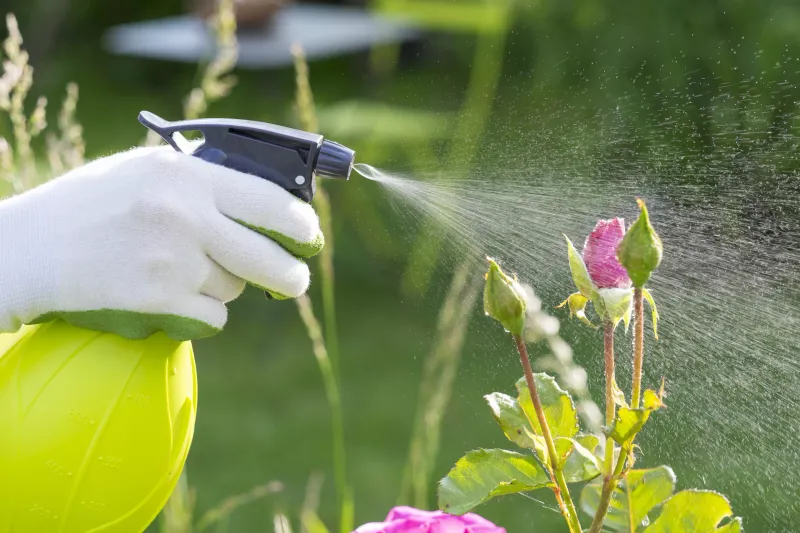
Spraying pesticides might seem like the fastest fix for garden pests, but it actually works against your goal of attracting bats. Chemical pesticides wipe out the very insects that bats depend on for food each night.
Fewer insects in your garden means less reason for bats to show up, and over time, it can seriously reduce local bat populations in your neighborhood.
Beyond reducing insect availability, pesticides can build up in the bodies of insects that bats then consume. This accumulation, known as bioaccumulation, can weaken bats over time and disrupt their ability to hunt and reproduce successfully.
Michigan gardeners who switch away from chemical sprays often notice a surprising increase in wildlife activity within just one or two seasons.
Fortunately, there are plenty of effective alternatives. Companion planting is a fantastic strategy where you grow pest-repelling plants like basil, lavender, and marigolds alongside your vegetables and flowers.
These plants naturally deter harmful insects without touching the beneficial ones that bats love to snack on.
You can also introduce beneficial insects like ladybugs and lacewings that naturally manage aphid and pest populations. Neem oil, insecticidal soap, and hand-picking pests are all low-impact options that keep your garden healthy without disrupting the food chain.
A garden that buzzes with insect life at night is a garden that bats will happily patrol from dusk until dawn.
4. Preserve Mature Trees And Native Plants
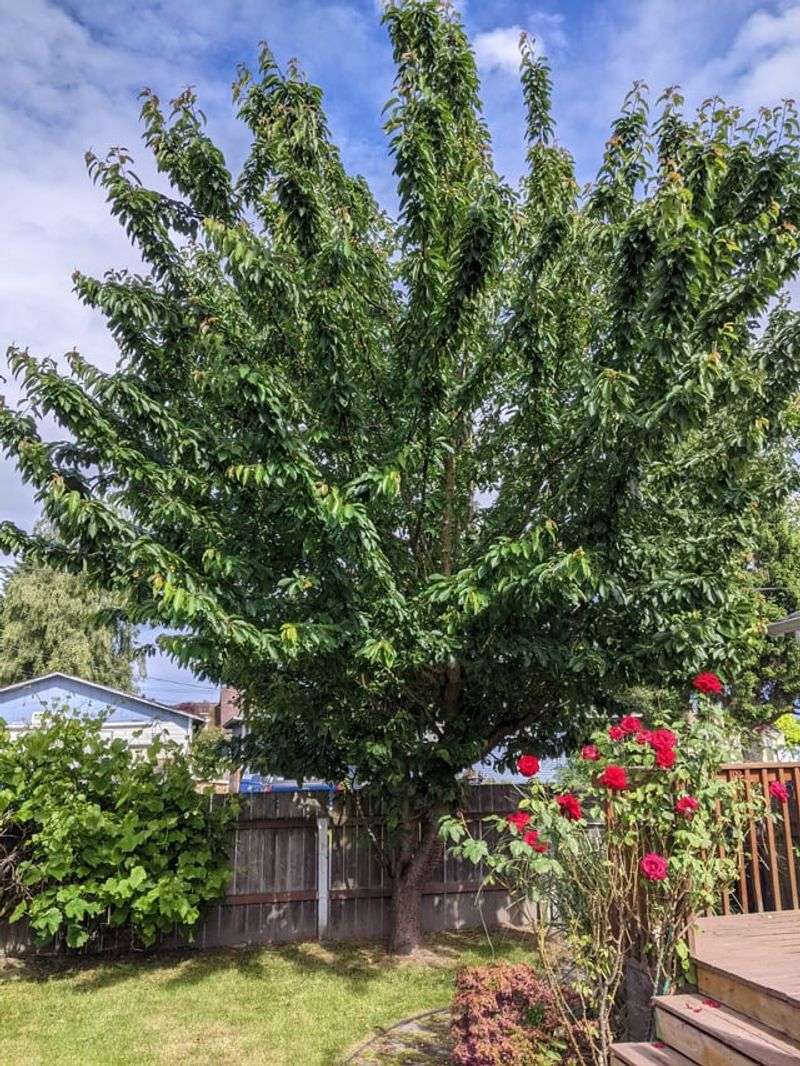
Old trees and native shrubs are worth far more to your garden ecosystem than most people realize. Mature trees with rough, deeply furrowed bark offer natural crevices where bats can tuck in and roost during the day.
Snags, which are standing trees with no leaves, are especially valuable because their loose bark creates perfect hidden spaces that bats seek out instinctively.
Native plants like wild bergamot, elderberry, and staghorn sumac attract the moths, beetles, and flies that make up a large part of a Michigan bat’s nightly diet.
When you remove these plants and replace them with non-native ornamentals, you reduce the insect diversity that supports the entire food web.
Keeping your yard layered with native vegetation creates a rich, living buffet that draws bats in regularly.
Selective pruning is the smart approach when managing mature trees. Rather than removing large limbs entirely, trim only what poses a genuine safety risk to your home or people.
Leaving some natural irregularity in tree canopies provides more foraging corridors and edge habitats that bats prefer for hunting. Bats tend to follow the edges of tree lines as they fly, so maintaining those natural boundaries encourages consistent nightly activity.
A yard that feels a little wild and natural is actually doing its job perfectly. Resist the urge to over-manicure every corner.
Leaving leaf litter, brush piles, and native groundcovers intact supports insect populations year-round and signals to local bats that your garden is a reliable, food-rich environment worth visiting again and again.
5. Offer Nighttime Shelter Opportunities
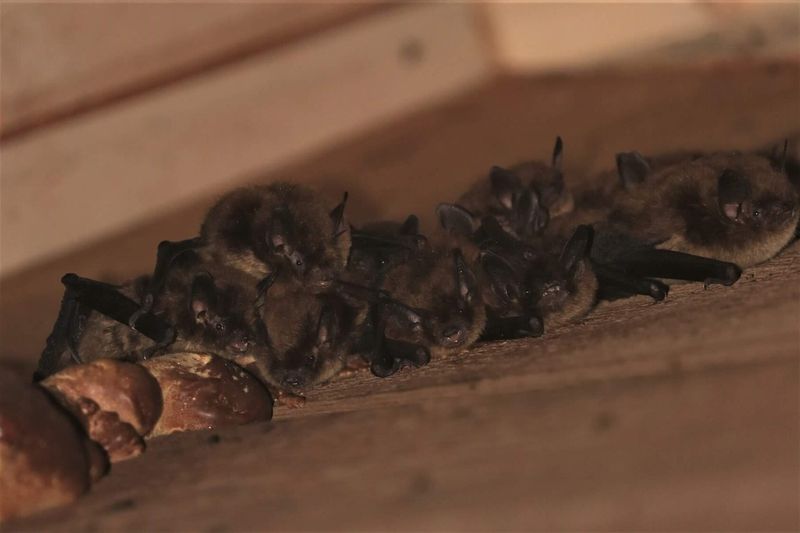
Bats are creatures of habit, and they feel most comfortable in gardens that offer more than just a bat house. Dense shrubbery, climbing vines, and vertical garden features give bats additional places to rest briefly between hunting flights.
When a garden feels sheltered and layered, bats spend more time there rather than moving on to the next yard.
Tall, dense plantings of native shrubs like buttonbush, ninebark, or arrowwood viburnum create the kind of protective cover that bats appreciate at night. These plants also happen to attract the moths and soft-bodied insects that bats hunt most efficiently.
So by adding shelter, you are simultaneously stocking the pantry for your nightly bat visitors.
Vertical garden features like wooden trellises covered in native vines are another excellent addition. Virginia creeper and trumpet vine grow quickly and provide layered canopy that creates shaded microclimates.
Bats sometimes use these shaded spots to rest momentarily or orient themselves before continuing their foraging flights across the garden.
One thing worth keeping in mind is maintaining a safe buffer between these sheltered areas and high-traffic human zones. Bats naturally avoid close human contact and will choose spots that feel calm and undisturbed.
Positioning your dense plantings along fence lines, garden borders, or the quieter edges of your yard encourages bats to use those areas freely without feeling threatened, which leads to longer and more consistent visits throughout the summer season.
6. Maintain Low Light Conditions At Dusk
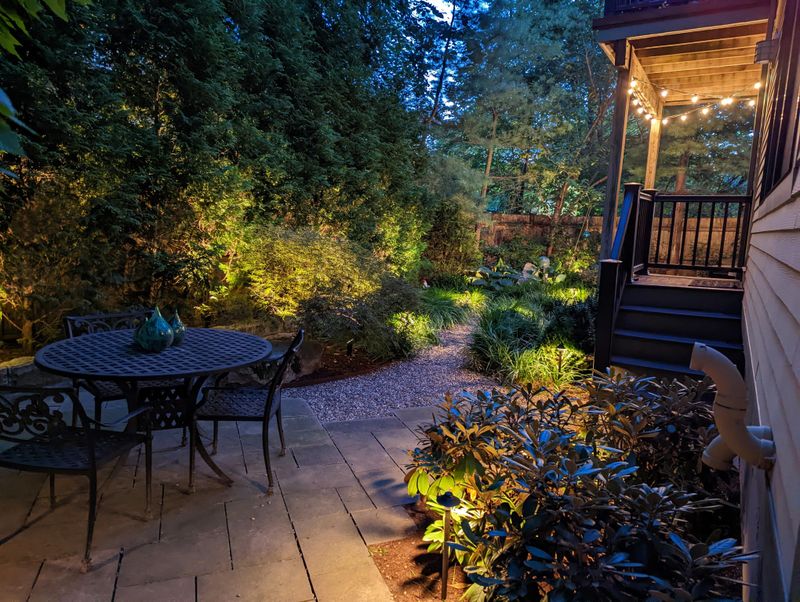
Here is something that surprises a lot of Michigan gardeners: bright outdoor lights are one of the biggest reasons bats avoid certain yards.
Bats are naturally wired to hunt in low-light conditions, and floodlights or bright patio lights flooding your yard at dusk can completely disrupt their feeding patterns. They simply move on to darker, quieter areas where hunting feels safer and more natural.
Bright lights also create what is called a light trap effect for certain insects. Moths and other nocturnal bugs crowd around your light fixtures instead of dispersing across the garden, which actually pulls the insect activity away from where you want bats to hunt.
Reducing light intensity spreads insects more evenly and gives bats a wider foraging zone to work with each evening.
Motion-activated lights are a practical middle ground for homeowners who still need some outdoor lighting for safety. These lights only switch on when needed and spend most of the night off, which preserves the natural darkness that bats prefer.
Placing motion sensors near doorways or driveways rather than over garden beds keeps the hunting zones dark and undisturbed.
Warm-toned, low-intensity solar path lights are another great option. They provide just enough visibility for human navigation without flooding the yard with harsh white light.
Shielded fixtures that direct light downward rather than outward minimize sky glow and keep the upper airspace dark. Small adjustments to your lighting setup can make a genuinely meaningful difference in how often bats visit your Michigan garden each night.
7. Plant Insect-Attracting Flowers
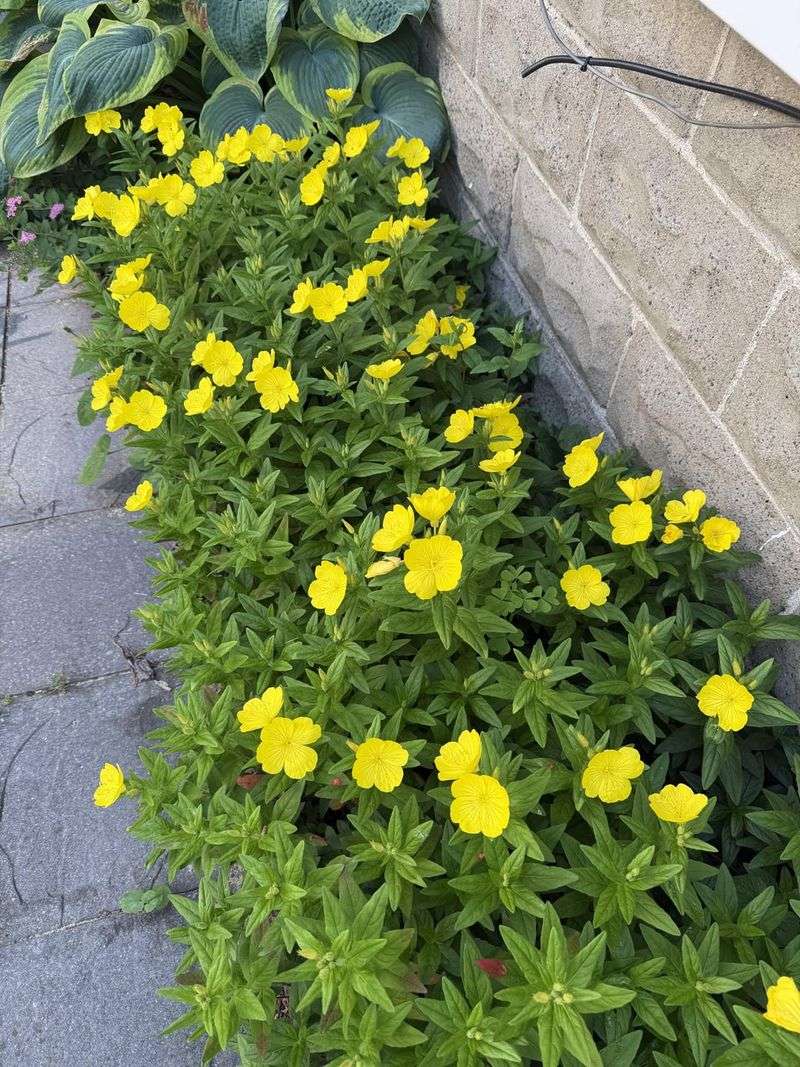
One of the most enjoyable ways to attract more bats is simply planting the right flowers. Certain native plants bloom in the evening or release fragrance after dark, drawing moths, midges, and other nocturnal insects in large numbers.
More insects at night means more reason for bats to swing through your garden on their regular feeding routes.
Evening primrose is a standout choice for Michigan gardeners. It opens its pale yellow blooms at dusk and releases a sweet scent that moths find irresistible.
Wild bergamot, native asters, and goldenrod are also excellent options because they support a wide range of insect species throughout the growing season. Planting a mix of these ensures insect activity from early summer all the way through fall.
Night-blooming flowers like moonflower and four-o-clocks add another layer of insect attraction to your garden after sunset. These plants specifically evolved to attract nocturnal pollinators, which happen to be exactly the insects bats love most.
Grouping them in clusters rather than scattering single plants makes the insect activity more concentrated and easier for foraging bats to locate.
Michigan’s soil and climate are well-suited for most native wildflowers, and many of them require very little maintenance once established. Planting in well-drained soil with full to partial sun gives these flowers the best start.
A garden buzzing with moth and midge activity by 9 p.m. is practically a dinner invitation for every bat in the neighborhood, and they will gladly accept night after night.
8. Keep Cats Indoors At Night
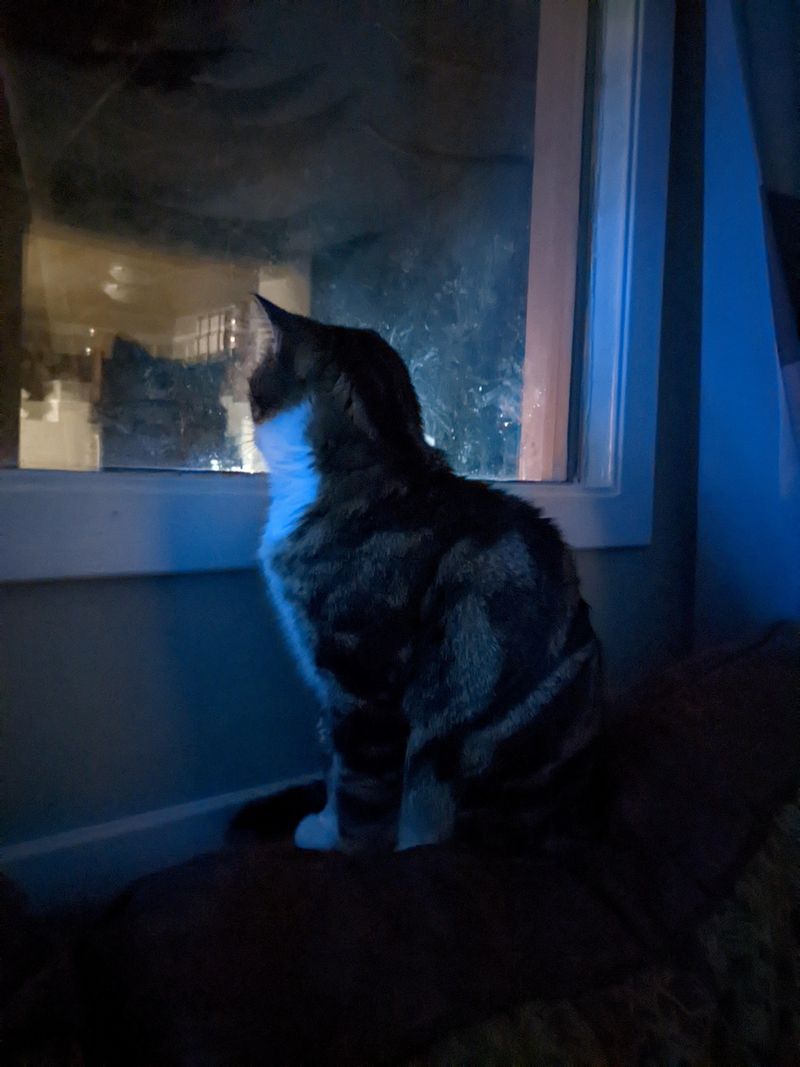
Cats are wonderful companions, but they are also surprisingly effective hunters of small wildlife, including bats. A bat flying low to the ground while chasing a mosquito near a shrub is vulnerable, and an outdoor cat does not need much opportunity to cause harm.
Even the presence of a roaming cat can make bats feel unsafe and cause them to abandon a garden entirely for the rest of the season.
Keeping cats indoors after sunset is one of the simplest and most impactful things you can do to support bat activity in your yard. Bats tend to fly lowest during the first and last hours of the night when insects are most active near the ground.
Those are exactly the same hours when outdoor cats are most actively hunting, creating a direct conflict that consistently discourages bat use of your garden space.
Indoor enrichment for your cat makes the transition much easier. Puzzle feeders, window perches, and interactive toys keep cats stimulated and content without needing outdoor access.
Many cat owners find that once they establish a consistent nighttime indoor routine, their cats adapt quickly and show no signs of frustration or stress.
Beyond protecting bats, keeping cats indoors at night also benefits birds, frogs, and other garden wildlife that contribute to a healthy ecosystem. A yard where wildlife feels safe will always attract more species over time.
Your cat stays safe from nighttime hazards like cars and other animals, and your garden becomes a genuinely welcoming space for the bats you are working so hard to attract.
9. Monitor Bat Activity And Adjust Placement
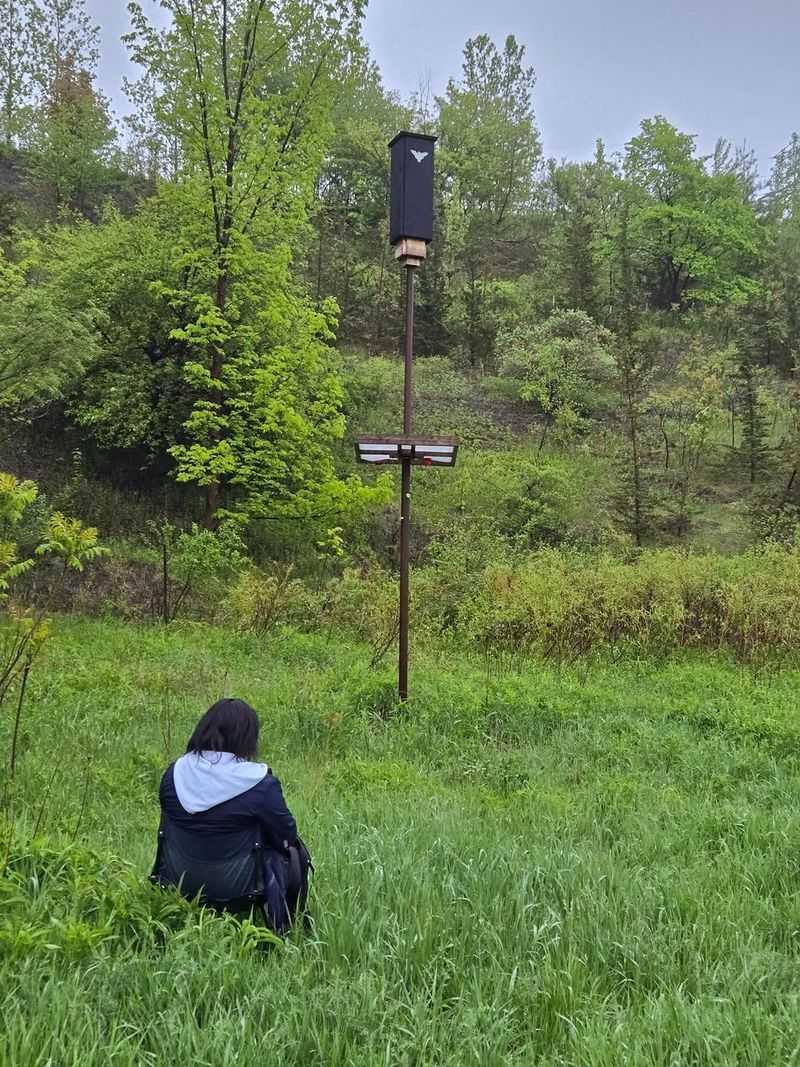
Patience and observation are two of the most underrated tools in any bat-friendly garden. After installing your bat house, give it time, but also pay attention to what is happening.
Watching your garden at dusk from a comfortable distance can tell you a surprising amount about whether bats are using the space and whether any adjustments might improve activity levels.
Signs of bat occupancy include small dark droppings, called guano, appearing below the bat house, as well as the sight of bats emerging from the entry slot around sunset.
If you have had a bat house up for a full season without any signs of use, it is worth reassessing the placement.
Height, sun exposure, and proximity to water are the three most common factors that need tweaking when occupancy rates stay low.
Rotating the bat house to face a slightly different direction can make a noticeable difference. If your house currently faces east, try shifting it toward the south to capture more afternoon sun.
Sometimes nearby tree branches have grown enough to cast new shade over the house, and trimming them back can restore the warmth bats need to feel comfortable roosting there.
Throughout the summer, keep a simple log of your observations. Note the number of bats you see, the time they emerge, and any changes in behavior after you make adjustments.
Michigan bat activity typically peaks between June and August, so that window gives you the best data. Over one or two seasons, your notes will reveal clear patterns that help you fine-tune your setup for maximum bat presence every year going forward.
10. Educate Neighbors And Protect Habitats
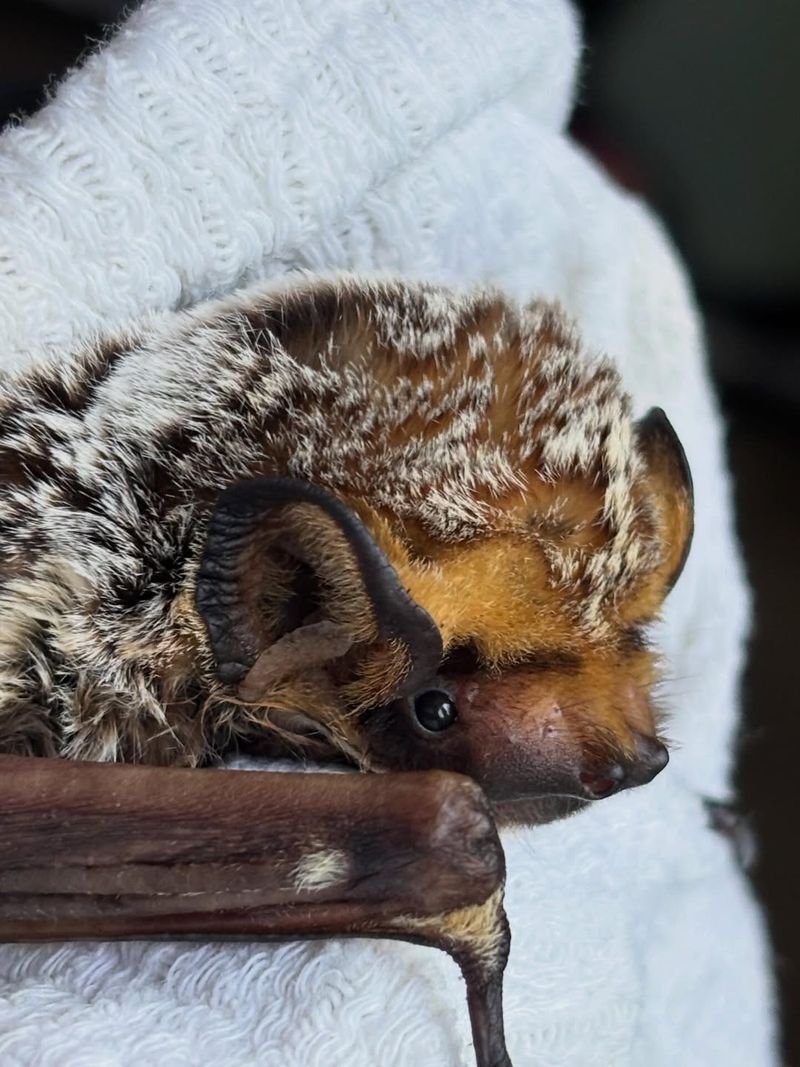
Bats do not respect property lines, and neither does the effort needed to protect them. A thriving bat population in your neighborhood depends on more than just what you do in your own yard.
When neighbors understand why bats matter, they are far less likely to remove bat houses, disturb roosting spots, or use heavy pesticides that reduce insect populations across the whole area.
Starting a simple conversation goes a long way. Sharing a few surprising bat facts with a neighbor, like how a single bat can consume over 1,000 mosquitoes in one hour, tends to shift attitudes quickly.
Most people are genuinely unaware of how beneficial bats are and simply need a friendly nudge in the right direction. You do not need to be a wildlife expert to spread this kind of awareness effectively.
Community bat walks are another fantastic way to build shared appreciation for local bat populations. Several Michigan nature centers and wildlife organizations host guided evening events where participants can observe bats foraging in real time.
Attending or even organizing one of these events in your neighborhood creates a shared experience that motivates collective action far more effectively than pamphlets or online posts alone.
Encouraging neighbors to avoid sealing off old buildings, barns, or attic spaces during the summer months is also important. Many bats use these structures as maternity colonies to raise their young.
Waiting until late fall before doing any exclusion work gives bat families the time they need to move on naturally. A neighborhood that thinks and acts together creates a connected habitat corridor that supports bats for many seasons to come.