The Best Time To Shape Ohio Boxwoods After The Spring Flush
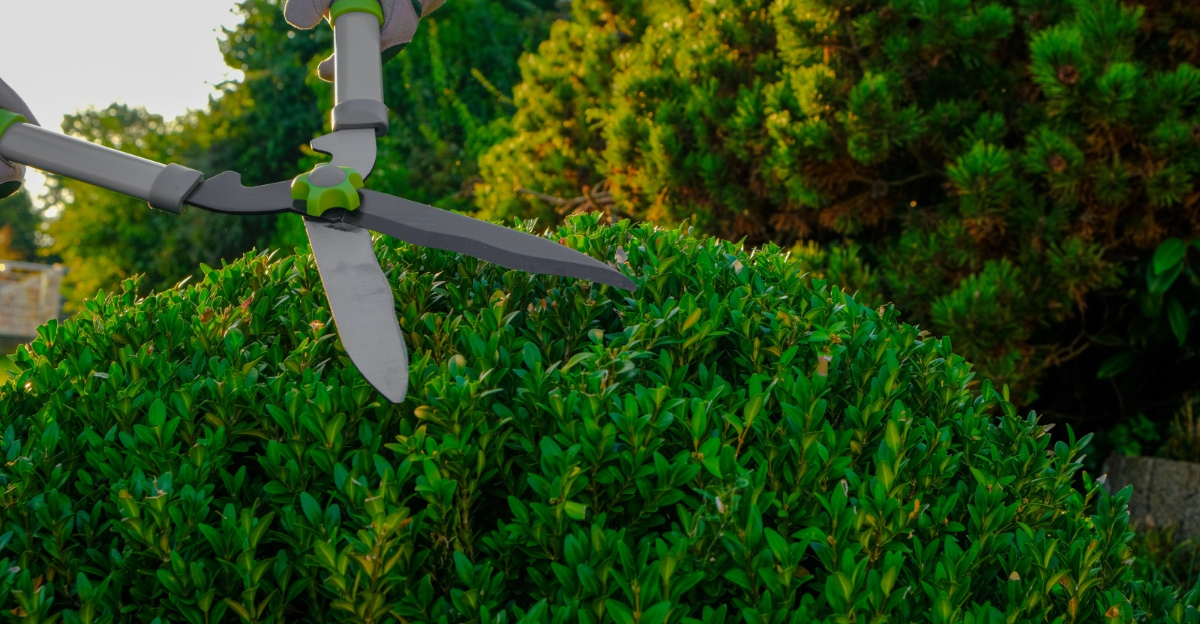
Boxwoods are the kind of shrub that make a yard look pulled together, and Ohio gardeners know it. But here’s where a lot of people quietly go wrong: timing the pruning.
Grab the shears too early and you’re cutting into soft, fresh growth that hasn’t had a chance to firm up yet. Wait too long into the season and you’re setting your boxwoods up for a rough winter.
Ohio’s late spring and early summer weather has a way of keeping gardeners on their toes, and boxwoods are more particular about pruning timing than they might look.
The good news is that once you understand what to watch for, getting it right becomes pretty straightforward.
Light shaping at the right moment makes a noticeable difference, and your boxwoods will absolutely show it.
1. Watch For Firm New Growth
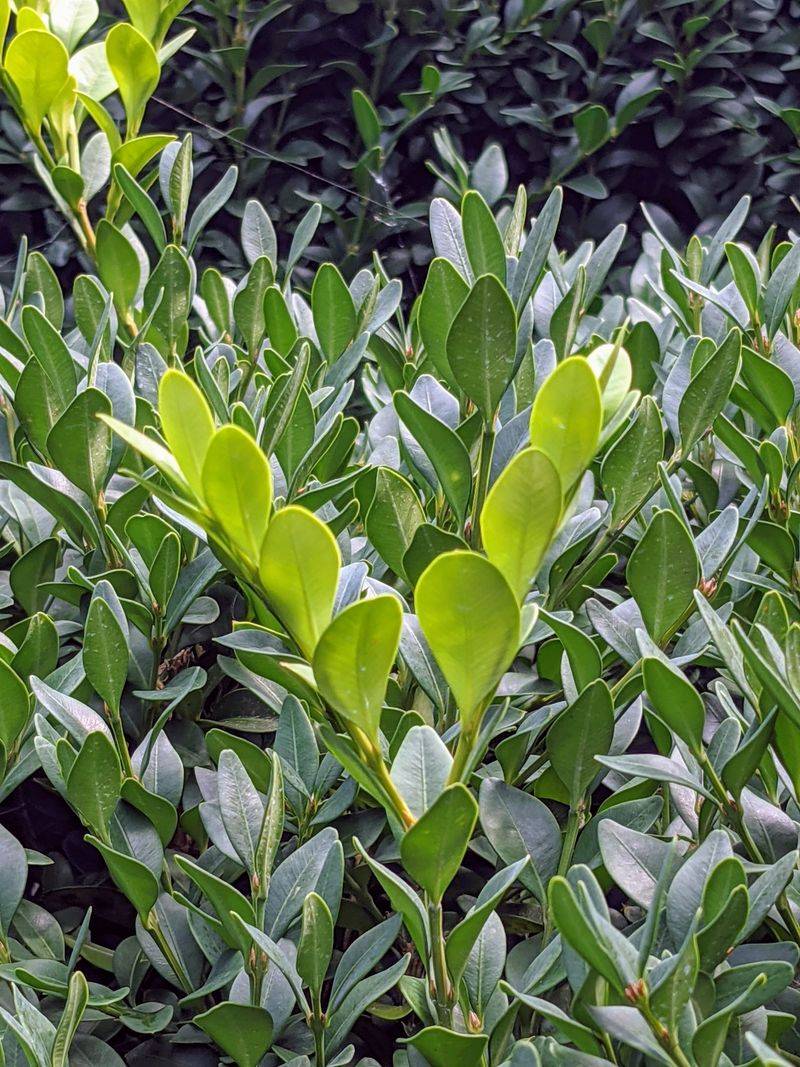
Soft, bright green tips poking out of a boxwood in spring are a satisfying sight for any homeowner. That flush of new growth signals that the plant is actively pushing energy outward, but those tender shoots are not quite ready for shaping yet.
Cutting into soft growth too soon can stress the plant and leave it looking ragged rather than tidy.
The key is watching for that shift from soft and pliable to firm and slightly darker in color. Once the new growth has firmed up, usually a few weeks after the initial flush, the stems hold their shape much better under the shears.
In Ohio, that window often falls somewhere in late May to early June, depending on how warm the spring has been.
Running your fingers along the new stems is a simple way to check. Firm stems that resist bending slightly are a good sign the growth has matured enough for light shaping.
Rushing this step can lead to uneven results, so a little patience pays off. Watching for firm new growth is one of the most reliable indicators that your Ohio boxwoods are ready for a clean, careful trim.
2. Keep Early Cuts Light
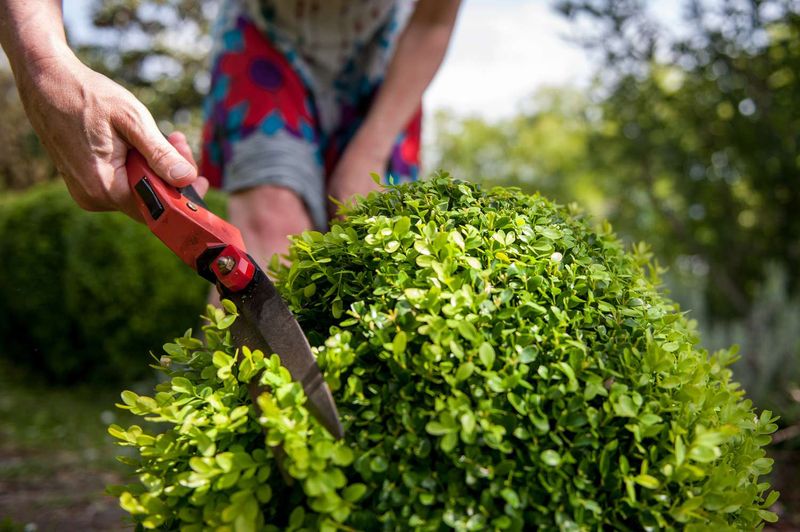
Fresh boxwood growth after the spring flush still carries a lot of energy, and cutting back too heavily at this stage can send mixed signals to the plant.
Light shaping works much better early in the season because it tidies the outline without stripping away too much of the foliage that the plant needs for photosynthesis.
Removing just the outermost tips encourages a neater shape while leaving most of the healthy growth intact.
For foundation plantings and formal hedges across Ohio, the goal after the spring flush is usually to refine the shape rather than dramatically reduce the size.
Taking off more than a third of the growth at once can weaken the plant and sometimes encourage a second flush of tender growth late in the season, which is not ideal heading toward summer heat.
Hand pruners or light hedge shears work well for this kind of careful trimming. Electric hedge trimmers are fine for longer runs of formal hedging, but going slowly and stepping back often helps you avoid overcutting.
Your Ohio Garden Changes Every Week. Your Plan Should Too.
Gardening in Ohio changes quickly throughout the season. Every Friday you’ll receive a simple weekly plan showing exactly what to plant, prune, fertilize, harvest, and protect so you never miss the right timing.
Keeping early cuts conservative gives the boxwood time to settle into its shape while staying strong through the rest of Ohio’s growing season.
3. Shape On A Dry Day
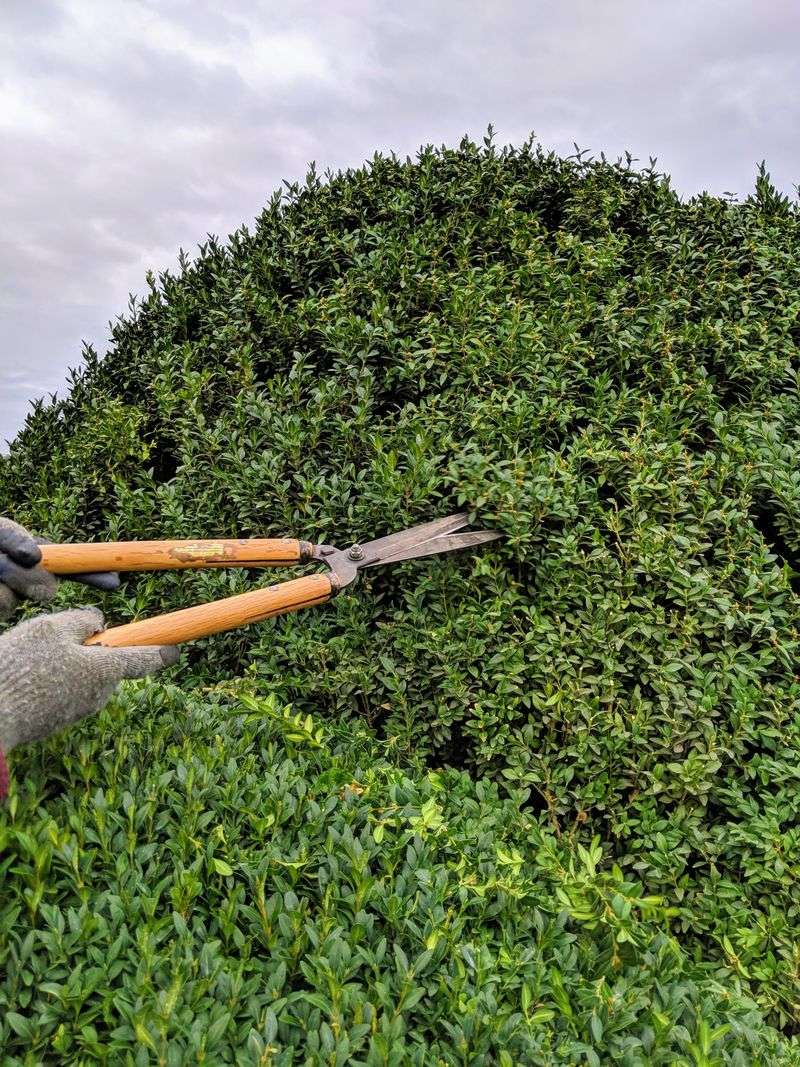
Wet foliage and pruning shears are not a great combination for boxwoods. When leaves and stems are damp from rain or morning dew, cutting into the plant can increase the chance of fungal issues spreading across the freshly cut surfaces.
Ohio summers bring plenty of humid stretches, so choosing a dry day for shaping is a practical habit worth building.
Waiting until the foliage has dried out completely before trimming is a small step that can make a real difference in plant health.
Boxwood blight and other fungal concerns are more likely to take hold when conditions stay moist, and freshly cut stems are more vulnerable than established ones.
Dry conditions allow cut surfaces to seal more quickly and reduce that window of vulnerability.
Morning shaping on a clear day, after any dew has burned off but before afternoon heat sets in, tends to work well in Ohio. The cooler part of the day is easier on both the gardener and the plant.
Keeping your pruning tools clean and sharp also helps, since clean cuts heal faster than ragged ones. A dry, breezy day is often the most comfortable and safest time to shape your boxwoods.
4. Avoid Cutting During Heat Stress
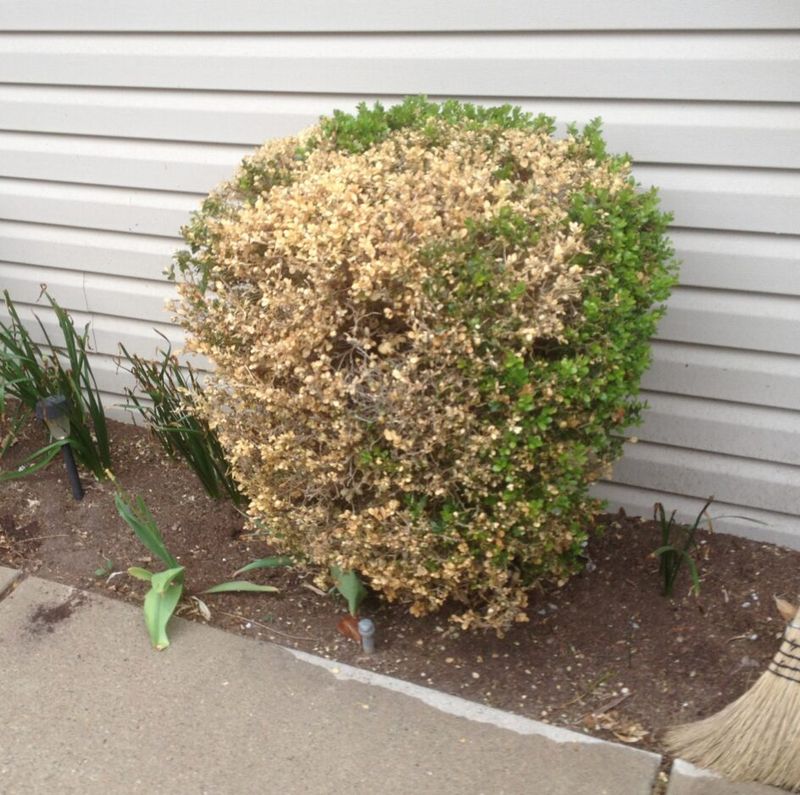
Pruning boxwoods during a heat wave is one of those things that seems harmless but can set the plant back noticeably. When temperatures climb into the upper 80s or 90s in Ohio, boxwoods are already working hard to manage moisture and stay stable.
Adding the stress of fresh cuts on top of heat stress can leave the plant struggling on two fronts at once.
Freshly trimmed stems lose moisture faster than established foliage, and in dry heat, that extra moisture loss can cause browning at the cut edges.
This kind of tip burn after pruning in high heat is common and frustrating, especially when you were hoping for a clean, green finish.
Waiting for a cooler stretch of weather makes the whole process go more smoothly.
Ohio typically sees stretches of intense heat in July and August, and those weeks are generally better spent watering and monitoring rather than shaping.
If the boxwood needs a quick cleanup during a hot spell, limiting cuts to the absolute minimum is a reasonable approach.
Saving heavier shaping for a cooler morning in early June or early September gives the plant a much better chance to recover cleanly and stay looking its best through the season.
5. Thin Crowded Outer Growth
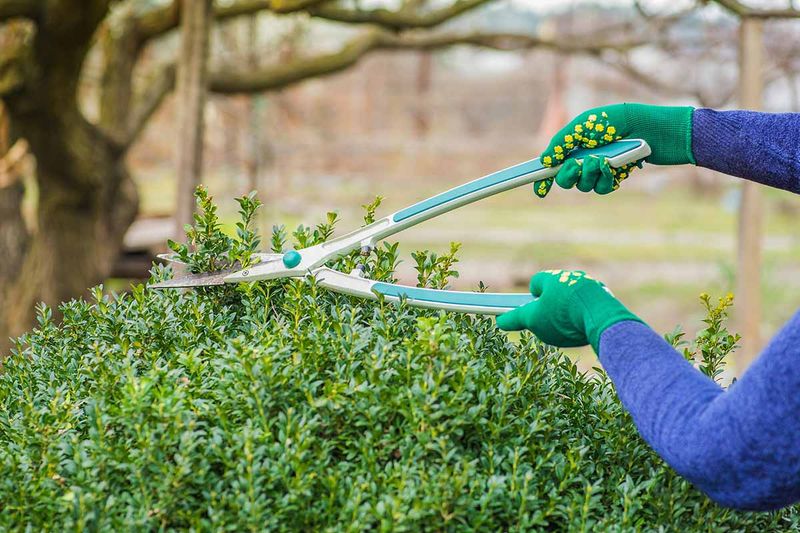
Over time, boxwoods develop a thick outer layer of foliage that can block sunlight and air circulation from reaching the interior of the plant.
That dense outer shell might look full and healthy from the outside, but the inner branches can become weak and bare when light cannot get through.
Thinning the outer growth a bit after the spring flush is firmed up helps the whole plant stay more balanced.
Selective thinning is a little different from standard hedge trimming. Rather than just skimming the surface, you reach in and remove a few of the older, woodier stems to open up small pockets of light.
This encourages interior growth to stay active and keeps the plant from becoming a hollow green shell over time. Ohio boxwoods in formal hedges or rounded foundation plantings benefit from this kind of attention every year or two.
Using hand pruners for thinning gives you much better control than hedge shears. Working slowly and checking your progress as you go prevents accidentally removing too much at once.
A well-thinned boxwood looks natural and full while staying structurally sound, and the improved airflow through the canopy can also reduce the humid conditions inside the plant that sometimes lead to disease problems in Ohio’s warmer months.
6. Step Back While Shaping
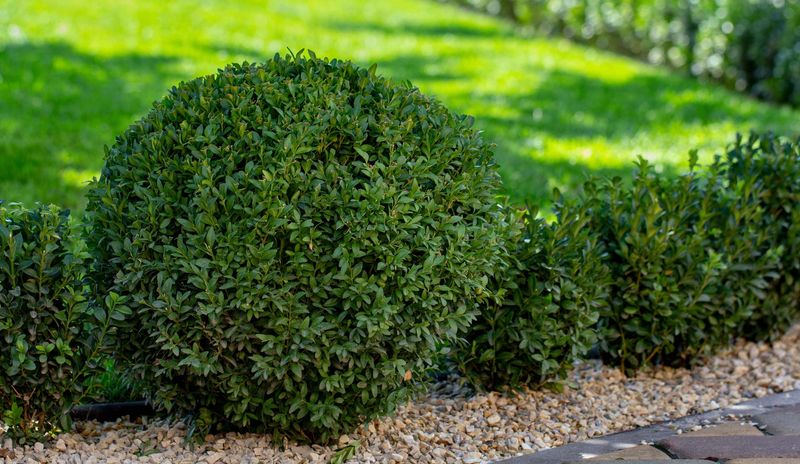
Getting too close to the plant while trimming is one of the easiest ways to accidentally overcorrect. When you are right up against a boxwood with shears in hand, your perspective gets narrow and it becomes hard to see the overall shape.
Stepping back every few minutes to look at the full outline from a few feet away keeps the shaping process much more accurate.
For rounded boxwoods in mixed borders or foundation plantings, checking the silhouette from multiple angles helps you catch any flat spots or uneven sections before they become too obvious.
Formal hedges in Ohio landscapes benefit from the same approach, since a slight lean or dip in the top line is much easier to spot from a distance than from right beside the plant.
Some gardeners find it helpful to use a simple guide, like a taut string stretched along the top of a hedge row, to keep lines consistent. For freeform shapes, trusting your eye and stepping back often is usually enough.
Shaping in stages rather than rushing through the whole plant at once tends to produce better results. A little patience and distance during the process makes a noticeable difference in the finished look of boxwoods.
7. Remove Damaged Branches First
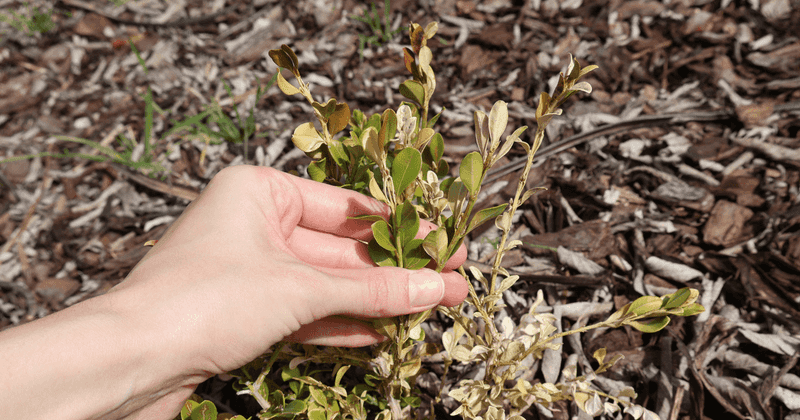
Before any shaping begins, walking around the boxwood and looking for damaged, discolored, or crossing branches is a worthwhile first step.
Winter can leave behind broken stems, frost-damaged tips, or branches that rubbed against each other and developed weak spots.
Clearing those out first gives you a cleaner starting point and a more accurate picture of the plant’s natural shape.
Damaged branches left in place can become entry points for disease or pests, especially during Ohio’s humid spring and summer months.
Removing them early in the season, once the spring flush has firmed up, allows the plant to direct its energy toward healthy new growth rather than trying to support compromised stems.
Clean cuts made just above a healthy bud or lateral branch help the plant recover more efficiently.
Checking for any discoloration or unusual texture on the leaves at this stage is also a good habit. Spotting a problem early gives you more options for addressing it before it spreads.
Once the damaged material is removed, shaping the remaining healthy growth becomes much more straightforward.
Starting with a clean, healthy framework makes every other pruning decision easier and helps Ohio boxwoods look their best throughout the growing season.
8. Skip Heavy Late-Season Pruning
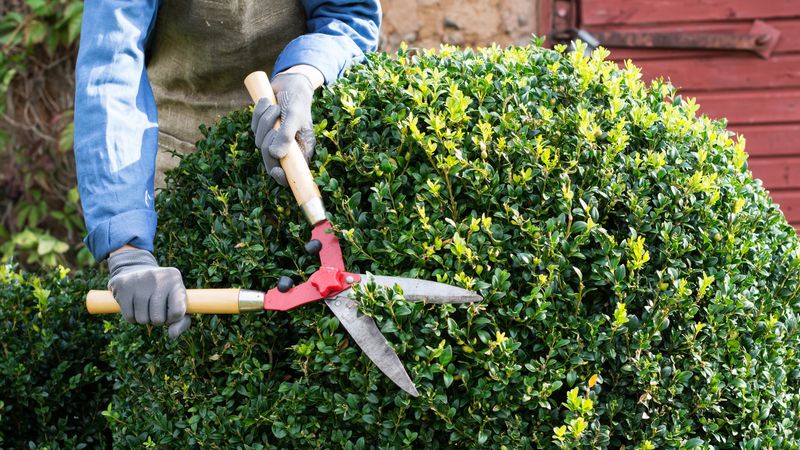
Late summer and early fall pruning can feel tempting when a boxwood starts looking a little overgrown heading into September.
In Ohio, though, heavy cutting late in the season encourages a flush of tender new growth that does not have enough time to harden off before cold weather arrives.
That soft growth is much more vulnerable to frost damage than established stems.
Keeping late-season pruning minimal is a widely recommended practice for gardeners who want their boxwoods to head into winter in solid condition.
Light cleanup of a few stray branches is generally fine in early fall, but major reshaping or significant size reduction is better saved for late winter or the post-flush window in late spring.
The goal in late summer is to let the plant slow down naturally and prepare for dormancy.
Winters can bring sharp temperature swings, heavy snow loads, and extended cold stretches that test even well-established boxwoods.
Giving the plant the best possible footing going into that season means avoiding unnecessary stress in the weeks before the first frost.
Skipping heavy late-season pruning is one of the more straightforward ways to support long-term boxwood health in Ohio residential landscapes without a lot of extra effort.