The Best Way To Clean Michigan Porch Pots Before Bringing Houseplants Inside
A clay pot can soak up fertilizer salts for months, leaving a white crust that clings to the outside walls. Scrubbing that crust away is the first step in getting a pot ready for indoor use.
Tiny insects also tuck themselves into drainage holes and the cracks under rims where you rarely bother to look. Ants, earwigs, and pill bugs can ride indoors on a pot that seemed perfectly clean from the patio.
In much of Michigan, nights often slip below 50 degrees by late September, which many tropical houseplants dislike. That means October is the month when you need to finish moving pots indoors, ideally before the first frost.
A thorough cleanup can greatly reduce the chance of bringing bugs indoors for the winter. Who knew a bucket of soapy water could matter so much to a fern from a Michigan porch?
Soap First Then A Short Bleach Soak
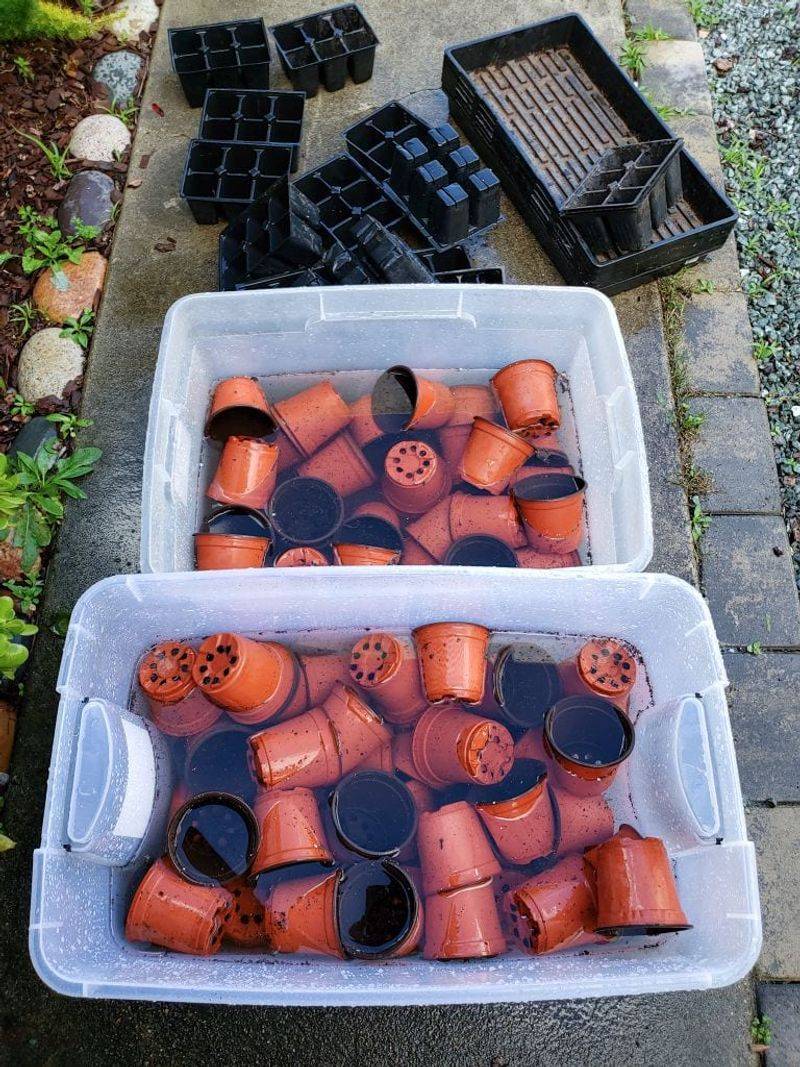
Most extension services agree on a simple two-step routine for cleaning porch pots before they come back indoors. First you scrub off soil and grime with warm, soapy water, then you disinfect the pot with diluted bleach.
A stiff brush or an old dish scrubber works well for loosening dried soil, roots, and spider webs. Pay extra attention to the rim, the drainage holes, and the bottom, where pests and eggs often hide.
After scrubbing, mix one part household bleach with nine parts water in a bucket or a large plastic tub. This ten percent solution is the standard ratio recommended by many university programs for sanitizing plant containers.
Let each pot soak for about ten minutes so the solution can reach into small scratches and crevices. Some guides suggest up to thirty minutes for clay pots, since their porous walls take longer to treat.
Wear rubber gloves and work outside on the porch, since bleach can irritate skin and fumes build up indoors. Keep the bleach away from ammonia cleaners too, because mixing those two products creates harmful fumes.
Rinse every pot well with clean water once the soak is finished, so no bleach lingers near tender roots. Set the pots upside down in the sun to dry before you add fresh soil or move plants inside.
Plastic, glazed ceramic, and clay containers can all handle this routine without much trouble when you follow the steps. Metal pots may rust after a bleach soak, so many gardeners clean those with soap and water alone.
Your Plants Need Their Own Bath Too

Not every houseplant gets a new container in fall, and that is perfectly fine for most healthy, well-rooted plants. Bugs, however, can hitch a ride on the outside of the pot, in the soil, or under leaves.
A handy trick from several extension services involves setting the whole pot in a tub of lukewarm water. Leave it there for about fifteen minutes, and many insects living in the soil will crawl up to escape.
Earwigs, pill bugs, slugs, and ants often show up during this soak, which can feel a little startling at first. Pick them off by hand or rinse them away, then let the pot drain fully before moving it indoors.
Your Michigan Garden Changes Every Week. Your Plan Should Too.
Gardening in Michigan changes quickly throughout the season. Every Friday you’ll receive a simple weekly plan showing exactly what to plant, prune, fertilize, harvest, and protect so you never miss the right timing.
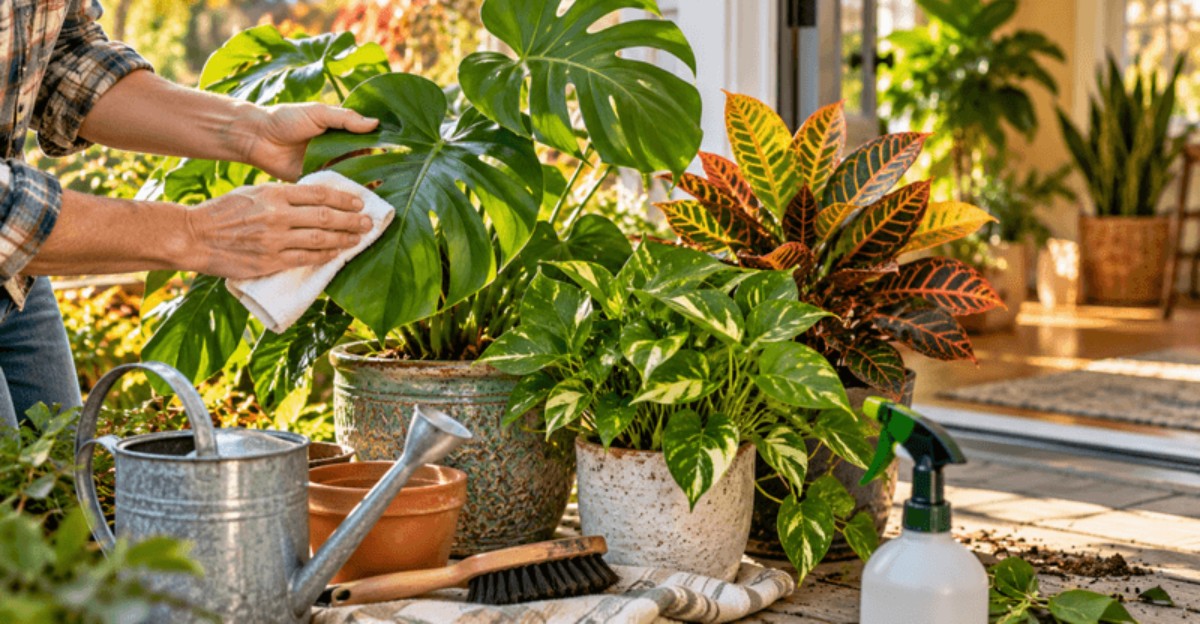
While the pot drains, wipe the outer walls with a soapy rag to remove dirt, algae, and old spider egg sacs. A damp cloth dipped in the diluted bleach mix can clean the rim, as long as you keep it off leaves.
Next, check the plant itself with a flashlight, looking at stems, leaf joints, and especially the undersides of leaves. Aphids, mealybugs, spider mites, and scale insects are the most common pests that travel indoors on porch plants.
A strong spray from the garden hose can knock off many soft-bodied insects before you carry the plant inside. For stubborn pests, insecticidal soap is a gentle option that many university gardening guides recommend for houseplants.
Taking this extra step on a mild October afternoon lowers the chance of dealing with an infestation in January. I like doing it on the porch steps, where spilled water and stray bugs stay outside where they belong.
Clay Pots Hold Secrets In Their Walls
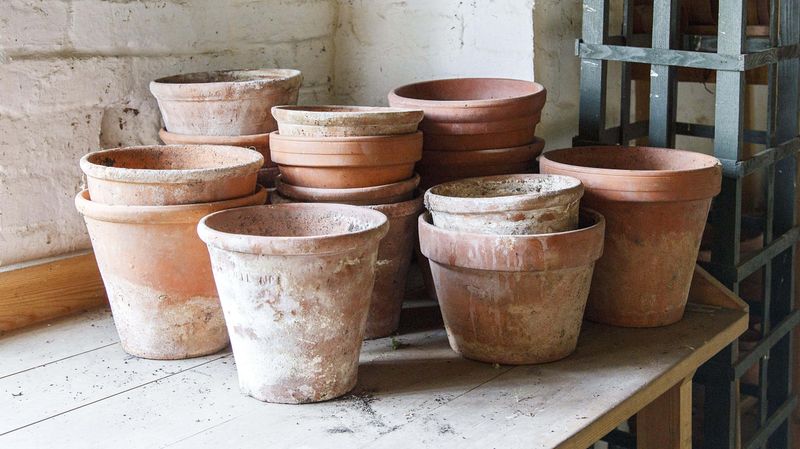
Terra cotta looks rustic and charming, but those orange walls are full of tiny pores that soak up water and minerals. Over a summer of watering and feeding, dissolved salts move through the clay and dry on the outside as white crust.
That crust is mostly harmless to look at, but heavy salt buildup can burn tender stems that rest against the rim. Soaking clay pots in plain water for several hours before scrubbing helps soften the deposits so they lift away easier.
A mix of equal parts white vinegar and water works well on stubborn spots, especially along the top edge. Scrub with a stiff brush, rinse well, and then follow up with the bleach soak for full sanitizing.
Mossy green patches on clay often mean algae grew there during humid weather, which is common on shady porches. Algae rarely hurts plants directly, but it can hold moisture and give fungus gnats a cozy place to breed.
Clay also has a weakness that matters a lot in Michigan once the weather turns cold later in the fall. Water trapped inside the walls can freeze and expand, which often leads to cracks, flaking, or broken rims.
Any empty terra cotta pots should be cleaned, dried, and stored in a garage, shed, or basement before hard freezes arrive. Stacking them with a sheet of newspaper between each one helps prevent chipping and sticking during the winter months.
Fun fact, terra cotta means baked earth in Italian, and people have grown plants in clay containers for thousands of years. Treat yours kindly in fall, and they can stay useful for many seasons on your porch.
October Timing Matters More Than You Expect
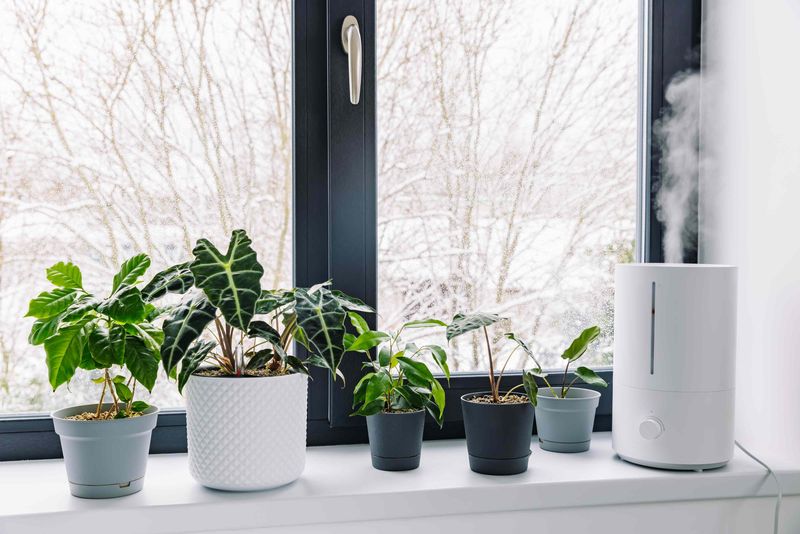
Many tropical houseplants come from warm regions, and they start to struggle when nighttime temperatures stay below about 50 degrees. Michigan State University Extension and other programs suggest moving them indoors before nights get that chilly.
In most of the state, that point arrives in September, so October is a catch-up month for anyone running behind. Northern Michigan and the Upper Peninsula often cool off sooner than the southern counties near Ohio and Indiana.
Checking your local forecast each week gives you a clear sense of when the first frost might reach your yard. Frost dates vary widely across Michigan, ranging from mid September in some northern spots to late October farther south.
Cleaning pots on a dry, mild day makes the job easier because pots dry faster and bleach rinses off cleanly. Cold, rainy afternoons slow everything down, and damp pots carried indoors can encourage mold or fungus gnats.
Plants also appreciate a gradual move instead of a sudden switch from bright porch light to a dim living room. Some gardeners bring plants inside for a few hours each day over one week to help them adjust slowly.
Leaf drop is common after the move, especially with ficus, so a few yellow leaves rarely mean trouble. Place plants near a sunny south or west window to soften the shock of lower winter light levels.
I set a phone reminder for late September, so the porch cleanup does not sneak up on me. If October arrives first, just start this weekend and work through a few pots at a time.
Skip The Old Potting Mix This Time
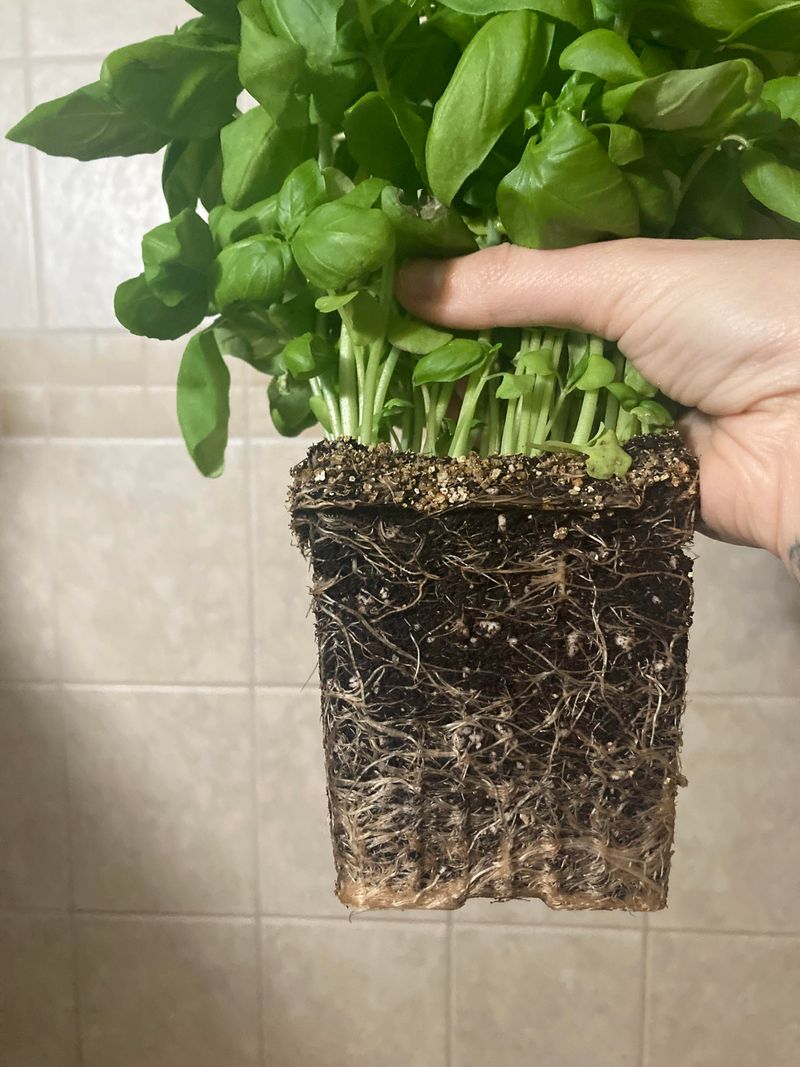
Clean pots lose much of their value if you fill them with the same tired soil from summer. Old potting mix can carry insect eggs, fungus gnat larvae, and disease organisms that thrive in warm indoor rooms.
Most extension services recommend fresh, bagged potting mix for houseplants instead of garden soil or reused container soil. Bagged mixes are lightweight, drain well, and are usually free of weed seeds and common soil pests.
Repotting in fall works best for plants that have outgrown their containers or show roots poking from the bottom. Choose a pot only one or two inches wider than the old one, so the soil does not stay soggy.
Gently loosen circling roots with your fingers, and trim any roots that look mushy, brown, or smell sour. Healthy roots are usually firm and white or tan, which tells you the plant is ready for indoor life.
Spent summer soil does not have to go to waste, since it can be spread over garden beds outdoors. Avoid adding soil from plants that had pests or root rot, because those problems could spread to other plants.
Water newly potted plants well, then let the top inch of soil dry before watering again indoors. Indoor plants use less water in fall and winter, so overwatering becomes a bigger risk as days grow shorter.
Fresh mix works like a clean starting line for your plant’s winter season inside the house. Pair it with a scrubbed pot, and you have greatly reduced the odds of an unwanted surprise later.
A Few Weeks Of Quarantine Protects Your Collection
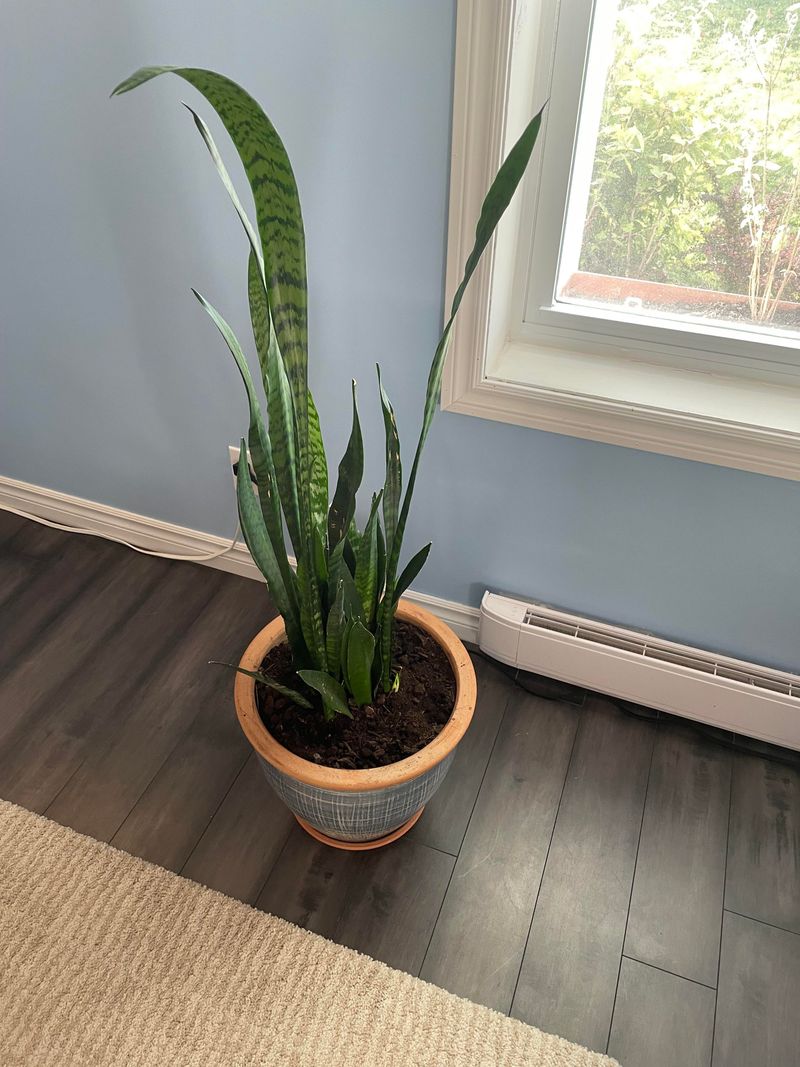
Even the most careful cleanup can miss a few tiny eggs or a single spider mite hiding on a leaf. That is why many gardening experts suggest keeping porch plants apart from other houseplants for a little while.
A spare bedroom, sunroom, or bright corner away from your indoor collection works well as a temporary holding area. Most extension guides recommend a quarantine period of two to four weeks before placing plants back with the others.
During that time, check leaves every few days for sticky residue, fine webbing, white cottony spots, or speckled yellowing. Sticky spots often point to aphids or scale, while webbing usually means spider mites have moved in.
Yellow sticky cards placed near the pots can help you catch fungus gnats and whiteflies early, before numbers grow. They are inexpensive, easy to find at garden centers, and simple to swap out once they fill up.
If pests appear, treat the plant with insecticidal soap or horticultural oil, following the label directions closely each time. Repeat treatments are often needed, since many insects hatch from eggs that sprays cannot reach on the first try.
Once your plants pass quarantine, store any extra cleaned pots in a dry spot for next spring’s porch display. Label them by size or plant type, so planting day goes faster when warm weather returns to Michigan.
Your porch may look bare after the move, but your indoor jungle will be cleaner and healthier for it. I find that first pest-free week of winter feels like a small, well-earned reward for an afternoon of scrubbing.