The August Tomato Cleanup Habit That Can Save Next Year’s Garden In Michigan
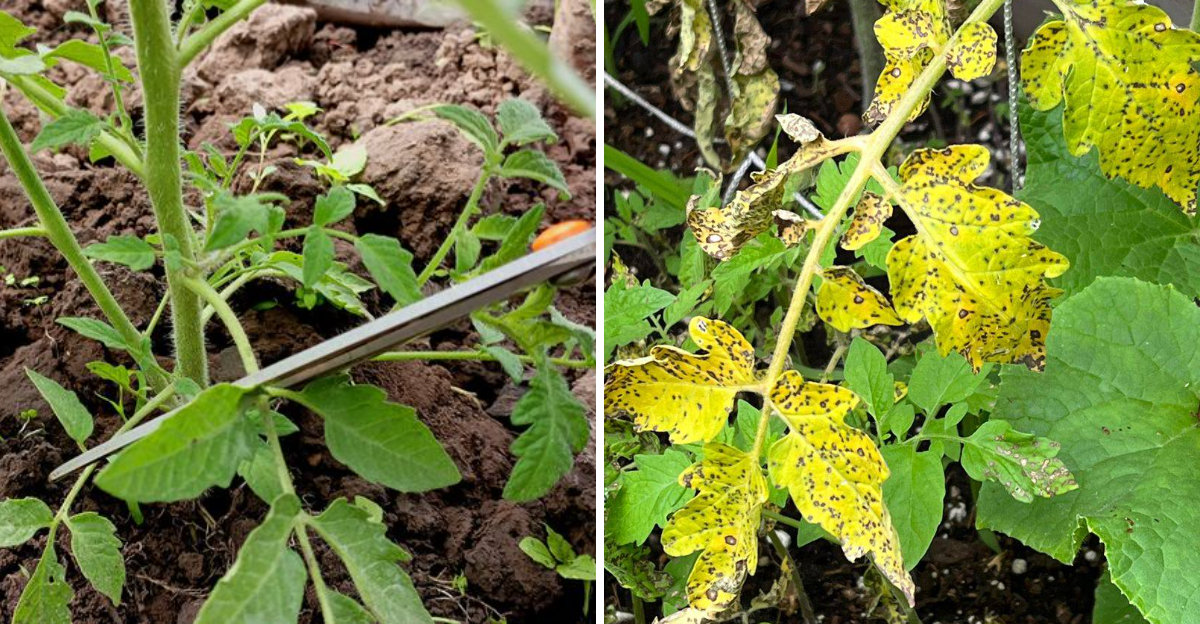
Removing lower tomato leaves in August is a small habit that makes a big difference for next year’s Michigan garden. As plants slow down late in the season, dry and yellowing leaves near the soil often harbor fungal spores from the summer.
Left in place, these leaves drop and decompose right where next year’s plants will grow. Clearing them out reduces the amount of overwintering disease sitting in your garden bed.
This cleanup also improves airflow around remaining fruit, helping tomatoes ripen more evenly before frost. Bagging and removing affected leaves, rather than composting them, keeps spores from spreading further.
Michigan gardeners who skip this step often notice the same blight issues returning year after year. A few minutes of cleanup now saves a lot of frustration next summer.
1. The Habit Is Prompt Removal Of Diseased Tomato Material
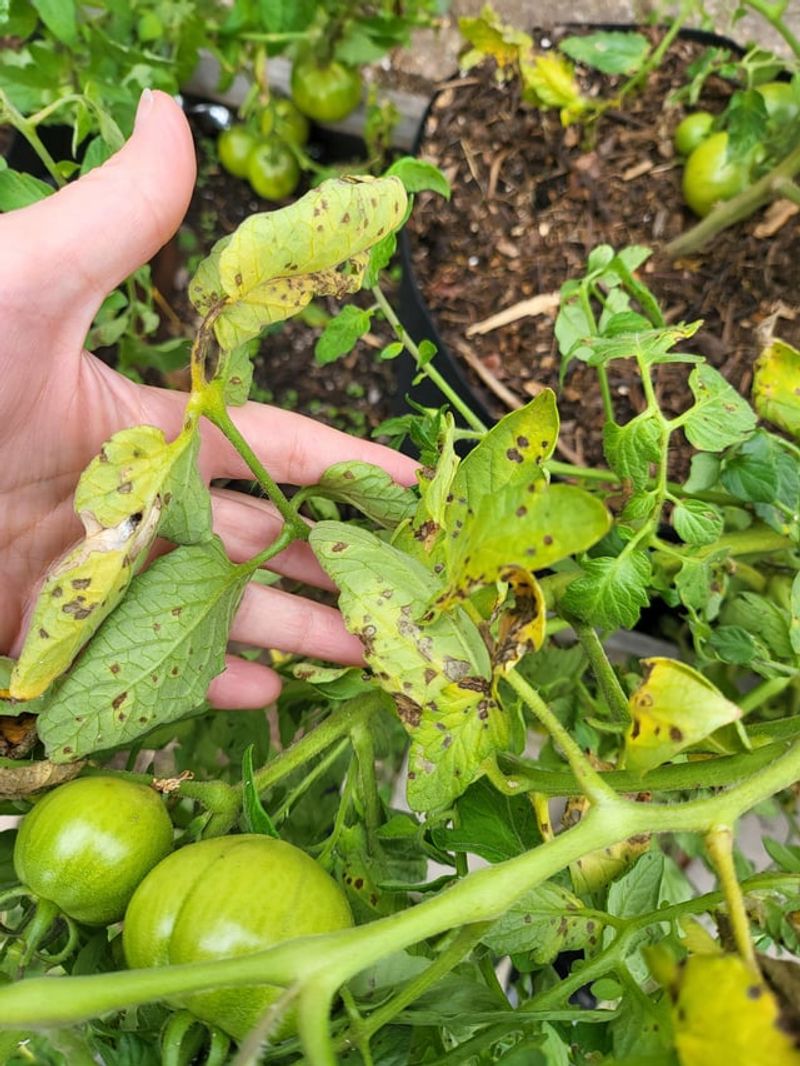
Spotted leaves, soft fallen fruit, and dark-streaked stems are not just eyesores in your August garden. They are actually sources of plant disease that can keep spreading as long as they stay near your tomatoes.
The moment you notice affected material, the smartest move is to collect it and get it out of the garden area entirely.
Gardeners who make a habit of checking their plants every few days during August stay ahead of disease far more effectively than those who wait until things look seriously bad.
Removing affected leaves, damaged fruit, and badly compromised stems limits how much infected material remains near your healthy plants.
Fewer sources of disease means less opportunity for spores and other pathogens to reach new foliage.
Fallen tomatoes hiding beneath dense vines are easy to overlook, but they matter just as much as what is still attached to the plant. Collecting them regularly reduces the buildup of material that could continue harboring problems on the soil surface.
Even soft, cracked fruit should be gathered and removed carefully. Severely affected plants that have lost most of their foliage and show little healthy growth may be worth pulling out entirely rather than leaving them standing in the bed.
Removing the whole plant takes away a major source of ongoing disease pressure for the plants nearby.
Keep in mind that this practice lowers risk and supports a healthier garden, though it does not guarantee that every future tomato problem will be completely prevented.
2. August Symptoms Reveal Which Plants Need Attention
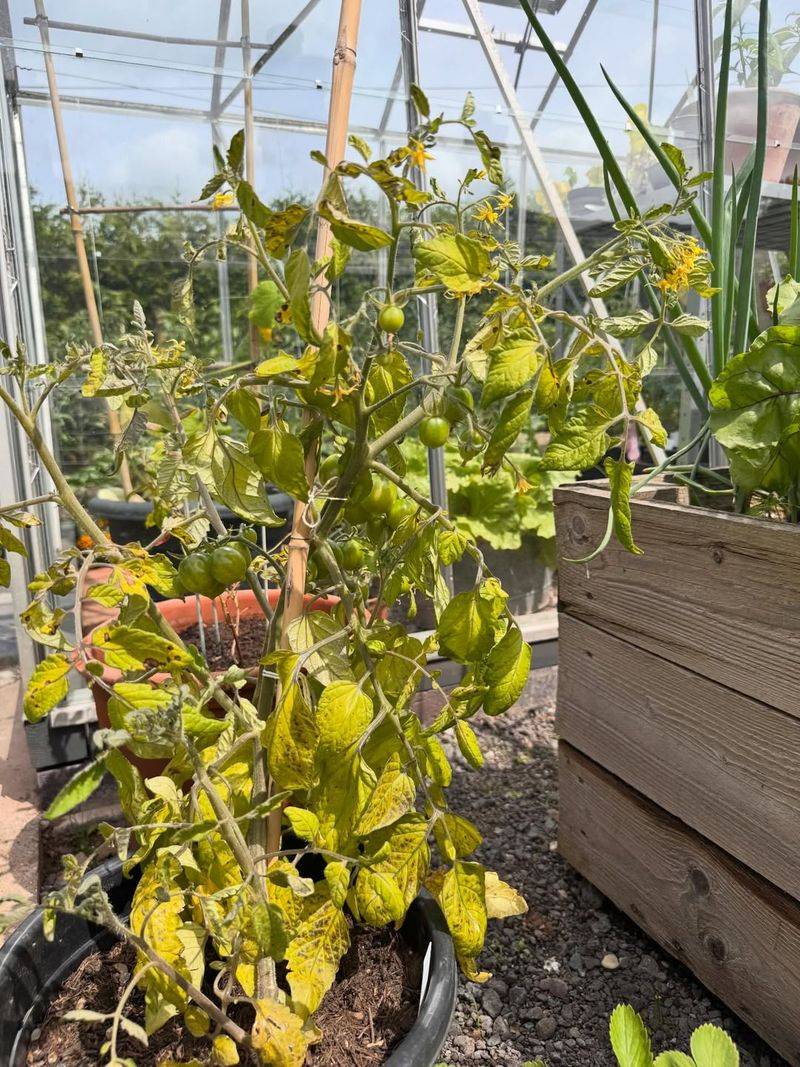
August is genuinely one of the most useful months for paying close attention to your tomato plants.
By this point in the Michigan growing season, disease symptoms that started quietly in July are often much more visible, making it easier to figure out what you are actually dealing with.
Taking time to inspect each plant carefully is worth every minute you spend on it. Early blight is one of the most common issues Michigan gardeners see, and it typically shows up first on the older, lower leaves of the plant.
You will notice dark brown spots surrounded by yellow areas, sometimes with a pattern of rings inside the lesion that almost looks like a target.
Your Michigan Garden Changes Every Week. Your Plan Should Too.
Gardening in Michigan changes quickly throughout the season. Every Friday you’ll receive a simple weekly plan showing exactly what to plant, prune, fertilize, harvest, and protect so you never miss the right timing.
Septoria leaf spot is another frequent visitor, showing up as small, circular spots with dark edges and lighter centers, and it can cause serious leaf loss as the season moves along.
When you are inspecting your plants, look for expanding spots, yellowing patches around lesions, leaves that seem to be declining faster than the rest, and any small dark flecks scattered across the leaf surface.
Not every discolored leaf signals a fungal problem, though, so take a moment before removing plants entirely.
Heat stress, inconsistent watering, and nutrient deficiencies can all produce symptoms that look similar to disease at first glance.
Correct identification matters because the right response depends on what is actually happening. Misreading the situation can lead to unnecessary plant removal or missed treatment opportunities.
When in doubt, your local Michigan State University Extension office can help with identification.
3. Some Pathogens Can Remain With Crop Debris
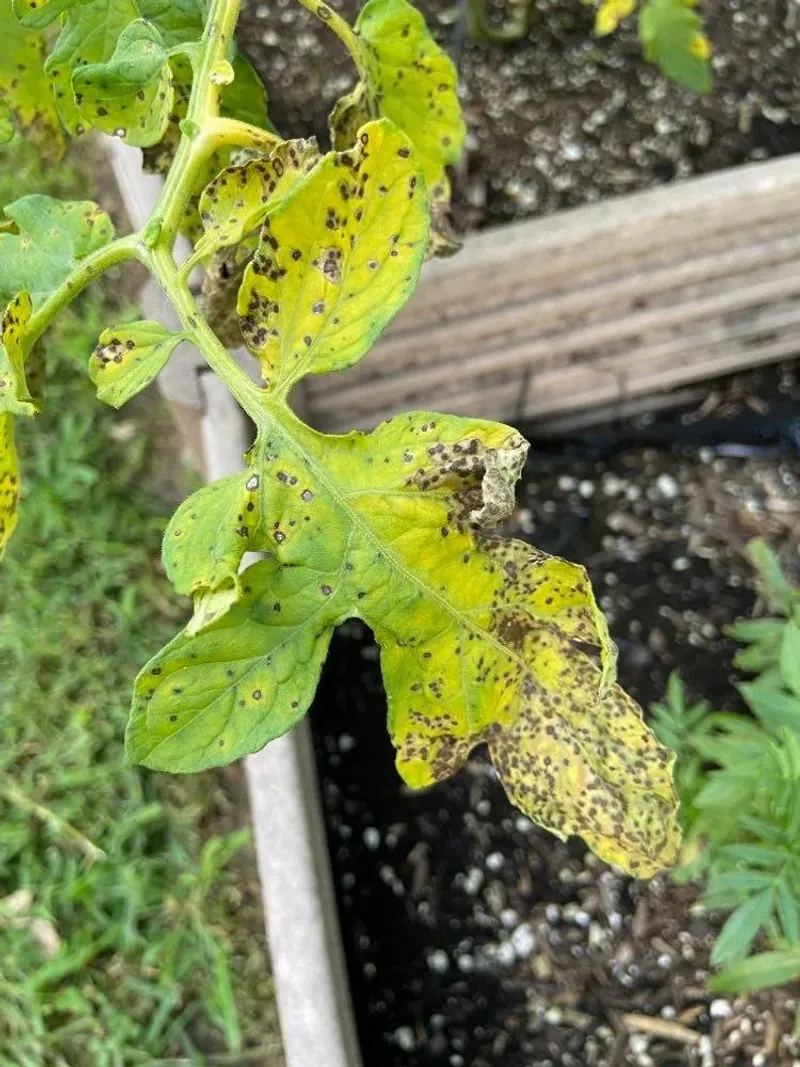
One of the more surprising facts about tomato diseases is that some of the pathogens responsible for them do not simply go away when the season ends.
Certain fungi and other organisms can survive in infected crop debris or in the soil, staying present through winter and becoming available to affect susceptible plants in the following growing season.
That is a big reason why cleaning up matters so much before the season is fully over. Early blight, caused by the fungus Alternaria solani, is a well-known example of a pathogen that can persist in plant debris and soil.
When infected leaves and stems are left in the garden bed over winter, the fungus has material to survive in and can start the cycle again when conditions warm up the following spring.
Removing that debris during August and through the end of the season takes away much of what the pathogen needs to carry over.
Late blight is an important exception worth understanding clearly. The organism responsible for late blight, Phytophthora infestans, is not typically reported to survive through winter in tomato debris in Michigan.
Even so, removing affected plants during an active late blight outbreak is still the right call because living infected plants continue spreading the disease to nearby healthy ones while the season is ongoing.
Not every tomato disease behaves the same way, so it helps to learn a little about the specific issue you are dealing with.
Understanding how a pathogen survives and spreads helps you make smarter decisions about cleanup, disposal, and planning for next season.
4. Diseased Material Does Not Belong In Home Compost
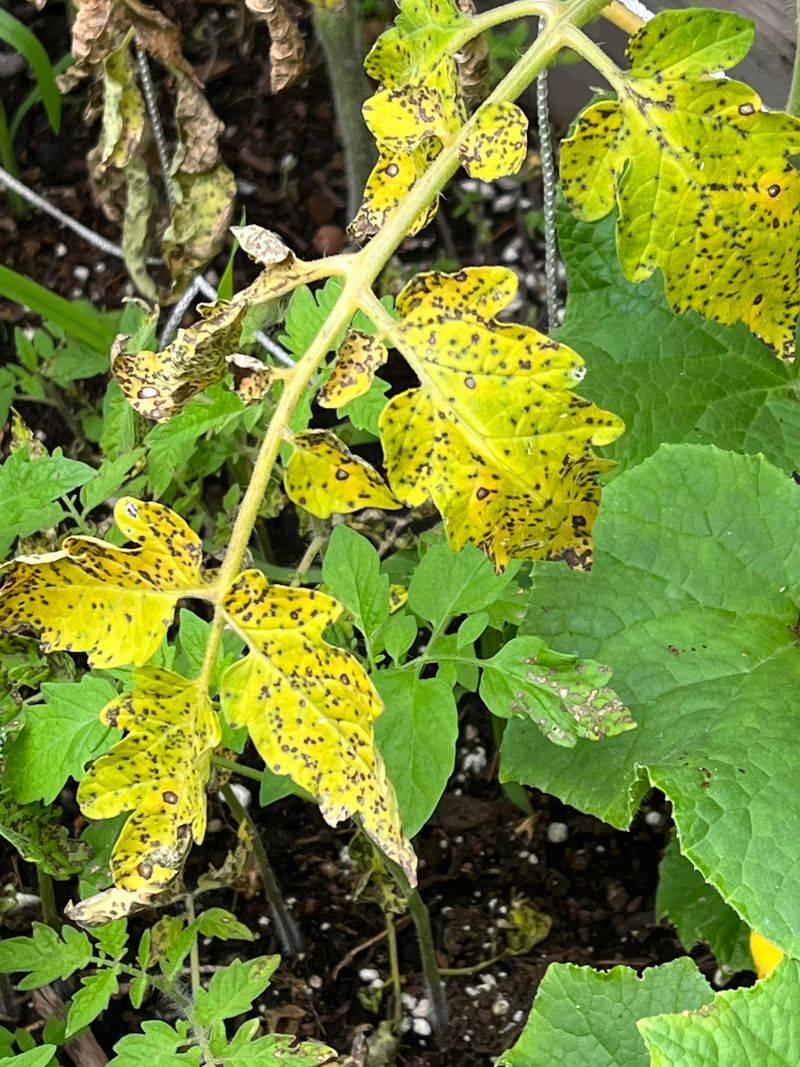
Composting is one of the best habits a gardener can build, but there is an important exception that often gets overlooked. Clearly diseased tomato foliage, infected stems, and affected fruit generally should not go into a typical home compost pile.
Putting them there can create a problem that circles right back to your vegetable garden next season. The reason comes down to temperature.
For compost to neutralize plant pathogens, the pile needs to reach and maintain consistently high internal temperatures, typically above 140 degrees Fahrenheit, throughout the entire mass.
Most backyard compost systems simply do not get hot enough, and they rarely stay hot long enough in every part of the pile to reliably break down every pathogen present.
The outer edges of a home pile, in particular, often stay cool enough for organisms to survive.
When unfinished compost containing diseased debris gets spread back onto the vegetable bed, it can place the same problematic material right back near where next year’s tomato plants will grow.
That essentially undoes much of the cleanup work you put in during August. Keeping diseased material out of the home compost pile is a straightforward way to avoid that outcome.
Michigan gardeners should check local disposal guidelines for the best way to handle diseased plant material. Some municipalities offer yard waste collection that processes material at higher temperatures than home systems can manage.
Bagging the material and placing it in the trash according to local guidelines is another reliable option for keeping disease out of your garden cycle.
5. Fallen And Spoiled Tomatoes Should Be Collected
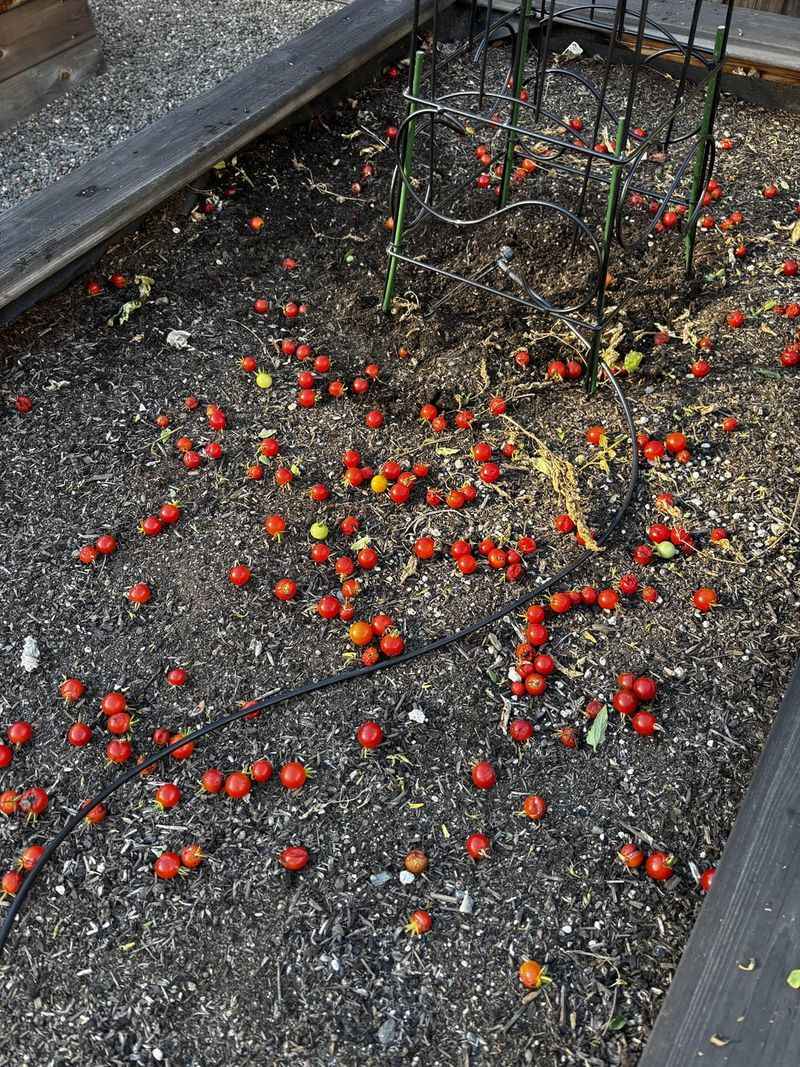
Beneath the thick canopy of tomato vines, the ground can hide a surprising amount of trouble. Fallen, cracked, and visibly affected tomatoes often go unnoticed until a gardener gets down and really looks.
Making it a regular part of your August routine to gather this material from the soil surface is one of the most practical things you can do for your garden’s long-term health.
Damaged and decaying fruit can provide exactly the kind of material where certain pathogens continue producing spores or other structures that spread disease.
A single rotting tomato sitting on the soil for days can contribute to ongoing disease pressure in ways that are easy to underestimate.
Collecting fallen fruit frequently, rather than letting it accumulate, keeps that pressure lower throughout the rest of the growing season.
There is another benefit to clearing the ground regularly that gardeners sometimes miss. When the soil surface beneath your plants is clean, it becomes much easier to spot new symptoms as they develop.
You can notice early signs of soil splash on lower leaves, identify where drainage might be an issue, and see whether any new fruit has dropped since your last check. That kind of awareness helps you stay responsive rather than reactive.
Handle questionable fruit separately from your healthy harvest to avoid any cross-contamination. Use a dedicated container for collecting affected material and bring it directly to your disposal area rather than letting it sit near the garden.
Following your local Michigan disposal guidance for this material keeps the problem contained and away from next year’s growing space.
6. Pruners, Hands, And Supports Need Attention Too
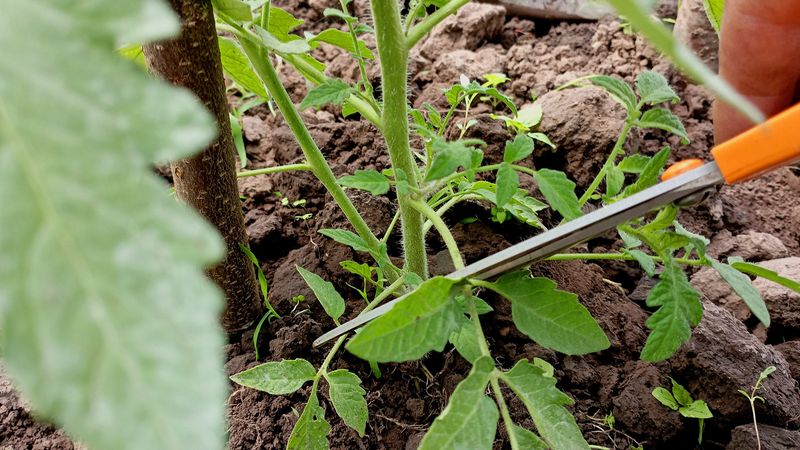
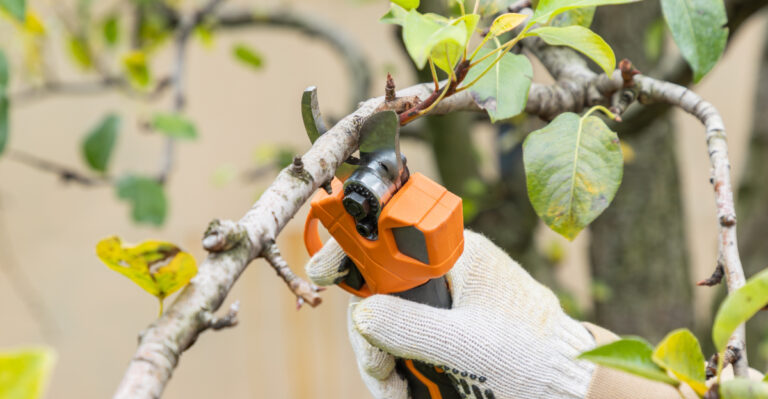
Most gardeners focus on the plants when thinking about disease management, but the tools, hands, stakes, and cages involved in tomato care deserve attention too.
Some plant pathogens can hitch a ride on pruning shears, gloves, tomato ties, wire cages, and even the soil clinging to the bottom of your shoes.
Moving from one plant to another without a second thought can accidentally spread problems across your entire garden bed.
A practical habit worth building is working with your healthiest-looking plants first before moving to any that show signs of disease. This simple order of operations reduces the chance of transferring material from an affected plant to a healthy one.
It takes almost no extra time and can make a real difference in how widely problems spread during a single session in the garden.
After working around plants with confirmed disease, cleaning soil and visible plant residue off your tools is a solid first step. Sanitizing suitable equipment with an appropriate disinfectant adds another layer of protection.
Products like diluted bleach solutions or isopropyl alcohol are commonly used for this purpose, but always check the label and follow the product directions carefully to make sure you are using the right concentration.
Not every disinfectant is safe for every type of tool or material. Some treatments can corrode metal blades or degrade certain plastics over time with repeated use.
Choosing a product that is effective against plant pathogens but gentle enough for your equipment helps you keep your tools in good working condition for the long haul, season after season.
7. Healthy Productive Foliage Should Remain In Place
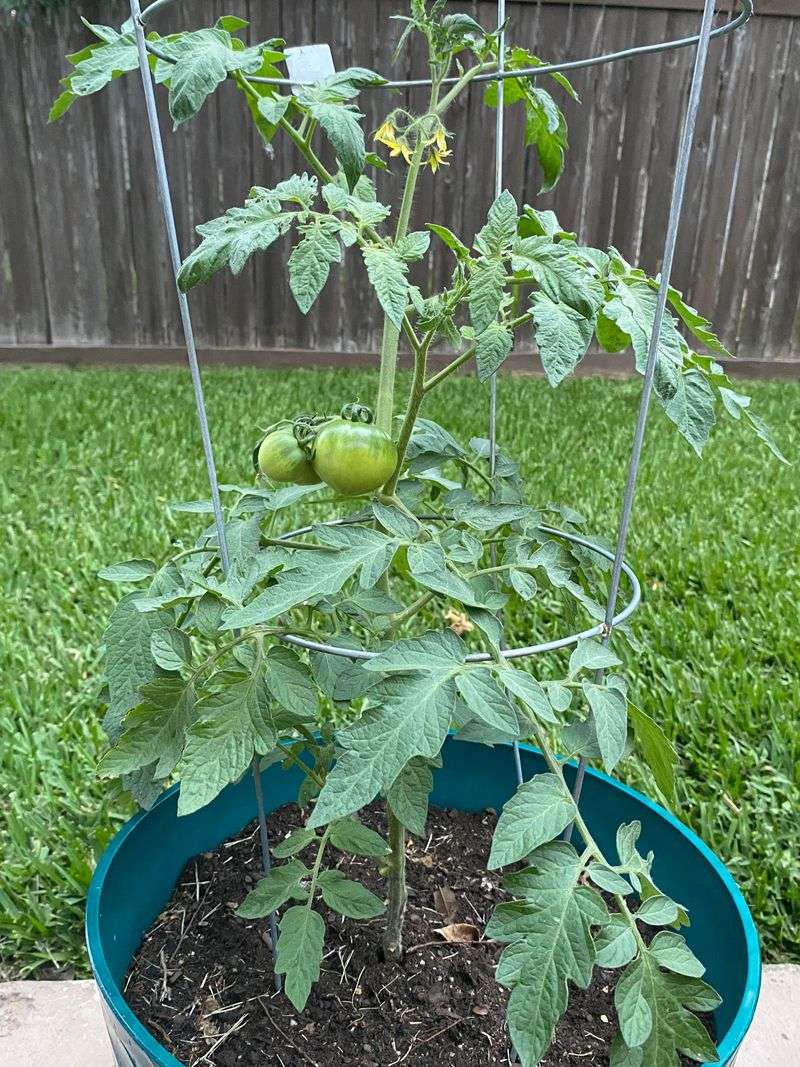
August cleanup is not about stripping your tomato plants bare. A common mistake some gardeners make is going too far with removal, pulling off far more foliage than necessary in an effort to be thorough.
Healthy green leaves are actually doing important work that supports the whole plant, and removing them unnecessarily can cause more harm than good.
Photosynthesis happens in the leaves, and without enough of it, the plant cannot produce the energy it needs to keep ripening fruit.
Foliage also provides shade that protects developing tomatoes from the intense August sun, which in Michigan can be surprisingly strong during the hottest weeks of summer.
Tomatoes that lose too much leaf cover can develop sunscald, a condition where the fruit skin becomes pale, papery, and damaged from direct sun exposure.
The right approach is targeted and thoughtful. Remove leaves that are clearly affected, show significant spotting, or have yellowed and started declining well ahead of the rest of the plant.
Severely compromised lower stems that have lost most of their leaves and show little sign of recovery can come off too. But any stem or branch that looks green, healthy, and actively supporting the plant should stay right where it is.
Hot Michigan summers already put tomato plants under natural stress, and excessive pruning during peak heat adds to that burden unnecessarily.
A plant that keeps its healthy foliage intact through August is better positioned to push through to a strong harvest finish. Focus your energy on what actually needs to come off, and leave the rest alone.
8. August Cleanup Should Guide Next Year’s Garden Plan
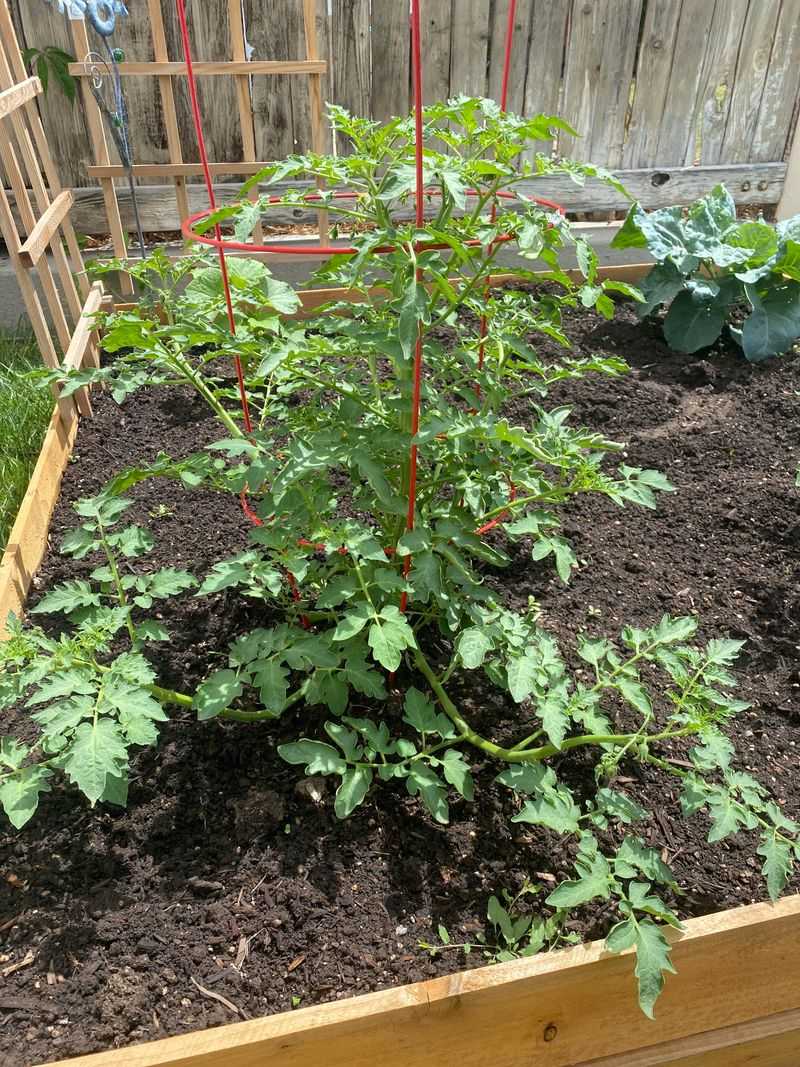
Everything you observe in your garden during August is actually valuable data for next season.
The disease symptoms you see right now, the varieties that struggled, the spots in the bed where problems seemed worst, and the plants that held up well are all pieces of information worth capturing.
Keeping a simple garden journal or even just a few notes on your phone takes minutes but pays off enormously when spring planning time arrives.
Crop rotation is one of the most effective tools available to Michigan gardeners dealing with soil-borne or debris-related tomato problems.
Moving tomatoes to a different section of the garden each year, and placing unrelated vegetables like beans, corn, or squash in the previous tomato bed, reduces the opportunity for certain pathogens to build up and reach the next crop.
Most recommendations suggest waiting at least two to three years before returning tomatoes to the same spot.
Beyond rotation, several other steps work together to support a healthier tomato season. Cleaning and storing supports like stakes and cages before putting them away for winter removes residue that could carry disease.
Choosing tomato varieties with labeled resistance to common diseases like early blight or Verticillium wilt gives you a built-in advantage from the start.
Spacing plants with good airflow in mind and watering at soil level rather than overhead also reduces the conditions that many fungal diseases prefer.
Mulching around the base of plants helps limit soil splash, which is one way that certain pathogens move from the ground onto lower leaves.
Sanitation alone is powerful, but it works best when paired with these other smart gardening practices as part of a complete, well-rounded disease management approach.