The Biggest Mistakes Arizona Gardeners Make With Palo Verde Trees
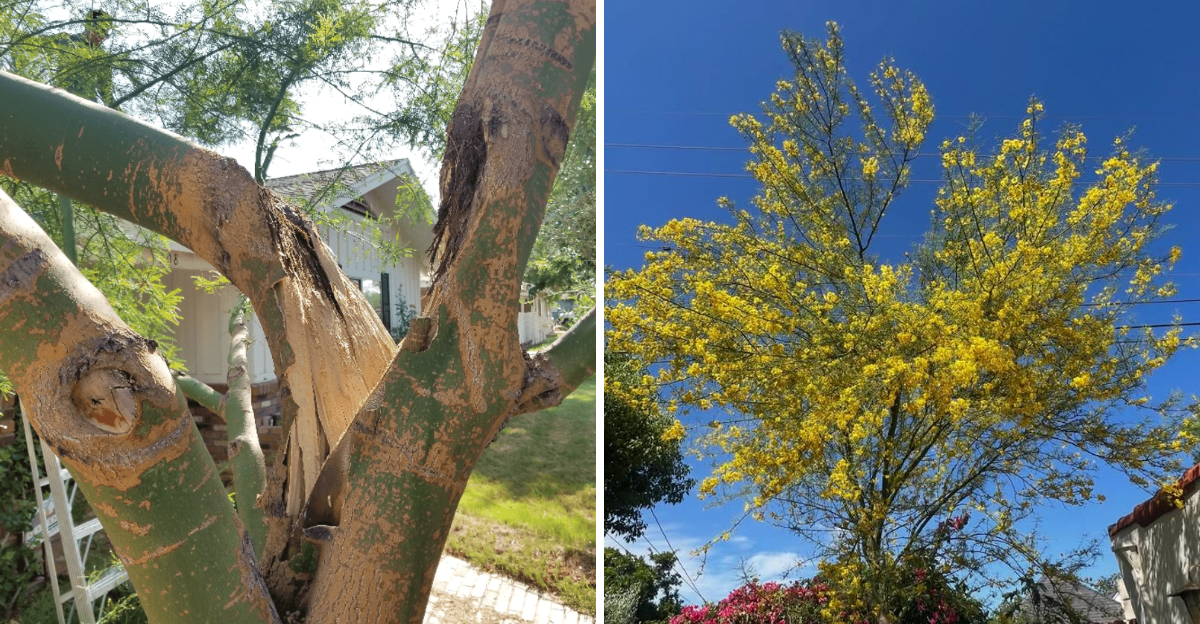
Few trees are as closely associated with the desert as palo verde. Their green trunks, bright spring flowers, and ability to handle harsh conditions make them a favorite in many landscapes.
That reputation for toughness, however, can sometimes work against them.
Because palo verde trees are known for surviving difficult conditions, it is easy to assume they can be left alone to take care of themselves. Small maintenance decisions often receive less attention than they should.
Problems may not appear immediately, but they can gradually affect growth, structure, and overall health.
Arizona yards are filled with palo verde trees that have been planted in locations where they struggle or maintained in ways that create avoidable issues. Some mistakes begin during planting, while others develop years later as trees mature.
A few of the most common ones can lead to weak growth, storm damage, or unnecessary stress, even on trees that seem perfectly healthy at first glance.
1. Turning Deep Watering Into A Daily Habit
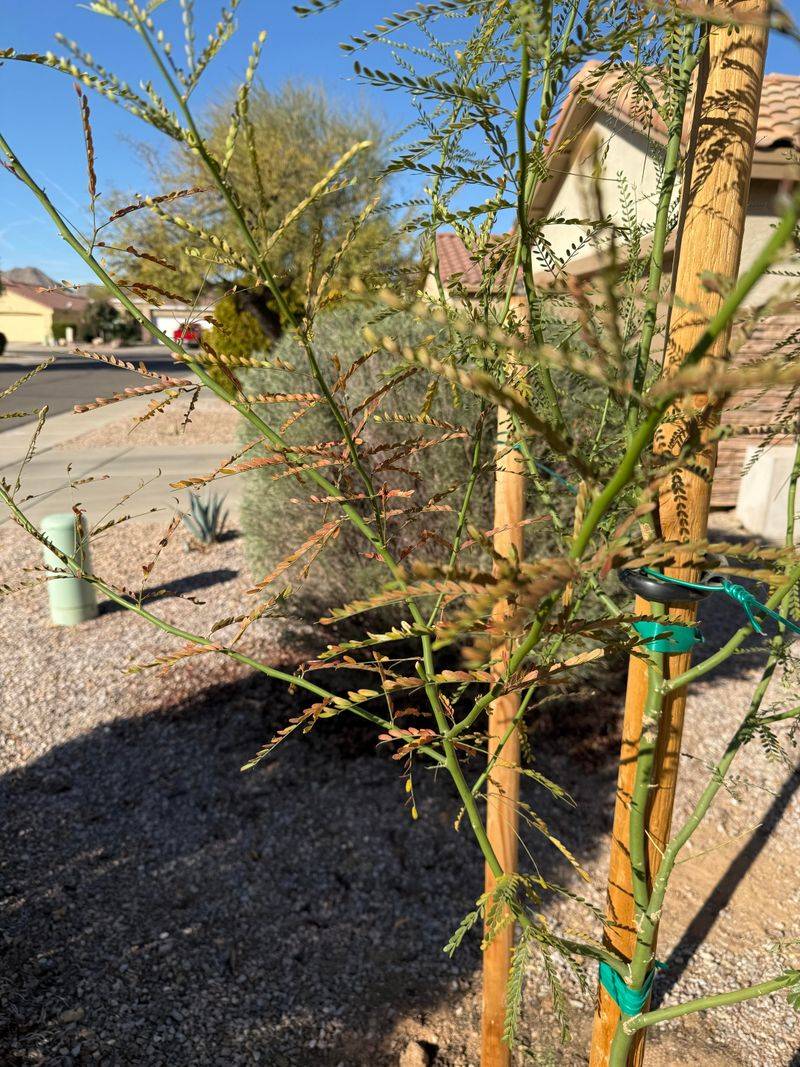
Watering a Palo Verde every single day is one of the fastest ways to stress it out. These trees evolved in dry desert conditions.
Their root systems are built to reach deep and wide in search of moisture, not sit in constantly wet soil.
Overwatering is a real problem in desert landscapes. Wet soil around the root zone encourages fungal growth and root rot.
Once roots are compromised, the tree struggles to absorb nutrients, and the canopy starts showing it.
Young Palo Verdes do need more frequent watering during their first two summers. After that, most established trees in the Phoenix and Tucson areas do fine with deep, infrequent watering every two to three weeks during hot months.
Deep watering means soaking the soil slowly so moisture reaches 18 to 24 inches down. That encourages roots to grow deeper, which makes the tree more stable and drought-tolerant over time.
A simple soil probe or long screwdriver can tell you if the soil is still moist before you water again. If it slides in easily past 12 inches, skip the watering session.
Avoid watering near the trunk. Water should be applied at the drip line, which is roughly where the canopy edge falls.
2. Thinning Branches More Than Necessary
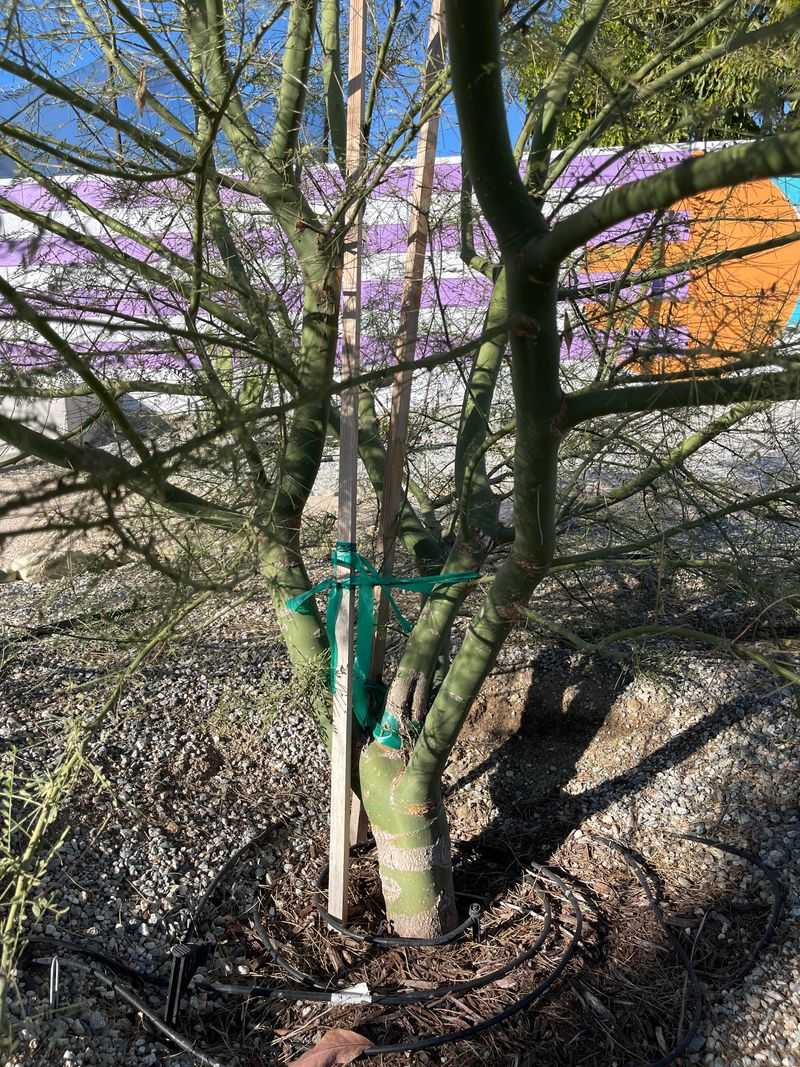
Grab the pruning shears and go to town on a Palo Verde, and you might regret it by summer. Over-thinning is one of the most common mistakes desert gardeners make with this tree, and the damage can last for years.
Palo Verde trees photosynthesize through their green bark, not just their leaves. Removing too many branches reduces the tree’s ability to produce energy, even when it still looks somewhat full from a distance.
Heavy thinning also exposes inner branches and the trunk to intense direct sun. In the desert Southwest, that kind of sun exposure can scorch bark and cause sunscald.
Once bark is damaged, it becomes an entry point for pests and disease.
A good rule of thumb is to never remove more than 20 to 25 percent of the canopy in a single pruning session. Spread major cuts over multiple years if significant shaping is needed.
Your Arizona Garden Changes Every Week. Your Plan Should Too.
Gardening in Arizona changes quickly throughout the season. Every Friday you’ll receive a simple weekly plan showing exactly what to plant, prune, fertilize, harvest, and protect so you never miss the right timing.
Focus on removing damaged, crossing, or rubbing branches first. Those are the cuts that actually improve the tree’s structure and airflow without stripping it of healthy growth.
3. Leaving Young Trees Attached To Stakes For Years
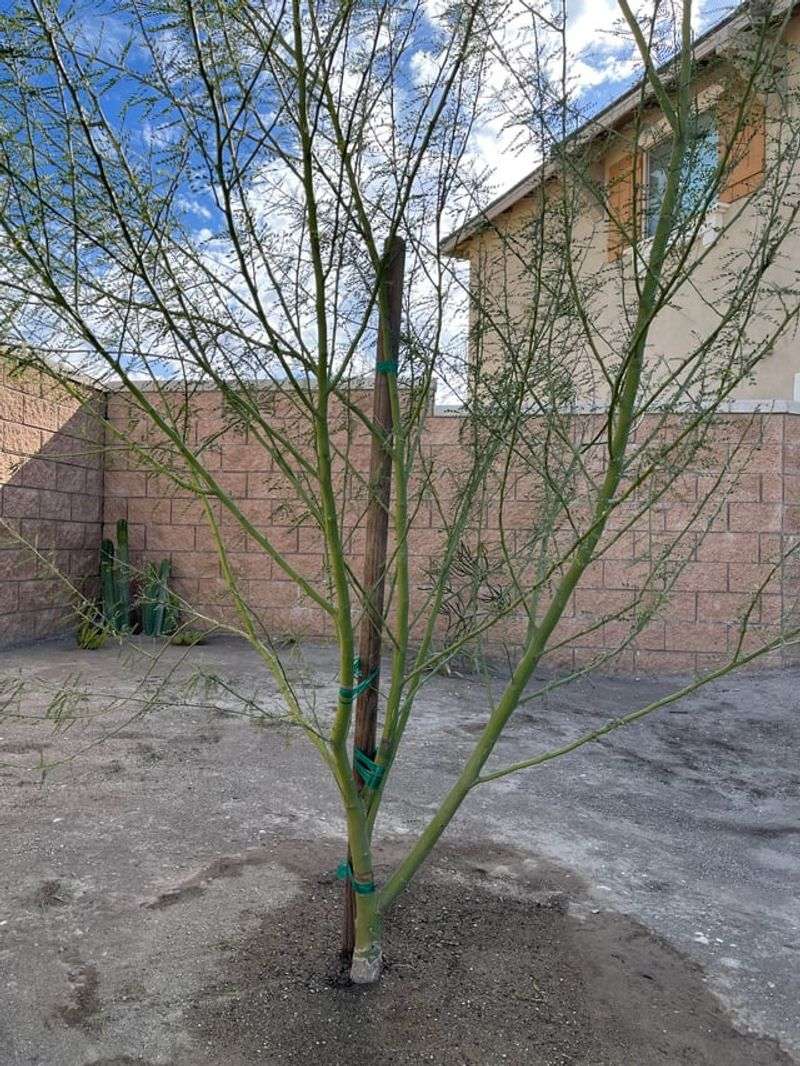
Staking a young Palo Verde makes sense right after planting. It gives the tree time to anchor itself in loose or recently disturbed soil.
But leaving those stakes in place for two, three, or even four years creates serious problems.
When a tree is held rigid by stakes, it never develops the trunk strength it needs. Natural trunk taper, which is the gradual thickening from base to tip, only develops when a tree sways in the wind.
A Palo Verde left staked too long will have a thin, weak trunk. When the stakes are finally removed, the tree may lean or fail to hold itself upright in a strong desert windstorm.
Most healthy Palo Verdes only need staking for six to twelve months after planting. Once the root system has had a season to establish, the stakes should come down.
Check the ties regularly. Ties that are too tight can cut into the bark as the trunk grows.
That kind of damage restricts the flow of water and nutrients through the vascular system just under the bark.
When staking is necessary, use soft, wide ties rather than wire or thin cord. Position stakes so the tree can still move slightly in the wind.
4. Raising The Canopy Too Soon
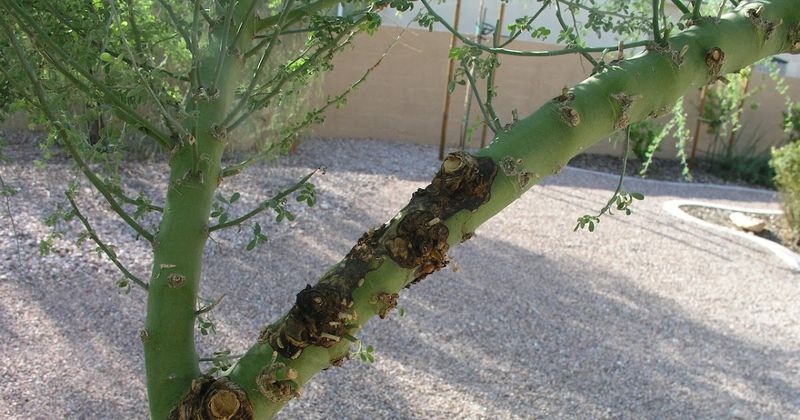
Lifting the canopy on a Palo Verde sounds like a smart move. It clears the view, opens up space underneath, and gives the yard a cleaner look.
But doing it too early or too aggressively causes real harm to the tree.
Lower branches on young Palo Verdes serve a protective function. They shade the trunk and root zone from direct sun during the hottest parts of the day.
Remove them too soon, and the trunk is exposed to intense desert heat for hours at a stretch.
Sunscald on the trunk looks like bleached, cracked, or peeling bark on the south or west-facing side. It weakens the tree’s outer layer and can invite boring insects that further damage the wood beneath.
Canopy raising should happen gradually over several years. Start by removing only the lowest branches that are clearly in the way.
Give the tree a full growing season to respond before cutting more.
A reasonable target height for the lowest permanent branch depends on the tree’s location. Near walkways or driveways, six to eight feet of clearance may eventually be needed, but that goal should take three to five years to reach.
5. Letting Multiple Trunks Compete For Space
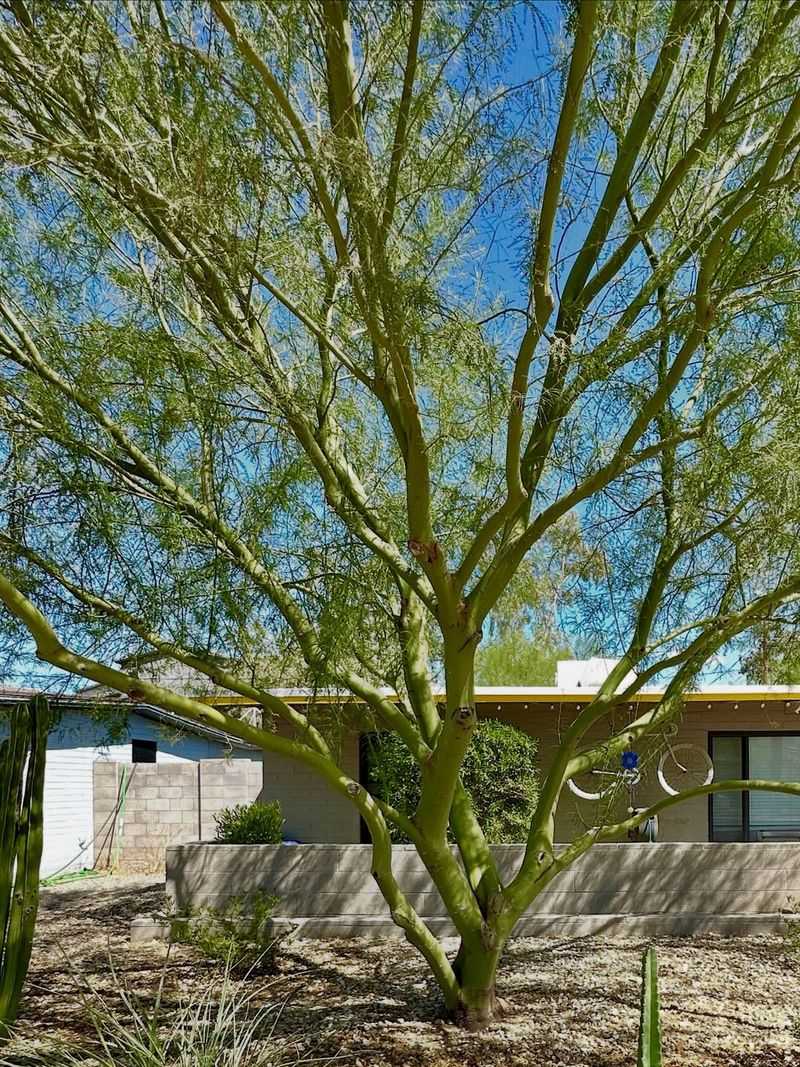
Palo Verdes naturally want to grow with multiple stems. Left completely unmanaged, several trunks can emerge from the same base and grow upward in tight competition.
That might look lush at first, but it creates a structural time bomb.
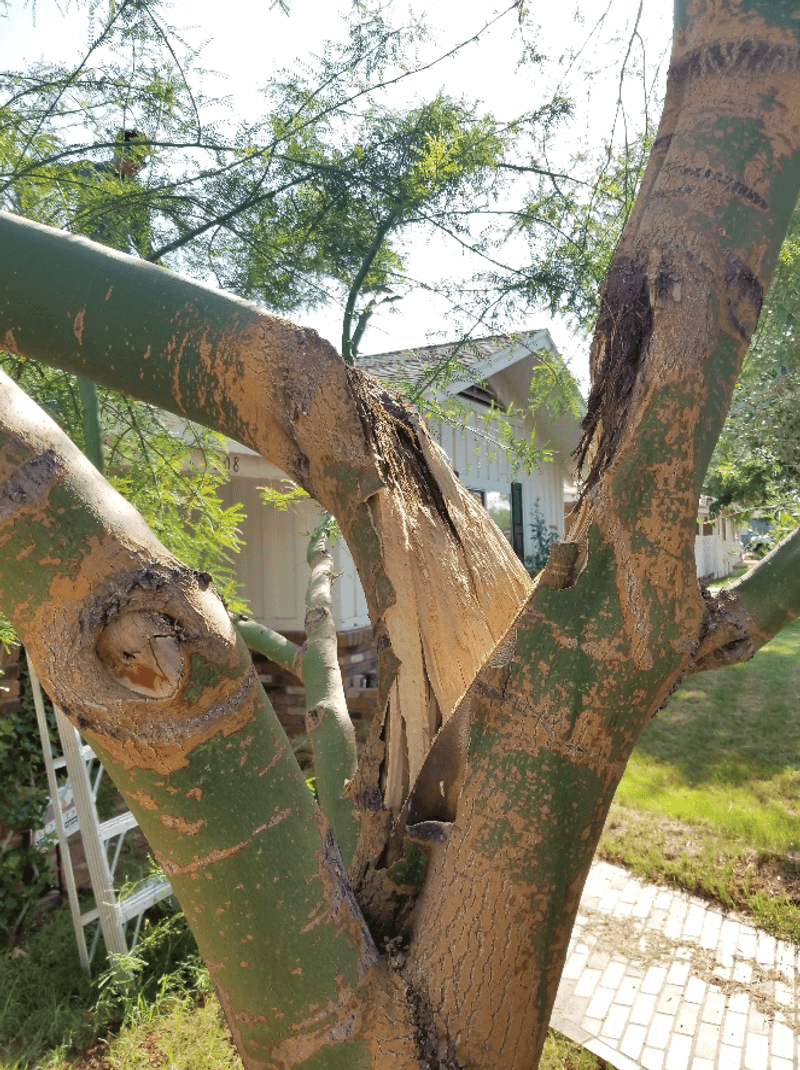
When two or more trunks grow close together, they form what arborists call included bark. That is where the bark gets pinched inward between the trunks instead of forming a strong, outward-flaring union.
Included bark connections are weak and prone to splitting.
A split trunk during a monsoon storm can cause major damage. Trunks can peel away from the base and take large sections of the canopy with them.
Preventing that starts with early training in the first few years.
Select one strong, well-positioned trunk as the primary leader when the tree is young. Remove competing stems at ground level before they develop woody tissue.
Early cuts are small and heal quickly.
If the tree is already older and has multiple established trunks, do not try to remove them all at once. Removing large trunks suddenly puts enormous stress on the remaining structure.
Work with a certified arborist on a gradual plan.
6. Forgetting To Prepare For Monsoon Winds
Monsoon season hits the desert Southwest hard every summer. Winds can gust past 60 miles per hour in some storms, and poorly maintained trees take the brunt of it.
Palo Verdes are no exception.
Most monsoon-related tree failures are not random. They happen in trees that were never properly pruned, have included bark unions, or carry too much dense foliage that acts like a sail in the wind.
Preparing a Palo Verde for monsoon season means doing structural pruning in late winter or early spring. Waiting until June or July is too late.
Cuts made just before storm season do not have enough time to seal and stabilize.
Thinning the interior of the canopy slightly allows wind to pass through rather than push against a solid wall of branches. That small reduction in wind resistance can make a significant difference during a strong haboob or microburst.
Check for any large branches with narrow crotch angles before storm season. Those are the attachment points most likely to give way under pressure.
A certified arborist can identify and address them during a routine inspection.
7. Treating Palo Verde Like A Traditional Shade Tree
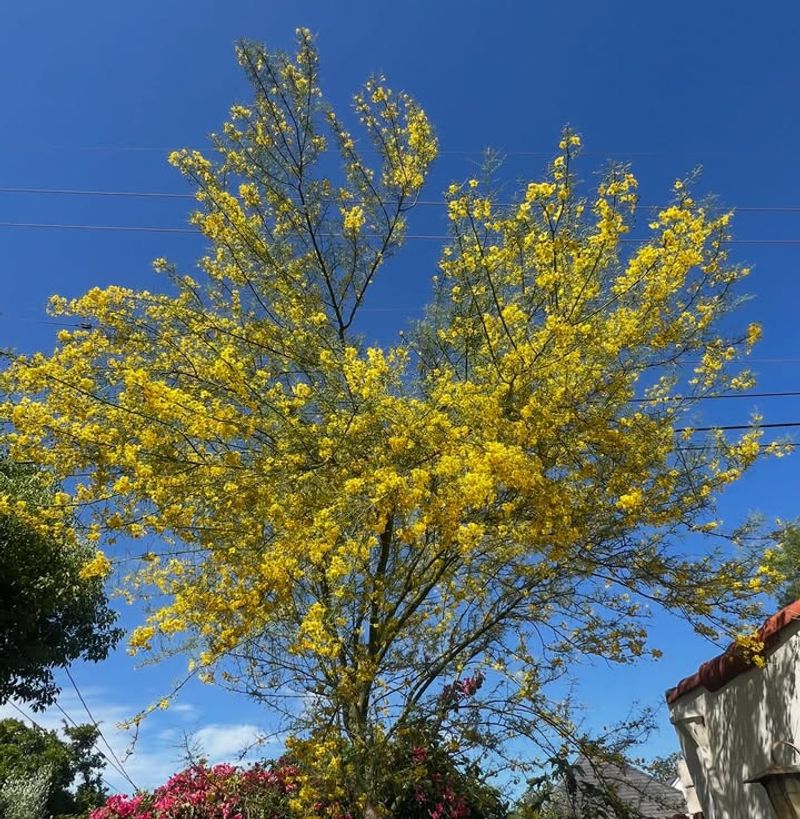
Walk through almost any nursery in the desert Southwest and you will find care tags that do not quite fit Palo Verde. Treating it like a maple, oak, or elm is a mistake that shows up in watering schedules, fertilizer use, and pruning decisions.
Palo Verdes are not shade trees in the traditional sense. They provide dappled light, not deep shade.
Expecting them to block out the afternoon sun the way a large canopy tree does leads to frustration and bad decisions.
Fertilizing a Palo Verde the way you would a lawn tree is unnecessary and potentially harmful. These trees are adapted to low-nutrient desert soils.
Heavy nitrogen applications push fast, weak growth that is more susceptible to wind damage and pest pressure.
Soil amendments are another area where gardeners go wrong. Palo Verdes planted in heavily amended, rich soil may struggle more than those planted in native caliche or sandy desert ground.
Good drainage matters far more than soil richness.
Pest treatments designed for traditional ornamental trees can also cause problems. Palo Verdes have a different relationship with their environment.
Routine chemical spraying can disrupt the beneficial insects that naturally keep pest populations in check.
Mulching heavily around the base is another habit borrowed from traditional tree care that does not translate well.