The Biggest Watering Mistakes Georgia Vegetable Gardeners Make In The Summer
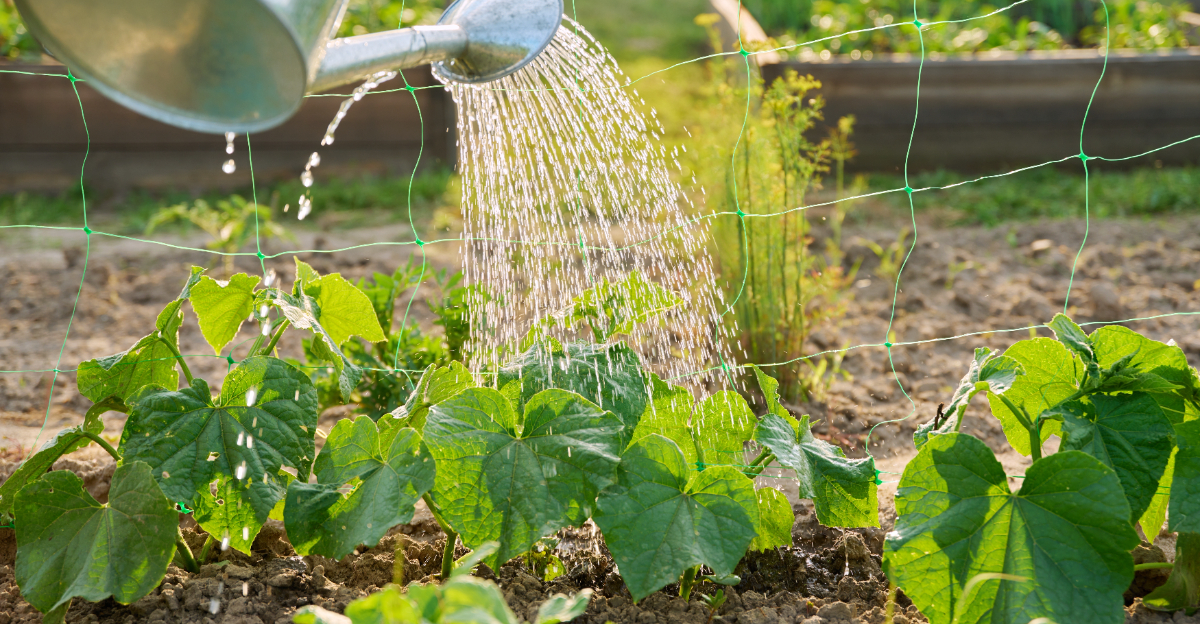
Nothing creates false confidence in a vegetable garden quite like seeing everything look healthy. The leaves are green, plants are growing fast, and the garden seems to be doing exactly what it should.
Then summer settles in, temperatures climb higher, and suddenly some crops start looking stressed even though they are being watered regularly.
That is what makes watering so tricky during this time of year. It feels like a simple task, yet small changes in timing, frequency, or technique can have a bigger impact than many gardeners expect.
Adding more water is not always the answer, and in some cases it can create a whole new set of problems.
Summer conditions can be demanding on vegetable gardens, especially when long stretches of heat put plants under extra pressure.
Georgia gardeners often focus on keeping crops hydrated, but the way water is applied can be just as important as the amount being used.
A few common mistakes can make the season much harder than it needs to be.
1. Watering Too Often Instead Of Watering Deeply
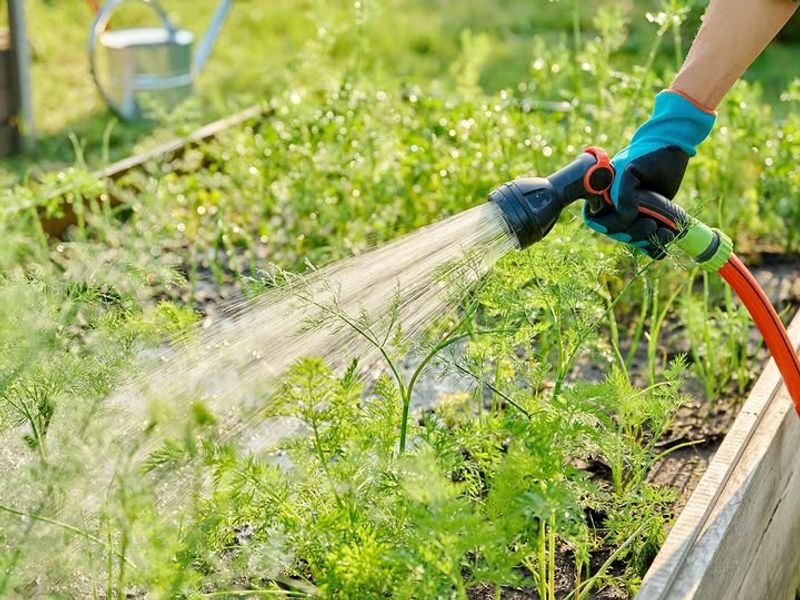
Frequent light watering feels productive, but it is one of the most common traps home gardeners fall into during hot weather. Wetting only the top inch of soil does very little for plant roots that need to reach down several inches to find moisture and stability.
Shallow watering trains roots to stay near the surface. Surface roots are exposed to extreme heat and dry out fast.
Plants end up weaker and more dependent on you showing up with the hose every single day.
Deep watering, done less often, pushes roots downward where the soil stays cooler and holds moisture longer. Aim to water slowly and long enough that moisture reaches at least six inches down.
You can check by pushing a finger or a screwdriver into the soil after watering.
A slow soaker hose or drip system works far better than a quick spray from above. Watering two to three times per week deeply is usually more effective than watering every day with a light sprinkle.
Root depth directly affects how well plants handle heat stress. Strong, deep roots anchor the plant and pull up water even when the top layer of soil dries out between sessions.
That resilience matters a lot when summer temperatures push past 95 degrees in the South.
2. Letting Soil Dry Out Completely Between Waterings
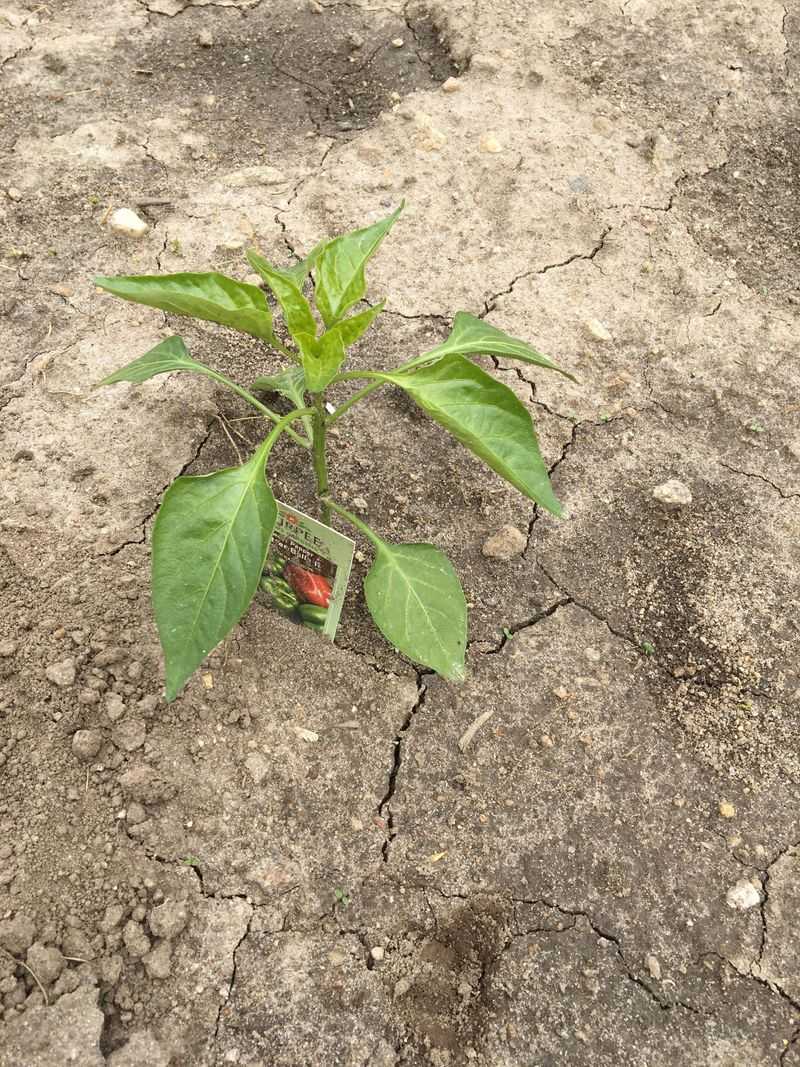
Cracked soil is a warning sign most gardeners notice too late. Once the soil pulls away from plant roots and loses its structure, recovery takes more than just one good watering session.
Completely dry soil actually repels water at first. Water runs off the surface or channels down through cracks instead of spreading evenly through the root zone.
Plants can sit in bone-dry conditions even right after you water them.
Consistent moisture matters more than most people realize. Vegetables like tomatoes and peppers are especially sensitive to uneven watering.
Letting soil go completely dry and then flooding it causes blossom end rot, cracking fruit, and stressed plants that stop producing well.
Your Georgia Garden Changes Every Week. Your Plan Should Too.
Gardening in Georgia changes quickly throughout the season. Every Friday you’ll receive a simple weekly plan showing exactly what to plant, prune, fertilize, harvest, and protect so you never miss the right timing.
Check soil moisture every day during peak summer heat. Stick your finger about two inches into the soil near the base of the plant.
If it feels dry at that depth, it is time to water regardless of whether it rained recently.
Keeping moisture levels steady does not mean keeping soil soggy. A consistent, moderate level of moisture is the goal.
Mulching around plants helps slow evaporation between watering sessions, which makes it much easier to maintain that balance without watering constantly.
3. Wetting Leaves During The Hottest Part Of The Day
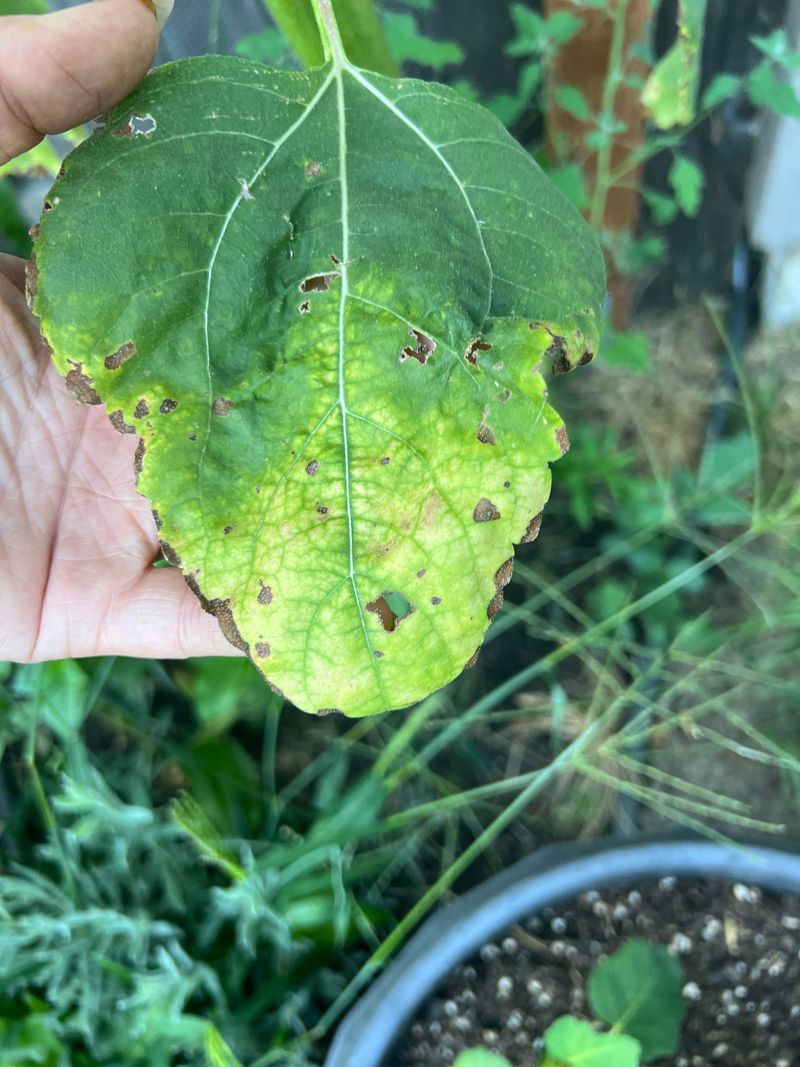
Watering overhead at noon might seem convenient, but it causes more problems than most people expect. Water sitting on leaves under intense sunlight can scorch the leaf surface and create conditions that encourage fungal issues.
Fungal diseases spread fast in warm, humid climates. Wet foliage during the hottest hours of the day creates the perfect setup for powdery mildew, leaf spot, and blight to take hold.
Once those problems start, they are tough to reverse mid-season.
Early morning is the best time to water. The air is cooler, evaporation is lower, and any moisture that lands on leaves has time to dry off before temperatures peak.
Plants absorb water more efficiently when the soil is not already scorching hot.
Evening watering is a common second choice, but it comes with its own risks. Wet leaves sitting overnight in humid Southern air stay damp long enough for fungal spores to germinate.
Morning watering avoids both the midday heat problem and the overnight dampness issue.
Directing water at the base of the plant rather than over the top is always the smarter move. Soaker hoses and drip emitters deliver moisture right where roots need it without touching the foliage at all.
Making that switch alone can improve plant health noticeably over the course of a summer season.
4. Watering Shallowly Instead Of Reaching The Root Zone
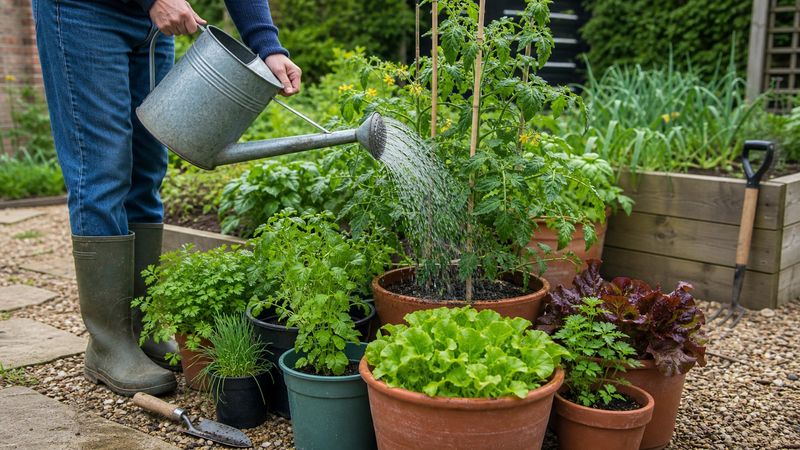
Root zones are deeper than most people picture. Tomatoes, squash, and beans all push roots down six to twelve inches or more when conditions allow.
Watering that only wets the top two inches never reaches where the plant actually drinks from.
Shallow watering produces a false sense of security. The soil surface looks dark and moist, so it seems like the job is done.
Below that surface, roots are waiting for moisture that never arrives.
Plants respond to shallow watering by keeping their roots near the surface. Shallow-rooted plants stress out faster during heat waves because that top layer of soil heats up and dries out within hours on a hot summer afternoon.
Slow, steady watering is the key to reaching the root zone. A drip system set to run for thirty to forty-five minutes delivers moisture gradually, giving water time to soak downward rather than pool or run off.
After watering, use a trowel to check depth. Dig a small hole about six inches away from the plant base and look at how far the moisture has penetrated.
If the soil is still dry below four inches, you need to water longer or slower.
Making this adjustment takes very little extra effort.
Longer, less frequent watering sessions build stronger plants that handle the intense heat of a Southern summer far better than surface-watered ones do.
5. Giving Every Crop The Same Amount Of Water
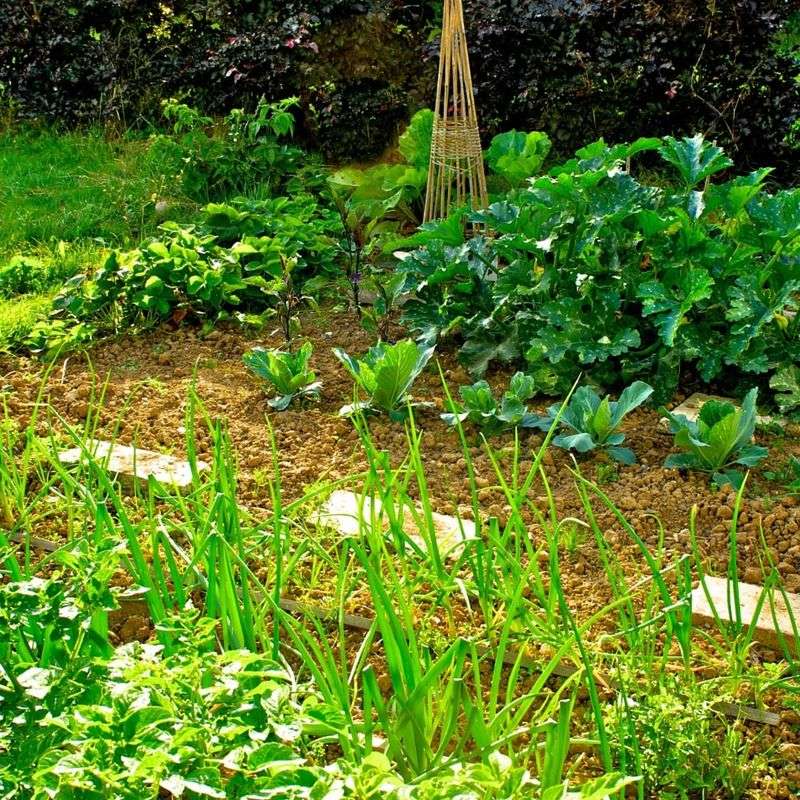
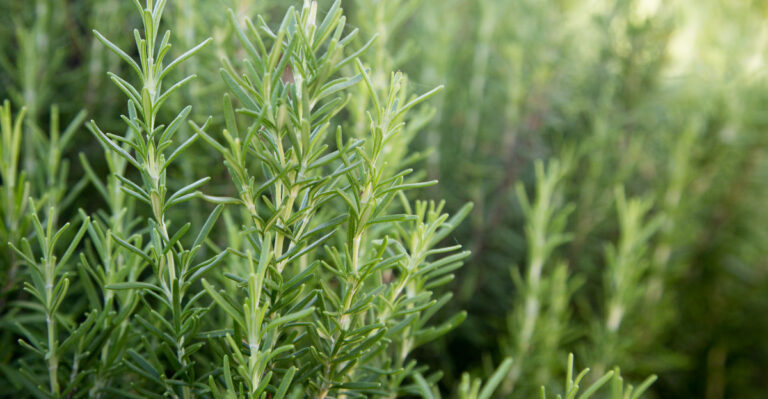
Not every vegetable in your garden has the same thirst. Treating a cucumber the same as a rosemary plant is a recipe for overwatered herbs and underwatered fruiting crops.
Water needs vary widely across common summer vegetables.
Cucumbers are about 95 percent water by weight. They need consistent, generous moisture to produce well.
Squash and melons are similarly thirsty, especially when they are actively flowering and setting fruit.
Herbs like basil, oregano, and thyme prefer to dry out a bit between waterings. Overwatering them leads to root issues, weak flavor, and leggy growth.
They do not need nearly as much as your tomatoes or peppers do.
Grouping plants by water needs makes management much simpler. Thirsty crops like tomatoes, peppers, and cucumbers can share one watering zone.
Drought-tolerant herbs and root vegetables like carrots can go in another area with a lighter schedule.
Fruiting vegetables also change their water needs throughout the season. Tomatoes need steady moisture most during flowering and fruit development.
Cutting back slightly after fruit matures can actually improve flavor concentration.
Paying attention to what each plant is doing at any given point in the season helps you water smarter.
6. Relying On Rainfall Without Checking Soil Moisture
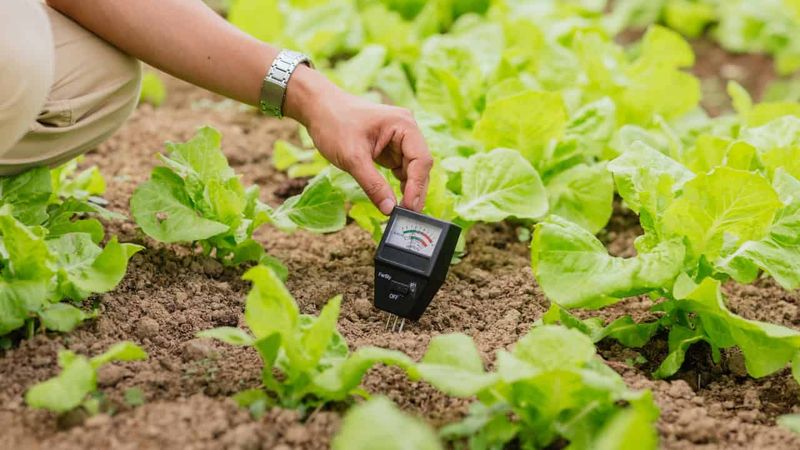
Rain can be misleading. A quick afternoon storm might drop half an inch of rain, soak the surface, and leave you thinking the garden is covered for the next few days.
Meanwhile, the root zone stays dry.
Summer rain in the South is often intense but brief. Water hits hard, runs off, and evaporates quickly from hot soil.
A half-inch of rain during a heat wave barely replaces what the soil loses through evaporation in a single day.
A rain gauge helps take the guesswork out of it. Knowing exactly how much rain fell is useful, but soil moisture is what actually matters.
Two gardens side by side can receive the same rainfall and end up with very different moisture levels depending on soil type and mulch coverage.
Always check the soil after rain before skipping a watering session. Push your finger two inches down near the plant base.
If it feels dry, the rain did not do enough work and supplemental watering is still needed.
Relying on weather apps is another version of the same mistake. Forecasts show what fell at a nearby station, not in your specific garden bed.
Actual conditions on the ground can differ quite a bit from reported totals.Building a habit of checking soil moisture directly takes about thirty seconds.
That small effort prevents a lot of unnecessary plant stress during the hottest and driest stretches of the summer growing season.
7. Skipping Mulch During Extended Hot Weather
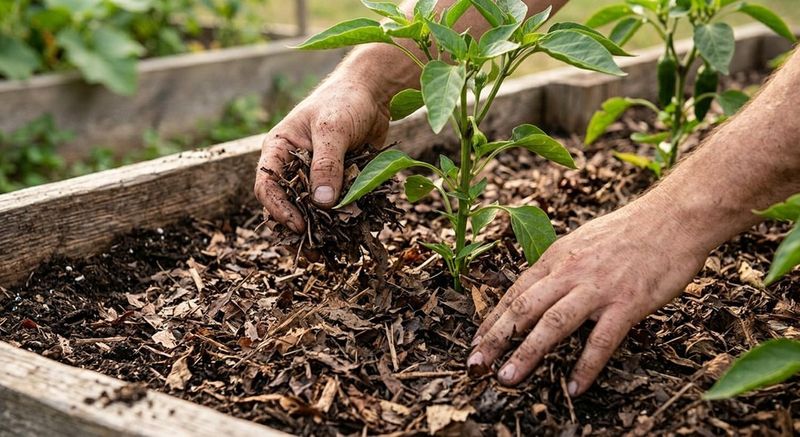
Bare soil in a Southern summer is brutal on plant roots. Without mulch, soil temperatures at the surface can climb well above 130 degrees on a clear afternoon.
That level of heat stresses roots even when the plants look fine above ground.
Mulch acts as a buffer between the sun and the soil. A three-to-four-inch layer of straw, wood chips, or shredded leaves keeps soil temperatures significantly cooler and slows evaporation dramatically.
Less evaporation means less watering and more stable moisture levels.
Skipping mulch forces you to water more often just to maintain the same moisture level. Without that protective layer, you might need to water every day during a heat wave instead of every two to three days.
That adds up quickly in both time and water usage.
Mulch also suppresses weeds that compete with your vegetables for water. Fewer weeds mean more moisture stays available for the plants you actually want to grow.
It is a low-effort addition with multiple practical benefits.
Apply mulch after watering so you are locking moisture into already-wet soil. Keep it a couple of inches away from plant stems to avoid creating damp conditions right at the base.
In Georgia, where summer stretches long and hot, mulching is not optional if you want consistent results.
It is one of the simplest, most affordable adjustments any vegetable gardener can make to protect their crops through the toughest months of the growing season.