Why Missouri Experts Want You To Recognize This Tree Before It Spreads
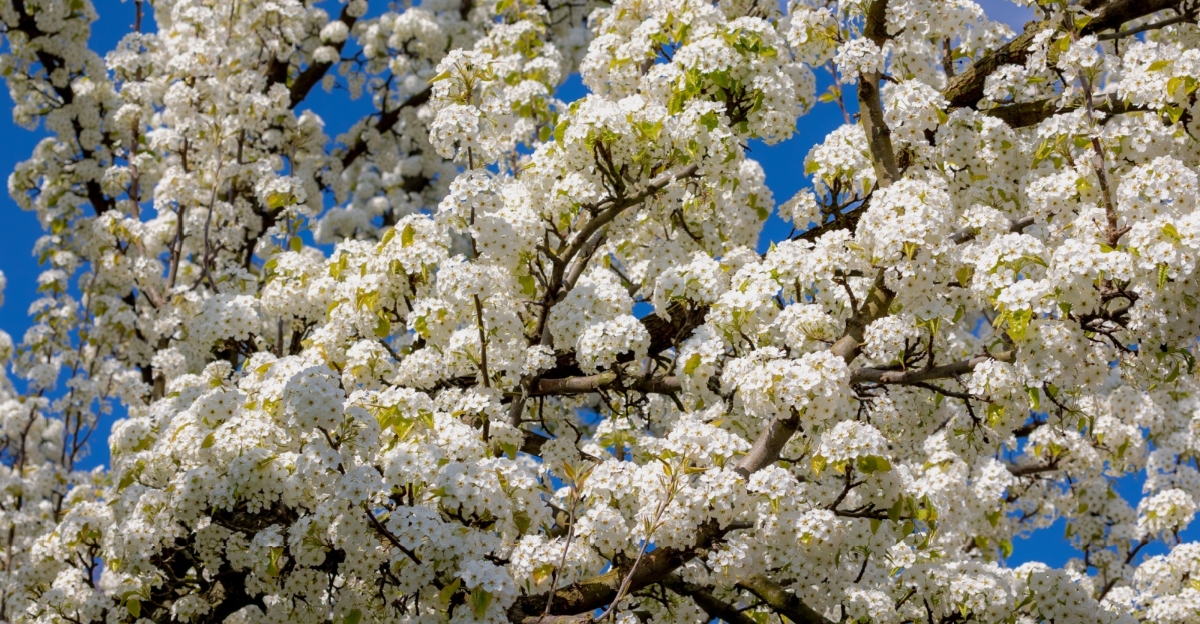
You almost miss it. Standing in your own backyard, you watch white blossoms drift down like snow: pretty, peaceful, wrong.
Then the smell hits: sweet, then sour, then something closer to rotting fish. Your stomach turns.
Missouri has a problem. A beautiful, deceptive, deeply frustrating problem hiding in plain sight across thousands of yards and green spaces.
It looks innocent, acts innocent, and absolutely is not innocent. This thing has fooled landscapers, homeowners, and city planners for decades.
It wears good looks like a disguise, and underneath lies significant ecological disruption. Every spring it gains ground, every season the damage grows, and every year Missouri experts grow louder about getting ahead of it.
You are about to find out exactly why, and what knowing its face is truly worth. Could you have been living next to this problem your entire life without once suspecting a thing?
1. Spreads Rapidly And Is Difficult To Contain
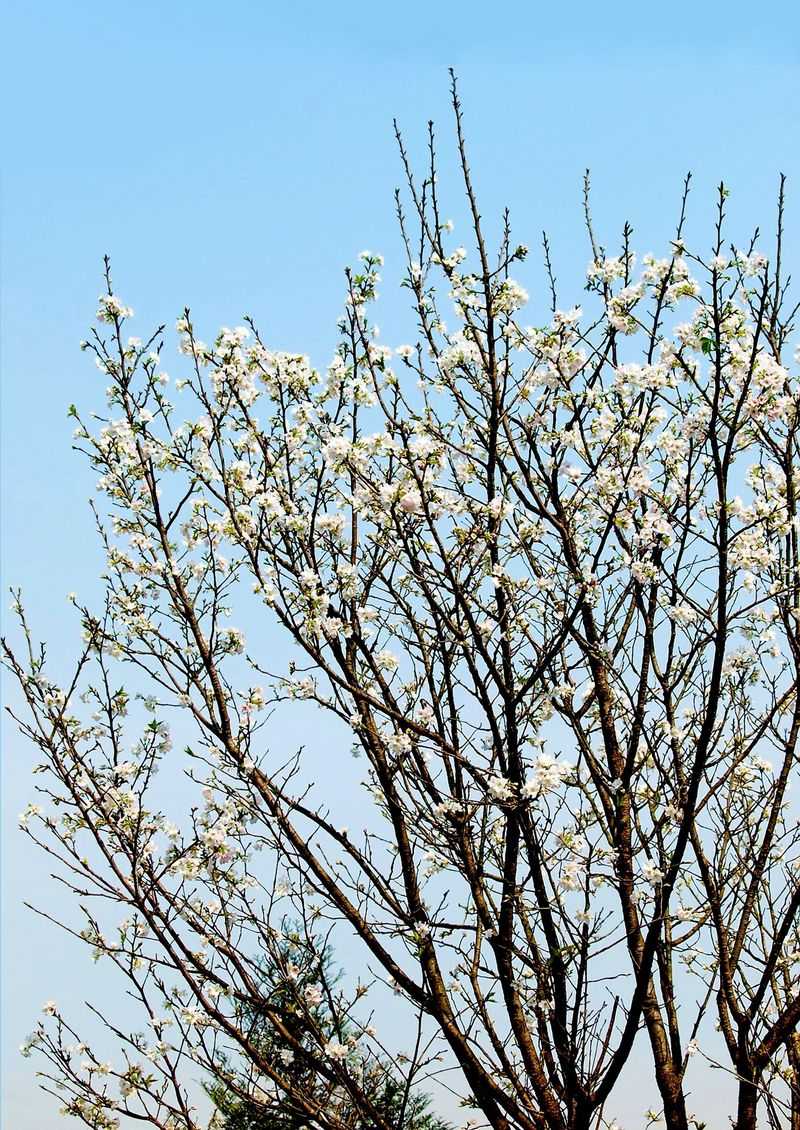
You plant one Bradford Pear, and suddenly there are twenty. That is not an exaggeration. This tree cross-pollinates with other ornamental pears nearby, producing seeds that birds carry far and wide.
Those seeds sprout quickly in fields, roadsides, and forest edges. Within just a few years, open land turns into a dense tangle of Bradford Pear saplings.
The growth rate is alarming to anyone who studies plant biology. Each mature tree can produce hundreds of small fruits loaded with viable seeds.
Birds eat those fruits enthusiastically and deposit seeds miles away from the original tree. This is how one backyard tree becomes a county-wide concern.
Experts have watched formerly open meadows transform significantly within a single decade. The Bradford Pear expands rapidly without intervention, establishing itself in any available space.
Homeowners often do not notice the problem until saplings are already thick and established.
By then, clearing them out requires serious effort and often professional help. Early recognition of this tree is the most powerful tool you have against runaway growth.
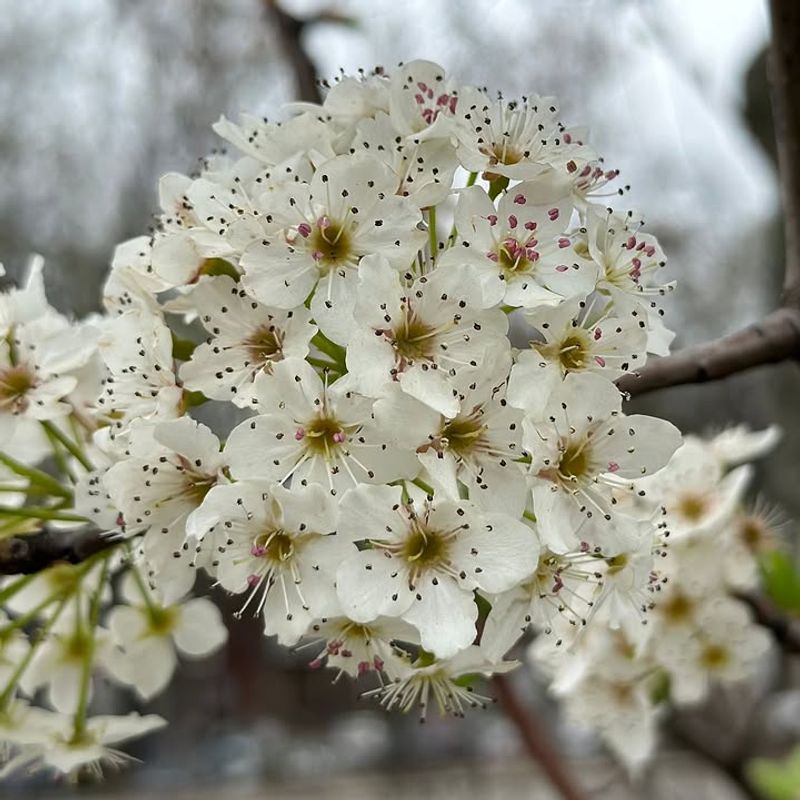
Learning to spot the Bradford Pear now puts you ahead of the spread. Its white spring blossoms, glossy oval leaves, and upright branching shape are distinctive. Once you know what you are looking at, you cannot unsee it.
2. Outcompetes Native Plant Life
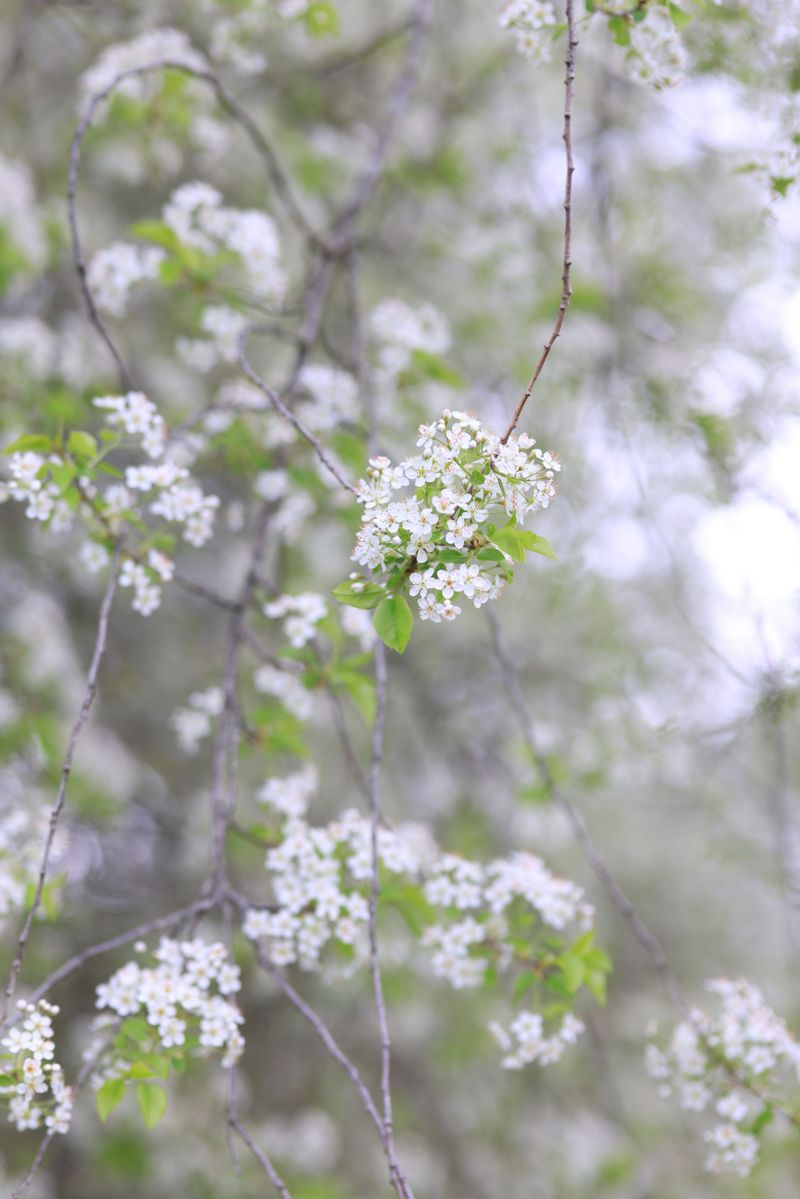
Native plants in the Midwest did not evolve alongside Bradford Pear. That gives this invasive tree a serious unfair advantage.
It leafs out earlier in spring and holds its leaves later into fall than most native species. That extended growing season means it grabs sunlight before native plants even wake up.
Wildflowers, native shrubs, and young hardwood trees get shaded out before they have a chance. The Bradford Pear essentially takes the growing season right from under them.
It also grows faster than most native competitors. A Bradford Pear sapling can shoot up several feet in a single season. Native seedlings simply cannot keep pace with that kind of growth rate.
Conservationists have documented native plant communities declining in areas where Bradford Pear moves in. Redbud, dogwood, and pawpaw trees struggle to compete for the same sunny spots. Once those natives disappear, the whole plant community shifts in a harmful direction.
Your Missouri Garden Changes Every Week. Your Plan Should Too.
Gardening in Missouri changes quickly throughout the season. Every Friday you’ll receive a simple weekly plan showing exactly what to plant, prune, fertilize, harvest, and protect so you never miss the right timing.
Losing native plants is not just a botanical problem. It disrupts the food webs and shelter systems that local animals depend on.
Replanting native species becomes nearly impossible when Bradford Pear is already dominant.
Restoration teams spend enormous resources fighting this single species. Recognizing and removing it early gives native plants a fighting chance to thrive again.
3. Wild Offspring Grow Sharp Thorns That Can Puncture Tires
Here is something most people never expect from a pretty flowering tree: long, rigid thorns. Wild Bradford Pear offspring, called Callery Pears, grow thorns that are exceptionally sharp and strong.
These are not the soft prickles of a rose bush. These thorns can reach three inches or more in length. They are strong enough to puncture rubber.
Several drivers have learned this the hard way after pulling off on roadsides dense with these trees.
Farmers face the biggest risk from thorn-related damage. Tractor tires and equipment tires are expensive, and a thicket of wild Callery Pear can cause serious damage fast.
One Missouri farmer reported multiple flat tires in a single season from a roadside stand of these trees.
Hikers and trail workers also deal with thorn injuries regularly. The branches catch clothing, scratch skin, and make clearing efforts genuinely difficult. Heavy gloves and long sleeves are essential gear when working around these trees.
Children and pets wandering near dense stands face real injury risks. The thorns are low enough on young trees to be at eye level for small kids.
Parents in rural areas need to know what these trees look like before letting kids roam freely.
This thorny trait makes wild Bradford Pear offspring far more problematic than the original ornamental variety. Knowing the difference between the two could protect your vehicle and your family from a painful and costly surprise.
4. Displaces Local Wildlife And Insects
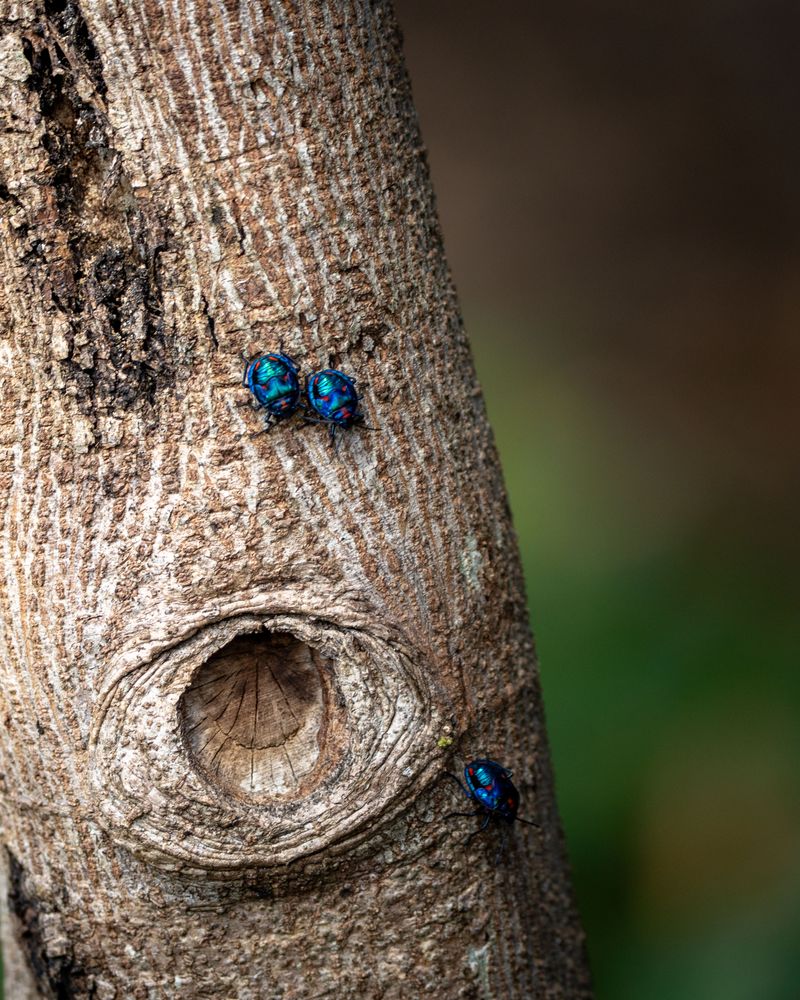
A healthy yard or forest supports a web of creatures all connected to each other. Bradford Pear disrupts that web in ways that ripple outward. Native insects are the first to suffer when this tree takes over.
Most native caterpillars and beetles cannot eat Bradford Pear leaves. They evolved alongside native oaks, cherries, and willows. When those native trees disappear, the insects that depend on them vanish too.
Fewer insects mean fewer birds. Songbirds rely heavily on caterpillars to feed their chicks during nesting season.
Without that insect food source, bird populations in affected areas begin to shrink quietly but steadily.
Pollinators face a similar problem. Bradford Pear flowers do attract some bees, but the tree offers little nutritional value compared to native bloomers.
Bees visiting Bradford Pear miss out on the richer pollen and nectar native plants provide.
Small mammals that depend on native understory plants for food and cover also lose out. Rabbits, foxes, and ground-nesting birds need dense native shrubs that Bradford Pear simply cannot replace.
The habitat becomes an area with noticeably reduced biodiversity. Experts describe areas dominated by this tree as having strikingly low wildlife activity.
They look green and full, but the ecological value inside them is significantly diminished. Protecting native habitat means pushing back against Bradford Pear before it empties out your local ecosystem.
5. Removal Becomes Harder And Costlier Over Time
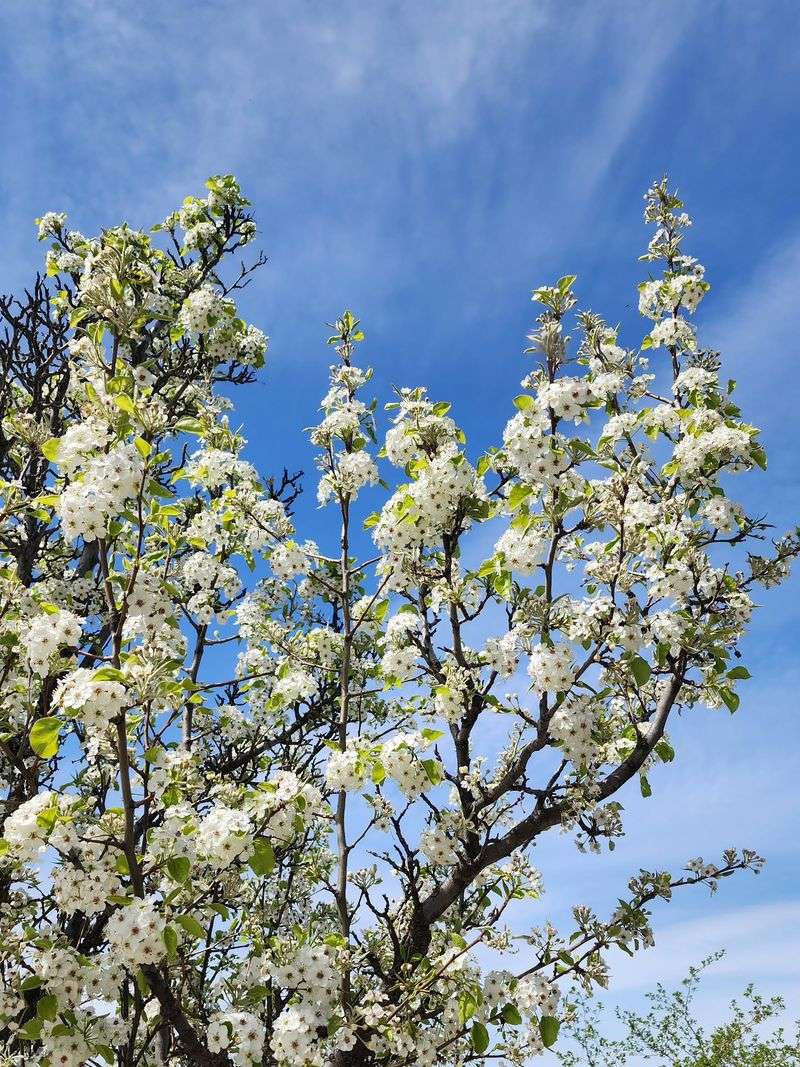
Waiting is the worst strategy when it comes to Bradford Pear. A small sapling pulled by hand takes seconds. A mature tree requires a chainsaw, a crew, and sometimes a stump grinder.
Even after cutting, Bradford Pear regrows aggressively. The root system sends up new sprouts after removal.
Homeowners across Missouri who cut one down without treating the stump often find a cluster of new shoots within weeks.
Professional tree removal costs rise sharply with tree size. A young sapling might cost nothing to remove yourself.
A large established tree can run several hundred to over a thousand dollars with a licensed arborist.
Herbicide treatment adds another layer of cost and effort. Stumps often need multiple applications to prevent resprouting. Skipping that step means the effort starts all over again next season.
Landowners managing large properties face an even steeper challenge. Thousands of trees can establish across fields and fence lines before anyone takes action.
At that scale, restoration becomes a multi-year project requiring significant resources. Missouri conservation districts and extension offices across the region have documented how quickly costs increase when action is delayed.
The pattern is consistent and well documented. Every year you wait, the Bradford Pear gets bigger, spreads further, and demands more money to address properly.
Missouri landowners who act early consistently find the process faster, simpler, and far more cost-effective than those who wait.
6. Can Create Problems For Neighboring Properties
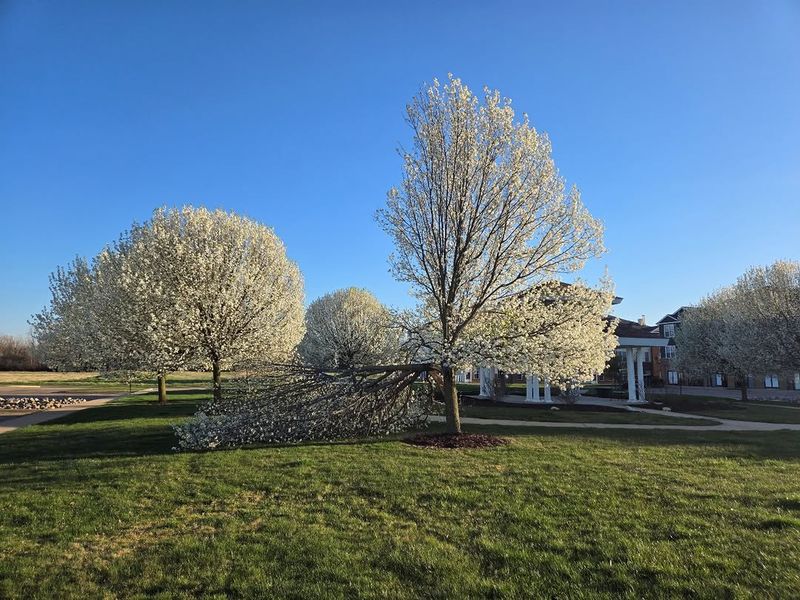
Bradford Pear trees are structurally weak by design. Their branches grow at narrow angles from the trunk, creating weak attachment points. Strong winds and ice storms cause them to split and fail without much warning.
When a large limb falls, it does not respect property lines. Branches landing on fences, parked vehicles, or neighboring rooftops create conflict between neighbors.
Insurance claims tied to this tree are more common than most Missouri homeowners realize. Beyond falling branches, the spread of seeds from your tree affects every yard nearby.
If your Bradford Pear is producing fruit, birds are carrying those seeds into your neighbors’ yards and beyond. You become part of the spread problem without even knowing it.
Thorny offspring can establish along shared fence lines and property borders quickly. Your neighbor might suddenly find their garden beds invaded by a thorny, fast-growing shrub.
Tracing it back to your ornamental tree creates an uncomfortable situation. Missouri community associations and local governments in several counties have begun paying closer attention to invasive species on private land.
The conversation around landowner responsibility is growing steadily. Staying informed about that shift protects you and your neighbors.
Good neighbors across Missouri take this seriously. Removing a Bradford Pear from your yard is an act of community care. It protects the people around you just as much as it protects your own investment.
7. Disrupts The Local Ecosystem
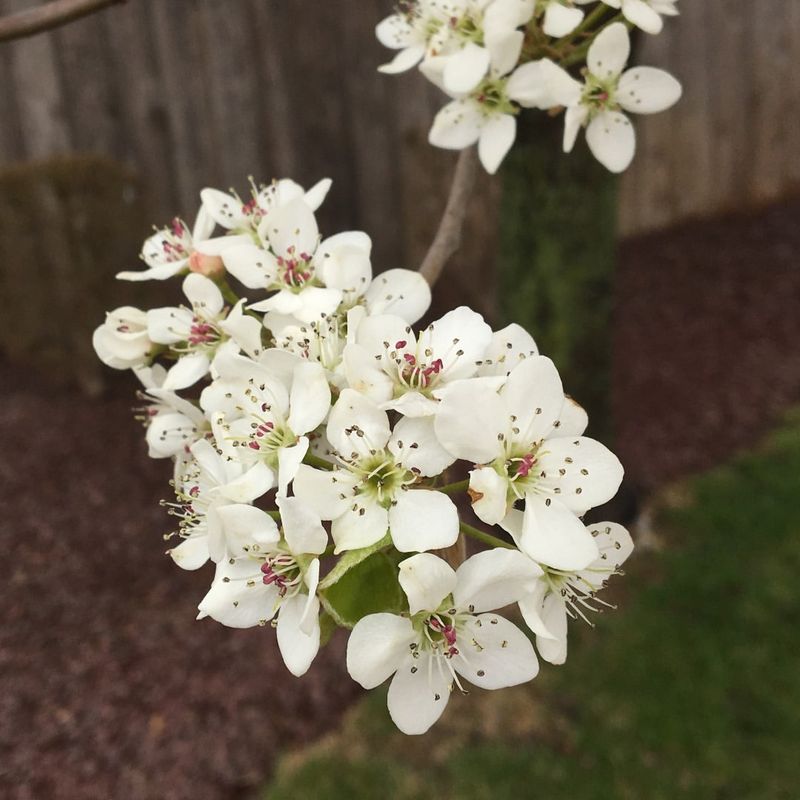
An ecosystem is only as strong as its variety. When one species dominates a landscape, the entire system weakens. Bradford Pear has a talent for creating exactly that kind of damaging monoculture.
As it spreads across fields and forest edges, it pushes out dozens of native species at once. Grasses, wildflowers, shrubs, and young trees all lose ground.
What was once a diverse plant community becomes a single-species wall of white blossoms each spring.
Soil health suffers too. Native plants build complex relationships with soil fungi and bacteria over centuries.
Bradford Pear does not support those same microbial communities, leaving the soil less fertile and less resilient over time.
Water absorption changes when native ground cover disappears. Bare soil under dense Bradford Pear thickets erodes more easily during heavy rain.
Runoff increases, carrying topsoil and nutrients into nearby streams and waterways.
Stream health declines when that runoff increases sediment and reduces the shade provided by native streamside plants.
Fish, amphibians, and aquatic insects all feel the downstream effects. One invasive tree on a hillside can harm a creek miles away.
Restoration ecologists describe Bradford Pear as a species that significantly disrupts established ecological systems that took generations to develop.
Recognizing this tree before it spreads is not just about your yard. It is about protecting the entire living network around you.
8. Missouri Has Passed A Ban On Selling This Tree
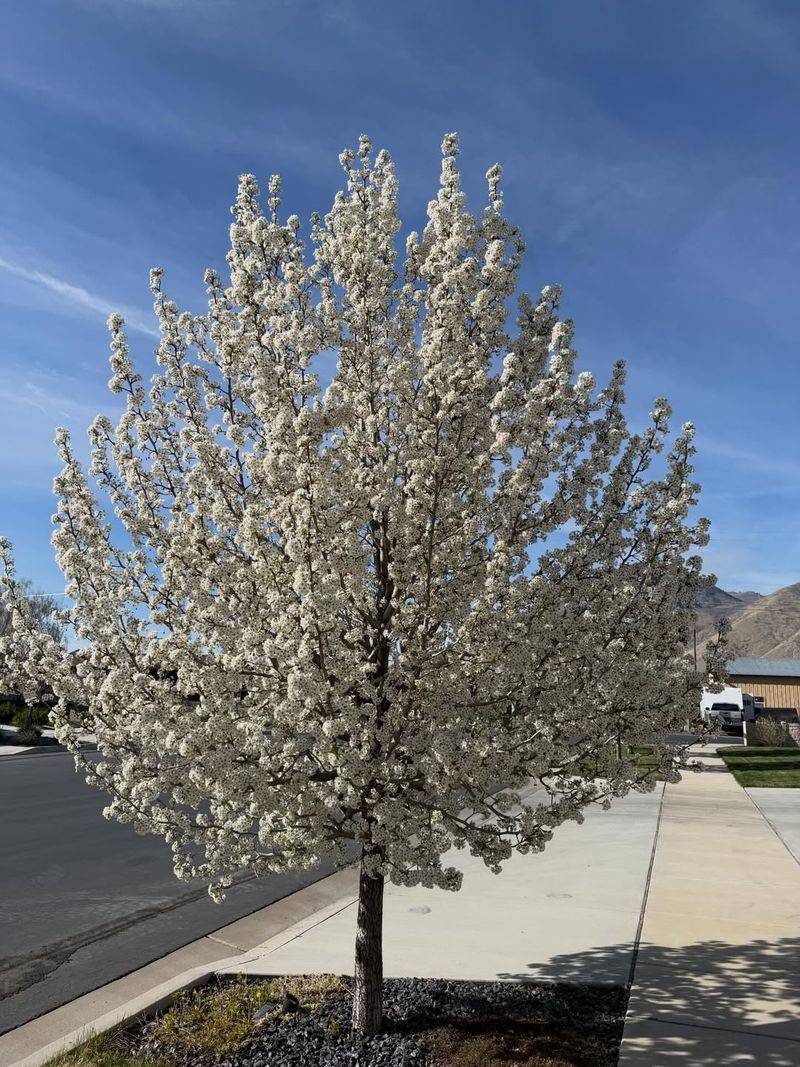
The Bradford Pear has earned the rare distinction of being officially banned. Missouri passed Senate Bill 105 in 2025, banning the sale of Bradford Pear trees effective January 2029.
Years of scientific documentation and field observation led to this outcome. Botanists, conservationists, and agricultural experts all pushed for the ban after watching the damage accumulate across the landscape.
The evidence became impossible to ignore. Nurseries that once sold Bradford Pear as a top ornamental choice have begun pivoting to native alternatives like serviceberry, redbud, and native plum.
These trees offer similar seasonal beauty without the ecological baggage. Homeowners who already have Bradford Pear on their property are encouraged to remove it and replace it with approved native species.
Several programs offer cost-share assistance for removal and replanting. Taking advantage of those resources makes the process more affordable.
Reporting nurseries or individuals selling banned trees is now part of responsible land stewardship. Extension offices and conservation agencies want to hear about violations.
Community involvement is essential to making the ban effective. The Bradford Pear ban is a clear signal that this tree has crossed a line.
Experts who pushed for recognition of this tree for years now have the law on their side. Knowing the rules protects you and helps your whole community move toward a healthier, more native landscape.