The Borax Trick for Creeping Charlie That Ohio Gardeners Should Think Twice About
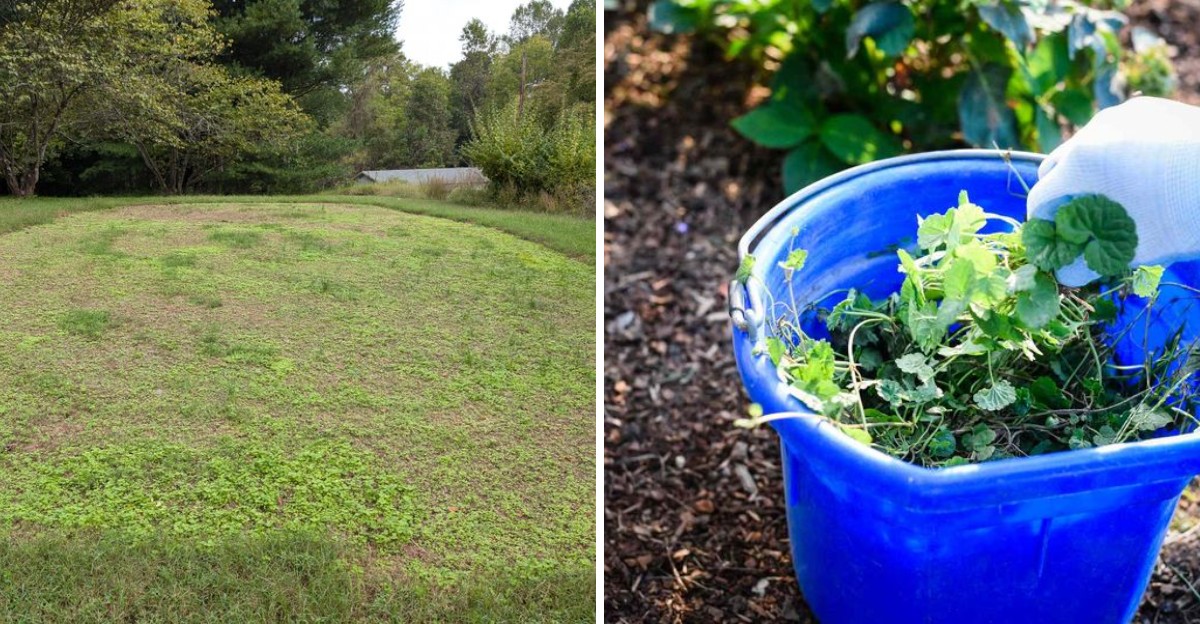
A box of laundry booster has a cult following among weed warriors. People sprinkle it on their lawns, swap recipes online, and swear it works better than anything sold at the garden center.
I get the appeal. It’s cheap, it sits right next to the detergent, and it feels clever to beat a stubborn weed with something from the laundry room.
The catch hides in the chemistry. The key ingredient in that box is something your plants need, but only in amounts so tiny that a heavy hand can backfire for years.
I love a good shortcut, and I tried to find the bright side here. Ohio lawns deal with plenty already, from heavy clay to shady corners where grass sulks.
But is this kitchen-sink fix a clever win, or a slow problem waiting under your feet?
That Box Of Borax Holds A Nutrient Your Lawn Can Overdose On
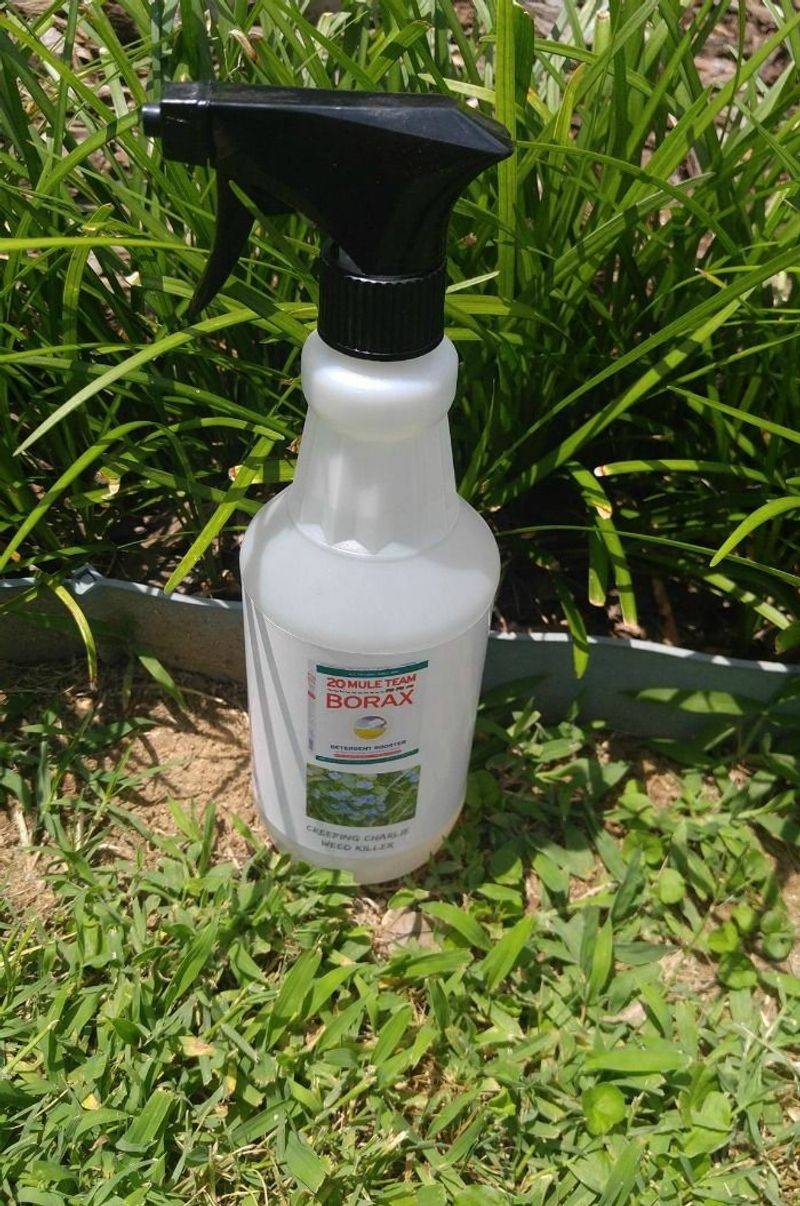
Borax is sodium borate, and the part that matters to plants is boron. Every green plant needs boron to build cell walls and move sugars around.
The amounts involved are tiny, though, often measured in fractions of a pound per acre.
Creeping Charlie, also called ground ivy or Glechoma hederacea, happens to be a bit more sensitive to extra boron than many lawn grasses. That small gap is the whole idea behind the trick.
Give the yard a dose that harms the weed but stays just under what hurts the turf.
On paper, that sounds smart. In a real backyard, it gets messy fast.
Soil type, moisture, existing boron levels, and how evenly you spray all change the outcome.
Researchers in the Midwest did test this decades ago, and the results showed real risk. Rates that slowed ground ivy sat uncomfortably close to rates that yellowed grass.
Uneven mixing or a second pass over the same spot could push things over the line.
So the trick is based on actual plant science. It just relies on a margin so thin that most home gardeners can’t measure it with a coffee can and a watering can.
That narrow window is the first reason to pause before you start mixing.
Ohio Extension Experts Steer You Away From The Borax Mix
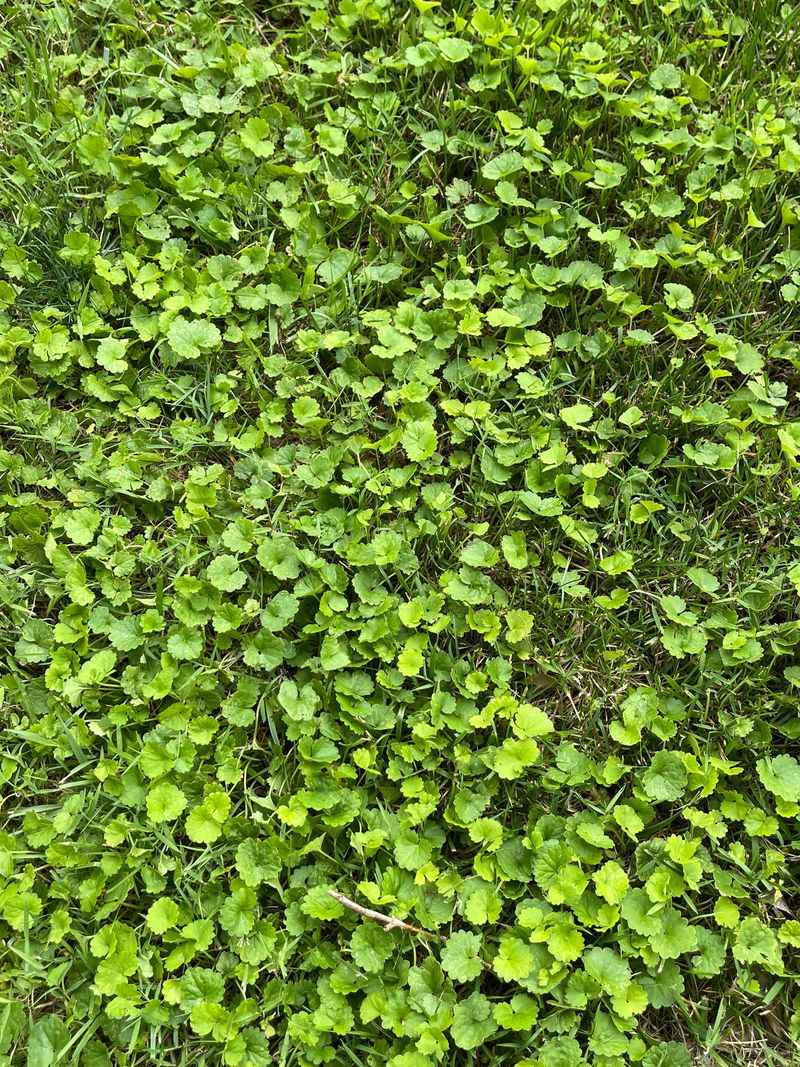
Ask a turf specialist about the borax recipe and you’ll likely get a polite but firm no. University extension services across the Midwest, including Ohio State, generally do not recommend borax for lawn weed control.
Their reasons are practical. Results are inconsistent from yard to yard, and the chance of harming turfgrass is high.
Creeping Charlie also tends to bounce back because its creeping stems and roots often survive a single treatment.
That combination is frustrating. You could end up with scorched grass and a weed that returns within weeks.
Nobody wants to trade one ugly patch for two.
Labels matter here too. Products sold as lawn weed treatments carry tested rates and directions for lawns, while laundry borax is not labeled for that job.
Using a product in a way the label doesn’t support puts all the guesswork on you.
I find it reassuring that the experts aren’t anti-homemade. They just want methods that work reliably without hurting the rest of the yard.
If you’re curious about your own lawn, your county OSU Extension office can answer questions and point you toward soil testing. A quick call costs nothing and might save your grass a whole season of stress.
Boron Lingers In Your Soil Long After The Spray Dries
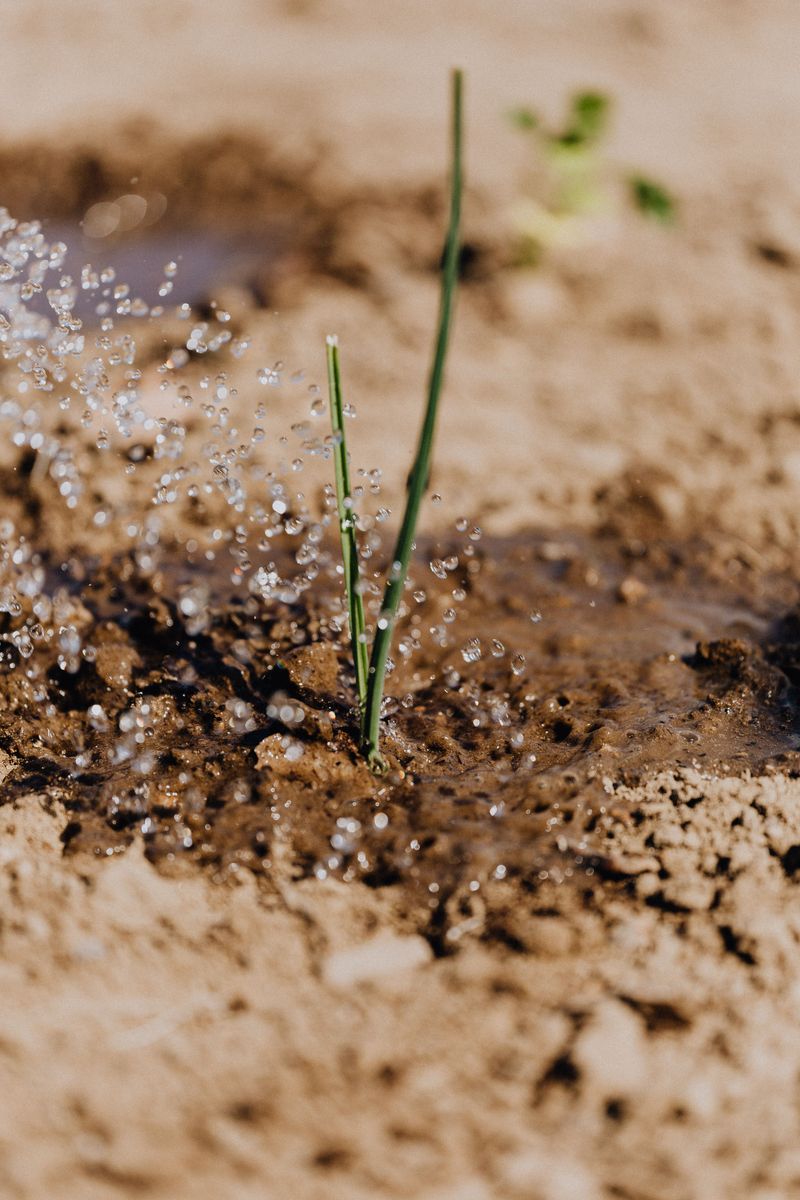
Here’s the sneaky part. Unlike some treatments that break down within days, boron doesn’t vanish once you spray it.
It can stay in the soil, especially in heavier ground, and build up with each application.
Many Ohio yards sit on clay, particularly across the central and northwest parts of the state. Clay soils tend to hold onto boron more than sandy soils do.
That means repeat treatments can stack up in the same spots season after season.
Those buildup zones can turn into hot spots. Grass, perennials, and even vegetables planted later might struggle there for a long time.
Beans, peas, and many fruit plants are known to be sensitive to excess boron.
Fixing the problem isn’t simple. Leaching boron out takes lots of water over time, and severe cases may mean removing and replacing soil.
That’s a big project for a weed you could have handled another way.
Borax also adds sodium to the ground. Over time, extra sodium can affect soil structure and make compacted areas even harder for roots.
If you’ve already treated with borax, consider a soil test before planting anything new in that area. It gives you real numbers instead of guesses.
Yellow Grass Blades Can Signal A Boron Overload
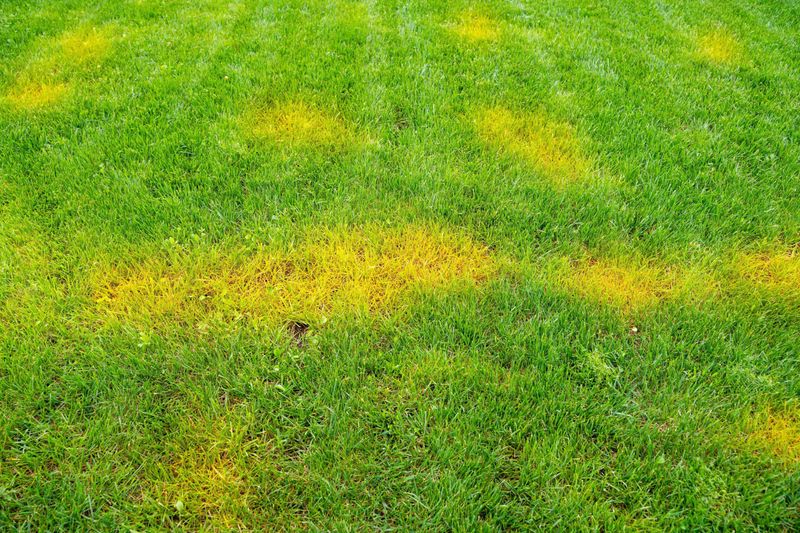
Ever overdone the fertilizer and watched the lawn turn crispy? Boron trouble can look a lot like that.
Symptoms often start as yellowing, then browning along leaf tips and edges.
On grass, you might notice blades with scorched tips in an uneven pattern. Patches that got a heavier dose usually show it first.
On garden plants, older leaves often show damage before newer growth.
Keep in mind that plenty of other problems look similar. Drought stress, dog spots, fertilizer burn, and fungal diseases can also cause tan or yellow patches.
That’s why guessing can lead you down the wrong path.
A few clues help. If the damage lines up with where you sprayed borax, that’s a strong hint.
If it shows up in random places with no pattern, something else may be going on.
Stop any further borax use if you see these signs. Water the area deeply to help move some of the boron downward, especially in well-drained spots.
Then get a soil test that includes micronutrients so you know what you’re dealing with.
Patience matters here. Grass can recover in mild cases, but heavy damage may need reseeding once soil levels settle down.
Square Stems And A Minty Smell Give Creeping Charlie Away
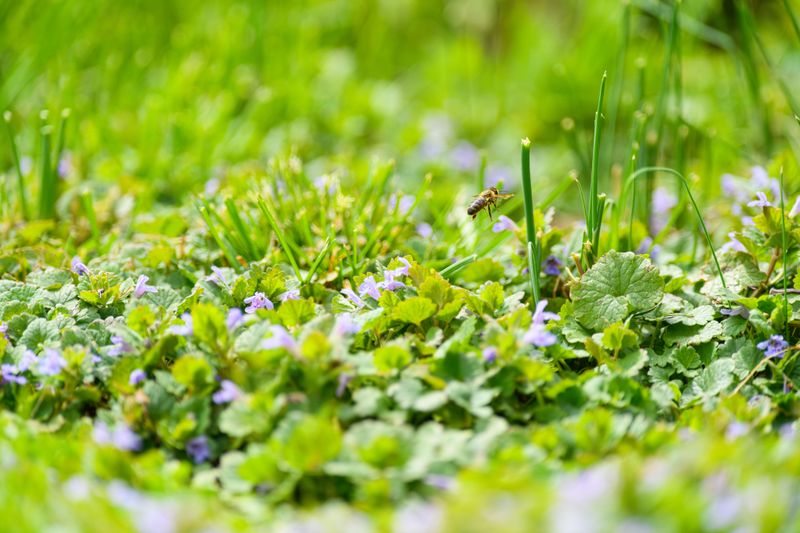
Before you treat anything, make sure you’ve got the right culprit. Creeping Charlie belongs to the mint family, and it has a few obvious traits that are easy to check.
Roll a stem between your fingers. You should feel four distinct sides instead of a round shape.
Then crush a leaf and sniff it, since ground ivy releases a strong, minty, slightly earthy scent.
Look closely at the leaves too. They’re round to kidney-shaped with scalloped edges, and they grow in pairs along the creeping stems.
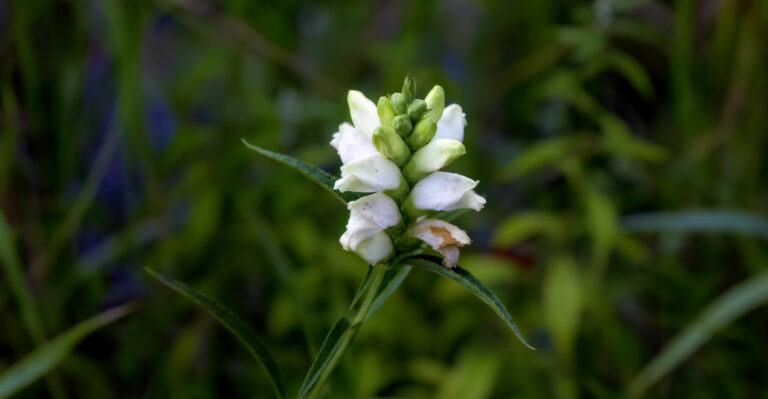
In spring, you’ll spot small purple-blue tubular flowers tucked along those stems.
The plant spreads by stems that root wherever a node touches soil. That’s why it forms thick mats that seem to run across a lawn overnight.
It especially loves damp, shady spots and compacted areas.
A couple of look-alikes trip people up. Henbit has similar flowers but grows more upright, and common mallow has rounder leaves on round stems.
Getting the ID right saves you from treating the wrong plant.
Fun fact: ground ivy came from Europe, where people once used it to flavor and clarify drinks before hops became common. Today it’s mostly just a lawn nuisance.
Pulling Ground Ivy By Hand Works Better After A Good Rain
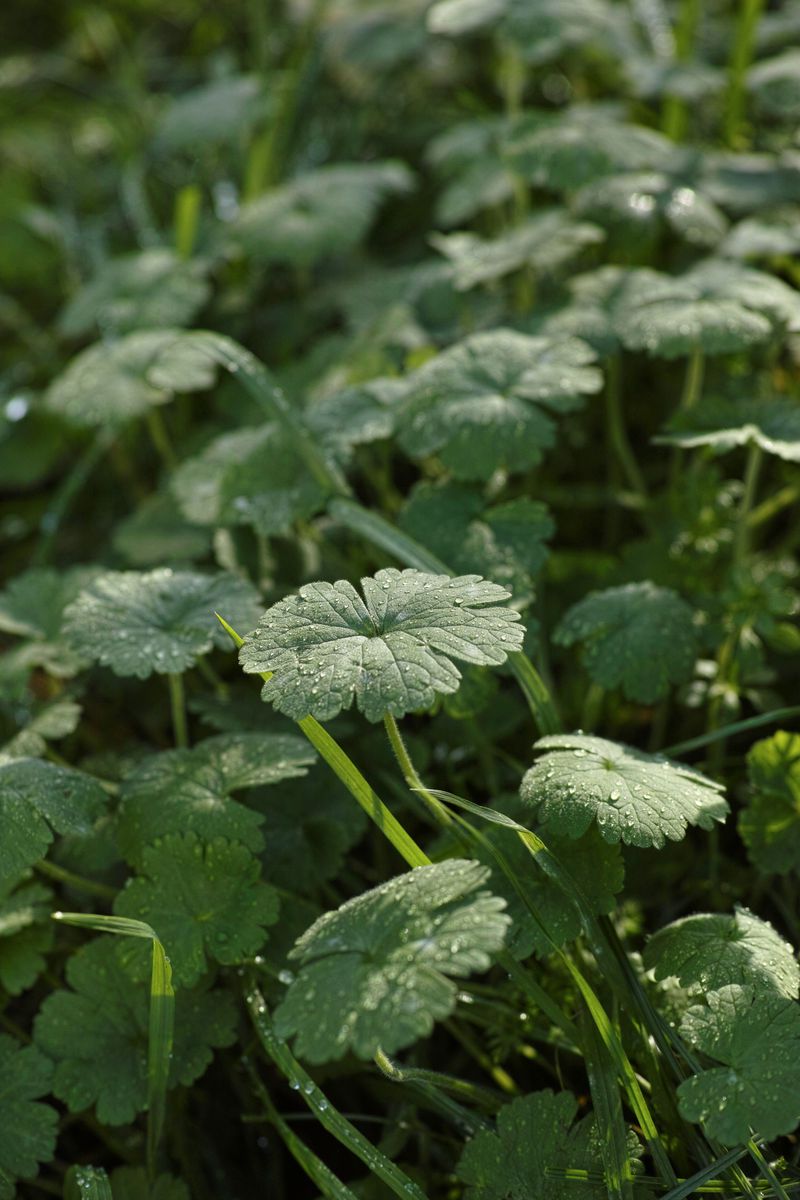
I’ll admit it: there’s something oddly satisfying about pulling a long runner of ground ivy and watching it come up in one piece. For small patches, hand-pulling is one of the safest ways to fight back.
Timing makes a big difference. Work after a soaking rain or a deep watering, when the soil is soft.
Roots slide out more easily, and fewer stem pieces snap off and stay behind.
Grab a runner near its base and pull slowly. Follow it along the ground and lift each rooted section as you go.
A hand weeder or small fork helps loosen stubborn spots.
Bag the pieces instead of tossing them on the compost pile. Bits of stem with nodes can reroot surprisingly well.
That’s how a tiny leftover fragment turns into a new mat by summer.
Expect to repeat this a few times. Check the area every couple of weeks and pull new sprouts while they’re small.
It’s tedious work, but it keeps chemicals out of the picture.
In garden beds, a layer of mulch after pulling can slow regrowth. Just keep an eye on the edges, since ground ivy loves sneaking in from nearby lawns.
Thick Healthy Turf Crowds Creeping Charlie Out
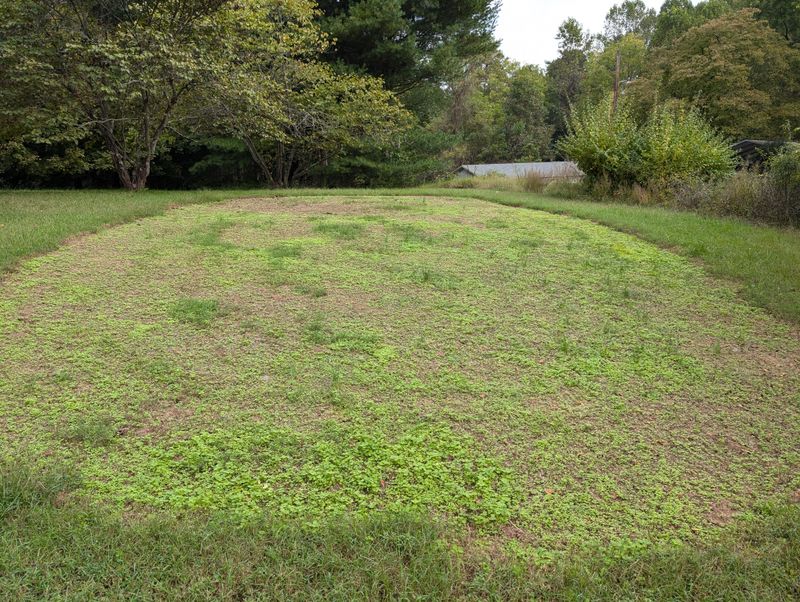
Ground ivy is an opportunist. It moves into thin, weak lawns where grass can’t put up a fight.
Strengthen the turf and you take away its favorite openings.
Start with mowing height. Many Ohio lawns are cool-season grasses like Kentucky bluegrass and tall fescue, which do well around 3 to 4 inches tall.
Taller grass shades the soil and helps block creeping weeds.
Fertilize based on a soil test, with fall as a key feeding time for cool-season lawns. Core aerate compacted areas, since ground ivy thrives where roots struggle.
Fix soggy drainage spots if you can.
Overseeding is another strong move. Late summer into early fall is a great window across most of the state.
Warm soil and cooler air help new grass settle in before winter.
Shady spots deserve honesty. Some areas under big trees will never grow thick grass, no matter what you try.
Fine fescues handle shade better, but a mulched bed or native shade groundcover might be a smarter choice.
Native options like wild ginger or woodland sedges can fill those dim corners nicely. They give you a living cover without fighting the grass battle every single year.
Fall Herbicide Spraying Hits Ground Ivy Where It Hurts
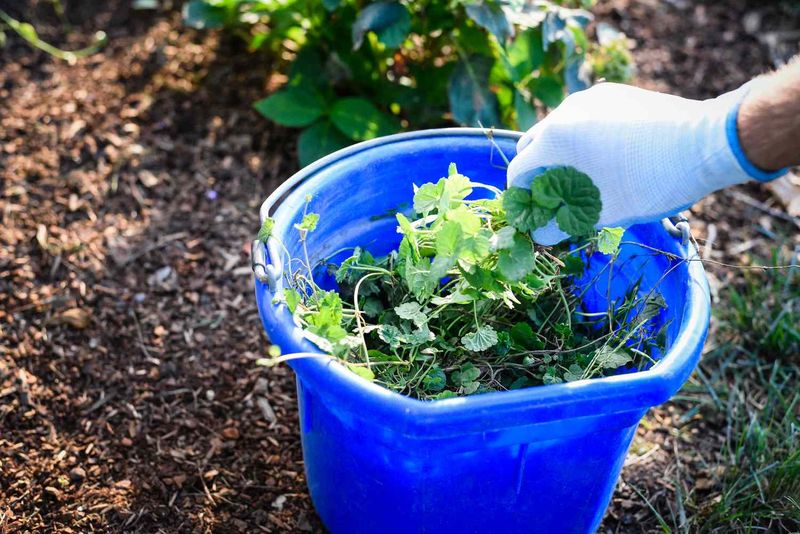
When patience and pulling aren’t enough, a selective broadleaf herbicide is a far more dependable choice than borax. These products are labeled for lawns and target weeds while sparing grass when used correctly.
Triclopyr is often listed as one of the most effective ingredients against ground ivy. Products with dicamba, or blends with 2,4-D, MCPP, and dicamba, are also common options.
Check the label to confirm it lists ground ivy and your grass type.
Fall is the sweet spot. As days cool, Creeping Charlie sends sugars down to its roots for winter, and systemic herbicides travel along with them.
In Ohio, that’s usually late September through October, including around the first light frost.
A spring treatment around bloom time can help too. Many lawns need two or more treatments across a couple of seasons for solid control.
Spot-spray patches instead of blanketing the whole yard.
Read every label carefully. Avoid spraying on windy or hot days, keep products away from garden beds, and keep kids and pets off treated areas as directed.
Iron-based products, often with chelated iron, offer a lower-toxicity option for some broadleaf weeds. Pair any treatment with better lawn care for results that actually last.