8 Mistakes Ohio Homeowners Make Before the Ground Freezes
Water grows about nine percent bigger when it freezes, and that tiny stretch can split a copper pipe wide open. Frozen soil also locks moisture away from roots, so evergreens can go thirsty in the middle of a snowy winter.
Ohio gardeners usually see that soil freeze sometime between late November and early January, depending on the region. That short window leaves room for a handful of easy chores that make spring look much brighter.
I have to admit I learned most of these lessons the hard way, usually while staring at a soggy lawn. You might notice a few habits of your own on this list, and that is perfectly normal.
Most of these slipups take only an afternoon to fix before the cold settles in for the season. I’ve been known to skip a few of these myself, and April never lets me forget it.
1. Thirsty Evergreens Need A Deep Drink Before Winter
Rhododendrons curl their leaves into tight little tubes on bitter mornings, and that drama often starts with dry autumn soil. Evergreens keep losing water through their needles and leaves all winter, even when roots sit locked in frozen ground.
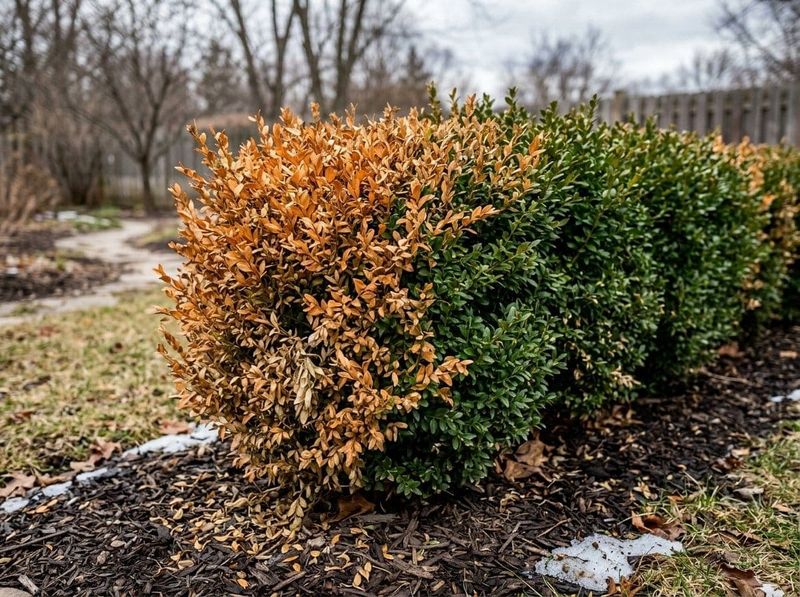
Browning tips in March often trace back to a thirsty November rather than a harsh January. I check my arborvitae and boxwoods first, since they show winter burn faster than almost anything else in my yard.
Deep watering means soaking the soil at least twelve inches down, not sprinkling the surface for five quick minutes. A soaker hose or a slow trickle from a garden hose works beautifully around the drip line of shrubs.
Morning is the best time to water, because plants get the whole day to drink before temperatures drop. Moist soil also holds heat better than dry soil, which gives roots a little extra cushion on chilly nights.
Young trees and shrubs planted this fall need the most attention, since their roots have not spread far yet. Give them a good soak about once a week whenever rain has been scarce and the ground stays unfrozen.
Perennials and late annuals also appreciate steady moisture right up until the soil finally hardens for the season. Keep going until the hose stiffens in your hand, and then you know the job is finished for the year.
Personally, I think this chore is the easiest win of the whole list, and it costs almost nothing. Your evergreens will reward you with greener needles when the snow finally melts away next spring.
2. Pruning Shears Belong In The Shed Until Late Winter
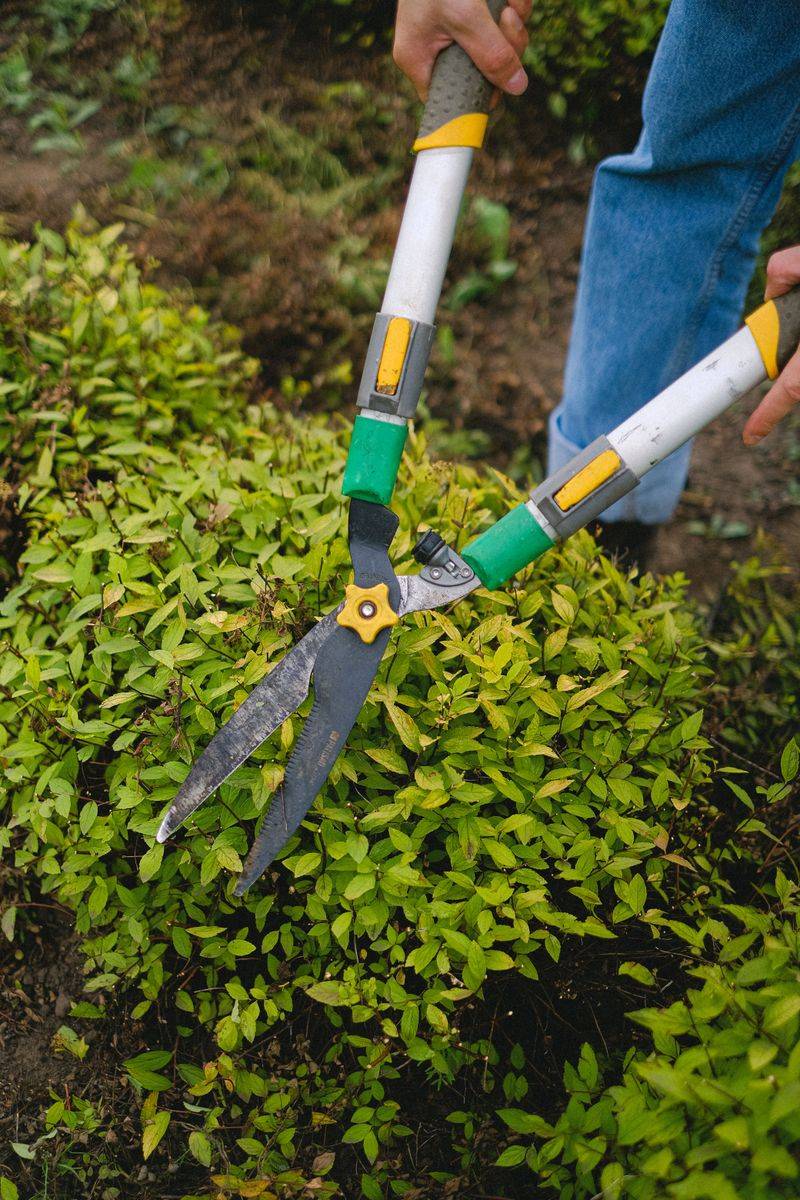
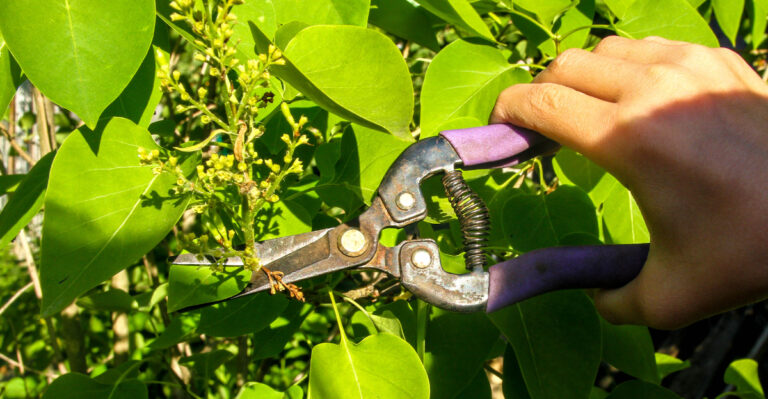
Snipping a scraggly branch on a crisp October afternoon feels productive, but your shrubs might quietly disagree with you. Fall cuts can wake up dormant buds, and that soft new growth rarely toughens up before hard frost arrives.
Trees also spend precious stored energy sealing fresh wounds when they should be settling down for a long winter rest. Most pros suggest stopping major pruning at least four to six weeks before your first hard frost.
Spring bloomers deserve extra caution, because lilacs and forsythias already set next year’s flower buds during summer. A fall trim on these shrubs means trading April color for plain green twigs, and I don’t like that trade.
Oaks follow special rules in Ohio, thanks to a fungal disease called oak wilt that spreads through fresh cuts. Beetles carry the fungus in spring and summer, so the dormant months from November through March are much safer.
Elms benefit from the same dormant season timing, which helps reduce the spread of Dutch elm disease by bark beetles. Winter pruning also lets you see branch structure clearly, since bare limbs reveal every awkward crossing and crowded spot.
Whatever the season, avoid removing more than about a quarter of a tree’s living canopy in a single year. Topping trees is another bad habit, because it creates weak sprouts that snap easily during ice storms and heavy snow.
My advice is simple: rake leaves now and save the sharp tools for a sunny day in late winter. You will make cleaner cuts and give your trees a much calmer start when spring finally arrives.
3. Garden Hoses Left On Outdoor Faucets Spell Trouble
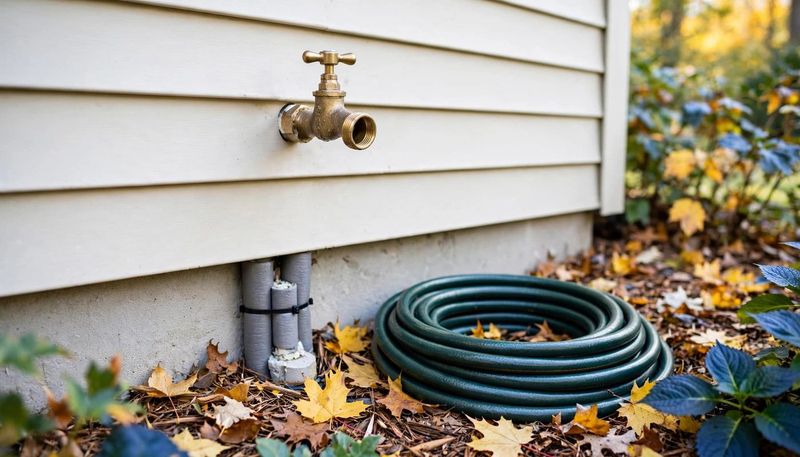
A single forgotten garden hose can turn a quiet outdoor faucet into a surprise indoor waterfall by February. Water trapped in the spigot freezes and expands, sometimes splitting the pipe inside your wall where nobody notices for weeks.
Burst pipes often stay hidden until the weather warms and water starts flowing again through the cracked section. That is when homeowners discover soaked drywall in the basement and a plumbing bill nobody budgeted for this season.
Start by disconnecting every hose and timer from your outdoor spigots before freezing nights settle in for good. Drain each hose on a gentle slope before coiling it up for storage inside a garage or shed.
Next, find the interior shutoff valve for each outdoor faucet and turn it off firmly by hand. Then open the outside spigot so any leftover water can drain out instead of sitting there waiting to freeze.
Frost-free faucets help a lot, but they still need the hose removed so water can drain properly. An insulated foam faucet cover adds another layer of protection, and most hardware stores sell them for just a few dollars.
Irrigation systems need attention too, ideally before the first hard freeze or once nights stay below freezing regularly. Water left in those buried lines can crack fittings and sprinkler heads, so many people hire a professional blow-out service.
Remember to switch off the irrigation controller as well, or it may try to run on a frozen January morning. I like to tape a little note to the controller box, just so nobody flips it back on by accident.
4. Soggy Leaf Piles Smother Your Lawn
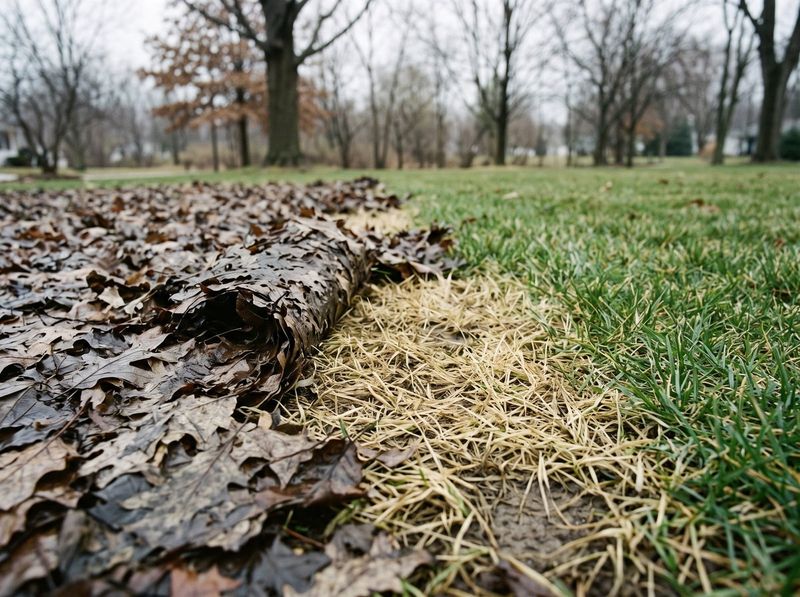
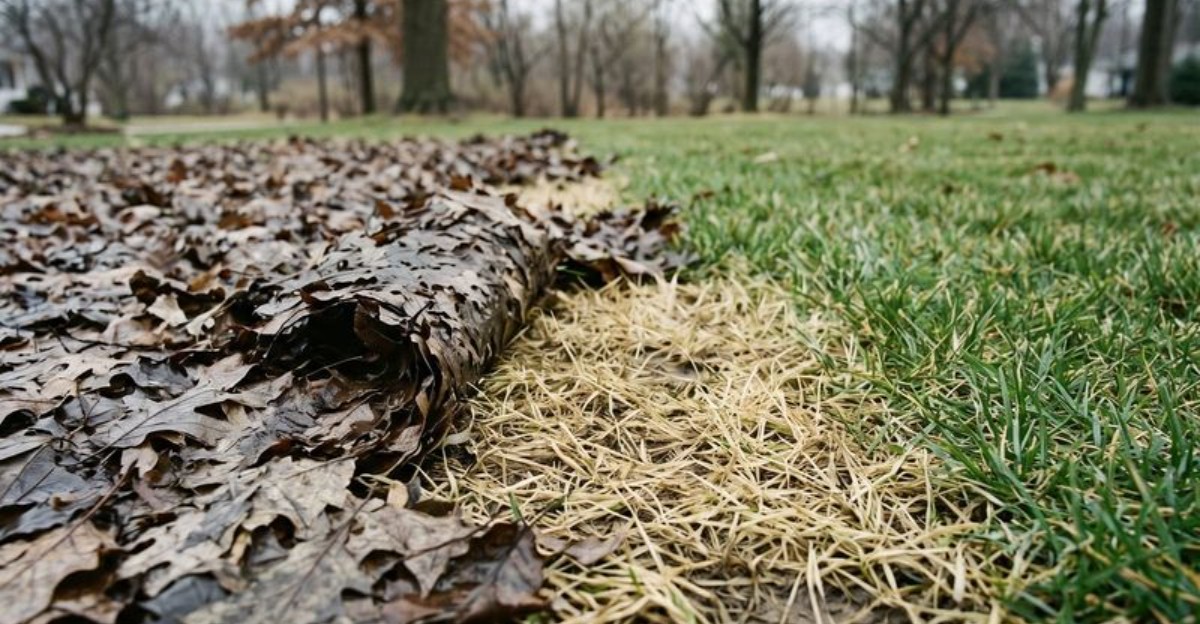
Crunchy leaves look gorgeous on a sunny October hike, but a thick, wet blanket of them can suffocate your lawn. Grass still needs sunlight and fresh air in late fall, and matted leaves block both like a soggy tarp.
Underneath that heavy layer, moisture lingers and invites snow mold, a fungus that shows up as gray or pink patches. Mice and voles also love the cozy cover, and they happily tunnel through turf all winter long.
Come spring, the damage usually appears as thin, bare spots that take weeks of extra work to repair. I learned this after ignoring one stubborn maple pile, and that patch stayed brown until nearly the end of May.
Try a quick test by looking down at the lawn and checking whether you can still see grass blades clearly. If the leaves hide most of the green underneath, it is time to clear them away within a day or two.
Mowing over a light layer works wonders, because chopped leaves break down quickly and feed the soil with organic matter. Use a mulching mower and make a few passes until the pieces look roughly the size of a dime.
Regular cleanups from late October through November beat one giant marathon session after every tree has finally gone bare. Smaller jobs feel easier on your back, and the grass rarely sits smothered for long stretches of time.
Extra leaves make fantastic mulch for flower beds or a terrific addition to the compost pile this winter. Just avoid piling shoveled snow on top of matted leaves, since that combination traps even more moisture against the turf.
5. Late Nitrogen Fertilizer Wastes Money On Cold Soil
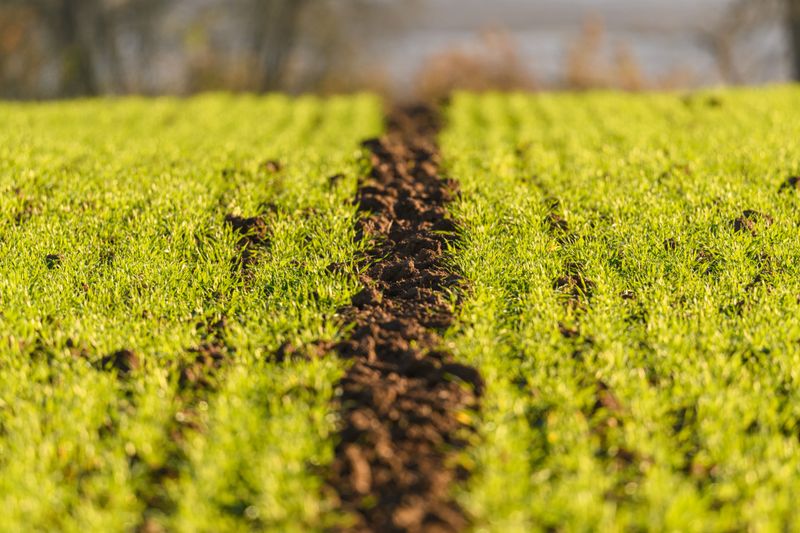
Fall feeding is the meal your lawn cares about most, since cool-season grasses spend autumn building deep, sturdy roots. Kentucky bluegrass and tall fescue, two common Ohio favorites, store energy now for a strong green start next spring.
Timing matters more than the brand on the bag, and late August through mid-October usually works best here. Once the ground freezes, root activity stops and much of that fertilizer just sits there.
Spreading granules on frozen ground is even worse, because melting snow and rain can wash nutrients into storm drains. That runoff feeds algae in local streams and lakes instead of feeding your grass, which helps nobody at all.
Heavy nitrogen products cause another problem late in the season, pushing tender leafy growth that frost can easily damage. Look for blends lower in quick-release nitrogen, and consider a soil test through your county extension office first.
A soil test shows exactly what your lawn lacks, so you can stop guessing and stop wasting money. Many extension offices offer affordable kits, and the results often arrive within a couple of weeks after mailing.
Slow-release fertilizers feed grass steadily over time, which lowers the risk of burning the blades with too much at once. Apply granules to dry grass, then water lightly so the nutrients slip down toward the root zone.
I mark my calendar every September now, because missing the window once left my lawn looking pale until June. Your grass will thank you with thicker growth, and weeds will find far fewer gaps to invade next year.
6. Burlap And Mulch Shield Tender Shrubs From Winter Wind
Winter wind can be surprisingly harsh on broadleaf evergreens, pulling moisture from leaves faster than frozen roots can replace it. Bright sun bouncing off snow adds more stress, and the result often shows up as crispy brown foliage by March.
Young trees face a different issue called sunscald, where warm afternoon sun heats thin bark before a sudden nighttime chill. That rapid swing can crack the bark, especially on the south or southwest side of maples and fruit trees.
Mulch is the easiest place to start, acting like a cozy blanket that keeps soil temperatures steady through freezing and thawing. Spread two to three inches of shredded bark around plants, but pull it back a few inches from stems.
Wait until after the first hard frost to add winter mulch, since early mulch can invite mice to move in. Ground that has started to chill stays chilled under mulch, which reduces the heaving that pushes perennials upward.
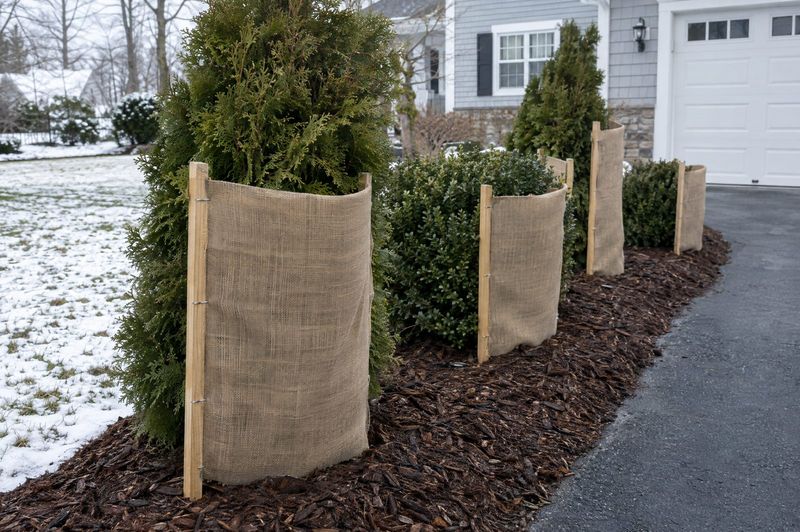
Burlap screens work wonders for exposed evergreens and roses facing open yards or busy roads with salt spray. Personally, I prefer building a simple stake frame around the shrub rather than wrapping burlap tightly against the branches.
During sudden cold snaps, frost blankets or old bed sheets can cover smaller tender plants overnight. Skip plastic sheeting directly on foliage, because it traps moisture and can make freeze damage worse instead of better.
Anti-desiccant sprays are another option for broadleaf evergreens, though research on how well they work remains mixed. I treat them as a small bonus, not a replacement for good watering and a sturdy windbreak.
7. Houseplants Coming Indoors Can Carry Hidden Pests
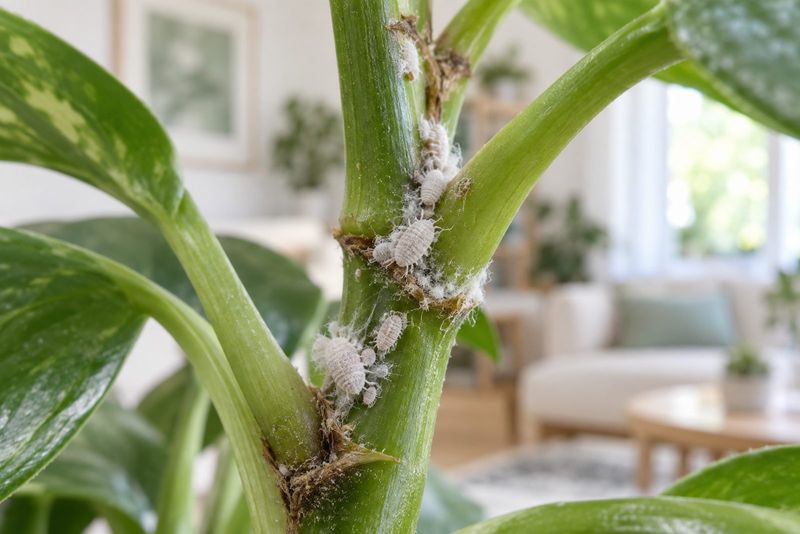
That gorgeous hibiscus on your patio might be hosting a hidden crowd of spider mites or aphids right now. Bring it inside without a careful check, and those tiny passengers can spread to every houseplant in your home.
Tropical plants dislike chilly nights, so plan to move them indoors once temperatures dip regularly below fifty to fifty-five degrees. Waiting for a hard frost can cause chilling injury, leaving leaves blotchy and droopy for months afterward.
Start the transition gradually by parking plants in a shady outdoor spot for about ten days to two weeks. That shady break helps leaves adjust to lower indoor light, which reduces the sudden leaf drop many people notice.
Before the move, rinse foliage with a strong spray of water, paying close attention to the undersides of leaves. Insecticidal soap or neem oil can handle lingering pests, as long as you follow the label directions carefully.
I also slide each plant gently from its pot and peek at the root ball for hidden critters. You would be amazed how often earwigs or pill bugs curl up in there, waiting for a free ride indoors.
Keep newcomers separated from your other houseplants for three to four weeks, just in case something slipped past your inspection. A spare bedroom or a bright basement corner with grow lights works nicely for this quarantine period.
Once settled, give plants bright light away from heating vents and chilly drafts near doors and windows. Water less often and pause fertilizer through winter, since most plants slow their growth when daylight hours shrink.
8. Footprints On Frozen Grass Leave Brown Trails
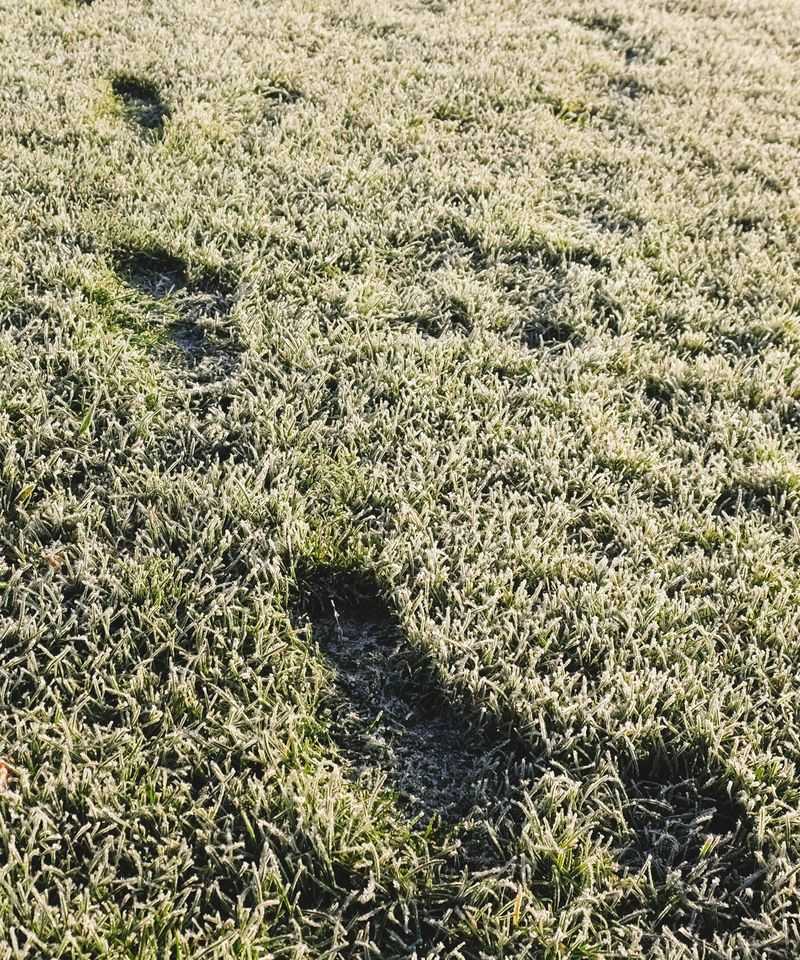
Frosty grass crunches under your boots like breakfast cereal, and that satisfying sound means blades are actually snapping. Frozen leaf tissue turns brittle, so a single shortcut across the yard can leave a trail of footprints behind.
Those footprints often show up later as brown, matted patches once the frost melts and the sun comes out. Grass usually recovers in spring, but repeated traffic in the same spot makes that recovery slower and much harder.
Snow does not fix the problem, because walking on snowy turf packs the soil and squeezes air away from roots. Compressed snow can also form icy layers near the crowns, which adds extra stress to grass that is already resting.
Wait until midmorning on frosty days, after the sun has melted the ice crystals from the blades of grass. Kids and dogs love racing across the yard at sunrise, so a little gentle redirection helps a lot here.
Stepping stones or a simple gravel path make a great fix for those spots where everyone cuts across anyway. I added a few flat pavers near my mailbox, and that ugly brown stripe faded away after one season.
Snow piles deserve some thought before the first big storm, because heavy mounds can smother turf and delay spring greening. Try piling shoveled snow on mulched beds or gravel areas instead, keeping salty driveway slush far away from grass.
Ohio winters bring plenty of freeze and thaw cycles, so lawns get many chances to bounce back between cold spells. A little patience now means a greener yard in April, and your feet will hardly miss the shortcut.