How North Carolina Gardeners Can Tell When To Use Potting Mix Or Potting Soil
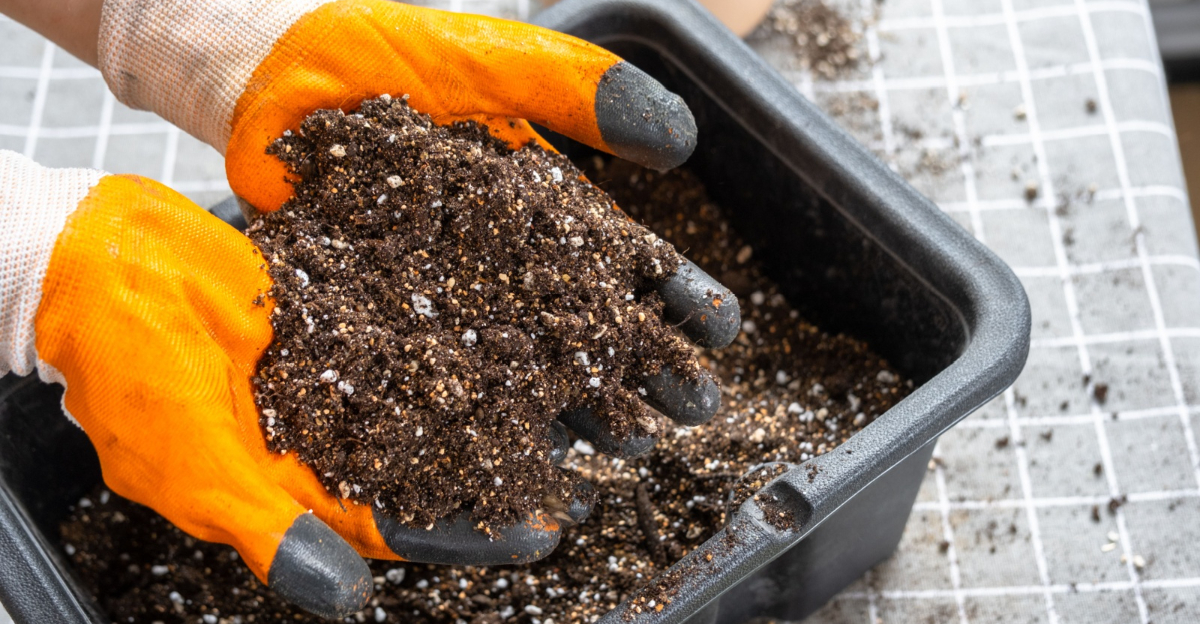
You are standing in a North Carolina garden center, you need potting mix, and suddenly there are two very similar looking bags staring back at you with almost identical names. Potting mix.
Potting soil. Same thing, right?
Not exactly, and that small distinction can actually make a bigger difference than most people expect.
Grab the wrong one for your container tomatoes, indoor houseplants, or seed starting setup and you could end up with soggy roots, poor drainage, and a genuinely confused plant wondering what it did to deserve this.
North Carolina gardeners deal with enough variables already, from humid summers to heavy Piedmont clay lurking nearby, without adding the wrong growing medium into the mix. Pun absolutely intended.
Getting this one simple choice right sets everything else up for a much smoother growing season.
1. Potting Mix Is Usually Best For Containers
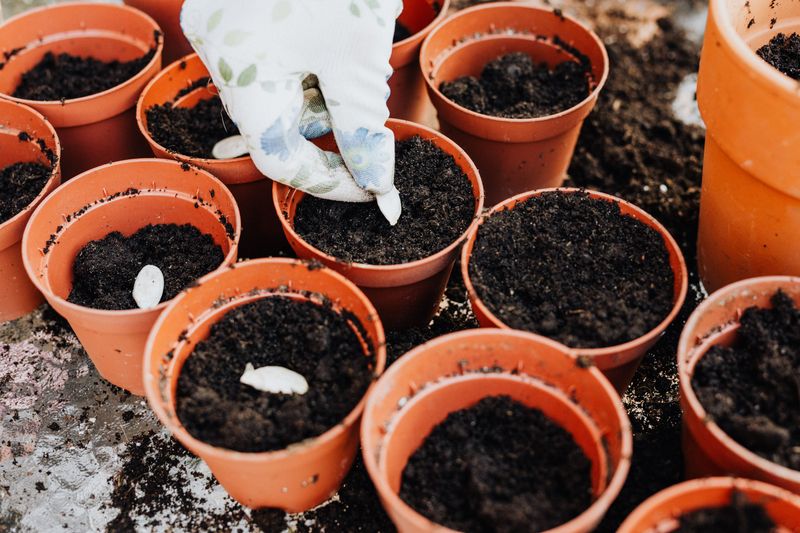
Standing in the garden-center aisle with a heavy bag in each hand, many North Carolina gardeners wonder which product will actually work best in their pots.
Potting mix is typically the go-to choice for containers because it is engineered to be lightweight, drain well, and allow air to reach plant roots.
Those qualities matter a lot when a plant is growing inside a pot rather than in the open ground.
Most potting mixes are made from ingredients like peat moss or coco coir, perlite, and sometimes bark. These components work together to hold just enough moisture without letting water sit and soak around roots for too long.
In North Carolina’s warm, humid summers, that balance between moisture retention and drainage becomes especially important for porch pots and patio containers.
Garden soil pulled from the yard can compact tightly inside a container, cutting off the airflow roots need to stay healthy. A well-made potting mix avoids that problem.
When you pick up a bag of potting mix, it should feel noticeably lighter than a bag of garden soil. That lighter weight is a sign of the airy, loose texture that container plants tend to respond well to.
Checking the bag label for intended use is a smart habit before buying.
2. Potting Soil Labels Can Be Confusing
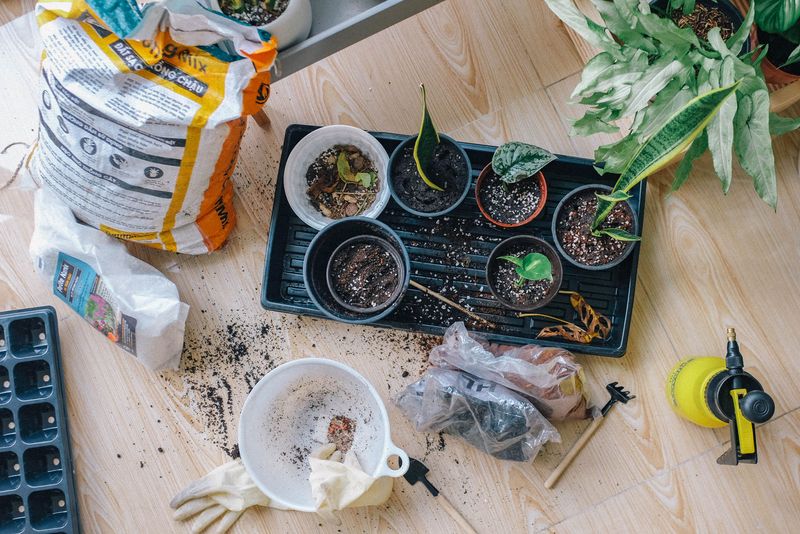
Crowded garden-center shelves do not always make the choice easier. The term potting soil appears on many bags, but it does not have a single, universal definition across every brand.
One company might use potting soil to describe a mix that is nearly identical to what another brand calls potting mix. Another brand might use potting soil to refer to a heavier product blended with actual garden soil or compost.
That inconsistency is why reading the ingredient list and the intended use section on the back of the bag matters so much. Some bags labeled potting soil are perfectly fine for containers.
Others are formulated more for raised beds or in-ground planting and may not drain as freely inside a pot. North Carolina gardeners who shop based on the front label alone can sometimes end up with a product that does not suit their containers.
Your North Carolina Garden Changes Every Week. Your Plan Should Too.
Gardening in North Carolina changes quickly throughout the season. Every Friday you’ll receive a simple weekly plan showing exactly what to plant, prune, fertilize, harvest, and protect so you never miss the right timing.
A few things to look for include perlite or vermiculite on the ingredient list, which signal good drainage. A bag that lists garden soil, topsoil, or heavy compost as a main ingredient may behave more like ground soil once it settles into a container.
Lightweight feel, a mention of containers on the label, and the presence of drainage-friendly ingredients are all useful clues. Taking an extra minute to flip the bag over before buying is a habit worth building for any North Carolina home gardener.
3. Indoor Houseplants Need A Lightweight Mix
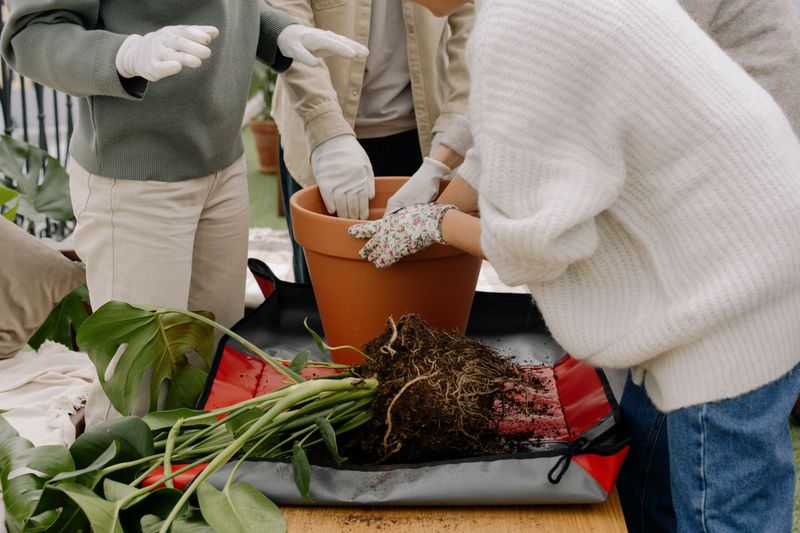
Houseplants near a sunny window in a North Carolina home deal with a very different growing environment than plants outside in the garden. Inside, pots tend to dry out more slowly, airflow is limited, and roots have no way to spread beyond the container walls.
That confined space makes the texture and weight of the growing medium especially important for long-term plant health.
A lightweight potting mix designed for indoor or container use gives houseplant roots the loose, breathable environment they need. Heavy growing media can compact over time inside a pot, making it harder for water to drain through properly.
When water pools at the bottom of a container or sits at the soil surface for too long, root health can decline quickly.
Many tropical houseplants common in North Carolina homes, such as pothos, peace lilies, and snake plants, prefer a mix that drains freely and does not stay wet for extended periods.
Some houseplant growers even add a small amount of extra perlite to a standard potting mix to improve drainage further.
Garden soil from the yard is not a suitable substitute for indoor containers because it can carry pests, compact badly, and retain far too much moisture.
Starting with a quality lightweight potting mix made for containers gives indoor plants a much better foundation from the beginning.
4. Outdoor Pots Need Drainage And Airflow
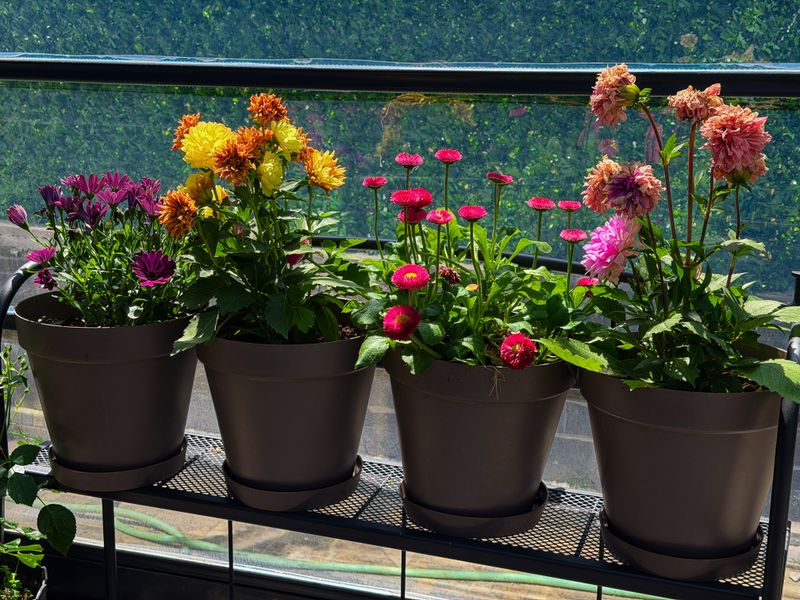
A porch planter full of petunias or a balcony pot of herbs faces some tough conditions during a North Carolina summer.
Heat radiates off concrete and wood surfaces, watering schedules can be inconsistent, and heavy rains can quickly overwhelm a container that does not drain well.
The growing medium inside an outdoor pot needs to handle both extremes without staying soggy or drying out too fast.
Potting mix designed for container use typically contains ingredients that support good drainage and allow air to move through the root zone.
Perlite, coarse bark, and coco coir are common components that help outdoor containers manage moisture without staying waterlogged after heavy rain.
A well-draining mix also helps prevent the kind of root suffocation that can happen when soil compacts inside a pot over a season.
Outdoor containers in North Carolina can experience big temperature swings between morning and afternoon, especially in the Piedmont and mountain regions.
A potting mix that holds a reasonable amount of moisture without staying heavy gives plants a buffer against those swings.
Hanging baskets tend to dry out faster than large pots, so a mix with slightly better moisture retention may work well for those.
Checking that your outdoor pots have drainage holes and pairing them with a quality container potting mix gives outdoor plantings a much more stable growing environment throughout the season.
5. Container Vegetables Need A True Potting Mix
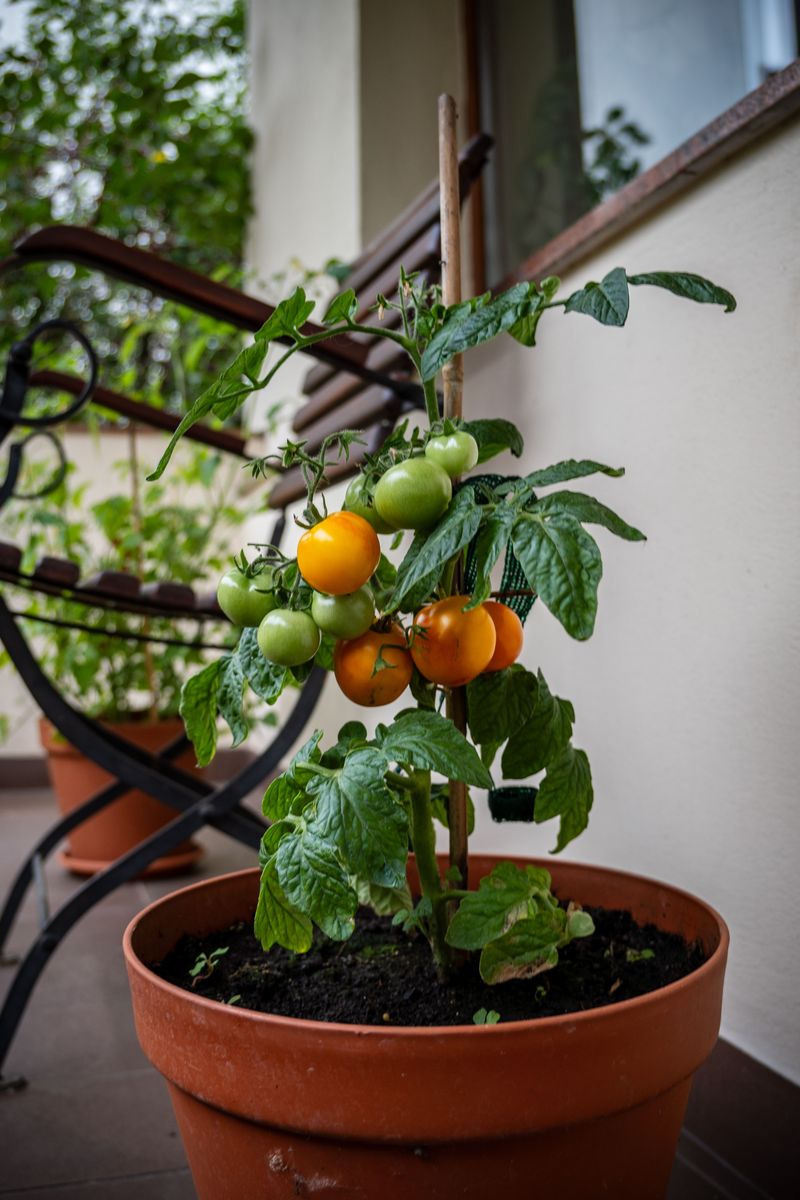
Tomatoes growing in five-gallon buckets on a North Carolina patio have very different needs than the same plants growing in a backyard garden bed.
Container vegetables rely entirely on the growing medium inside their pot for nutrients, drainage, moisture, and root support.
That makes the choice of growing medium more critical for container vegetables than for many other plantings.
A true potting mix made for containers gives vegetable roots the loose, well-aerated environment they need to develop fully.
Vegetable plants in containers are also watered more frequently than in-ground plants, which means the growing medium needs to drain well to prevent waterlogging between waterings.
A mix that holds too much moisture or compacts easily can limit root development and reduce productivity over the growing season.
Many potting mixes sold for vegetable containers include a starter charge of fertilizer to support early growth, though that initial supply typically runs out within a few weeks.
North Carolina gardeners growing tomatoes, peppers, cucumbers, or herbs in containers should look for a potting mix specifically labeled for vegetables or containers rather than a general garden soil or topsoil product.
Reading the label for drainage-friendly ingredients like perlite is a practical step.
Container vegetable gardening has become popular in North Carolina neighborhoods with smaller yards, and starting with the right potting mix helps give those patio and balcony gardens a solid foundation from the first planting.
6. Seedlings Need Seed-Starting Mix
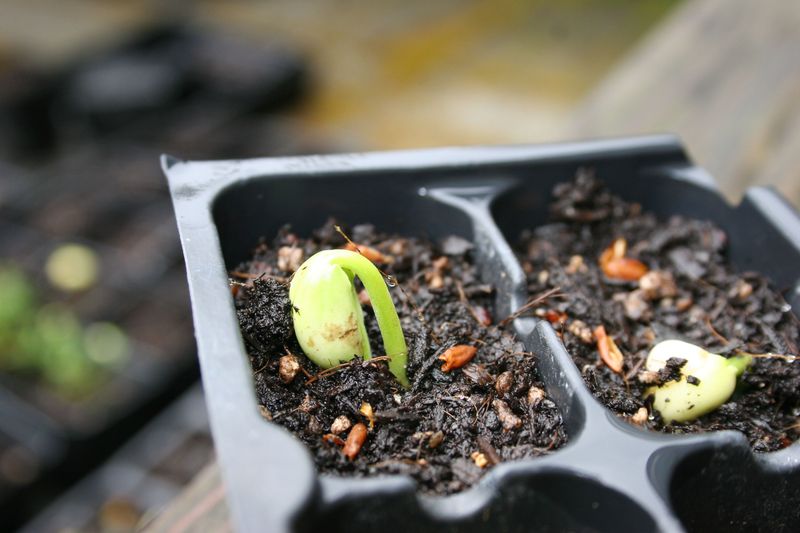
Seed trays lined up under grow lights in a North Carolina garage or sunny windowsill represent a lot of hope and patience. Getting those seeds to sprout and grow into healthy transplants depends heavily on the growing medium used in the tray.
Standard potting mix, while great for containers, is not always the best choice for starting seeds from scratch.
Seed-starting mix is specially formulated to be fine-textured, lightweight, and low in fertilizer. Seeds need close contact with a moist, fine-textured medium to germinate reliably.
A coarse or chunky potting mix can leave air pockets around tiny seeds and make it harder for delicate new roots to push through.
Seed-starting mixes are also typically lower in nutrients because young seedlings do not need heavy feeding right away and can actually be harmed by too much fertilizer too soon.
Once seedlings develop their first set of true leaves and are ready to be transplanted into larger containers or outdoor beds, moving them into a standard potting mix is a natural next step.
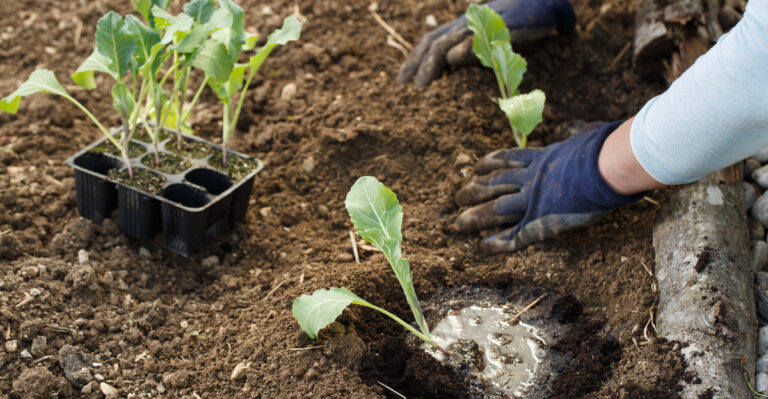
North Carolina gardeners who start warm-season vegetables like tomatoes and peppers indoors in late winter or early spring often find that using a proper seed-starting mix gives them stronger, more consistent germination results.
It is a small investment that tends to pay off once transplant time arrives and seedlings are visibly healthy and well-rooted.
7. Raised Beds Need More Than Potting Mix
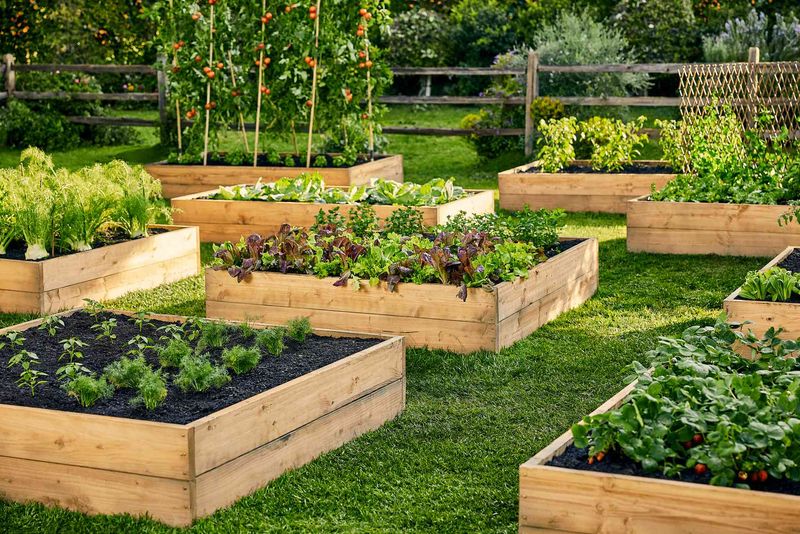
Raised beds have become a popular gardening option across North Carolina, from small suburban backyards in the Piedmont to mountain-area homes where native soil can be rocky or thin.
They offer excellent drainage, easier access, and the ability to control soil quality from the start.
However, filling a raised bed entirely with bagged potting mix is not usually the most practical or cost-effective approach.
Raised beds typically hold a much larger volume of growing medium than a container pot, so filling them with standard potting mix alone can get expensive quickly. More importantly, potting mix on its own may not provide the full range of nutrients and organic matter that vegetable and flower crops need over an entire growing season.
A blended approach using quality compost, topsoil, and some potting mix or perlite for aeration tends to work better for most raised-bed situations.
A common recommendation for raised-bed filling is to use a blend that includes compost for nutrition and water retention, along with something like coarse perlite or vermiculite to keep the mix from compacting over time.
Pure potting mix can also dry out more quickly in a raised bed than a blended growing medium would.
North Carolina gardeners building new raised beds can benefit from thinking of the fill as its own recipe rather than simply choosing between potting mix and garden soil.
Getting the blend right from the start sets the raised bed up for productive seasons ahead.
8. Garden Soil Belongs In The Ground, Not Pots
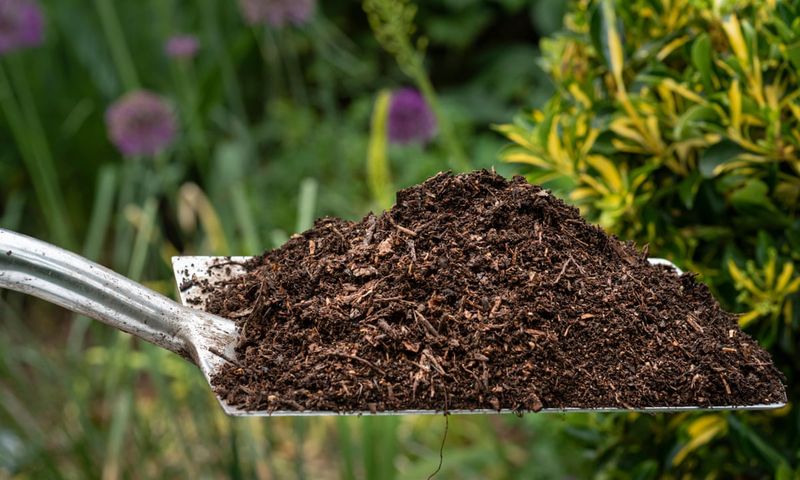
Heavy bags of garden soil or topsoil lining the garden-center aisle can be tempting when prices are low, but these products are designed for a very different purpose than filling pots and containers.
Soil that performs well in an in-ground garden bed, especially when properly amended, can behave very differently once it is enclosed inside a container or raised planter.
Garden soil and topsoil tend to compact inside pots over time, reducing the space available for air and water movement through the root zone.
When a container-grown plant sits in compacted, poorly drained soil, the roots can struggle to access the oxygen they need.
North Carolina gardeners who have tried using backyard clay soil or straight topsoil in pots may have noticed that water pools on the surface or the soil turns hard and crusty between waterings.
Even amended garden soil that drains reasonably well in the ground can become problematic once confined in a pot.
The natural compression that happens inside a container is different from what happens in an open garden bed where earthworms and other organisms help keep the soil structure loose.
Potting mix, with its lightweight and airy composition, is simply better suited to the enclosed environment of a container.
Keeping garden soil in garden beds and using a quality potting mix in pots is one of the most straightforward ways North Carolina gardeners can support healthy container plantings from the start.