The California Fire Rule Many Homeowners Miss About Dry Leaf Piles
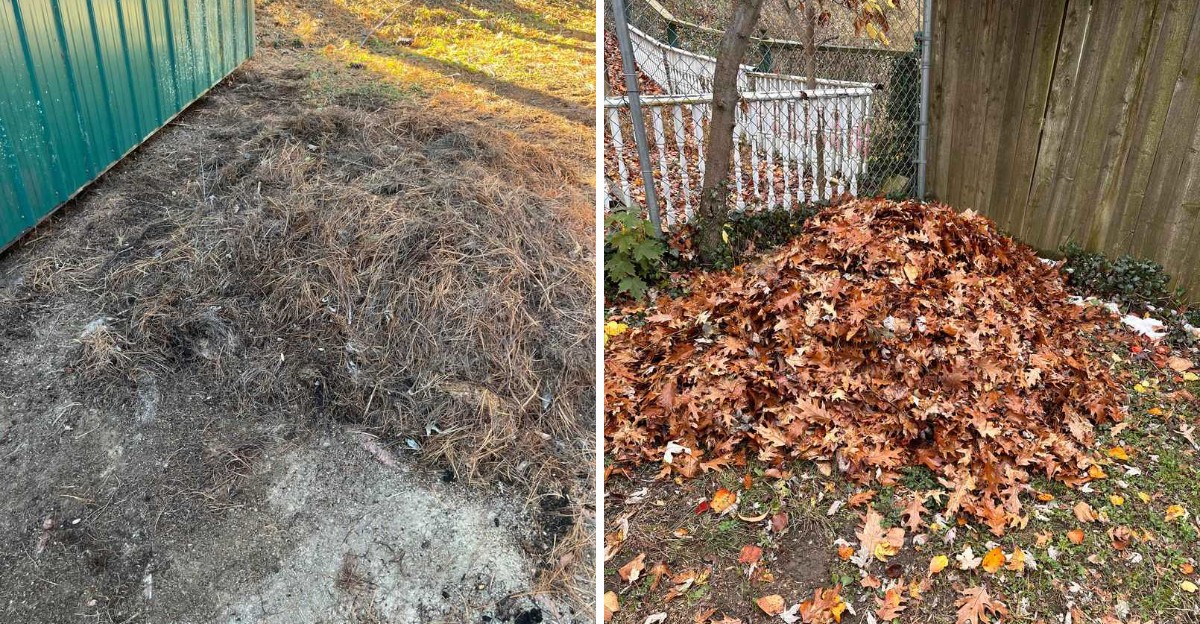
Raking leaves into a neat pile feels like a job well done. Many California homeowners tuck those piles beside a fence or against the house and forget about them for weeks.
That tidy habit may break a state fire rule most people never hear about.
California’s defensible space regulations cover more ground than many expect, including a few spots rarely checked during a typical cleanup.
The timing surprises people, too, since the requirement doesn’t follow the calendar many assume.
A closer look at what the rules actually say, what’s still changing, and how to keep a yard safe can make a real difference when embers start flying.
Roofs And Gutters Count As Part Of The Yard
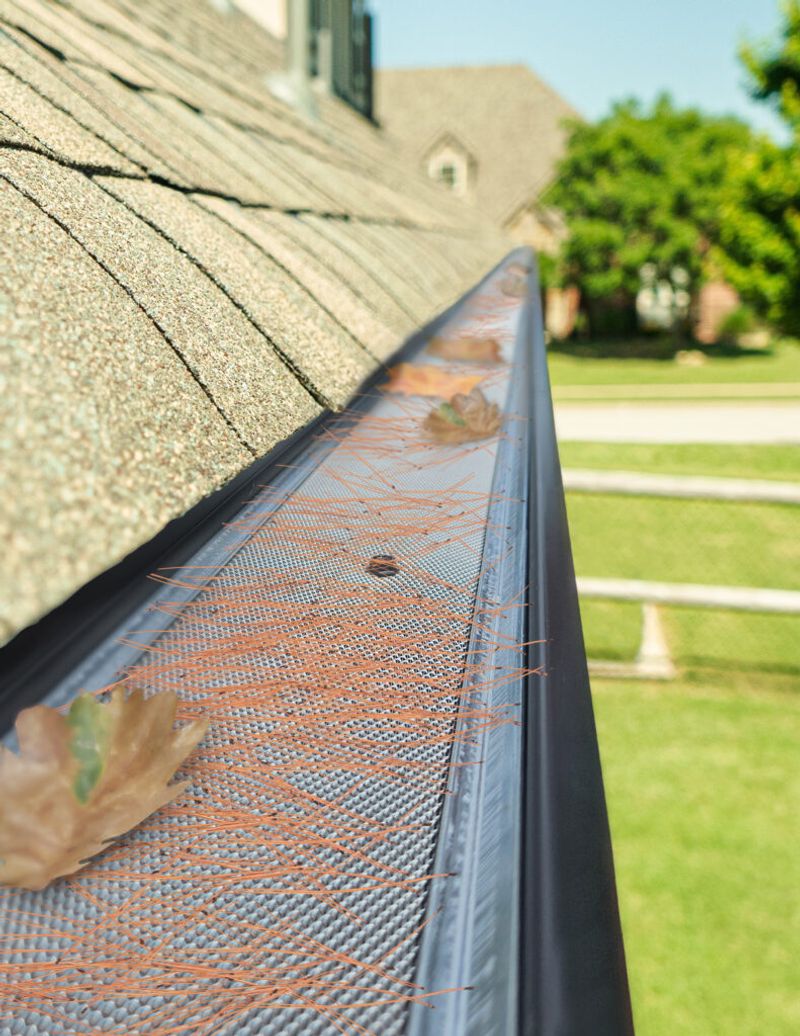
Gutters often hide what a spotless lawn doesn’t. Many California homeowners keep the yard neat while brown leaves and pine needles quietly fill the rain gutters overhead.
From the street, nobody notices. To a drifting ember, that gutter looks like a ready-made campfire.
California’s defensible space regulation, Title 14, Section 1299.03, spells this out clearly. In the zone closest to the home, dry, brown plant material must be removed from yard areas, roofs, and rain gutters.
The roof doesn’t get a free pass. Legally, it’s part of the cleanup job.
Roofs matter so much because many homes catch fire from flying embers rather than a wall of flames. Embers can travel far ahead of the main fire and land in gutters, roof valleys, and corners where leaves collect.
Small fires can then start right against the house. A few steady habits help prevent that.
Cleaning gutters several times a year, especially after windy days and heavy leaf drop, keeps buildup low. Roof valleys, where two slopes meet, deserve close attention.
Trimming branches that hang over the roof means less litter lands there in the first place.
Safety comes first. A sturdy ladder and a helper to hold it make the job safer.
Climbing a steep or wet roof is best avoided. A gutter service or metal gutter guards, checked regularly, offer helpful alternatives for anyone nervous about heights.
Dry Leaves Are Fuel, Not Mulch Near The House
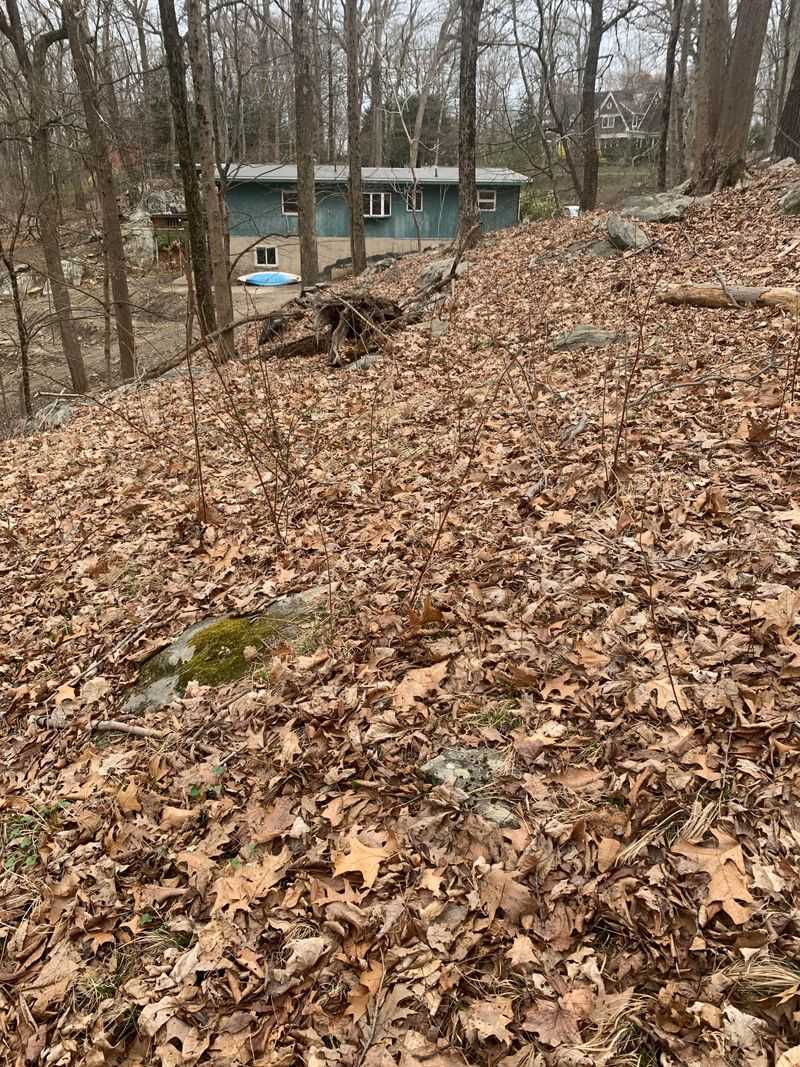
The satisfying crunch of leaves underfoot offers an important clue. Leaves that crackle and crumble have lost their moisture, and dry plant material ignites much faster than green, living plants.
Many gardeners love leaves as free mulch, and in the right spot they’re great. They hold soil moisture, feed worms, and break down into rich compost.
Location makes all the difference, though. Right next to a house, a thick layer of dry leaves acts like kindling stacked against the walls.
Fire needs three things: heat, oxygen, and fuel. Dry leaves offer plenty of fuel with lots of air pockets between them, and that fluffy structure lets flames spread quickly.
A single ember landing in a loose drift by the back door can grow into a real problem within minutes. CAL FIRE’s guidance reflects this idea.
Near structures, dry leaves, needles, and other brown plant debris are treated as hazards to remove rather than landscaping. A neat pile doesn’t change that, since tidy fuel still burns.
Your California Garden Changes Every Week. Your Plan Should Too.
Gardening in California changes quickly throughout the season. Every Friday you’ll receive a simple weekly plan showing exactly what to plant, prune, fertilize, harvest, and protect so you never miss the right timing.
Several safer options exist for all those leaves. Bagging them for green waste pickup works well where cities offer it.
A compost bin placed well away from the house turns them into garden gold.
Spreading leaves thinly in beds far from buildings lets them break down safely. Near the home, gravel, pavers, or bare soil make better choices.
The leaves still help the garden, just from a safer address.
Zone 1 Calls For Clearing Dry Leaves And Needles
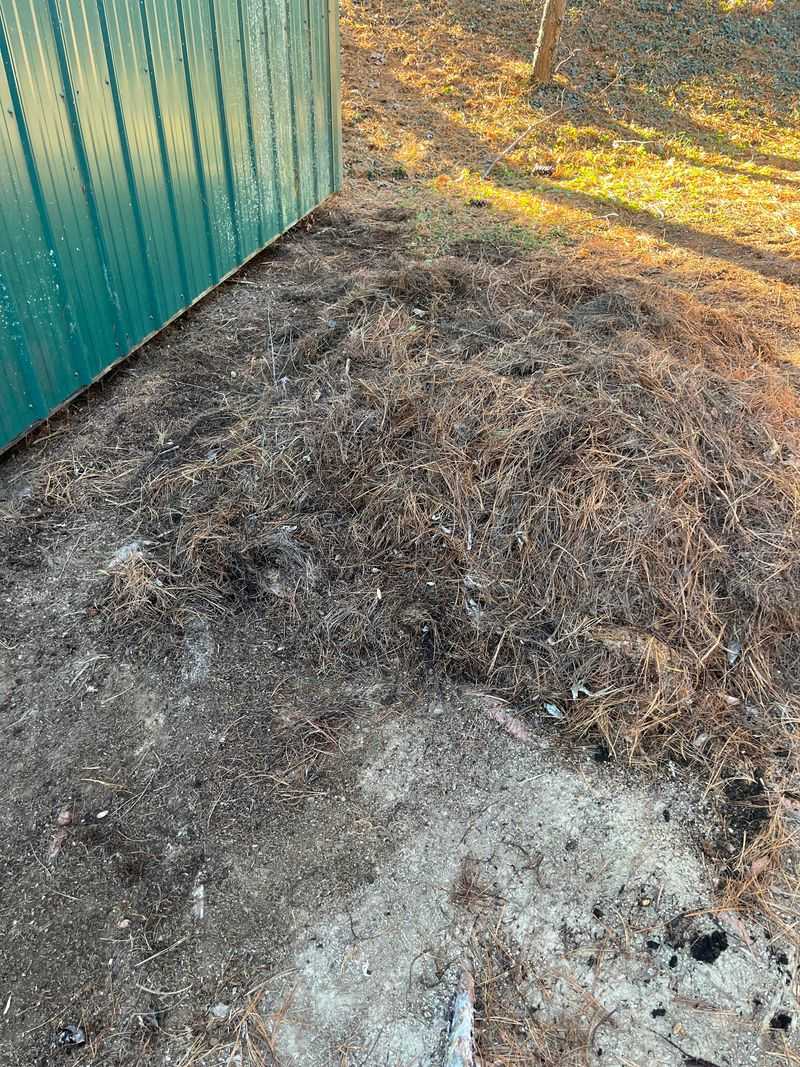
A ring stretching about 30 feet around a home forms what CAL FIRE often calls the lean, clean, and green zone.
Most guidance describes Zone 1 as running from 5 to 30 feet from the house, while the regulation text itself measures it from 0 to 30 feet.
Inside that ring, the rules get specific. Title 14, Section 1299.03 requires removing dry, brown, or lifeless grass, plants, shrubs, branches, leaves, weeds, and pine needles.
That requirement covers yard areas, roofs, and rain gutters alike. Nothing in the zone gets overlooked.
A practical weekend plan starts with raking dry leaves and needles out of lawns and beds. Pulling brown, spent plants and weeds comes next.
Snipping dried-out branches from shrubs and trees matters, too, since old, dry wood inside living plants burns easily. Those hidden pockets often go unnoticed.
Spacing deserves attention as well. CAL FIRE guidance encourages breaks between shrubs and trees so fire can’t hop from plant to plant.
Trees trimmed away from the roof and chimney add another layer of protection.
Firewood belongs well outside this zone rather than under the deck. Healthy, watered plants can stay, since the rule targets dry material rather than every green leaf.
A simple checklist on the fridge helps. A monthly walk around the 30-foot ring to note fresh leaf drop, browning plants, and roof debris keeps things manageable.
Small, frequent cleanups beat one exhausting marathon in August.
The Outer Zone Allows A Thin Litter Layer
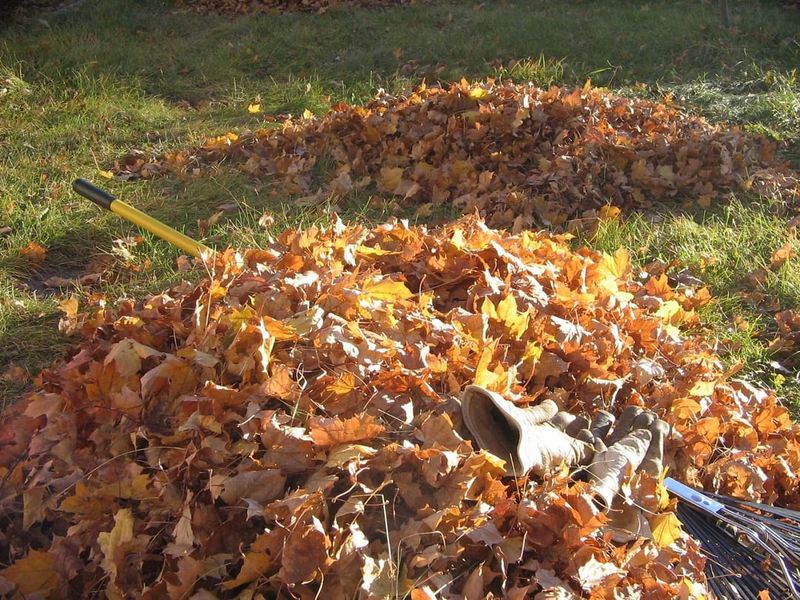
Tired arms can take some comfort here, since the whole property doesn’t need vacuuming. Farther from the house, California guidance allows some natural leaf litter to stay on the ground, as long as it remains thin.
CAL FIRE materials commonly describe the outer zone, Zone 2, as running from 30 to 100 feet from a structure.
Loose surface litter such as fallen leaves, needles, twigs, bark, and small branches is often permitted there up to a maximum depth of 3 inches.
Sources present this detail in slightly different ways. Confirming the exact zone placement with CAL FIRE before relying on it makes sense.
Keeping some litter offers real benefits. A thin layer protects soil from erosion, especially on hillsides, while also holding moisture and supporting helpful insects.
Bare, scraped dirt can wash away in winter rains. A light cover helps prevent that loss.
Three inches isn’t much. A ruler poked into the leaves under a big oak often reveals far more than that by late fall, sometimes ankle-deep or higher.
Thick litter calls for raking it thinner and spreading the extra out or hauling it away. Piles under trees, along slopes, and in low corners where wind drops debris deserve special attention.
Fallen branches add heavy fuel quickly, too.
The property line limits each homeowner’s duty. Defensible space rules generally apply to land owned or controlled, so a friendly chat with neighbors helps when their side needs attention.
Nothing Combustible Belongs Within Five Feet
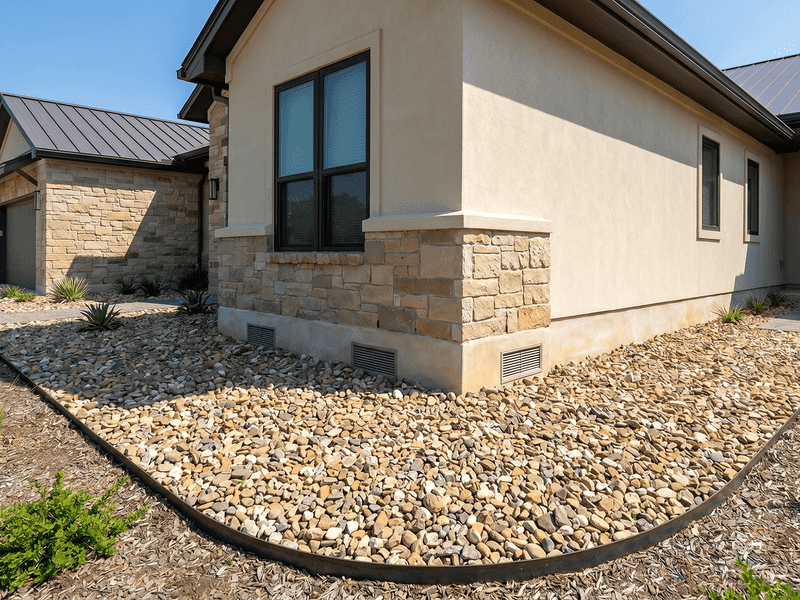
Doormats, wicker chairs, a stack of cardboard, and a pile of leaves lined against an outside wall add up to an ember trap. The first 5 feet around a home is where small sparks most easily become house fires.
California calls this strip Zone 0, or the ember-resistant zone. A 2020 state law directed the Board of Forestry and Fire Protection to create rules for it.
Those rules have been in active rulemaking, and the enforcement timeline has shifted more than once. Acting now still makes sense, regardless of final dates.
Combustible items are best kept out of those 5 feet entirely. Dry leaves and needles top the list, along with wood mulch, firewood, and flammable furniture.
Simple swaps make a big difference. Gravel, decomposed granite, or concrete pavers can replace bark mulch, while trash bins and firewood belong farther away.
Metal patio furniture works better than wood or wicker near walls. Each change removes a potential landing spot for embers.
Spots where leaves gather naturally deserve extra attention. Corners near steps, under decks, beside garage doors, and behind air conditioning units are common trouble areas.
A leaf blower pass every week or two during heavy drop keeps them clear.
Final Zone 0 rules may change details like plant allowances. CAL FIRE or the local fire agency offers the latest version.
Clearing combustibles now keeps homeowners ahead of whatever the final wording says.
Leaf Piles Against Fences Carry Fire To The House
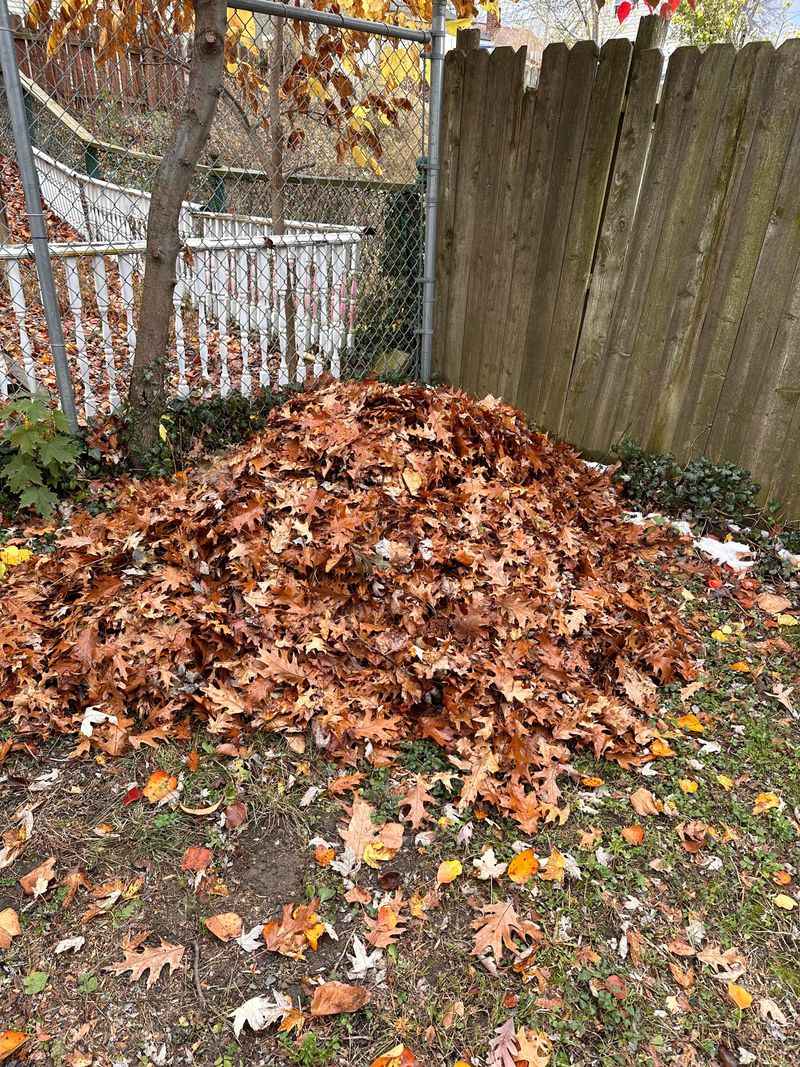
A wooden fence running straight up to the side of a house creates a sneaky backyard setup.
Leaves raked against the bottom of that fence, simply because it seems out of the way, form a fuel path leading right to the home.
Fire experts sometimes describe wood fences as fuses. When flames or embers ignite a leaf pile at the fence base, the boards can catch.
Fire then travels along the fence like a lit wick until it reaches the house wall. That connection can happen remarkably fast.
Gates, wooden trellises, decks, and storage sheds work the same way. Any wood structure touching or near the home can link outside fuel to the building.
Leaf piles against those structures make the connection even stronger. Breaking that chain is easier than it sounds.
Leaves and yard waste are best kept away from fences, especially near where they meet the house. Regular raking along the fence line and a quick check of the gaps underneath, where needles love to collect, keep fuel from building up.
A noncombustible fence section where the fence attaches to the home adds valuable protection. Many fire safety guides suggest metal or masonry for the first several feet, and local fire agencies can share specific recommendations.
Neighbor fences count, too. Shared fences collect leaves from both sides, so splitting the cleanup turns a fire risk into a quick team chore.
Nobody gets burned on that deal.