Can California’s Dry Heat Damage Your Porch Plants Overnight?
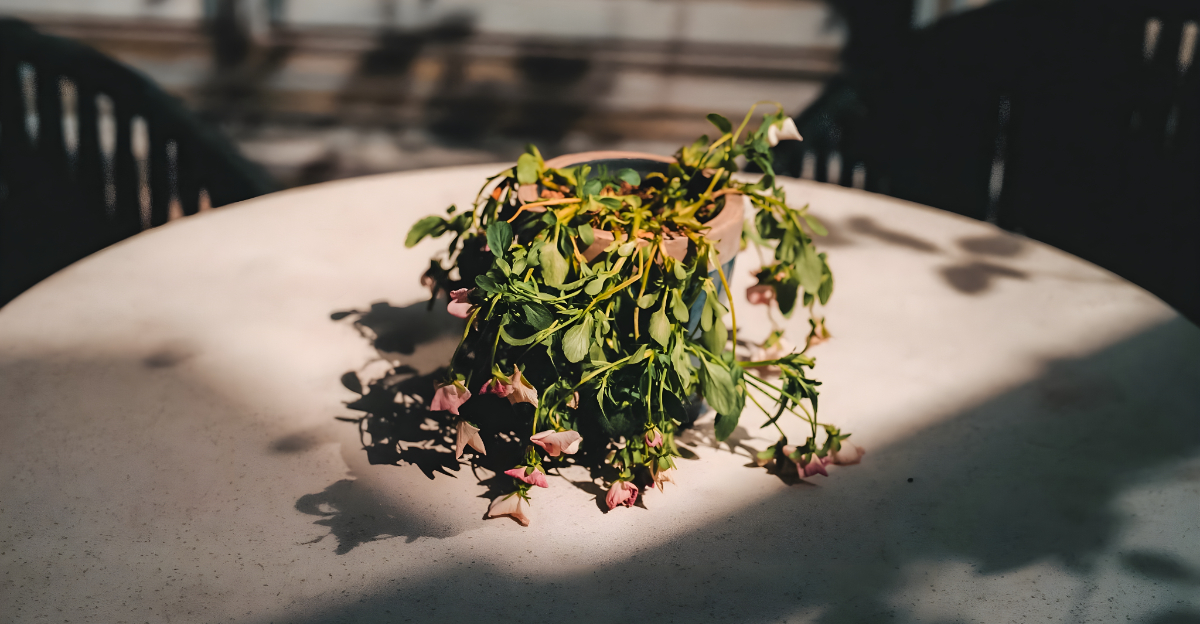
You water your porch plants before bed, giving them a generous soak. By morning, the leaves hang limp, like they’ve been drained from the inside overnight.
The temperature isn’t the only thing working against them after dark. Something in the air itself keeps pulling moisture out of every leaf, long after the sun goes down.
Concrete and stone hold onto heat for hours, turning your porch into a slow oven that never fully cools. Container plants sit right in the middle of it, with nowhere to escape.
Spot what’s happening during those overnight hours, and you can stop the damage before your plants pay the price.
Overnight Stress Is More Common Than Most Gardeners Think
Wilted leaves at sunrise are a bad sign. Many gardeners blame pests or disease, but dry heat is often the real troublemaker hiding in plain sight.
California’s dry heat doesn’t clock out when the sun sets. Nighttime temperatures in many inland areas stay above 80 degrees, which keeps plants working hard with little relief.
Porch containers lose moisture faster than ground-planted gardens. The soil in a pot has less thermal mass, so it heats up and dries out much more quickly than a garden bed.
When plants lose water faster than roots can replace it, leaves start to curl and droop. That overnight stress response is the plant’s way of protecting itself from further moisture loss.
Most gardeners don’t realize the damage started hours before they woke up. By the time you see wilting, your plant has already spent most of the night losing moisture it can’t replace.
Checking on your porch plants early in the morning gives you the best clues. A plant that perks up after a cool morning mist was likely stressed by dry heat, not disease.
Dry heat stress is sneaky because it mimics overwatering symptoms. Yellowing edges and soft, mushy-looking leaves can fool even experienced gardeners into making the wrong call.
Dry Air Pulls Moisture From Leaves Faster Than You’d Think
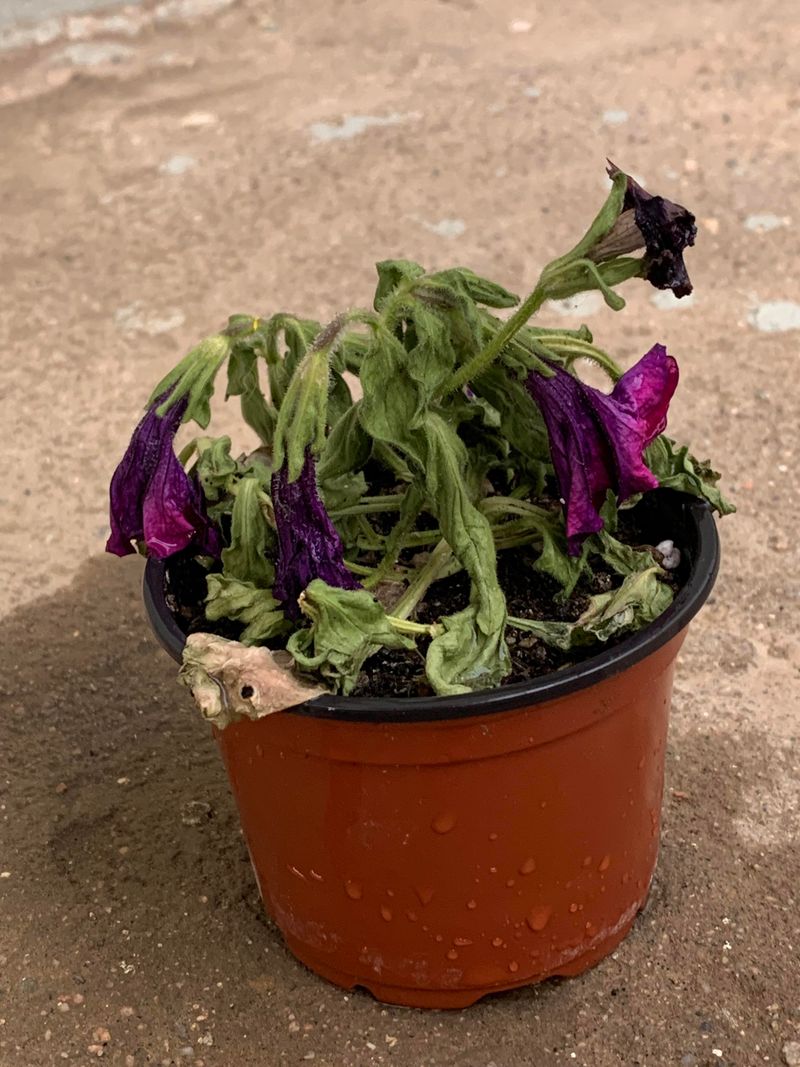
Dry air acts like a sponge pressed against your plant’s leaves. The lower the humidity, the faster moisture evaporates right through the leaf surface.
This process is called transpiration, and it happens constantly. In humid climates, the surrounding air slows it down, but in California’s arid zones, there’s nothing to pump the brakes.
On a day with 15 percent humidity, a plant can lose a surprising amount of water in just a few hours. By nightfall, that plant may already be running on empty reserves.
Leaves have tiny pores called stomata that open during the day to absorb carbon dioxide. In extreme dry heat, those pores close early to conserve water, which actually slows the plant’s growth.
The edges of leaves are usually the first to show damage. Brown, crispy tips are a classic sign that dry air pulled moisture out faster than the plant could hold onto it.
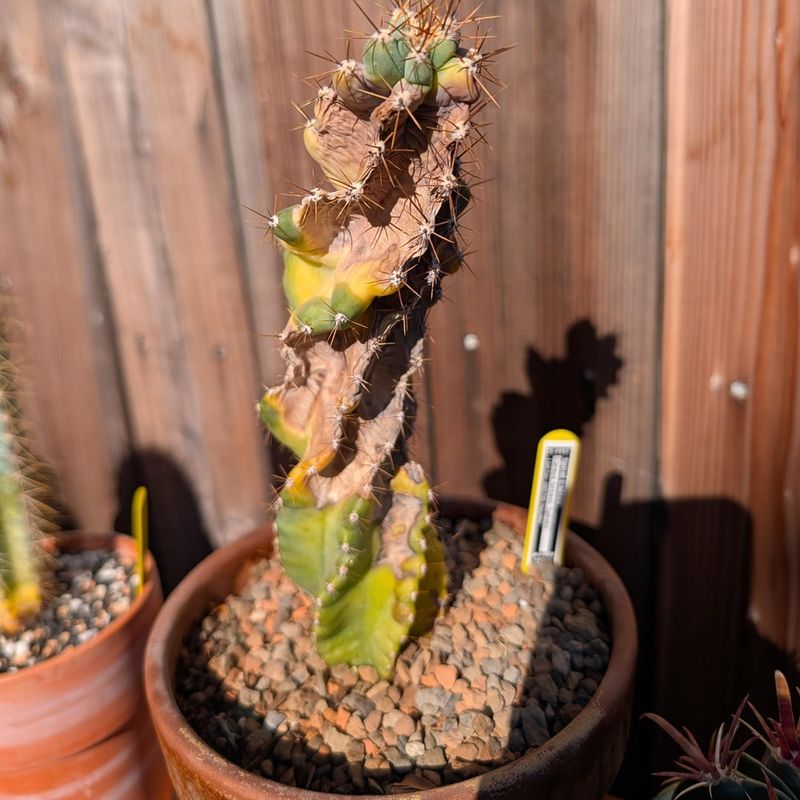
Succulents handle this better than most plants, but even they have limits. A cactus on a west-facing porch in August can show stress signs that surprise even seasoned desert gardeners.
Your California Garden Changes Every Week. Your Plan Should Too.
Gardening in California changes quickly throughout the season. Every Friday you’ll receive a simple weekly plan showing exactly what to plant, prune, fertilize, harvest, and protect so you never miss the right timing.
Grouping plants together on your porch helps create a small pocket of humidity. When plants are clustered, their combined transpiration raises the moisture level in the air around them.
That simple trick can slow down moisture loss and give your plants a fighting chance against California’s dry heat overnight.
Pots That Heat Up Faster Than You’d Expect
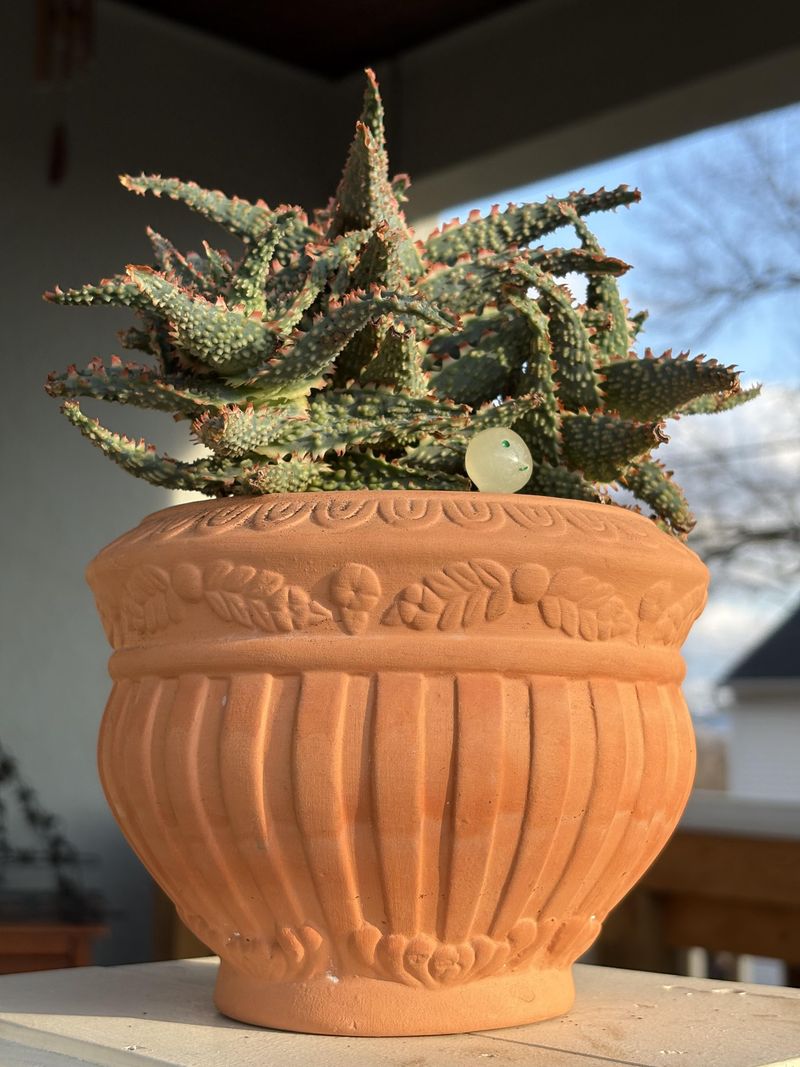
Not all pots are created equal when summer heat hits. Some containers turn into tiny ovens, cooking roots from the outside in.
Dark-colored pots absorb the most solar radiation. A black plastic nursery pot sitting on a concrete porch can reach temperatures above 120 degrees on the pot’s outer wall by mid-afternoon.
Terracotta pots are breathable, which sounds good, but that same porosity allows moisture to wick out through the sides. Your plant loses water from the soil surface and through the pot wall at the same time.
Concrete and stone pots hold heat for a long time after sunset. Even at 10 p.m., those containers can still be warm enough to stress roots and speed up moisture loss.
Light-colored or glazed ceramic pots reflect more sunlight and stay significantly cooler. Switching container colors can make a measurable difference in how your plants handle heat.
Raising pots off the ground with small risers or pot feet also helps. Hot pavement radiates heat upward, and a pot sitting directly on concrete absorbs that heat from below and above simultaneously.
Double-potting is another smart move. Place a smaller pot inside a larger one and fill the gap with moist sand or moss to insulate the roots from temperature swings.
Your pot choice matters as much as your plant choice when dealing with California’s dry heat and its punishing effect on porch containers.
Watering Adjustments For Sudden Heat Spikes
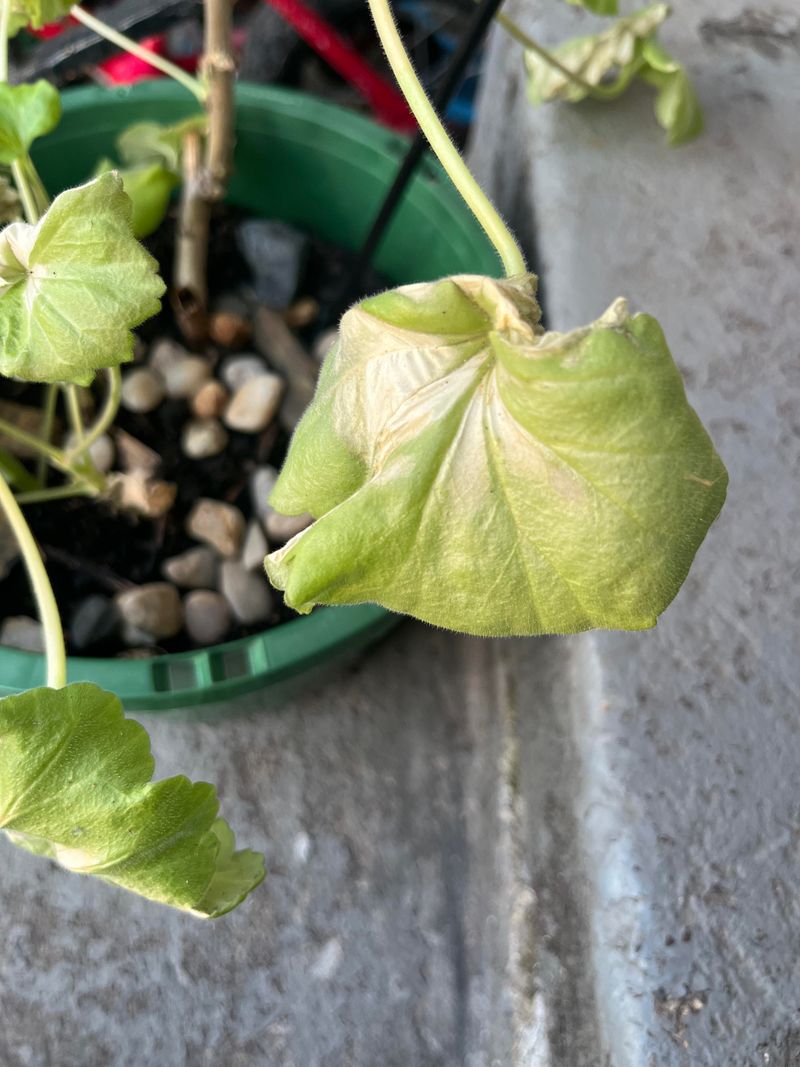
Watering at the wrong time can undo most of the good your watering schedule is doing. When heat spikes arrive suddenly, your usual routine can fall dangerously behind.
Morning watering works best for hot climates. It gives roots a full tank before the heat of the day hits, and it lets excess moisture evaporate before cool nighttime air encourages fungal growth.
Evening watering seems logical, but it can leave foliage damp overnight. In dry heat zones, that’s less of a concern, but soggy soil at night can still cause root problems over time.
During a sudden heat spike, water twice a day if your pots are small. Small containers dry out within hours, and a single daily watering simply isn’t enough to keep up.
Stick your finger two inches into the soil before watering. If it’s dry at that depth, water thoroughly until it drains from the bottom of the pot.
Self-watering pots with built-in reservoirs are a smart solution for hot climates. They release moisture slowly and consistently, which keeps roots hydrated without daily guesswork.
Adding a layer of mulch on top of your potting mix also slows evaporation. Even an inch of wood chips or gravel on the soil surface can cut moisture loss by nearly half.
Staying ahead of heat spikes with smart watering habits keeps your porch plants alive when California’s dry heat comes on fast and strong.
Shade And Placement Fixes That Help Fast
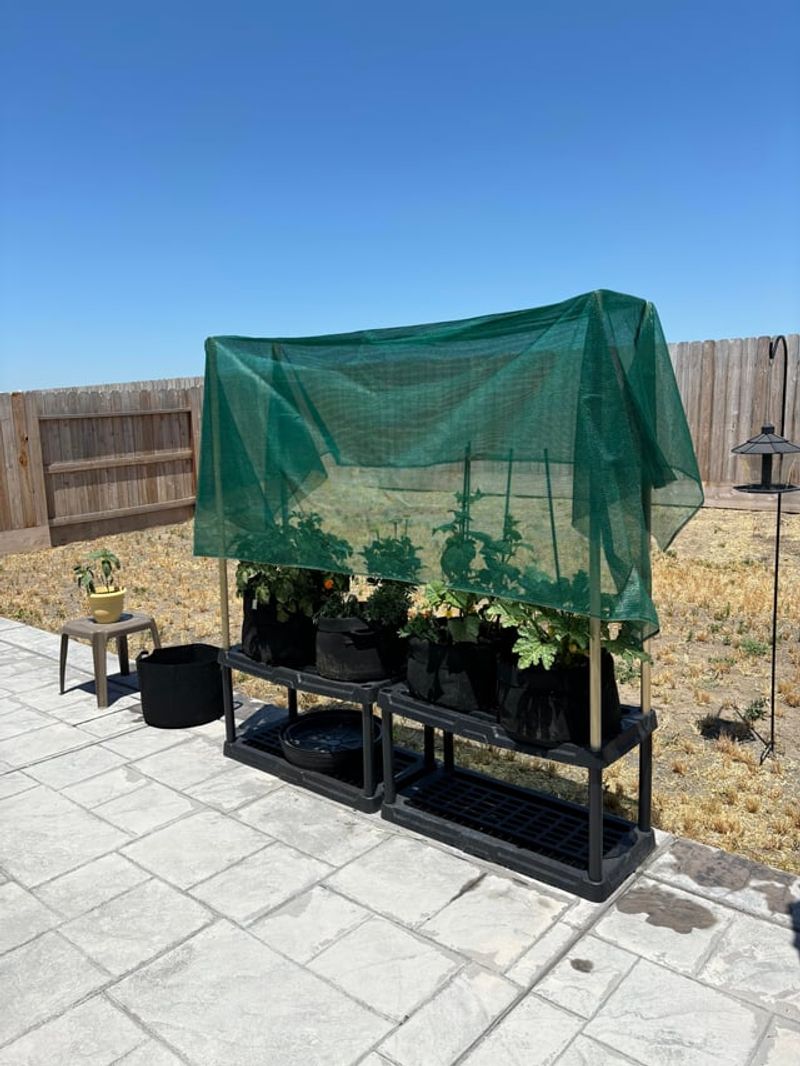
Where you put your plants matters more than most people realize. A spot that gets morning sun and afternoon shade can be the difference between thriving and struggling.
West-facing porches are the toughest environments for container plants. They receive direct sun during the hottest part of the day, typically between 2 p.m. and 6 p.m., which drains moisture fast.
Moving sensitive plants to an east-facing wall gives them gentle morning light and natural shade when temperatures peak. That simple repositioning can noticeably reduce heat stress.
Shade cloth is one of the fastest fixes available at any hardware store. A 30 to 50 percent shade cloth hung above your porch can lower the temperature under it by 10 to 15 degrees.
Outdoor umbrellas and pergola covers work the same way, and they add a nice look to your porch setup. Function and style don’t have to be enemies when protecting your plants.
Tall plants can also shield smaller, more sensitive ones. Placing a large tropical or ornamental grass near the edge of the porch creates a natural windbreak and partial shade for the plants behind it.
Avoid placing pots near walls that face south or west, since those walls absorb heat all day and radiate it back at night. That reflected warmth keeps soil temperatures elevated long after sunset.
Smart placement is free, fast, and one of the most effective tools you have against California’s dry heat on your porch.
Recovery Steps If Damage Already Started
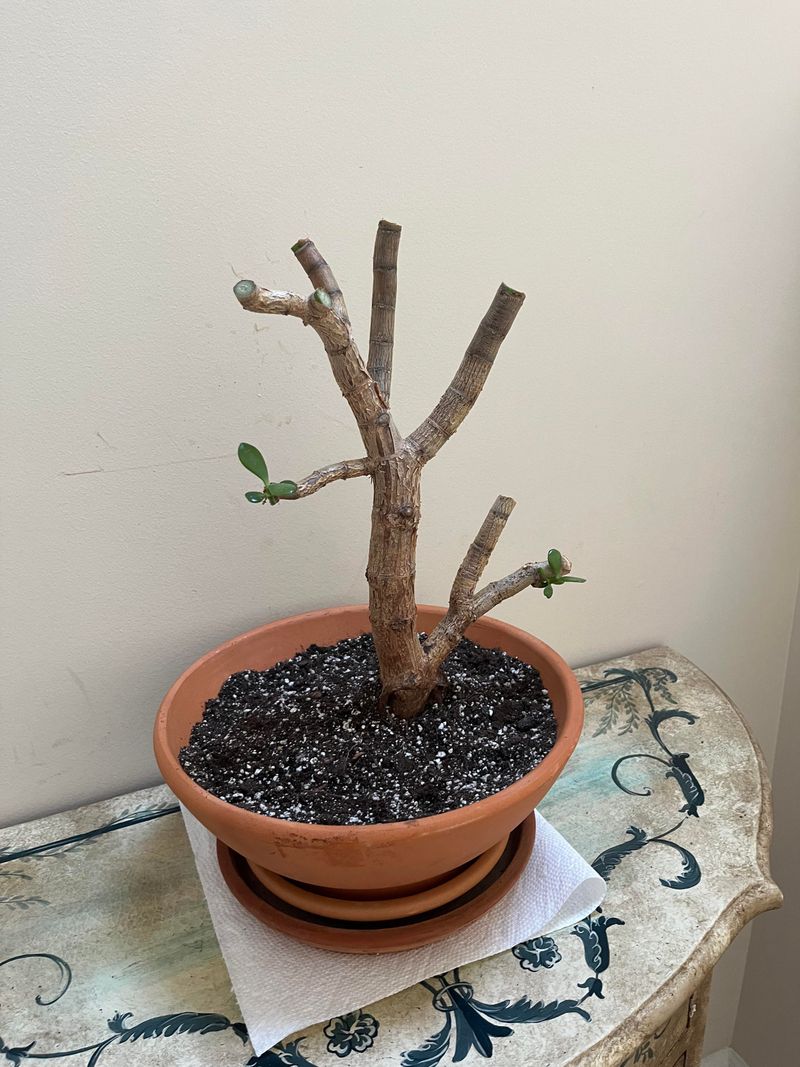
Brown leaves don’t always mean it’s too late. Catching heat damage early gives your plants a real shot at bouncing back stronger.
Start by moving the stressed plant to a cooler, shadier spot right away. Keeping it in the same harsh conditions while you nurse it back is like trying to heal a sunburn at the beach.
Trim off the brown, crispy leaf edges with clean scissors. Damaged tissue won’t recover, and removing it helps the plant redirect energy toward healthy new growth.
Give the plant a deep, slow watering and let it drain fully. Avoid flooding the pot all at once, since dry soil can repel water and send it straight out the drainage hole without soaking in.
Try bottom watering for seriously stressed plants. Place the pot in a shallow tray of water and let it soak from the bottom up for 20 to 30 minutes until the soil is fully saturated.
Hold off on fertilizing until the plant shows signs of new growth. Feeding a stressed plant pushes it to perform when it needs rest, which can make the recovery slower and harder.
Misting the leaves lightly once or twice a day adds a small humidity boost. It won’t replace proper watering, but it can ease the stress response while the plant rebuilds its moisture levels.
With a little patience and the right steps, most plants recover well from California’s dry heat damage within one to two weeks.