The California Garage Plant That Can Keep Roaches From Using It As An Entry Point
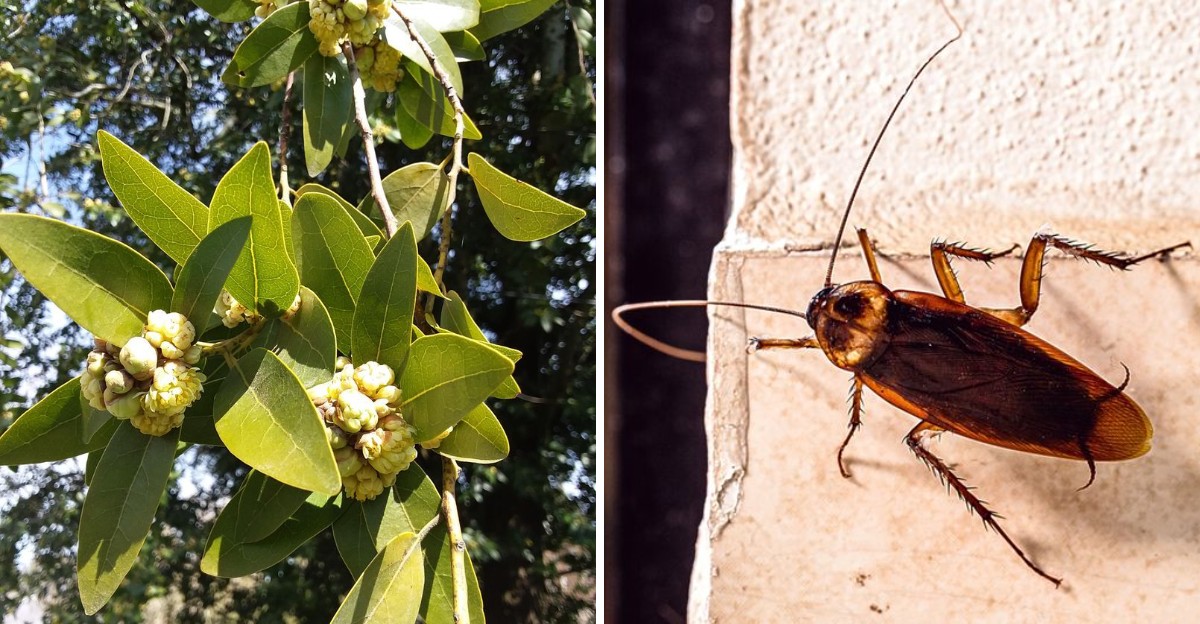
A Sacramento homeowner keeps finding the same unwelcome guests marching into her garage, right where the concrete meets the siding.
Her neighbor swears he solved it years ago. One plant by his garage door, and the problem vanished.
That story spreads fast through California neighborhoods, passed along like a secret recipe nobody bothers to double check.
The plant in question smells like your grandmother’s kitchen and looks sharp enough for a magazine photo. People whisper about it at nurseries, plant it near thresholds, and wait for results.
Here’s the twist nobody mentions. The real story behind this plant is stranger, more useful, and a little less magical than the legend suggests.
Some of what people believe holds up under a closer look. Some of it falls apart the moment you ask for actual proof.
Stick around. The truth about this garage-guarding legend is about to get a lot more interesting than the myth ever was.
Meet Bay Laurel, The Overlooked Deterrent
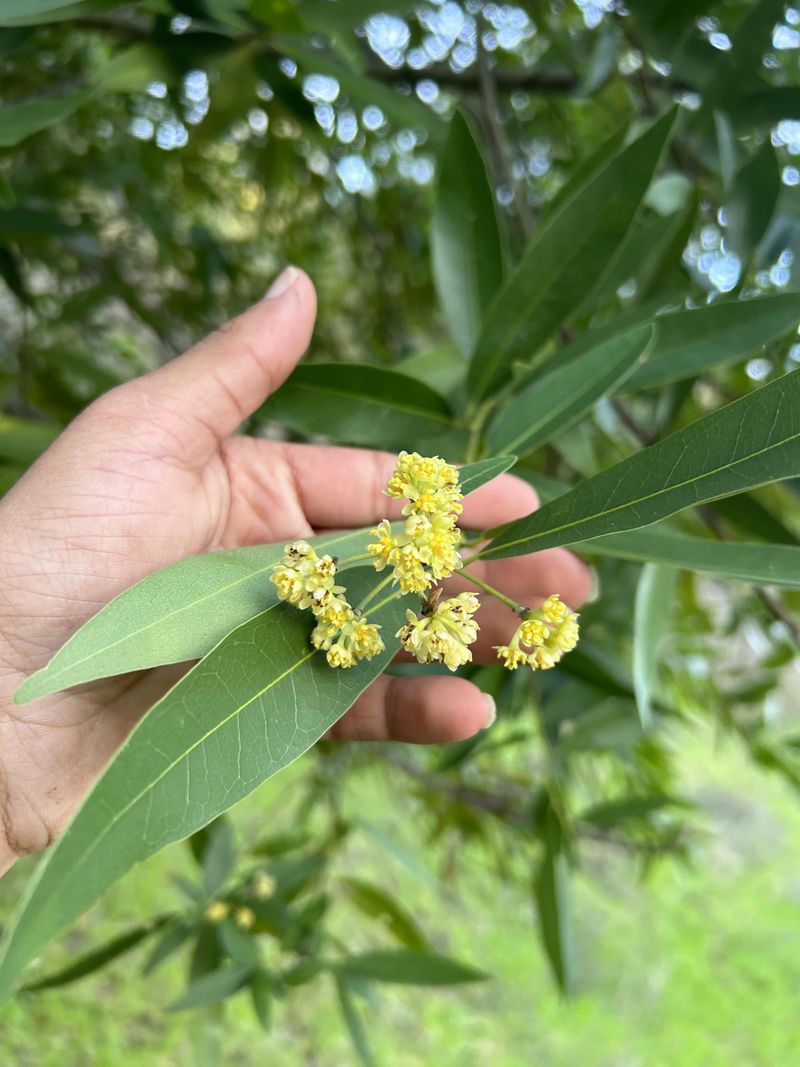
Walk through almost any older California neighborhood, and you’ll spot it fast. A dense, dark green shrub with leathery leaves that smell like spaghetti sauce the second you crush one.
That’s bay laurel, Laurus nobilis, the same plant behind dried bay leaves in your spice rack.
Gardeners love this shrub because it barely asks for anything. Once settled in, it shrugs off dry summers, tolerates poor soil, and handles the kind of neglect that leaves fussier plants struggling.
In coastal and inland California, bay laurel grows into a small tree or stays trimmed as a tidy hedge, whichever your yard prefers.
So how did a kitchen herb end up guarding garage doors? Bay leaves carry a long folk reputation for keeping pantry pests away, and somewhere along the line, that reputation stretched to cover roaches too.
People started planting bay laurel near the spots where roaches sneak inside, especially garage thresholds and side doors.
Here’s a fun detour. Roman victors wore laurel wreaths, which is exactly where the phrase resting on your laurels comes from. This plant has earned its reputation over thousands of years, mostly for flavor and symbolism rather than pest control.
Before you rush to the nursery, know the garage-guarding part of the story deserves a much closer look.
Bay laurel is genuinely worth growing for plenty of reasons. Whether it actually stops a determined roach is a separate question entirely, and one worth answering honestly.
Aromatic Oils May Offer Some Deterrence
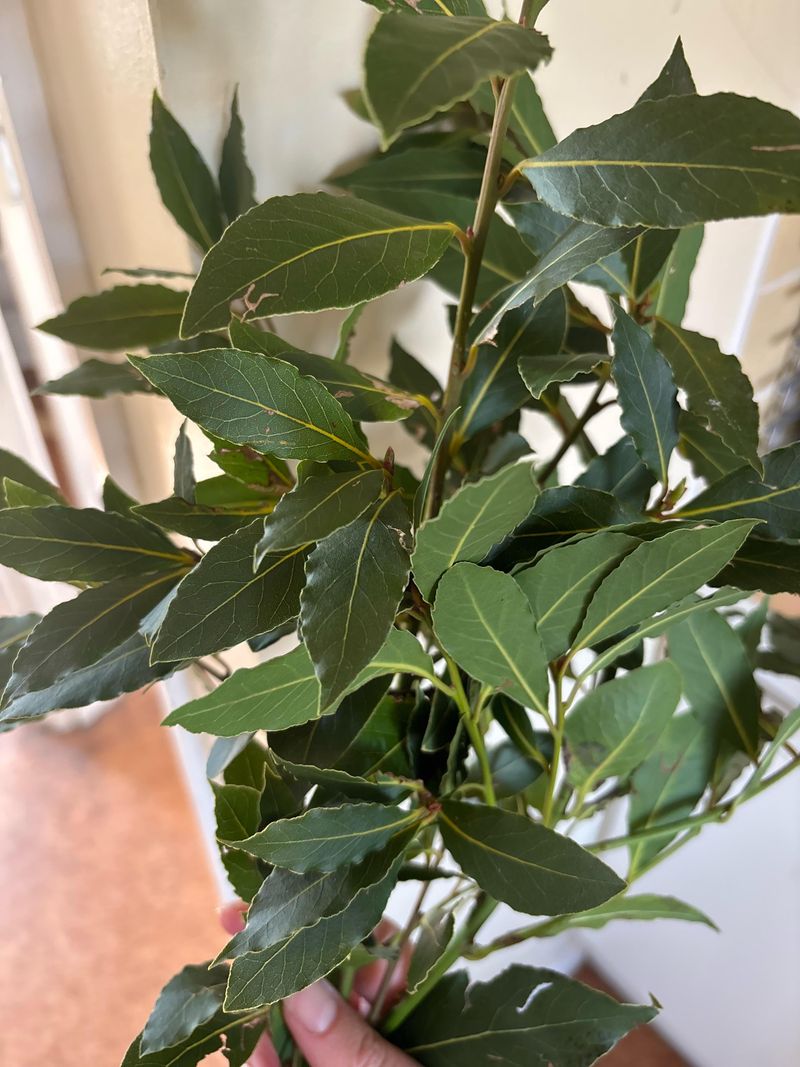
Crush a bay leaf between your fingers, and you get an instant burst of scent. That smell comes from volatile compounds, mainly eucalyptol, along with smaller amounts of linalool, eugenol, and other terpenes.
Laboratory studies on essential oils show that several of these compounds can irritate or repel insects at high concentrations. Eucalyptol and linalool show up repeatedly in that research.
Here’s the catch, and it matters quite a bit. Lab work usually involves concentrated oil in a sealed container, nothing like an open driveway in July.
Your California Garden Changes Every Week. Your Plan Should Too.
Gardening in California changes quickly throughout the season. Every Friday you’ll receive a simple weekly plan showing exactly what to plant, prune, fertilize, harvest, and protect so you never miss the right timing.
A living plant releases only a trace of scent into moving outdoor air, and that concentration fades within inches of the leaves.
Picture a drop of perfume in a gymnasium. The chemistry is real, but the dose reaching a roach on a concrete slab three feet away is close to nothing at all.
Researchers studying plant oils tend to describe their findings as promising for future product development, not as proof that a garden shrub protects a building.
That distinction gets lost fast when information travels from a journal to a social media caption.
The honest summary works like this. Aromatic compounds in bay laurel show insect-repellent activity in controlled lab settings.
Stretching that to a planted shrub blocking a garage entry is a leap the science simply has not made yet. Your bay leaf smells fantastic in soup, though, and that part is not up for debate.
Sealing Gaps Still Matters Most
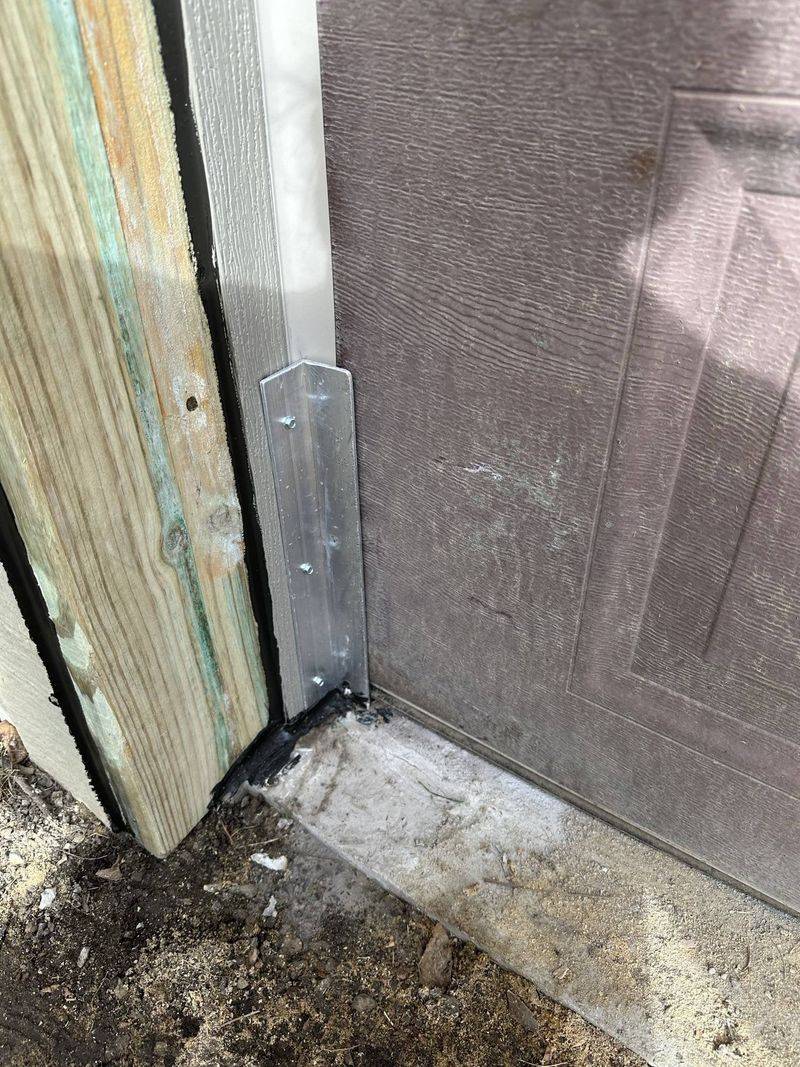
If you only do one thing after reading this, make it exclusion. Sealing entry points forms the cornerstone of cockroach control, because a roach that cannot get in cannot become a problem.
Start by grabbing a flashlight and getting down low. Check where the garage door meets the concrete, around pipe penetrations, under the door to the house, and where siding meets the foundation.
American cockroaches, the big ones common outdoors in California, squeeze through surprisingly narrow slots. Surprisingly narrow, and surprisingly determined.
Use the right material for each spot you find. Silicone or acrylic latex caulk handles thin cracks nicely.
Expanding foam or copper mesh stuffed into larger voids works better for holes around pipes and conduit. Replace the rubber bottom seal on the garage door if it looks cracked, curled, or worn flat.
Add weatherstripping along the side jambs while you’re at it.
Then remove what draws them in the first place. Fix dripping hose bibs and water heater leaks, since moisture matters more to roaches than food ever does.
Store pet food, birdseed, and recycling in containers with tight lids. Keep cardboard boxes off the floor, because damp cardboard is basically roach real estate waiting to be discovered.
Outside the door, pull mulch back a few inches from the foundation and clear away piles of leaves, lumber, and bricks.
None of that sounds glamorous. All of it works better than any scented leaf ever will, guaranteed.
Container Growing Works Near Any Garage
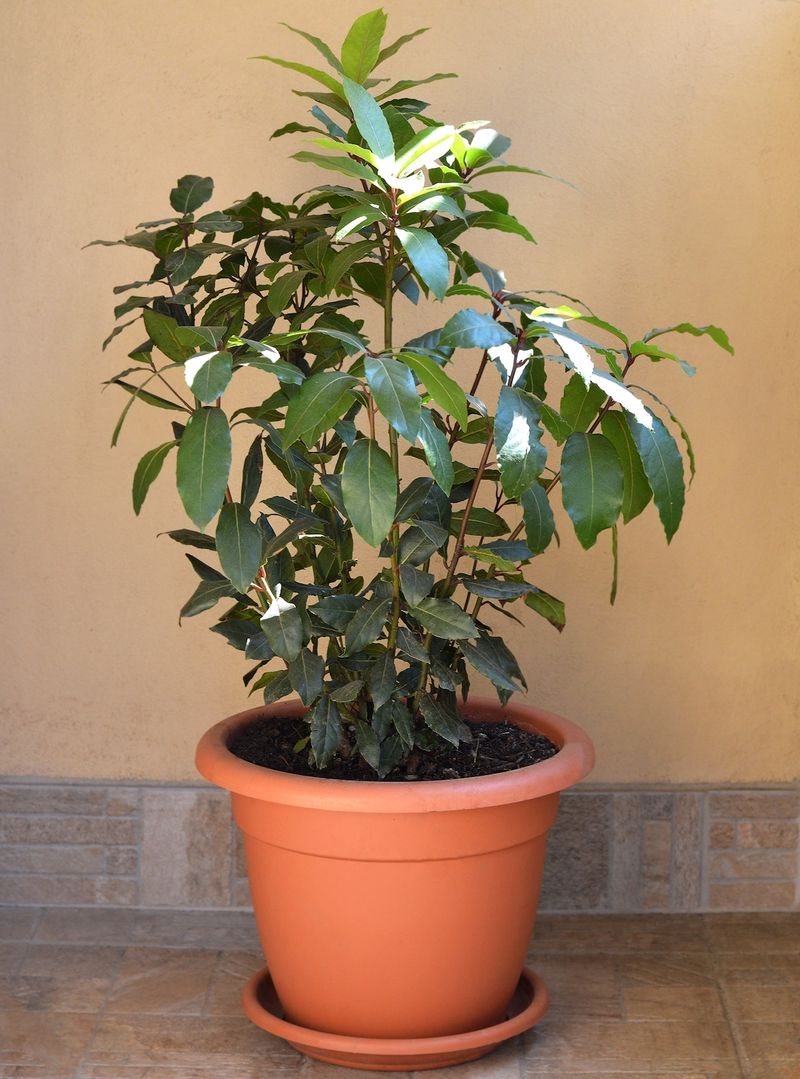
Concrete everywhere and zero planting bed? Not a problem at all. Bay laurel takes to containers so well that many California gardeners never put it in the ground.
Pick a pot at least 16 to 20 inches across with real drainage holes, and go bigger if you want a taller plant eventually.
Glazed ceramic and thick plastic hold moisture longer than unglazed terracotta, which dries out fast on a sun-baked driveway. Use a quality potting mix rather than garden soil for this one.
Bay laurel enjoys full sun along the coast and appreciates afternoon shade in hot inland valleys like the Central Valley.
Water deeply when the top couple inches of mix feel dry, then let it drain completely. Soggy roots cause more trouble for this plant than almost anything else.
Feed lightly in spring with a balanced fertilizer, and prune whenever the shape starts wandering. Bay laurel tolerates shearing beautifully, which explains those tidy cones and standards you see at nurseries.
One practical warning worth remembering. Do not shove the pot flush against the garage wall.
A container that stays damp underneath creates exactly the cool, moist harborage roaches love to find. Leave six inches of clearance, set it on pot feet, and sweep behind it now and then.
Bonus for the cooks in the room. Snip fresh leaves anytime you need them.
Fresh bay tastes brighter and more peppery than the dusty dried leaves sitting in your spice jar right now.
Pollinators Enjoy The Blooms Too
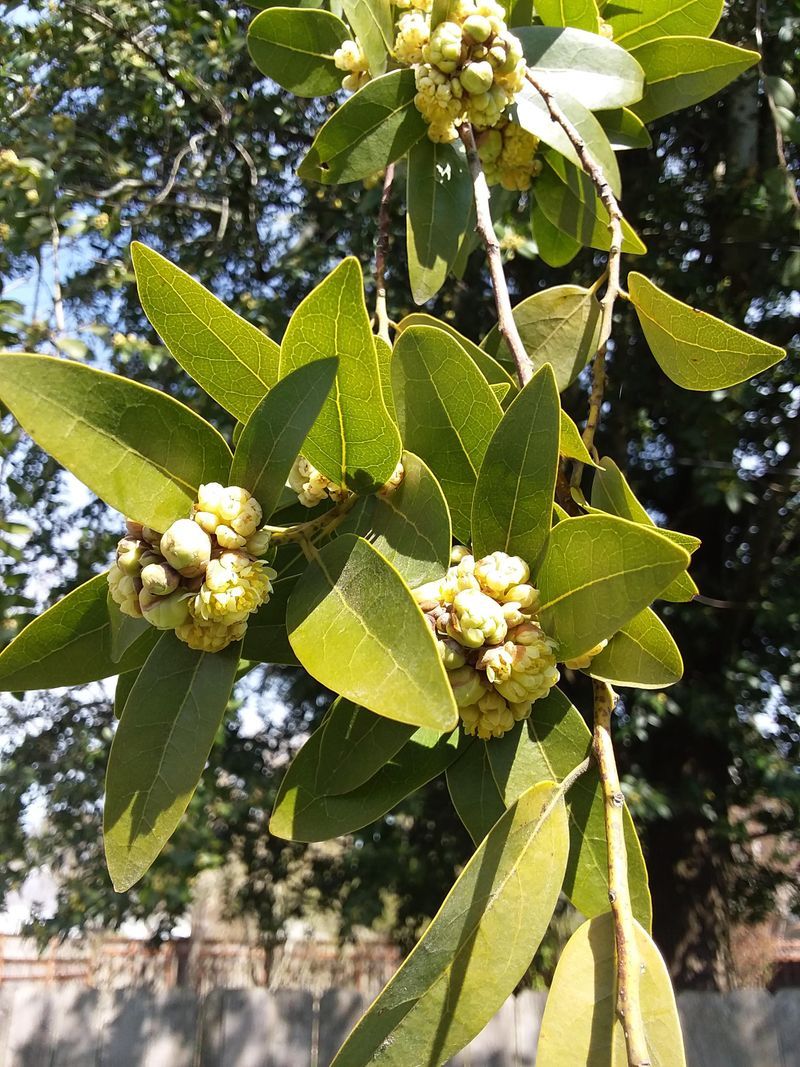
Here’s a benefit nobody has to exaggerate one bit. In early spring, usually March through May in California, bay laurel pushes out small clusters of pale yellow-green flowers along its stems.
They’re easy to miss if you’re not looking closely. Bees are not so careless about it.
Honeybees and native bees work those blossoms enthusiastically at a time of year when other nectar sources can run scarce, which makes bay laurel genuinely valuable to early foragers.
Hoverflies and small beneficial wasps visit too, and those insects earn their keep later by preying on aphids and other garden pests.
A plant that feeds pollinators in March and supports predators by June is doing honest, quiet work all season long.
One detail worth knowing before you shop. Bay laurel plants are typically either male or female, so only female plants produce the small dark purple berries after flowering.
Birds occasionally pick at those berries when they appear. If you want fruit, you’ll need both sexes growing nearby, though most people grow bay purely for leaves and shape.
Heavy pruning right before bloom removes the flowers entirely, so if pollinators matter to you, wait until after the blossoms fade to shape the plant.
Unlike the roach story, this part rests on straightforward observation rather than folklore passed between blogs.
Stand next to a flowering bay laurel on a warm spring morning, and you’ll hear the bees for yourself. That’s a far more satisfying kind of proof.
Treat It As Support, Not A Guarantee
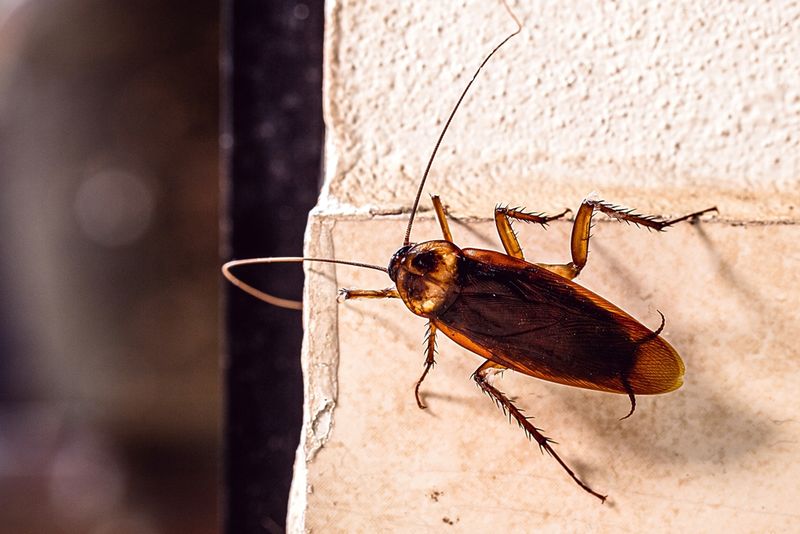
Expectations shape disappointment more than people realize. Plant bay laurel believing it forms an invisible shield, and you’ll feel cheated the first time a roach scuttles across your garage floor in August.
Frame it accurately instead, and the disappointment disappears. Bay laurel is an attractive, drought-tolerant, edible, pollinator-friendly shrub that also happens to contain compounds with documented insect-repellent activity in lab conditions.
That’s a genuinely good plant on its own merits. What it is not, though, is a verified barrier against roach entry, because no entomology research has tested that specific use.
Consider what a roach actually responds to when it heads toward your garage. Warmth, darkness, moisture, food odors, and a crack it can squeeze through.
A faint scent hovering a few inches around some leaves does not change any of those core motivations. Not even a little.
There’s also a real risk in leaning too hard on the plant. Every hour spent tending a shrub for pest control is an hour not spent replacing a shredded door seal, which is the thing that actually decides whether roaches get in.
Professional pest managers use the phrase integrated pest management for good reason. It means stacking several reliable tactics rather than hoping one plant solves everything on its own.
So keep the bay laurel around. Enjoy the leaves in your next pot of beans.
Just let it sit in the nice extra column of your notebook, not the pest control plan column, and it will never let you down.
Pair It With Real Exclusion Methods
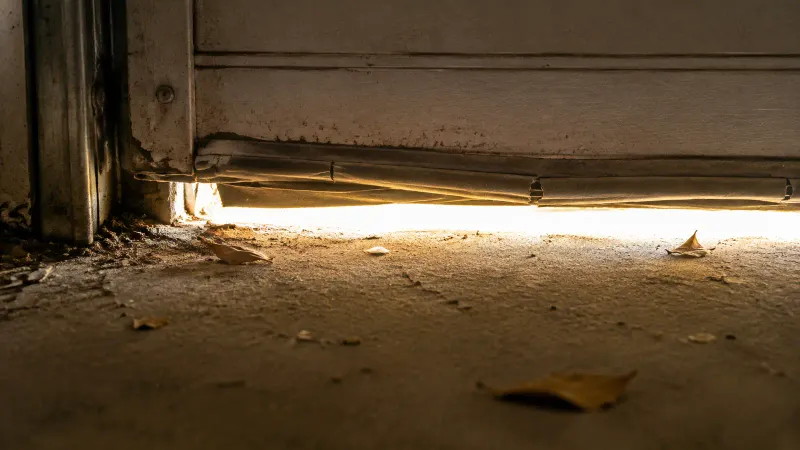
Picture the setup that actually works from start to finish. A bay laurel in a handsome pot a few feet from the garage door, and behind that door, a threshold seal with no daylight showing under it.
Build your plan in that exact order. First, close the openings.
Caulk the cracks, foam the pipe gaps, replace the bottom door gasket, add side weatherstripping, and screen the vents properly.
Second, dry things out around the whole area. Repair leaks, improve drainage away from the slab, and skip storing damp cardboard on the floor.
Third, cut off the food supply entirely. Sealed bins for pet kibble, lidded recycling, no forgotten bags of birdseed sitting in a corner.
Fourth, clean up the perimeter by pulling mulch back from the foundation. Remove debris piles where roaches like to shelter before making their move indoors.
Fifth, monitor with sticky traps placed in corners, so you actually know whether anything is still getting through, and exactly where.
Only after all five steps does the plant deserve a spot on the list. A pleasant addition, not a line of defense.
If roaches keep showing up despite solid exclusion work, bring in a licensed pest control professional and ask them to identify the species involved.
German cockroaches indoors mean something very different from American cockroaches wandering in from a storm drain, and the treatment plan changes accordingly. Your bay laurel, meanwhile, just keeps making dinner taste better.