Why California Newts Cross Yards After The First Rains
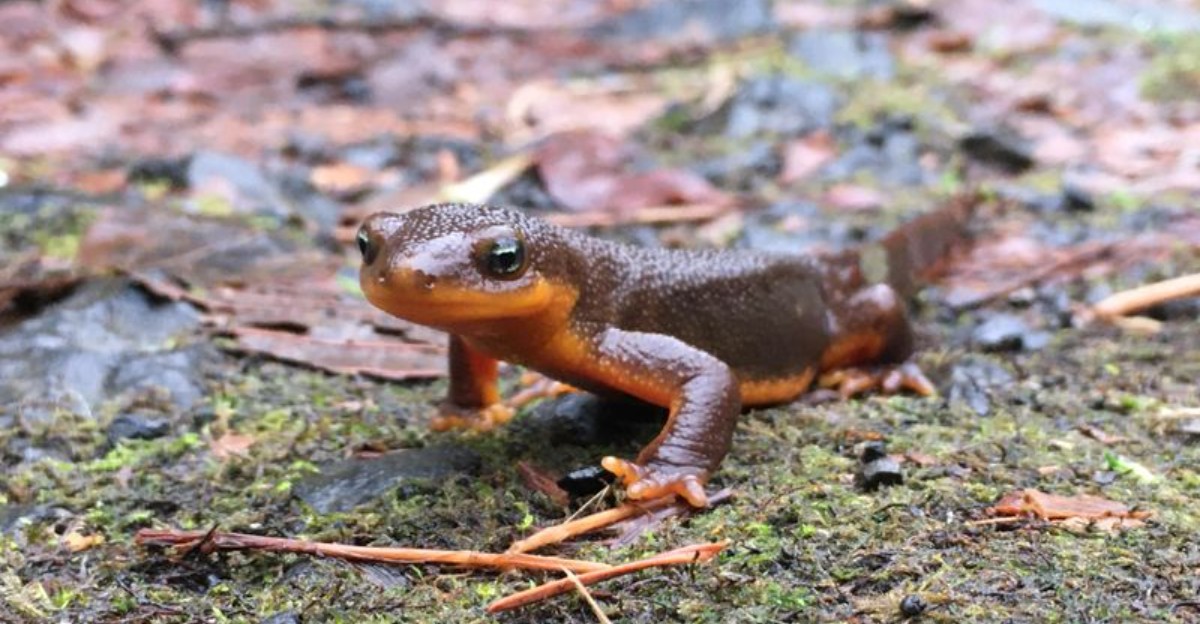
Carried miles from its home creek, one of California’s slow, rough-skinned amphibians can still find its way back. Researchers think smell, landmarks, and possibly a magnetic sense help steer the trip.
That trip usually starts after the first real storm. All summer, they hide under logs to keep their skin damp. Then the soil softens, and they plod toward the ponds and creeks where they hatched. My favorite detail? They flash a bright orange belly when threatened, like a tiny stop sign.
Northern California often sees them moving in October or November, while drier southern spots may wait for later storms. Last rainy night, I tiptoed down my driveway with a flashlight like a crossing guard for the world’s slowest commuters.
Your soggy yard might sit right on their old route. One rainy evening on the porch could reveal a whole procession you never knew existed.
Those Plodding Newts On Your Wet Driveway Have Somewhere Important To Be
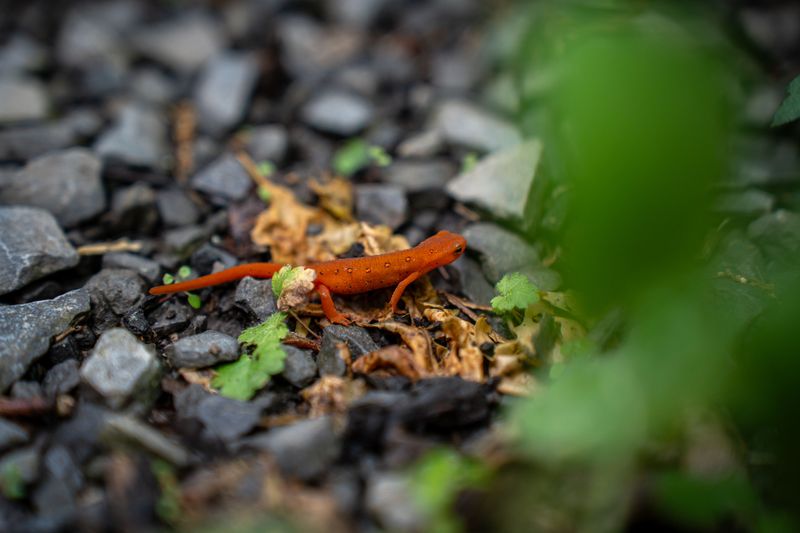
A newt on the move after rain is no lost wanderer. Each one follows a plan set by the seasons, and the first soaking storm acts like an alarm clock.
California newts spend the dry months out of sight. They hide under logs, rocks, thick leaf litter, and even inside old rodent burrows. Staying cool and damp underground helps them get through months with little or no rain.
Once fall and winter rains wet the ground, the hiding is over. The air turns humid, the soil softens, and the newts finally have safe conditions to travel. Their skin needs moisture, so dry weather keeps them tucked away until the storms arrive.
You will often see them right after dark or during gray, drizzly days. They move with a steady, almost robotic walk, and they rarely seem in a rush. Still, they keep heading one way.
Your yard simply happens to sit between their summer hideout and the place they are trying to reach. That place matters more than anything else in their year. Once you know the destination, the whole odd parade starts to make sense, and it becomes a lot more fun to watch.
Ponds And Creeks Are Calling These Rough-Skinned Travelers Home To Breed
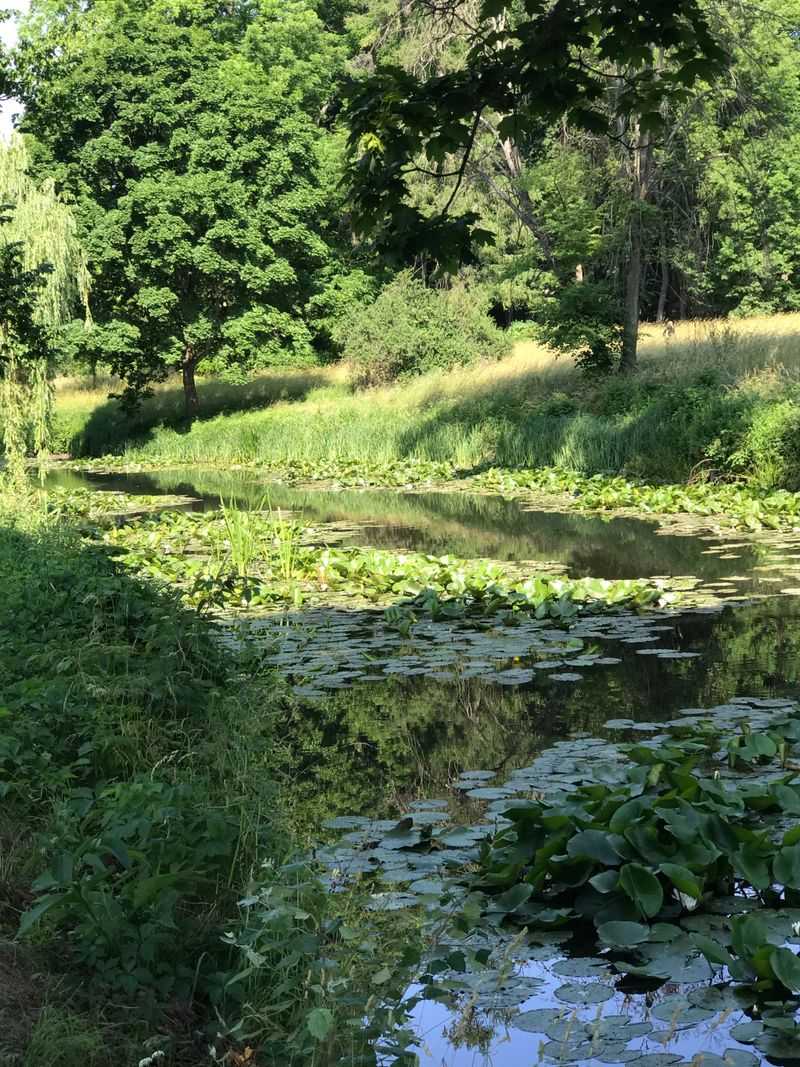
Breeding is the big reason behind the whole trip. California newts mate and lay eggs in water, so they head for ponds, slow streams, creeks, and sometimes reservoirs.
Many of them return to the same waters where they hatched. Researchers have found that some newts can find their home stream even after being moved far away. Scientists think they may use smell, landmarks, and possibly a magnetic sense to steer.
Males often reach the water first. Their skin turns smoother, their tails get flatter for swimming, and they wait for females to arrive. When a female shows up, a male may grab her in a tight hug called amplexus.
Later, females attach small clumps of eggs to underwater plants, roots, or sticks. Each clump looks like a clear, jelly-covered ball about the size of a grape or a bit larger. Tiny larvae hatch after a few weeks and grow gills for life underwater.
By late spring or summer, the young lose their gills and creep onto land. Years later, they may make this same rainy-night journey themselves. In a way, your yard is part of a family route that has been used for generations.
Rain-Soaked Ground Keeps Newt Skin From Drying Out On The Trek
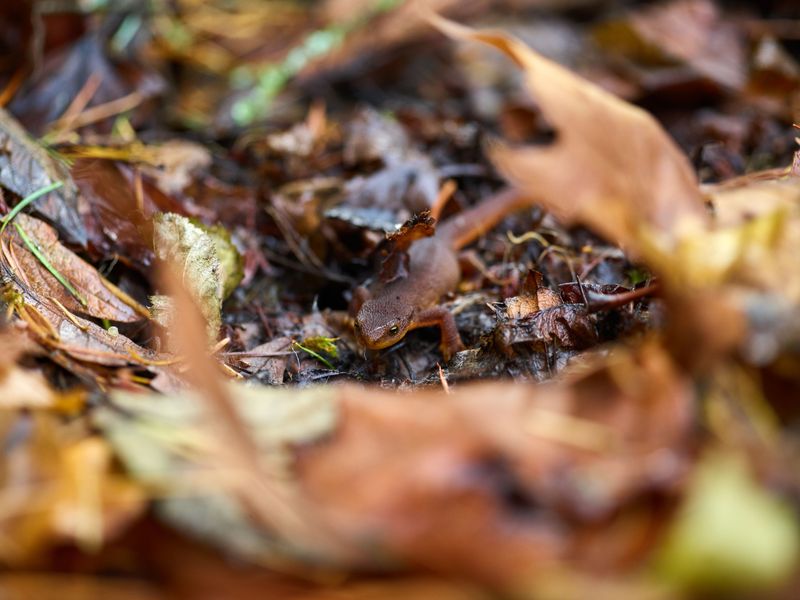
Ever touched a frog and noticed how it feels slightly damp? Newts depend on moisture in a similar way, and that is why rain matters so much for their timing.
Amphibians take in some oxygen and water right through their skin. On dry ground, that skin can lose water fast. A long walk across a sunny summer patio would be a terrible idea for a newt.
Wet weather changes everything. Damp grass, puddles, and cool air let newts travel without drying out. Some may walk hundreds of yards, and some studies suggest a few go much farther over several nights.
The timing shifts from year to year. In wetter northern areas, newts may start moving in October or November. In Southern California and drier inland spots, you might wait until December or later, depending on when real storms arrive.
Breeding season usually runs from late fall into early spring. That means you could see newts on rainy nights for weeks, not just after one storm. Keep an eye out after the first heavy rain, then again during later wet spells, especially near shady hillsides, oak woodlands, and creeks.
That Bright Orange Newt Belly Is Nature’s Hands-Off Sign
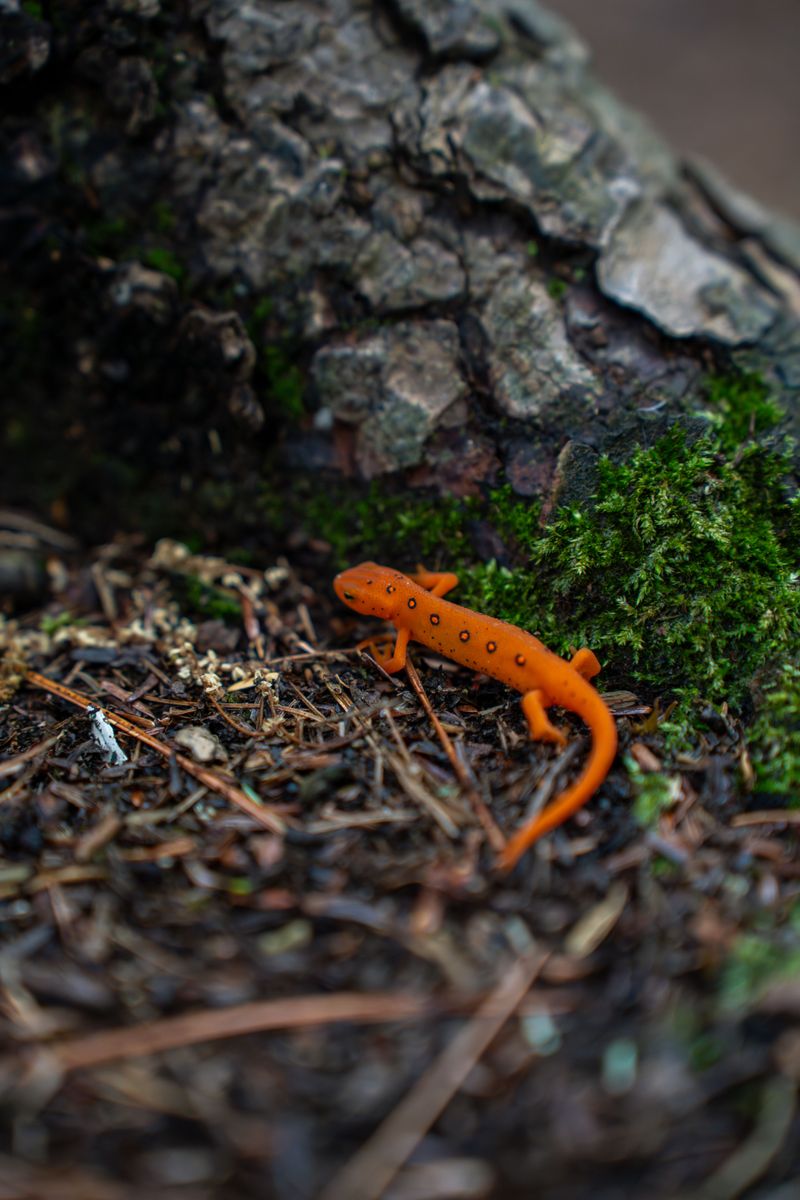
Flip the color scheme on a newt and you get a surprise. The top side is a plain brown, but the belly glows a bright orange or yellow.
That color is a warning. California newts carry tetrodotoxin, the same powerful nerve toxin found in pufferfish. A threatened newt may arch its back and lift its head and tail to flash that orange belly at a predator.
For people, simple touching is usually not a big problem, but the toxin should not get into your mouth, eyes, or cuts. Wash your hands well with soap if you ever handle one. Kids should look rather than touch, and nobody should ever taste or swallow one.
Pets need watching too. A dog or cat that licks or bites a newt may drool, paw at its mouth, or act sick. Call your veterinarian right away if you think that happened.
Fun fact: garter snakes in some areas have evolved resistance to newt toxin. Scientists study this as a kind of slow arms contest between predator and prey. Pretty wild for a creature you might find near your flower bed!
Roads And Pool Drains Can Turn A Newt Crossing Into A Hazard
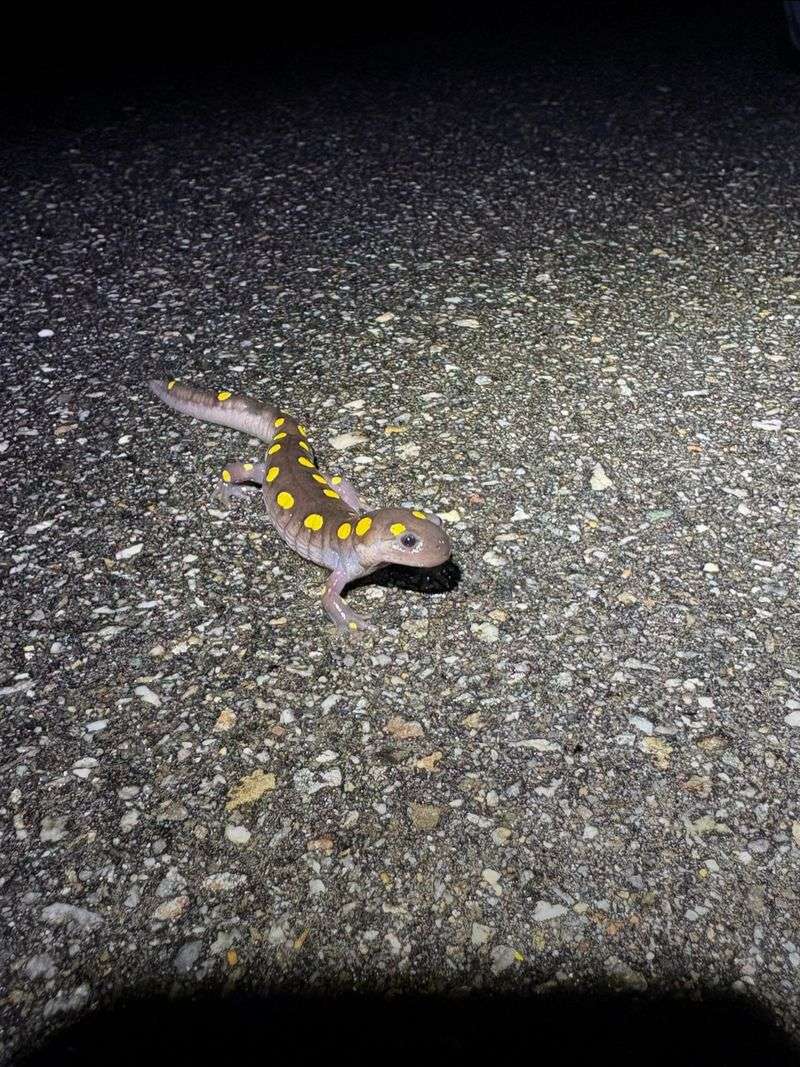
Cars are one of the biggest troubles newts face on their trip. Because they move so slowly and travel in large numbers, roads near breeding ponds can see huge losses on wet nights.
One well-known spot is Alma Bridge Road near Lexington Reservoir in the Santa Cruz Mountains. Volunteers there have counted thousands of newts hit by vehicles over several seasons. That project helped people realize how much road traffic affects local populations.
Your own property can hold smaller hazards. Swimming pools, steep window wells, and open drains can trap newts. Once they fall in, they may not climb back out.
Driving slower on rainy nights near creeks and wooded hills helps a lot. Watch for small, dark shapes on the pavement, since newts often freeze rather than scramble away. A few extra seconds of care can let a whole bunch reach the water.
At home, a small ramp or a floating escape board in a pool gives trapped animals a way out. Covering window wells with mesh also works. These simple fixes cost little and help other wildlife, like frogs and lizards, too.
Leaf Litter And Fallen Logs Make Your Yard Newt-Friendly
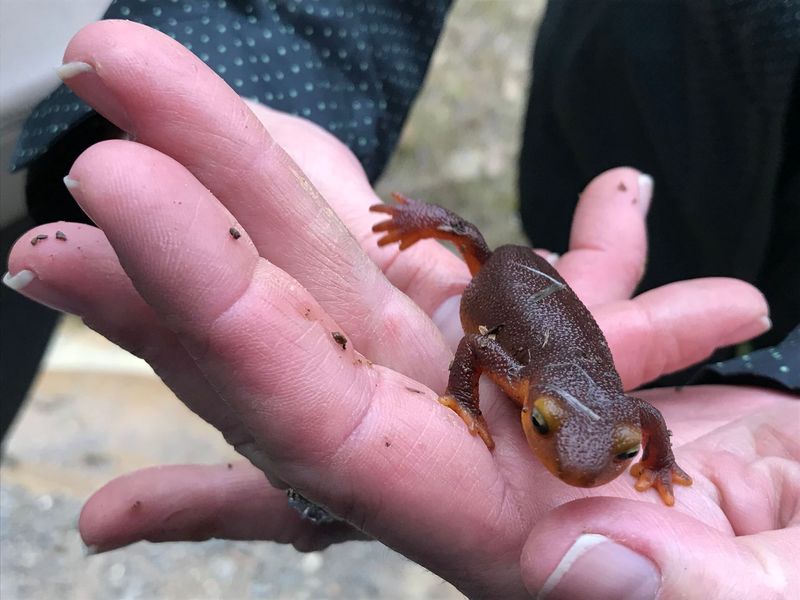
My favorite way to welcome newts is also the laziest gardening trick around. Leave some leaves where they fall.
Leaf litter, fallen logs, and flat rocks give newts cool, damp places to rest during their trip and to hide in summer. A messy corner under oaks or shrubs can serve as a perfect shelter. Native plants like ferns, coffeeberry, and wild ginger help keep the ground shady and moist.
Go easy on chemicals. Amphibians absorb substances through their skin, so pesticides, slug baits, and lawn treatments can harm them. Try hand-picking pests, using barriers, or choosing products labeled safe for wildlife.
Rainy-season yard work deserves a little extra care. Check under boards, tarps, and woodpiles before moving them. Rake gently in shaded areas where newts may be tucked in.
Do not add newts to a garden pond or move them to a new spot. They are wild animals and should stay in their own area. If you build a pond, skip fish and goldfish, since these often eat amphibian eggs and larvae. Native habitat, not relocation, is the real gift to these slow travelers.
Gently Guiding A Lost Newt Is The Kindest Thing You Can Do
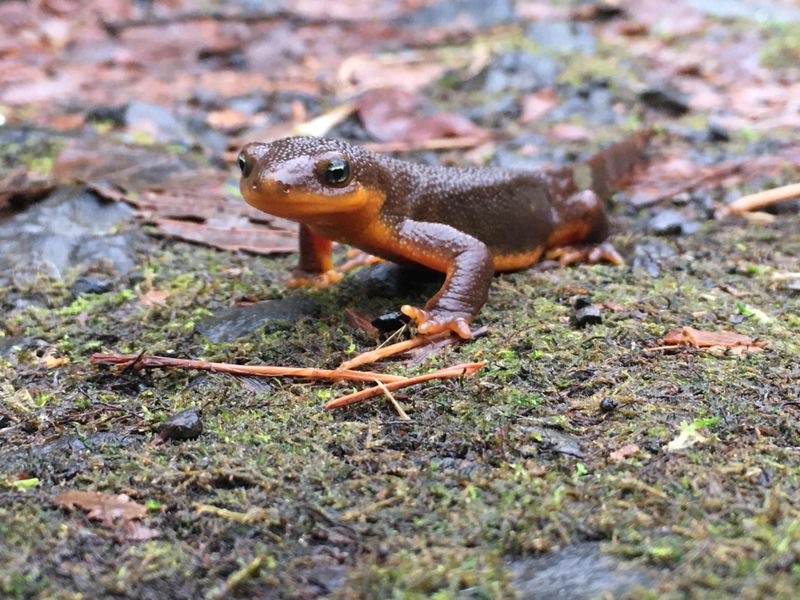
So you found a newt stuck on a wet walkway. Now what?
Usually the best move is to let it be. Newts know where they are heading, and they do fine when left alone on safe ground. Watching quietly from a short distance is a lovely rainy-night activity.
Sometimes help makes sense, like when one sits in a driveway or near a busy street. Wet your hands or wear damp gloves, scoop it gently, and set it down a few feet away in the direction it was already walking. Turning it around can send it back the wrong way.
Afterward, wash your hands with soap and water. Keep fingers away from your face until you do. Do not keep newts as pets, since California law protects native wildlife and the Coast Range newt is a state Species of Special Concern in parts of Southern California.
Want to help even more? Report your sightings to community science apps like iNaturalist, or join local newt patrols in the Bay Area. Those records help scientists track where these animals move. Every rainy season brings a fresh chance to cheer on these tiny, tough commuters.