The California Garden Mistakes That Make Fall Planting Harder
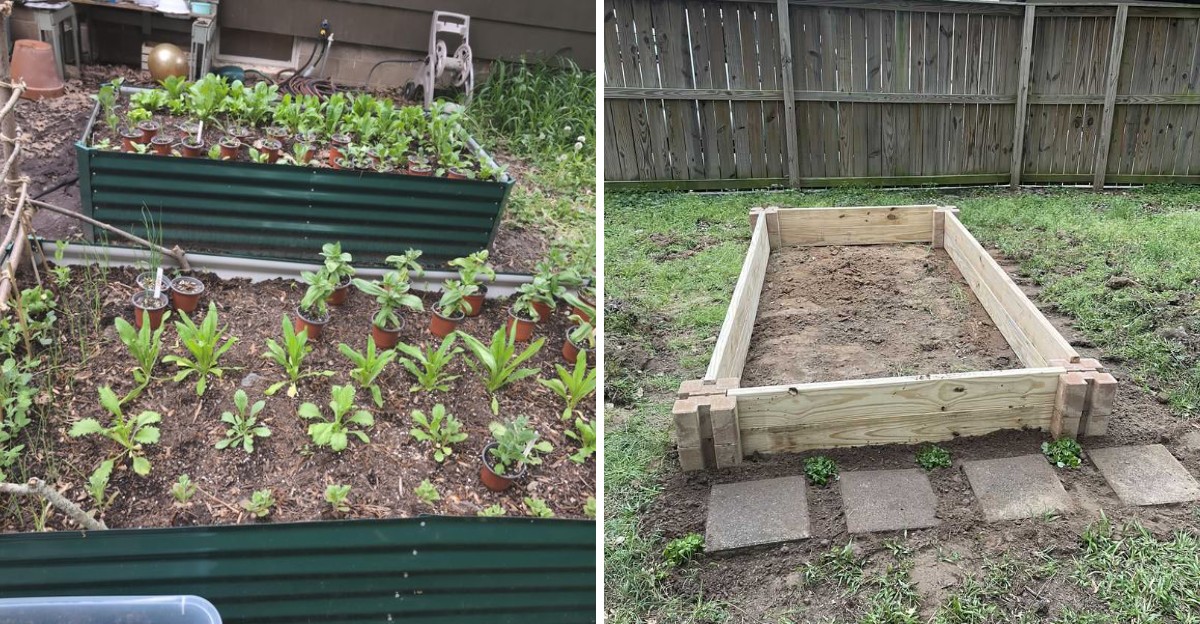
A gardener in Sacramento kneels in her front yard this October with three new shrubs, a bag of fertilizer, and big plans for spring.
She digs the holes a little deeper than the root balls, figuring extra room can only help. Then she sets her sprinkler timer to the same schedule it ran all August.
Both choices feel helpful in the moment. Both quietly cancel out the exact thing that makes fall the best planting season in California.
Cool air, warming rain, soil that lets roots spread before summer heat comes roaring back.
Here’s what nobody warns new gardeners about, though. A handful of small, well-meaning habits can undo that entire head start without anyone noticing until next July.
Eight mistakes explain most of what goes wrong between a hopeful October planting and a struggling June shrub.
Curious which one is happening in your own yard this week? The first one starts with a hole dug just a little too deep.
1. Planting Too Deep Stresses New Roots
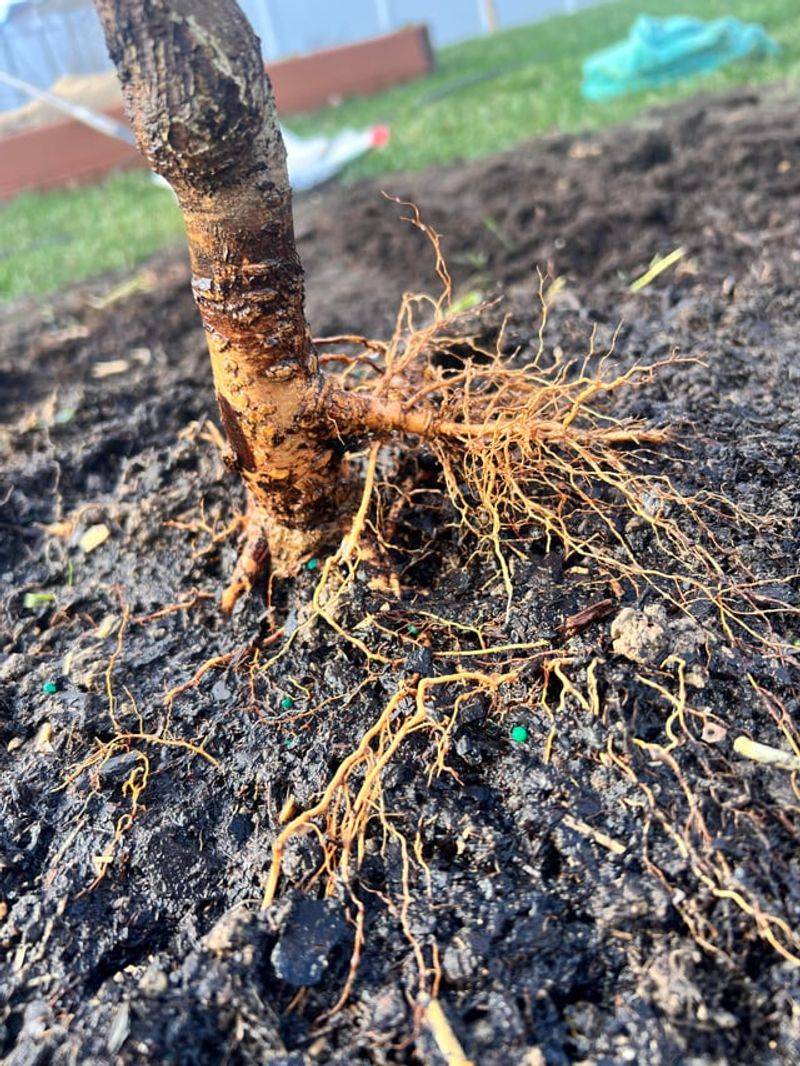
Burying a plant a few inches too low seems harmless enough at first glance. It’s actually one of the fastest ways to waste a California fall entirely.
The top of the root ball should sit level with or slightly above the surrounding soil, and the hole should run wide rather than deep.
Roots need oxygen, and fall soil that gets steady rain can hold water in a deep hole like a bowl. Instead of spreading out during those cool months, roots sit in soggy ground and start to struggle.
There’s a second problem with depth worth knowing. When the trunk flare gets covered with soil, bark stays damp and becomes an easy target for crown rot, which often shows up months later as slow spring growth nobody connects back to planting day.
The fall advantage depends entirely on roots pushing outward while the top of the plant rests. Anything that slows that underground work in October and November means fewer roots in place by the time real heat arrives.
A practical fix takes about a minute. Set the plant in the hole, lay a shovel handle across the opening, and check that the root flare touches or rises just above that line.
Loosen the sides of the hole so roots can move sideways easily, backfill with the native soil you removed, and skip the temptation to dig deeper than you actually need.
2. Watering On A Summer Schedule Backfires
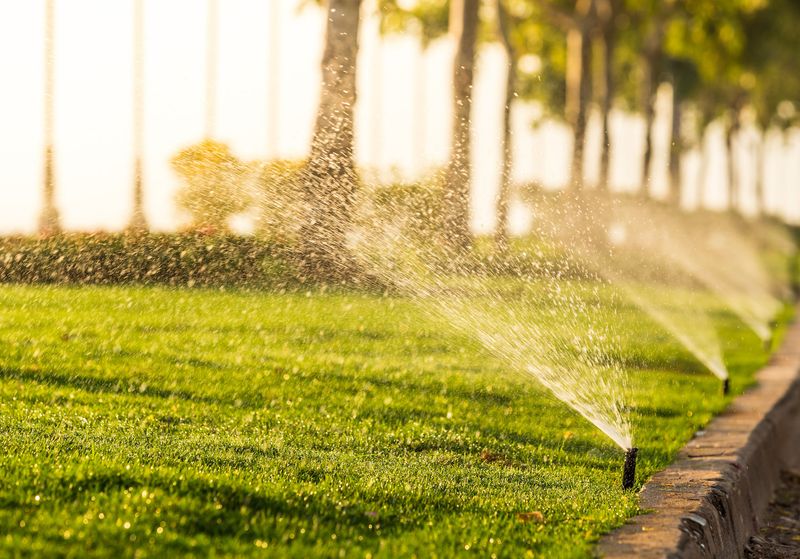
Sprinkler timers have a way of running on autopilot. Plenty of California gardeners plant in October and never touch the controller they set back in July, which means new plants get summer-level water during a season with shorter days and cooler nights.
Soil dries far more slowly in fall than most people assume. Evapotranspiration drops sharply once temperatures cool, so the same twelve minutes that barely kept a shrub alive in August can leave the ground constantly saturated in November.
Waterlogged soil pushes out air, and roots that cannot breathe stop growing entirely. That stalls the exact process fall planting is supposed to speed up in the first place.
Your California Garden Changes Every Week. Your Plan Should Too.
Gardening in California changes quickly throughout the season. Every Friday you’ll receive a simple weekly plan showing exactly what to plant, prune, fertilize, harvest, and protect so you never miss the right timing.
Watering based on weather and soil moisture beats a fixed calendar every time. Checking is simple. Push a finger or a screwdriver about two to three inches into the soil near the root ball, and only water if it feels dry at that depth.
New plantings still need attention, though, even in a rainy season. Their roots are confined to a small area, so a dry stretch of Santa Ana wind in November can dehydrate them even while the rest of the yard looks perfectly fine.
The goal is deep, occasional soaking that encourages roots to chase moisture downward, then backing off once winter rains take over completely. Adjust the controller the same day you plant, and add a rain shutoff if your system allows one.
3. Ignoring Soil Type Costs You Later
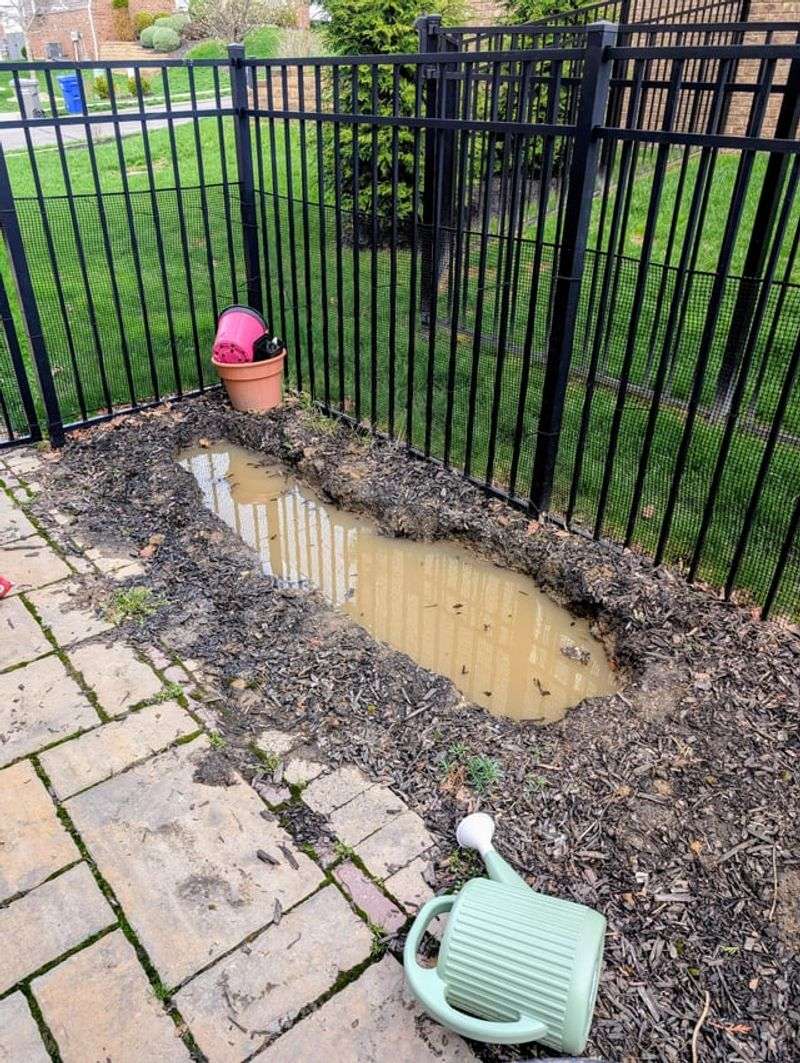
California packs an unusual range of soils into a single state, from heavy clay in the Central Valley to sandy ground near the coast and rocky decomposed granite in the foothills. Treating them all the same is a quiet mistake that shows up months down the road.
Clay holds water for a long time, sometimes longer than people expect. Plant into it during the rainy season without checking drainage, and a new root ball can sit wet all winter, encouraging root diseases instead of root growth.
Sandy soil has the opposite issue entirely. Water moves through it fast, so a young plant can dry out between storms even though the season feels wet overall.
A percolation test is worth doing before anything goes in the ground. Dig a hole about a foot deep, fill it with water, let it drain, then fill it again and watch how long it takes to empty out.
Very slow drainage is a signal to plant on a slight mound or choose species tolerant of heavy ground instead. Amending a whole bed tends to work better than just the planting hole, since a pocket of rich soil surrounded by clay behaves like a bucket.
Roots also hesitate to leave soft amended soil for dense native soil, which keeps them circling in place. Matching your approach to what’s actually under your feet lets fall rains work for the plant instead of against it.
4. Ignoring The First Frost Date Timing
Frost dates in California swing wildly depending on where you live. Coastal San Diego may never see a hard freeze, while Truckee or parts of the Sierra foothills can get frost by early October instead.
Timing matters because roots need several weeks of workable soil to settle in properly. General guidance suggests getting plants in the ground roughly six weeks before the ground begins to freeze or soil temperatures drop too low for root activity.
Plant too late, and the root system never expands beyond the original root ball. Come spring, the plant leafs out with almost no anchor, then struggles badly during the first hot week of May.
Plant too early, while September heat is still cooking everything, and tender new growth can scorch before roots have a chance to catch up.
Look up your local average first frost date through a county extension program rather than relying on a national map, since microclimates in California can shift things by weeks within just a few miles.
Frost-tender vegetables and warm-season transplants have a different calendar than woody shrubs and trees, which handle cool soil far better overall.
Keep a frost blanket handy for the first unexpected cold snap. Protecting new plantings through one or two early freezes buys them the whole rainy season to build the root mass that makes next summer easier.
5. Skipping Mulch Leaves Roots Exposed
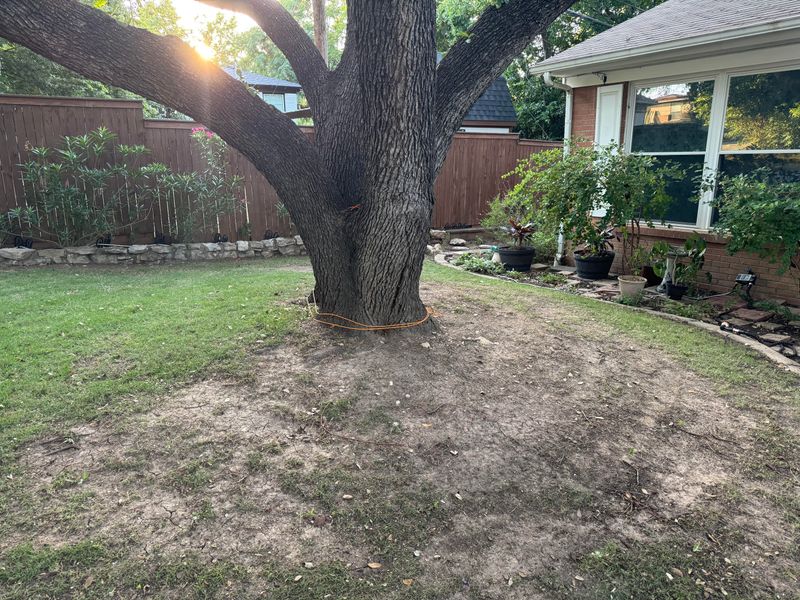
Mulch does not look like much sitting in a bag at the nursery, yet it may be the cheapest insurance a fall planting can get. A three to four inch layer of wood chips or shredded bark slows evaporation and moderates soil temperature.
Bare soil around a new planting behaves badly in California autumn. It crusts over between rains, sheds water instead of soaking it up, and swings between warm afternoons and chilly nights, which stresses shallow roots that have nowhere to hide.
Mulched soil stays more even throughout, and those steadier conditions keep root growth going through winter instead of pausing unnecessarily.
Organic mulch also feeds soil life as it breaks down. It improves structure in clay and helps sandy ground hold moisture, which pays off well past the first season alone.
One caution matters quite a bit here. Pull mulch back three to six inches from the trunk or main stem. Piling it against bark, the mulch volcano look seen on so many street trees, traps moisture and invites rot and pests.
Spread it in a wide ring instead, ideally out to the edge of the canopy or beyond it entirely.
Free wood chips are often available from local tree services or municipal green waste programs, so there’s rarely a good reason to leave new fall plantings uncovered.
6. Crowding Plants Limits Root Establishment
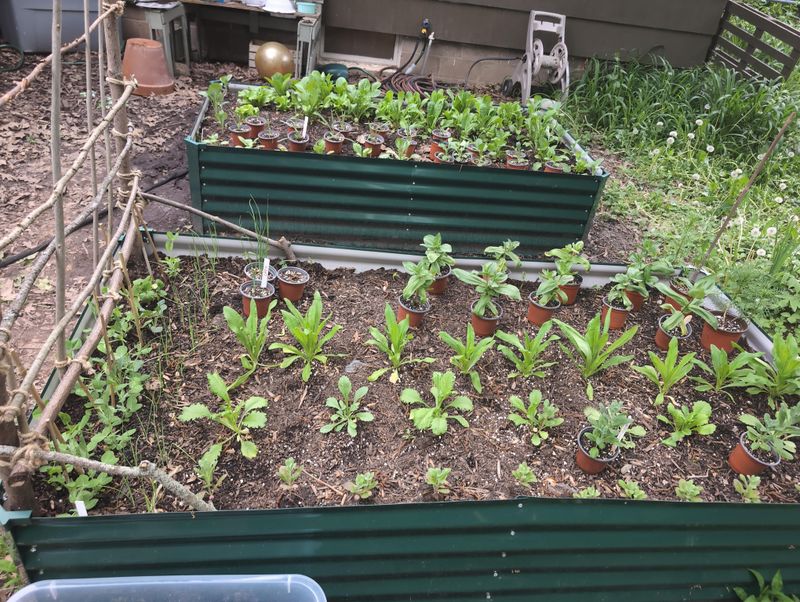
Nursery pots lie a little, and it’s worth knowing that going in. That one gallon shrub looks tiny in October, so it feels natural to tuck three of them where the tag says one belongs.
Underground tells a completely different story, though. Roots of most shrubs and trees spread well past the branch spread, and when neighbors overlap too soon, they compete for the same water and nutrients during the exact window meant for establishment.
Above ground, crowded plants block airflow too. Damp California winters plus poor air movement create ideal conditions for powdery mildew, botrytis, and other fungal problems on cool-season vegetables and ornamentals alike.
Spacing recommendations on plant tags and in planting guides assume mature size, not nursery size. Following them feels wasteful for about a year, then looks brilliant for the next twenty.
Cool-season crops such as lettuce, broccoli, and garlic have their own spacing needs, and squeezing them together in a raised bed usually produces smaller heads and more disease, not more food.
Fill the empty-looking gaps with annual flowers, cover crops, or simply more mulch while young plants grow into their space over time.
Thinning seedlings counts here too, even when it feels harsh. Pulling extras gives the survivors room to build the root systems that carry them through their first real California summer.
7. Rushing The Process Undoes The Advantage
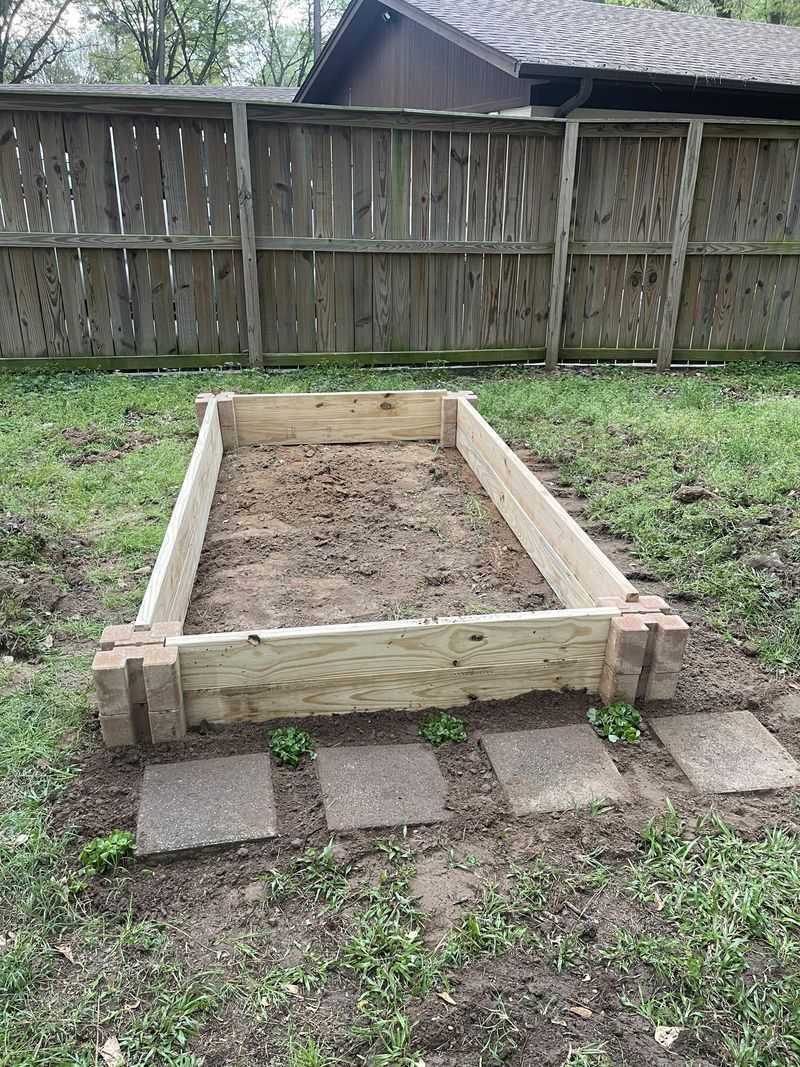
Weekend energy is a real thing in every California garden. The first cool Saturday hits, the nursery is packed, and it’s tempting to grab whatever looks good and get it in the ground before dark.
Fall planting rewards patience more than speed, though. Site prep, clearing weeds, testing drainage, checking sun exposure through the shorter days, and choosing plants matched to your climate zone all take time that pays back for years.
Impulse buys cause most of the trouble in the long run. A plant that needs full sun ends up in a shaded corner, or a thirsty species lands in a low-water yard, and no amount of good planting technique fixes a poor match after the fact.
Root-bound nursery stock deserves a close look too before it goes in the ground. Circling roots should be loosened or scored before planting, otherwise they keep spiraling and choke the plant years down the line.
Skipping a soil check is another shortcut with a long tail attached to it. Knowing pH and drainage before planting beats guessing after a plant starts declining for no obvious reason.
Local extension programs in most counties offer free plant lists and advice, which makes selection far easier than browsing nursery tags alone.
The whole point of planting in autumn is giving roots months of quiet growth before heat returns. Spending one extra afternoon on preparation protects that entire head start rather than gambling it on a hurried Saturday.
8. Skipping A Plan For The Whole Bed
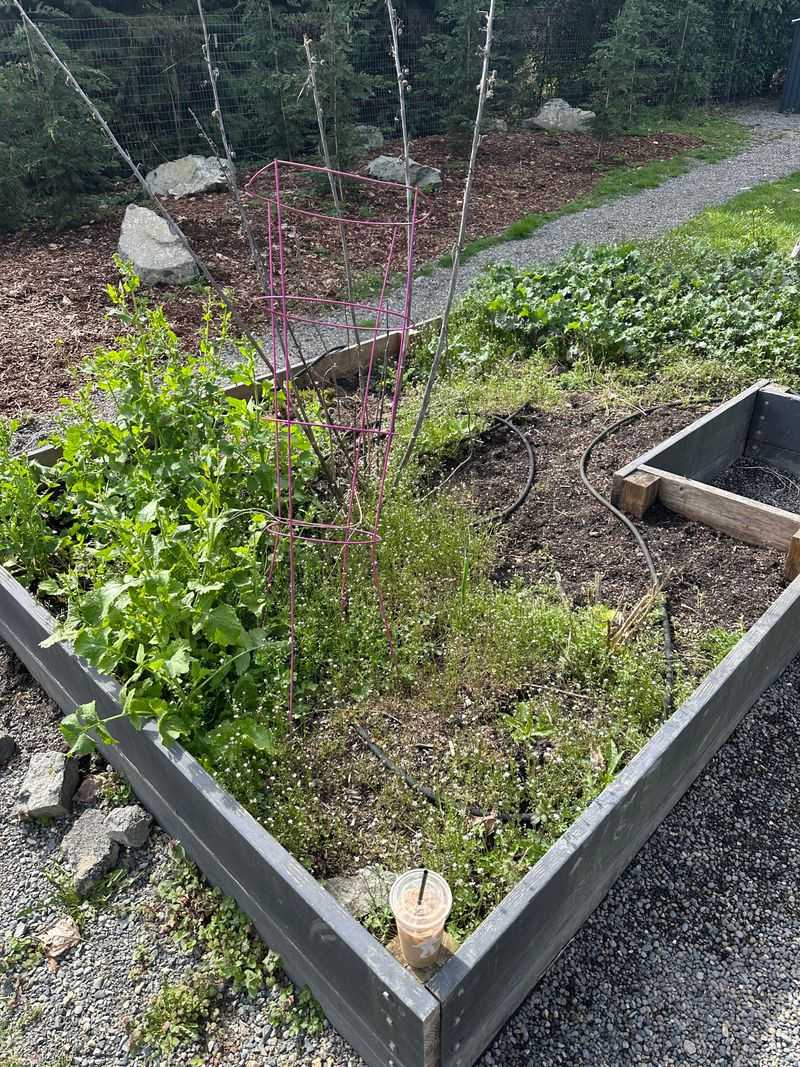
Buying plants one at a time, whenever something catches your eye at the nursery, feels natural in the moment. It also tends to produce a yard that looks scattered rather than intentional by the time everything’s in the ground.
A bed planted without a rough layout often ends up with awkward gaps, mismatched water needs crammed onto one hose line, and a tall shrub blocking a smaller one that needed full sun.
Sketching even a rough plan before the first hole gets dug solves most of that. It doesn’t need to be fancy. A simple drawing on paper, marking mature sizes and sun exposure, catches conflicts before they cost you a season of growth.
Grouping plants by water need matters more than most people realize going in. A thirsty perennial tucked next to a drought-tolerant native forces a choice between drowning one or starving the other, since they’ll likely share the same irrigation zone.
Think about sightlines too, especially from windows and entry paths. A fast-growing shrub planted without considering its mature width can block a view or crowd a walkway within just a couple of years.
Leave room for growth on paper, not just in the ground. Tags list mature spread for a reason, and a bed that looks perfectly spaced in October can turn into a tangled mess by year three if that number gets ignored.
Consider the whole season too, not just what looks good at the nursery today. A bed planted only for fall color can look bare and lifeless come summer, while one planned with bloom times staggered across the calendar stays interesting year-round.
This planning step costs an evening with a notepad, not a weekend of labor. It’s the cheapest insurance against ripping out a misplaced plant two years from now and starting the whole section over again.