Watch For These 9 Pests Entering Virginia Homes This Fall
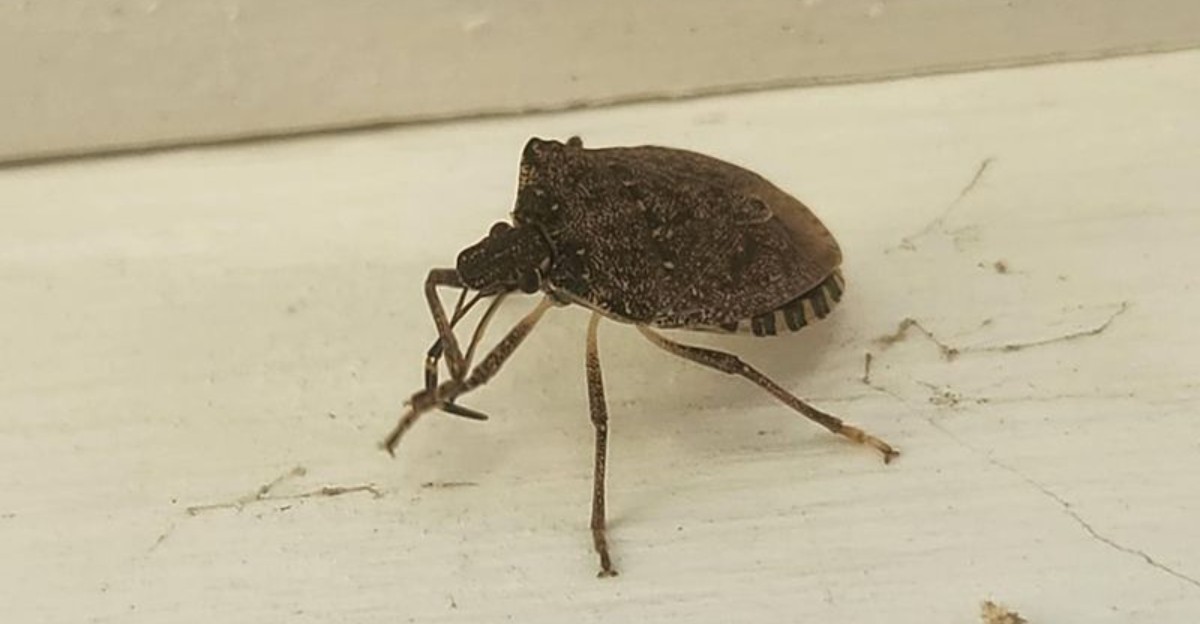
Something rustles in the attic, and a stink bug lands on your coffee mug. Fall in Virginia brings a steady wave of insects looking for shelter.
Dropping temperatures push many pests toward attics, garages, and other protected spaces. A small gap near a window or a torn screen can give them an easy way inside.
Some are harmless nuisances. Others can damage belongings, contaminate food, or become difficult to manage once indoors.
Fall pest activity is also fairly predictable. Knowing which insects to watch for and what attracts them can help you seal vulnerable spots before they settle in.
1. Asian Lady Beetles Gather Around Sunny Walls
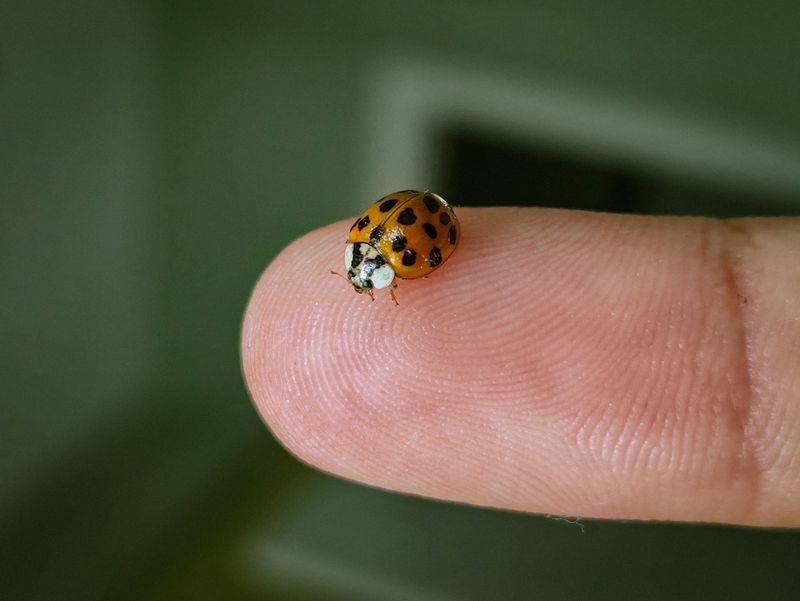
Orange specks dot the siding on a warm October afternoon, turning your house into a polka dotted wall. Asian lady beetles are scouting for a snug crack to spend the winter.
Sunlight is the main attraction here, so sunny walls can draw large crowds. Warm, exposed surfaces are especially likely to become gathering spots in fall.
Across Central Virginia, their activity usually peaks in October when afternoons stay mild and evenings turn chilly. Warm spells after a cold snap bring the heaviest gatherings.
Unlike our native ladybugs, these visitors sometimes pinch skin with a surprising little nip. Disturb one and it may leak a yellow fluid that stains walls and curtains.
Vacuuming is the tidiest fix, especially with a knee high stocking slipped inside the hose. Empty the bag outdoors so lingering odor stays out of your living room.
Sealing beats spraying indoors, so caulk around window frames, siding gaps, and utility line openings. Fine screens over attic vents block a favorite entry route.
Exterior treatments applied in early fall, before the beetles gather, tend to give the best results. A licensed technician can time the application to local weather.
Squashing them can leave a yellowish fluid that stains walls and curtains, so vacuuming is a tidier option. Patience and a vacuum keep your walls clean and your nose happy.
Attic insulation and wall voids make cozy quarters, which is why sightings continue on warm January days. Indoor heat tricks them into thinking spring arrived early.
They do not chew wood, raid food, or lay eggs inside your home. Their offense is mostly clutter, odor, and the occasional landing on your sandwich.
2. Brown Marmorated Stink Bugs Seek Winter Shelter
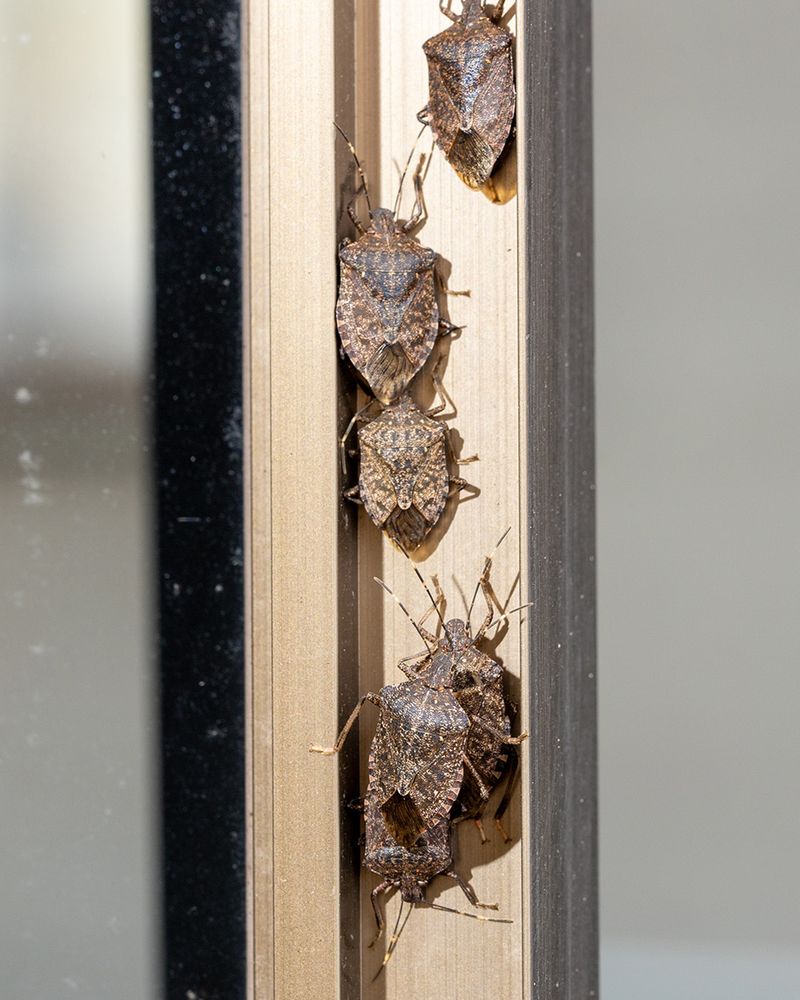
Few insects announce themselves like a stink bug bumping into a lampshade at nine at night. Brown marmorated stink bugs arrived in the mid 1990s and settled in fast.
Cool September nights flip a switch in them, sending groups toward sunny walls and rooflines. Shield shaped bodies press flat against siding while they soak up stored heat.
Gaps around window frames, door sweeps, dryer vents, and chimney flashing act like open doorways. Even tiny cracks and gaps can give them a way inside.
Once inside wall voids or attics, they settle into a sleepy state until warmth returns. Heated rooms wake a few early, which explains those winter living room sightings.
Your Virginia Garden Changes Every Week. Your Plan Should Too.
Gardening in Virginia changes quickly throughout the season. Every Friday you’ll receive a simple weekly plan showing exactly what to plant, prune, fertilize, harvest, and protect so you never miss the right timing.
Crushing one releases that famous cilantro gone wrong odor, so reach for the vacuum instead. A shop vacuum with a disposable bag keeps the smell contained.
Virginia orchards know these pests well, since they feed on apples, peaches, and soybeans outdoors. Inside, they cause no structural harm and simply wait out the cold.
A homemade trap using a pan of soapy water under a desk lamp can catch some stink bugs overnight. For more reliable prevention, focus on sealing gaps and repairing screens.
Caulk, weather stripping, and fresh screens do more good than any spray you can buy. Focus on the sunny side of the house where they land first.
Repairing torn screens by late August gives you a head start on the autumn rush. Checking attic gable vents is the step most people skip.
Sealing early can help reduce the number of stink bugs that get inside and end up around light fixtures. Small repairs keep paying off for several seasons.
3. Boxelder Bugs Cluster Along Warm Exterior Walls
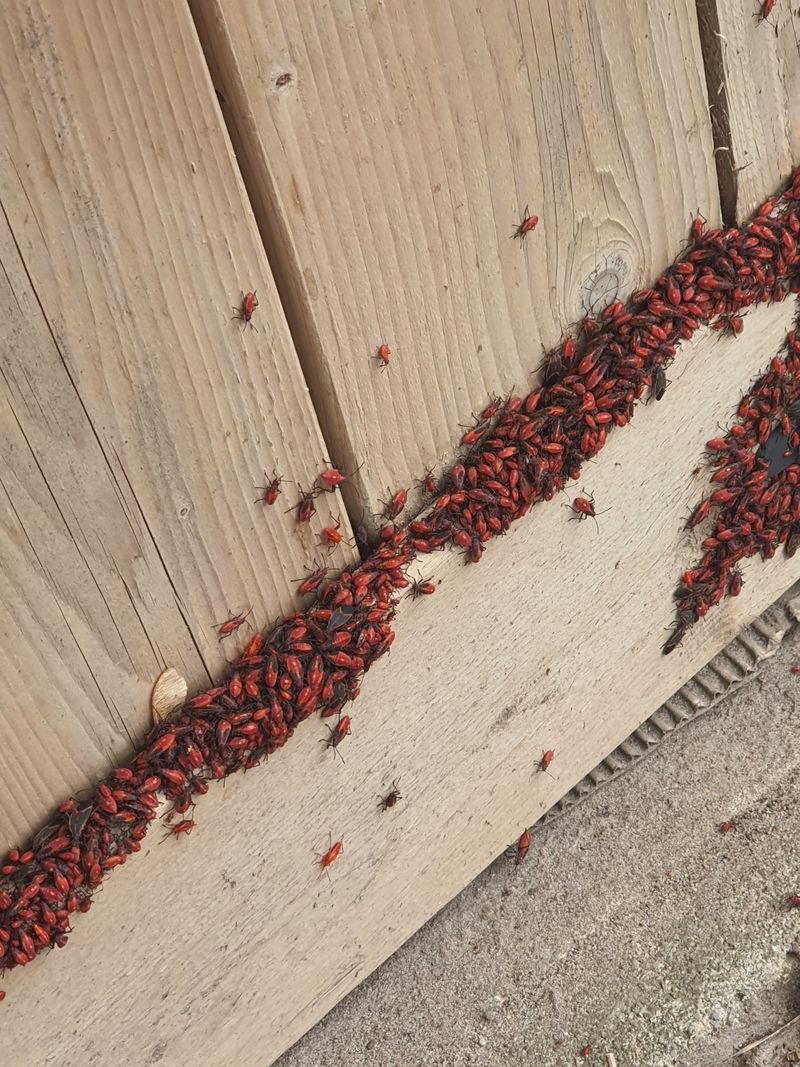
Bright red lines across a flat black back make boxelder bugs simple to identify. On pale siding, a cluster looks like scattered confetti.
Their name comes from the boxelder tree, a maple relative whose seeds feed them all summer. Maple and ash trees work almost as well.
When temperatures slide, the bugs drift toward warm south facing walls and sun baked stone. Afternoon heat stored in brick keeps them lingering for hours.
Cracks in siding, gaps under doors, and loose soffits let them slip into wall voids. Attics and window channels become quiet winter apartments.
They do not bite people, chew fabric, or harm wood inside homes. Their droppings, though, can leave reddish stains on curtains and light paint.
A spray of insecticidal soap can knock down outdoor clusters without using a conventional insecticide. Follow the product label for application.
Raking up seeds and trimming seed bearing boxelder trees near the house lowers local numbers. Some homeowners remove a problem tree entirely.
Vacuum indoor strays rather than swatting, since squashed bugs leave marks that are tricky to clean. Empty the canister outside right away.
Caulking before fall is one of the smartest moves you can make. Sealing cracks and gaps before the bugs seek winter shelter can help keep them outside.
Come spring, the survivors head back outside on their own to find fresh seeds. A little patience carries most families through the season.
Fun detail: those clusters are often mixed ages, with young bugs showing more red than black.
4. Cluster Flies Gather Around Sunlit Buildings
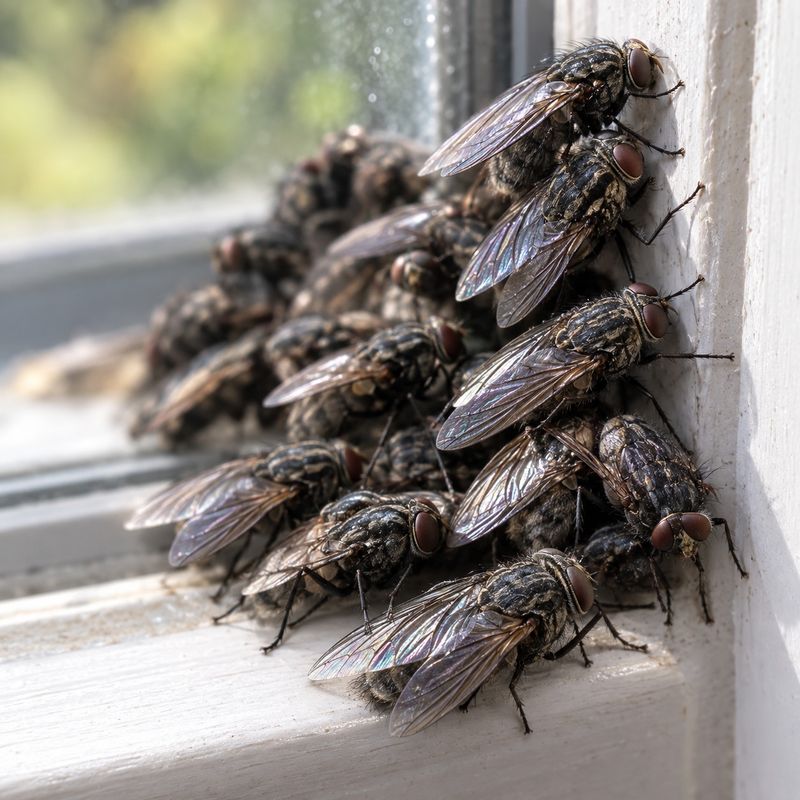
Sluggish flies bumping against a sunny attic window in November are rarely ordinary house flies. Cluster flies are larger, slower, and dusted with short golden hairs.
Their life cycle starts underground, where larvae develop inside earthworms in lawns and fields. Rural and suburban properties with wide grassy yards see the most.
Warm autumn afternoons pull adults toward bright walls, especially upper stories and light colored surfaces. They drift upward, which is why attics fill first.
Small openings near eaves, soffits, window trim, and chimney flashing serve as their doorway. Once inside, they tuck into quiet corners and wait.
They do not bite, do not breed indoors, and do not contaminate food like filth flies. Sheer numbers are the real annoyance for most households.
Warm days coax them out of hiding, so you might find dozens lined up on a sill. Light fixtures and lampshades collect them too.
A vacuum handles cleanup quickly, and a handheld unit stored in the attic saves trips. Empty it outdoors to keep odor away.
Screening attic and gable vents with fine mesh blocks a major entry point cheaply. Repairing soffit gaps closes another common one.
Exterior treatments applied in early fall work best, since the flies gather outside before slipping in. Timing matters more than product strength.
Sticky light traps in the attic can help reduce the number of flies indoors with little effort. They cost little and need barely any attention.
One odd perk: healthy earthworm populations mean healthy soil, so your lawn is thriving.
5. Spiders Follow Other Fall Pests Indoors
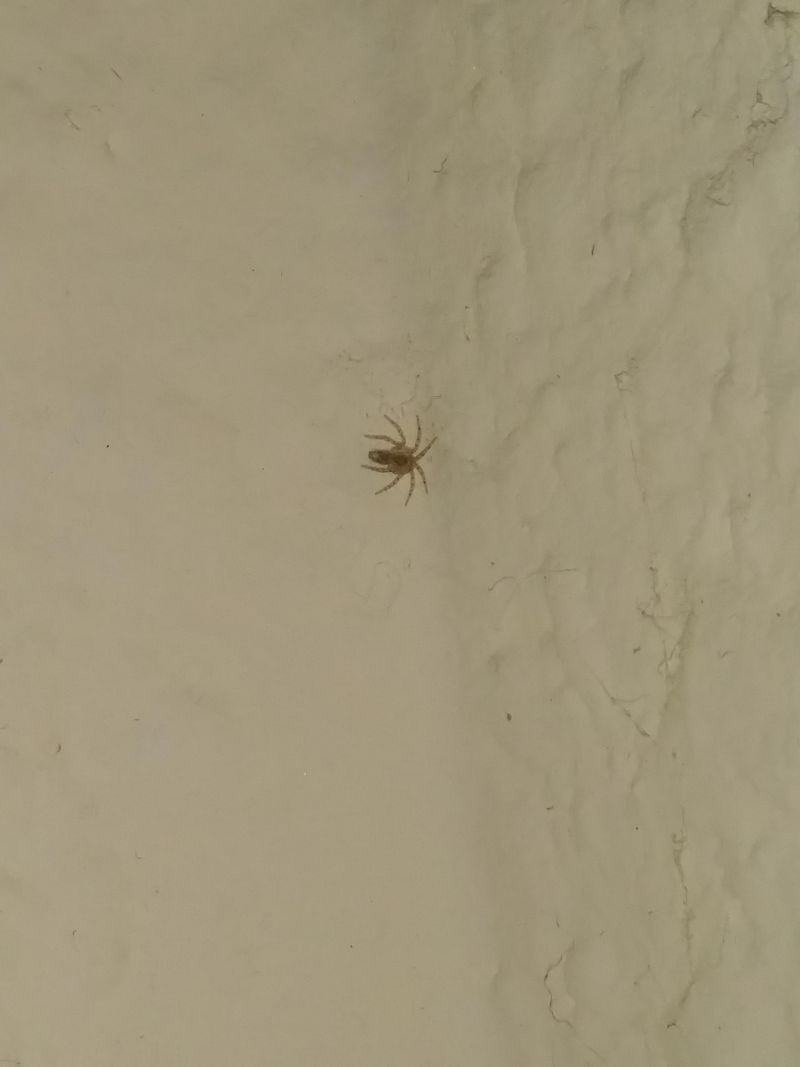
Autumn counts as peak spider season, and the ones you notice are usually restless males. They wander searching for mates, not for your leftover snacks.
Cooler air also nudges certain species toward garages, basements, and cluttered storage rooms. Warmth and quiet are the draw.
Food is the other magnet, since stink bugs and lady beetles pouring inside become easy meals. Fewer insects means fewer spiders sticking around.
Most Virginia spiders are harmless helpers that quietly trim other pest populations in your home. Only a couple deserve genuine caution.
Black widows favor woodpiles, crawl spaces, and undisturbed garage corners around the state. Brown recluse sightings are uncommon here, but worth recognizing.
Wearing gloves while moving firewood or reaching into storage boxes is a simple safeguard. Shake out shoes left sitting in the garage.
Knocking down webs weekly with a broom discourages residents from rebuilding in the same corner. A vacuum handles egg sacs neatly.
Swapping bright white porch bulbs for yellow ones cuts the insect crowd that spiders follow. Fewer moths means fewer webs by morning.
Decluttering basements and storing items in sealed plastic bins removes prime hiding spots. Stacked cardboard boxes are basically spider real estate.
Sealing gaps around doors, pipes, and vents finishes the job by closing their entry routes. The same repairs help against every pest listed here.
Worth remembering: a single web can catch hundreds of insects over one autumn. Sometimes the tenant upstairs is doing you a favor.
6. Click Beetles Slip Through Small Home Gaps
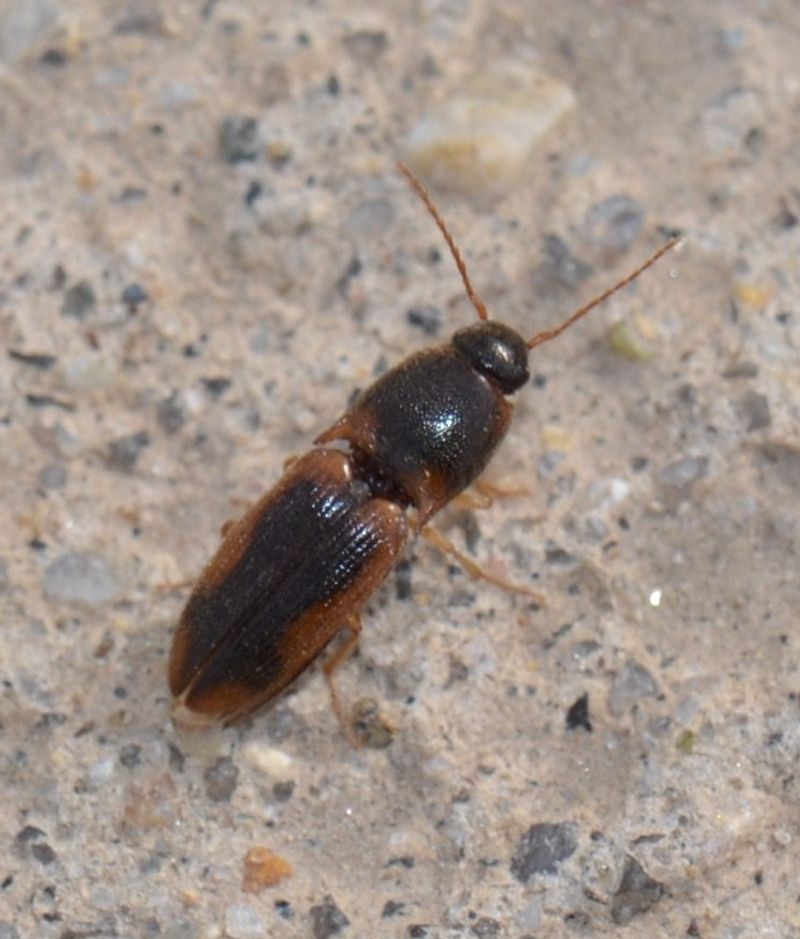
Flip one onto its back and it snaps into the air with an audible click. That trick escapes predators and delights curious kids every time.
Elongated brown bodies about half an inch long are the usual look in Virginia yards. Some species show faint stripes or speckled patterns.
Porch lights and bright windows pull them close to the house after dark. From there, a thin gap under the door is all they need.
Indoors they wander aimlessly, since your living room offers nothing they want to eat. They do not breed inside or harm belongings.
Their larvae, known as wireworms, live in soil and sometimes nibble garden roots and seeds. Adults mostly sip nectar and plant juices outside.
Finding several in one week usually points to a gap rather than a true infestation. Check your door sweeps first.
Switching porch bulbs to warm amber tones reduces the nightly gathering considerably. Motion sensor fixtures help even more.
Caulking around window air conditioners, basement hoppers, and utility penetrations closes their favorite shortcuts. Fine mesh over vents adds backup protection.
Scoop up stragglers with a cup and card, then release them in the yard. They pose no threat to people or pets.
Keeping mulch and leaf piles about a foot from the foundation lowers nearby beetle numbers. Damp debris is their comfort zone.
Here is a fun bit of history: the clicking mechanism is a hinge between body segments. Engineers have studied it for jumping robot designs.
7. Millipedes Move Toward Damp Areas Around Homes
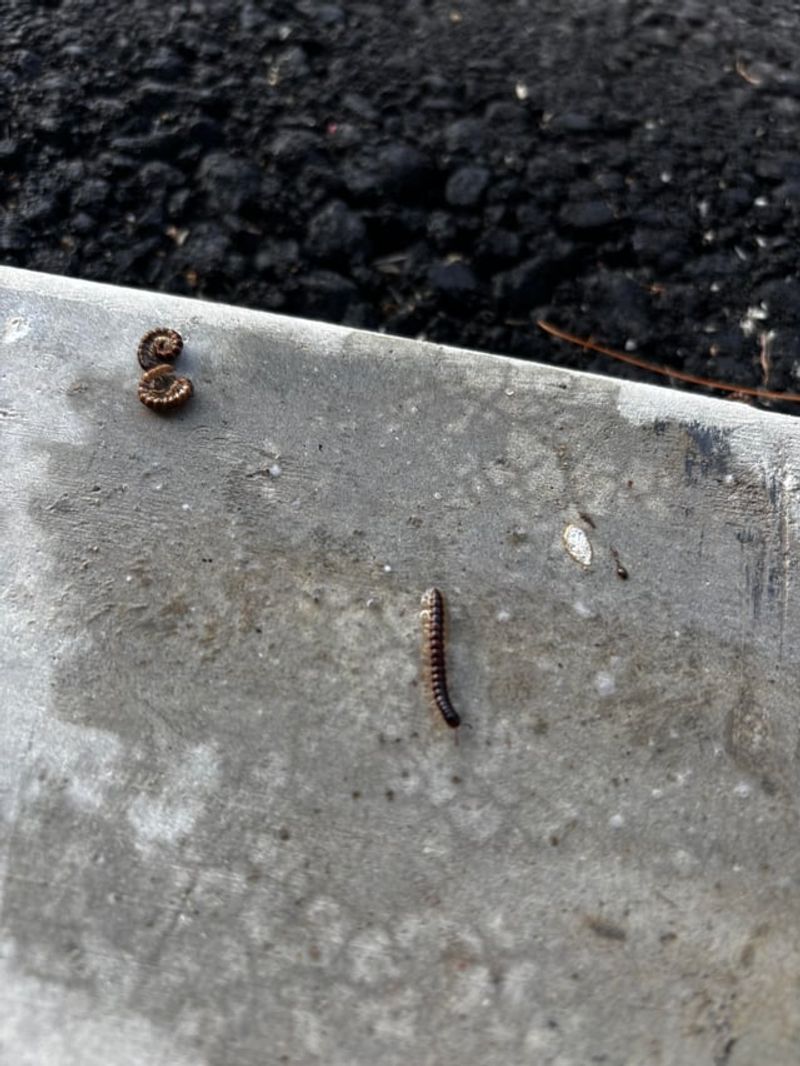
Thousand leggers is the nickname, though most millipedes carry a few hundred legs at best. Slow and curling, they still startle folks in basements.
Moisture rules their world, so heavy autumn rain sends them marching toward foundations. Dry spells push them indoors too, hunting for humid air.
Basements, crawl spaces, laundry rooms, and garages match the dampness they prefer. Bathrooms sometimes get visitors near floor drains.
Foundation cracks, gaps under doors, and window wells act as entry lanes in neighborhoods. Sliding door tracks are another easy route.
Indoor air dries them out fast, so they rarely last long or multiply inside. You will mostly find them curled into tight spirals.
They neither bite nor chew wood, though some release a mildly irritating fluid when handled. Wash your hands after picking one up.
Running a dehumidifier in the basement makes the space far less inviting. Aim to keep humidity below fifty percent.
Pulling mulch, leaves, and firewood back from the foundation removes their outdoor staging ground. Six inches of clearance goes a long way.
Fixing gutter runoff and sloping soil away from the house solves the root cause. Standing water beside walls is an open invitation.
Sweep or vacuum strays and skip the sprays, which rarely address the moisture problem. Drier conditions do the heavy lifting for you.
Nature note: millipedes recycle fallen leaves into rich soil, so they earn their keep outdoors. Your garden beds benefit from their steady work.
8. Larder Beetles Follow Hidden Food Sources
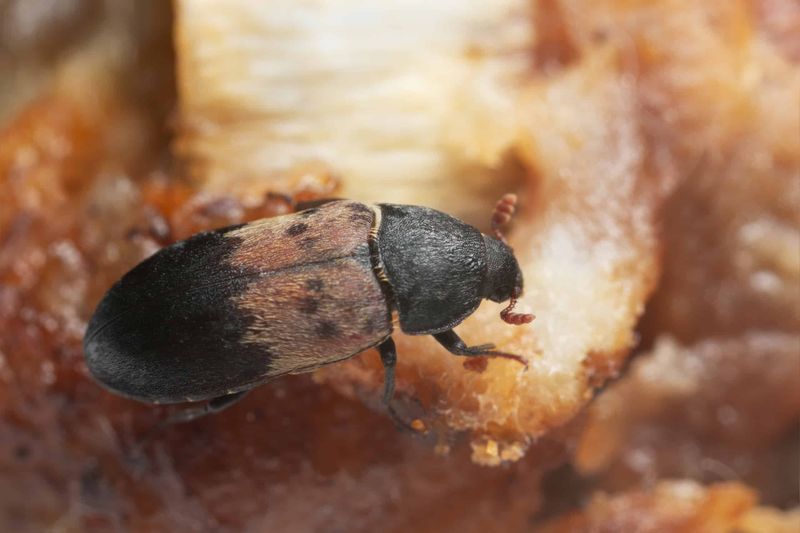
Named for the old fashioned larder, where cured hams once hung, these beetles chase protein. A pale band across dark wing covers is the giveaway.
Dried pet food, jerky, cheese, feathers, and wool all land on their menu. Insect remains tucked in attics feed them just as well.
Late summer and fall bring them indoors through vents, screens, and gaps around windows. They fly well and travel farther than people expect.
Larvae do the real feeding, while mature larvae may burrow into nearby wood, plaster, or similar materials when they are ready to pupate. Those tunnels are a common warning sign.
Brown bristled larvae shedding skins in a pantry corner tell you the source sits nearby. Follow the shed skins to find it.
Old bird or squirrel nests in attics and chimneys often fuel an outbreak. Clearing them removes the buffet entirely.
Store pet food in sealed plastic or metal containers instead of the original paper bag. Rotate older bags first.
Vacuum pantry shelves, baseboards, and closet corners where crumbs and lint quietly collect. Pay extra attention to seldom used cupboards.
Check wall voids near old wasp nests, since leftover material draws these beetles back year after year. A chimney cap prevents repeat visits.
A pest professional can pinpoint hidden sources when beetles keep appearing without explanation. Solving the source beats repeated spraying every time.
Curious fact: museums once battled these beetles in taxidermy collections. Hungry larvae treated preserved specimens like an all you can eat pantry.
9. Rodents Search For Warm Protected Spaces
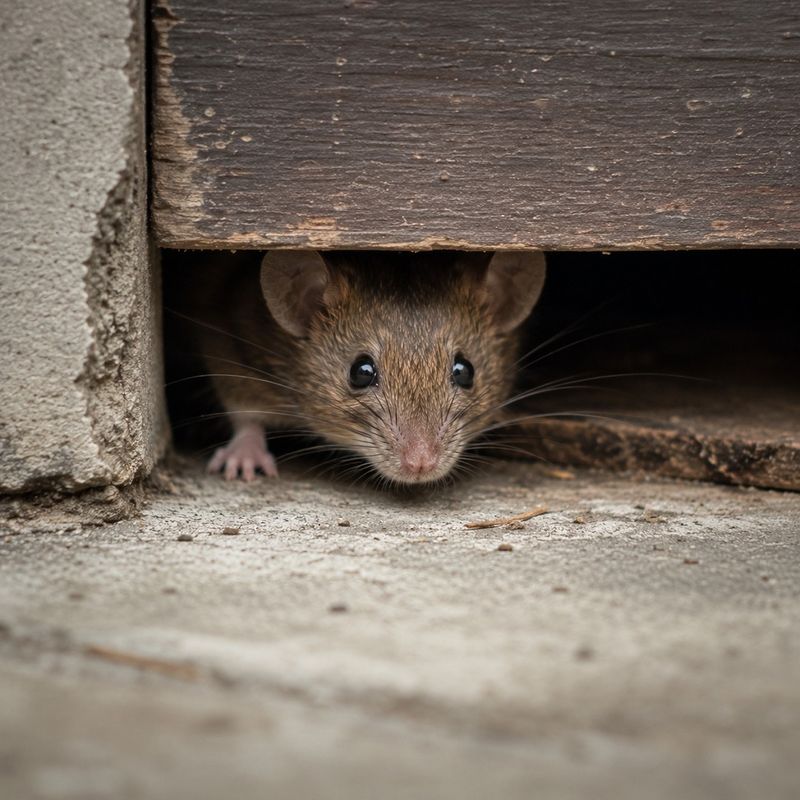
Mice and rats can squeeze through surprisingly small openings, so seal gaps around doors, pipes, vents, and other entry points.
House mice, Norway rats, and deer mice all seek shelter as nights turn cold. Attics, crawl spaces, and garages top their wish list.
Scratching sounds overhead at dusk, droppings behind the stove, and gnawed packaging are early clues. Greasy smudges along baseboards tell the same story.
Chewed wiring creates a genuine fire hazard, and shredded insulation raises your heating bill. Contaminated food is another serious concern.
They spread germs through droppings and urine, so cleanup calls for gloves and a mask. Use disinfectant spray rather than dry sweeping.
Sealing gaps with copper mesh, steel wool, and sealant blocks the routes they favor. Focus on pipe entries, dryer vents, and garage door corners.
Door sweeps on garage and basement doors close a surprisingly popular highway. Check the bottom corners, where daylight shows through.
Trimming branches back from the roof removes the bridge that squirrels and rats climb. Six feet of clearance is a reasonable target.
Snap traps set along walls with a dab of peanut butter still outperform most gadgets. Place several at once for quicker results.
Storing birdseed and pet food in metal bins removes a powerful outdoor attraction. Garages are the most overlooked feeding station.
Acting in early fall, before the first hard frost, spares you a long winter struggle. Prevention costs far less than repairs later.