These Are The Plants California Landlords Aren’t Allowed To Remove

California renters know the pain of finally making a place feel like home, only to hear a landlord wants the greenery gone. But not every plant is fair game.
Some landscaping may be tied to lease terms, local rules, disability needs, habitability, privacy, or tenant rights. That means a landlord may not always be able to rip things out just because they dislike the look.
The tricky part is knowing when a plant is protected and when removal is legally allowed. A sad potted plant is one thing.
A shade-providing, agreed-upon, or accessibility-related planting can be another story.
Before anyone starts digging, trimming, or sending tense texts, it helps to know where California law may draw the line. Your plants might have more backup than you think.
1. California Landlords Can’t Remove Every Plant Freely
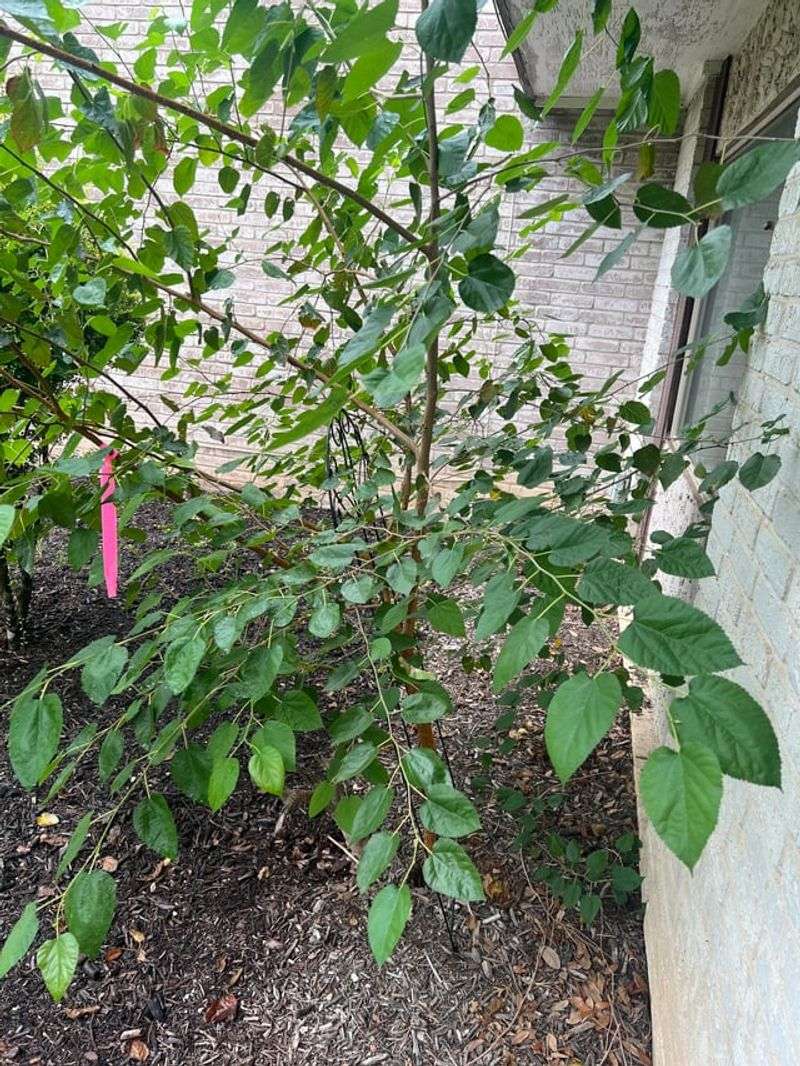
A lot of renters are surprised to find out that landlords have limits on what they can remove from a rental property.
Most people think the landlord owns everything on the land, so they can do whatever they want. That is not quite right.
California has a mix of local ordinances, state laws, and lease agreements that all work together to protect certain plants.
Some of those protections are strong enough that a landlord who removes a plant without permission could face legal consequences. That is a big deal.
For example, if a tenant planted a fruit tree with the landlord’s approval, removing it later without notice could be considered destruction of tenant property. Courts have sided with tenants in similar disputes.
It is not always black and white, but the law does give renters some real footing.
Landlords also have to think about local tree ordinances before touching any mature plant.
Many cities across our state have rules that protect trees above a certain size, regardless of who owns the property. Ignoring those rules can result in fines.
The smartest move for any renter is to document everything. Take photos of your garden when you move in and when you plant anything new.
Keep written records of any permission your landlord gives you. That paper trail can make all the difference if a dispute ever comes up.
2. Tenant Food Gardens Have Special Rules

Food gardens are not just a hobby for many renters. For some families, growing vegetables at home helps stretch a tight grocery budget. That makes protecting a food garden a serious matter.
California passed laws encouraging urban agriculture, and some of those laws give tenants the right to grow food on rental property.
Under California Civil Code Section 1940.10, landlords of residential properties with private yards must allow tenants to garden if the tenant follows reasonable rules.
That is a significant protection. It means a landlord cannot simply say no to a vegetable garden without a valid reason.
They can set guidelines about how the garden is maintained, but they cannot ban food growing outright in most cases.
However, the law does not give tenants unlimited freedom. The garden must be maintained in a clean and safe way.
Your California Garden Changes Every Week. Your Plan Should Too.
Gardening in California changes quickly throughout the season. Every Friday you’ll receive a simple weekly plan showing exactly what to plant, prune, fertilize, harvest, and protect so you never miss the right timing.
It should not block walkways, damage irrigation systems, or create hazards. Keeping the space tidy helps protect your rights.
If a landlord tries to remove your food garden without cause, that could be seen as interference with your right to use the property. Document everything and consult a tenant rights organization if needed.
Groups like the California Tenant Law Center offer free guidance. Growing your own food is a right worth knowing about and protecting actively.
3. Portable Vegetable Containers Are The Safest Case

When it comes to protecting your garden from landlord interference, portable containers are your best friend.
Plants grown in pots, buckets, or raised planters that are not attached to the ground are generally considered personal property. That changes everything.
Personal property belongs to the tenant, not the landlord. A landlord has no legal right to remove, relocate, or destroy items that belong to you.
If your tomatoes are growing in a large pot on the patio, that pot and everything in it is yours to take when you leave.
This is why many experienced renters in our state prefer container gardening. It gives you flexibility and legal protection at the same time.
You can grow herbs, peppers, lettuce, strawberries, and even dwarf fruit trees in containers without worrying about a landlord claiming ownership.
Of course, you still need to be reasonable. Do not block fire exits, damage flooring with water runoff, or create safety hazards.
A little common sense goes a long way in keeping the peace and protecting your rights.
If a dispute ever arises, having photos and receipts for your containers and plants makes your case much stronger. Keep records of everything you buy and plant.
Portable gardens are the most legally secure option for renters who want to grow food without conflict.
4. Approved Garden Beds May Be Protected Too
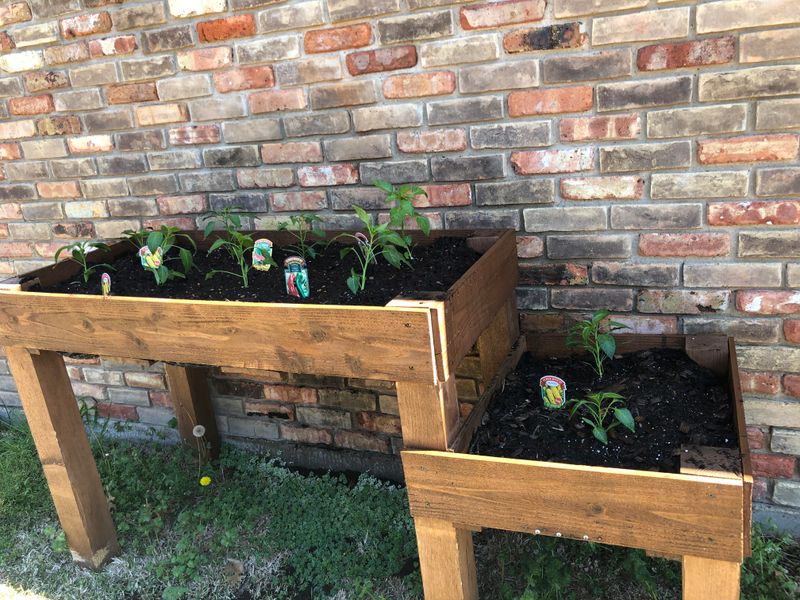
Getting written permission from your landlord before building a garden bed is one of the smartest things a renter can do.
Once a landlord approves a permanent or semi-permanent garden bed in writing, removing it becomes legally complicated for them.
Think of it this way. If your landlord agreed in writing that you could build a raised bed and plant it, they essentially accepted that improvement to the property.
Tearing it out later, especially if you are still a tenant in good standing, could be considered a breach of your rental agreement.
Some leases even include clauses that protect tenant improvements made with landlord approval. Always read your lease carefully.
If there is no clause about gardens, ask your landlord to add one before you start digging or building.
In northern regions, community garden culture is strong. Many landlords in cities like Oakland, Sacramento, and San Francisco have become more open to tenant gardens because they add value to the property.
That gives renters a bit more negotiating power. Always put approvals in writing, even if your landlord is friendly and says yes verbally. A text message or email works in a pinch.
The key is having something you can point to if the relationship changes later. Written permission protects both parties and keeps expectations clear from the start.
5. Protected Trees Need Local Permission First
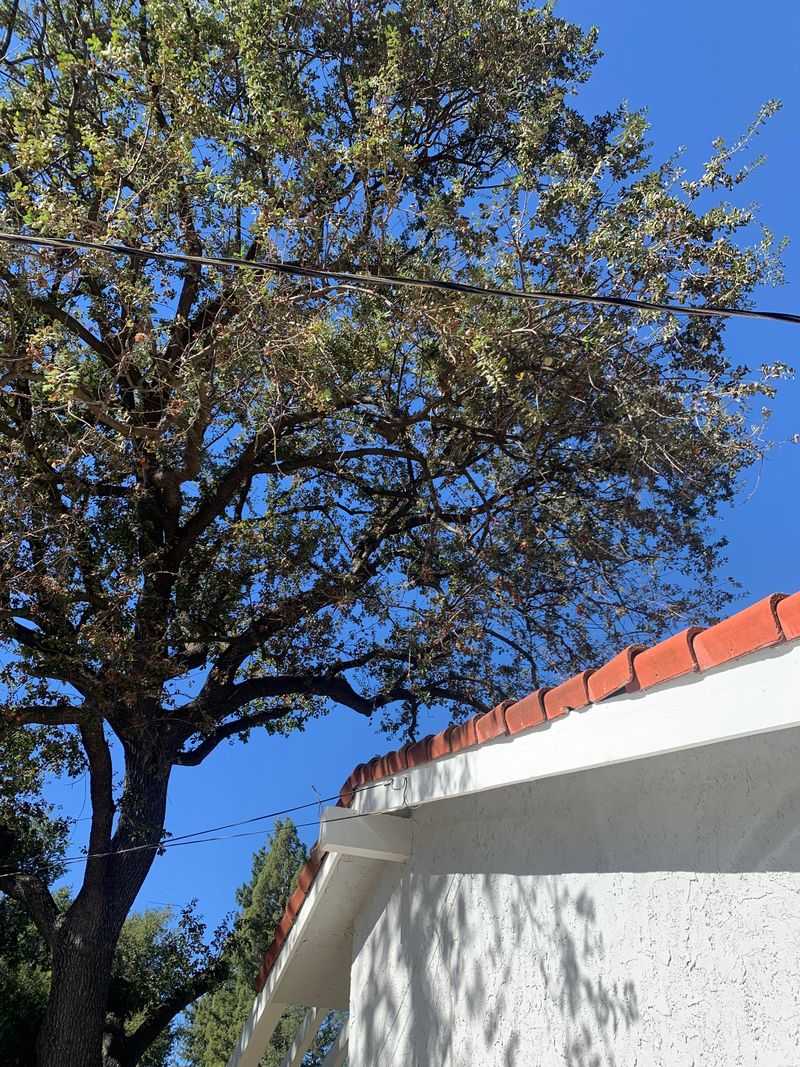
Not every tree on a rental property can be removed with a simple phone call and a chainsaw.
Many cities across our state have tree protection ordinances that require permits before any significant tree can be cut down or significantly trimmed.
These ordinances apply to the property owner, which means the landlord is responsible for following them.
Even if a landlord wants to remove a tree on their own rental property, they may still need city approval first. Skipping that step can result in heavy fines.
In many cases, tenants can actually report a landlord who removes a protected tree without a permit. Local planning or public works departments handle these complaints.
Some cities take illegal tree removal very seriously and have penalized property owners thousands of dollars.
If you notice a tree on your rental property being removed without any permits posted or city notices given, it is worth a quick call to your local planning department.
You do not need to be confrontational about it. Just ask if the removal was permitted.
Trees provide shade, reduce energy costs, and add real value to a neighborhood. That is why so many cities protect them.
As a renter, knowing that these protections exist gives you a way to speak up if something seems off. You have every right to ask questions and get answers about what is happening on your property.
6. Coast Live Oaks Often Come With City Rules
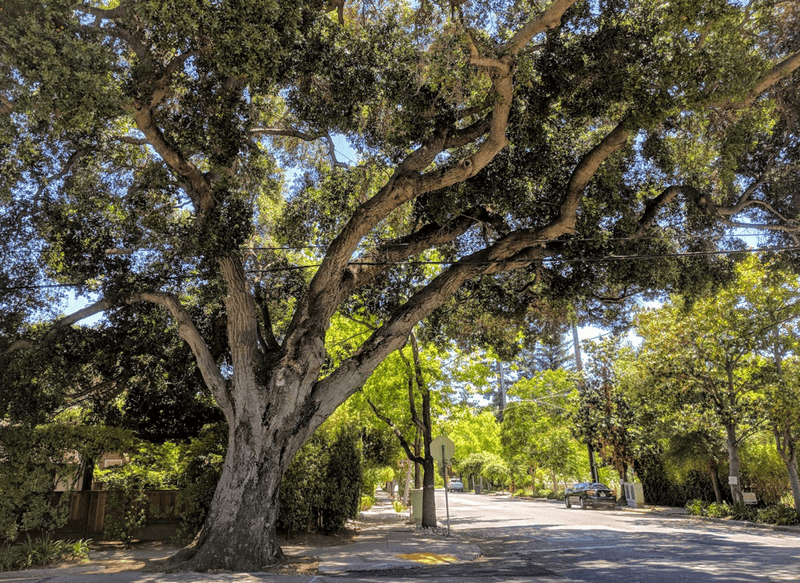
Few trees are as beloved as the coast live oak. These majestic trees can live for hundreds of years, and they support entire ecosystems of birds, insects, and other wildlife.
Many cities have decided they are worth protecting by law.
Cities like Los Angeles, San Jose, and Santa Barbara have specific ordinances that protect coast live oaks. In some areas, any oak with a trunk over a certain diameter cannot be removed without a permit.
Getting that permit is not easy and is sometimes denied entirely.
For landlords, this means that a coast live oak growing on a rental property is not simply theirs to remove.
Even if the tree drops acorns on the driveway or sheds leaves in the gutters, that is not enough reason to legally take it down.
Tenants who notice a landlord attempting to remove a coast live oak without proper permits should contact their city’s urban forestry or planning department right away. The process moves faster when someone reports it early, before the tree is already gone.
These oaks also have cultural significance in many California communities. Indigenous groups have relied on acorns from these trees for generations.
That history adds another layer of meaning to their protection. Knowing that a tree on your rental property might have centuries of history makes it worth standing up for when necessary.
7. Street Trees Are Not A Landlord Shortcut
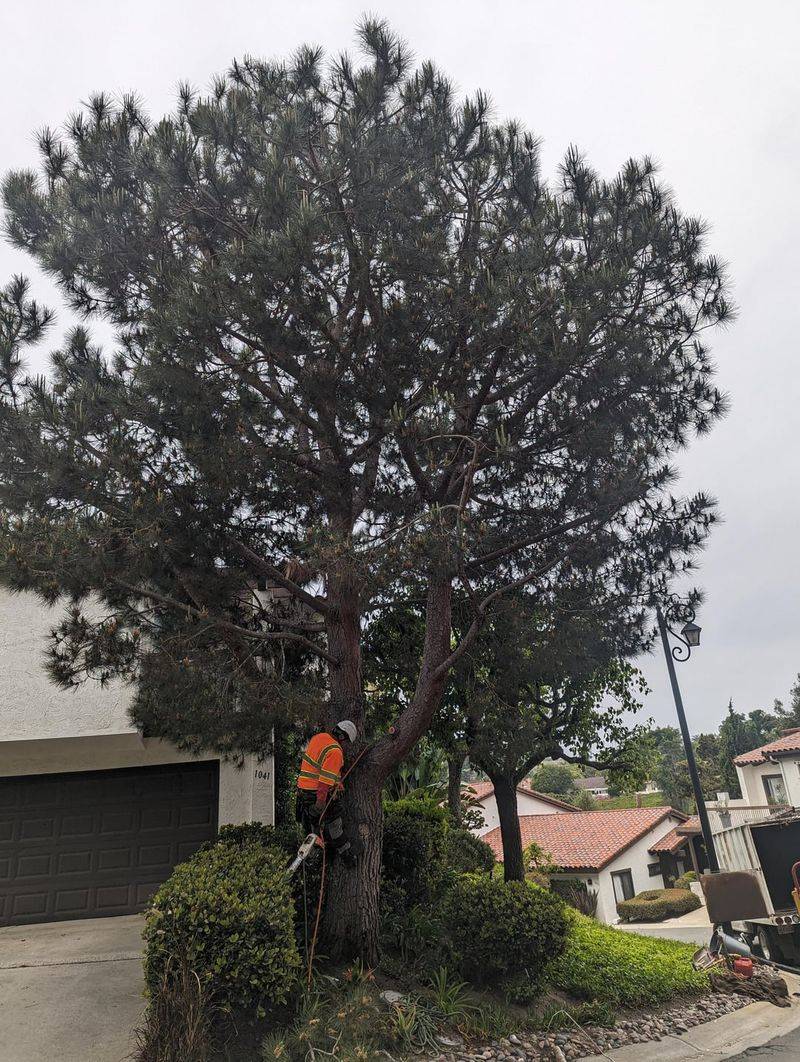
Street trees are a category all their own. These are the trees planted between the sidewalk and the street, often in a narrow strip of grass or dirt.
Many renters and even some landlords do not realize that street trees are almost never private property.
In most cities across California, street trees belong to the city, not the property owner next to them.
That means a landlord has absolutely no authority to remove, prune heavily, or damage a street tree without city permission. Doing so is often a criminal offense.
Some landlords try to remove street trees because they are dropping leaves, lifting sidewalks, or blocking views. But those complaints do not give anyone the right to take city property.
The city decides what happens to street trees, full stop.
Tenants who see a landlord or their hired crew cutting down a street tree should document it with photos and video right away.
Then report it to the city’s public works or urban forestry department. Cities take this seriously because street trees are expensive to plant and maintain.
Beyond the legal issues, street trees cool neighborhoods, reduce stormwater runoff, and improve air quality. Losing them has real consequences for everyone on the block.
As a renter, you share those benefits. Speaking up when a street tree is threatened is not just your right.
It is genuinely good for the whole community around you.
8. Heritage Trees Can Trigger Permit Problems
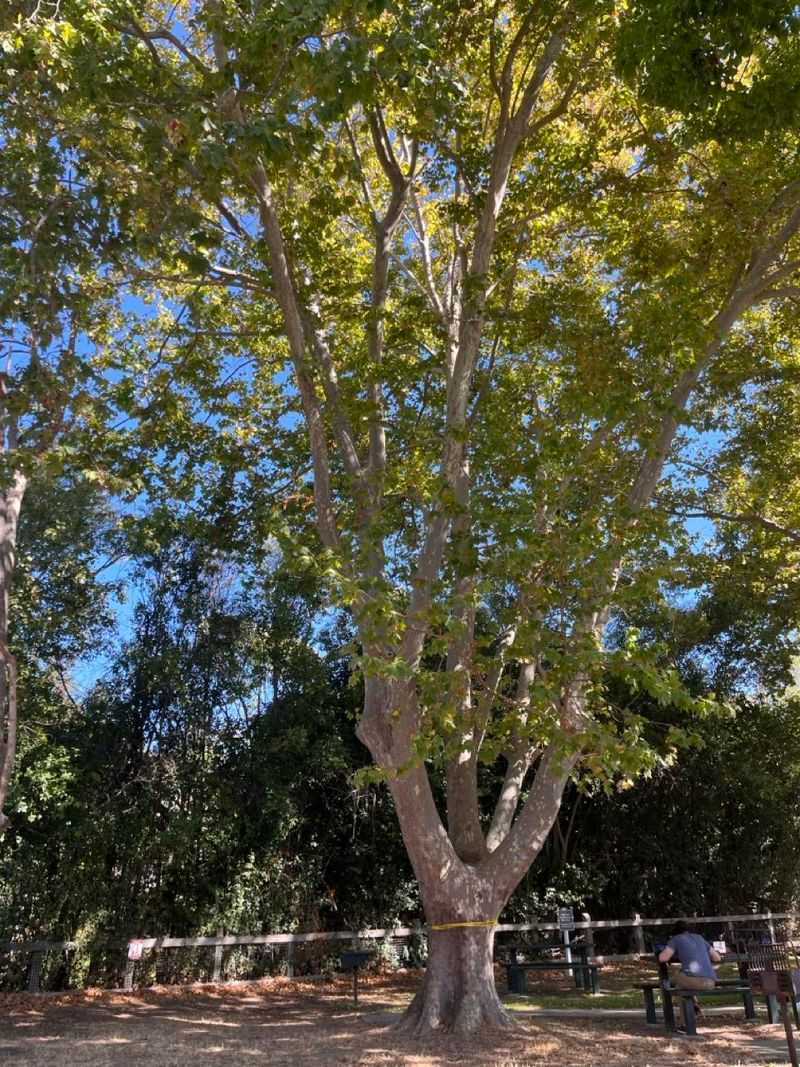
Heritage trees are the giants of the plant world when it comes to legal protection. These are trees that have been officially designated by a city or county as historically, ecologically, or culturally significant.
Once a tree gets that label, removing it becomes extremely difficult for anyone, including a landlord.
Many cities maintain official heritage tree lists. If a tree on your rental property appears on that list, your landlord likely cannot remove it without going through a lengthy public process.
That process often includes community input, environmental review, and city council approval.
Some landlords are not even aware their property contains a heritage tree. That is why tenants should do a quick search with their local planning department after moving in.
Knowing what is on the property protects everyone involved.
If a heritage tree is removed without the proper permits, the consequences can be severe. Fines can reach tens of thousands of dollars in some cities.
Replacement requirements can force a property owner to plant multiple new trees at their own expense. It is a serious legal situation.
Heritage trees also tend to be beautiful, old, and deeply rooted in the character of a neighborhood.
Residents in southern parts of California have rallied to save heritage trees from development many times over the years.
As a renter living near one of these trees, you are part of that ongoing story of protection and community pride.