The California Native Oak Disease Spreading Through Backyard Trees This Summer
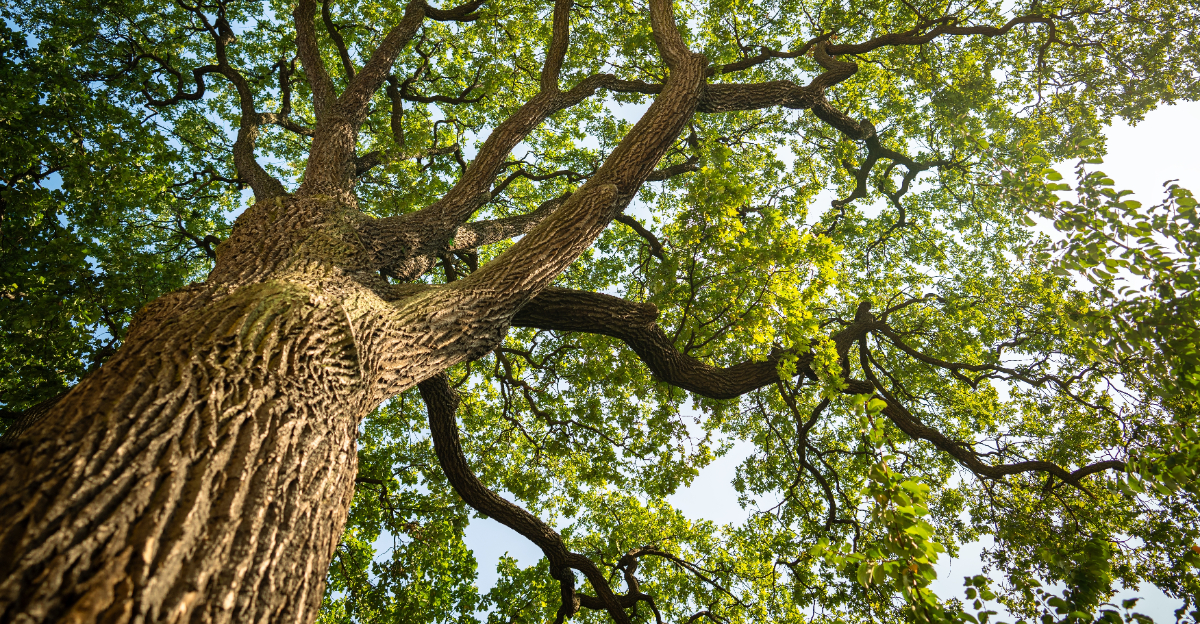
Something unsettling is happening to native oaks across California backyards this summer.
A tree that looked healthy in spring may suddenly seem dull, stressed, or strangely different, leaving homeowners wondering what changed so quickly.
Oak problems are easy to overlook at first because the early signs can blend into ordinary summer wear. Heat gets blamed.
Dry soil gets blamed. Sometimes the tree simply looks tired, and nobody thinks much of it until the damage becomes harder to ignore.
That is what makes this spreading disease so concerning. It can move quietly, and familiar yard care may not be enough to stop the problem once it takes hold.
Not exactly the kind of summer surprise anyone wants. A closer look can reveal when an oak needs attention.
Recognizing the warning signs early may give homeowners a better chance to protect one of the most valuable trees in the yard.
1. This Is The Disease You Should Know
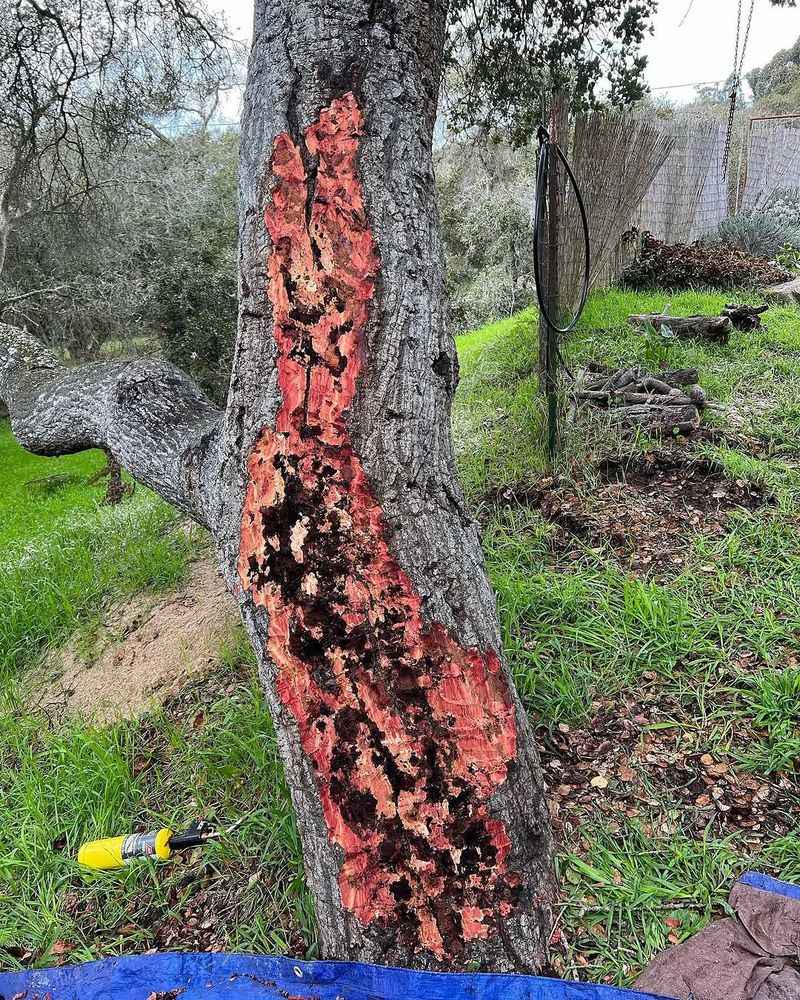
Back in the late 1990s, foresters in Northern California started noticing something deeply troubling. Healthy-looking oak trees were suddenly showing dark, weeping patches on their bark and then declining rapidly.
The culprit turned out to be Phytophthora ramorum, a water mold that behaves like a fungus but is actually more closely related to algae.
Most people call the disease it causes Sudden Oak Decline, or SOD. The name fits because affected trees can go from looking fine to severely damaged within a single growing season.
That speed makes early detection especially important for anyone with native oaks on their property.
Phytophthora ramorum spreads through water, including rain splash, runoff, and even fog drip in coastal areas. It can also travel on contaminated soil, plant material, and tools that have not been properly cleaned.
Nursery plants have even played a role in spreading it to new regions far from the original outbreak zones.
One thing that makes this pathogen so tricky is that it infects dozens of plant species without always causing visible harm. Some plants act as carriers, spreading the spores to nearby oaks without showing obvious symptoms themselves.
Knowing which plants carry the pathogen is just as important as knowing what symptoms to look for on your oak trees.
2. Coastal California Oaks Face The Highest Risk
Fog, mild temperatures, and wet winters create perfect conditions for Phytophthora ramorum to thrive.
That is exactly why oaks growing in coastal and near-coastal regions of California face the greatest threat from this disease.
The areas hardest hit include counties like Marin, Sonoma, Santa Cruz, Monterey, and Humboldt.
In these regions, the pathogen has had decades to establish itself in the soil and surrounding plant communities. Once it is in an area, it is nearly impossible to fully remove.
Land managers and homeowners in these zones need to be especially watchful during and after rainy seasons.
Oaks growing in drier inland areas have some natural protection because the pathogen needs moisture to produce and spread its spores.
However, climate patterns are shifting, and some inland regions are now experiencing wetter springs that create windows of vulnerability.
Your California Garden Changes Every Week. Your Plan Should Too.
Gardening in California changes quickly throughout the season. Every Friday you’ll receive a simple weekly plan showing exactly what to plant, prune, fertilize, harvest, and protect so you never miss the right timing.
That is expanding the zones where the disease can cause serious problems.
If you live within a few miles of the coast or in a valley that regularly catches marine fog, your oak trees are at elevated risk. It is worth checking with your local county agricultural commissioner or a certified arborist to find out if Phytophthora ramorum has been confirmed in your immediate area.
Early awareness is one of the most powerful tools you have.
3. Bay Laurel Can Help The Pathogen Spread
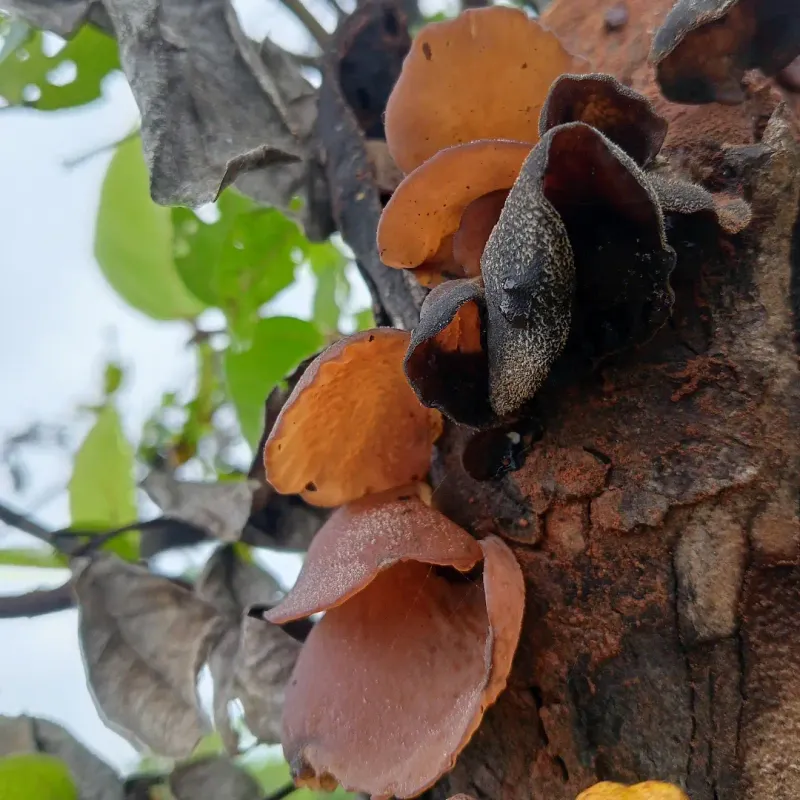
Here is something that surprises a lot of people: California bay laurel trees are one of the biggest spreaders of Phytophthora ramorum, even though they rarely show serious damage themselves. The bay laurel acts as what scientists call a foliar host.
It gets infected on its leaves, produces massive numbers of spores, and then sheds those spores into the surrounding environment.
Rain hitting infected bay laurel leaves can splash spores onto nearby oak bark. Wind-driven fog and mist can carry spores short distances too.
Because bay laurels and oaks often grow side by side in our native woodlands, the combination creates a high-risk situation for the oaks every time moisture is present.
Removing bay laurels near valued oak trees is one management strategy some property owners choose.
Studies have shown that reducing the number of bay laurels within a certain radius of oaks can lower infection rates.
However, bay laurel removal is a significant decision because the tree is an important part of native ecosystems.
Before removing any bay laurels, talk to a certified arborist or your local UC Cooperative Extension office. They can help you weigh the risks and benefits based on your specific property.
Sometimes targeted pruning or spacing adjustments can help reduce spore exposure without requiring full removal of the nearby trees.
4. Bleeding Bark Is A Major Warning Sign
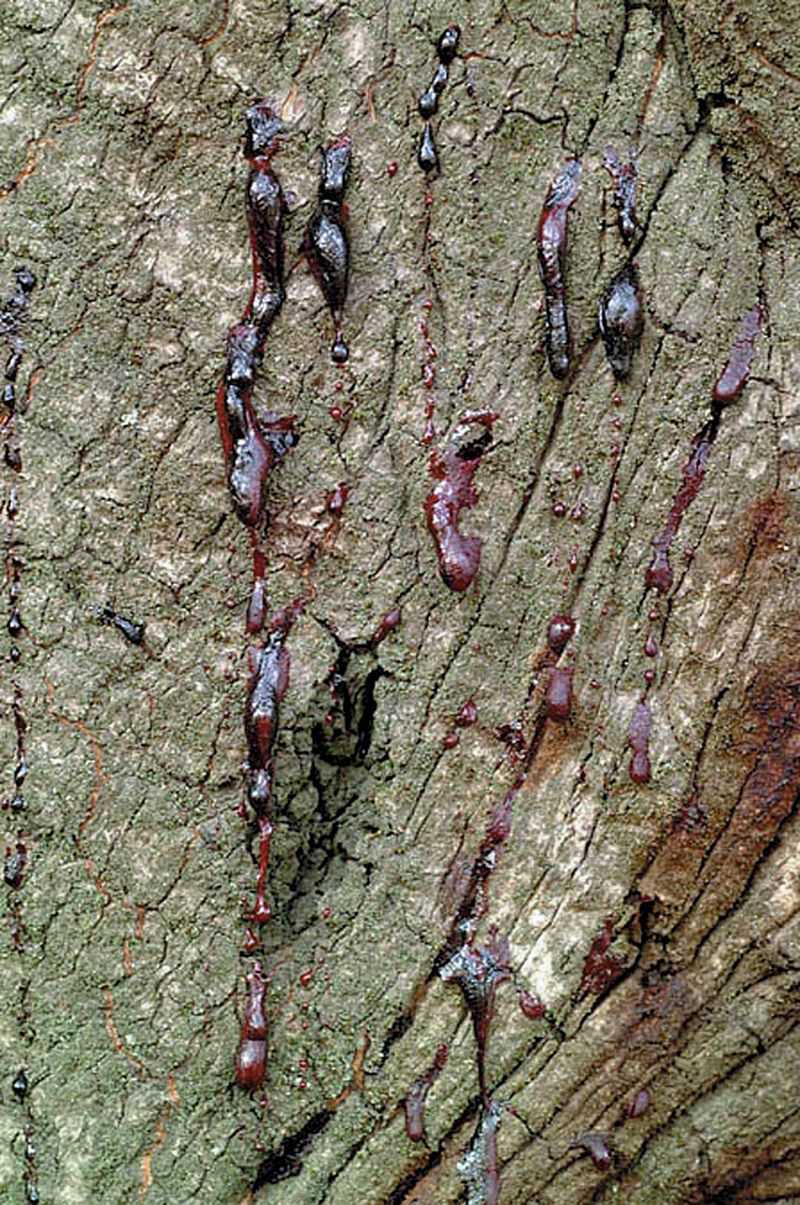
One of the most visible and alarming symptoms of Sudden Oak Decline is what tree experts call a bleeding canker. It shows up as a dark, wet-looking patch on the lower trunk of the tree.
The discoloration often looks reddish-brown or nearly black, and the bark may feel soft or spongy when pressed gently.
Beneath that outer bark, the inner wood tissue is being destroyed by the pathogen. As the tissue breaks down, a dark liquid seeps through the bark and runs down the trunk.
That weeping or bleeding appearance is how the symptom got its name, and it is one of the clearest visual clues that something serious is going on.
Not all bark discoloration means Sudden Oak Decline, but bleeding cankers that appear on the lower trunk, especially between late winter and early summer, deserve close attention. The canker may smell slightly sour or fermented as the tissue decomposes underneath.
Insects like bark beetles are often attracted to already-weakened trees, which can speed up the decline.
If you spot this symptom on your oak, do not try to scrape or cut into the bark yourself. That can spread the pathogen further.
Instead, take clear photos and contact a certified arborist or your local county agricultural office as soon as possible. Getting a proper diagnosis is the right first step.
5. Tanoaks And Coast Live Oaks Are Especially Vulnerable
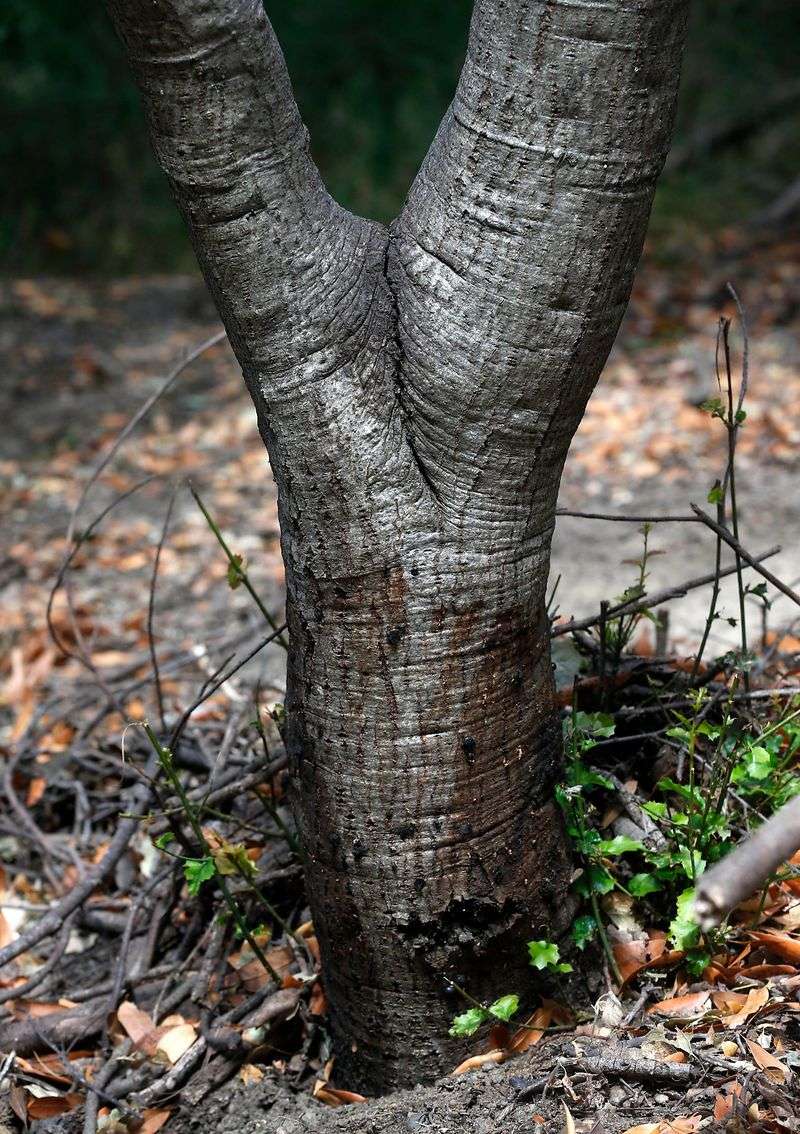
Not all oaks respond to Phytophthora ramorum the same way. Tanoaks, which are technically not true oaks but are closely related, are among the most severely affected trees in the entire outbreak.
They can decline rapidly once infected, and they have been lost by the millions across Northern California and southern Oregon over the past few decades.
Coast live oaks are also highly vulnerable. These iconic trees with their rounded canopies and dark evergreen leaves are a defining feature of the landscape in many coastal counties.
Losing them changes the entire character of the environment and removes critical habitat for birds, insects, and other wildlife.
What makes tanoaks particularly concerning is that they can develop both the bark canker form of the disease and a leaf blight form. That means the pathogen can affect the tree from multiple angles at once.
Coast live oaks typically show the bleeding canker form, which attacks the vascular tissue and disrupts the tree’s ability to move water and nutrients.
Other oak species like valley oak and blue oak appear to be less susceptible, though they are not fully immune.
If you are not sure which type of oak you have in your yard, a local arborist or native plant nursery can help with identification.
Knowing your tree species helps you understand how much risk it faces from this disease.
6. Summer Symptoms May Trace Back To Spring Rain
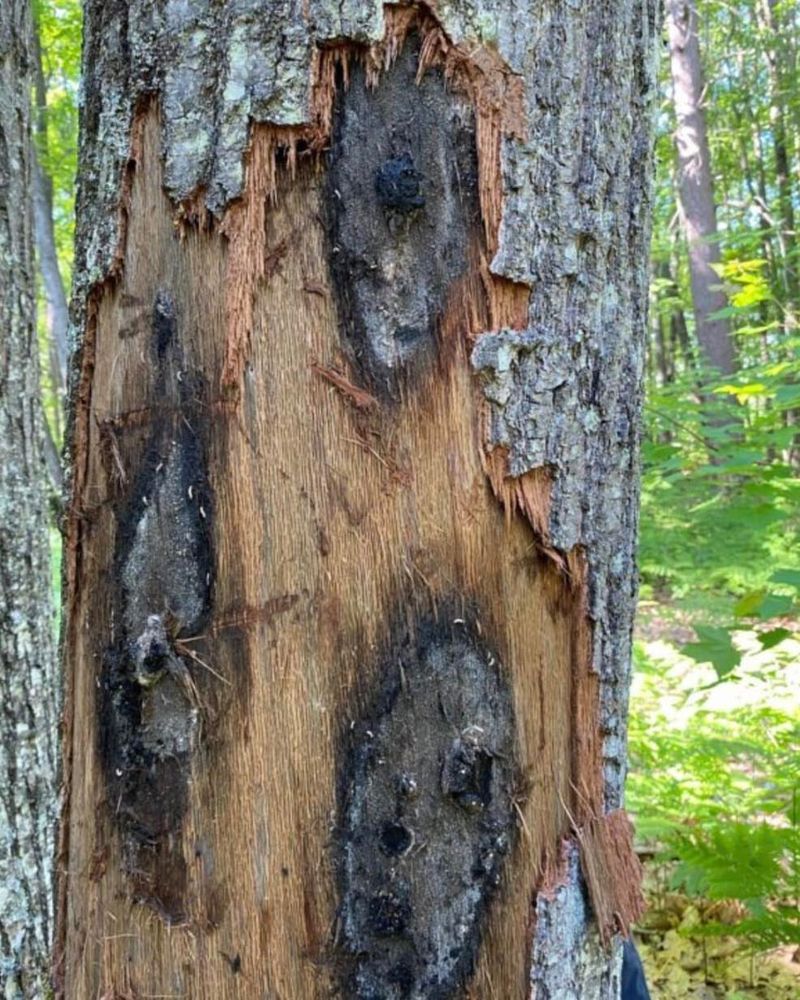
Timing matters a lot when it comes to SOD. Many homeowners first notice problems with their oak trees during the dry summer months, when leaves may look scorched, brown, or thinned out.
But what they are seeing in July or August often started months earlier, during the wet spring season.
Phytophthora ramorum produces its spores most actively during cool, moist weather. A rainy March or April creates ideal conditions for the pathogen to infect bark tissue and begin breaking it down.
By the time summer heat arrives and the tree starts showing canopy stress, the infection has already been working quietly underground and inside the bark for weeks.
This delay between infection and visible symptoms makes early detection tricky. A tree that looks perfectly healthy in spring may show alarming signs of stress by midsummer.
That lag time is one reason why regular tree inspections are so valuable, especially in areas where the disease is known to be present.
If your oak tree suddenly looks worse than usual after a wet spring, do not assume it is just heat stress or drought. Check the lower trunk carefully for any dark, wet-looking patches or unusual bark changes.
A combination of canopy decline and trunk symptoms together is a strong signal that Phytophthora ramorum may be involved and worth investigating further.
7. Not Every Sick Oak Has This Disease
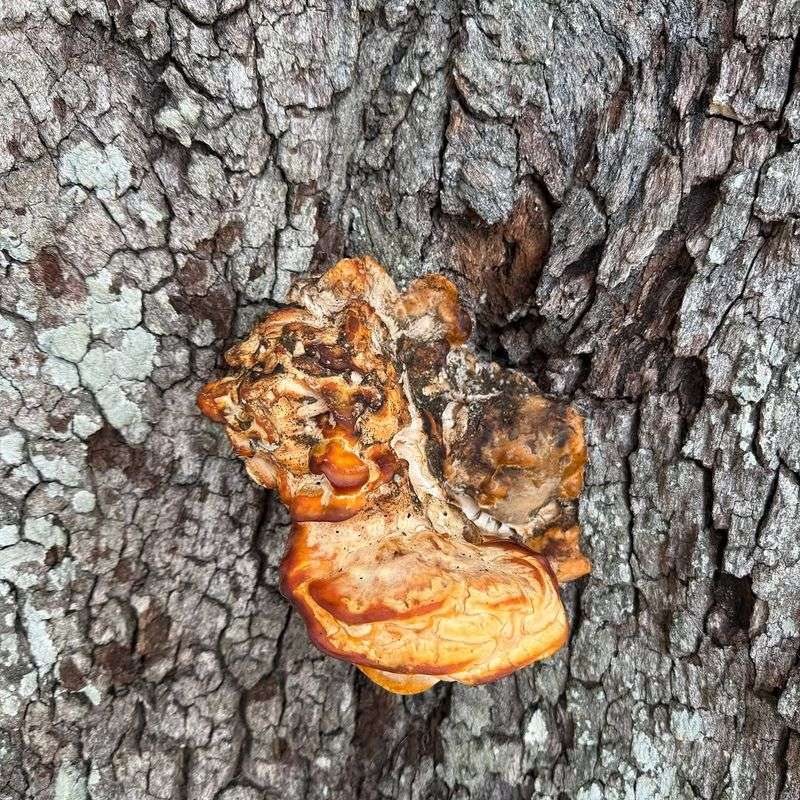
Seeing your oak tree struggle can be alarming, but it is worth knowing that SOD is not the only thing that can make an oak look sick.
Several other diseases and conditions can cause bark damage, canopy thinning, and branch withering that look similar to Phytophthora ramorum infection.
Jumping to conclusions without a proper diagnosis can lead to unnecessary stress or the wrong response.
Armillaria root rot is one common oak disease caused by a fungus that attacks roots and lower trunk tissue. It produces white, fan-shaped mats under the bark and often causes mushrooms to appear at the base of the tree in fall.
Oak root fungus has been around for a very long time and affects many tree species across California.
Boring insects, including various bark beetles, can also cause significant damage that mimics disease symptoms. These insects typically target already-stressed trees, so their presence often signals an underlying problem rather than being the main cause.
Gall formations, bacterial infections, and even physical injuries from lawn equipment can also create bark damage that looks alarming.
Getting a proper laboratory test is the only way to confirm Phytophthora ramorum. Your local UC Cooperative Extension office or a certified arborist can collect samples and send them to a diagnostic lab.
Accurate diagnosis saves time, money, and effort by pointing you toward the right solution for your specific situation.
8. Drought Stress Can Look Similar
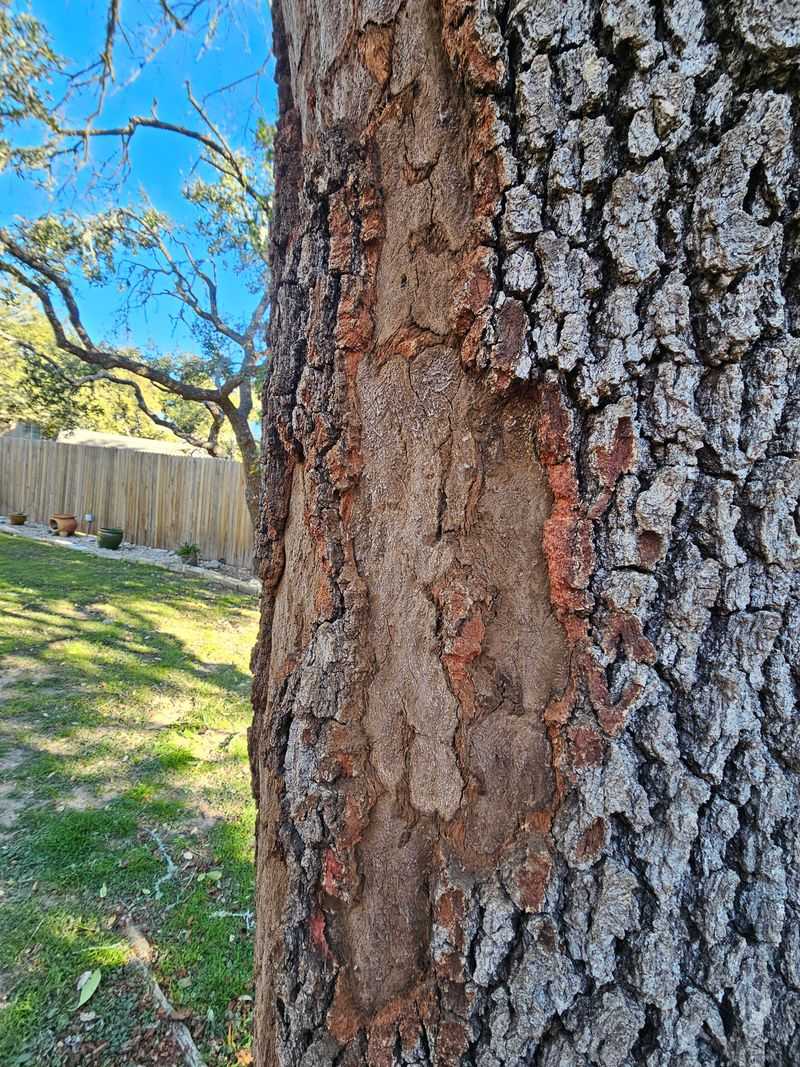
Water stress is one of the most common reasons oak trees look unhealthy in California, especially during long dry summers.
Drought-stressed oaks often develop brown leaf edges, early leaf drop, and thinning canopies that can look a lot like the canopy symptoms of Sudden Oak Decline.
That visual overlap trips up even experienced gardeners and homeowners.
The key difference lies in the trunk. Drought stress does not cause bleeding cankers or dark, wet patches on the bark.
If your oak looks stressed but the lower trunk and main branches appear clean and normal, drought is a much more likely explanation than Phytophthora ramorum. Checking the bark carefully is always a smart first step.
Prolonged drought also weakens trees and makes them less able to fight off infections of all kinds.
A tree that has been struggling through several dry years is more vulnerable to bark beetles, fungal pathogens, and other stressors.
So while drought itself may not look exactly like SOD, it can open the door for secondary problems that worsen the overall picture.
Deep, infrequent watering during dry months can help established oaks stay resilient. Avoid watering directly against the trunk, which can create conditions that favor root and bark pathogens.
A thick layer of wood chip mulch spread a few feet from the trunk helps retain soil moisture and keeps roots cooler during hot summer stretches.