The Secret To Keeping California Salvia Blooming All Summer Long
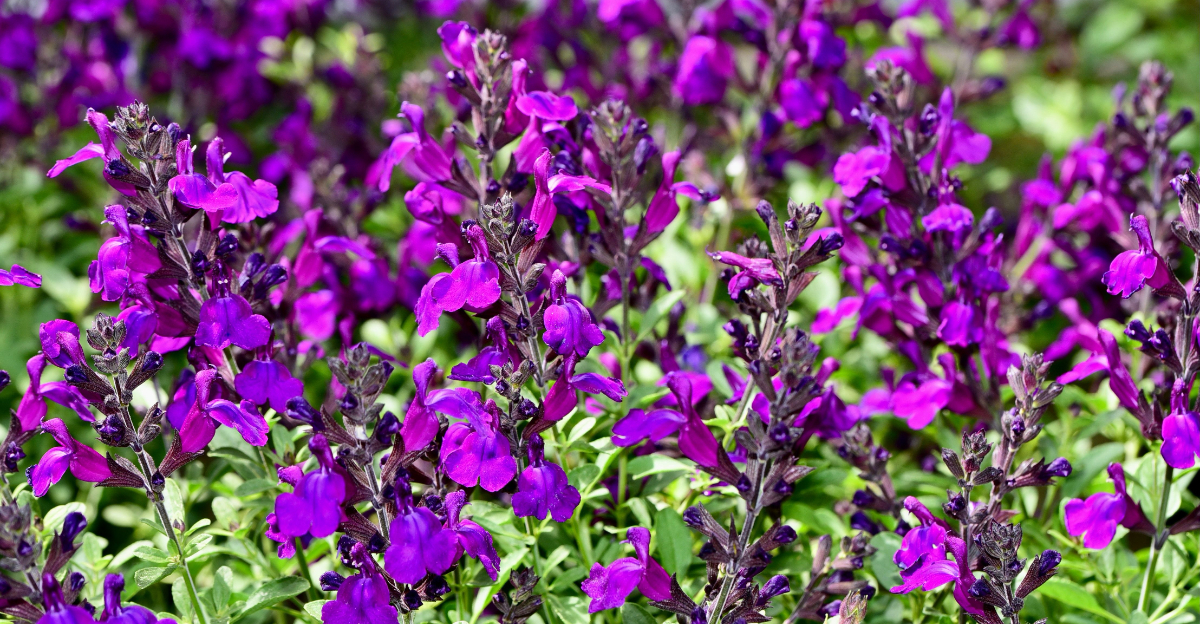
Salvia can steal the show in a summer garden when it gets the care it likes. Bright spikes, buzzing pollinators, and steady color make it one of California’s most useful perennials.
Still, those blooms can slow down fast if the plant gets too leggy, too thirsty, or too comfortable. Salvia performs best with plenty of sun, sharp drainage, and a little grooming at the right time.
The biggest trick is cutting back faded flower stems before the plant wastes energy on seed. That one habit can push fresh growth and keep new blooms coming.
Water deeply, skip heavy feeding, and give each plant enough air around its stems. Once you understand its rhythm, salvia becomes much easier to manage.
A few smart moves now can turn a short bloom window into a long summer display packed with color.
1. Give Salvia The Sun It Needs To Keep Flowering
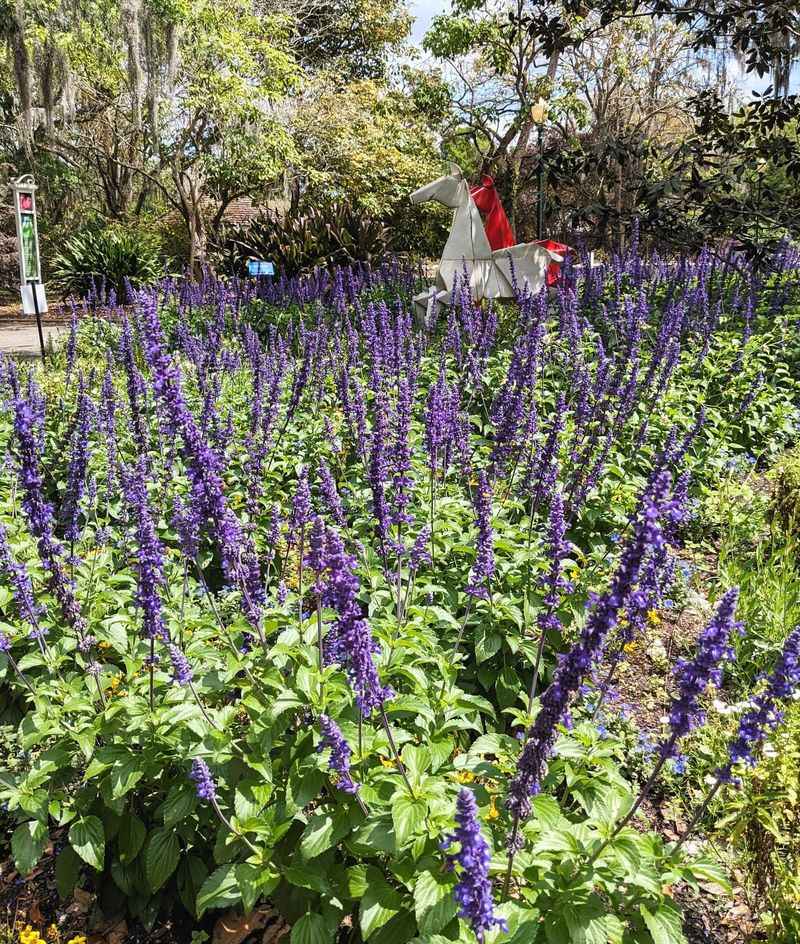
Sunlight is everything when it comes to salvia blooming well. Without enough of it, the plant puts its energy into growing leaves instead of flowers.
That means fewer spikes, shorter bloom periods, and a plant that just looks tired.
Salvia needs at least six hours of direct sun every day to perform at its best. Eight hours is even better.
In our state, that is usually easy to achieve from late spring through early fall. The long, bright days are actually one of the reasons salvia thrives here so well.
If your salvia is planted in a spot that gets afternoon shade, it may still grow, but it will not bloom as heavily or as long as one planted in full sun.
Moving a struggling plant to a sunnier spot can turn things around quickly. You will often see new flower spikes appear within just a couple of weeks.
Container-grown salvia has an advantage here because you can move the pot to follow the sun. Just make sure the pot is big enough to hold the roots comfortably.
A crowded root system will also slow down flowering, no matter how much sun the plant gets.
Choosing the right planting spot from the beginning saves a lot of effort later. Look for areas with open sky, away from trees or structures that block sunlight during the key midday hours.
2. Deadhead Spent Spikes Before The Plant Goes To Seed
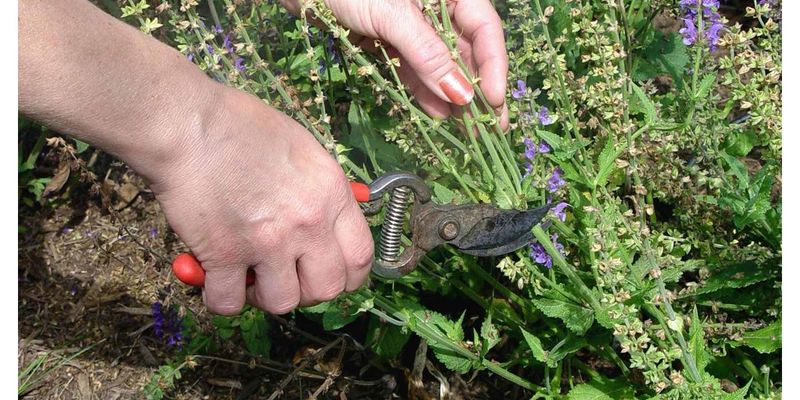
One of the fastest ways to keep salvia blooming longer is also one of the simplest. Removing old flower spikes before they go to seed tells the plant to keep producing new ones.
When salvia sets seed, it thinks its job is done for the season.
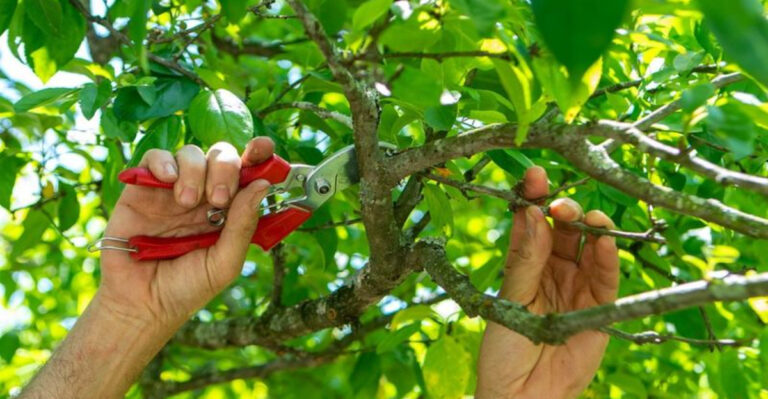
Deadheading is the gardening term for cutting off spent blooms. For salvia, you want to snip the flower spike back to just above a set of healthy leaves.
This encourages a fresh spike to grow from that same stem within a week or two.
You do not need fancy tools for this task. A pair of clean scissors or small hand pruners works perfectly.
Try to deadhead every one to two weeks during the main blooming season. The more often you do it, the more flowers you will get.
Your California Garden Changes Every Week. Your Plan Should Too.
Gardening in California changes quickly throughout the season. Every Friday you’ll receive a simple weekly plan showing exactly what to plant, prune, fertilize, harvest, and protect so you never miss the right timing.
Some gardeners skip deadheading because they think the old spikes look fine. But those brown, dried-out stalks are actually pulling resources away from new growth.
Removing them redirects the plant’s energy exactly where you want it to go.
Birds do enjoy salvia seeds, so if wildlife is important to you, consider leaving a few spikes at the end of summer.
But through June, July, and August, staying on top of deadheading is one of the best things you can do to extend the bloom season well into fall.
3. Shear Lightly After The First Big Bloom Flush
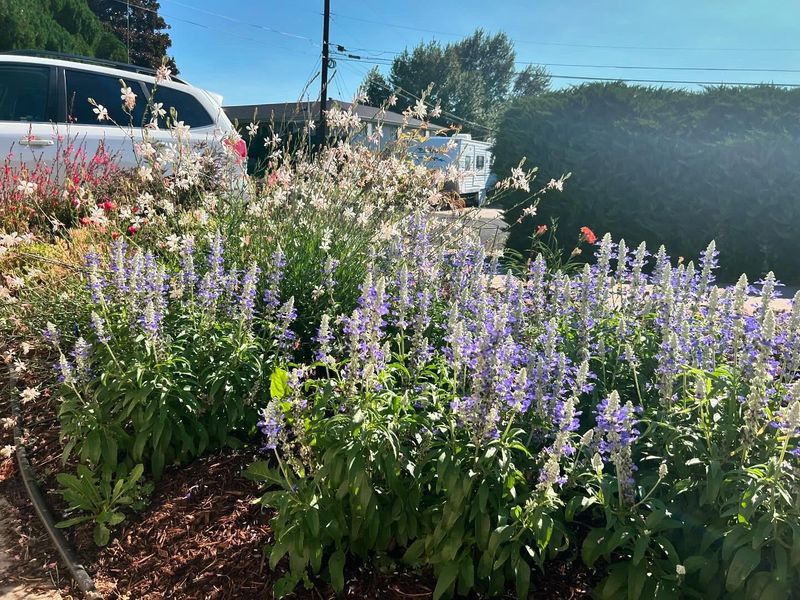
After salvia’s first big wave of blooms fades in late spring or early summer, many gardeners make the mistake of doing nothing.
The plant looks a little ragged, but it seems okay, so they leave it alone. That is actually when a light shearing makes the biggest difference.
Cutting the whole plant back by about one-third after the first bloom flush encourages a fresh round of growth.
New stems push out from the base and sides, and those new stems are exactly where the next wave of flower spikes will form.
Without this trim, salvia can get woody and stop producing as many blooms.
Use a pair of clean, sharp hedge shears or hand pruners for this job. Cut back the stems evenly so the plant has a tidy, rounded shape.
Do not worry about being too precise. Salvia is forgiving and bounces back quickly in warm weather.
After shearing, give the plant a good deep watering. This helps it recover and push out new growth faster.
You should start seeing fresh green shoots within a week or two, depending on the weather. Think of this mid-season shearing as a reset button for your plant.
It may look a little bare for a short time, but the reward is a second flush of blooms that can carry the plant all the way through September and even into October in warmer parts of our state.
4. Don’t Overwater Once Salvia Is Established
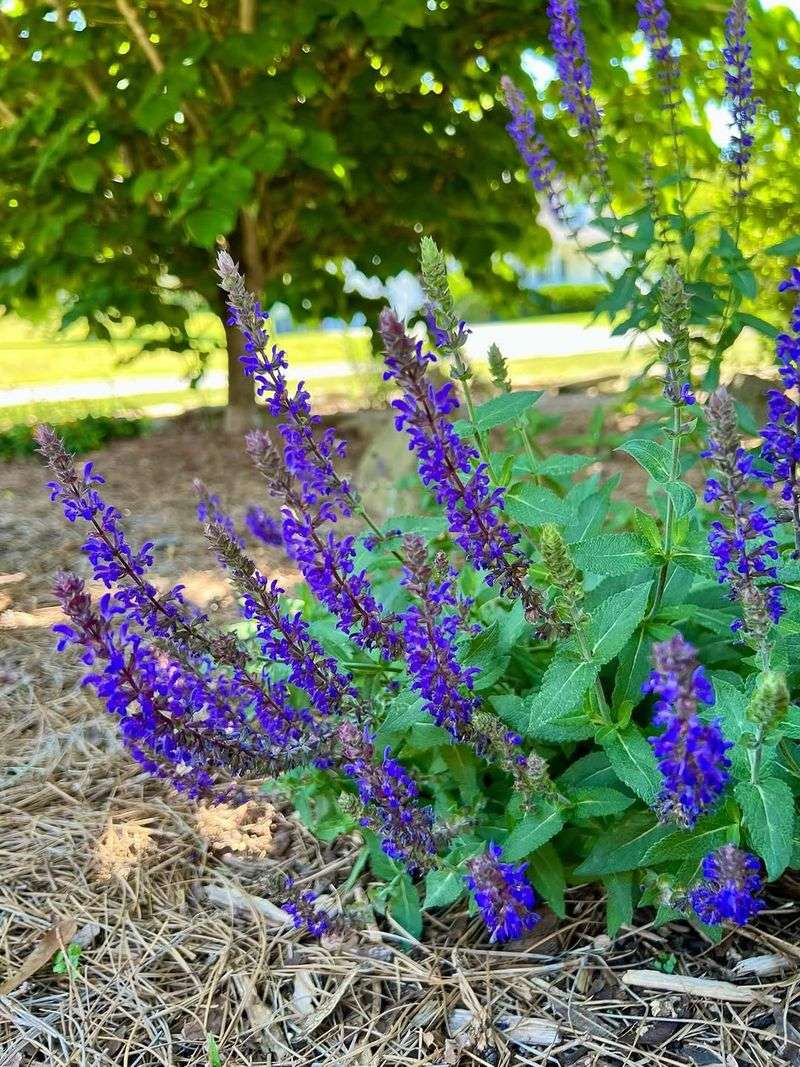
Here is something that surprises a lot of new gardeners: salvia actually prefers to be a little dry.
Overwatering is one of the most common reasons this plant stops blooming or develops root problems.
Once it is settled in the ground, it does not need nearly as much water as you might think.
During the first few weeks after planting, regular watering helps the roots get established. But once the plant has been in the ground for four to six weeks, you can pull back significantly.
In most parts of our state, established salvia does well with deep watering once or twice a week during summer heat.
The key word here is deep. A slow, thorough soak is much better than a quick daily sprinkle.
Deep watering encourages roots to grow down into the soil, which makes the plant more drought-tolerant over time. Shallow watering keeps roots near the surface where they are more vulnerable to heat.
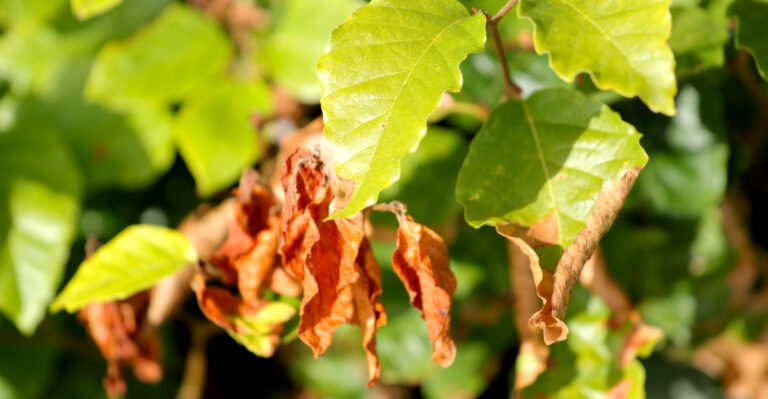
Soggy soil is a real problem for salvia. It can lead to root rot, which shows up as yellowing leaves and a sudden drop in blooms.
If your soil holds water for a long time after rain or irrigation, consider amending it with sand or gravel to improve drainage.
Raised beds and slopes are naturally great spots for salvia because water drains away quickly.
If you are growing in flat ground with clay-heavy soil, pay extra attention to how long the soil stays wet after watering.
5. Skip Heavy Fertilizer That Pushes Leaves Over Flowers
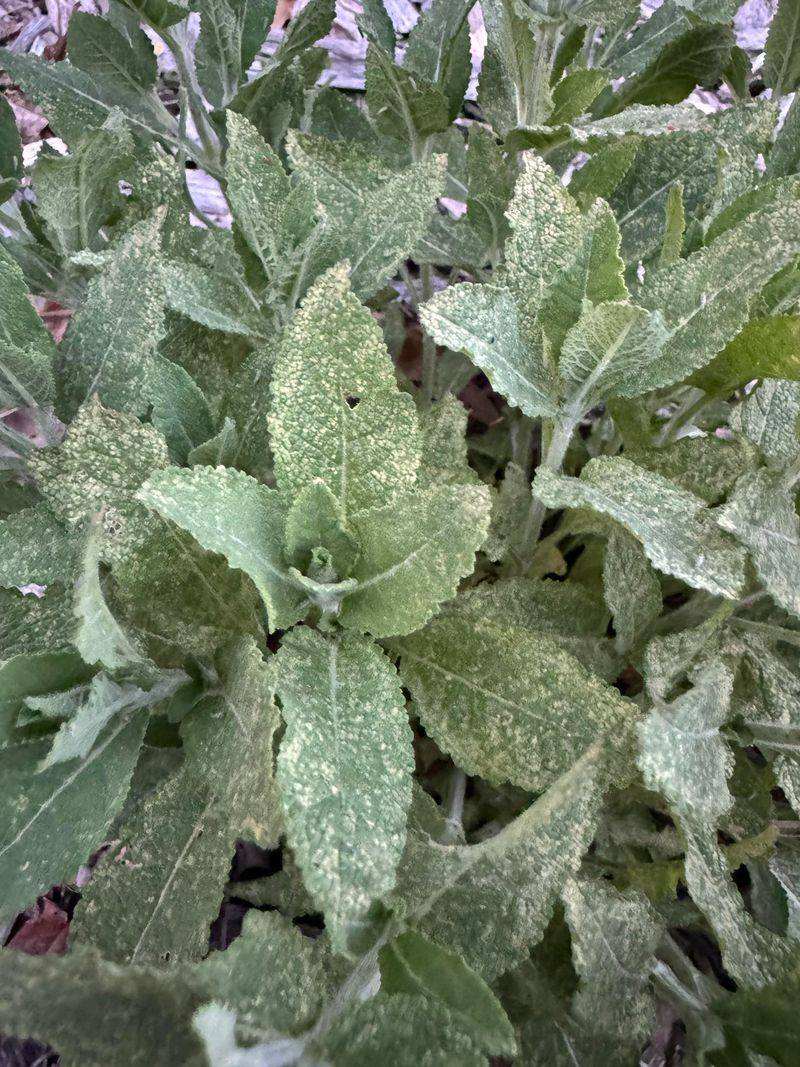
Fertilizer seems like an obvious way to help any plant grow better. But with salvia, too much of it, especially the nitrogen-heavy kind, can actually work against you.
High-nitrogen fertilizers push the plant to grow lots of big, dark green leaves while producing very few flowers.
Nitrogen is the first number on any fertilizer bag. It is great for lawns and leafy vegetables, but salvia does not need a lot of it.
What you want instead is a fertilizer with a higher middle or last number, which represents phosphorus and potassium. Both of those nutrients support flowering and root health.
A slow-release granular fertilizer applied once at the start of the growing season is usually enough.
Some gardeners skip fertilizer altogether and rely on healthy, well-draining soil to feed their plants naturally.
In our state’s mild climate, salvia often does just fine without extra feeding.
If you want to give your salvia a little boost mid-summer, try a diluted liquid fertilizer with a low nitrogen ratio. Apply it every three to four weeks, not every week.
Over-feeding stresses the plant and can actually slow down bloom production.
Compost is a gentler option that many experienced gardeners prefer.
Work a thin layer of compost into the soil around the plant for balanced nutrition without pushing too much leafy growth.
6. Trim Leggy Growth To Wake Up New Buds
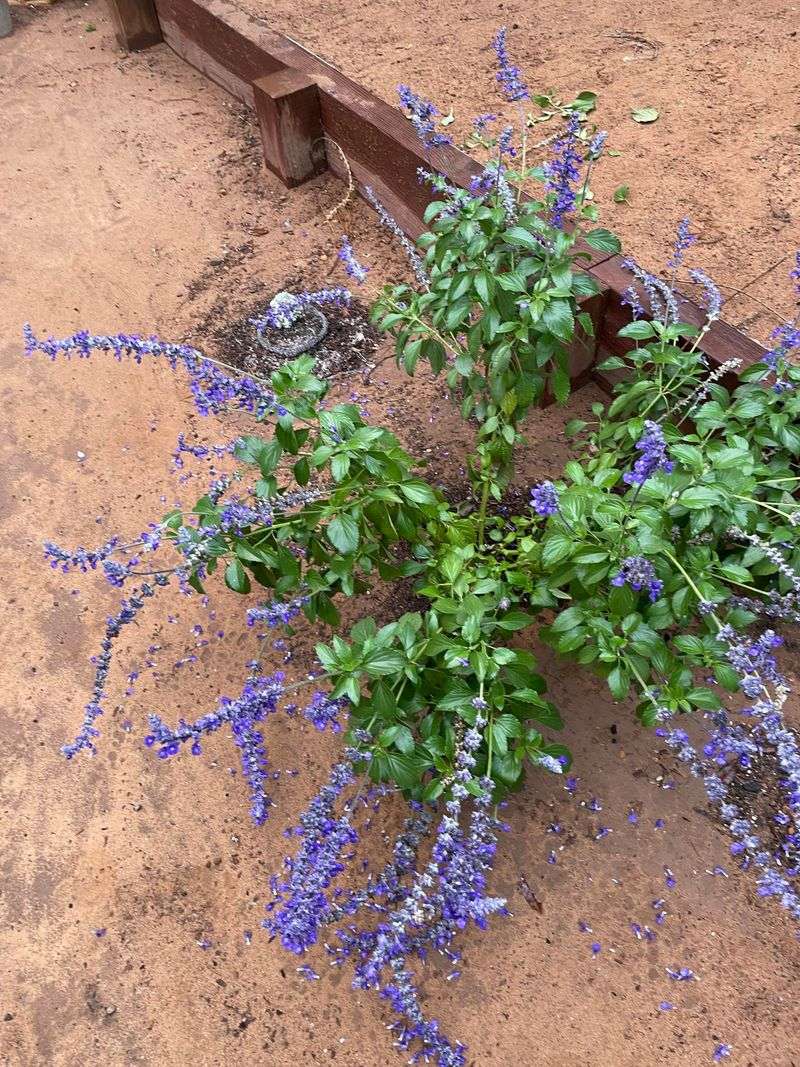
By midsummer, salvia can start to look a little stretched out and floppy. Long, thin stems that flop over or grow in awkward directions are a sign that the plant is getting leggy.
This usually happens when the plant has been blooming hard for a while without a proper trim.
Leggy growth is not just a cosmetic problem. Those long stems have fewer nodes where new buds can form.
Cutting them back wakes up the plant and forces it to branch out, which creates more spots for flower spikes to develop.
You do not need to do a full shearing for leggy stems. Instead, identify the longest, most stretched-out stems and cut them back by half.
Make your cut just above a leaf node, which is the spot where a leaf meets the stem. New growth will sprout from that point.
Do this on a mild day rather than during a heat wave. Trimming during extreme heat can stress the plant more than usual.
Early morning is the best time because the plant is well-rested and the soil still holds some overnight moisture.
After trimming, the plant may look a bit uneven for a week or so. That is completely normal.
Within ten to fourteen days, you should see fresh, compact growth pushing out from the cut points.
Those new branches are where your next round of blooms will come from, making this one of the most rewarding quick fixes in the garden.
7. Watch For Heat Stress In Pots And Reflected Sun
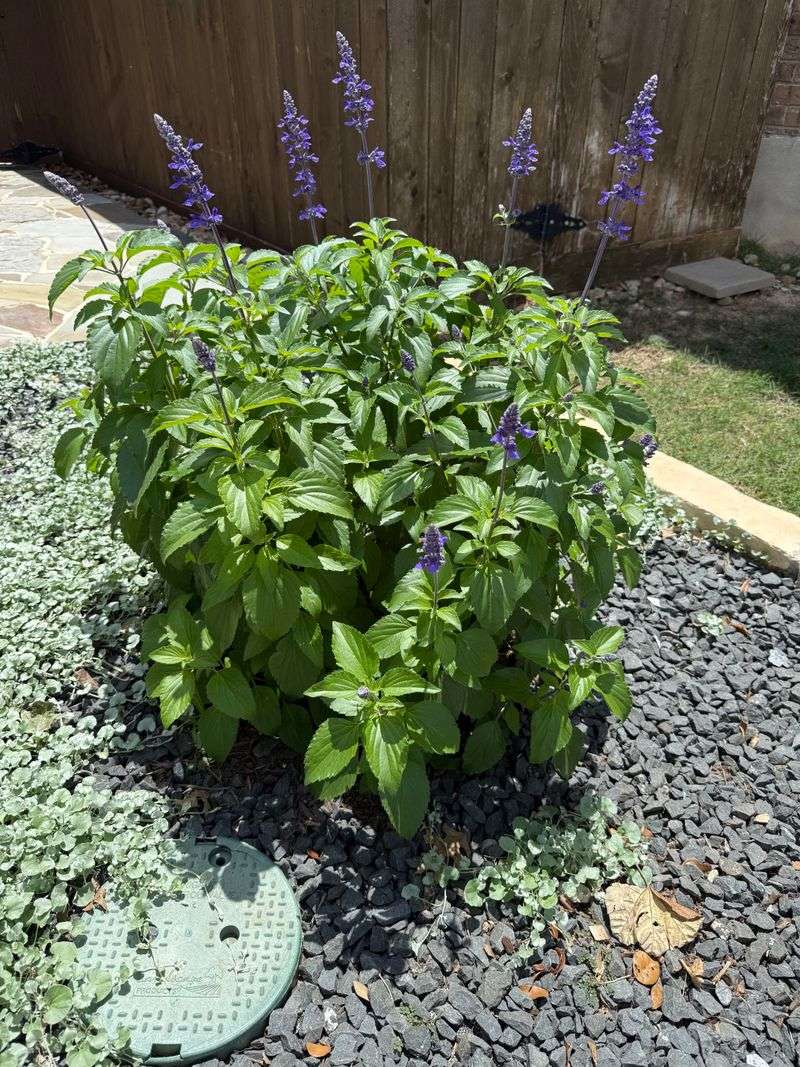
Growing salvia in containers is a popular choice because it gives you flexibility. You can move the plant around, control the soil mix, and bring it onto a patio or deck where it really stands out.
But pots also come with a hidden challenge: heat buildup.
Container walls, especially dark-colored or metal ones, absorb sunlight and transfer that heat directly to the roots.
In the middle of summer, a pot sitting on concrete or near a reflective wall can get much hotter than the surrounding air temperature.
Roots that overheat struggle to take up water and nutrients, and flowering drops off quickly.
White or light-colored pots reflect heat better than dark ones. Glazed ceramic pots also tend to stay cooler than unfinished terra cotta.
If you are using a dark pot and notice your salvia wilting or dropping blooms, try moving it to a slightly shadier afternoon spot or wrapping the pot with a light-colored cover.
Reflected sun from white walls, fences, or paving stones can also cause stress on in-ground plants.
A plant that looks fine in the morning may be getting blasted with intense reflected heat during the afternoon hours.
Watch for wilting that happens only in the afternoon as a clue. Mulching around the base of in-ground salvia helps keep the root zone cooler on hot days.
A two to three inch layer of wood chip mulch can lower soil temperature noticeably and also helps retain moisture between waterings.
8. Choose Repeat-Blooming Salvias For Longer Color
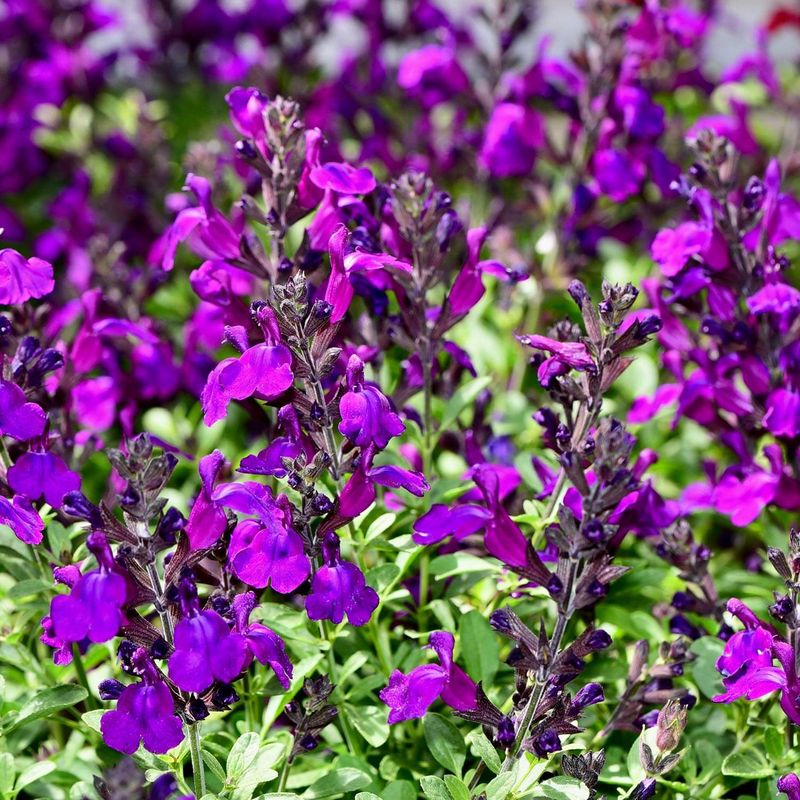
Not all salvias are built the same when it comes to bloom time. Some varieties flower once and then slow down significantly for the rest of the season.
Others are bred specifically to bloom in waves, meaning they recharge and flower again and again from spring through fall.
Selecting a repeat-blooming variety from the start gives you a big head start on a long season of color.
Some of the best performers include varieties like Salvia greggii, Salvia microphylla, and newer hybrid types sold under brand names like Windwalker and Unplugged.
These plants are workhorses in the summer garden.
When shopping at a nursery, look for tags that say things like “reblooming,” “long blooming season,” or “summer through fall.”
Ask a nursery staff member if you are not sure. They can point you toward the varieties that do best in your specific part of the state.
Color selection also matters for keeping pollinators around all season. Red and orange salvias attract hummingbirds, while purple and blue varieties bring in bees and butterflies.
Planting a mix of colors gives your garden more wildlife activity and more visual interest from one end of summer to the other.
Even the best repeat-blooming salvia needs the care described throughout this article to keep performing.
Good sun, smart watering, deadheading, and trimming help the right plants stay colorful through summer and into fall.