Do This To Oregon Hydrangeas Before August And They Will Reward You With More Blooms
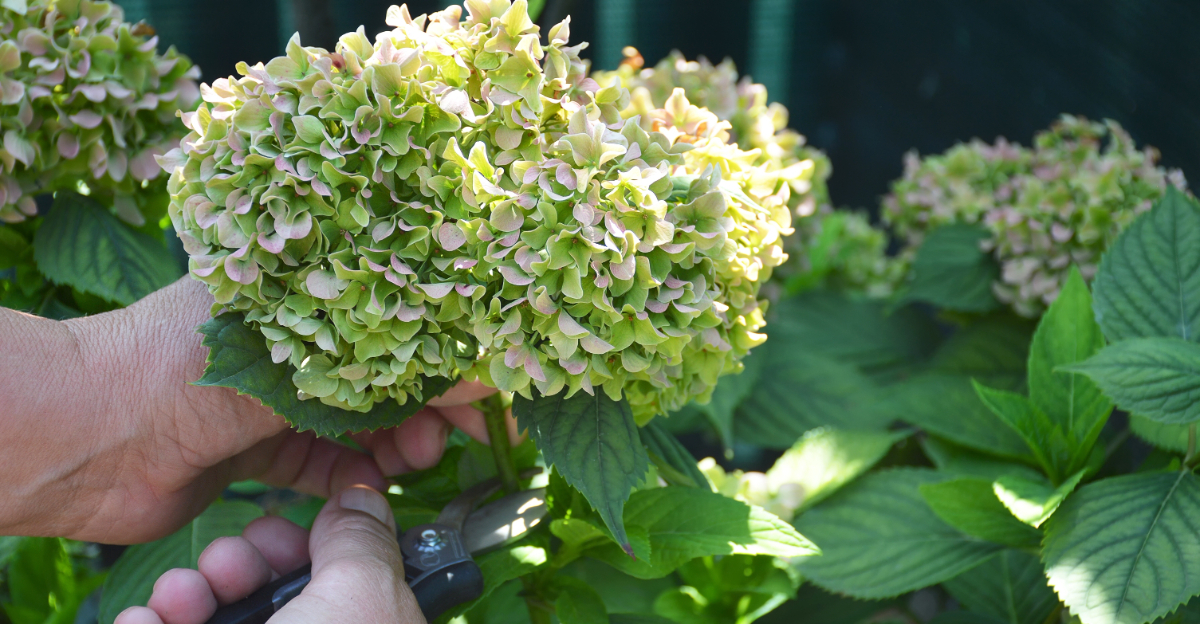
Hydrangeas can look absolutely spectacular in an Oregon garden, but midsummer is when their mood starts to shift.
Those big blooms may still be stealing the show, yet the plant is already quietly preparing for what comes next. Sneaky, right?
This is where one well-timed task can make a noticeable difference. Leave it too late, and the window may close before you realize it was even open.
Rush in without a plan, and you could end up removing more than you intended.
Summer conditions add another wrinkle. Warm afternoons and changing moisture levels can influence how hydrangeas respond, so timing deserves more attention than usual.
The good news is that this is not a complicated garden project. A simple adjustment before August can help the plant stay productive and encourage a fuller floral display.
Your hydrangea may look perfectly content now, but a little attention could inspire an even better performance.
1. Cut Spent Blooms Before August
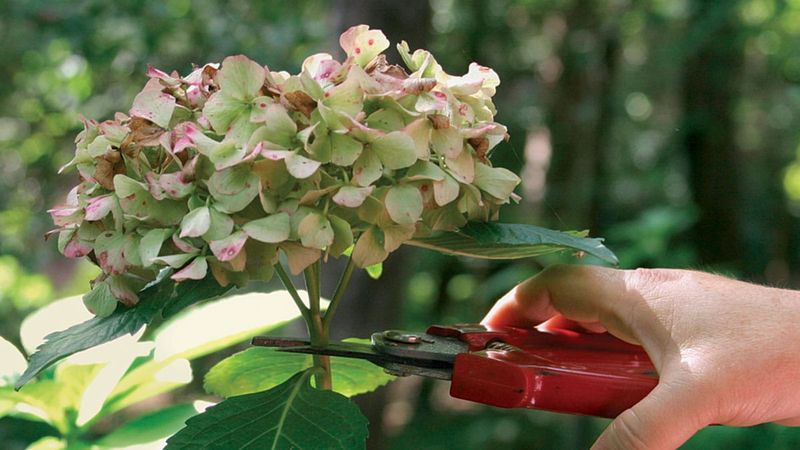
There is something deeply satisfying about clipping off a tired, faded bloom and watching a fresh one take its place.
Deadheading is one of the easiest and most rewarding things you can do for your hydrangeas before August hits.
It tells the plant to stop putting energy into old flowers and start making new ones instead.
When blooms fade, the plant naturally begins forming seeds inside those spent flower heads. That process takes a lot of energy.
By removing those old blooms early, you redirect that energy toward producing fresh buds and stronger stems.
In Oregon’s climate, hydrangeas can push out a second round of blooms if you act early enough. The key is timing.
If you wait until August to start deadheading, there may not be enough warm growing days left for new flowers to fully develop before fall arrives.
You do not need to deadhead every single bloom at once. Work through the shrub gradually, focusing on the most faded and brown-looking flower heads first.
This keeps the plant looking tidy while encouraging fresh growth from the base of each stem.
Even beginners can do this with confidence. Just look for blooms that have lost most of their color and feel papery to the touch.
Those are the ones ready to go. A clean snip just above a healthy set of leaves is all it takes to get the process started.
2. Snip Faded Flowers Above Healthy Leaves
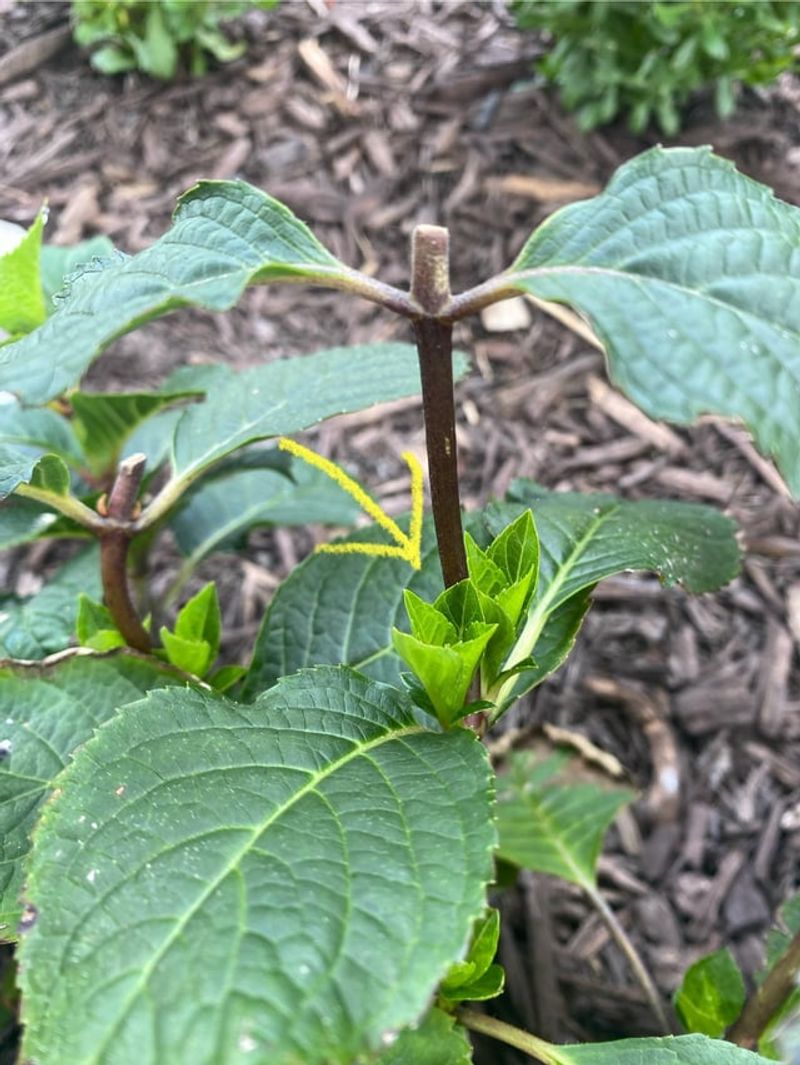
Knowing exactly where to cut matters more than most gardeners realize. It is not just about removing the old flower.
It is about where on the stem you make that cut. Cutting in the right spot protects the plant and encourages new growth to sprout from a strong, healthy point.
Always snip just above a pair of healthy, full-sized leaves. Those leaves are doing important work.
They are capturing sunlight and feeding the stem below them. When you cut above them, the stem stays active and new buds can form right at that leaf node.
If you cut below the leaves or too far down the stem, you remove the plant’s ability to regrow from that point. The stem may not produce anything new for the rest of the season.
Your Oregon Garden Changes Every Week. Your Plan Should Too.
Gardening in Oregon changes quickly throughout the season. Every Friday you’ll receive a simple weekly plan showing exactly what to plant, prune, fertilize, harvest, and protect so you never miss the right timing.
That is a missed opportunity, especially if your shrub still has weeks of growing weather ahead.
Use sharp, clean pruning shears for every cut. Dull blades can crush the stem instead of slicing cleanly through it.
A crushed stem heals more slowly and can become an entry point for fungal issues, which are common in wetter parts of Oregon.
Take your time and look at each stem before you cut. Find the highest healthy leaf pair below the faded bloom and make your cut just above it.
It only takes a second, but it makes a real difference in how well the shrub bounces back and blooms again.
3. Don’t Cut Deep Into Old Wood
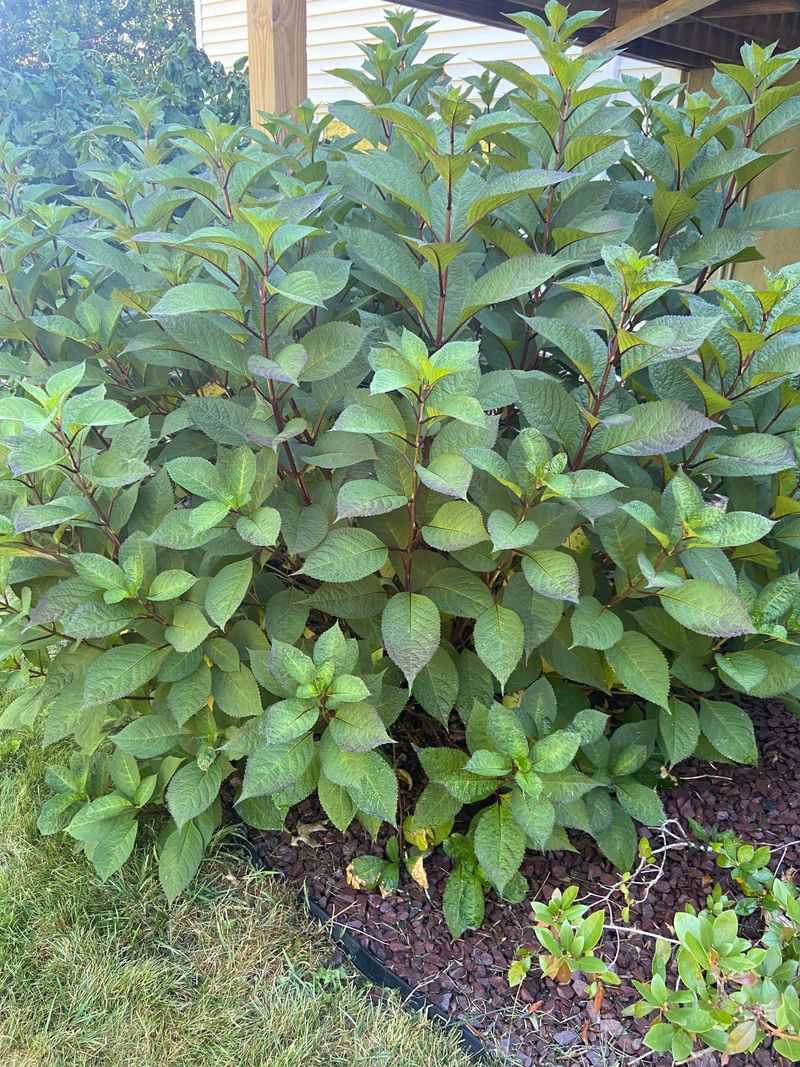
Old wood is the backbone of many hydrangea varieties, and cutting into it at the wrong time can cost you next year’s blooms.
This is one of the most common mistakes gardeners make when they get a little too enthusiastic with their shears in summer. It feels productive to cut back hard, but it can backfire fast.
Certain hydrangea types, like bigleaf varieties, set their flower buds on old wood from the previous season.
If you cut those thick, older stems down in summer, you are removing the exact spots where next spring’s blooms were forming.
The plant may look fine afterward, but come next year, it will have far fewer flowers than you expected.
A good rule to follow is to only remove what is clearly spent or faded. Leave the sturdy, older stems alone unless they are visibly damaged or crossing other branches.
Those older stems are valuable, even if they look a little rough on the outside.
In northern regions of Oregon where winters can be colder, protecting old wood is even more critical. The shrub relies on those established stems to survive and bloom again after a hard frost.
Cutting them in summer leaves the plant with less to work with when temperatures drop.
When in doubt, cut less rather than more. You can always go back and remove more later.
But once you cut into old wood, you cannot undo it. Being cautious now protects your blooms for seasons to come.
4. Reblooming Hydrangeas Benefit Most
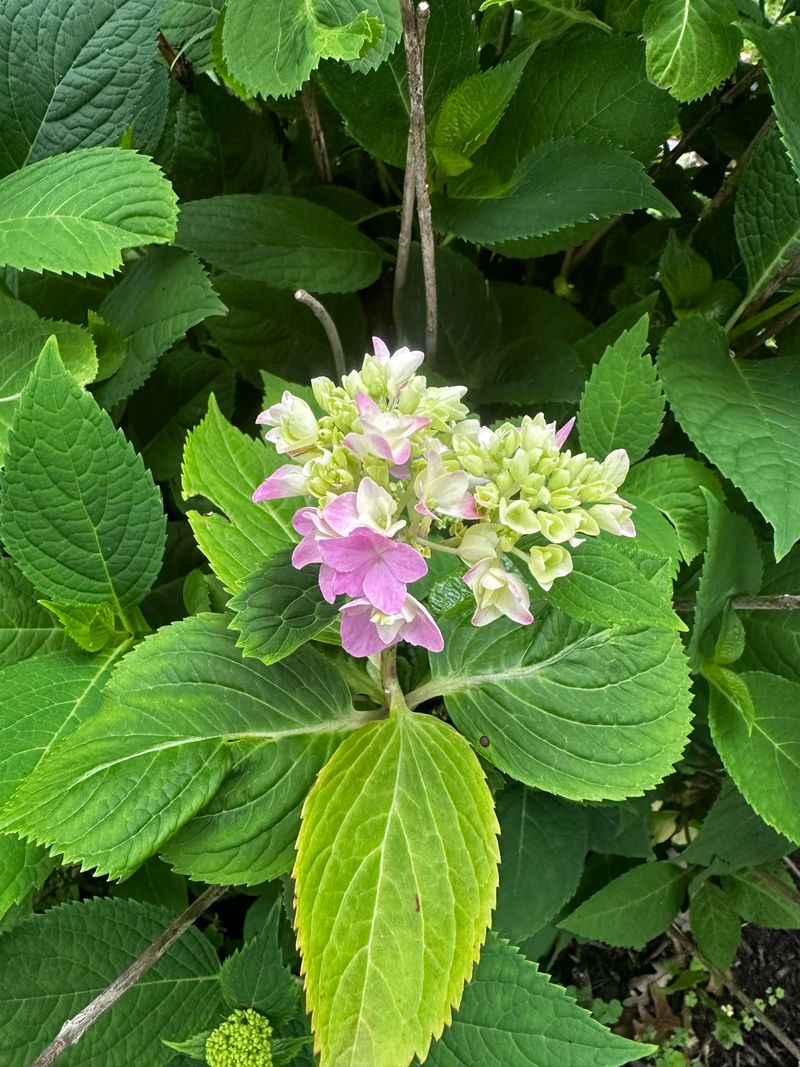
Not all hydrangeas behave the same way when it comes to summer care. Reblooming varieties are in a category of their own, and they respond especially well to attention before August.
These shrubs are built to push out multiple rounds of flowers in a single season, and a little help from you can unlock that potential.
Varieties like Endless Summer and Incrediball are popular choices across Oregon because they bloom on both old and new wood.
That means even if some older stems were lost over winter, the plant can still produce flowers on fresh growth.
Deadheading these types encourages them to keep cycling through new blooms all the way into early fall.
Because reblooming types are so responsive, timing really matters. If you start deadheading and lightly tidying these shrubs in late June or early July, you give them enough time to push out a fresh flush of blooms before the season slows.
Wait too long, and you may miss that window entirely. These varieties also tend to be more forgiving if you make a small mistake with your cuts. Since they bloom on new wood too, a slightly off cut will not ruin the whole season.
That makes them a great starting point for gardeners who are still getting comfortable with pruning.
Pay close attention to your specific variety before making any cuts. Knowing what type of hydrangea you have is the first step toward giving it exactly what it needs to perform at its best.
5. Fresh Flowers Need Time Before Fall
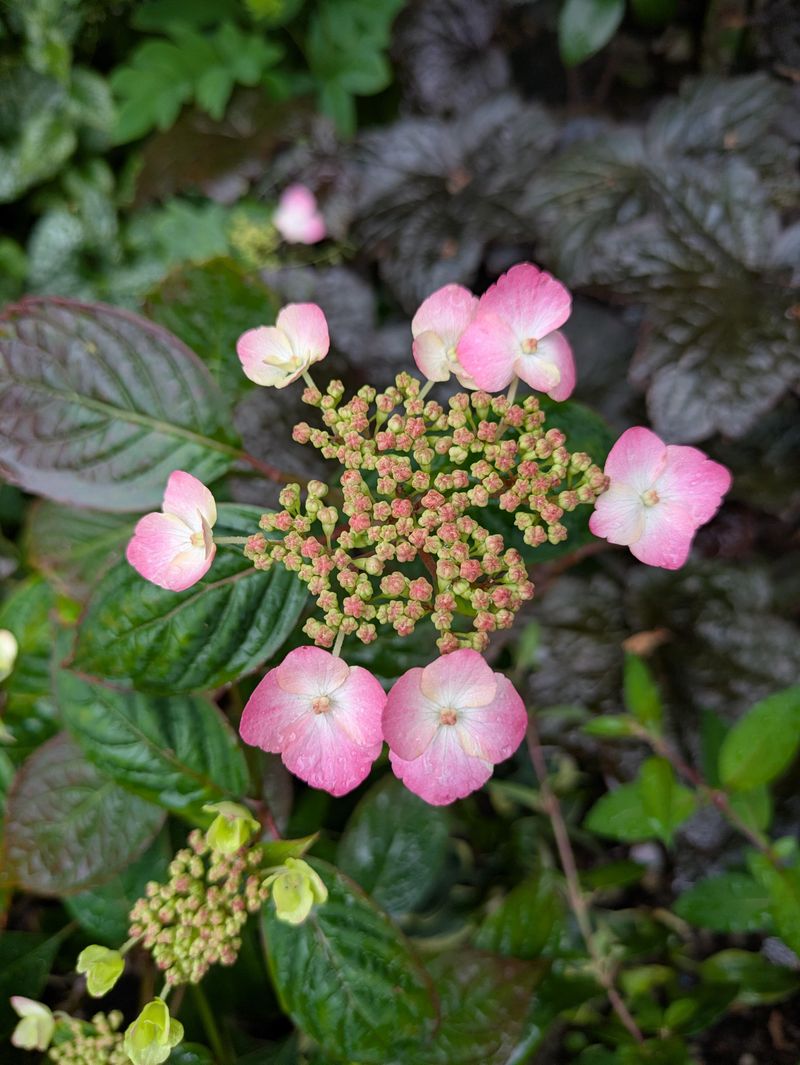
One thing many gardeners overlook is how long it actually takes for a new hydrangea bloom to develop after you remove an old one. It is not instant.
The plant needs time to grow new stems, form buds, and open flowers. That process can take several weeks depending on the variety and the weather.
In our state, the growing season starts winding down in late September and into October. That means if you want a fresh round of blooms to fully open before temperatures drop, you need to give the plant enough runway.
Acting before August is not just helpful. It is necessary. After you deadhead or lightly trim a stem, the plant immediately begins redirecting energy toward that cut point. New growth starts forming within days in warm weather.
But the full bloom cycle from bud to open flower can take four to six weeks or even longer in cooler conditions.
Think of it like planting seeds. If you plant too late in the season, the seeds may sprout but never fully mature before frost.
The same idea applies here. Give your hydrangeas the head start they need by acting early rather than waiting until the last minute.
Watering consistently during this regrowth period also helps. New stems and buds need steady moisture to develop properly.
A dry spell right after deadheading can slow the whole process down. Keep the soil evenly moist and let the plant do the rest of the work on its own.
6. Brown Blooms Can Drain The Display
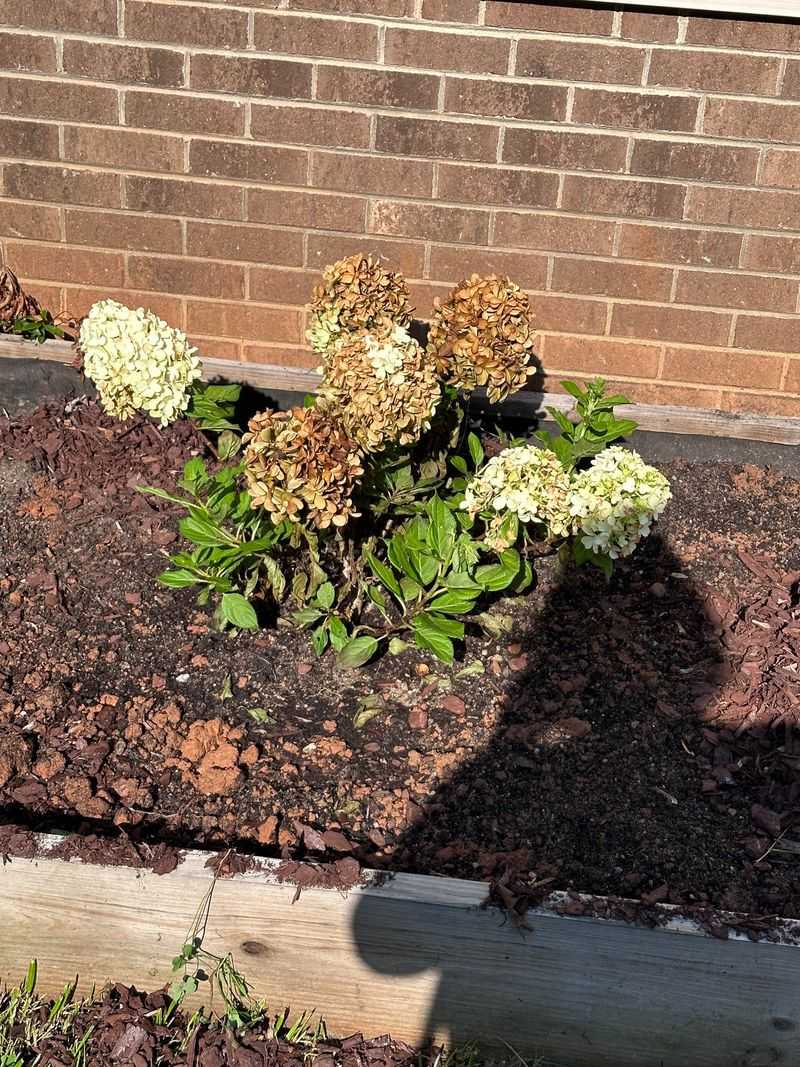
Brown, dried-out flower heads are more than just an eyesore. They are actually pulling resources away from the rest of the shrub.
As long as those old blooms remain attached, the plant continues putting effort into them, even as they slowly break down. Removing them frees up energy for what really matters.
It can be tempting to leave old blooms on the shrub because they add texture and a rustic look to the garden. And in fall and winter, that is actually a fine choice.
Dried hydrangea heads offer some visual interest and can even provide a small amount of cold protection for the stem tips during frost.
But in summer, while the plant is still actively growing, those brown heads are doing more harm than good.
They can also hold moisture against the stems, which creates conditions that fungal issues love. In wetter parts of our state, this is especially worth watching for.
Removing brown blooms also just makes the whole shrub look more vibrant and alive. Fresh green leaves and newly forming buds stand out much more clearly once the old, faded flower heads are out of the way.
The garden looks better instantly, even before new blooms appear. Make it a habit to walk through your garden every week or two and pull off any blooms that have fully browned out.
It takes just a few minutes but keeps the shrub healthier and the garden looking well cared for throughout the entire growing season.
7. Clean Cuts Keep The Shrub Tidy
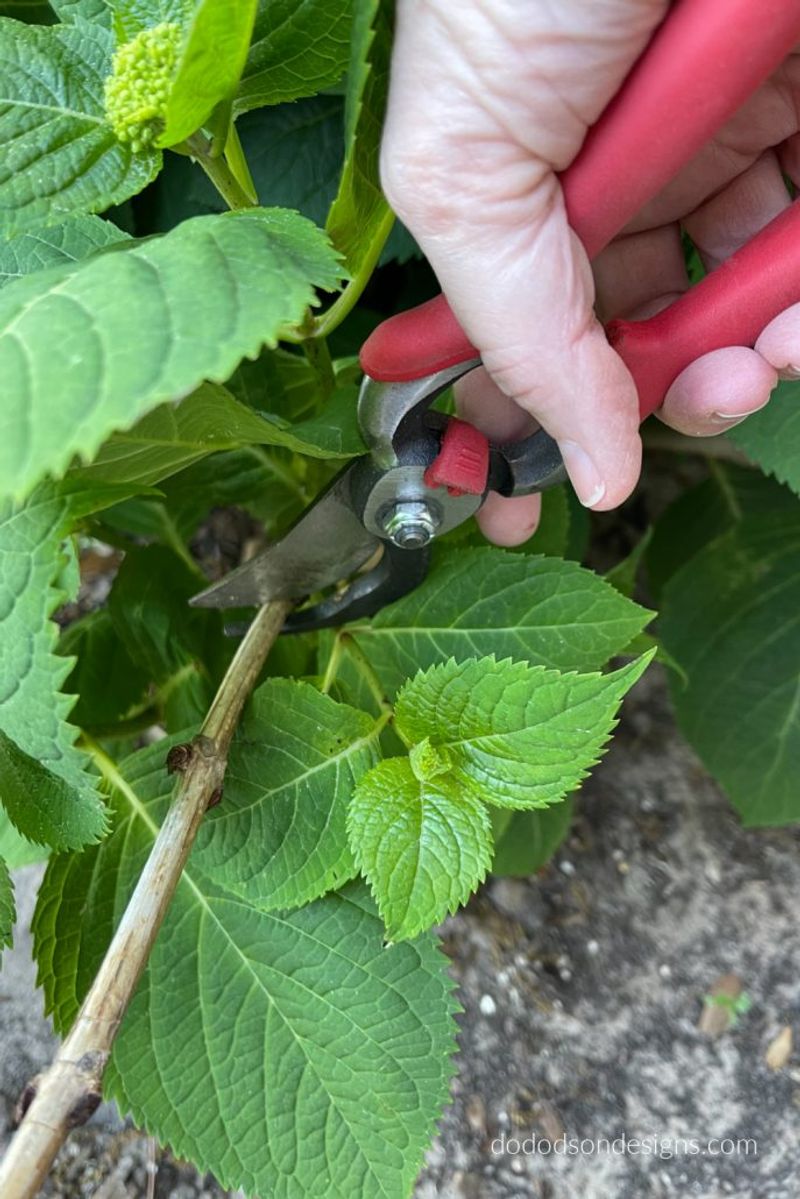
Sharp tools are not just a preference. They are a genuine part of good plant care.
When you use clean, sharp pruning shears, you make a smooth cut that heals quickly. The stem seals itself off efficiently and the plant moves forward without missing a beat.
Dull or dirty blades do the opposite. They tear and crush the stem tissue instead of slicing through it cleanly.
That kind of damage takes longer to heal and opens the door to pathogens that can travel down the stem and cause problems deeper in the plant.
Before you head out to work on your hydrangeas, take a moment to wipe your blades with a cloth dampened with rubbing alcohol. This simple step removes any bacteria or fungal spores from your last pruning session.
It only takes a few seconds and it protects every plant you touch afterward.
Also check that your shears are actually sharp. If you have to squeeze hard or saw back and forth to get through a stem, the blades need sharpening.
A basic sharpening stone or a trip to a garden center can restore the edge quickly and make the whole task easier.
Tidy cuts also just look better. When you step back and look at a freshly deadheaded shrub with clean cuts, it has a groomed, intentional appearance that reflects well-kept gardening habits.
Good tools make that possible, and the plant rewards you with healthier, faster regrowth every single time.
8. Skip Heavy Pruning In Summer
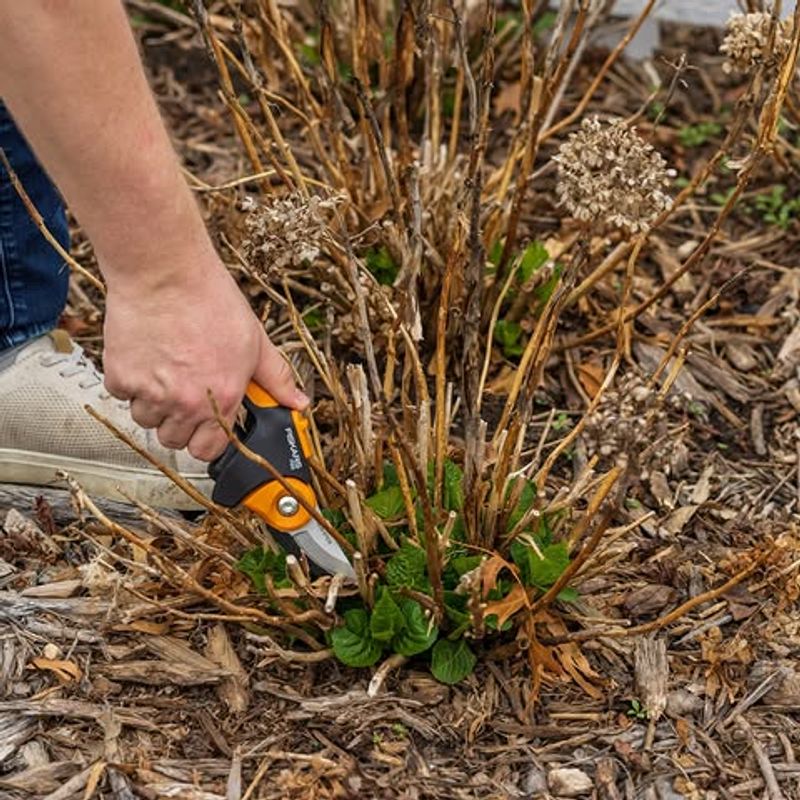
Oregon summer is not the season for major reshaping. It can be hard to resist the urge to cut back a shrub that looks overgrown or out of shape, but heavy pruning in summer almost always causes more problems than it solves.
The timing is just not right for that kind of work. When you remove large portions of the shrub during the growing season, you stress the plant at a time when it is working hard to produce flowers.
It has to spend energy recovering from aggressive cuts instead of channeling that energy into blooms.
The result is usually fewer flowers and a tired-looking plant heading into fall.
Heavy cuts in summer can also remove developing buds that have not opened yet. Those buds may have been weeks away from becoming beautiful blooms.
Once they are gone, there is no getting them back for this season. That is a frustrating outcome that is easy to avoid.
Save the big reshaping work for late winter or very early spring, depending on your hydrangea type.
That is when the plant is dormant or just waking up, and it can handle more significant pruning without losing its bloom potential for the coming season.
For now, keep summer cuts light and purposeful. Remove only what is faded, brown, or clearly damaged.
Let the rest of the shrub stay intact and keep doing what it does best. A restrained approach in summer almost always leads to a more rewarding display of blooms before the season ends.