Don’t Cut Back These 8 Florida Natives Just As Their Fall Show Is Beginning
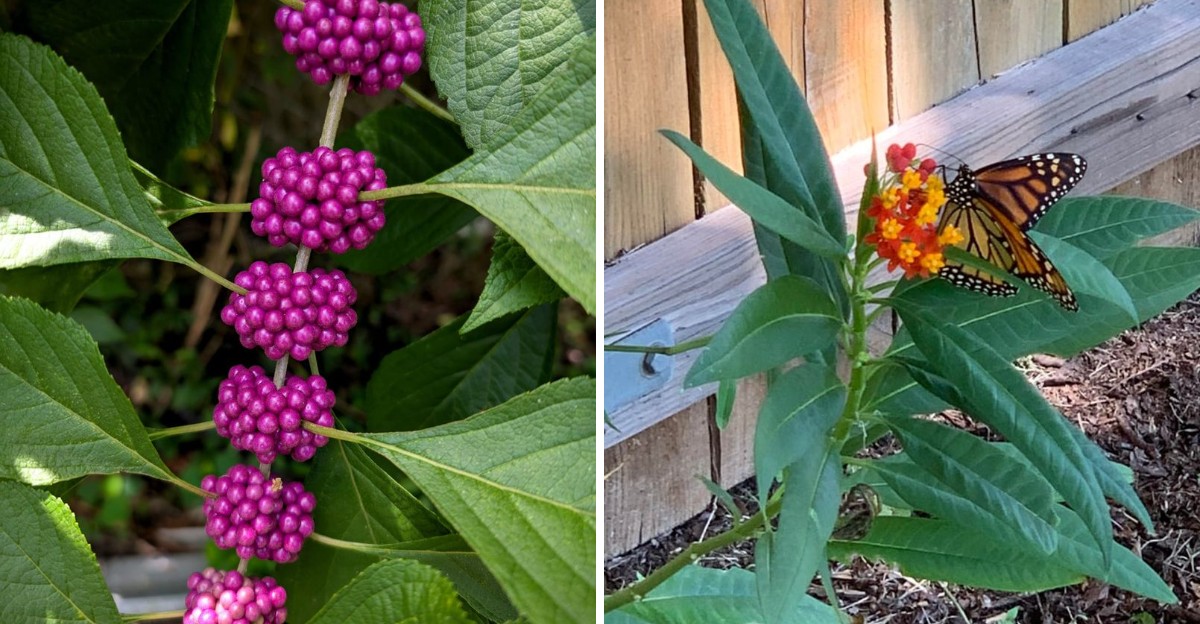
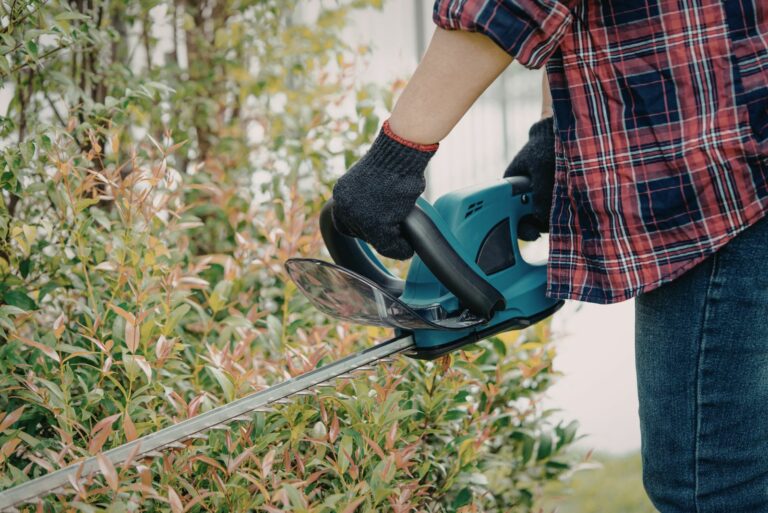
Mid-September, coffee in one hand, hedge shears in the other. The front bed looks tired, the mulch has thinned, and a few plants have flopped over the edging.
Many Florida gardeners start trimming right about now, mostly out of habit carried down from somewhere colder where fall actually means winding down.
The problem is that several of the best native plants in that bed have not performed yet, not even close.
Florida’s growing calendar runs on its own schedule entirely, one most gardeners never think to question before reaching for the shears.
Cut these plants back in September, and you erase the payoff. Worse, you remove food and shelter at the exact point in the year when birds and insects need it most.
Eight natives on this list deserve a pass until late winter, and each one has a specific reason rather than a vague one.
1. Muhly Grass Is About To Put On A Show
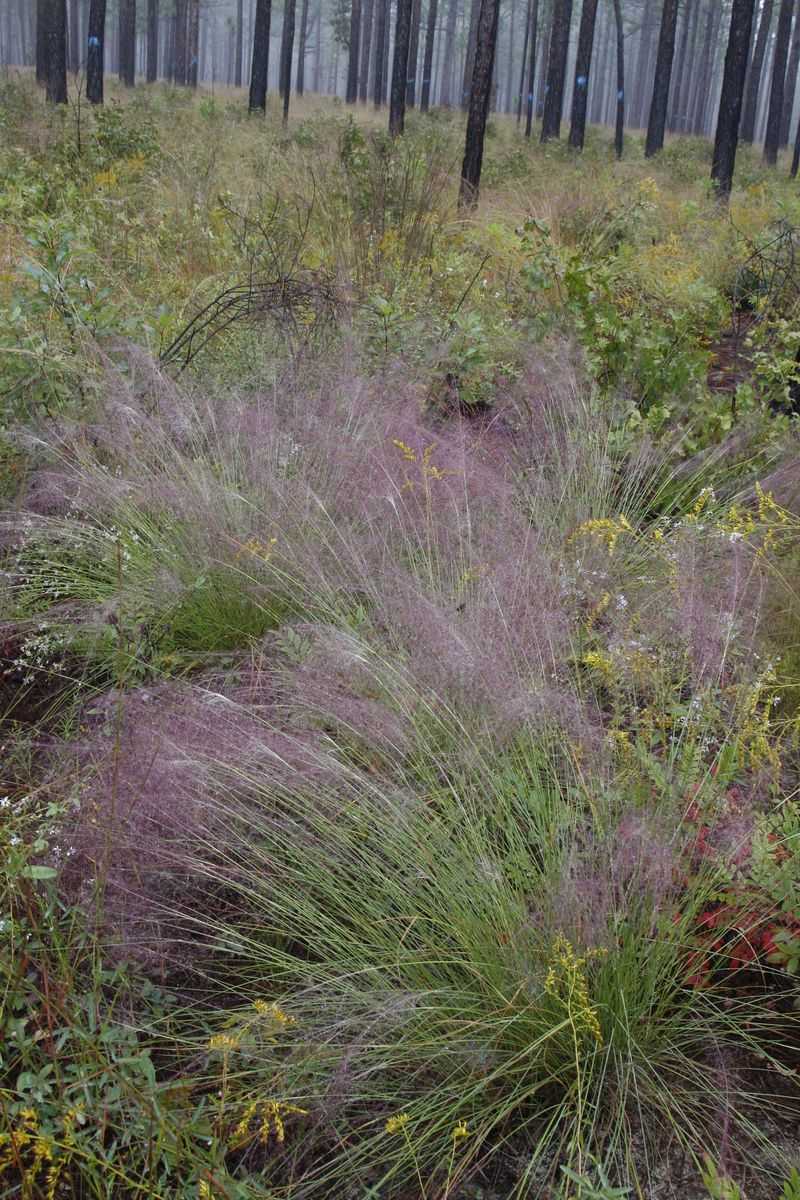
Pink smoke drifting across a roadside median in October is not a trick of the light. Muhly grass saves its whole performance for fall, pushing up airy plumes that glow rose-purple when the sun sits low.
Shearing in September removes the flower stalks before they ever open. UF IFAS recommends cutting muhly grass back in late winter or early spring, after the plumes fade and before new growth starts.
Brown, crispy tips in late summer tempt a lot of gardeners. Resist that urge. Run your fingers through the clump instead and pull out loose dry blades by hand.
Plumes typically peak from late September through November, depending on where in the state you garden. Seed heads hold their color for weeks, then fade to a soft tan.
Birds pick at the seed through winter, and the standing clump shelters small insects throughout the cold months.
Wait until February or March, cut the whole clump back to about six inches, and you get a fresh flush of blue-green blades by spring.
One more perk worth knowing. Muhly grass shrugs off drought, salt spray, and poor sandy soil once established. Patience costs nothing here, and the reward is the most photographed plant in the yard.
2. Coral Bean Keeps Blooming For Hummingbirds
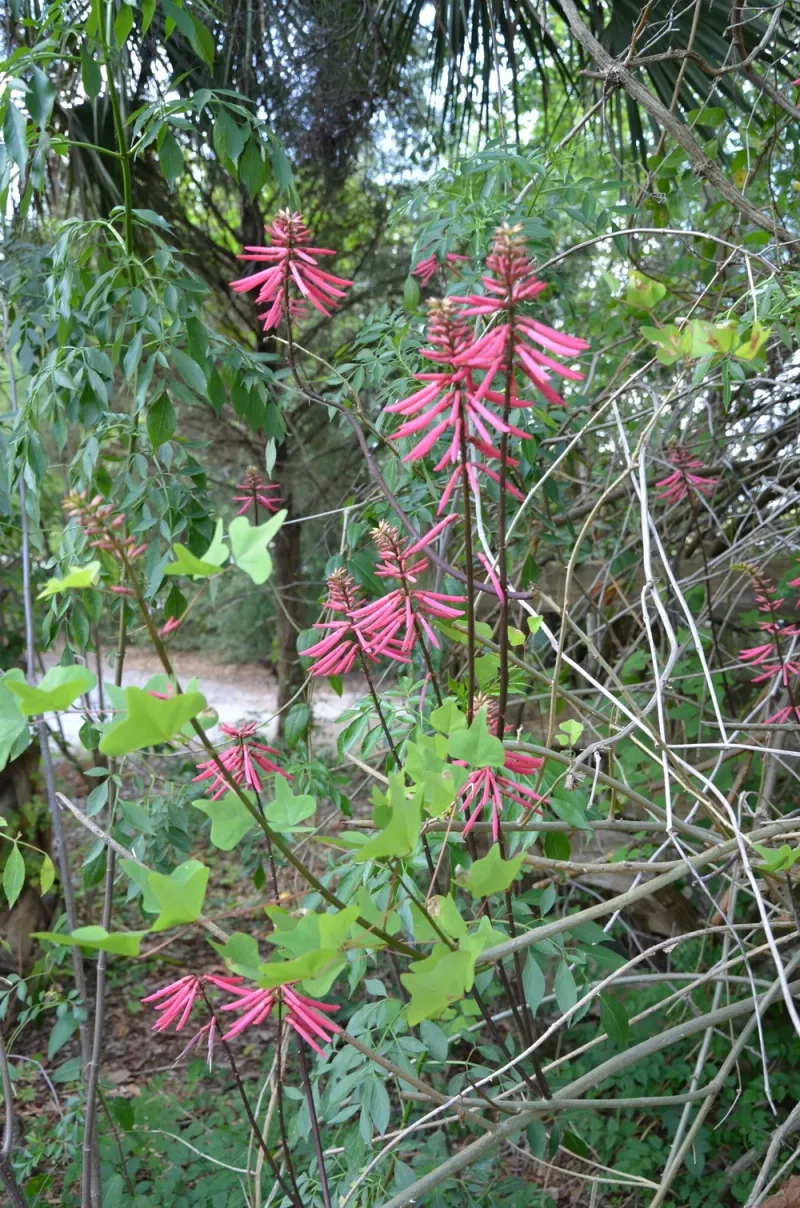
Hummingbirds heading south in September do not pack snacks for the journey. Coral bean helps fill that gap with tubular scarlet flowers shaped almost exactly like a hummingbird bill.
Its heaviest bloom arrives in spring, but repeat flowering through summer and into fall is common across much of Florida.
Cutting the plant to the ground now removes developing spikes along with foliage that shelters insects throughout the season.
UF IFAS describes coral bean as a semi-woody shrub that often freezes back naturally in North Florida, then resprouts from the roots. Let the plant handle that job itself.
In colder counties, wait until stems are browned by frost, then prune. Farther south, where it stays evergreen and shrubby, light shaping in late winter keeps it in bounds.
A single spike can hold two dozen flowers, opening slowly over several weeks straight.
Your Florida Garden Changes Every Week. Your Plan Should Too.
Gardening in Florida changes quickly throughout the season. Every Friday you’ll receive a simple weekly plan showing exactly what to plant, prune, fertilize, harvest, and protect so you never miss the right timing.
The show does not end with blooms either. Long, bumpy seed pods split open in autumn to reveal glossy red seeds that look like beads.
Those seeds are toxic, so plant it away from spots where small children dig around. Deer generally pass it by, and the thorny stems discourage nibbling too.
Skip the fall haircut, and the last migrating hummingbirds of the season will thank you with a visit or three.
3. Blanket Flower Has More Color Left
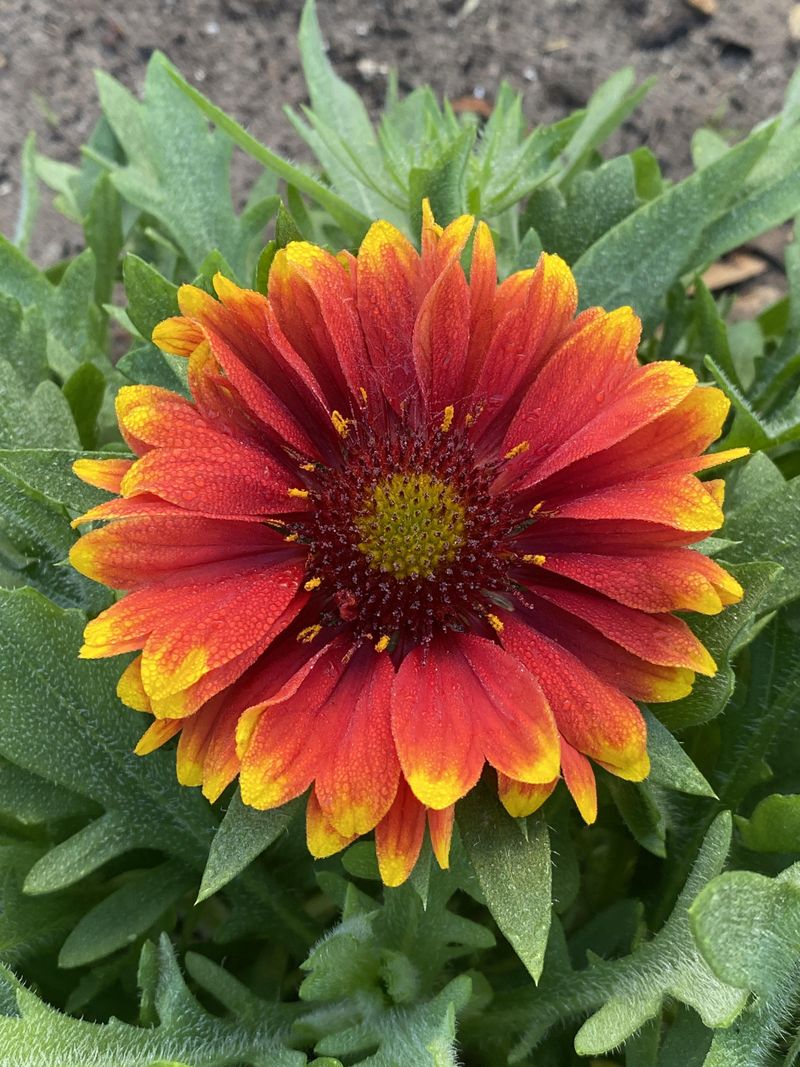
Sun-baked dunes taught this plant everything it knows. Blanket flower keeps pumping out red and yellow daisies long after fussier perennials have quit, often right through October in warmer parts of Florida.
Hacking the clump back in early fall stops that streak cold. Trim a few spent blooms at a time instead, which nudges the plant to push fresh buds rather than shut down for the season entirely.
Leave some flower heads alone on purpose here. Blanket flower is short-lived and often behaves like an annual, relying on self-seeding to keep a patch going year after year without any real intervention from the gardener.
Seed heads also feed goldfinches and other small birds into late fall. Snip every last one, and you trade next season’s free seedlings for a few weeks of neat edges around the bed.
Bees and small butterflies work the flowers all season long. Pollen sits right out in the open on that flat disk, which suits short-tongued native bees that struggle with deep tubular blooms elsewhere.
Sandy soil, full sun, and very little water is the whole recipe for this plant. Too much irrigation or rich soil makes stems flop and rot at the base, so hold back on the hose and the fertilizer alike.
If a patch looks ragged by midsummer, trim by about a third in July, not September. One well-timed haircut resets the plant while leaving the entire fall run untouched for pollinators and birds alike.
Roll dried seed heads between your palms in November and scatter the bits wherever you want more color to show up next spring, essentially planting for free.
4. Beautyberry Holds Its Fruit For Fall
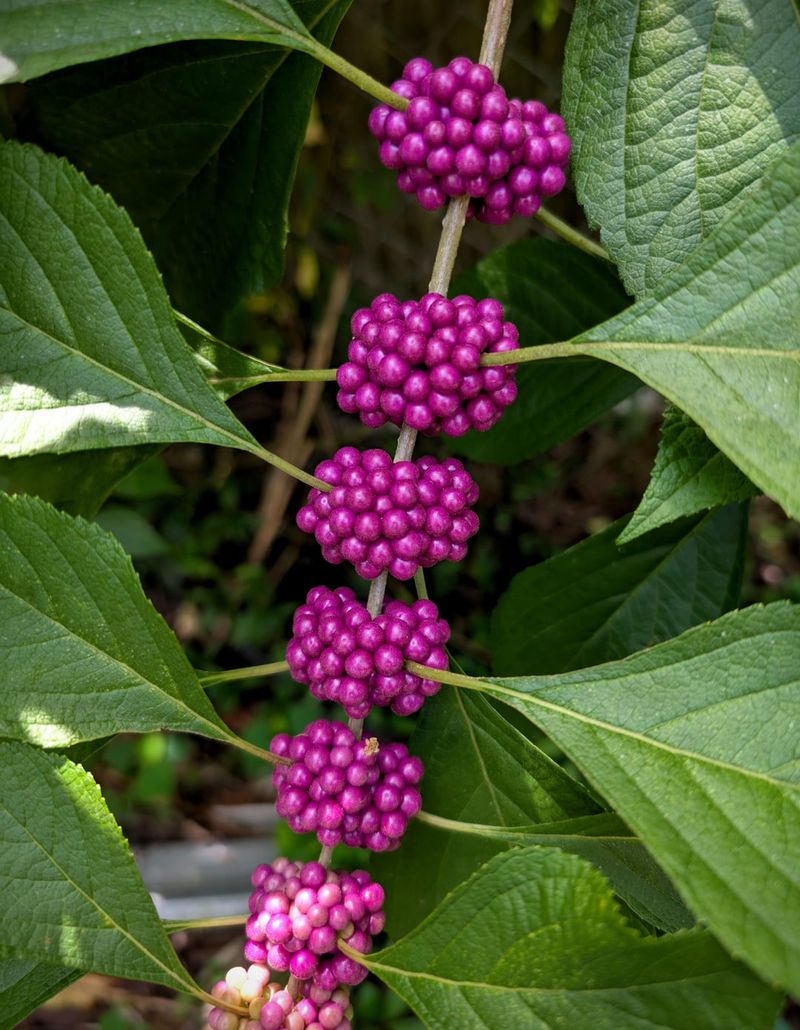
Those magenta clusters are no garden-center novelty. American beautyberry spends spring and summer making tiny pink flowers nobody photographs, then cashes in during fall with berries stacked in tight rings along every stem.
Prune in September, and the fruit goes straight to the compost pile instead of feeding wildlife through the coldest months. UF IFAS recommends cutting beautyberry back in late winter, taking stems down to a foot or two.
Mockingbirds, cardinals, catbirds, and robins strip the fruit from October into winter without much competition. Raccoons, armadillos, and deer browse the lower branches too, rounding out a whole cast of visitors.
One mature shrub can feed a rotating cast of wildlife for two solid months straight, which is a remarkable return on a plant that asks for very little care in exchange.
Crushed leaves carry a long folk history as a bug repellent, and researchers have identified compounds in them that really do turn mosquitoes away when rubbed on skin, an old Florida field trick still worth trying.
The plant grows fast and loose, reaching six feet with arching, open branches that give it a relaxed, informal shape. It tolerates shade under pines and oaks, which makes it handy in spots where flowering shrubs sulk.
A white-fruited form exists too, and it looks striking planted beside the purple one for contrast. Both hold color for weeks unless hungry birds find them early in the season.
Hold off on the shears until February. By then berries are gone, leaves have dropped, and a hard cut produces a denser, fruit-heavy shrub the following autumn, rewarding patience with an even better show next year.
5. Goldenrod Feeds Pollinators Through Frost
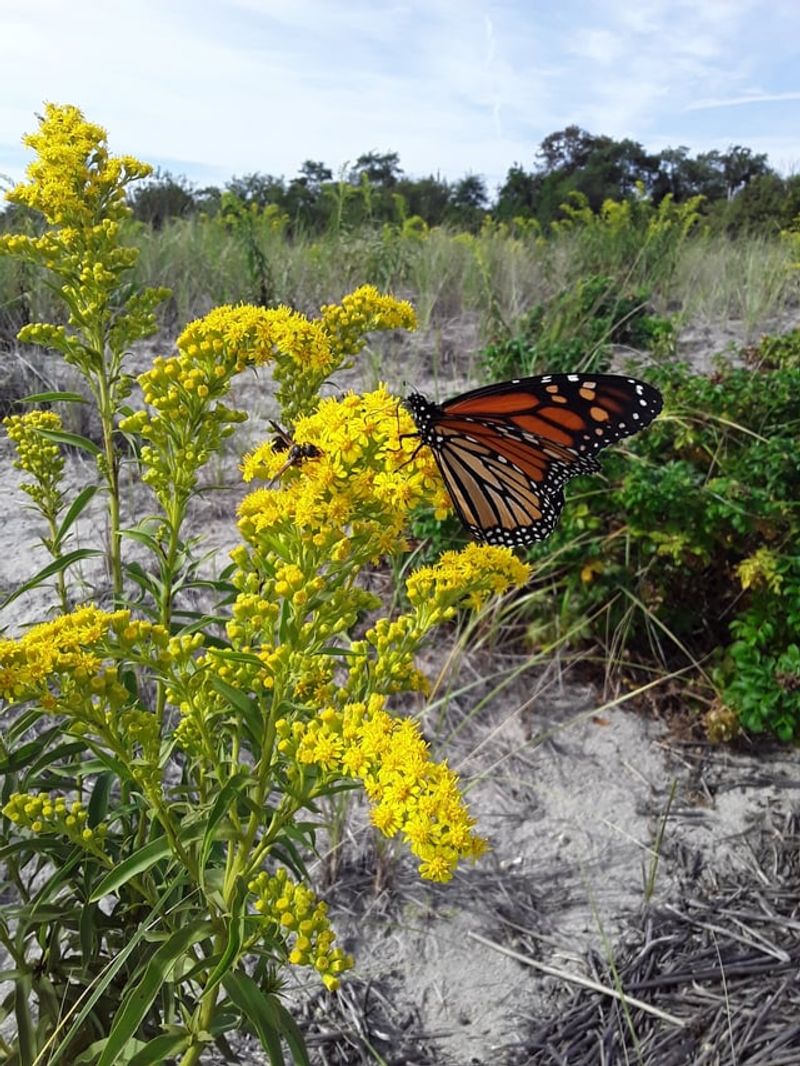
Blame for fall allergies lands on goldenrod every year, and it is the wrong suspect entirely. Goldenrod pollen is heavy and sticky, moved by insects rather than wind, while ragweed blooming at the same time is the real troublemaker behind seasonal sneezing.
Florida hosts more than twenty native goldenrod species, including seaside goldenrod and wand goldenrod. Most begin flowering in September and keep going into November, later still in southern counties where warmth lingers.
Mowing or shearing those stems in early fall wipes out one of the last big nectar sources of the year for pollinators desperately searching for food. Migrating monarchs refuel at goldenrod, as do bumblebees, soldier beetles, and dozens of small native bees passing through.
Wasps and hover flies work the flat golden sprays too, and plenty of them hunt garden pests the rest of the season, adding pest control to the list of benefits this plant provides.
Stems that finish flowering still earn their keep afterward in the garden. Seeds feed finches and sparrows, and hollow stalks give native bees a place to overwinter, so leave standing stems until spring arrives.
Some species spread aggressively by underground runners, which is worth knowing before planting. Choose clump-forming types for small beds, or plant the wanderers where they can roam, such as a meadow strip or a back fence line.
Full sun and lean soil keep stems sturdy and upright. Pinch growing tips once in June if plants get tall and floppy, then leave them alone for the rest of the season.
Cut goldenrod in September, and you cancel the busiest restaurant in the yard for the entire fall stretch, right when pollinators need it most.
6. Milkweed Still Supports Late Monarchs
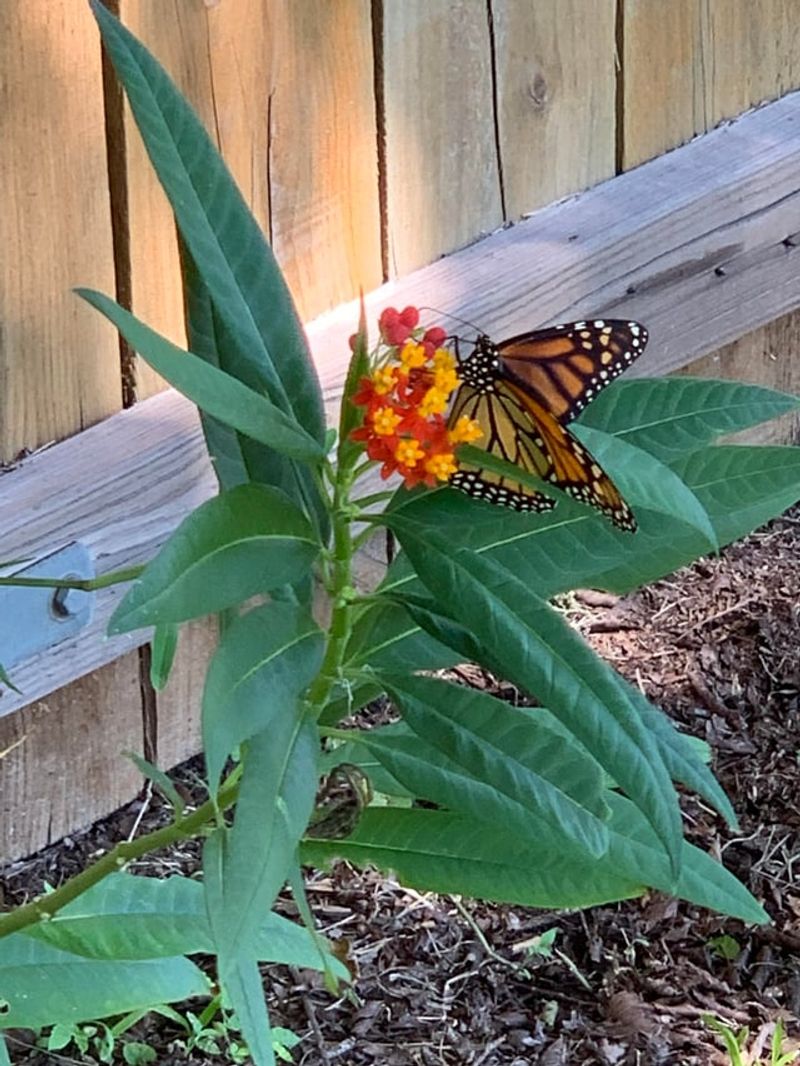
Monarch season in Florida ignores the northern calendar entirely, running on its own extended timeline.
Caterpillars turn up on milkweed in October, November, and sometimes December, especially in central and southern counties where mild weather keeps the cycle rolling well past what northern gardeners expect.
Chopping plants down in early fall removes eggs, caterpillars, and the only food those caterpillars can eat during this critical window. Check every stem before you prune, including leaf undersides where eggs sit like tiny white pinheads easy to miss at a glance.
Native species such as butterfly milkweed, swamp milkweed, and aquatic milkweed naturally slow down and go dormant in winter on their own schedule. That pause is part of the system already built into the plant’s biology.
Tropical milkweed, the nonnative sold nearly everywhere with orange and red flowers, does not go dormant here the way natives do.
UF IFAS advises cutting tropical milkweed back to about six inches in fall and winter, since year-round foliage can build up a parasite called OE that may disrupt normal migration patterns.
So the rule splits by species here, which surprises a lot of gardeners expecting one blanket answer. Leave native milkweed standing through its fall bloom and seed set, and trim tropical milkweed on a schedule, after checking carefully for caterpillars first.
Aphids on milkweed look alarming but rarely harm established plants in any serious way. Blast them off with water or squish them by hand, and skip insecticides entirely, because anything that handles aphids handles caterpillars too.
Plant in clusters of six or more so females can spot them easily while searching for host plants. Flower nectar also feeds adult monarchs, queens, and a long list of bees during a stretch when other blooms are thinning out considerably.
7. Firebush Blooms Well Into Fall Here
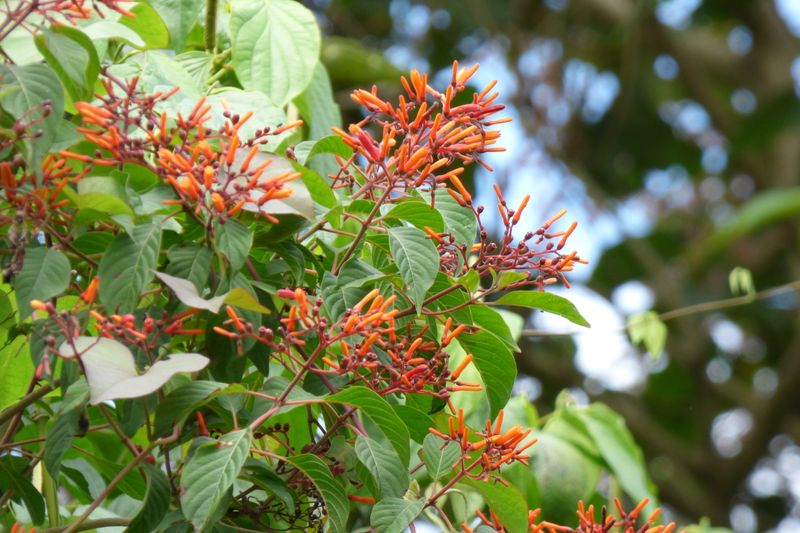
Count the hummingbirds around a mature firebush, and you will lose track fast during peak season.
Firebush produces clusters of narrow orange-red tubes almost nonstop from spring until the first cold snap, which in South Florida may never actually show up.
Fall is prime time, not closing time, for this generous bloomer. Bloom often peaks in late summer and autumn, when the shrub is largest and carrying the most flowering wood, so a September haircut strips away the heaviest flush of the entire year.
Zebra longwings, gulf fritillaries, and sulphurs all work the flowers steadily, and ruby-throated hummingbirds lean on them heavily during migration season when other food sources run thin.
Berries follow the blooms, ripening from green to red to glossy black over several weeks. Mockingbirds and catbirds clean those up afterward, stretching the shrub’s usefulness well past flowering season into the cooler months.
Buy carefully when shopping for this plant. A compact nonnative sold as dwarf firebush looks similar but offers less to wildlife overall. Ask for the Florida native by botanical name to make sure you get the real benefit.
In North Florida, firebush freezes to the ground most winters and returns from the roots reliably each spring. Wait for that natural pruning to happen, tidy browned stems in late winter, and it regrows several feet by summer.
Farther south it becomes a large shrub or small tree, sometimes twelve feet tall given enough time. Shape it in late winter if needed, removing a few of the oldest canes rather than shearing the surface uniformly.
Full sun produces the deepest flower color and densest growth on this plant, while shade makes it leggy and shy about blooming at all.
8. Porterweed Keeps Butterflies Coming Back
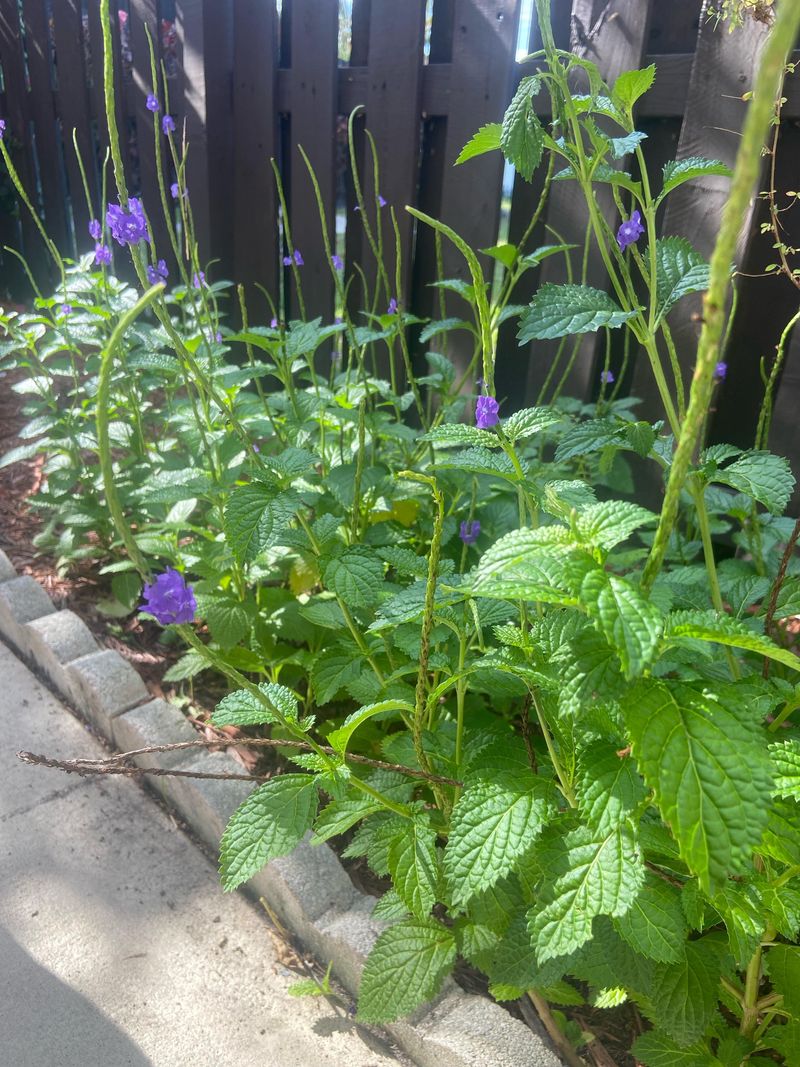
Watch a blue porterweed spike for five minutes in October, and you will count more species than you expected to see in such a short window.
This plant opens only a few small flowers a day along a long, arching stalk, which keeps butterflies circling back day after day for a fresh reward.
Blooming continues nearly year-round in South Florida and from spring until frost farther north, making it one of the most reliable nectar sources available across the state.
Cutting the plant in September shuts off a nectar supply right as butterfly numbers peak for the fall season.
The sprawling native form hugs the ground and spreads two or three feet wide, staying low and unobtrusive in a mixed bed.
Upright nonnative types with purple or pink spikes fill many nursery benches, so check the label and the growth habit carefully if you want the true Florida native.
Sulphurs, skippers, hairstreaks, and monarchs all feed on it steadily throughout the season, and hummingbirds stop by too when passing through. Small bees crawl right into the tiny tubes, accessing nectar most other pollinators cannot reach.
Seeds that drop produce volunteer plants you can move wherever you like around the yard, giving you free additional coverage over time without any extra purchase needed.
Trim lightly if stems get leggy, taking a few inches rather than a hard cut that would remove blooming wood. Save serious pruning for late winter, once the coldest weather has passed and new growth is about to begin.
The same logic covers all eight plants here in this list. Shears in September buy a few weeks of neat edges and cost months of color, fruit, and wildlife traffic that Florida’s long autumn season still has left to offer.