The Chesapeake Bay Yard Habits Virginia Homeowners Should Avoid This Summer
Virginia summers make you want to spend every free hour outside, mowing the lawn, watering flowerbeds, maybe fertilizing that stubborn patch of grass.
But here’s what nobody mentions at the garden center: rain doesn’t care about good intentions.
It grabs whatever’s sitting on your driveway, lawn, or mulch beds, and carries it downhill into a storm drain that empties into a creek, then a river, then the Chesapeake Bay itself.
That fertilizer feeding your grass? It’s also feeding algae blooms that crowd out oxygen for fish and crabs. That oil stain from last week’s car trouble?
It’s now somebody else’s water quality problem, miles away. Virginia homeowners aren’t trying to affect the Bay this way.
Most have no idea their weekend routine plays any part in it. The fixes aren’t complicated. A few smart swaps in how you mow, water, and landscape can turn your yard into a filter that protects the water downstream.
1. Skip Fertilizing Your Lawn Before A Heavy Rain
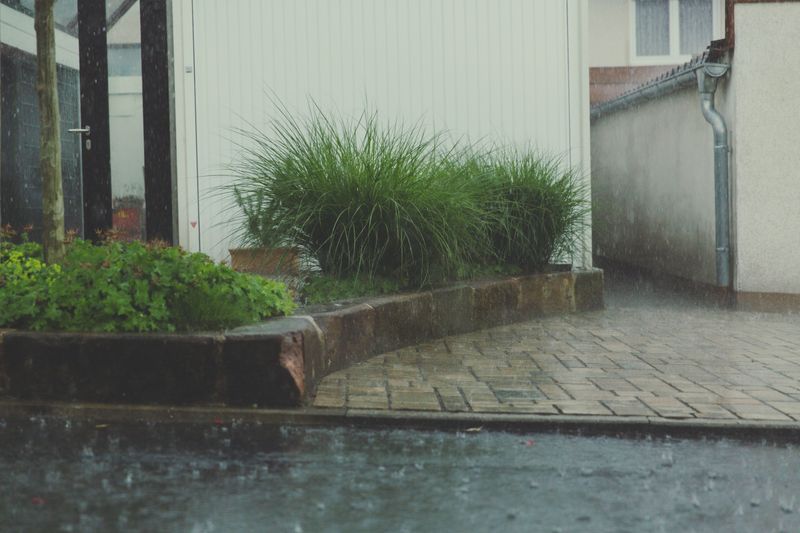
Picture this: you spend an hour fertilizing your lawn, then a thunderstorm rolls in that same afternoon. All that fertilizer washes straight off your yard and into the nearest storm drain.
Those nutrients, especially nitrogen, travel through pipes and streams until they reach the Chesapeake Bay. Once there, they feed massive algae blooms that reduce oxygen levels needed by sea life.
Checking a weather forecast before fertilizing is one of the simplest habits you can build. The National Weather Service offers free, hyperlocal forecasts that show rain chances up to ten days out.
Most lawn care experts recommend waiting until the soil has had time to dry out before applying any fertilizer. Applying to dry, calm soil gives nutrients time to absorb rather than run off.
Slow-release fertilizers are another smart swap. They break down gradually, so even if rain does arrive, less product washes away in a single storm event.
Timing your application for early morning on a clear day also helps nutrients soak in before afternoon heat arrives. Your grass gets fed, and the bay stays cleaner.
One well-timed fertilizer application does far more good than three poorly timed ones. Protecting the bay can start with something as simple as watching the weather app on your phone.
2. Avoid Mowing Grass Too Short During Summer Heat
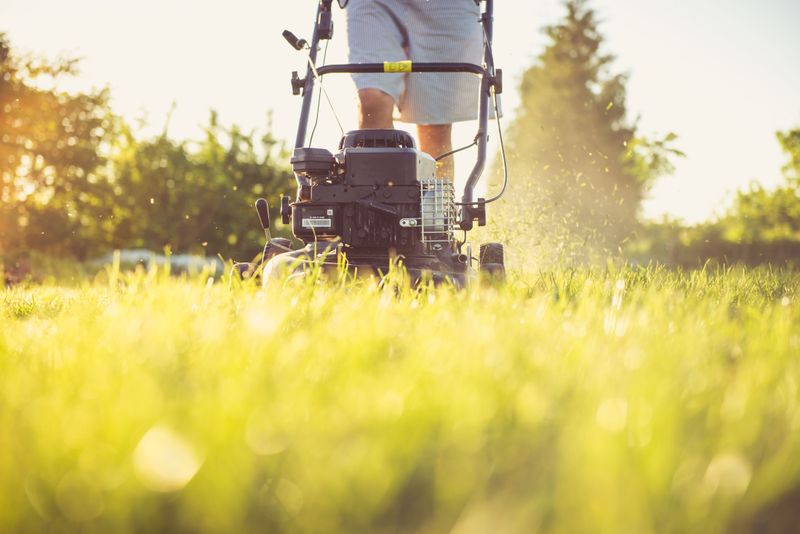
Scalping your lawn might feel satisfying in the moment, but it sets off a chain reaction you will regret by August. Short grass has shallow roots, and shallow roots cannot hold soil in place during heavy rain.
Once soil loosens, it erodes into gutters, ditches, and eventually local streams feeding the Chesapeake Bay. Sediment is actually one of the bay’s biggest pollutants, clouding water and covering underwater grasses.
Most turf experts recommend keeping cool-season grasses at three to four inches during summer. Taller blades shade the soil, keeping moisture in and reducing your need to water constantly.
Longer grass also crowds out weeds naturally, so you end up using fewer herbicides over the season. Fewer chemicals on your lawn means fewer chemicals heading toward local waterways when storms hit.
Your Virginia Garden Changes Every Week. Your Plan Should Too.
Gardening in Virginia changes quickly throughout the season. Every Friday you’ll receive a simple weekly plan showing exactly what to plant, prune, fertilize, harvest, and protect so you never miss the right timing.
A sharp mower blade matters more than most homeowners realize. Dull blades tear grass rather than cut it cleanly, stressing the plant and making it more vulnerable to drought.
The one-third rule is your best friend here. Never cut more than one-third of the blade height at a single mowing session, no matter how behind you feel.
Keeping your mower deck raised is a small adjustment with big environmental payoff. Healthy, tall grass is your lawn’s first line of defense against bay pollution this summer.
3. Rethink Where Your Grass Clippings End Up
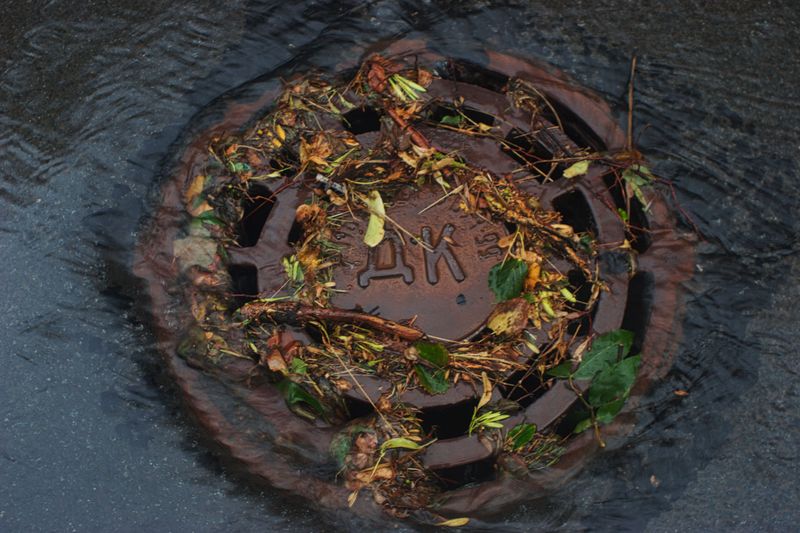
It happens all the time on neighborhood streets across Northern Virginia and the Eastern Shore. Someone finishes mowing, sweeps the clippings to the curb, and lets rain carry them into the storm drain.
What looks like harmless yard waste is actually a concentrated source of nutrients heading toward local waterways.
Decomposing clippings release nitrogen and phosphorus, fueling the same algae blooms that reduce oxygen levels in the Chesapeake Bay each summer.
Storm drains do not lead to treatment plants in most Virginia communities. They lead directly to streams, rivers, and eventually the bay, carrying everything in their path along for the ride.
The fix is genuinely easy. Leave clippings on the lawn to decompose naturally, a practice called grasscycling, and they return nutrients to the soil instead of the water.
Grasscycling can reduce your fertilizer needs by up to 25 percent according to Virginia Cooperative Extension research. That means less money spent on bags of fertilizer and less runoff risk during rainstorms.
If you bag your clippings, compost them in a backyard pile instead of sweeping them toward the street. A compost bin turns yard waste into rich soil amendment you can use in garden beds.
Your neighbors might not realize this habit affects water quality, so share what you have learned. One conversation on the block can ripple outward and protect the bay for everyone downstream.
4. Cut Back On Watering Lawns In The Middle Of The Day
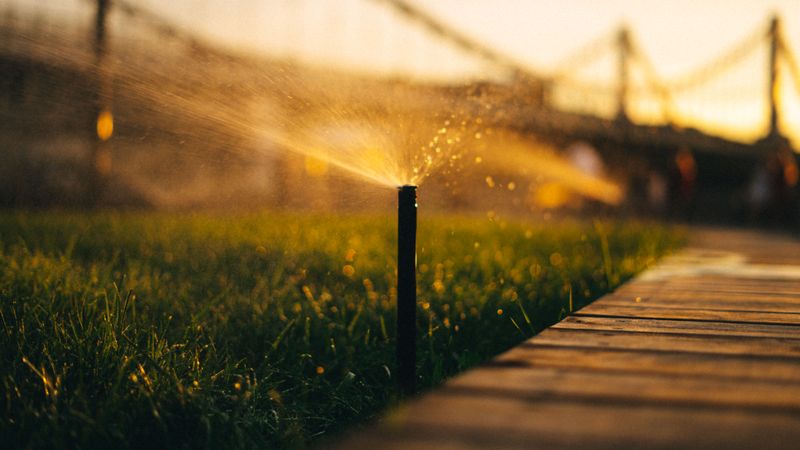
Midday watering feels productive, but most of that water never reaches your grass roots. The summer sun evaporates a huge portion of it before it even soaks into the ground.
To compensate, homeowners often run sprinklers longer, which leads to overwatering, pooling, and runoff that carries fertilizer and pesticides toward local streams. Those streams eventually connect to the Chesapeake Bay watershed.
Early morning watering, between 4 a.m. and 9 a.m., is the gold standard for lawn irrigation. Cooler temperatures and lower wind speeds mean water soaks in slowly and efficiently.
Evening watering works in a pinch but can leave grass blades wet overnight, encouraging fungal growth. Morning watering strikes the right balance between efficiency and plant health.
Smart irrigation controllers are now widely available at hardware stores across Virginia. These devices use local weather data to skip watering cycles when rain is already forecast for the day.
Deep, infrequent watering is far better than shallow daily sessions. Watering deeply two or three times a week encourages roots to grow downward, making your lawn more drought-tolerant overall.
Cutting back on midday irrigation also lowers your water bill noticeably over a long summer. Smarter watering habits protect your wallet and the bay at the same time, which is a genuine win worth celebrating.
5. Leave A Buffer Of Native Plants Along Waterways
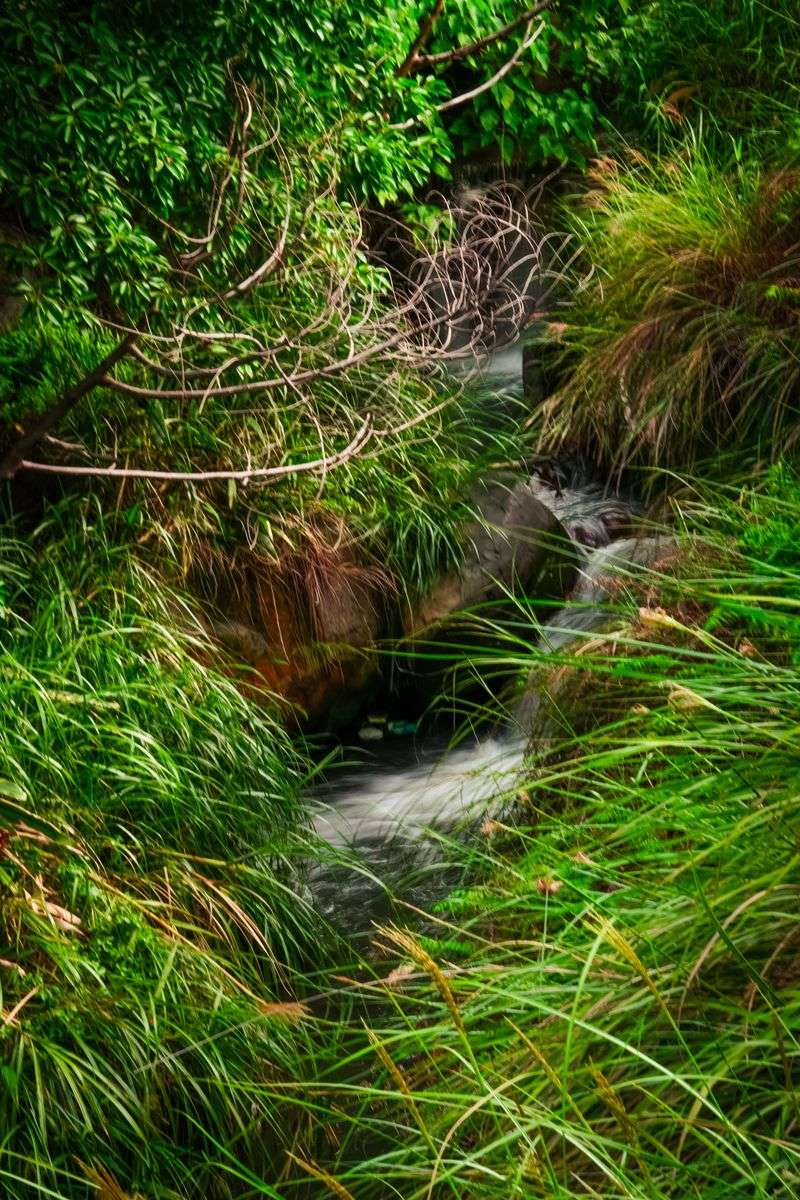
That strip of lawn running right up to the creek behind your house looks tidy, but it is doing the bay no favors. Mowed turf along waterways offers almost no filtration for runoff.
Native plant buffers act as natural sponges, and while even a narrow strip helps, Virginia guidance recommends buffers of 35 feet or more where space allows.
Their deep root systems absorb excess nutrients and slow water down before it reaches the stream.
Plants like switchgrass, Virginia wild rye, and cardinal flower are beautiful, low-maintenance, and perfectly suited to our region. They thrive in wet conditions where traditional lawn grass struggles and browns out.
Riparian buffers also provide critical habitat for birds, pollinators, and aquatic insects that support the bay’s food web. A yard that feeds wildlife is a yard doing real ecological work.
The Chesapeake Bay Foundation offers planting resources specific to Virginia properties. Many local conservation districts even provide native plants at reduced cost or free to qualifying homeowners.
Removing mowed lawn from streambanks also reduces your weekly mowing time, which is a practical bonus. Less mowing, more wildlife, and cleaner water downstream is a trade most homeowners are happy to make.
Starting small with a native buffer along a drainage ditch, even a modest one, can still make a measurable difference. The bay’s health is built one backyard at a time, and yours could be next on the list.
6. Ditch Bagged Fertilizers With High Phosphorus Content
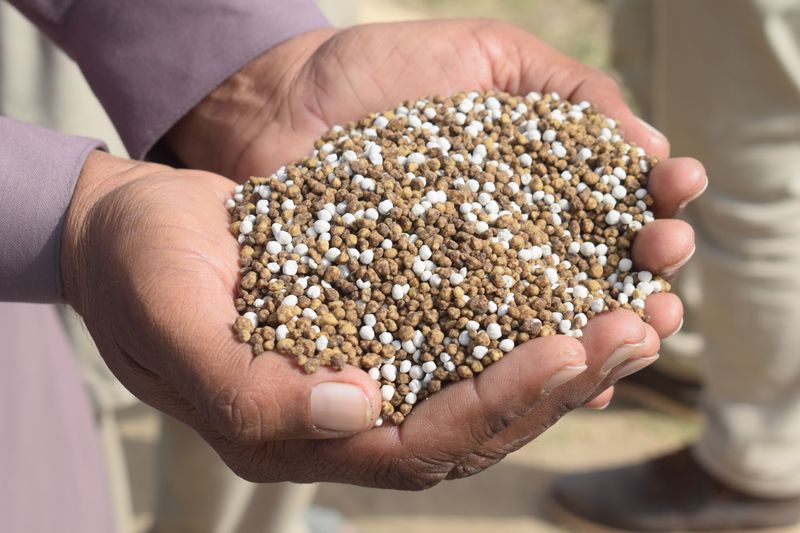
Walk down any garden center aisle and you will see bags of fertilizer with numbers like 10-10-10 printed in bold. That middle number is phosphorus, and in most Virginia yards, you probably do not need it at all.
Phosphorus binds to soil particles and travels with sediment into streams during rain events. Once it enters the Chesapeake Bay watershed, it fuels algae blooms that lower oxygen levels aquatic life depends on.
Many Virginia lawns already have adequate phosphorus levels from decades of fertilization. A simple soil test from your local cooperative extension office will tell you exactly what your yard actually needs.
Soil tests cost a modest fee, often under twenty dollars, and can save you from spending money on nutrients your lawn cannot even use. They also prevent you from accidentally loading up your yard with excess phosphorus.
When you do need fertilizer, look for products labeled phosphorus-free, often shown as a low or missing digit in the middle number position. Many turf experts now recommend these formulas for established Virginia lawns.
Organic options like compost and aged leaf mulch feed your lawn slowly without the sharp nutrient spikes that cause runoff problems. They also improve soil structure over time, which helps with drainage.
Reading fertilizer labels is a small habit that carries enormous environmental weight. Choosing the right product protects the Chesapeake Bay yard habits Virginia homeowners are working hard to change this season.
7. Reduce Impervious Surfaces That Push Runoff Into The Bay
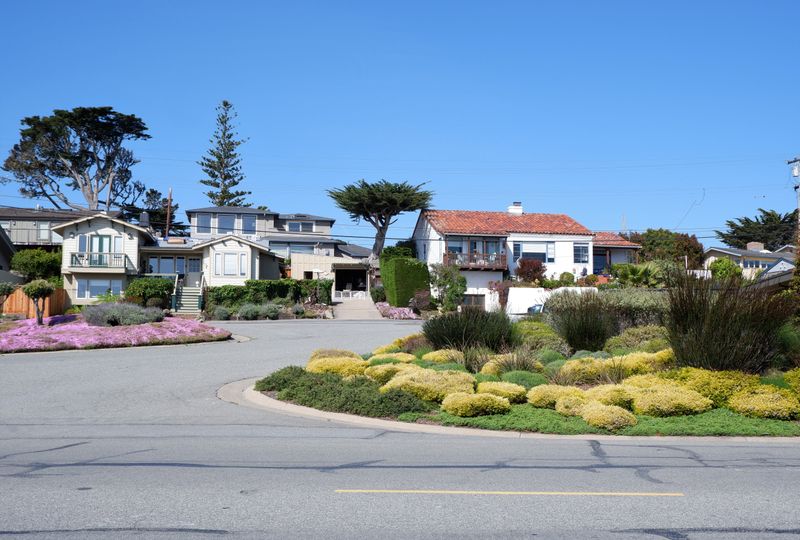
Concrete driveways, asphalt patios, and sealed walkways look clean and low-maintenance. But every square foot of hard surface sends rain rushing across your property instead of soaking into the ground.
That runoff picks up oil, fertilizer, pet waste, and sediment as it travels. By the time it reaches a storm drain, it is a concentrated mix of pollutants heading for local waterways.
Permeable pavers are one of the best alternatives available to Virginia homeowners today. They allow rainwater to filter through gaps and into the soil beneath, dramatically cutting runoff volume.
Gravel pathways, mulched beds, and rain gardens are other affordable ways to break up hard surfaces around your home. Each one slows water down and gives it a chance to absorb naturally.
Rain gardens are shallow planted depressions that collect runoff from roofs and driveways. Planted with native species, they filter pollutants before water moves into groundwater or nearby streams.
Even replacing a small section of concrete with mulch or ground cover plants can reduce your property’s runoff contribution. Small swaps add up quickly when whole neighborhoods adopt them together.
Local Soil and Water Conservation Districts and some municipal stormwater programs offer resources, and occasionally rebates, for homeowners who install green infrastructure.
Reducing impervious surfaces is one of the highest-impact changes a homeowner can make for the Chesapeake Bay this summer.
8. Pull Invasive Species Before They Seed And Spread
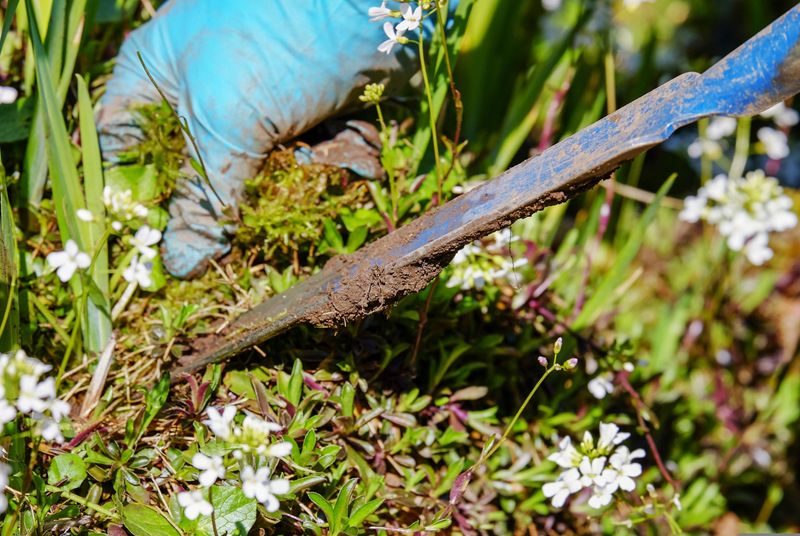
English ivy, Japanese knotweed, and kudzu might look lush and green, but they create real problems for the local ecosystem. Once established, they crowd out native plants that hold soil and filter runoff.
Without native root systems stabilizing streambanks, erosion accelerates during summer rainstorms. That eroded soil flows directly into tributaries feeding the Chesapeake Bay, carrying nutrients and sediment along with it.
Invasive plants spread fast, and summer is when many of them set seed for the following year. Pulling or cutting them before they seed is the most effective way to stop their spread.
Focus first on plants growing near drainage areas, streams, or low spots in your yard. These locations are where invasives have the most direct effect on water quality downstream.
Bag invasive material securely before disposal and check with your county on proper drop-off locations. Composting invasive plants at home can actually spread them further, so proper disposal matters enormously.
Virginia Master Gardeners and local conservation groups often host free invasive removal events during summer months. Joining one is a great way to learn identification skills and connect with neighbors who care about the same issues.
Staying consistent with removal each season gradually tips the balance back toward native plants. Protecting the Chesapeake Bay yard habits Virginia families are building starts with knowing what to pull and when to act.