What Florida Gardeners Should Do With Citrus Trees In May For Bigger, Juicier Harvests
May is a big month for Florida citrus, and these trees are not exactly shy about needing attention. The weather heats up, tiny fruit starts sizing up, and sandy soil can go dry faster than a puddle on a driveway.
One week feels crisp and thirsty, the next brings surprise rain clouds rolling in like they own the place. That mix can make citrus care feel a little like garden babysitting, but the payoff can be delicious.
A few smart May habits can help support fruit size, juiciness, leaf health, and young fruit retention as the season moves toward summer. Watering, feeding, pest checks, and light cleanup all matter right now.
Your orange, lemon, lime, or grapefruit tree may be quietly asking for backup.
1. May Watering Supports Early Fruit Growth
Early fruit development puts real demands on a citrus tree, and May heat in Florida can pull moisture from sandy soils faster than many gardeners expect. When small fruit are forming and sizing up, consistent soil moisture can support that process in a meaningful way.
Trees that experience prolonged dry spells during this window may drop fruit or produce smaller yields come harvest time.
Sandy soils drain quickly across much of Florida, which means water does not linger near the root zone for long.
Shallow, frequent watering tends to encourage surface roots rather than deep ones, so watering more deeply and less often is generally a better approach.
Aim to moisten the soil several inches down rather than just wetting the surface.
Young citrus trees and container-grown citrus may need more frequent attention than established trees, especially during dry stretches. Established trees in the ground often have deeper root systems that can access moisture from lower soil layers.
Still, even mature trees benefit from consistent moisture during the early fruit development period in May.
Checking the soil a few inches below the surface before watering can help you avoid both overwatering and underwatering your trees during this important Florida growing month.
2. Rainfall Should Guide Your Irrigation Routine
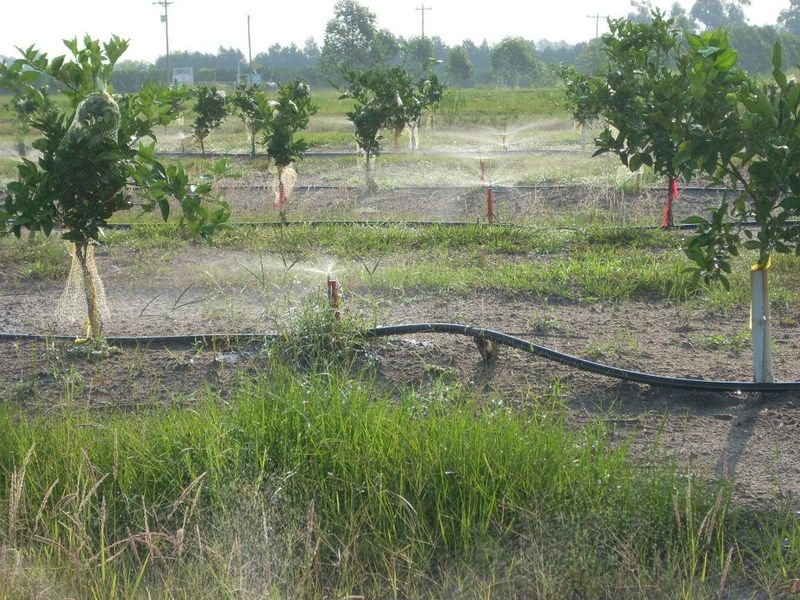
One of the most common mistakes Florida citrus growers make in May is continuing to irrigate on a fixed schedule even after rain has moved through the yard.
Running irrigation right after a good soaking rain does not help the tree and can actually create stress by keeping the root zone too wet for too long.
Roots need some air in the soil to function well, and waterlogged conditions can interfere with nutrient uptake.
Keeping a simple rain gauge in the yard is one of the easiest ways to track how much water your trees are actually receiving.
Many Florida counties also provide online resources or phone alerts that track local rainfall totals, which can help you make smarter irrigation decisions without guesswork.
Adjusting your schedule based on actual rainfall rather than a fixed timer gives your trees what they need without wasting water.
May rainfall patterns across Florida can be unpredictable, with some weeks bringing afternoon showers and others staying dry for extended stretches.
Your Florida Garden Changes Every Week. Your Plan Should Too.
Gardening in Florida changes quickly throughout the season. Every Friday you’ll receive a simple weekly plan showing exactly what to plant, prune, fertilize, harvest, and protect so you never miss the right timing.
Building flexibility into your irrigation routine during this transitional month helps your trees stay more comfortable through both dry spells and wet periods.
Paying attention to what the sky and the soil are telling you often works better than sticking to a rigid watering calendar throughout the spring.
3. May Fertilizer Matters When Using Dry Soluble Products
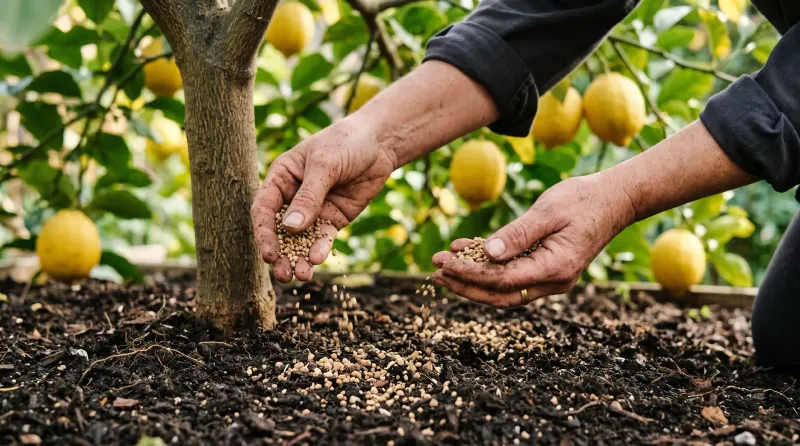
Fertilizing citrus trees in May can support healthy growth and developing fruit, but the type of product you use and how you apply it matters quite a bit.
Dry granular fertilizers are common choices for home citrus trees in Florida, and they work best when the soil has some moisture to help move nutrients toward the root zone.
Applying dry fertilizer to bone-dry soil during a warm, dry May stretch can slow down how quickly the tree receives those nutrients.
Many Florida counties have seasonal fertilizer restrictions in place, particularly during the rainy season, to help protect local water quality.
Checking your local rules before applying any fertilizer in May is a smart step, since timing and product type may be regulated in your area.
Using fertilizers labeled specifically for citrus trees and following the product label directions helps ensure you are applying the right amount without overdoing it.
Splitting fertilizer applications into smaller amounts spread across the growing season tends to work better than applying one large dose.
Container citrus trees may need more frequent feeding than trees growing in the ground, since nutrients can wash out of pots more quickly.
Paying attention to leaf color and overall tree vigor in May can give you useful clues about whether your fertilizer routine is supporting the tree or needs a small adjustment.
4. The Root Zone Is The Right Place For Fertilizer
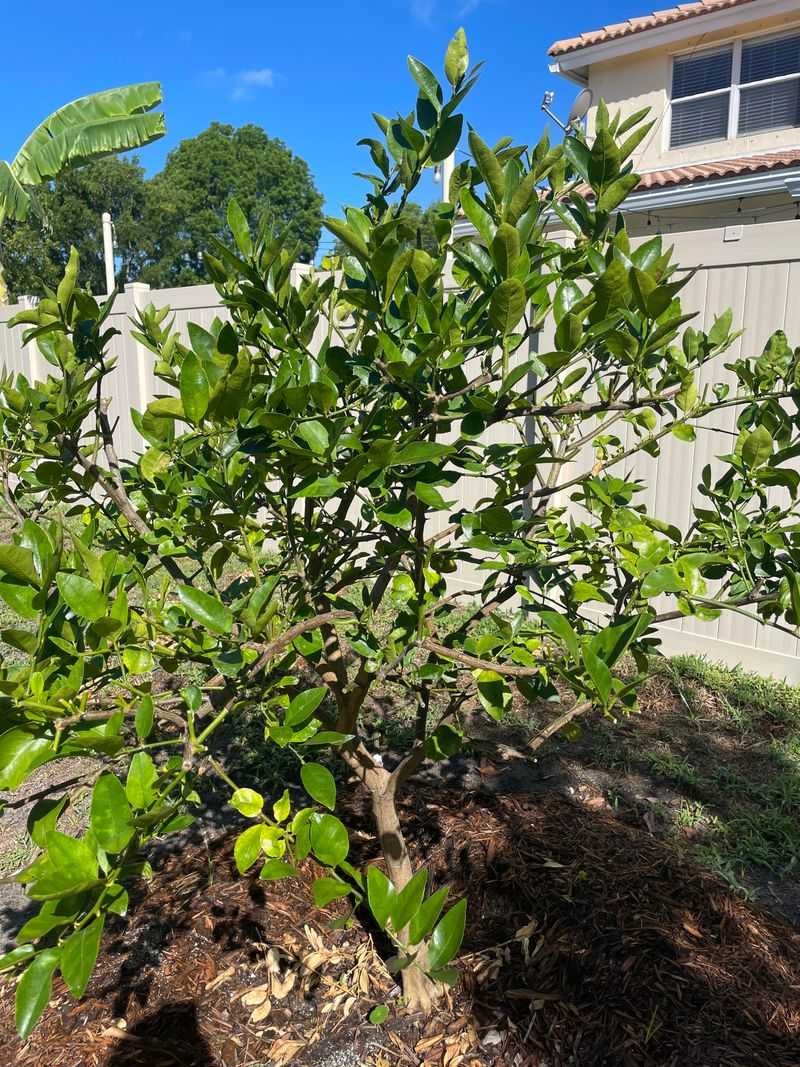
Where you place fertilizer around a citrus tree can be just as important as what product you choose or how much you apply.
Piling fertilizer directly against the trunk is a habit worth avoiding, since it can irritate the bark and create conditions that may stress the lower portion of the tree over time.
Spreading fertilizer outward toward the drip line, which is roughly where the outer branches reach, gives roots a much better chance of picking up those nutrients.
Citrus roots in Florida’s sandy soils tend to spread broadly rather than deeply, and the most active feeder roots are often found in that outer zone beneath the canopy edge.
Applying fertilizer in an even ring out to and slightly beyond the drip line helps make sure the nutrients land where roots are most likely to absorb them.
Watering after a dry application helps move granules into the soil and starts the nutrient release process.
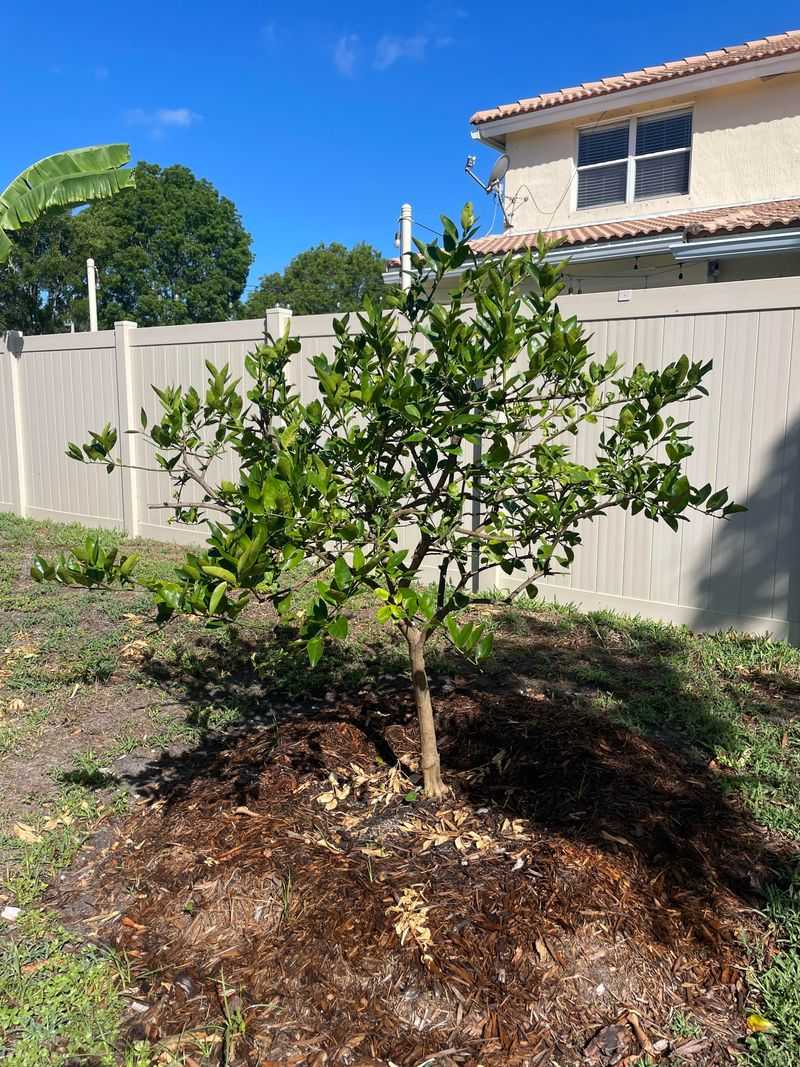
Mulching the root zone with a few inches of organic material can also help retain moisture and moderate soil temperature during warm May days. Keep mulch a few inches away from the trunk to allow for good airflow at the base.
Combining proper fertilizer placement with a thoughtful mulching routine gives Florida citrus trees a more supportive growing environment during one of the busiest growth periods of the year.
5. Heavy Pruning Can Reduce Citrus Production
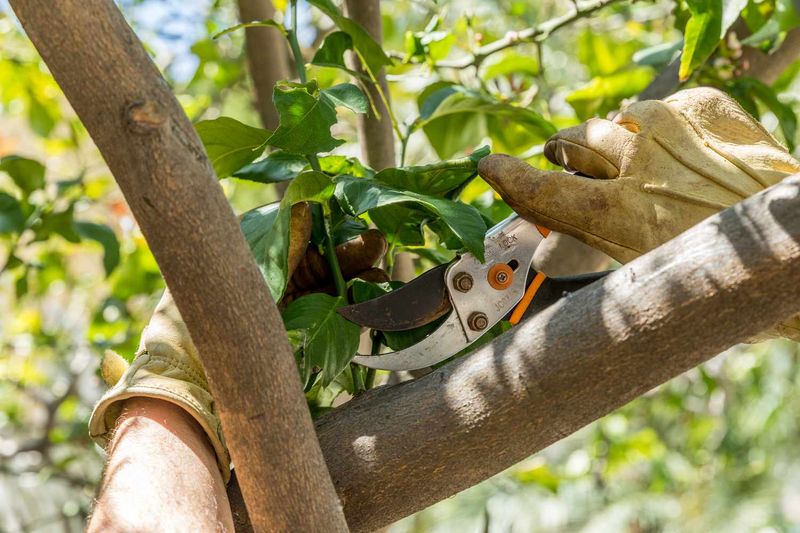
Pruning citrus trees too aggressively in May can remove the very branches that are holding developing fruit, which directly reduces how much fruit you end up harvesting later in the season.
Unlike some other fruit trees, citrus generally does not need heavy pruning to produce well.
Light, selective pruning focused on removing damaged wood, crossing branches, or damaged limbs tends to be a more fruit-friendly approach during the growing season.
May is not typically the best time for major structural cuts on citrus trees in Florida. Heavy pruning at this point removes leafy canopy that the tree is using to capture sunlight and fuel fruit development.
Waiting until after harvest to make larger structural changes is usually a better choice for home citrus growers who want to protect their crop.
That said, some light shaping and the removal of clearly damaged or diseased wood is reasonable in May if needed. Keeping cuts clean with well-maintained pruning tools helps reduce the chance of introducing problems through open wounds.
If a branch has been damaged by weather or shows signs of decline, removing it promptly makes sense regardless of the season.
Thoughtful, minimal pruning during May allows the tree to put its energy into the fruit already forming on its branches rather than recovering from major cuts.
6. Suckers Should Be Removed While They Are Small
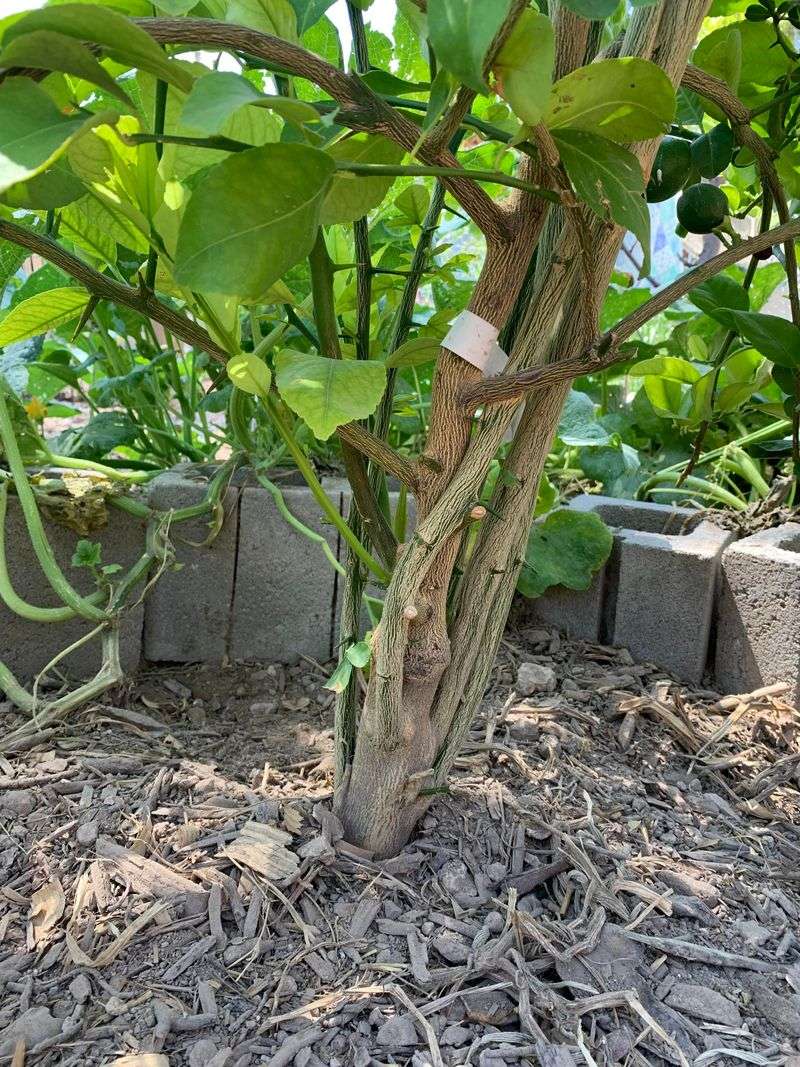
Sucker growth is one of those things that sneaks up on Florida citrus gardeners, especially in the spring when trees are putting out a lot of new growth all at once.
Suckers are vigorous shoots that emerge from the rootstock below the graft union, which is usually visible as a slight swelling or change in bark texture near the base of the trunk.
These shoots grow from a different variety than the fruiting top of the tree, so they will not produce the fruit you want if left to develop.
Removing suckers while they are still small and soft makes the job much easier than waiting until they have become thick, woody stems. Small suckers can often be snapped off by hand or removed with a clean pair of pruning shears.
Cutting them as close to the point of origin as possible, rather than leaving a stub, helps slow regrowth and reduces the chance of the same spot sending out new shoots repeatedly.
In Florida’s warm May conditions, sucker growth can move quickly, so checking the base of your citrus trees every couple of weeks is a reasonable habit during the active growing season.
Container citrus and young trees are just as likely to produce suckers as older established ones.
Staying on top of sucker removal helps direct the tree’s energy toward the fruiting canopy above the graft union rather than into unproductive rootstock growth.
7. Rust Mites Can Affect Fruit Size And Appearance
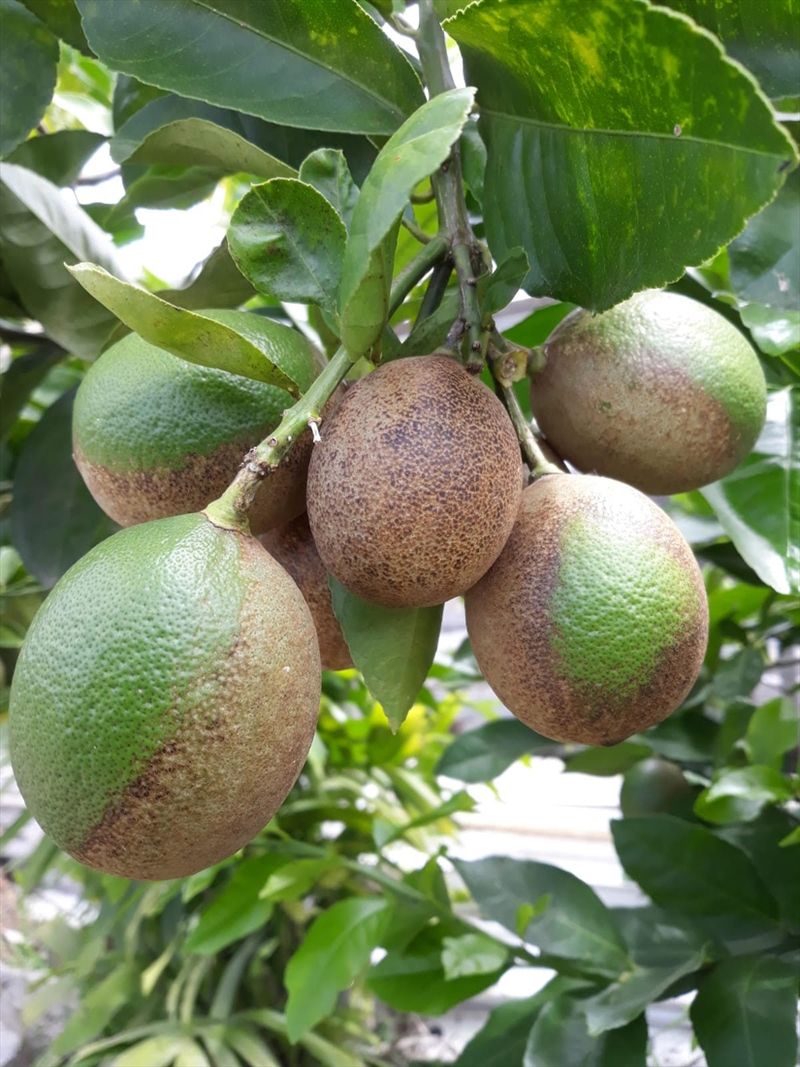
Citrus rust mites are among the most common pest challenges Florida citrus growers encounter, and May is a month when populations can begin building on developing fruit and new foliage.
These tiny pests are not visible to the naked eye, but the damage they leave behind is fairly recognizable.
Fruit that has been affected by rust mites often develops a silvery, bronze, or russeted appearance on the skin, which can reduce the visual appeal of the harvest even when the fruit inside is still flavorful.
Heavy rust mite activity during early fruit development may also affect final fruit size, since feeding damage can interfere with normal skin expansion as fruit grows.
Monitoring your trees regularly in May gives you a chance to catch rising mite populations before they become more difficult to manage.
Using a hand lens to inspect the surface of young fruit and the undersides of leaves can help you spot early signs of activity.
Several horticultural oil products are commonly used to manage rust mites on Florida citrus, and they tend to work best when applied before populations reach high levels.
Following label directions carefully and avoiding applications during the hottest parts of the day helps reduce the chance of oil-related stress to the tree.
Keeping records of when you notice mite activity in your yard can help you time future monitoring and management efforts more effectively each season.
8. New Citrus Flush Needs Pest Monitoring
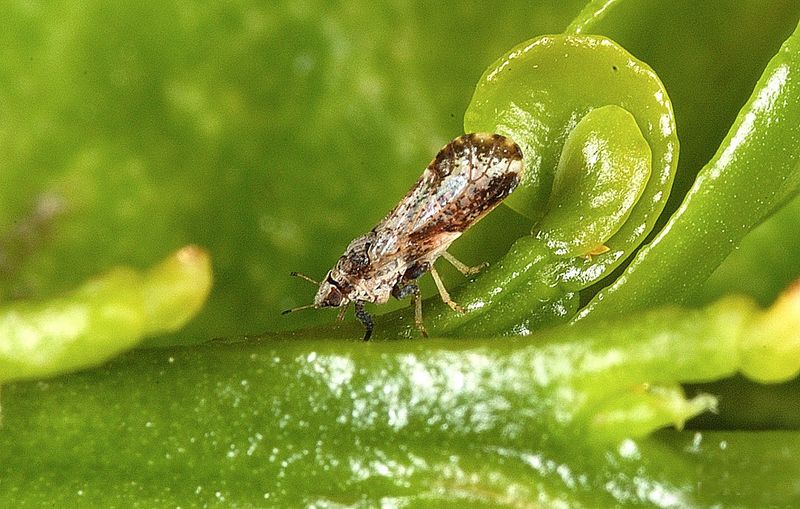
Watching a citrus tree push out a fresh flush of bright green leaves is one of the more satisfying sights in a Florida garden, but that new growth also attracts attention from a range of insects and pests.
Tender new leaves and shoots are more vulnerable than mature foliage, and several common Florida citrus pests time their activity to take advantage of this flush.
Asian citrus psyllid is one pest that Florida gardeners are encouraged to watch for, since it lays eggs on new growth and is associated with a serious citrus disease.
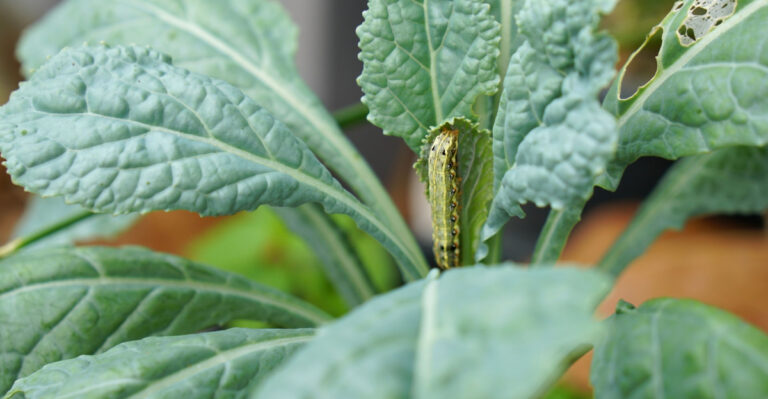
Aphids, leafminers, and caterpillars are also drawn to soft new citrus growth and can cause visible damage to young leaves as they expand.
While some leaf damage on mature trees does not necessarily affect fruit production significantly, repeated or heavy infestations on young trees can slow overall development.
Checking new growth every few days during a flush period gives you a much better chance of catching pest activity early.
Reporting any sightings of Asian citrus psyllid to your local Florida extension office is encouraged, since tracking its presence helps support broader monitoring efforts across the state.
For other common pests, targeted management using appropriate products and following label directions can help protect new growth without disrupting beneficial insects in your yard.
Staying attentive during flush periods is one of the most practical habits a Florida citrus grower can build into their seasonal care routine.