The Tiny Pests That Explode In California Gardens When Weather Warms Up
Warm weather in California is great news for gardeners. It is also, unfortunately, great news for pests.
The moment temperatures start climbing and plants push out that fresh, tender new growth, tiny insects basically treat it like an all-you-can-eat buffet.
And the really sneaky part?
Many of these pests have life cycles so fast that a small, barely noticeable group can turn into a full-blown infestation in what feels like the blink of an eye.
By the time you spot the curling leaves, the sticky residue, the yellowing, or those telltale silvery streaks, they have usually been at it for a while already.
Not exactly a comforting thought, but the good news is that knowing what to look for makes a huge difference.
1. Aphids Multiply Fast On Tender New Growth
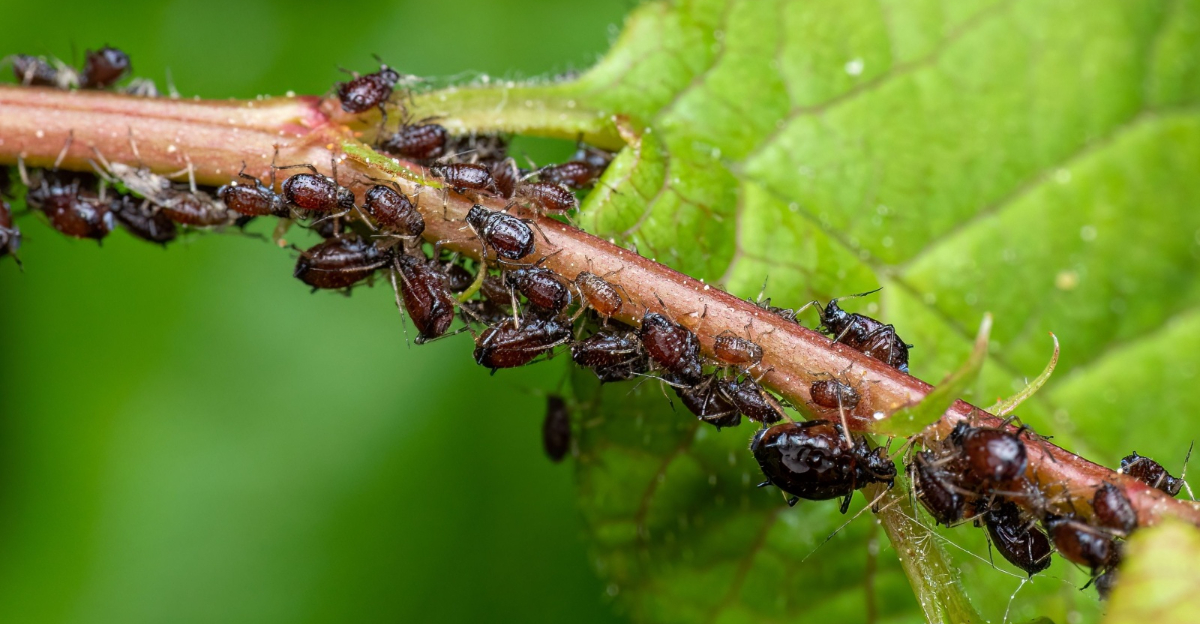
Curled leaves and sticky stems are often the first clues that aphids have moved into a California garden. These soft-bodied insects are tiny enough to overlook at first glance, but a single stem can hold dozens of them feeding at once.
They tend to cluster on the newest, most tender growth because that tissue is easier to pierce and draws out more nutrients.
Aphids reproduce at a remarkable pace when temperatures are warm. Females can produce live young without mating, and those offspring begin reproducing within days.
A small colony spotted early in spring can balloon into a much larger problem across roses, vegetables, citrus, and ornamentals before a gardener gets around to checking again.
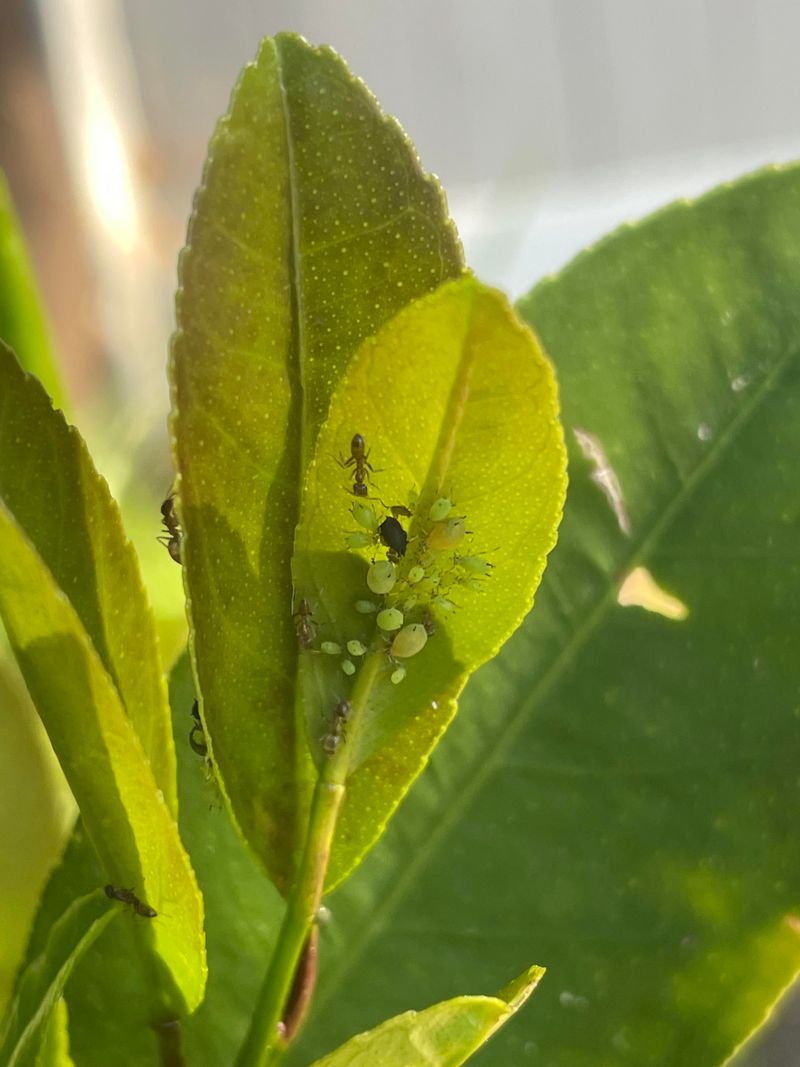
The sticky substance left behind, called honeydew, coats leaves and invites sooty mold to develop. Ants are often a sign that aphids are present nearby, since ants actively protect aphid colonies to harvest that honeydew for food.
Spotting ants traveling up and down a plant stem is a useful early warning.
A strong spray of water from a garden hose can knock aphids off plants effectively when infestations are light.
Checking plants regularly, especially the undersides of leaves and growing tips, helps catch colonies while they are still manageable.
Encouraging natural predators like ladybugs and lacewings by avoiding broad-spectrum sprays gives gardens a helpful biological buffer against aphid surges throughout the warm season.
2. Whiteflies Build Quickly Once Conditions Warm Up
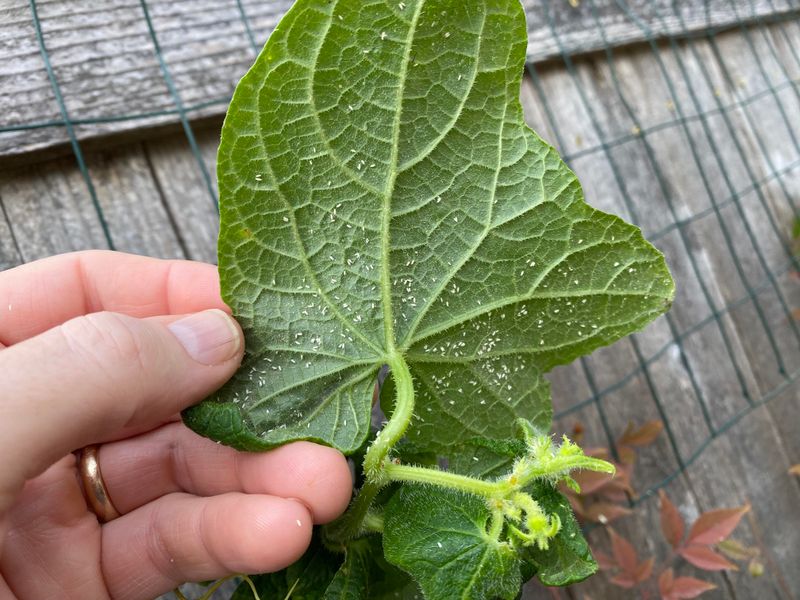
Shake a tomato plant or a hibiscus in a warm California garden and a cloud of tiny white insects lifting into the air is a sure sign of a whitefly problem.
These small, moth-like pests spend most of their time on the undersides of leaves, where they feed, lay eggs, and develop through several nymph stages before reaching adulthood.
Because they stay hidden beneath foliage, infestations often grow quietly before gardeners notice visible damage.
Warm temperatures speed up every stage of the whitefly life cycle. In cooler months, development slows considerably, but once gardens heat up, eggs hatch faster and adults emerge sooner, compressing the time between generations.
Heavily infested plants may show yellowing leaves, reduced vigor, or a sticky coating of honeydew that turns black with sooty mold over time.
Vegetable gardens, flowering ornamentals, and container plants on patios are especially vulnerable.
Your California Garden Changes Every Week. Your Plan Should Too.
Gardening in California changes quickly throughout the season. Every Friday you’ll receive a simple weekly plan showing exactly what to plant, prune, fertilize, harvest, and protect so you never miss the right timing.
Squash, beans, cucumbers, and ornamental flowering plants are among the hosts that tend to attract high populations in California landscapes during warm months.
Reflective mulches can reduce whitefly movement onto low-growing vegetable crops. Yellow sticky traps help monitor population levels without controlling large infestations on their own.
Insecticidal soap or horticultural oil applied carefully to leaf undersides can reduce populations when used at the right time.
Avoiding excessive nitrogen fertilization is also helpful, since lush, fast growth tends to attract more whitefly activity in warm gardens.
3. Spider Mites Surge In Hot Dry Weather
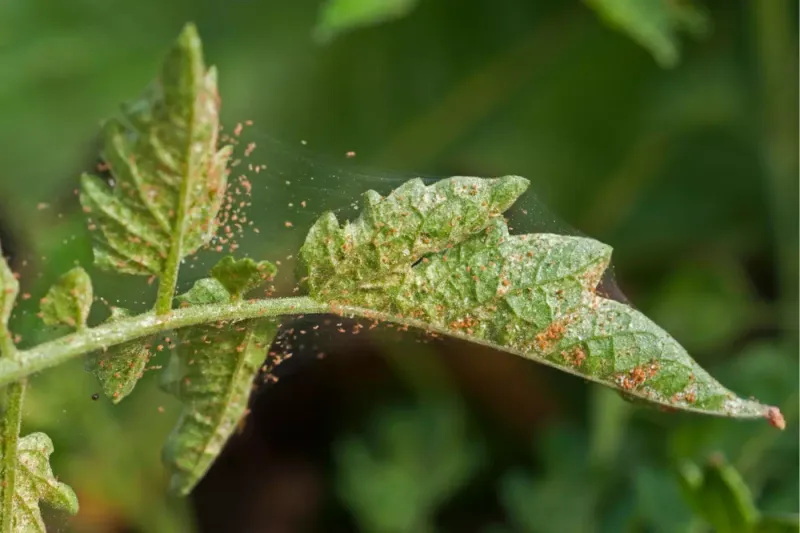
Dusty, stippled foliage that looks faded or bronze-toned is one of the most recognizable signs of spider mite damage in a California garden.
These pests are not insects at all – they are arachnids, related to spiders and ticks, and they are almost invisible to the naked eye.
A hand lens is often needed to spot the tiny moving dots crawling across the undersides of leaves.
Spider mites thrive in hot, dry conditions, which makes summers nearly ideal for population explosions. When soil moisture is low and humidity drops, plants become stressed, and stressed plants are more susceptible to mite feeding.
Mites also reproduce very rapidly in heat, with some species completing a full generation in under a week during peak summer temperatures.
Fine webbing stretched across leaf surfaces and between stems is a strong indicator of a heavy infestation. Tomatoes, beans, roses, strawberries, and many ornamental shrubs in gardens are common targets.
Fruit trees can also experience significant mite pressure during dry stretches in summer and early fall.
Keeping plants well-watered during hot weather reduces stress and makes them somewhat more resistant to mite damage. A forceful spray of water directed at leaf undersides can reduce mite numbers significantly.
Horticultural oils and insecticidal soaps can be effective when applied thoroughly and repeated as needed.
Avoiding dusty conditions near plants also helps, since dust disrupts the natural predators that help keep mite populations in check under normal California garden conditions.
4. Thrips Leave Damage Before Gardeners Notice Them
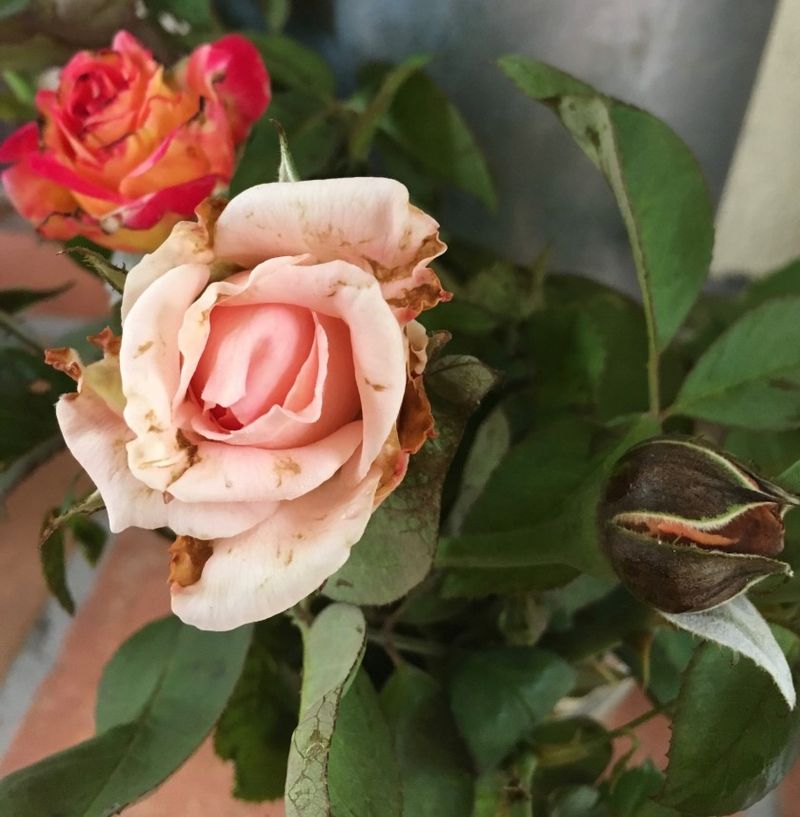
Silvery streaks on flower petals, distorted new leaves, and tiny black specks of frass scattered across leaf surfaces are often the first evidence that thrips have been feeding for a while.
By the time a gardener spots that damage, the insects responsible have usually already moved on to new growth or dropped into the soil to pupate.
Thrips are slender and fast-moving, and at just a millimeter or two in length, they are easy to miss during a casual garden check.
Warm weather accelerates thrips development considerably in California gardens. Western flower thrips, one of the most common species in California, can complete a generation in as little as two weeks when temperatures are high.
That speed means populations can shift from minor to significant in a short time, especially on roses, peppers, onions, and ornamental flowering plants.
Thrips feed by rasping plant tissue and sucking out the cell contents, leaving behind a characteristic silvery or bronzed appearance. Flower buds may fail to open properly, and foliage on heavily infested plants can look scarred and rough.
Some thrips species also transmit plant viruses, which adds another layer of concern for vegetable gardeners.
Blue or yellow sticky traps can help monitor thrips activity and give an early warning before damage becomes widespread. Keeping plants healthy with consistent watering and avoiding over-fertilization with nitrogen reduces plant susceptibility.
Removing heavily damaged plant material and staying on top of garden sanitation also helps limit thrips buildup during the warm California growing season.
5. Mealybugs Expand Fast In Warm Protected Spots
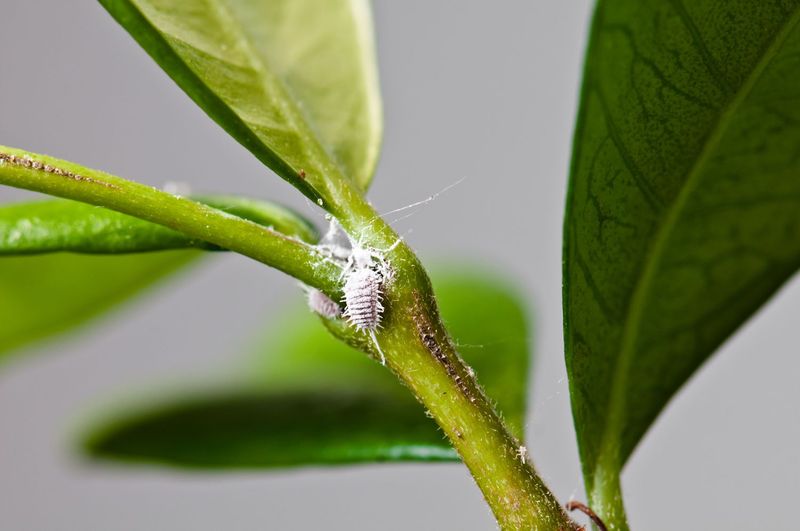
Tucked into stem joints, hidden along leaf axils, and nestled against the base of container plants, mealybugs look like small tufts of white cotton – easy to dismiss as dust or debris at first glance.
Once a gardener takes a closer look, the waxy, segmented bodies become clear, and so does the scale of the problem.
Mealybugs tend to settle in sheltered spots where they are harder to reach and harder to see.
Warm, protected environments accelerate mealybug reproduction in California gardens. Container plants on patios and in greenhouses, succulents, citrus, and tropical ornamentals are especially attractive hosts.
Populations can expand steadily through spring and into summer, with females laying hundreds of eggs in a cottony egg mass that is tucked away from view.
Yellowing leaves, sticky honeydew residue, and sooty mold are common signs of mealybug feeding. Ants moving actively around a plant are another indicator, since they tend mealybugs much like they tend aphids, protecting them in exchange for honeydew.
Catching the infestation early makes management considerably more straightforward.
Dabbing individual mealybug clusters with a cotton swab dipped in rubbing alcohol works well for light infestations on container plants.
Insecticidal soap or horticultural oil applied thoroughly, including into stem crevices and leaf joints, can reduce populations on larger plants.
Avoiding over-watering and over-fertilizing helps keep plants from producing the kind of soft, lush growth that mealybugs tend to favor in warm California garden conditions.
6. Scale Insects Build Up Quietly Over Time
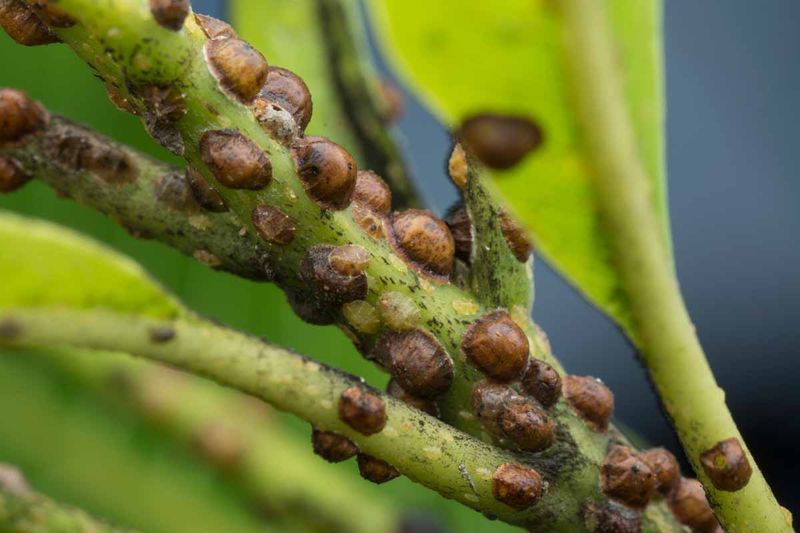
A branch that looks rough, bumpy, or crusted with what resembles dried bark or tiny shells is often a branch covered in scale insects.
Scale are among the most overlooked pests in California gardens precisely because they do not look like insects at all in their settled stage.
They attach firmly to stems, branches, and leaves, cover themselves with a waxy or shell-like coating, and feed quietly while the plant slowly declines.
Warm weather does not trigger the dramatic explosions seen with aphids or whiteflies, but it does allow scale populations to build steadily through the season.
Crawlers, the mobile juvenile stage, emerge in warmer months and spread to new plant surfaces before settling and beginning to feed.
On citrus, camellias, gardenias, and ornamental shrubs, scale infestations can go unnoticed for months in a California garden.
Yellowing foliage, reduced plant vigor, and sticky honeydew are signs that scale feeding has reached a level that is affecting the plant.
Sooty mold growing on the honeydew often makes leaves look dark and grimy, which is sometimes the first thing a gardener notices rather than the scale themselves.
Horticultural oil applied during the crawler stage is one of the more effective management tools for scale in California home gardens.
Timing applications to coincide with crawler activity, which can be monitored using double-sided tape wrapped around branches, improves results.
Pruning out heavily infested wood also helps reduce populations and improves airflow through the plant canopy.
7. Leafminers Spread Fast In Warm Weather
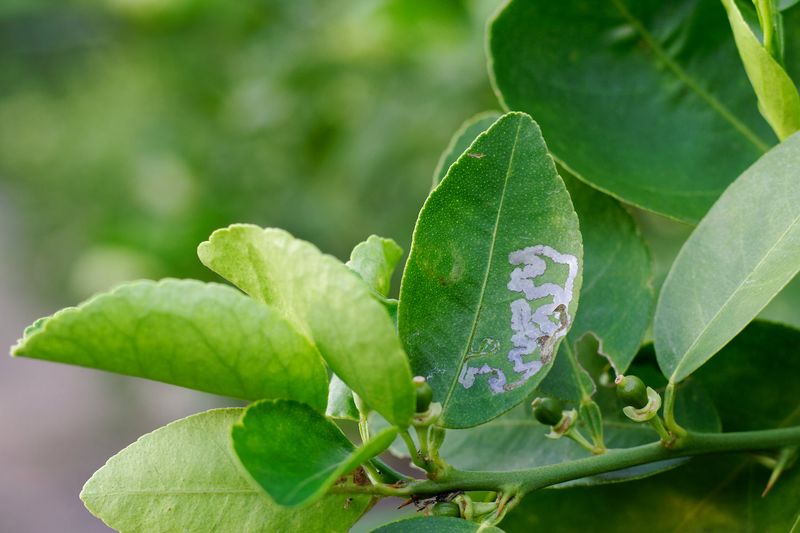
Pale, winding trails that seem to tunnel through the inside of a leaf are one of the more distinctive signs of leafminer activity in a California garden.
The damage looks almost like someone drew thin, squiggly lines across the leaf surface with a light-colored pen.
Those trails are actually the feeding paths of tiny larvae living between the upper and lower layers of the leaf tissue, protected from most sprays by the leaf itself.
Leafminers affecting vegetables and ornamentals tend to become more active as weather warms in spring and early summer. Adult flies lay eggs on leaf surfaces, and the hatching larvae burrow immediately into the leaf to begin feeding.
Spinach, chard, beets, tomatoes, and many ornamental plants are commonly affected in California home gardens and raised beds.
Heavy leafminer activity can weaken plants by reducing photosynthesis, and on young seedlings the damage can be particularly discouraging. That said, established plants with good care can often tolerate moderate leafminer pressure without serious setbacks.
The damage tends to look worse than it actually is in many cases.
Removing and disposing of heavily mined leaves helps reduce the number of larvae completing their life cycle in the garden.
Covering susceptible vegetable crops with row covers before adult flies become active can prevent egg-laying on young plants.
Avoiding broad-spectrum insecticides protects the natural parasitic wasps that help keep leafminer populations from getting out of hand in California gardens during the warm growing season.