Why Georgia Cucumbers Suddenly Turn Bitter Near The End Of Spring
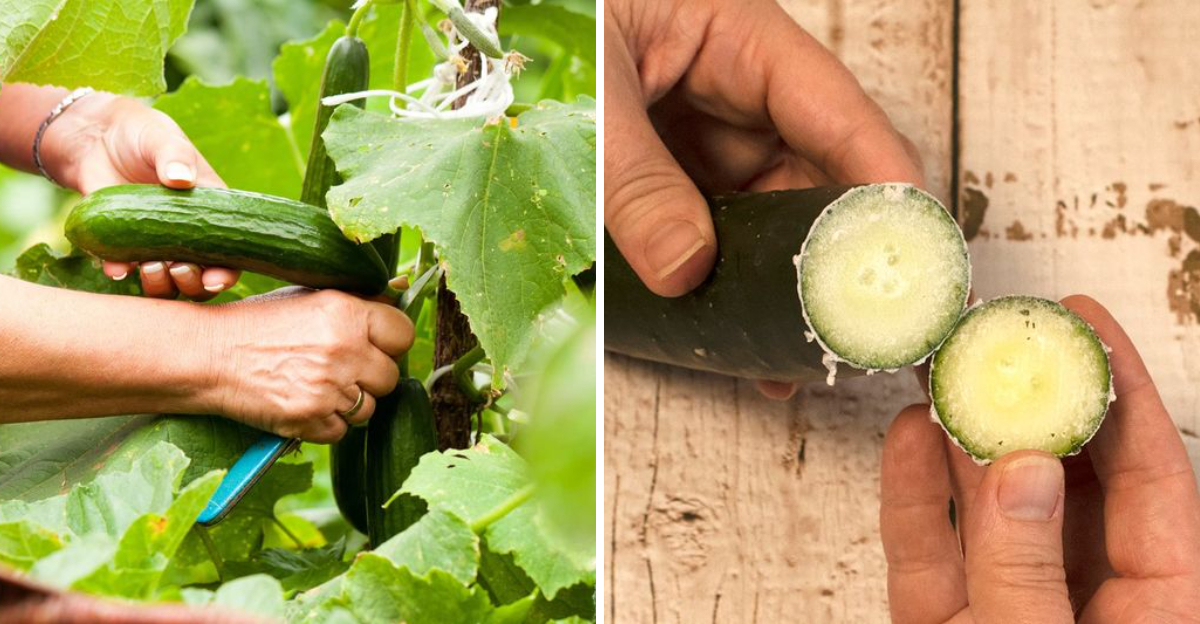
There is nothing more disappointing than picking a cucumber that looks crisp, cool, and sandwich-ready, then taking one bite and immediately questioning all your gardening choices.
Georgia cucumbers can be sneaky like that near the end of spring. The vines may look fine, the fruit may look perfect, and then the flavor says, “Surprise.”
Late spring in Georgia can be a little dramatic for cucumbers. Warm afternoons, dry spells, uneven watering, and fast fruit growth can all put pressure on the plant.
That stress can affect flavor, especially when cucumbers mature quickly or sit on the vine too long. The good news is that bitterness usually gives clues.
A quick look at watering habits, harvest timing, plant health, and variety can help explain what went wrong.
1. Low Moisture While Fruit Is Maturing
Slicing into a homegrown cucumber and finding a sharp, bitter flavor instead of something crisp and refreshing is a frustrating experience for gardeners.
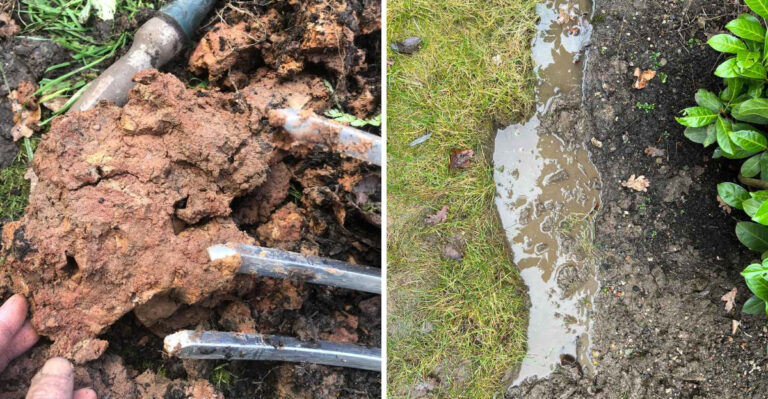
One of the more common reasons this happens near the end of spring is that the soil simply did not hold enough moisture while the fruit was actively developing.
Cucumbers are made up of a very high percentage of water, so when moisture runs low in the soil, the fruit has less to draw from as it fills out.
In Georgia, late spring can bring stretches of dry, warm weather that dry out garden beds faster than expected.
If the soil around your cucumber roots dries out while the fruit is still sizing up, the plant may produce higher levels of cucurbitacin, which is the naturally occurring compound responsible for that bitter flavor.
Raised beds and containers are especially prone to drying out quickly during warm afternoons.
Watching the soil closely during fruit development is one of the most useful habits a home gardener can build. If the top inch or two of soil feels dry, the plant likely needs water.
Mulching around the base of cucumber vines can help the soil hold onto moisture longer between waterings, which may reduce the stress that leads to bitterness in the first place.
Even small improvements in soil moisture during this stage can make a noticeable difference in cucumber flavor at harvest time.
2. Hot Dry Weather Stress
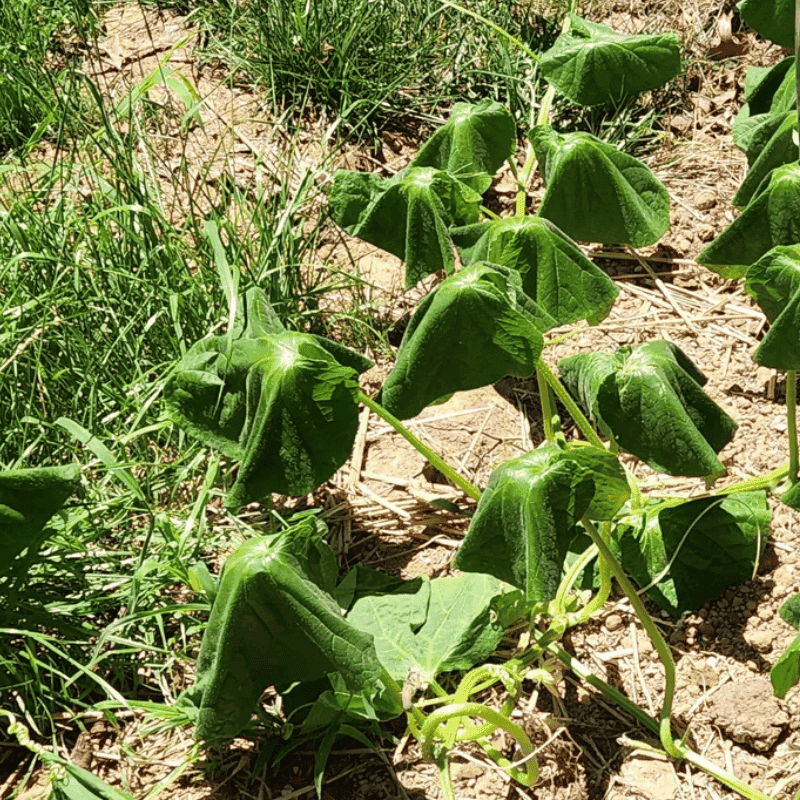
Warm afternoons have a way of sneaking up on cucumber vines, especially once late spring temperatures start pushing past the comfortable range.
Cucumbers grow well in warm weather, but when temperatures climb high and dry air settles in for several days in a row, plants can shift into a kind of survival mode that affects how fruit develops and tastes.
That stress response is one reason bitterness can show up more often near the end of spring than at any other point in the growing season.
When cucumber plants experience heat stress, they may produce more cucurbitacin as part of their natural response to difficult conditions. This compound is what gives bitter cucumbers that sharp, unpleasant taste.
The bitterness does not always affect the whole fruit evenly, and some cucumbers on the same vine may taste fine while others taste noticeably bitter. That inconsistency can make it harder to figure out what is actually going on.
Your Georgia Garden Changes Every Week. Your Plan Should Too.
Gardening in Georgia changes quickly throughout the season. Every Friday you’ll receive a simple weekly plan showing exactly what to plant, prune, fertilize, harvest, and protect so you never miss the right timing.
In Georgia, the transition from mild spring days to genuinely hot late-spring afternoons can happen quickly. Providing some afternoon shade for cucumber vines using row cover, shade cloth, or nearby taller plants can take some of the edge off intense heat.
Keeping the soil consistently moist during hot stretches also helps the plant manage temperature stress more effectively.
These small adjustments may not eliminate bitterness completely, but they can reduce how often it shows up in your harvest basket.
3. Inconsistent Watering
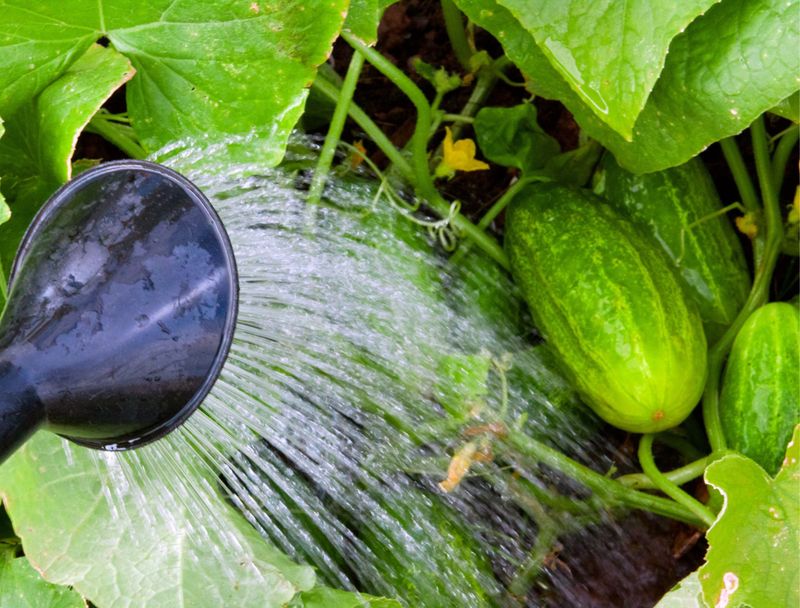
Most gardeners know that cucumbers need regular water, but keeping a truly consistent watering schedule can be harder than it sounds.
Life gets busy, rainfall becomes unpredictable near the end of spring, and it is easy to accidentally let a few days pass without checking on the garden.
That kind of stop-and-start watering pattern is one of the more overlooked reasons cucumbers can turn bitter before they ever make it to the kitchen counter.
When cucumber plants receive water in irregular bursts, the roots experience cycles of dry stress followed by sudden hydration. This back-and-forth puts strain on the plant and can trigger higher cucurbitacin production in the developing fruit.
Gardeners in Georgia sometimes notice that cucumbers harvested after a dry stretch followed by heavy rain taste noticeably more bitter than those picked during steadier weather.
The fruit developing during that stressful window tends to carry the most bitterness.
Building a more reliable watering routine does not have to be complicated. Checking the soil moisture every day or two and watering deeply rather than lightly can help the roots stay more evenly hydrated throughout the week.
Drip irrigation or soaker hoses are popular options among Georgia home gardeners because they deliver water directly to the root zone in a slow, steady way.
Even in raised beds or containers, consistent moisture management during fruit development can have a real impact on how cucumbers taste when you finally pick them.
4. Letting Cucumbers Get Too Mature
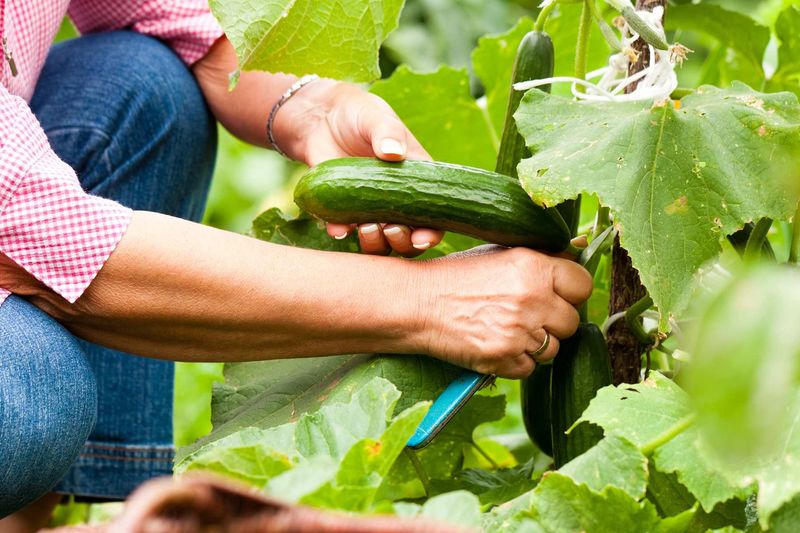
Harvest baskets can fill up fast when cucumber vines hit their stride in a Georgia spring garden. But when life gets busy and picking days get pushed back, cucumbers that looked just about right yesterday can quickly grow past their ideal size.
Leaving cucumbers on the vine too long is one of the most straightforward reasons a fresh cucumber can taste bitter, and it is also one of the easiest problems to fix once you understand what is happening.
As a cucumber matures beyond its peak harvest window, the natural compounds inside the fruit shift. Cucurbitacin levels can increase as the fruit ages on the vine, and the flesh may start to take on a tougher texture along with that familiar bitter edge.
The skin can also thicken, and seeds inside may become larger and harder. These are all signs that the cucumber has moved past the point where it would have tasted its best.
In Georgia, late spring heat can speed up fruit development faster than most gardeners expect. A cucumber that looked small on Monday might be oversized by Thursday.
Checking vines every day or every other day during the peak growing period helps catch cucumbers at the right size before bitterness has a chance to set in.
For most slicing varieties grown in home gardens, picking cucumbers when they are firm, uniformly green, and still at a moderate size tends to produce the best flavor and the least bitterness at the table.
5. Variety Differences
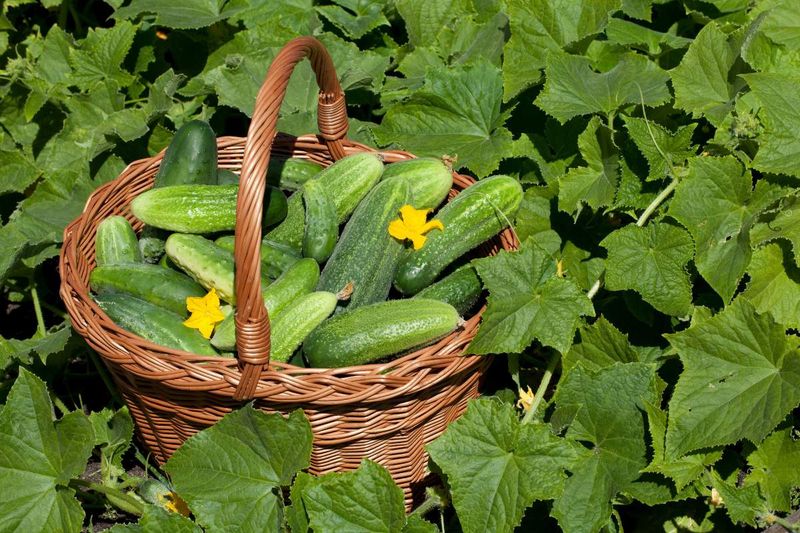
Not every cucumber tastes the same, and variety choice plays a bigger role in bitterness than many home gardeners realize.
Some older or heirloom cucumber varieties naturally carry higher levels of cucurbitacin than modern varieties bred specifically for low bitterness.
If you planted seeds without paying close attention to the variety name or its flavor profile, the cucumbers themselves may simply be more prone to bitterness regardless of how well you manage water and heat.
Plant breeders have developed what are often called burpless or bitter-free cucumber varieties that tend to produce fruit with noticeably lower cucurbitacin levels.
These types have become popular among gardeners who want a milder, more consistently pleasant flavor.
Gynoecious varieties, which produce mostly female flowers and tend to set fruit more uniformly, are another option that some gardeners find performs well under Georgia spring conditions.
If you have been growing the same variety for a few seasons and bitterness keeps showing up near the end of spring, it may be worth trying a different type next year.
Reading seed catalog descriptions carefully and looking for language about low bitterness or mild flavor can help narrow down options that might suit your Georgia garden better.
Talking to neighbors who grow cucumbers or visiting a local cooperative extension office can also point you toward varieties that have performed reliably in your region.
Variety selection does not guarantee perfect results, but starting with a lower-bitterness type gives you a useful head start.
6. Poor Plant Nutrition Or General Stress
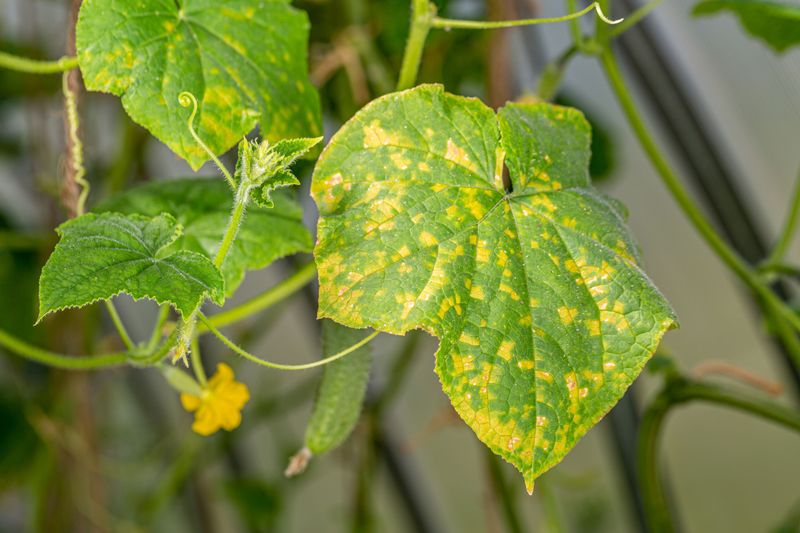
Georgia cucumber vines that are struggling with nutrient imbalances or general plant stress can sometimes express that struggle through the flavor of the fruit they produce.
When a plant is not getting what it needs from the soil, it may shift its energy and chemistry in ways that affect how cucumbers taste.
Bitterness showing up near the end of spring can sometimes be traced back to soil conditions that were never quite right to begin with.
Nitrogen, potassium, and magnesium all play roles in healthy cucumber development.
Soil that is too low in key nutrients, or soil that has become imbalanced from repeated planting without amendment, can leave cucumber plants less equipped to handle the added pressure of late-spring heat and dry spells.
Plants already dealing with root crowding, pest pressure, or disease are also more likely to produce fruit with elevated cucurbitacin levels because the overall stress load on the vine is higher.
Getting a basic soil test before planting is one of the more practical steps gardeners can take to set cucumber vines up for a better season.
Cooperative extension offices across Georgia can help with soil testing and offer guidance on what amendments might help.
Adding compost to garden beds or raised beds can improve both nutrient availability and soil moisture retention over time.
Keeping vines pruned to a manageable size and monitoring for pest activity also helps reduce the general stress load that contributes to bitterness as the season progresses.
7. Bitterness Concentrated Near The Skin Or Stem End
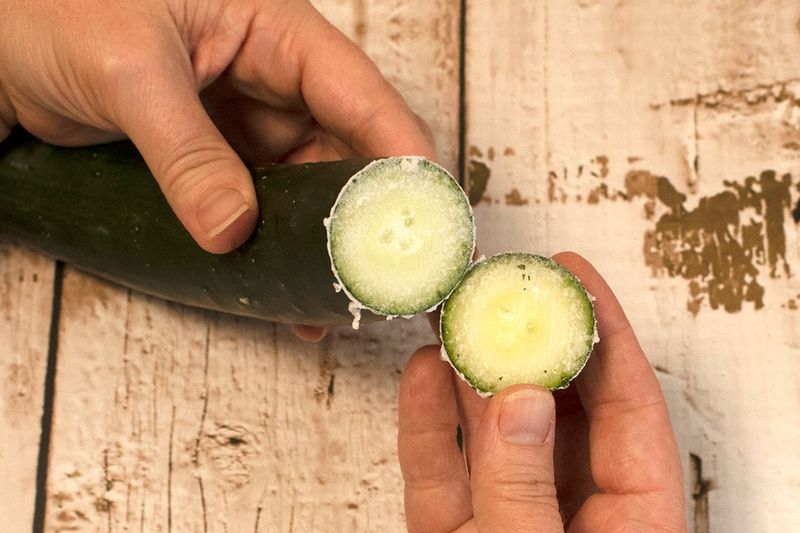
Reaching for a freshly picked cucumber and finding that only part of it tastes bitter can be a little confusing.
Some gardeners notice that the skin and the end closest to the stem are the spots where bitterness tends to hit hardest, while the center of the same cucumber tastes perfectly fine.
Understanding where cucurbitacin tends to concentrate in cucumber fruit can help you get more enjoyment out of your harvest even when some bitterness is present.
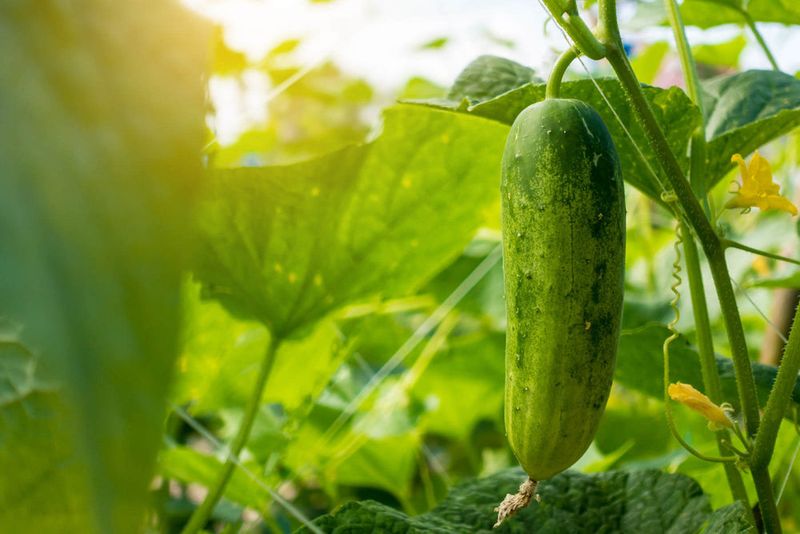
Cucurbitacin is not spread evenly throughout a cucumber. It tends to be more concentrated in the skin and in the flesh near the stem end of the fruit.
This is why peeling a cucumber and trimming a generous slice from the stem end often reduces or removes most of the bitter flavor.
Some gardeners also rub the cut end of a cucumber with the trimmed slice in a circular motion, which is an old technique said to help draw out some of the bitterness, though results can vary.
Knowing this about cucumber anatomy is genuinely useful for Georgia home gardeners who are dealing with a harvest that includes some bitter fruit.
Rather than tossing cucumbers that taste sharp near the skin, try peeling them fully and removing a thicker slice from the stem end before tasting again.
In many cases, the interior flesh will still be mild and pleasant. This approach works especially well for cucumbers that experienced only mild stress during development rather than extended heat or drought conditions throughout the growing period.