The Compost Temperature Problem Michigan Gardeners Run Into During Cool, Wet Summers
Your compost pile hit its stride in May, then quietly gave up. Now it just sits there, damp and sluggish, refusing to heat back up no matter how much you turn it.
Persistent gray skies and soggy air across Michigan have a way of hitting pause on decomposition exactly when momentum matters most. What looked like rich, crumbly progress a few weeks ago can stall out fast once the weather shifts.
Cool, wet stretches like this catch even seasoned gardeners off guard, since a compost pile depends on warmth to keep breaking material down. Add too much moisture and the whole system grinds to a halt.
A few small adjustments to that soggy pile can flip it from a lost cause into your most productive batch of the season. The fixes are simpler than most gardeners expect.
Cool, Wet Weather Drops Compost Below Its Breakdown Temperature
Microbes are the tiny engines inside your compost pile. They need warmth to work, and cool, wet weather shuts them down fast.
Compost breaks down best between 130 and 160 degrees Fahrenheit. Drop below 90 degrees, and microbial activity slows to a crawl.
A cold, rainy summer does exactly that. Temperatures stay low, and your pile never reaches the heat needed for real decomposition.
Rain makes things worse by saturating the pile. Waterlogged compost squeezes out the oxygen microbes depend on to survive.
Without oxygen, the wrong kind of bacteria take over. Those anaerobic microbes produce a sour, rotten smell instead of finished compost.
This chain reaction explains why so many piles across the state stay cold through summer. Cold air plus excess moisture equals a stalled pile.
Many gardeners assume decomposition is happening slowly. In reality, the pile may have nearly stopped breaking down.
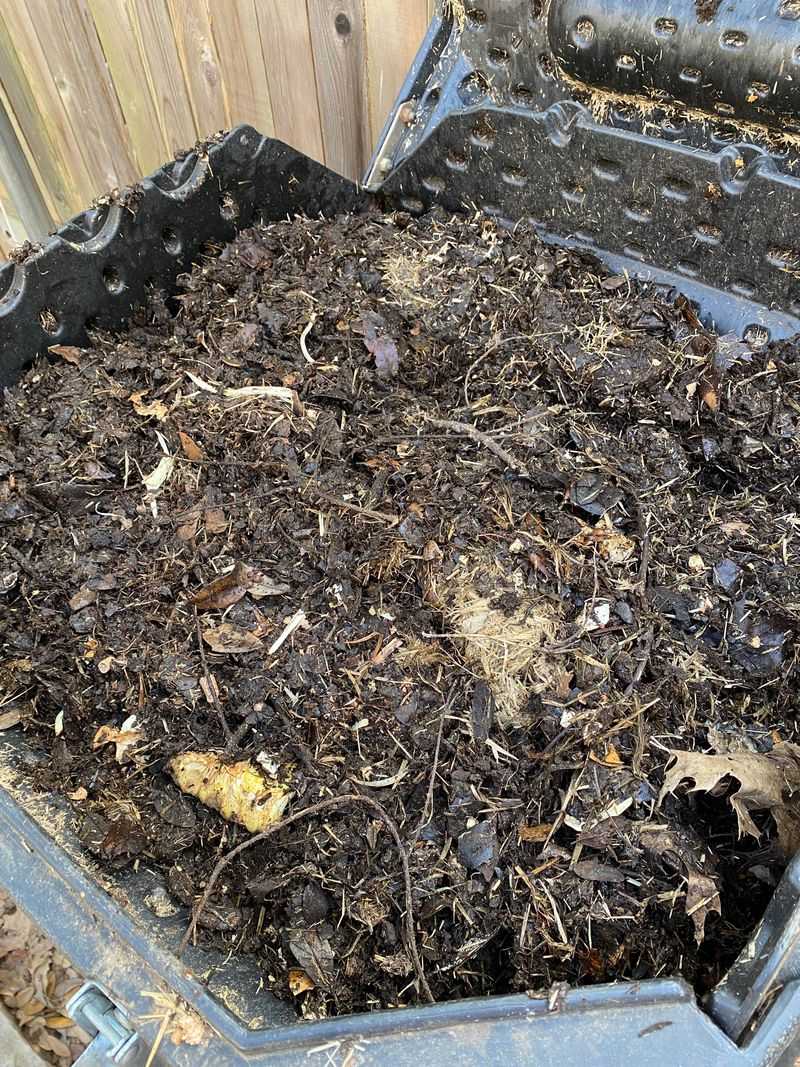
You might notice the pile shrinking less than usual. The material inside stays chunky and recognizable instead of turning dark and crumbly.
Understanding the temperature threshold is your first step. Once you know the number, you can start working toward it with real strategies.
A simple cheap compost thermometer tells you nearly everything you need to know. Knowing your pile is cold gives you something concrete to fix.
Michigan Summers Make This Especially Common
Ask any gardener who has lived through a Great Lakes summer, and they will tell you the same thing. The weather here is unpredictable in ways that make composting genuinely tricky.
Summers in this region often swing between hot spells and long stretches of cool, rainy days. That inconsistency is exactly what derails a compost pile.
Heat builds microbial momentum inside a pile over several days. A week of rain and 60-degree temps can erase that momentum completely.
The region sits near large bodies of water that moderate temperatures. That moderation feels pleasant for people but frustrating for composting.
Cloud cover reduces solar radiation hitting the pile. Less sun means less surface warming, especially for uncovered bins.
Rainfall totals in this part of the country run higher than gardeners expect. Some areas receive close to thirty inches of rain over the course of a year.
Your Michigan Garden Changes Every Week. Your Plan Should Too.
Gardening in Michigan changes quickly throughout the season. Every Friday you’ll receive a simple weekly plan showing exactly what to plant, prune, fertilize, harvest, and protect so you never miss the right timing.
That moisture, combined with cooler-than-average summers, creates the exact conditions that stall decomposition. Geography plays a bigger role in this struggle than most backyard composters realize.
Gardeners in drier, hotter climates rarely deal with this issue. Their piles heat up naturally and stay hot with minimal effort.
Here, you have to be more intentional and proactive. Passive composting simply does not work reliably when summers stay cool and wet.
Knowing your local climate patterns helps you plan ahead. Adjust your approach early in the season, before the pile goes cold.
Signs Your Compost Pile Has Stalled
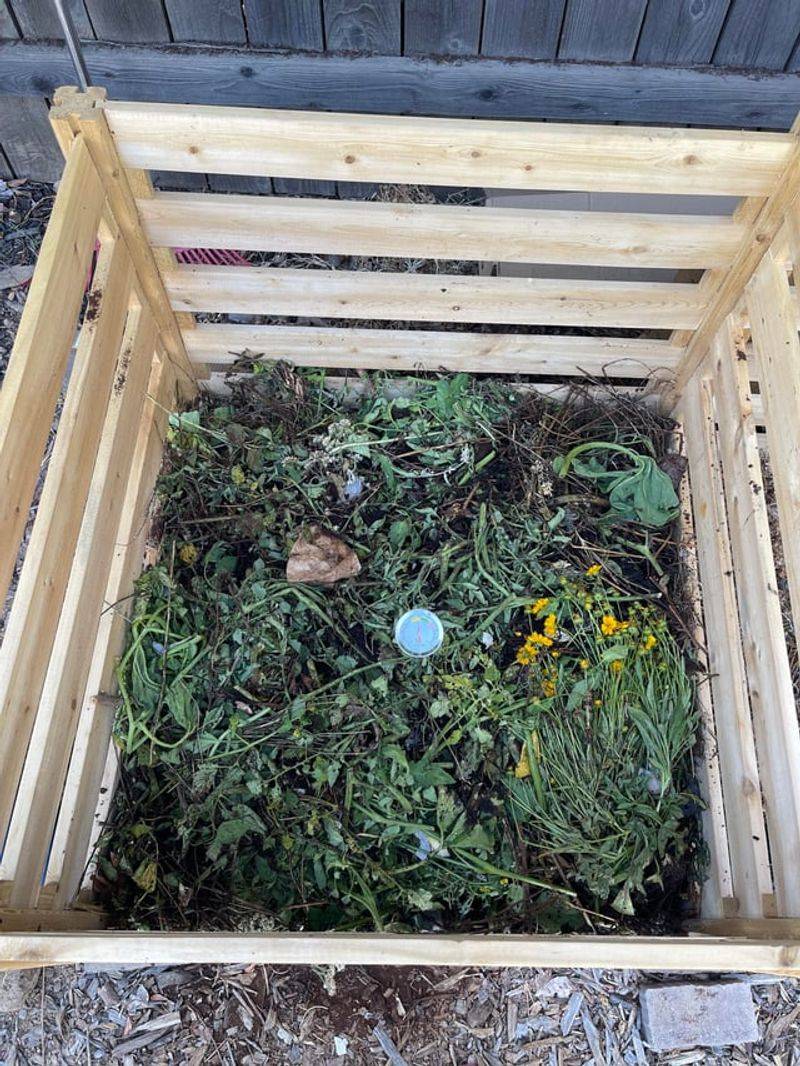
Something feels off when you lift the lid and smell something sour. That sharp, unpleasant odor is one of the clearest signs your pile has stopped working.
A healthy pile smells earthy, like a forest floor after rain. A stalled pile smells like rotting food left in a closed container.
Check the temperature with a probe thermometer pushed into the center. A reading below 90 degrees confirms the pile is no longer actively composting.
Look at the materials inside the pile. If you can still recognize last week’s apple cores and coffee grounds, decomposition has slowed way down.
A working pile shrinks noticeably over time. If the volume has stayed the same for two or more weeks, that is a clear warning sign.
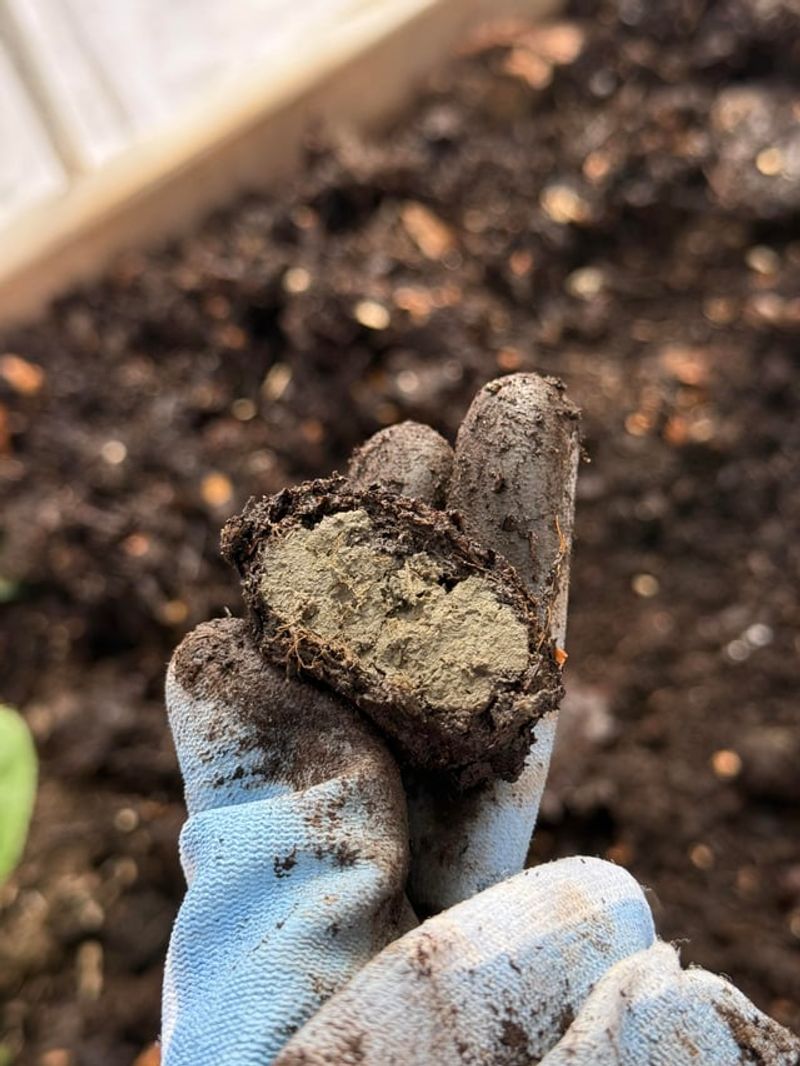
Excess moisture shows up as a soggy, heavy texture. When you squeeze a handful of compost, water should not drip out freely.
Flies and gnats hovering around the pile are another clue. They thrive when materials sit wet and undecomposed near the surface.
This kind of stall often goes unnoticed for weeks. Most people assume slow progress is normal and wait too long to act.
Catching the stall early gives you more options. A pile that has been cold for two weeks is easier to restart than one that has been cold for two months.
Trust your nose, your eyes, and your thermometer. Those three tools together tell you almost everything you need to know.
Adjusting Your Pile To Trap More Heat
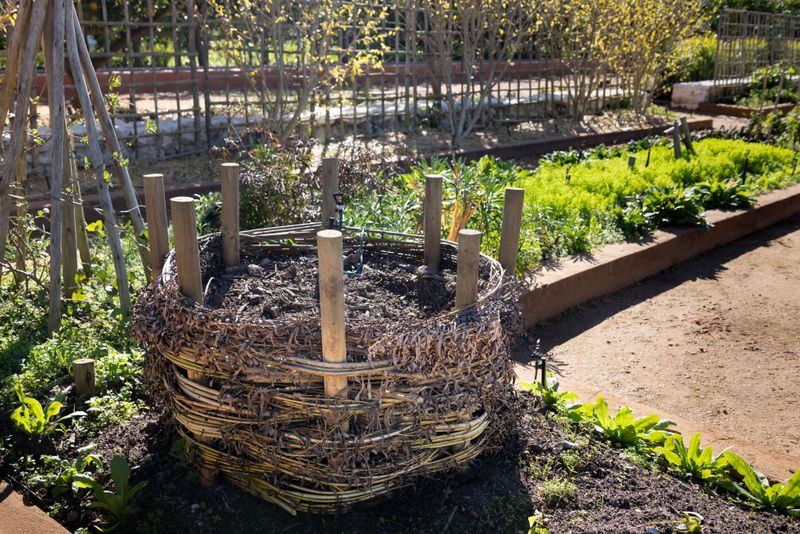
Size matters more than most gardeners realize when it comes to heat retention. A pile smaller than three feet in each direction struggles to generate and hold warmth.
Bigger piles insulate themselves from the outside air. The center stays warmer longer, even when temperatures drop overnight.
If your current pile is too small, add more material to bulk it up. Collect neighbor yard waste, extra cardboard, or straw to increase the volume quickly.
Covering the pile with a tarp helps trap heat that would otherwise escape. A dark-colored tarp absorbs solar energy and transfers warmth into the pile below.
Insulating the outside of the bin works surprisingly well. Straw bales stacked against three sides of an open bin act like a jacket on a cold day.
Black plastic compost bins absorb more heat from sunlight than wood or wire bins. If you have a choice, position a dark bin in the sunniest spot in your yard.
South-facing placement maximizes exposure during shorter, cloudier days. Even partial sun adds meaningful warmth when the pile needs help.
Adding nitrogen-rich materials like fresh grass clippings generates heat through microbial activity. A fresh layer of green material can restart warming within 24 hours.
A cold pile responds well to these physical adjustments. You do not always need new products or complicated systems.
Small changes to placement and insulation make a real difference. A warmer pile is a working pile, and a working pile is your goal.
Balancing Wet Ingredients With Enough Dry, Carbon-Rich Material
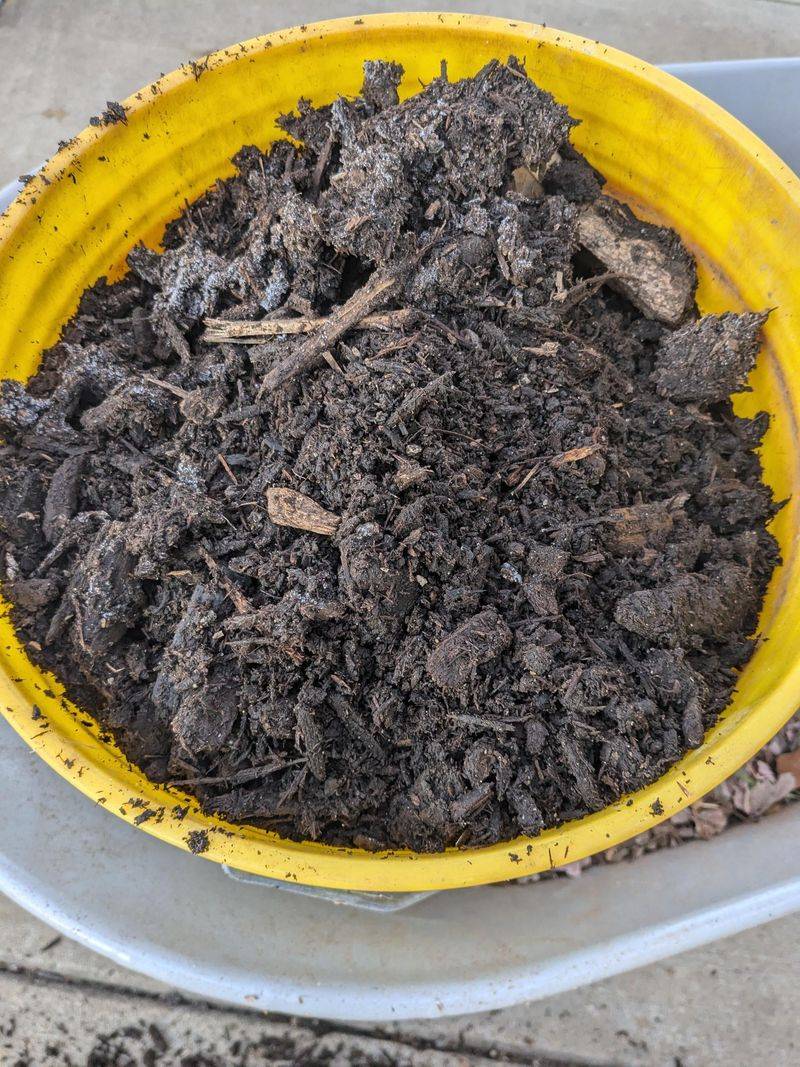
Wet summers dump a lot of moisture into your compost without you adding a single drop of water. That extra moisture throws off the balance your pile depends on.
Compost needs a roughly equal balance of green, nitrogen-rich materials and brown, carbon-rich ones. When greens dominate, the pile gets soggy and cold.
Browns include cardboard, dried leaves, wood chips, and straw. These materials absorb excess moisture and create air pockets that keep oxygen flowing.
During a rainy stretch, add a thick layer of browns every time you add food scraps. Think of it like a sponge soaking up what the rain left behind.
Shredded cardboard works especially well because it breaks down quickly while absorbing water. Tear it into small pieces for faster results.
Dried leaves saved from autumn are a composting goldmine. Bag them in fall and store them nearby so you have a steady supply all summer.
Wood chip mulch from a local tree service is another great option. It is often free and adds long-lasting carbon structure to a soggy pile.
Avoid adding fresh grass clippings in large batches during wet weather. They mat together, block airflow, and make the moisture problem significantly worse.
For many backyard piles, the struggle comes down to this one imbalance. Too much wet, not enough dry.
Fixing the ratio is one of the fastest ways to restore heat. A balanced pile breathes better, heats faster, and smells far more pleasant.
Turning And Aerating To Restart The Heating Process
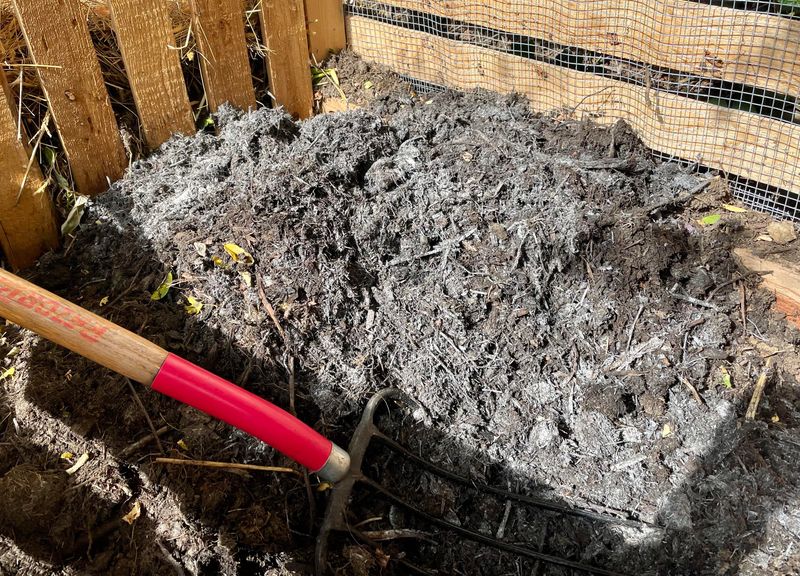
Grab a pitchfork and get ready for the most satisfying garden chore of the season. Turning a stalled pile is the fastest way to wake it back up.
Oxygen is fuel for the microbes doing decomposition work. When a pile gets compacted or waterlogged, oxygen disappears and activity stops.
Turning physically breaks up dense, matted layers. It exposes fresh material to air and redistributes moisture more evenly throughout the pile.
Move material from the outer edges into the center when you turn. The core is where temperatures run highest, so fresh material there heats up fastest.
Turn the pile every three to five days during a stall. Frequent aeration keeps oxygen levels high and microbial activity climbing.
A compost aerator tool makes the job easier if full turning feels like too much work. Push it into the pile and twist to create air channels without full mixing.
After turning, cover the pile immediately with a tarp. Locking in the heat you just generated gives microbes a head start before nighttime cools things down.
Add a nitrogen boost at the same time you turn. A cup of finished compost, garden soil, or commercial activator introduces fresh microbes to jumpstart the process.
Consistent aeration can undo weeks of cold, soggy stagnation. Turning is simple, free, and genuinely effective.
Check the temperature two days after turning to measure progress. Seeing that number climb is one of the most rewarding moments in backyard composting.