7 Michigan Yard Habits That Make Ticks Less Likely To Stick Around
Something is in your yard right now, and it is not in a hurry to leave.
Ticks are small, patient, and genuinely good at finding spots to wait for a passing host. They do not care how well-maintained your lawn looks from the street.
What they care about is moisture, shade, and easy access to wildlife, and Michigan yards deliver all three from spring straight through fall.
The blacklegged tick and the American dog tick are both common across the state, and tick activity does not politely end when summer does.
The thing many Michigan homeowners do not realize is how much control they actually have over this.
Your yard habits, not sprays, not traps, not expensive treatments, are the most powerful tool available for making your outdoor space genuinely less hospitable to ticks.
Seven specific habits change the equation, and most of them take less time than mowing the lawn.
1. Mow Lawn Edges Before They Get Tall
Long grass along fences, garden beds, and wooded borders is essentially a welcome mat for ticks. Ticks do not jump or fly.
They practice something called questing, climbing to the tips of tall grass or low vegetation and waiting with their front legs extended, ready to grab onto whatever walks by. Keeping those edges short removes the launch pad they depend on.
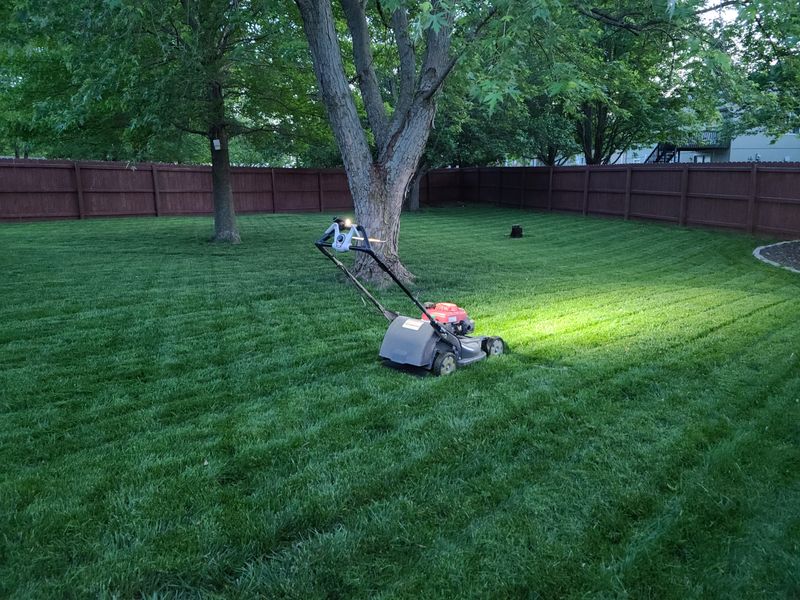
Maintaining a mowed buffer zone of at least three feet along any area where lawn meets woods, brush piles, or dense shrubs makes a real difference.
That strip of short, open grass is much harder for ticks to navigate and dries out faster after rain, which works against them since ticks need consistent moisture to survive.
Short grass in the right places is not just cosmetic. It is functional.
Focus on the spots people and pets actually use. Paths, play zones, and patio edges are the priority. A weekly mow along borders during spring and summer keeps tick-friendly height in check.
The spots most gardeners miss are around fence posts, tree bases, and garden corners where tall clumps grow unnoticed for weeks. Those overlooked edges are exactly where ticks concentrate.
Consistent mowing takes only a few extra minutes per session, but the cumulative impact on reducing tick habitat around the home is significant.
The tick is looking for the tallest available grass in the most convenient location. Do not give it one.
2. Clear Leaf Litter Near Paths
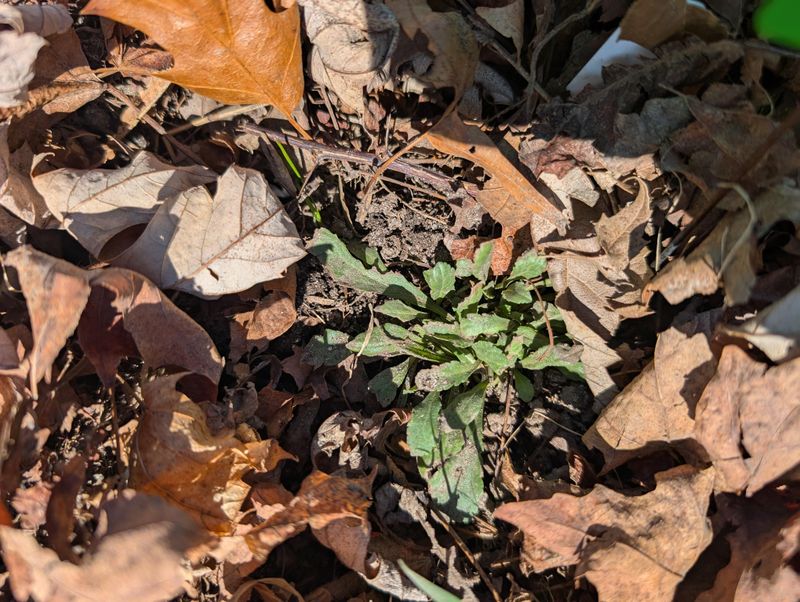
Leaf litter looks harmless from a distance. To a tick, a thick pile of damp leaves near a walkway is prime real estate.
Ticks thrive in cool, moist, shaded environments, and a blanket of decomposing leaves near paths or garden borders delivers exactly that.
Leaf piles and organic debris near yard edges are among the most common places people pick up ticks on residential properties.
Clearing leaf litter from paths, lawn borders, and areas close to the house is a straightforward habit with a real payoff.
Rake leaves away from high-traffic zones and bag them for yard waste pickup rather than leaving them in piles near the house. Composting is fine, but the bin should sit well away from where kids and pets spend time.
Your Michigan Garden Changes Every Week. Your Plan Should Too.
Gardening in Michigan changes quickly throughout the season. Every Friday you’ll receive a simple weekly plan showing exactly what to plant, prune, fertilize, harvest, and protect so you never miss the right timing.
Pay extra attention in fall when leaves drop heavily and again in early spring when last season’s leaves have matted into damp layers under new growth.
Those soggy mats can harbor ticks for months, and they often stay invisible until you pull back the top layer. Keeping paths clear and dry makes them far less appealing as resting habitat.
The full property does not need to be stripped clean. Focus energy on the ten to fifteen feet closest to where people walk and play.
That targeted effort creates a noticeably less hospitable environment without turning yard cleanup into a full-time job. A good rake and a consistent schedule handle most of it.
3. Add A Wood Chip Border
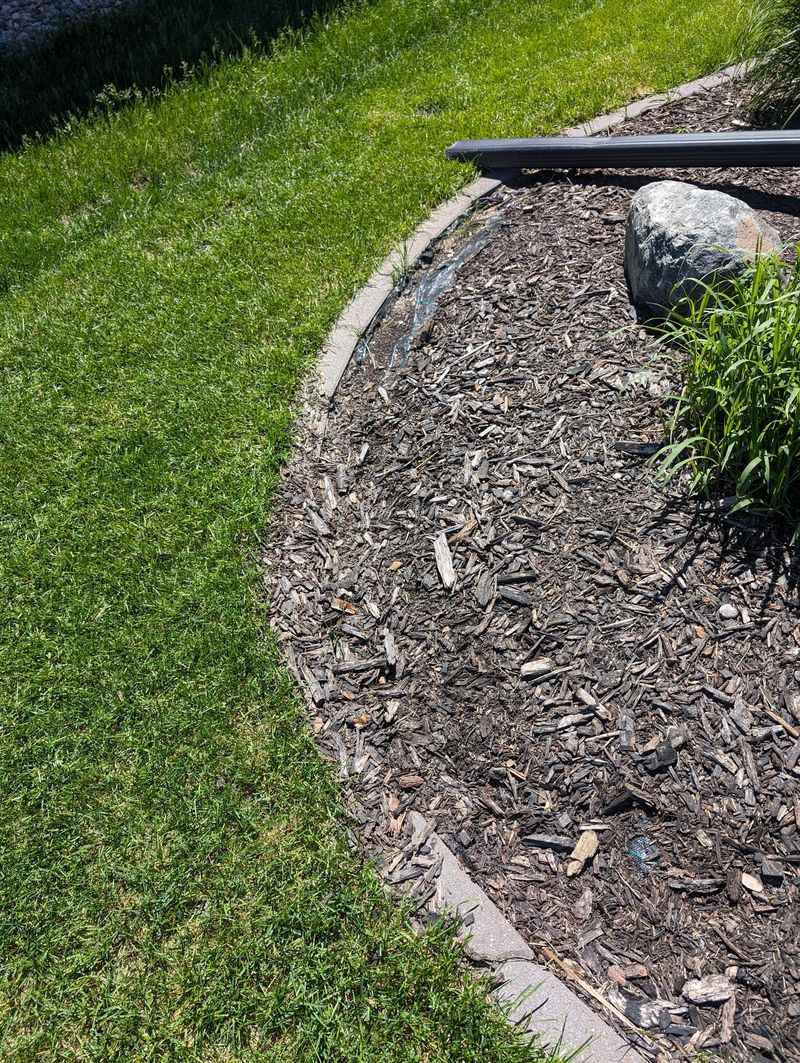
A three-foot-wide border of wood chips or gravel placed between lawn and any wooded or brushy edge acts as a dry, uncomfortable barrier that ticks genuinely avoid.
Research found that ticks rarely cross dry, sunny wood chip barriers. The texture and lack of moisture make it an unappealing crossing zone, and the effect holds as long as the material stays dry and loose.
Wood chips work especially well in Michigan yards that back up to tree lines, overgrown fields, or brushy fence rows.
The border creates a clear visual line between managed lawn space and the wilder areas where ticks are more likely to live. It also looks intentional and clean, so the yard gets a small aesthetic improvement along with the practical benefit.
Use untreated wood chips from a local garden center or landscape supplier. Spread them at least three inches deep to maintain the dry, loose texture that discourages tick movement.
Refresh the border annually since chips break down over time and lose effectiveness once they compact and hold moisture. Gravel or pea stone works well in spots that stay shaded and damp where wood chips might not dry out reliably.
Pairing the wood chip border with short mowed grass on the lawn side creates a double layer of defense.
The tick moving in from surrounding habitat hits short grass first, then a dry barrier it does not want to cross. Your yard draws a firm line, and ticks generally respect it.
4. Stack Firewood In A Dry Spot
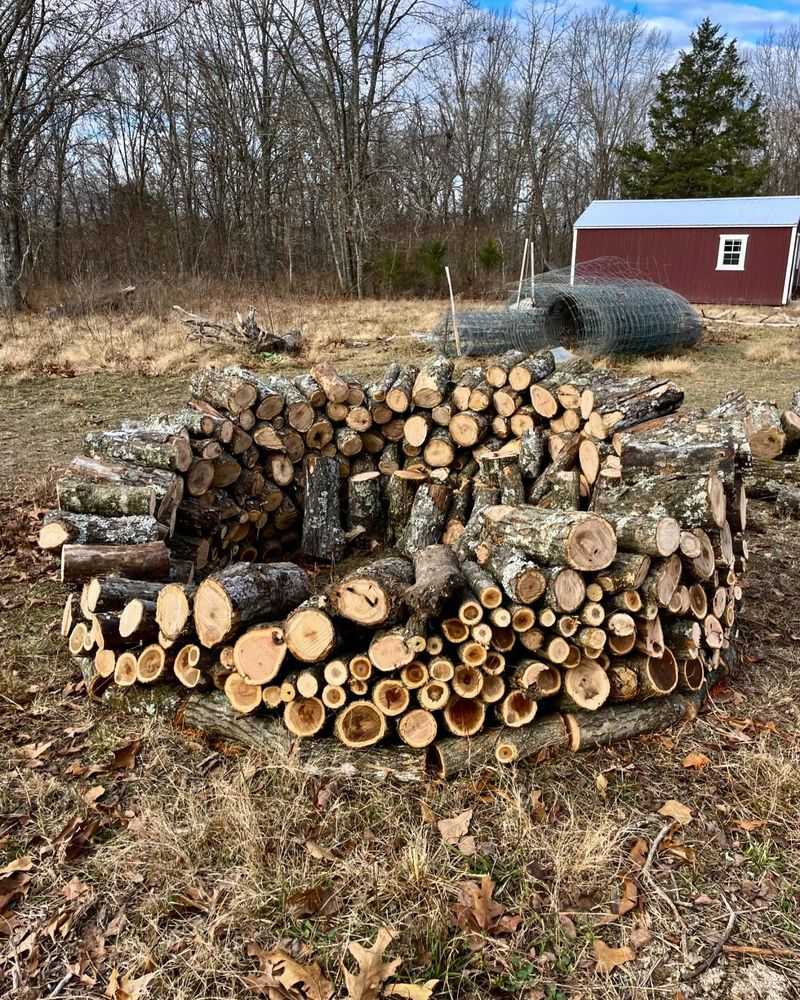
A damp, shaded firewood pile sitting against the house is not just untidy.
It is also a comfortable nesting spot for white-footed mice and chipmunks, which are among the primary hosts for immature ticks.
Blacklegged tick larvae and nymphs feed heavily on these small rodents, and wherever rodents nest, ticks follow reliably.
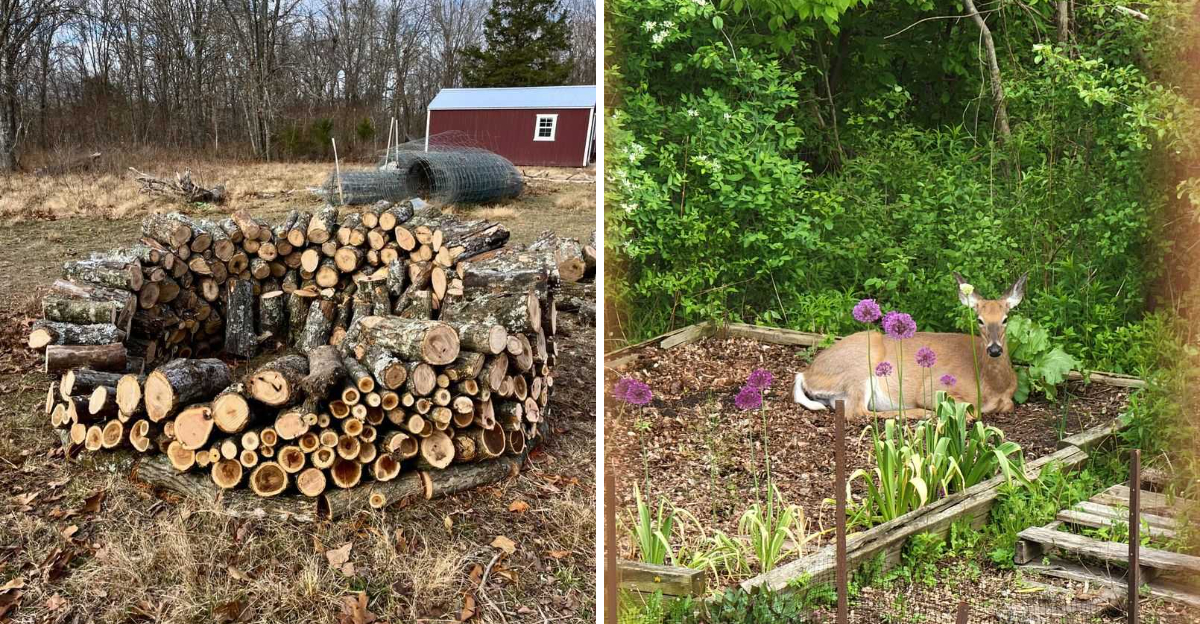
Stacking firewood properly removes this problem from the equation. Keep wood stacked neatly off the ground on a rack or pallet.
Store it in a dry, sunny location rather than against the house or under dense tree cover. Sunlight and airflow keep the wood dry, which makes it far less attractive to rodents looking for sheltered nesting sites.
Rodent management is a documented part of tick reduction on residential properties. Fewer rodents in the yard means fewer ticks completing their life cycle nearby.
Keep the area around the wood pile clear of tall grass and leaf debris as well, since that ground-level litter adds to the shelter appeal for small animals and compounds the problem.
Moving the wood pile at least twenty feet from the house is worth the effort if the layout allows it. Check stored wood before bringing it inside during tick season, which in Michigan runs roughly from April through late fall.
Tidy wood storage is one of the most underrated tick-reduction habits a homeowner can build, and it costs nothing beyond a few minutes of reorganizing.
5. Move Play Areas Away From Brush
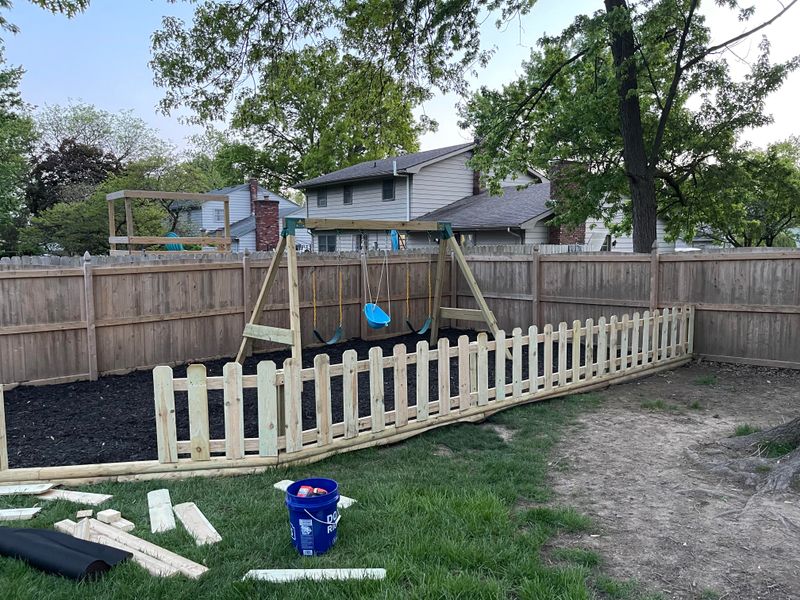
Sunny, open lawn space is one of the safest places for kids and pets to spend time outdoors.
Ticks gravitate toward humid, shaded edges where brush, tall weeds, and leaf litter meet the grass. Placing swing sets, sandboxes, and outdoor seating right up against a fence line or tree border puts active outdoor spaces directly in the highest-risk zone of the yard.
Relocating play equipment to the middle of an open, sunny lawn area creates meaningful distance between kids and the tick-heavy margins.
Sunlight matters here beyond just the spacing, because ticks dry out and become less active in direct sun. Open areas are naturally less hospitable, and that effect is real regardless of whether any other tick-reduction steps are taken.
A wood chip or gravel ground cover under play equipment adds another layer of protection since ticks struggle to move through dry, coarse material.
Mow the grass around play areas regularly and check the perimeter for creeping vegetation that might gradually close the gap between open lawn and brushy edges over time. That gap tends to shrink every season without maintenance.
This habit does not require buying anything new or dedicating a full weekend to a project. Sometimes moving a picnic table twenty feet toward the center of the yard is genuinely enough to shift the exposure level.
Small placement decisions add up to real reductions in tick encounters, especially for children who spend long stretches of time in the same outdoor areas.
6. Trim Shrubs Along Property Edges
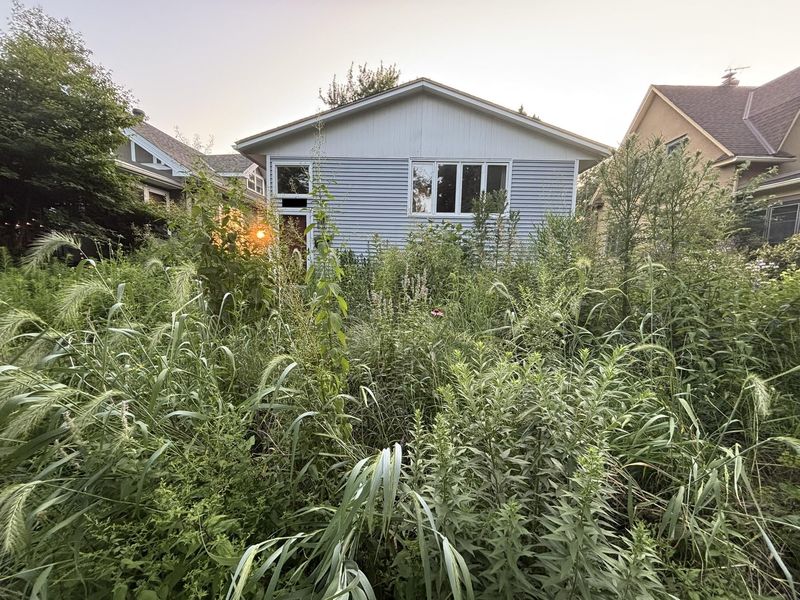
Overgrown shrubs along property lines do more than block sightlines. They create a thick, shaded, humid microclimate that ticks actively seek out.
Dense shrub growth traps moisture, blocks sunlight from reaching the ground, and reduces airflow, turning a hedgerow or ornamental border into one of the most tick-friendly zones in the entire yard.
Pruning shrubs to allow more light and air to reach the base of the plants dries out the soil and leaf litter underneath.
Ticks need relative humidity above roughly 80 percent to stay active and hydrated. Opening up the canopy and letting sun hit the ground beneath shrubs drops that humidity significantly, making those spots far less comfortable as resting habitat between questing bouts.
Focus on shrubs along fence lines, property boundaries, and anywhere the yard meets neighboring brush or woods.
Trim them back so there is visible open space beneath the branches and between individual plants.
Remove dead branches and accumulated leaf debris from the base of each shrub while the shears are already out, since that ground-level litter is where ticks spend most of their resting time.
A formal hedge shape is not the goal here. Even a light annual trim that opens up the base and sides makes a measurable difference.
Good airflow and sunlight reaching the ground are two of the most effective natural tick deterrents available, and a pair of pruning shears is all it takes to access both of them along the edges of a Michigan yard.
7. Reduce Rodent And Deer Attractants
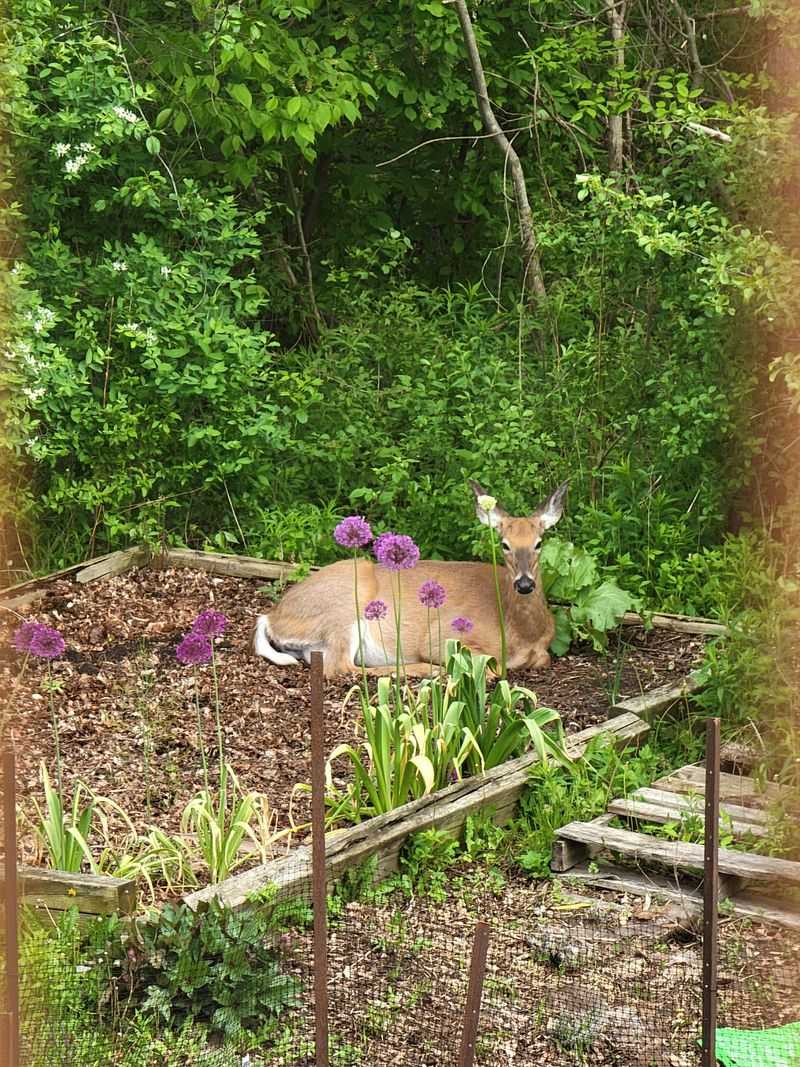
Wildlife traffic through the yard is one of the biggest factors in how many ticks end up in the outdoor space.
White-tailed deer and white-footed mice are the primary hosts that carry ticks from wild areas into residential yards. Deer are especially effective at transporting adult ticks across large distances.
Reducing what draws these animals in is one of the most impactful long-term tick prevention strategies available.
Bird feeders are a surprisingly common starting point for this problem. Seed falling to the ground attracts mice and chipmunks, which bring tick larvae and nymphs directly into the heart of the yard.
Moving feeders away from the house, using seed catchers, and cleaning up spilled seed regularly cuts down on rodent activity near high-traffic areas.
Deer are drawn to gardens, fruit trees, and ornamental plantings, and deer-resistant plants or garden fencing where practical reduces how often they pass through.
Removing brush piles, rock piles, and other ground-level shelter eliminates the nesting opportunities that keep rodents close to the home.
The connection between rodent populations and tick abundance on residential properties is well-documented and consistent.
Fewer rodents means fewer ticks completing their life cycle nearby, and that effect compounds over time as the yard becomes less attractive to the animals ticks depend on.
This habit requires ongoing attention rather than a single afternoon of work.
A yard that consistently offers less food and shelter to wildlife becomes a yard where ticks have fewer hosts available, fewer opportunities to feed, and less reason to stay.
The goal is not a wildlife-free yard. It is a yard where the conditions that sustain tick populations are reduced enough to matter.