The Coneflower Watering Habit That Looks Helpful But Can Cause Problems Over Time
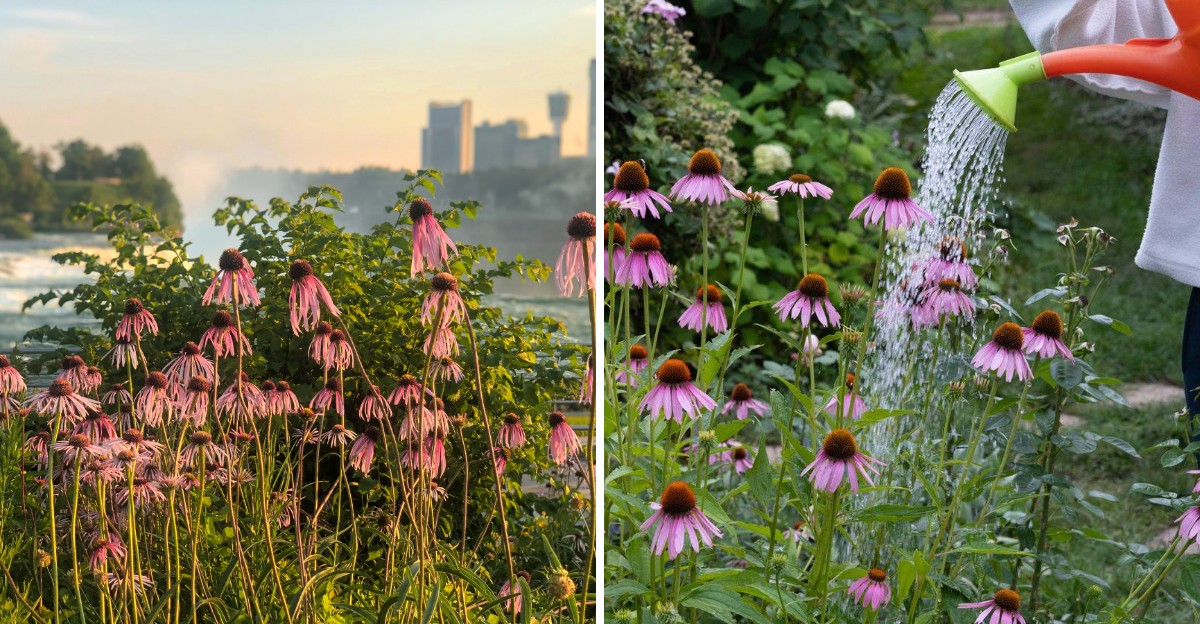
Your generosity may be the reason your purple coneflowers look dull. Prairie roots expect lean soil and long dry stretches, not frequent drinks from you.
Mature plants anchor themselves with roots that reach well below the surface. Saturated ground crowds out the oxygen your plants need to function.
Roots weaken, leaves yellow near the base, and you start searching for answers. Wet crowns also invite mildew and leaf spot on foliage you splash.
Stems stretch, lean sideways, and flower less than you expected. Test the soil before you reach for the nozzle.
Push a finger knuckle deep, and dry soil there means you can wait. Established coneflowers reward you for deep, patient watering instead of daily sprinkles.
Restraint pays you back with sturdier stems and richer color. Give them a reason to dig deeper, and they gladly return the favor.
Shallow Daily Sprinkles Can Work Against Your Coneflowers
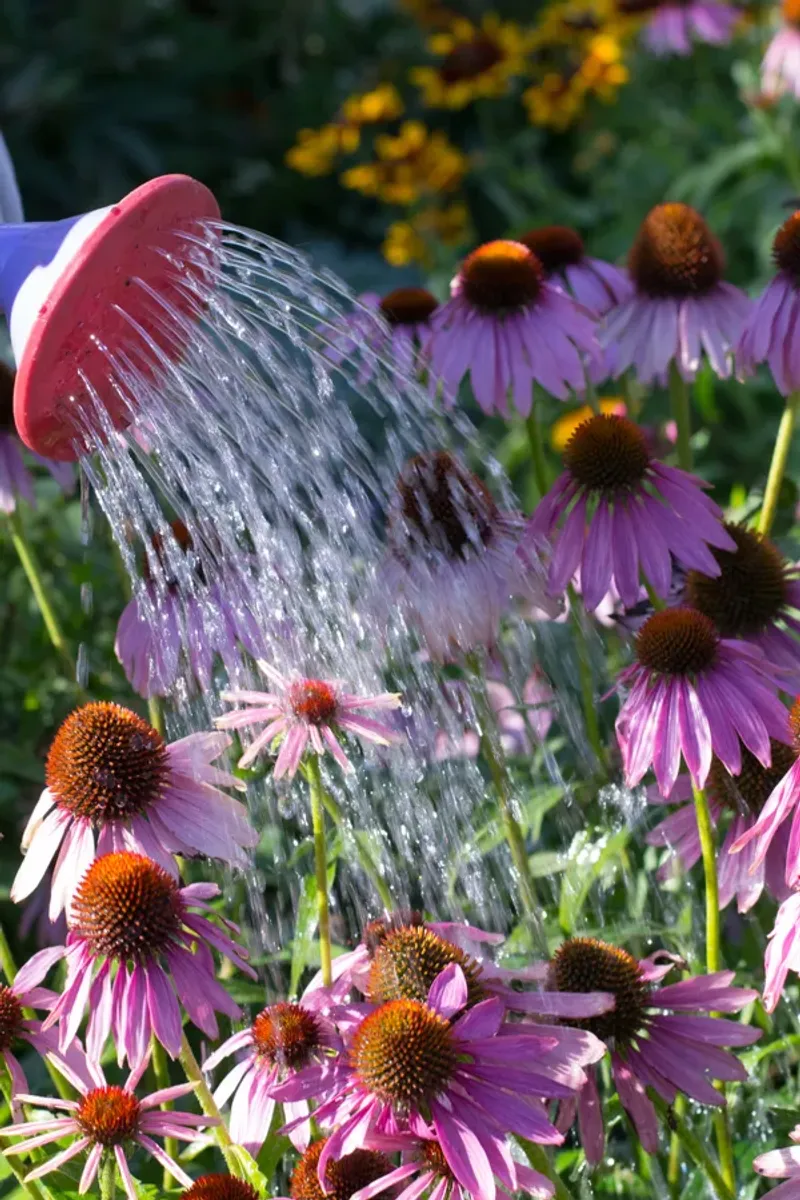
Picture a flower bed watered most evenings. By August, the coneflowers flop over, lean sideways, and look tired despite all that attention.
The problem was not too little water but too much water given too often. Established coneflowers are prairie plants built to handle dry spells with ease. New plantings are the exception and need more frequent watering in their first season.
Many gardeners water this way because it feels relaxing and kind. A quick evening spray seems harmless, so the habit sneaks in without much thought.
Light, frequent sprinkles only wet the top inch or two of soil. The deeper ground stays dry, while the surface stays constantly damp.
That pattern encourages roots to stay shallow. It also keeps the crown of the plant wet, which invites fungus and rot.
Coneflowers develop deep root systems, and some species grow long taproots that reach several feet down in healthy soil. Those deep roots help them find moisture long after the surface turns dusty.
Daily sprinkling bypasses that system and creates a plant that relies on frequent watering. During a hot spell, the leaves may droop.
In October, the habit matters even more since cooler air slows drying. Wet soil lingers for days, giving trouble more time to settle in.
The good news is that the fix is simple and saves you time. Water less often, but soak the soil deeply when you do.
Think of it as trading many tiny snacks for one filling meal. You may see healthier plants and a lower water bill.
Roots That Stay Near The Surface
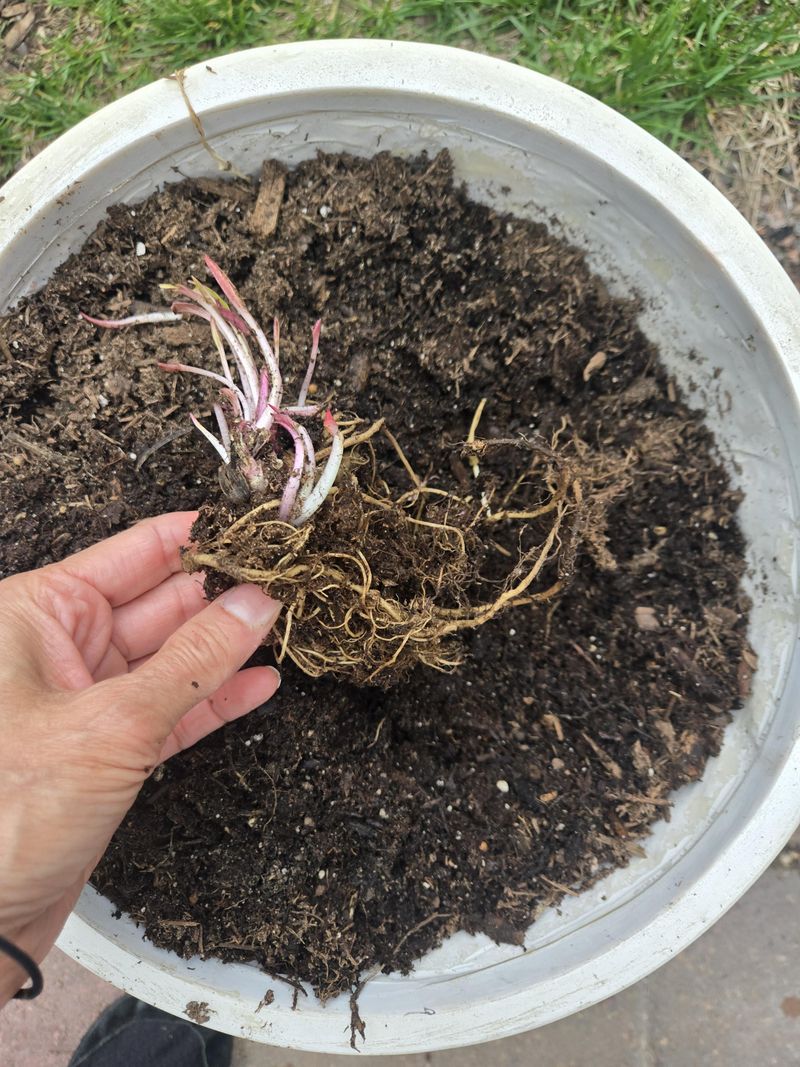
Underground, a coneflower is busy building something you rarely see. Its root system acts like a hidden savings account for water and nutrients.
Roots grow toward moisture, the same way you might drift toward the smell of fresh cookies. When water sits only near the surface, roots stay up there too.
Shallow roots dry out quickly on warm, windy days. They also struggle to anchor tall stems, so plants tip over after heavy rain.
Some native coneflower species on the wild prairie can send roots down a few feet. That deep reach is the secret behind their famous toughness. Frequent shallow watering takes away any reason for roots to go exploring.
You can check your own soil with a simple finger test. Push a finger about an inch or two down, and only water if it feels dry.
Another trick is to dig a small hole near the plant after watering. If the soil is dry just a few inches down, the water did not go deep enough.
Deeper watering gently encourages roots to follow the moisture downward over time. It takes a few weeks of patience, but the change is worth it.
Strong roots also help coneflowers come back reliably each spring. A plant with a deep foundation handles winter freezes and summer heat much better.
So the next time you reach for the hose, picture those roots stretching down. Give them a reason to dig deep instead of lounging on top.
Soggy Crowns And Root Problems
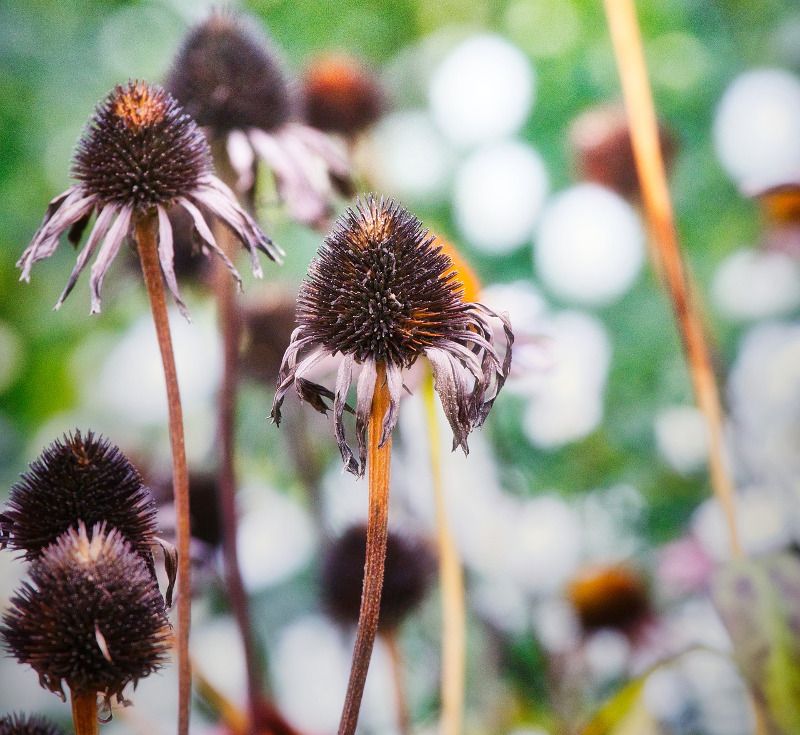
Coneflowers dislike constantly wet soil. Their crowns, where stems meet roots, need room to breathe.
Constant moisture around the crown creates conditions that favor crown rot and root rot. These fungal problems often start quietly, below the soil line.
The first clues are easy to miss. Leaves may yellow from the bottom up, or stems may turn dark and mushy near the base.
Wet leaves cause trouble too, especially when sprinklers splash them most evenings. Powdery mildew and leaf spot love damp foliage that stays wet overnight.
Heavy clay soil makes the situation worse because it holds water like a sponge. Coneflowers prefer soil that drains well and dries between drinks.
If you spot rot, gently dig around the plant and check the roots. Healthy roots look firm and pale, while rotten ones feel soft and smell sour.
Remove the damaged parts with clean shears and let the area dry out. Plants with advanced rot are best removed so the fungus does not spread.
Watering at the base in the morning helps foliage stay dry. Soaker hoses or a watering can aimed at the soil work nicely.
Adding a little gravel or pulling mulch back from the stems also helps. Air movement around the crown is like a fan on a sticky day.
Your coneflowers do not need pampering to stay healthy. They simply need a chance to dry their feet between drinks.
October Timing And The Fall Slowdown

October brings crisp mornings, crunchy leaves, and pumpkin everything. It also signals a big shift in how established coneflowers use water.
As days shorten, the plants slow their growth and start preparing for winter rest. Their thirst drops sharply, even if the afternoons still feel warm.
Cooler air and weaker sunshine mean soil stays moist much longer. A sprinkle that dried in a day during July might linger for most of a week now.
Keeping up a summer watering routine in fall is a common mistake. Wet soil heading into winter raises the risk of crown rot and cold stress.
Wet soil can also freeze and thaw repeatedly, which stresses the plant. Drier soil tends to protect coneflowers better through cold snaps.
In many regions, steady autumn rain handles the job on its own. Only water if your area has gone two or three weeks without real rainfall.
When you do water, pick a mild morning and soak deeply at the base. That gives the soil plenty of time to drain before chilly nights arrive.
Birdwatchers will enjoy this: leaving seed heads standing through fall gives goldfinches a tasty snack through the season.
Once the ground freezes, you can put the hose away for the season. Your coneflowers will rest quietly until spring wakes them up again.
Think of fall as their bedtime, and nobody wants a bucket of water before sleep. A light touch now sets them up for a strong comeback.
A Deep Soak Every Week Or Two
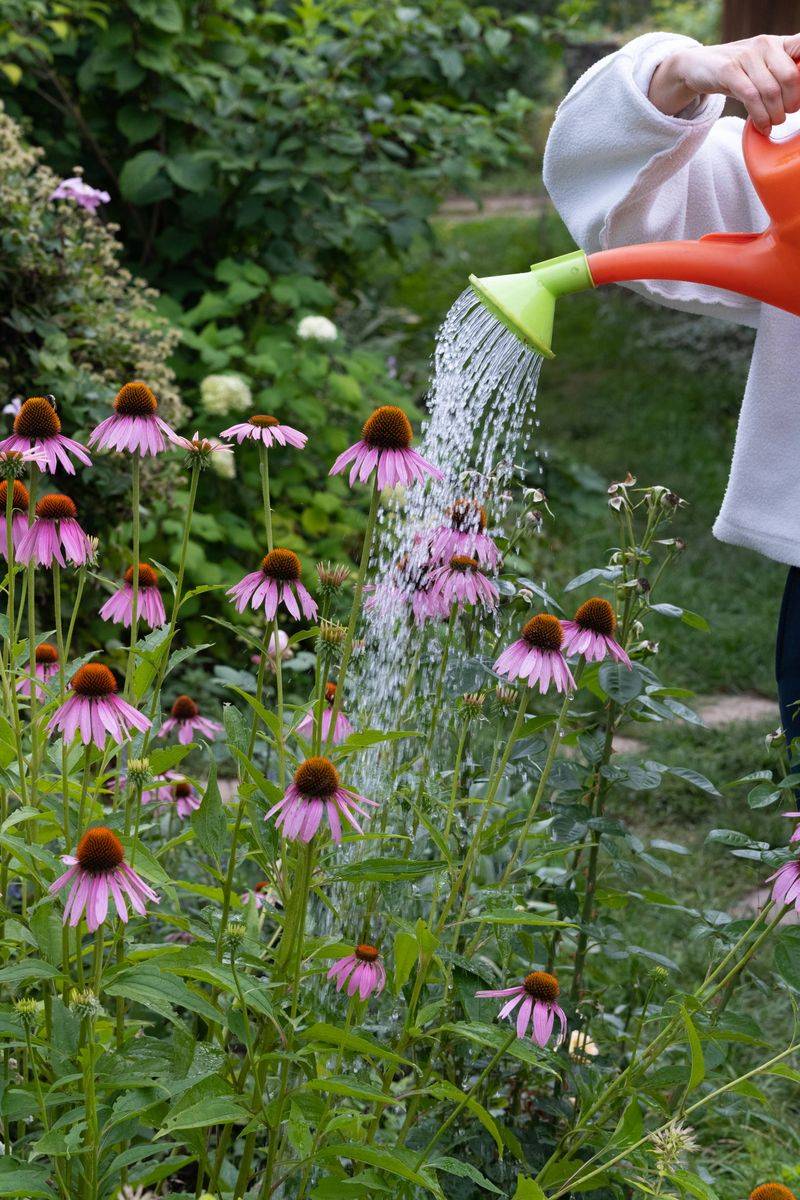
Imagine filling a bathtub instead of flicking a few drops from your fingers. Deep watering works the same way, giving roots a real drink.
For established coneflowers, aim for about one inch of water per session. During summer heat, once a week is usually enough, and every two weeks may work in cooler or rainy spells, depending on your climate and soil.
A slow, steady flow beats a quick, splashy blast from the garden hose. Water that rushes out too fast runs off instead of sinking in.
Soaker hoses and drip lines are wonderful for this job. They deliver water right to the soil without wetting the leaves.
No fancy gear is needed to get started. Simply let a garden hose trickle at the base of each plant until the tuna-can test shows one inch, often around twenty minutes.
Want to know how much water you are giving? Set an empty tuna can nearby, and stop when it fills to one inch.
Early morning is the best time for a deep, relaxing soak. Leaves dry quickly in the sun, and less water is lost to evaporation.
A two-inch layer of shredded bark or leaves helps hold moisture in. Keep it a few inches away from the stems so the crown stays dry.
Newly planted coneflowers are the exception to this rule. They need more frequent watering during their first season while roots get settled.
After that first year, step back and let them show off their tough side. Less work for you and stronger plants for them sounds like a great deal.
Tougher Plants For Next Summer
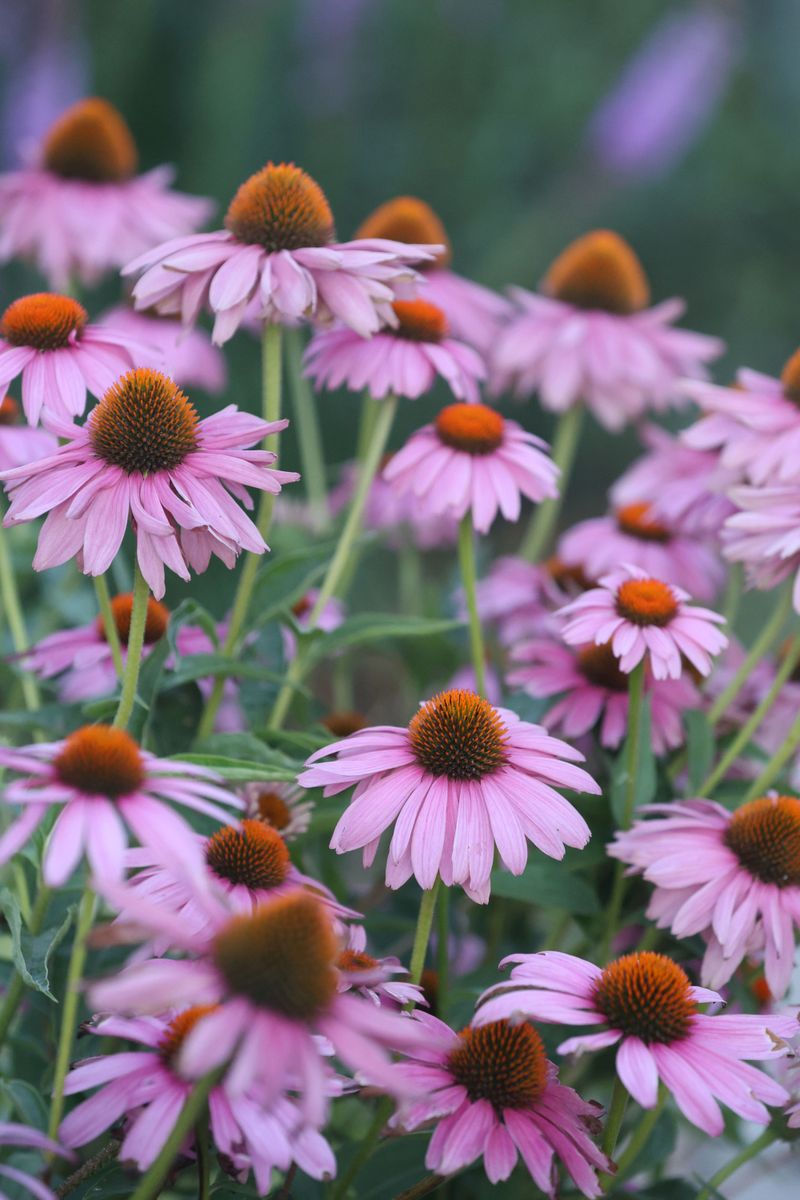
Picture next July, when the heat wave hits and your neighbors scramble for their hoses. Your coneflowers stand tall, bright, and calm, barely bothered by the weather.
That kind of quiet toughness comes from the habits you build right now. Deep, infrequent watering trains plants to rely on their own roots.
Coneflowers are native to North American prairies, where rain can be scarce for weeks. Their natural drought tolerance is one reason pollinators and gardeners love them.
When other conditions are right, plants that get less fussing often grow sturdier stems and more flowers. They also attract fewer fungal problems, which means healthier leaves through the season.
The name Echinacea comes from the Greek word for hedgehog. The spiky center cone really does look like a tiny, curled-up critter.
Saving water is another happy outcome of this switch. Fewer watering sessions can trim your summer bill and free up your evenings.
This fall, jot a quick note in your phone or garden journal. Write down the deep watering plan so you remember it when spring arrives.
You might also check your soil drainage before the ground freezes. Mixing in compost now can loosen heavy clay for next year.
Over time, you will notice your garden asks for less and gives back more. Butterflies, bees, and finches will happily take advantage of the results.
Good gardening sometimes means doing a little less, not more. Your coneflowers were built for this, so trust them to handle the tough stuff.