9 Reasons Your Hydrangea Leaves Are Curling In August
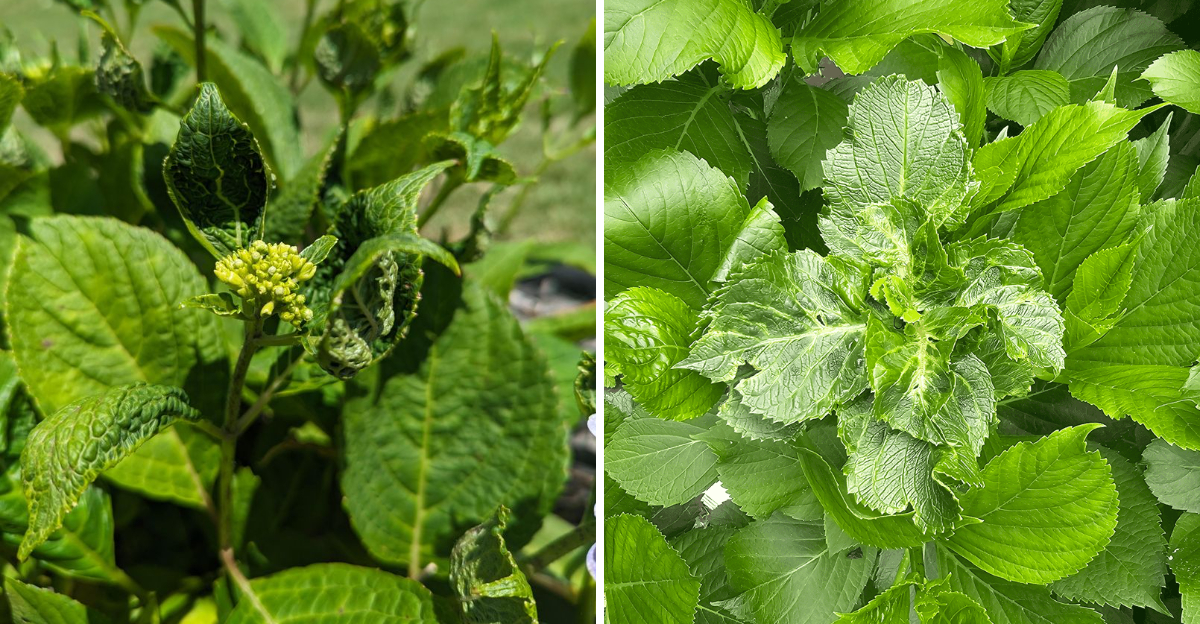
Curled hydrangea leaves greet you like an unexpected surprise. Concern builds when your favorite bloom looks unfamiliar. Summer heat pushes your hydrangeas past their comfort zone.
Gardens like yours endure this exact same struggle too. Heat alone rarely explains why your leaves are curling.
Roots, soil, and watering habits shape your plant’s fate. Something deeper often hides beneath your wilting foliage. Every hour you wait raises the risk to your plant. Answers exist, but you need to act quickly.
Nothing about your hydrangea’s stress waits patiently. Your plant’s survival depends on what you notice next.
Wilting leaves reveal stress your hydrangea cannot voice. Sunburned edges tell you a different story than soggy roots. Fungal issues spread into your soil without warning signs.
Neglect worsens your plant quickly under intense summer heat. Waiting only makes your situation more difficult today. You deserve real answers before your hydrangea faces any further decline.
1. Underwatering During Hot Dry Spells
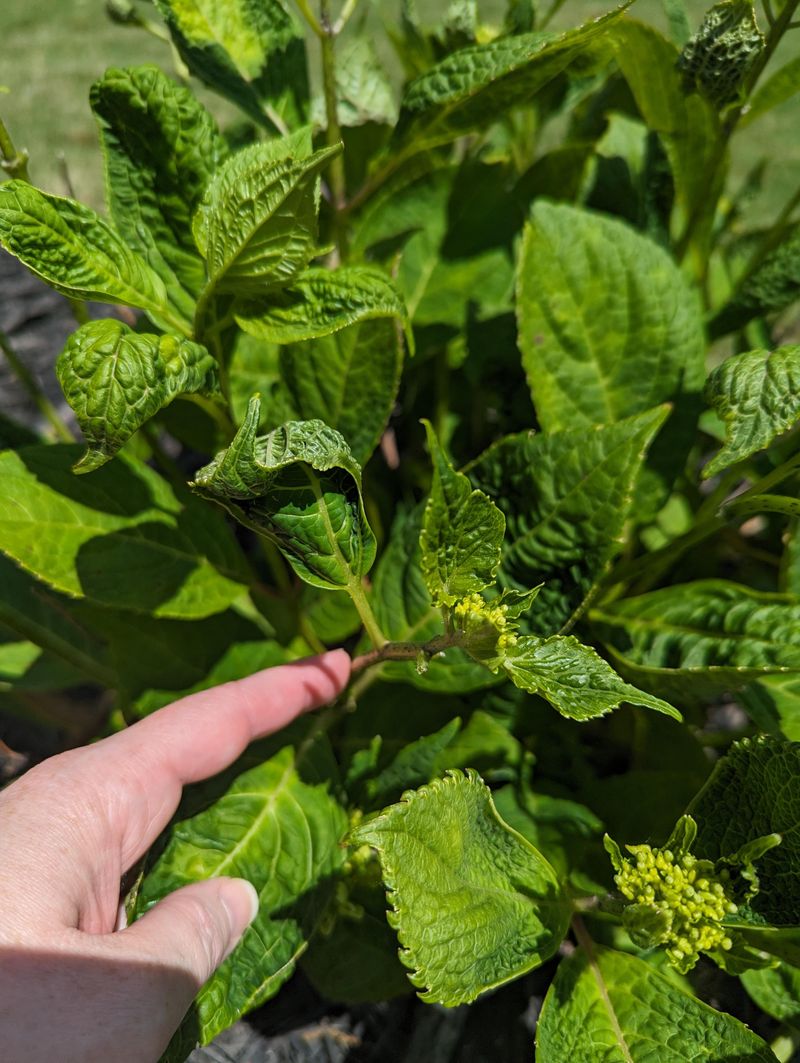
Your soil is bone dry, and your hydrangea is in urgent need of water. August heat can pull moisture out of the ground faster than most gardeners expect.
Hydrangeas are thirsty plants by nature. When they do not get enough water, their leaves curl inward as a survival trick to reduce moisture loss through the leaf surface.
Check the soil about two inches down with your finger. If it feels dry at that depth, your plant needs a deep drink right away.
Shallow watering is an easy-to-miss problem many gardeners do not realize they have. A quick sprinkle on the surface does not reach the roots where it counts most.
Water deeply and slowly at the base of the plant. Aim for about one inch of water per week, and increase that during heat waves or long dry stretches.
Mulching around the base of your hydrangea is one of the smartest moves you can make. A two to three inch layer of wood chips or shredded bark keeps soil moisture locked in longer.
Morning watering is the best time to hydrate your plant. This gives leaves time to dry before evening, which helps prevent other problems down the line.
If curling leaves perk back up within a few hours of watering, underwatering was almost certainly your culprit. Catching this early makes recovery quick and stress-free for both you and your plant.
2. Overwatering Causing Root Rot
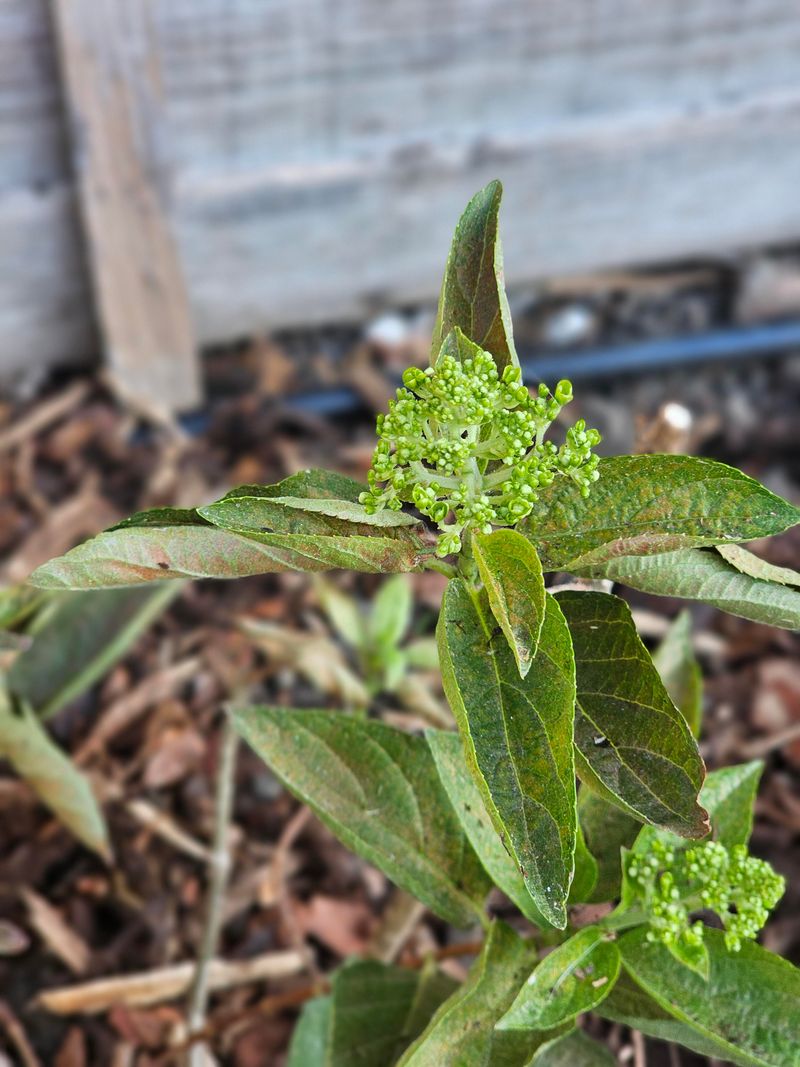
Overwatering can actually harm your hydrangea. Overwatering is one of the easiest ways gardeners accidentally stress their plants out in summer.
When roots sit in soggy soil for too long, they cannot absorb oxygen properly. Without oxygen, roots begin to break down, and the plant cannot pull up nutrients or water even when plenty is available.
The result is leaves that curl, yellow, and look droopy despite wet soil around them. This can be confusing because the ground seems moist, but the plant still shows signs of water stress.
Stick your finger about two inches into the soil before every watering session. If it still feels damp, skip that day and check again tomorrow.
Root rot caused by overwatering can be tricky to reverse once it sets in. Catching it early by adjusting your watering schedule gives the plant its best shot at bouncing back strong.
Pull back on watering frequency and let the soil dry out a bit between sessions. This small change can make a surprisingly big difference within just a week or two.
If the problem is severe, carefully dig up the plant and inspect the roots. Healthy roots are white and firm, while rotted roots look brown, mushy, and smell unpleasant.
Trim away any damaged roots with clean scissors and replant in fresh, well-draining soil. Your hydrangea leaves curling from this issue can recover with patience and better watering habits going forward.
3. Excessive Direct Afternoon Sun
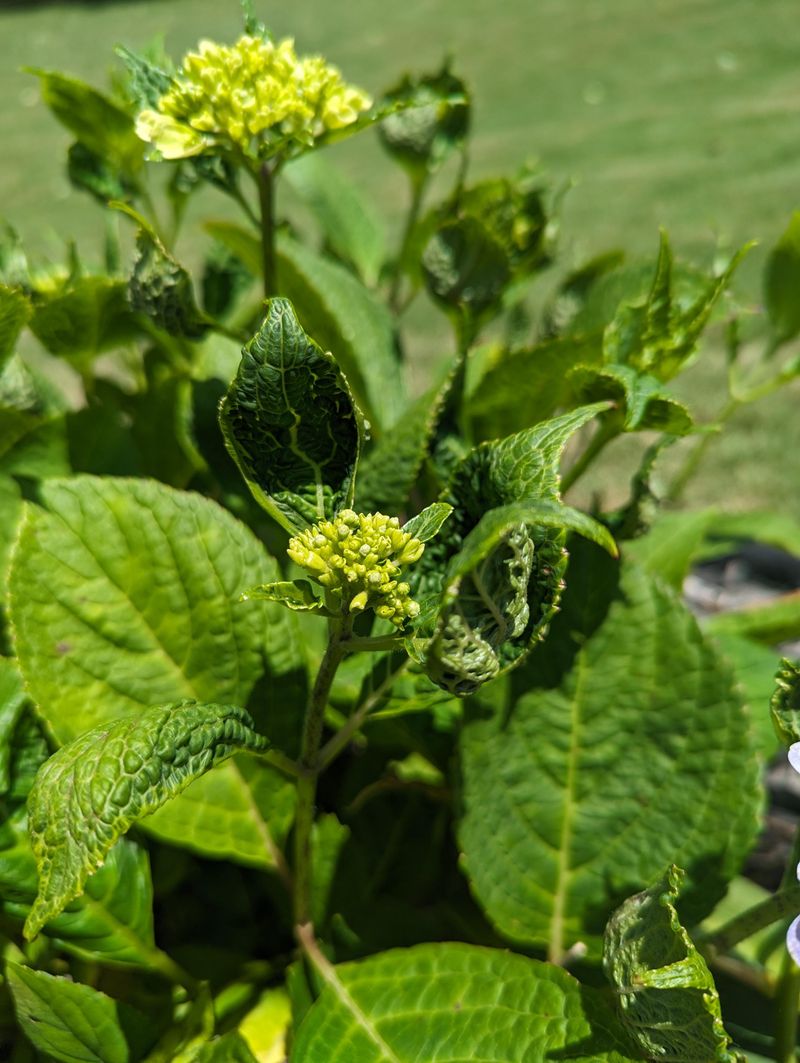
Afternoon sun in August hits differently than any other time of year. The intensity is strong, and hydrangeas are simply not built to handle full sun during the hottest part of the day.
Most hydrangea varieties prefer morning sun and afternoon shade. When they get blasted with direct afternoon rays for hours, their leaves curl as a defensive response to reduce surface area exposed to heat.
You might notice the curling is worse on the side of the plant facing west or south. That pattern is a strong clue that sun exposure is the main issue you are dealing with.
Moving a container hydrangea to a shadier spot is an easy fix. For in-ground plants, consider adding a shade cloth during peak afternoon hours from about noon to four o’clock.
Tall shrubs, fences, or nearby trees can act as natural sunshades for your hydrangea. Strategic planting around your garden can solve this problem for good over the long term.
Watering deeply in the morning also helps the plant stay cooler through the afternoon heat. A well-hydrated plant handles sun stress much better than one that is already running low on moisture.
A few curled leaves on a particularly hot day is not unusual. Some curling during extreme heat is normal, and leaves often recover once temperatures drop in the evening.
Persistent curling day after day is the real warning sign worth taking action on. Your hydrangea deserves a spot where it can truly thrive without fighting the sun all afternoon.
4. Heat Stress Above 90 Degrees
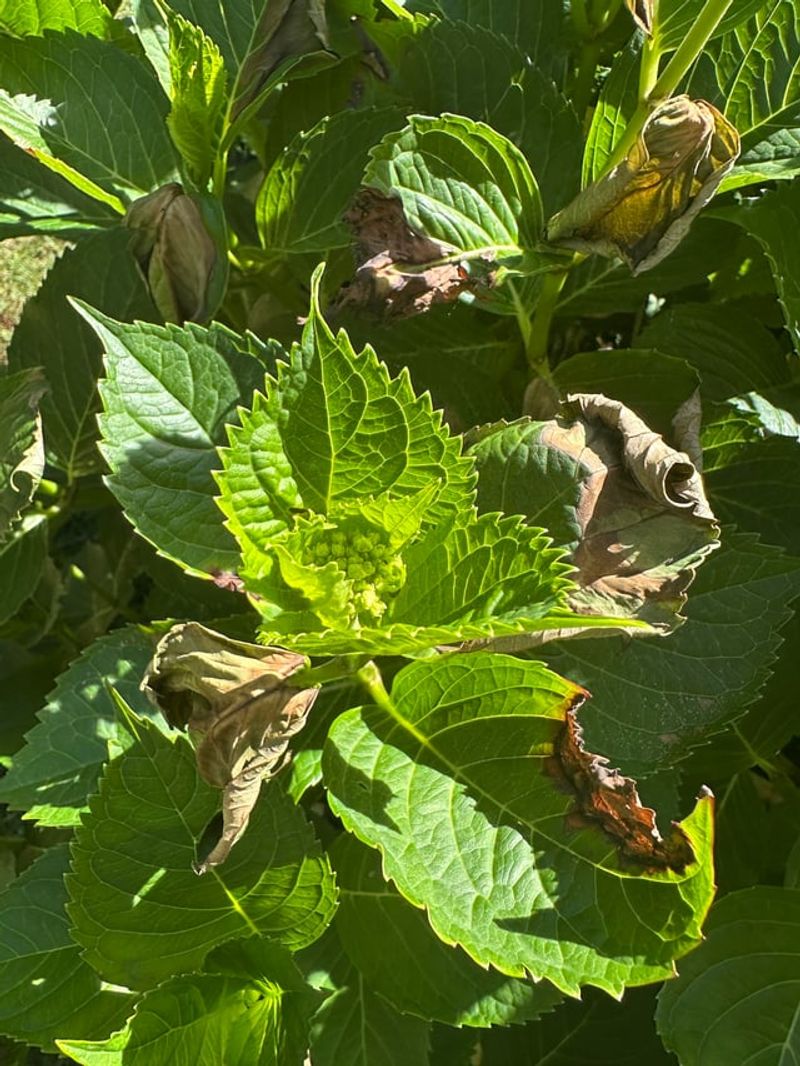
When the thermometer climbs past 90 degrees, your hydrangea begins to show signs of stress. Heat stress is a real physiological response, not just a cosmetic problem you can ignore.
At high temperatures, plants lose water through their leaves faster than their roots can replace it. The plant curls its leaves inward to slow that water loss and protect itself from drying out completely.
You might notice the curling happens mostly in the afternoon and the leaves look better by morning. That pattern tells you heat stress is the likely trigger rather than a disease or pest.
Giving your plant extra water during heat waves is one of the most effective responses. Deep watering early in the morning helps the plant build a moisture reserve before the heat peaks.
Avoid watering during the hottest part of the day because water can evaporate before reaching the roots. Early morning is the sweet spot for getting water where it needs to go most.
Adding a fresh layer of mulch around the base helps keep soil temperatures lower throughout the day. Cooler roots mean a more stable plant even when the air above is scorching hot.
Some gardeners use a light misting on leaves during extreme heat events. This can offer brief relief, but it is not a substitute for proper deep watering at the root level.
Extended heat waves above 90 degrees are tough on even healthy hydrangeas. Consistent care and smart watering habits are your best tools when summer refuses to cool down.
5. Fungal Leaf Spot Infection
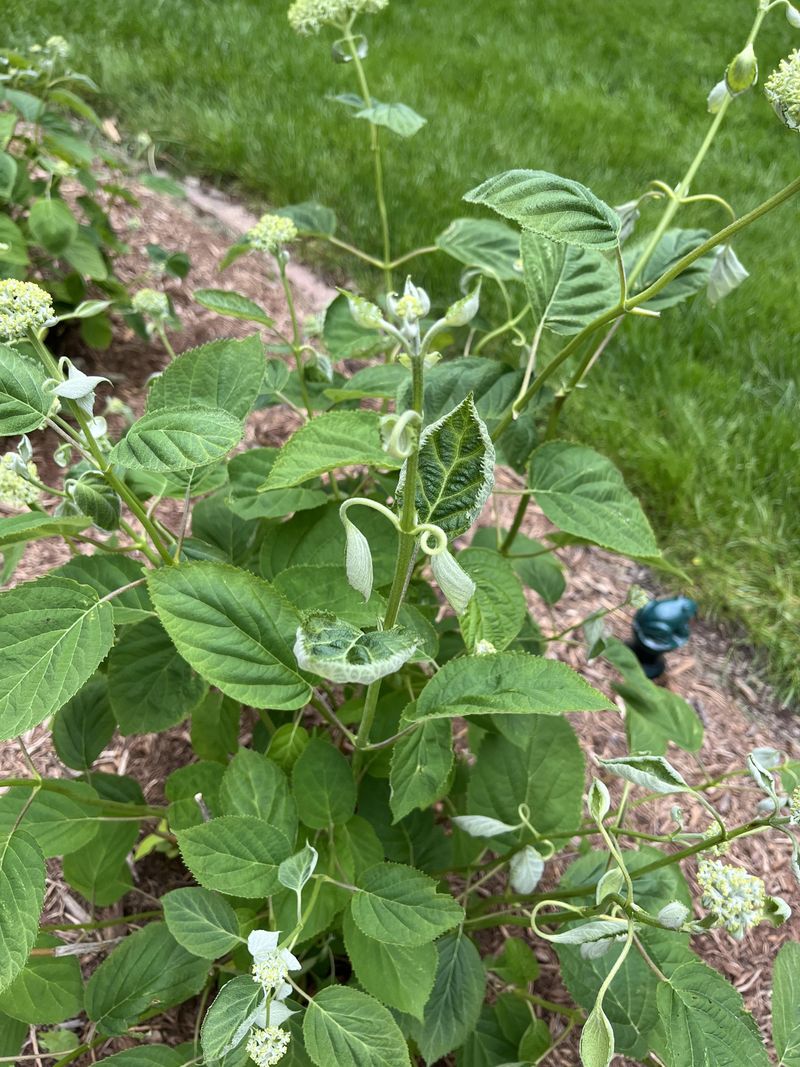
Brown circles with darker edges on hydrangea leaves are not a good sign. Fungal leaf spot is common in humid August weather and can cause serious curling if left alone.
The fungus spreads through water droplets splashing from soil onto lower leaves. Overhead watering and rain create wet conditions for disease to spread.
Leaves affected by fungal spots curl, yellow, and drop off. Curling happens because infected tissue loses its ability to hold a normal shape.
Removing affected leaves as soon as you spot them slows the spread. Drop them in the trash, not the compost pile, to avoid spreading spores.
A copper-based fungicide can help control an infection when applied per the product label. Always follow label instructions to protect your plant.
Improving air circulation around your hydrangea reduces the humidity fungi love. Pruning nearby plants or thinning crowded stems lets air move through more freely.
Avoid wetting leaves when you water by directing the hose at the base. Keeping foliage dry is one of the most effective ways to prevent fungal problems.
Fungal leaf spot rarely wipes out a healthy hydrangea on its own. Catching it early and adjusting care gives your plant a strong chance at recovery.
6. Pests Like Aphids Or Spider Mites
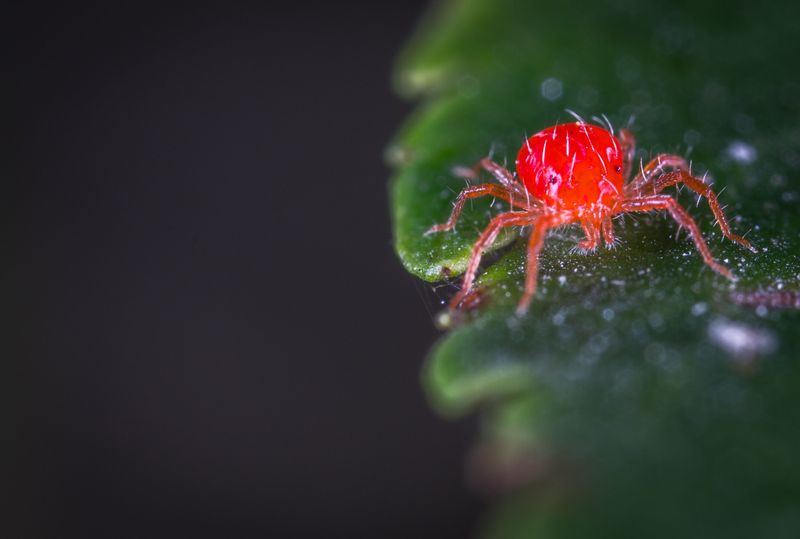
Tiny bugs can cause big problems for your hydrangea. Aphids and spider mites are common pests that make leaves curl and distort in August.
Aphids cluster on leaf undersides and soft new growth. They suck plant sap, weakening tissue and causing leaves to curl and look puckered.
Spider mites are smaller and harder to spot without a magnifying glass. Look for fine webbing on leaf undersides and a dusty, stippled surface as your first clue.
Both pests thrive in hot, dry August conditions, which is why they show up most aggressively this time of year. A drought-weakened plant is more vulnerable to pest damage.
A strong blast of water from your garden hose knocks aphids off leaves quickly. Repeat every few days to keep populations from rebounding.
Insecticidal soap spray is a safe and effective treatment for both pests. Coat leaf undersides thoroughly, where the bugs actually live and feed.
Neem oil is another good option that disrupts pest feeding and reproduction. Apply it in early morning or evening to avoid leaf burn from direct sunlight.
Check your hydrangea weekly during August, since populations can grow fast in warm weather. Catching an infestation early means less damage and a quicker turnaround.
7. Poor Drainage Depriving Roots Of Oxygen
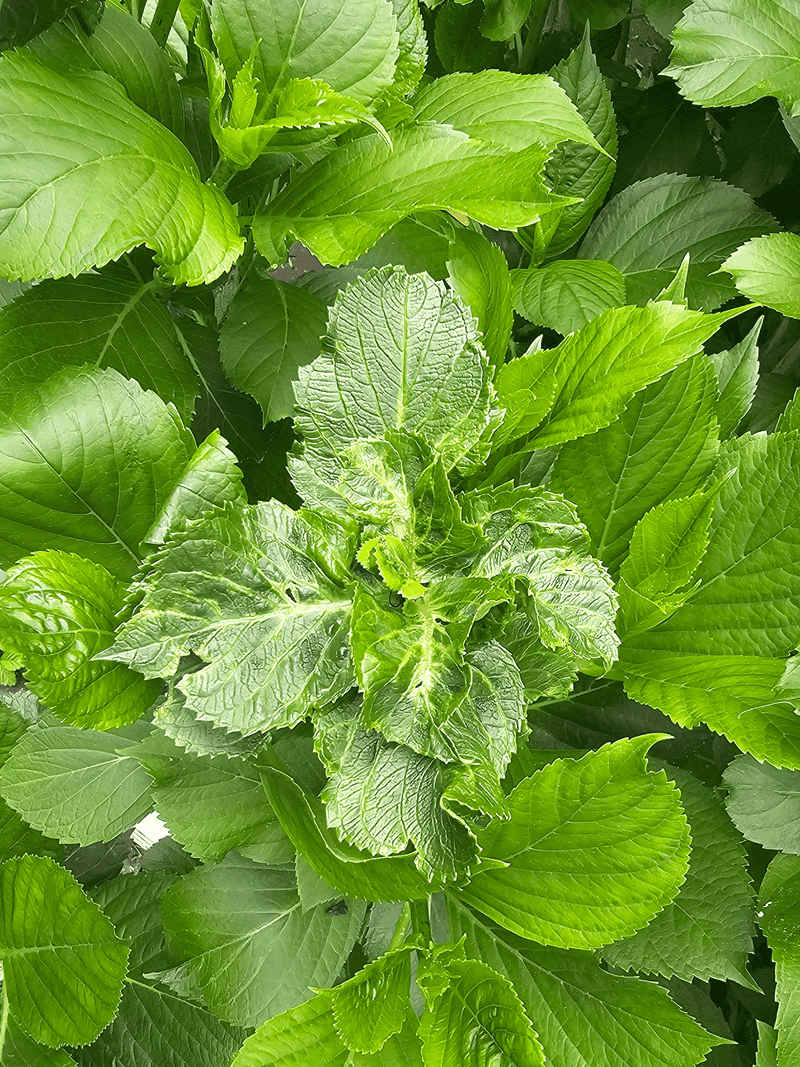
Heavy clay soil is one of the most frustrating things a hydrangea can be planted in. Water pools around roots instead of draining away, and roots slowly weaken from lack of oxygen.
Poor drainage mimics overwatering, even with a reasonable watering schedule. Soil cannot move water fast enough, and roots pay the price.
Signs of drainage trouble include soggy soil days after rain, nearby moss, and leaves that curl and yellow with no change in care.
Amending soil with compost, perlite, or coarse sand improves drainage over time. Working these into the bed gives water a better path through soil.
Raised garden beds are an excellent long-term solution for naturally poor drainage. Elevating your hydrangea six to twelve inches above ground makes a dramatic difference in root health.
If replanting is not an option, create a slight slope away from the plant base. This encourages water to flow away from the root zone instead of pooling.
A layer of coarse gravel at the bottom of a planting hole is an old trick, but works best when soil is also improved, not used alone.
Healthy roots mean healthy leaves, and curling from drainage issues will improve as roots become less waterlogged.
8. Transplant Shock From Recent Moving
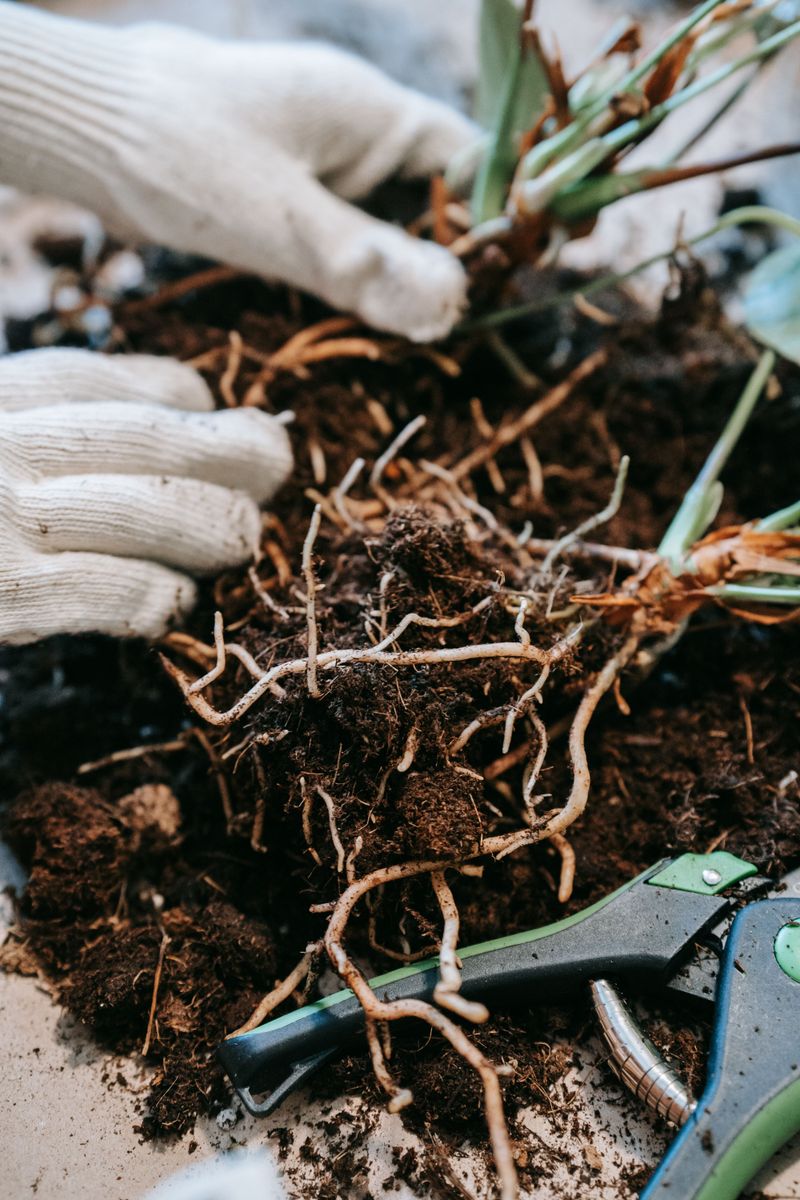
Moving a hydrangea in August is not ideal, and your plant will show stress quickly. Transplant shock causes leaves to curl, wilt, and droop as roots struggle to reestablish.
When roots are disturbed during digging and replanting, they lose their ability to absorb water. The plant curls its leaves to conserve moisture while roots recover and reconnect with soil.
August is one of the worst times to transplant hydrangeas due to intense heat and low humidity. If you recently moved your plant, extra care in the following weeks is essential.
Water deeply every day for the first week to support root recovery. Keeping soil consistently moist, not soggy, gives displaced roots the best environment to grow back quickly.
Shade cloth over a newly transplanted hydrangea can reduce stress during recovery. Blocking harsh afternoon sun for two to three weeks speeds recovery.
Avoid fertilizing a recently transplanted hydrangea right away, since it adds stress to struggling roots. Wait four to six weeks before adding nutrients.
Patience is genuinely the most important ingredient here. Many hydrangeas that go through transplant shock recover within four to eight weeks with consistent care, though timelines vary by plant size and root disturbance.
Curling leaves from transplant shock are not permanent damage. With steady watering and some shade, your hydrangea will bounce back stronger than expected.
9. Nutrient Deficiency Weakening Leaf Tissue
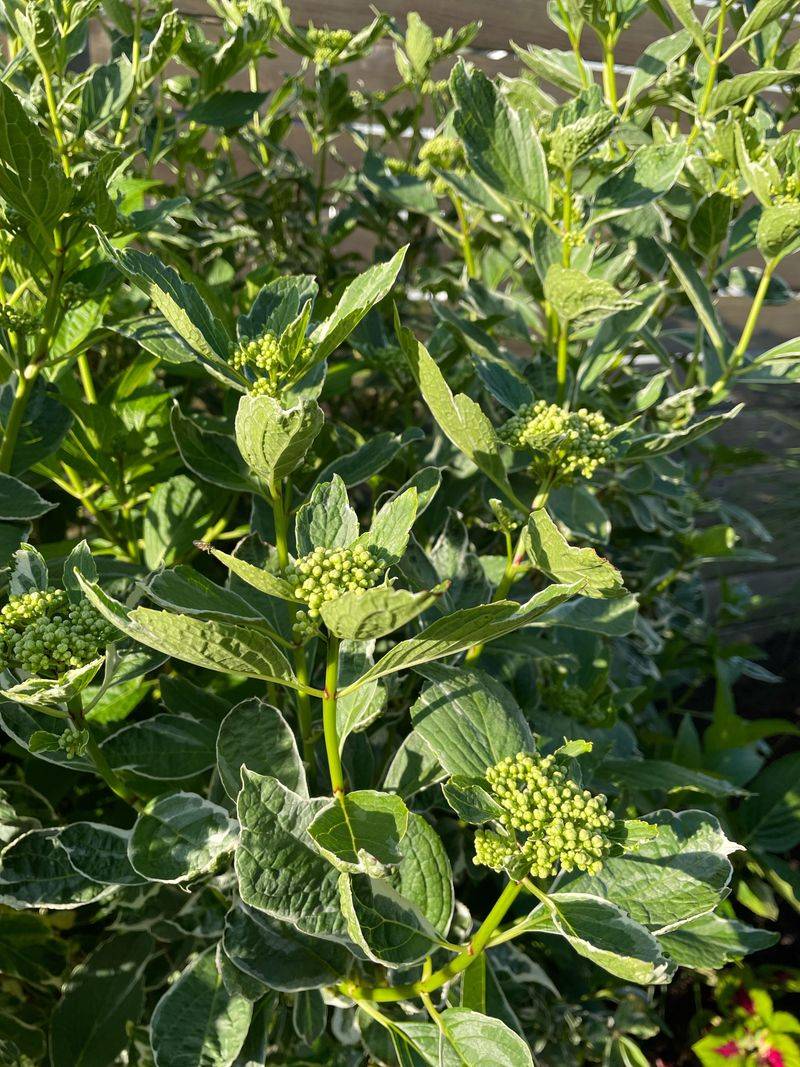
A hydrangea low on nutrients shows it in the leaves first. Curling, yellowing between the veins, and discolored foliage are classic signs of a shortage.
Magnesium deficiency is a common cause of curling and yellowing. Without enough magnesium, the plant cannot produce chlorophyll properly, and leaf tissue weakens from within.
Iron deficiency is another frequent culprit, especially in soils with a high pH. When soil is too alkaline, iron becomes unavailable to roots even if present in the ground.
A simple soil test tells you exactly what is missing. Testing before you treat prevents adding the wrong nutrients and making things worse.
For suspected magnesium deficiency, some gardeners use a foliar spray of one tablespoon of Epsom salt in a gallon of water, applied every two weeks, though results vary and a soil test remains the most reliable way to confirm it.
Adjusting soil pH fixes iron deficiency. Adding sulfur or an acidifying fertilizer lowers pH and makes iron available to roots again quickly.
A slow-release fertilizer applied in spring sets your hydrangea up for the season. Skipping spring feeding is a common reason plants show symptoms by August.
Healthy leaf tissue means curling from nutrient issues will straighten out once the plant gets what it needs. Feed your soil well, and your hydrangea will reward you with lush foliage.