North Carolina Gardeners Who Do This Get Bigger Bigleaf Hydrangea Blooms Every Season
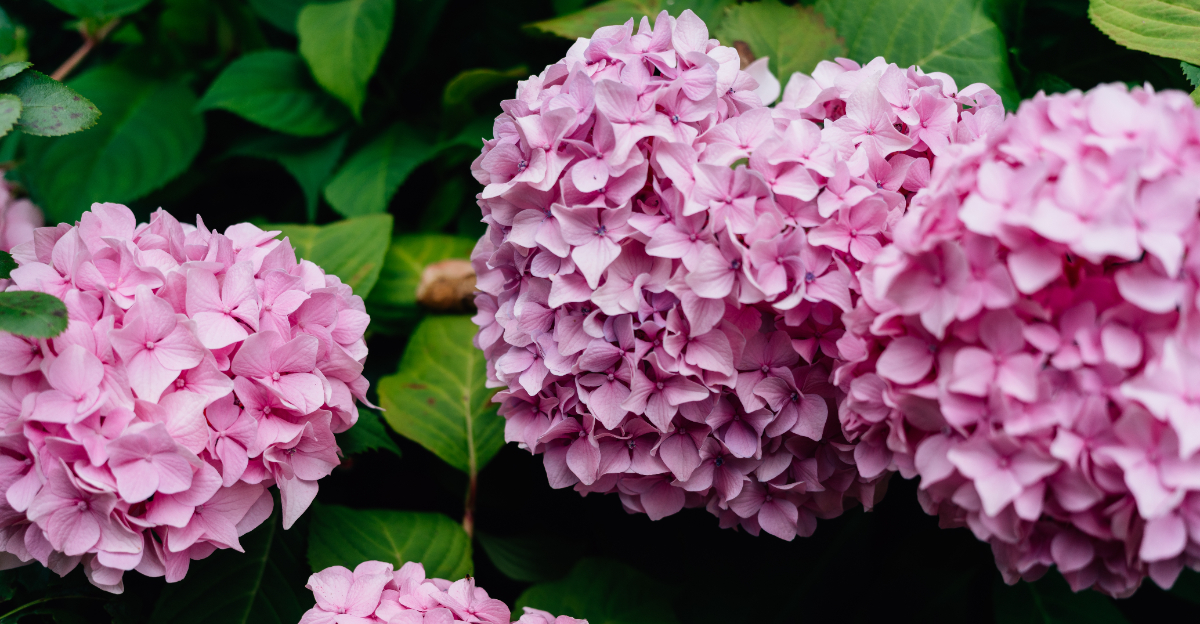
Bigleaf hydrangeas are capable of producing spectacular blooms in North Carolina, but a lot of gardeners are getting far less than what these plants can actually deliver.
The difference between hydrangeas that bloom reliably and heavily and ones that produce sparse or undersized flowers almost always comes down to one specific practice.
It separates gardeners who understand these plants from those who are simply maintaining them.
North Carolina’s climate is genuinely well suited to bigleaf hydrangeas, which means when blooming underperforms here, the cause is almost always something happening in how the plant is being cared for rather than the environment it is growing in.
Getting this one thing right consistently is what unlocks the kind of full, impressive blooms that make bigleaf hydrangeas worth growing in the first place.
1. Pinch Back New Growth Early
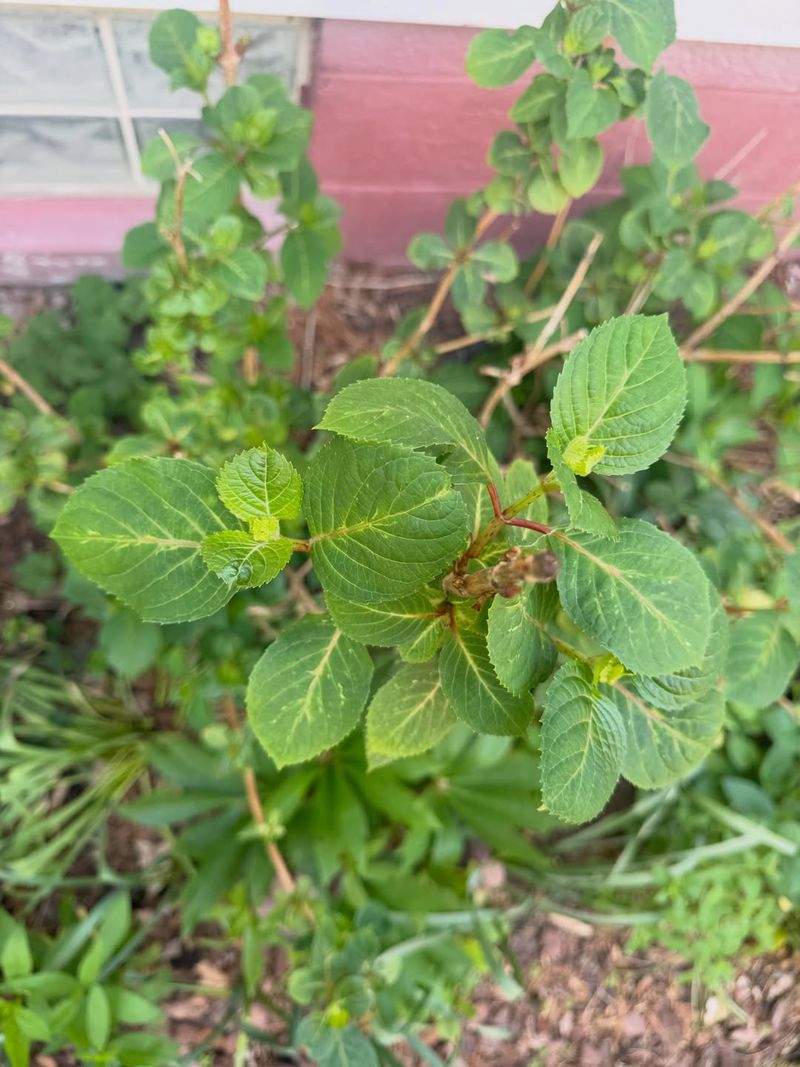
Timing is everything when it comes to getting the most out of your Bigleaf Hydrangeas. One of the best-kept secrets among experienced North Carolina gardeners is pinching back the top one to two inches of new shoots in late spring.
It sounds simple, but this one small action can completely change how your plant performs come summer.
When you remove just the very tip of a new shoot, the plant responds by redirecting its energy. Instead of putting all its effort into growing taller, it pushes that energy outward and downward, building stronger, thicker stems.
Those sturdy stems are what hold up heavy flower clusters without flopping over in the summer heat and humidity that North Carolina is known for.
Stronger stems also mean the plant can support larger, more developed flower buds. The energy saved from not stretching upward gets funneled directly into bud development, which translates to noticeably bigger blooms.
Gardeners who skip this step often end up with tall, leggy plants that struggle to hold their flowers upright.
Use clean, sharp garden scissors or your fingernails to pinch just the soft tip of each new shoot. Do this once in late spring, before the plant gets too far into its growth cycle.
It only takes a few minutes and makes a real difference by the time your hydrangeas burst into full color. North Carolina summers reward gardeners who prepare their plants early, and this simple technique is one of the easiest ways to start strong.
2. Respect Bud Formation On Old Wood
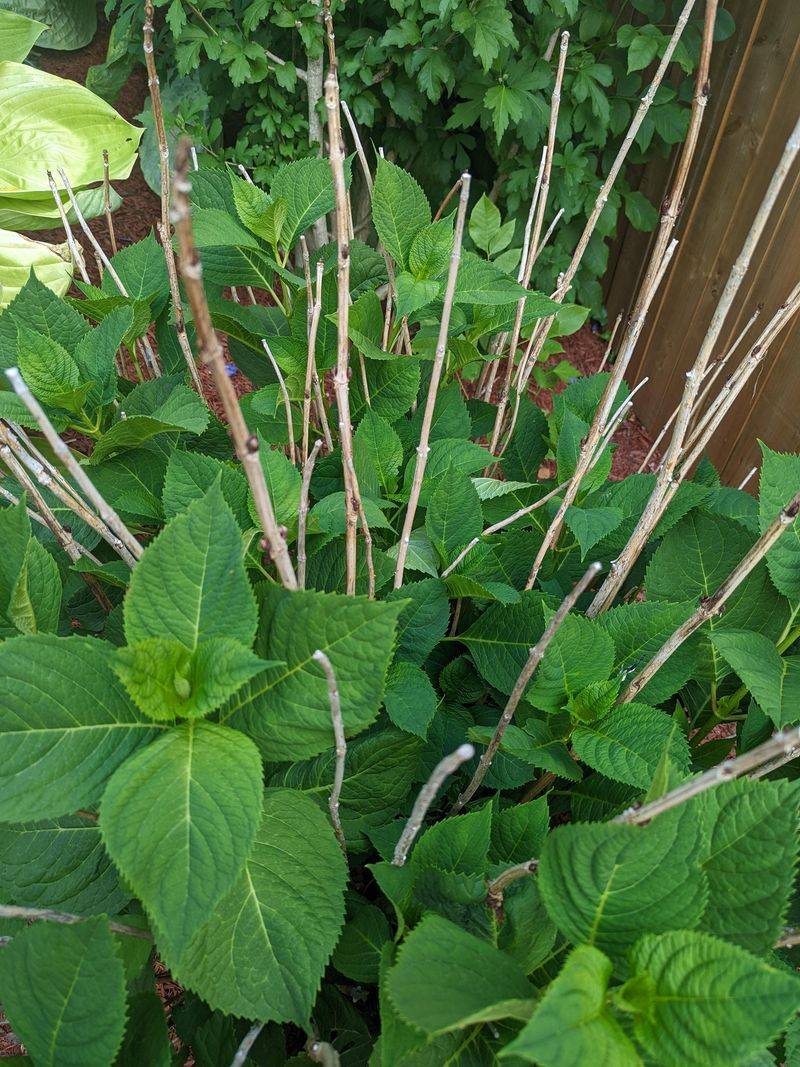
Here is something that surprises a lot of new hydrangea growers: Bigleaf Hydrangeas form their flower buds on last year’s wood. That means the stems that grew during the previous season are the ones carrying the buds that will bloom for you this year.
Understanding this one fact changes everything about how you care for your plant.
When you pinch back only the fresh new growth in late spring, you are not touching those precious old stems at all. The buds on old wood stay completely safe.
This approach lets you strengthen the plant without sacrificing any of the blooms you have been waiting all year to see. It is a careful balance, and once you understand it, it feels natural.
Your North Carolina Garden Changes Every Week. Your Plan Should Too.
Gardening in North Carolina changes quickly throughout the season. Every Friday you’ll receive a simple weekly plan showing exactly what to plant, prune, fertilize, harvest, and protect so you never miss the right timing.
North Carolina winters can be tricky for Bigleaf Hydrangeas. A late cold snap can damage buds on old wood, which is one reason so many gardeners feel frustrated when their plant does not bloom.
Protecting those old stems through winter with a light layer of mulch or burlap wrap gives the buds a much better chance of surviving through to spring.
Take a close look at your old stems in early spring before new growth really kicks in. You should be able to spot small, plump buds forming along the length of each stem.
Those are your future blooms. Treat those stems with care, avoid bumping or breaking them, and you will be rewarded with a full, gorgeous display of flowers once the warm season arrives in full force.
3. Avoid Cutting Old Wood
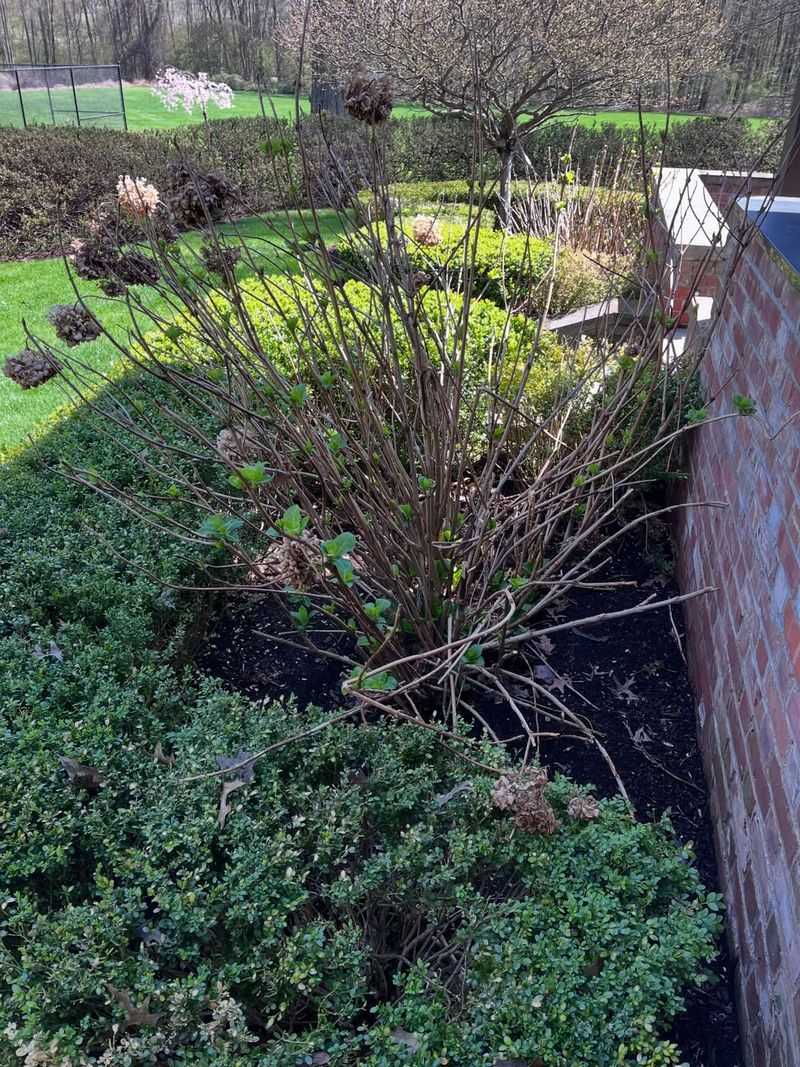
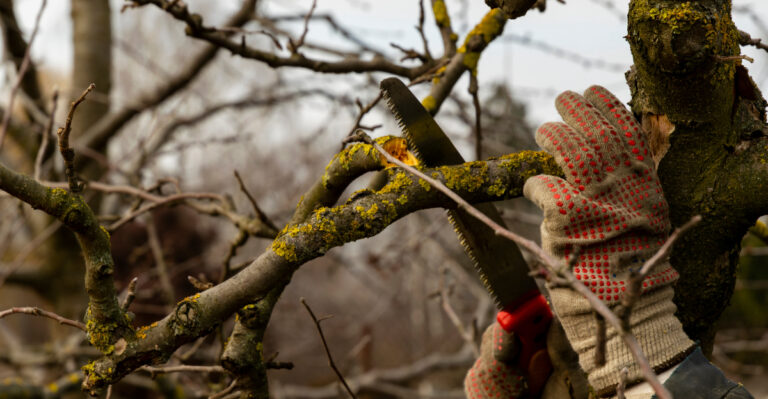
Pruning can feel productive, but with Bigleaf Hydrangeas, cutting the wrong stems is one of the fastest ways to lose a full season of blooms. Old wood, meaning the stems from last year, is where your flower buds live.
Remove those stems, and you are essentially removing your blooms before they even get a chance to open.
A lot of well-meaning gardeners make this mistake in late fall or early spring when they tidy up the garden. The plant might look a little rough and woody, but those stems are full of potential.
The best rule of thumb is to only remove stems that are clearly damaged, broken, or showing no signs of life whatsoever. Everything else should stay right where it is.
Identifying old wood versus new growth gets easier with practice. Old stems tend to be thicker, brownish or tan in color, and feel firm when you bend them slightly.
New growth is greener, softer, and usually emerges from the base of the plant or along the old stems in spring. When in doubt, wait a few weeks into spring before making any cuts, so you can clearly see what is alive and budding.
In North Carolina, where spring weather can shift quickly, patience pays off. Give your plant time to show you what is thriving before you reach for the pruning shears.
A little restraint now means a yard full of big, colorful blooms by midsummer, and that is absolutely worth the wait every single time.
4. Provide Consistent Moisture
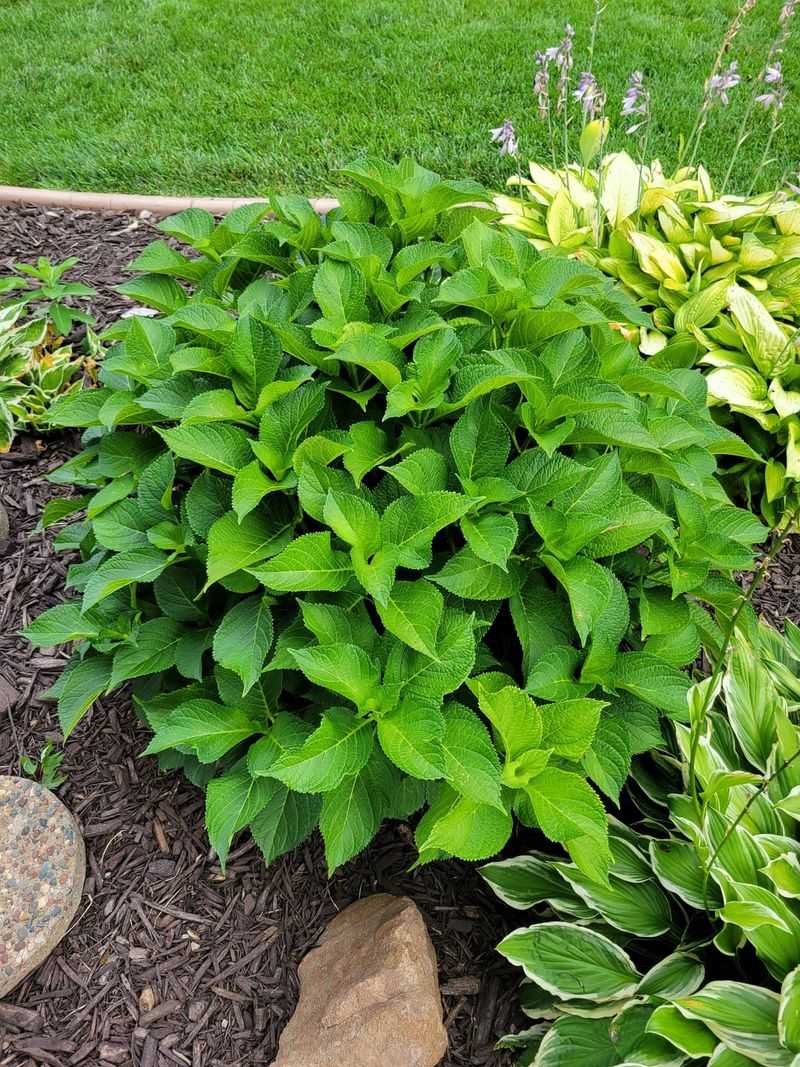
Few things affect bloom size more directly than water. Bigleaf Hydrangeas are thirsty plants, and they need consistently moist soil to develop those big, full flower clusters that everyone loves.
When the soil dries out, especially during bud development, the plant pulls back its energy and the blooms suffer for it.
North Carolina gardens come with a unique challenge: clay soil. While clay holds moisture longer than sandy soil, it can also become compacted and drain poorly, which leads to waterlogged roots.
The sweet spot is evenly moist soil that drains well but never completely dries out. Adding organic matter like compost to your planting area helps improve clay soil’s structure over time and creates a better environment for roots to spread and absorb water efficiently.
Deep watering is far more effective than frequent shallow watering. When you water deeply, you encourage roots to grow downward in search of moisture, making the plant more resilient during dry stretches.
Aim for slow, deep watering at the base of the plant two to three times per week during hot summer months, adjusting based on rainfall. A rain gauge in your garden is a handy tool for tracking how much water your plants are actually getting.
Watch your plants for early signs of drought stress, which often show up as wilting leaves in the afternoon heat.
Some wilting on very hot days is normal and not a cause for concern, but consistent wilting in the morning is a signal your plant needs more water.
Staying on top of moisture through summer keeps buds swelling and blooms at their very best.
5. Fertilize Moderately
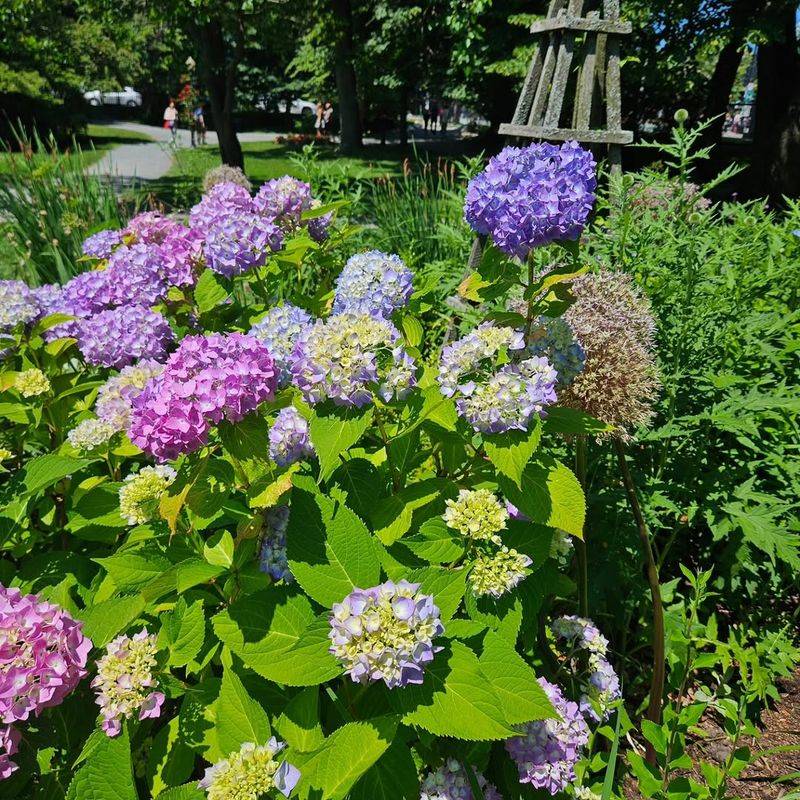
Feeding your hydrangeas feels like a generous act, but more fertilizer is not always better. In fact, over-fertilizing is one of the most common reasons Bigleaf Hydrangeas produce lots of lush green leaves but very few blooms.
The key is moderate, well-timed feeding that supports flower development without pushing excessive leafy growth.
The best time to fertilize Bigleaf Hydrangeas is after you see the first signs of new growth in early spring. At that point, the plant is waking up and ready to use nutrients effectively.
A balanced, slow-release fertilizer formulated specifically for hydrangeas works beautifully. Look for products with roughly equal parts nitrogen, phosphorus, and potassium, or one slightly higher in phosphorus, which supports root development and flowering.
Avoid fertilizing in late summer or fall. Feeding too late in the season pushes new tender growth that has no time to harden off before cooler temperatures arrive in North Carolina.
That soft new growth is vulnerable to cold damage, which can put your buds at risk right when you need them most protected heading into winter.
One application in early spring and a second light feeding in early summer is usually all a healthy Bigleaf Hydrangea needs.
Always water your plant thoroughly before and after applying fertilizer to help it absorb nutrients evenly and reduce any risk of root burn.
Consistent, moderate feeding builds a strong, healthy plant that channels its energy into producing vibrant, oversized blooms rather than wasting it on unnecessary leaf growth throughout the season.
6. Mulch Around Roots
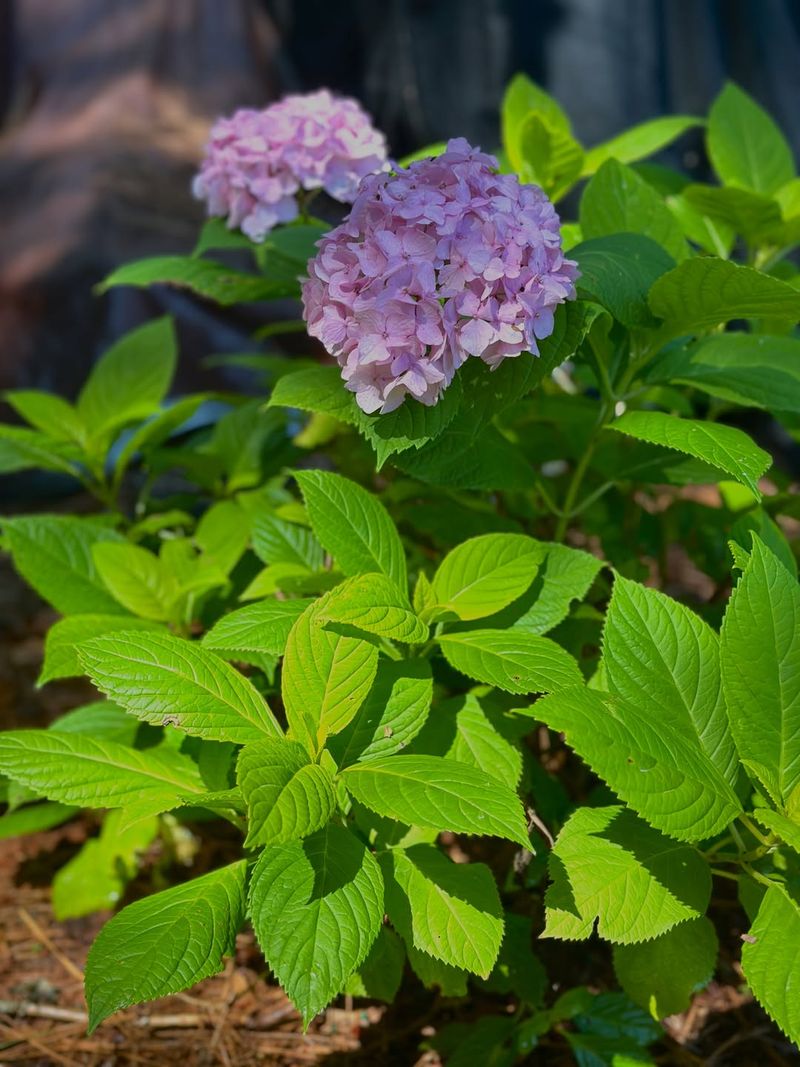
Mulching might be the most underrated step in the entire hydrangea care routine.
A good layer of organic mulch around your Bigleaf Hydrangea does more work than most gardeners realize, from holding in moisture to keeping soil temperatures stable through North Carolina’s unpredictable seasons.
Apply a two to three inch layer of shredded bark, pine needles, or wood chips in a wide ring around the base of your plant.
This layer acts like a blanket for the roots, slowing down moisture evaporation on hot days and insulating the soil against sudden temperature swings.
North Carolina summers can be brutally hot, and that heat radiates up from bare soil and stresses roots more than most people expect.
One important rule: always keep mulch a few inches away from the crown of the plant, which is the point where the stems meet the soil.
Piling mulch directly against the crown creates a moist, dark environment that encourages rot and can seriously weaken the plant over time.
Think of it as a donut shape, with the plant sitting in the middle of the ring, not buried under the mulch itself.
Refresh your mulch layer each spring before temperatures climb. Over winter, organic mulch breaks down and adds valuable nutrients back into the soil, which is a bonus for your hydrangeas.
By keeping roots cool, moist, and protected throughout the growing season, mulch creates the ideal underground environment for strong bud development and those spectacular, oversized blooms that make Bigleaf Hydrangeas so irresistible in North Carolina gardens.
7. Ensure Proper Sun Exposure
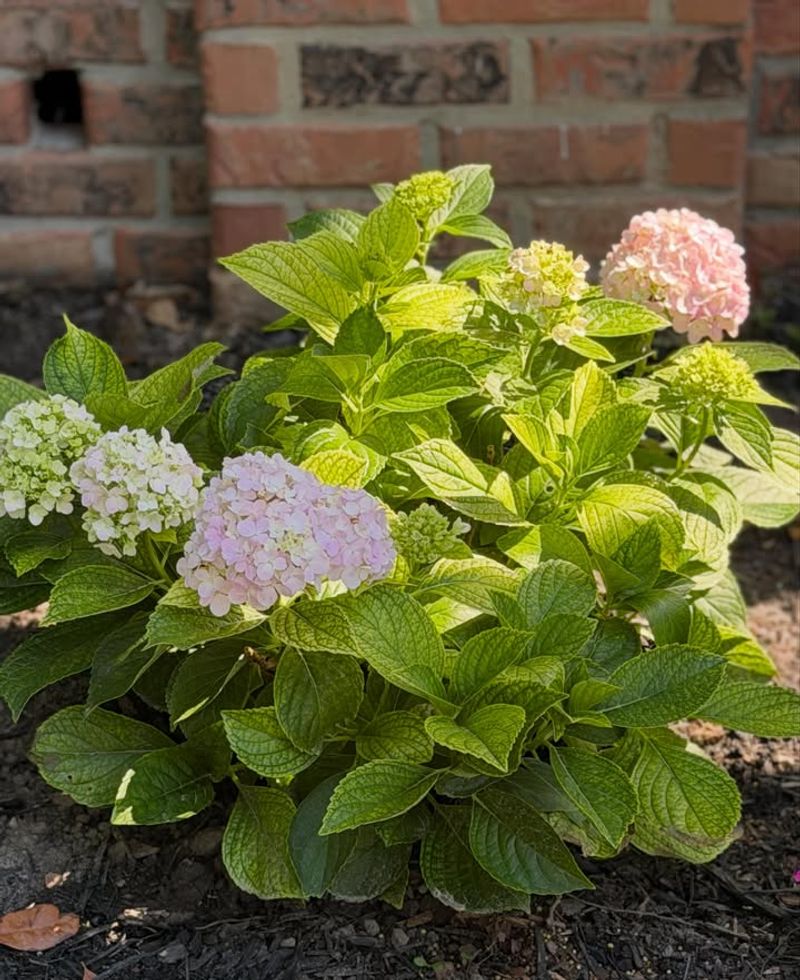
Sunlight is a double-edged sword for Bigleaf Hydrangeas.
They absolutely need light to produce energy and fuel those big blooms, but too much of the wrong kind of sun can stress the plant, scorch the leaves, and cause flowers to fade before they reach their full potential.
Getting the light balance right makes a huge difference in bloom quality.
Morning sun with afternoon shade is the winning combination for Bigleaf Hydrangeas in North Carolina. Morning light is gentler and gives the plant the energy it needs to photosynthesize and build strong buds.
By the time the harsh afternoon sun rolls in, especially during July and August, your hydrangeas should be sitting in comfortable, protective shade.
The east or north side of your home, or beneath the filtered canopy of a tall tree, are often ideal spots.
When Bigleaf Hydrangeas receive too much direct afternoon sun, the leaves start to look pale, crispy at the edges, or wilted even when the soil is moist. Those are clear signs of heat stress.
Flowers on stressed plants tend to be smaller and fade faster than blooms on plants growing in the right conditions. Relocating a struggling plant to a shadier afternoon spot can completely transform its performance within a single season.
If you are planning a new planting, take time to observe how sunlight moves across your yard throughout the day before choosing a spot. A location that looks shady in the morning might be baking in full sun by two in the afternoon.
A little observation now saves a lot of frustration later and sets your hydrangeas up for their most stunning season yet.
8. Support Stems
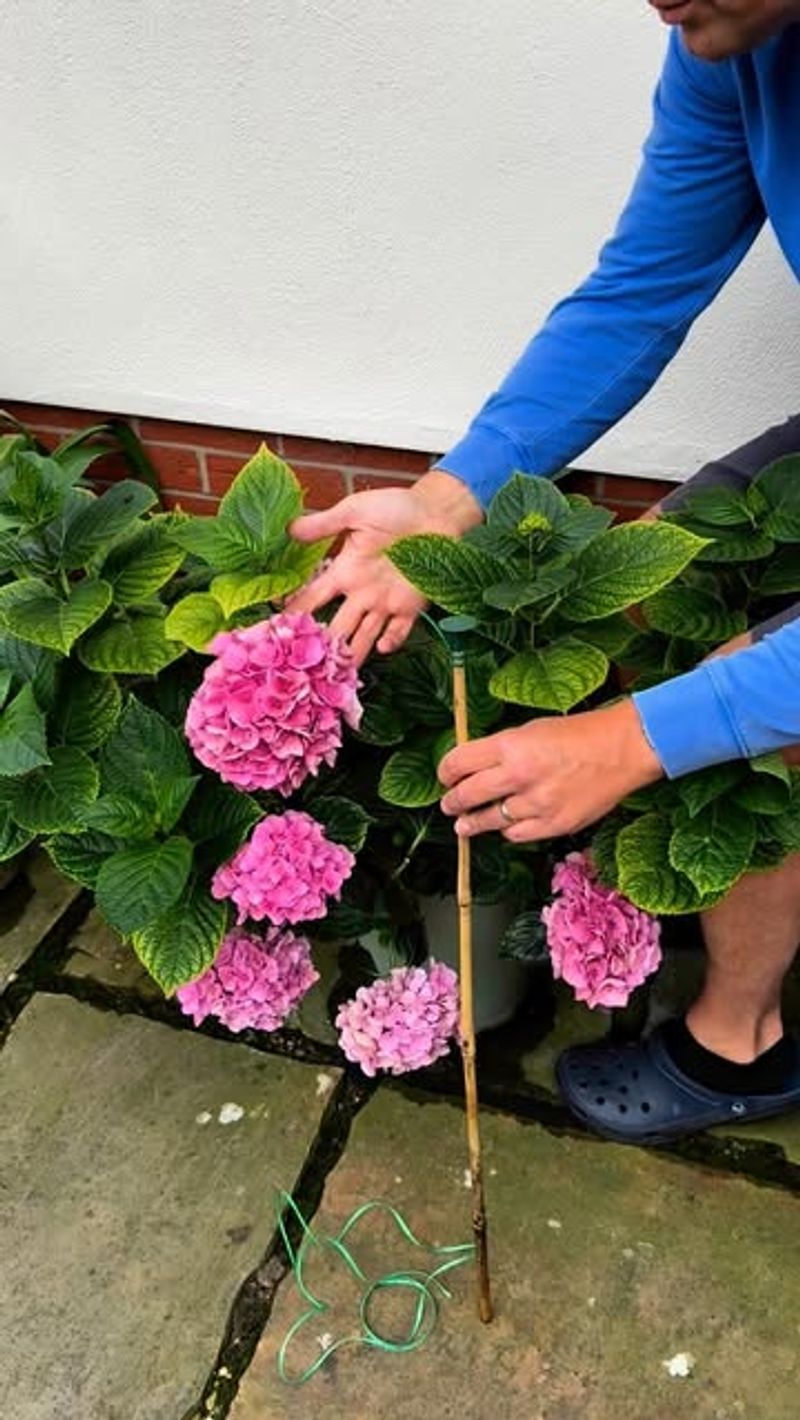
There is nothing more disappointing than watching a gorgeous, heavy bloom cluster drag a stem all the way down to the ground after a summer rainstorm.
North Carolina summers bring plenty of heavy rain and strong afternoon storms, and those conditions can snap or bend even well-established hydrangea stems.
Supporting your stems before that happens is one of the smartest moves you can make.
Staking does not have to be complicated or unsightly. Simple wooden garden stakes pushed into the soil near the base of the plant, with soft garden twine looped gently around individual stems, do the job beautifully.
The key word is gently. You want the stem to have a little room to move naturally in the breeze, not be cinched so tightly that it cannot flex. Rigid ties can actually cause more damage than no support at all.
Another popular option is a grow-through support ring, which you set up early in the season before the stems get tall. As the plant grows up through the ring, the structure holds the stems naturally without any visible ties.
These rings are especially helpful for gardeners who want a clean, tidy look in their garden beds throughout the growing season.
Pay extra attention to any stem carrying an unusually large flower cluster, since those are the ones most likely to bow under their own weight.
A little proactive support in early summer keeps your stems upright, your blooms facing skyward, and your whole hydrangea looking its absolute best from the first flower to the very last one of the season.